

There’s nothing quite like cultivating your very own vegetable garden, especially when every harvest nourishes both your body and soul! I know how disheartening it can be when pests overrun your garden or when growing conditions seem less than perfect—but growing nutrient-packed vegetables that offer incredible health benefits can turn every setback into an opportunity for natural healing. In this article, I’m excited to share 15 vegetables that not only boost your wellness with essential vitamins and antioxidants but also come with fascinating native histories and growth habits. These plants are sure to brighten your garden with their natural charm and help you cut down on store-bought produce while nourishing your body!
I understand the struggles of starting a garden and trying to decide which vegetables are both easy to grow and packed with health benefits. Whether you’re dealing with limited space or unpredictable weather, these selections have been carefully chosen for their resilience and nutritional power. From tomatoes bursting with lycopene to garlic known for its immune-boosting properties, each vegetable has its own story to tell—from its native origins to its non-invasive, friendly growth patterns. So grab your gloves and join me on this journey toward a healthier, happier garden that feeds you both inside and out!
Tomatoes
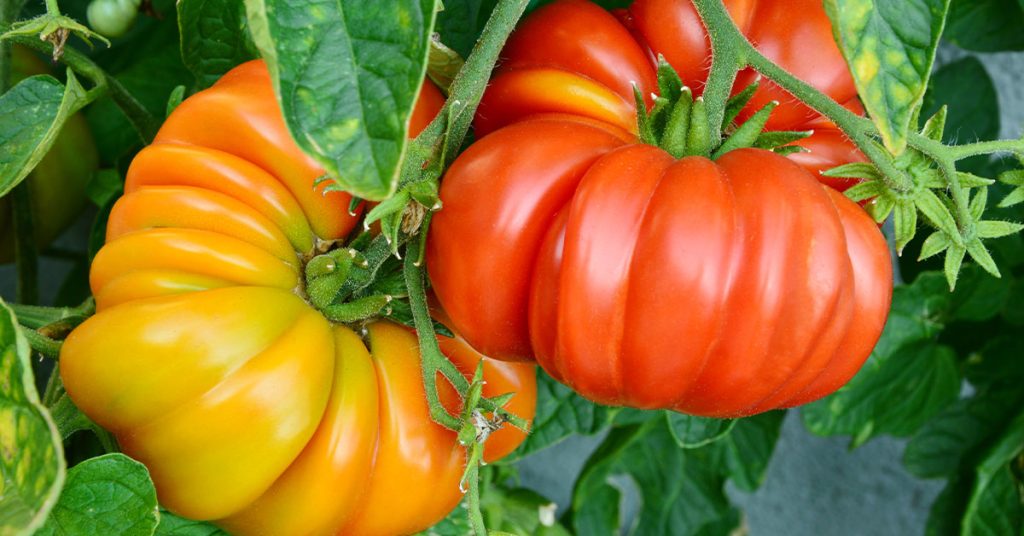
Tomatoes, native to the western regions of South America, are a powerhouse of vitamins and antioxidants—especially lycopene, which has been linked to heart health and cancer prevention! These juicy fruits (yes, botanically fruits, but treated as vegetables in our kitchens) produce vibrant clusters that almost seem to nestle on the vine, inviting bees and butterflies to help with pollination. I’ve seen tomato plants transform a small garden into a sun-drenched haven of color and flavor, making them an indispensable part of any health-focused garden.
In my own garden, tomatoes have always been a reliable source of vitamin C and potassium, helping me feel energized and healthy even on the busiest days. Although some tomato varieties can self-seed, they are generally non-invasive and easy to manage with proper pruning and staking. Every time I harvest a handful of these bright red beauties, I’m reminded of how nature’s simplest gifts can provide such profound health benefits—an absolute must-have for any beginner gardener looking to boost their diet!
Garlic
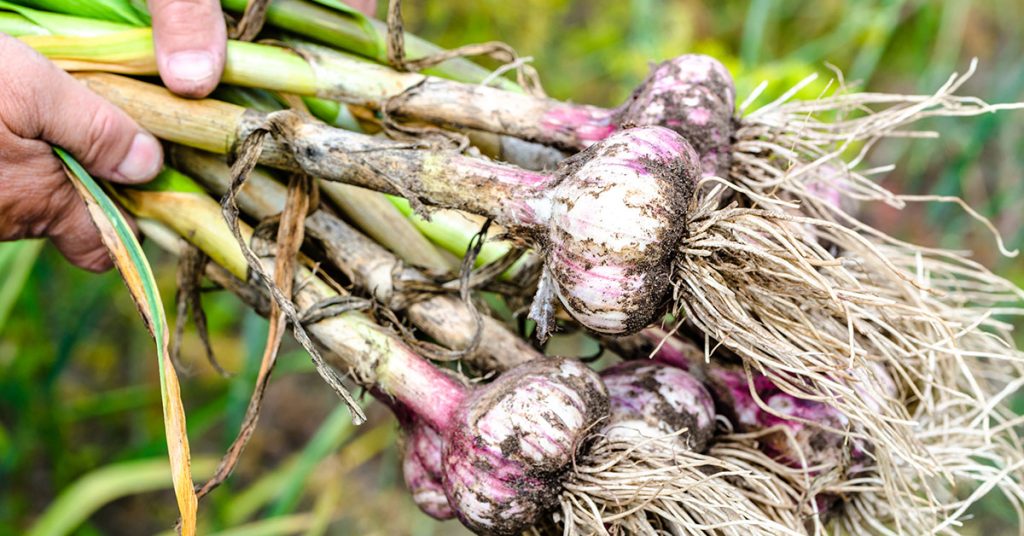
Garlic, with its roots in Central Asia, has been cherished for centuries for its potent medicinal properties, including its ability to boost immunity and reduce inflammation. Its bulbs develop underground in tight, nest-like clusters, almost as if nature itself is hiding little treasures beneath the soil! I find garlic particularly rewarding because it not only flavors your meals but also acts as a natural antibiotic, offering a robust defense against common illnesses.
In my garden, garlic is a low-maintenance superstar that thrives even when my attention is divided among many projects. While it may self-seed under optimal conditions, garlic typically remains non-invasive, making it perfect for gardeners with limited space. Each harvest of plump, aromatic bulbs fills me with pride, knowing that I’m cultivating a time-honored remedy that contributes to a healthier lifestyle—all while cutting down on those extra trips to the pharmacy!
Kale
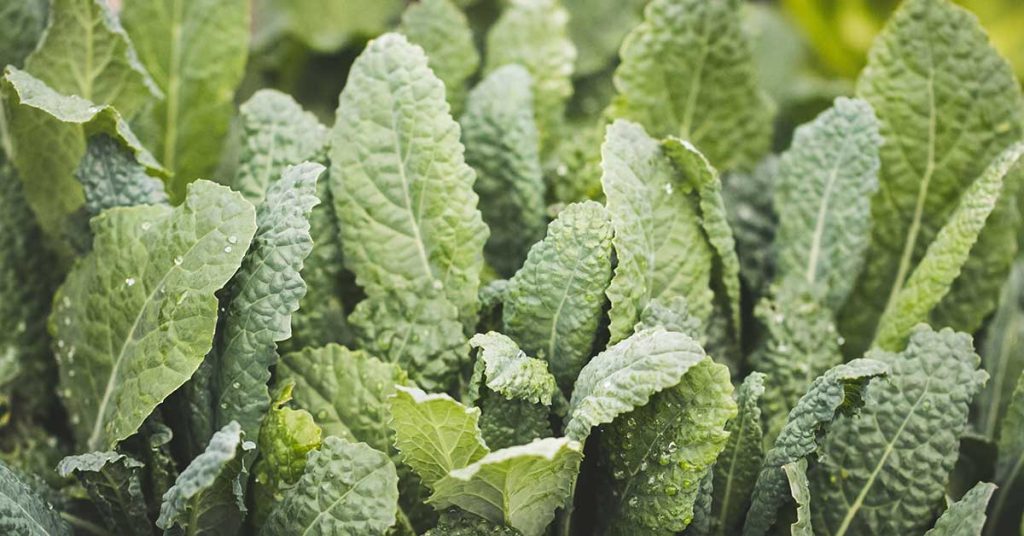
Kale, native to regions of Europe and Asia, is renowned for its dense nutrient profile, packed with vitamins A, C, and K as well as antioxidants and fiber. Its ruffled, dark green leaves often form clumps that look like natural nests, drawing in beneficial insects and adding texture to your garden bed! I’ve always admired kale for its hearty nature—thriving in cooler climates and offering a steady supply of nourishment, even when the weather is less than ideal.
In my experience, kale is a forgiving vegetable that rewards even the most casual of gardeners. Although it can self-seed when conditions are perfect, it generally remains well-contained and non-invasive. Each time I harvest kale for a fresh salad or a warming soup, I feel a deep sense of satisfaction knowing that this leafy green is not only delicious but also a veritable vitamin powerhouse that supports overall health!
Spinach
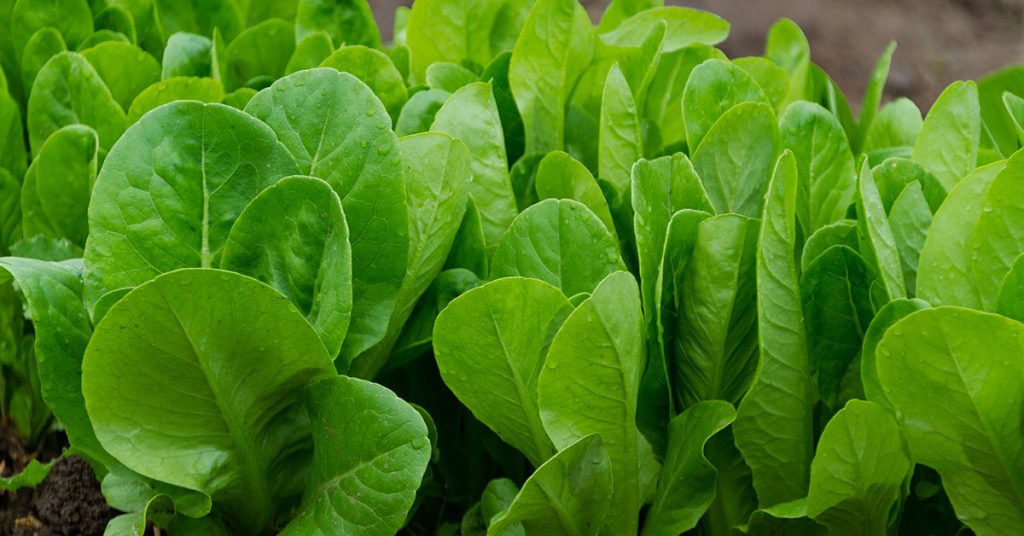
Spinach, with its origins in Persia (modern-day Iran) and Central Asia, is celebrated for its rich iron and vitamin content that supports energy levels and overall vitality. Its tender, spoon-shaped leaves form compact rosettes—almost like little natural nests—that catch sunlight and moisture, making it an ideal plant for smaller garden spaces. I’ve seen spinach thrive even under modest care, providing a quick and nutritious boost to my meals!
In my own gardening journey, spinach has become a go-to for quick, fresh harvests that add a burst of green to any dish. While it can sometimes self-sow in favorable conditions, spinach generally remains non-invasive, making it easy to manage in containers or raised beds. Each time I add a handful of freshly picked spinach to my smoothie or salad, I’m reminded of nature’s generosity and the incredible health benefits that this unassuming green offers!
Carrots

Carrots, native to Central Asia, are an excellent source of beta-carotene, fiber, and antioxidants that support eye health and boost the immune system. Their slender, vibrant roots develop in a structured, nest-like manner that helps them store essential nutrients and moisture—ensuring a bountiful harvest even in less-than-perfect soil conditions! I’ve always been fascinated by how carrots can transform a simple garden bed into a kaleidoscope of orange hues and crisp textures that add both nutrition and visual appeal.
In my garden, carrots are a testament to the beauty of simplicity and resilience. While they occasionally self-seed under ideal conditions, they typically remain non-invasive and perfectly suited for container gardening or small plots. Each time I dig up a bunch of carrots, I feel a surge of accomplishment knowing that I’ve cultivated a vegetable that not only tastes sweet and earthy but also provides a wealth of vitamins that support a healthy lifestyle!
Bell Peppers
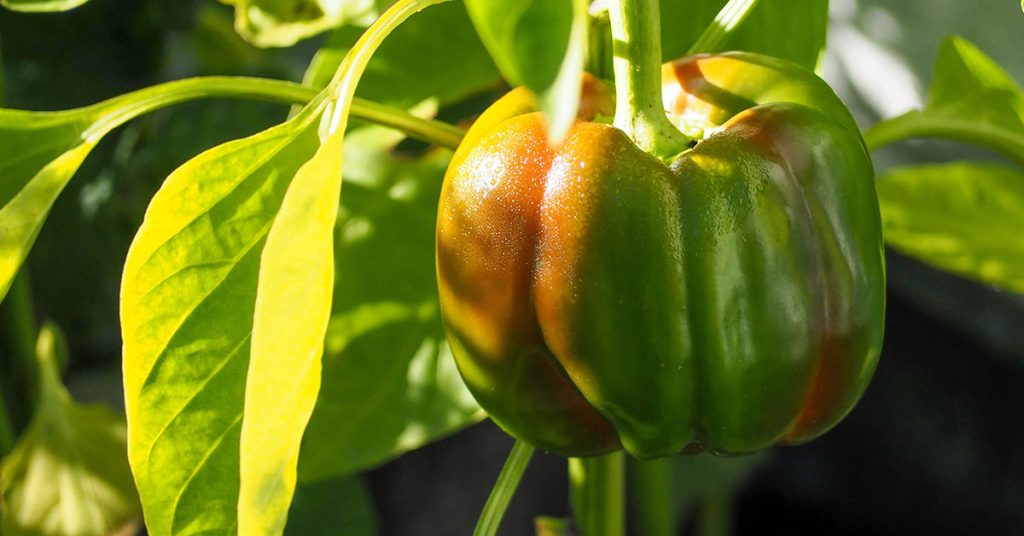
Bell Peppers, originating from Central and South America, are bursting with vitamin C and other antioxidants that help fortify the immune system and promote healthy skin. Their glossy, vibrant fruits develop in clusters that almost appear as if they’re carefully arranged nests—each pepper a little gem adding a splash of color to your garden! I love watching these plants in full bloom, as they bring a festive energy that instantly uplifts any space, whether you’re growing them in a garden bed or a container.
In my own experience, bell peppers are remarkably easy to grow, thriving in warm climates and well-drained soils with minimal intervention. Although some varieties can self-sow, they are generally non-invasive and manageable with a bit of regular pruning. Every time I harvest a bunch of these juicy peppers, I’m reminded of their nutritional bounty and the way they enhance everything from salads to stir-fries—making them an essential addition to any health-conscious garden!
Cucumbers
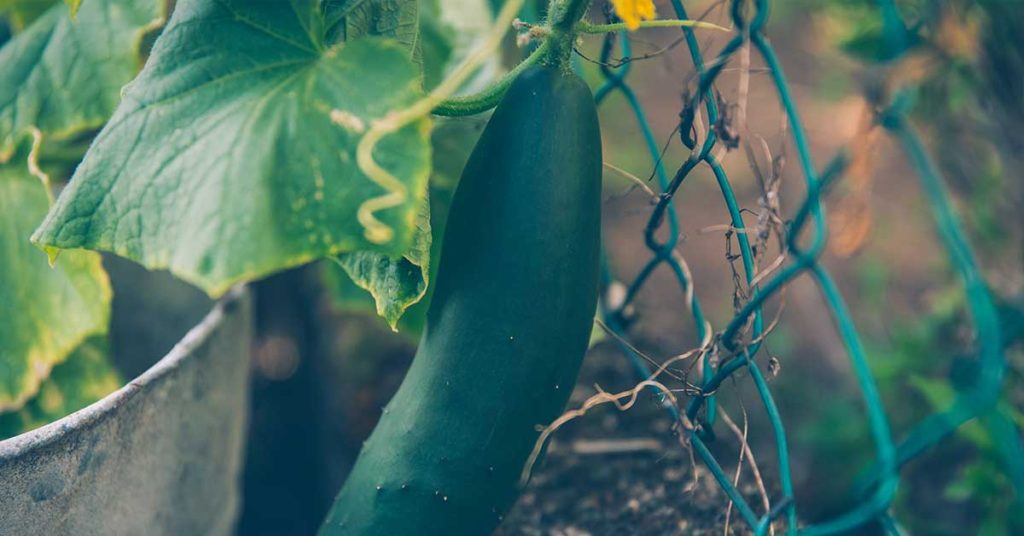
Cucumbers, native to South Asia, are a refreshing vegetable known for their high water content and rich vitamin profile, particularly vitamin K. Their trailing vines create natural, nest-like formations that not only anchor the plant in place but also attract pollinators with their gentle, soothing blossoms. I’ve witnessed cucumbers thrive even in the warmest of conditions, providing a crisp, hydrating bite that’s perfect for salads or pickling—truly a garden favorite for those seeking health benefits and culinary versatility!
In my garden, cucumbers are prized for their rapid growth and the ease with which they adapt to various growing conditions. While they can sometimes self-sow in ideal settings, they are generally non-invasive and easy to support with a simple trellis system. Every time I savor a fresh, cool cucumber from my own patch, I’m reminded of nature’s brilliance and the joy of cultivating vegetables that are as beneficial to your health as they are delightful to your taste buds!
Broccoli
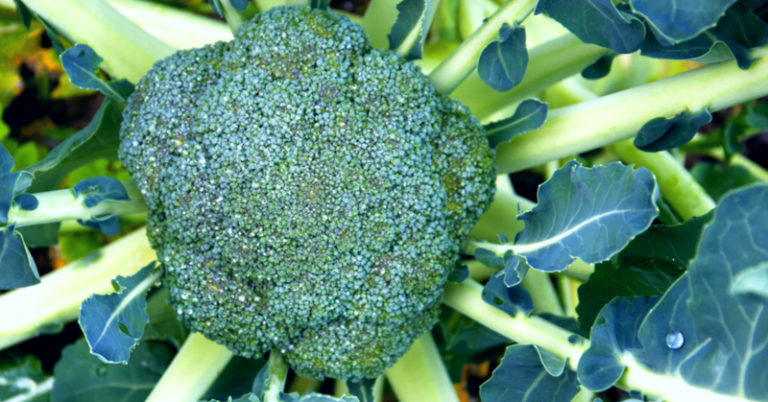
Broccoli, native to the Mediterranean region and parts of Europe, is a nutritional heavyweight loaded with vitamins C, K, and fiber along with powerful antioxidants that help fight inflammation and promote overall health. Its dense, tree-like florets form compact, nest-like clusters that not only look impressive in your garden but also attract a variety of beneficial insects to help with pollination! I’ve always been captivated by broccoli’s robust appearance and its ability to thrive in cooler weather, making it a must-grow for health enthusiasts.
In my own gardening adventures, broccoli has consistently proven to be a reliable source of nourishment, requiring only moderate care while delivering a hearty harvest. Although it can self-sow under favorable conditions, it typically remains non-invasive and easy to manage. Each time I prepare a stir-fry or a fresh salad with homegrown broccoli, I’m reminded of the vegetable’s extraordinary health benefits and its role in supporting a balanced, nutrient-rich diet!
Sweet Potatoes
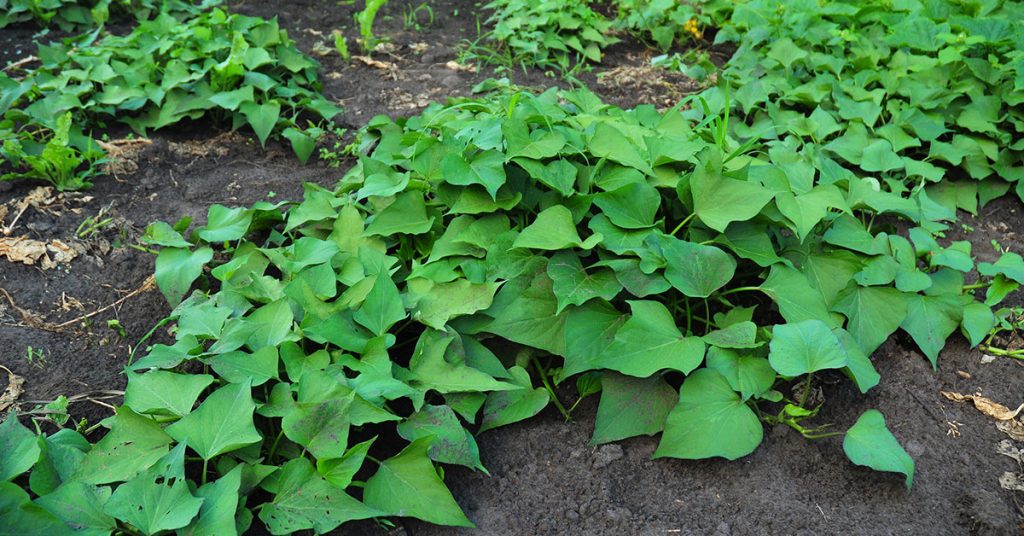
Sweet Potatoes, originating from Central and South America, are a versatile and nutrient-rich vegetable celebrated for their high beta-carotene content and natural sweetness. Their underground tubers develop in a fascinating, nest-like pattern as they store moisture and nutrients—ensuring that even with minimal care, a bountiful harvest awaits! I’ve always been impressed by sweet potatoes’ ability to thrive in warm climates, offering a delicious, vitamin-packed alternative that’s perfect for roasting, mashing, or even baking.
In my garden, sweet potatoes have become a symbol of hearty, wholesome living, providing a steady source of complex carbohydrates and essential vitamins. Although they can self-seed under optimal conditions, they generally remain non-invasive when given enough room to grow. Every time I enjoy a dish made with these orange gems, I’m filled with gratitude for their natural sweetness and the health benefits they deliver—making them an indispensable part of my garden’s legacy!
Eggplant
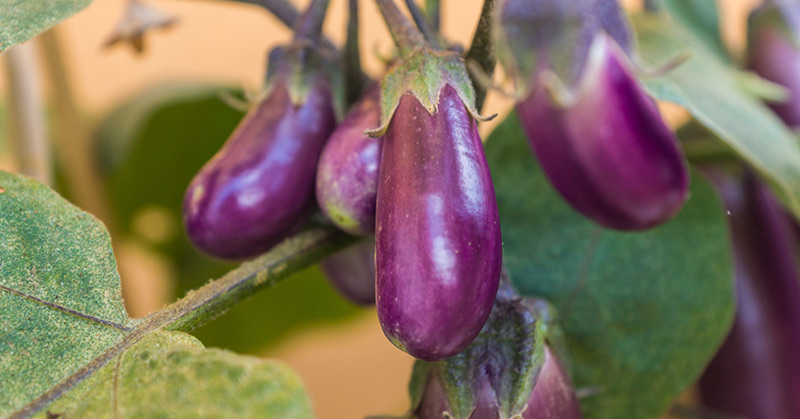
Eggplant, native to the Indian subcontinent and widely cultivated across Asia, is a nutrient-dense vegetable rich in fiber, vitamins, and antioxidants that support heart health and overall wellness. Its glossy, deep purple fruits develop on bushy plants that often form natural, nest-like clusters, creating a striking visual display that draws in both pollinators and admiring glances! I’ve found eggplant to be both decorative and delicious—a perfect example of a vegetable that’s as beneficial for your health as it is for your garden’s aesthetic.
In my gardening experience, eggplant is a robust performer that flourishes in warm, sunny environments with well-drained soils. Although it can occasionally self-seed, it typically remains non-invasive, making it an excellent choice for gardeners who want to maximize yield without extra hassle. Each time I slice into a tender, flavorful eggplant, I’m reminded of its rich cultural heritage and the powerful antioxidants it offers, making it a true gem in the world of healthful vegetables!
Onions
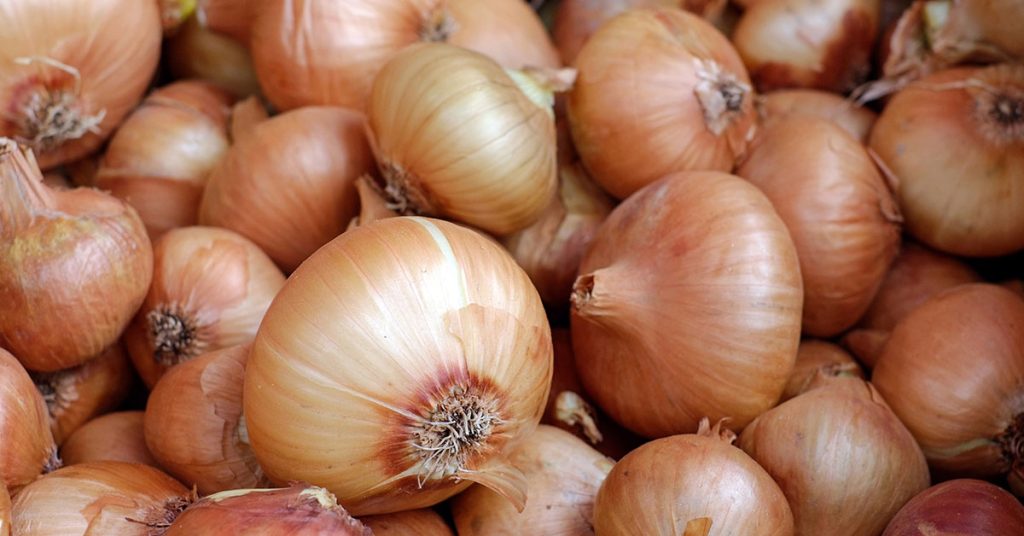
Onions, with their origins in Central Asia, have been a kitchen staple for centuries thanks to their potent flavor and impressive health benefits—including immune support and anti-inflammatory properties. Their bulbous growth forms a natural nesting system underground, where each layer stores nutrients and moisture that help the plant thrive even in challenging conditions. I’m always amazed at how onions can elevate a simple dish while also contributing to a healthier, more balanced diet.
In my own garden, onions have proven to be remarkably resilient and low-maintenance, making them an ideal choice for beginner gardeners. Although they sometimes self-seed, onions generally remain non-invasive when grown in dedicated beds or containers. Every harvest fills me with pride and satisfaction—knowing that I’m cultivating a vegetable that not only enhances my meals with its robust flavor but also supports overall wellness with its rich antioxidant profile!
Green Beans

Green Beans, native to Central and South America, are celebrated for their high fiber, vitamin, and mineral content that contributes to overall health and vitality. Their bushy or climbing habits create natural, nest-like clusters that not only maximize yield in limited spaces but also attract pollinators, helping to ensure a steady harvest throughout the growing season! I’ve always enjoyed watching green beans cascade over trellises and garden edges, their vibrant pods adding both beauty and nutrition to any dish.
In my garden, green beans have been a reliable and abundant source of lean protein and essential nutrients, making them a favorite for health-conscious cooks. They are typically non-invasive and easy to manage, even when self-seeding under ideal conditions. Each time I snap a fresh green bean from the vine, I’m reminded of nature’s generosity and the incredible health benefits packed into these unassuming, yet mighty, vegetables!
Peas

Peas, with their origins in the temperate regions of the Mediterranean and the Near East, are a delightful source of plant-based protein, fiber, and essential vitamins. Their delicate, tendril-like vines form charming, nest-like clusters that seem to beckon to pollinators and add a whimsical touch to your garden! I’ve always found peas to be a symbol of early spring—a vegetable that delivers both a burst of flavor and a boost to your nutritional intake, perfect for light, refreshing meals.
In my experience, peas are easy to grow and remarkably productive even in small spaces. Although they can self-seed in favorable conditions, they remain non-invasive and well-behaved when supported by a simple trellis. Every time I harvest a pod of sweet, crisp peas, I feel a surge of excitement—knowing that I’m nurturing a vegetable that is not only delicious but also contributes significantly to a balanced, healthful diet!
Zucchini
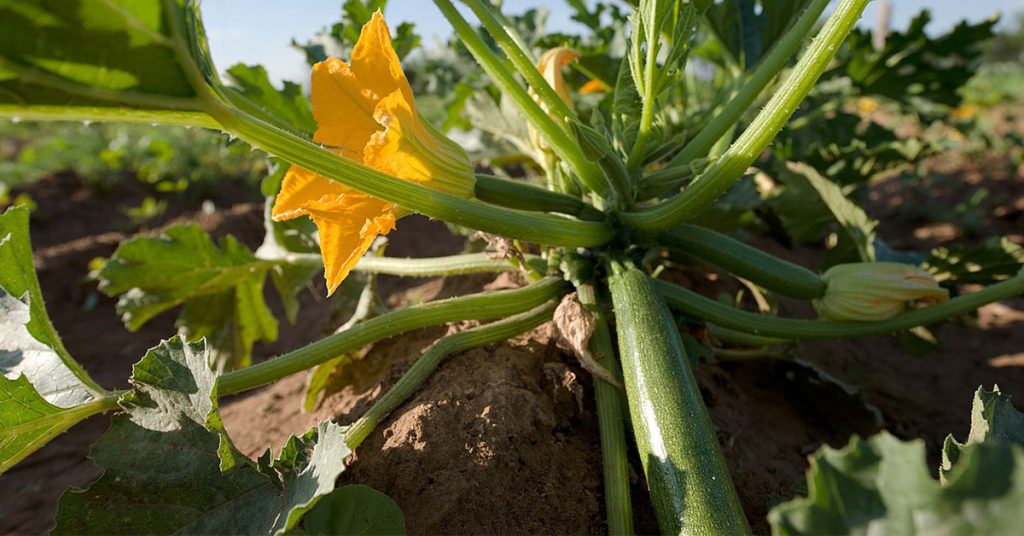
Zucchini, native to Central America, is a versatile vegetable renowned for its low-calorie content and rich supply of vitamins, minerals, and antioxidants that promote digestive health. Its sprawling vines produce an abundance of fruits that often form natural, nest-like clusters, inviting pollinators to help with fruit set while creating a dynamic, living display in your garden! I’ve seen zucchini thrive in a variety of conditions, making it a fantastic choice for those seeking both flavor and health benefits in their homegrown produce.
In my own gardening adventures, zucchini has proven to be extraordinarily high-yielding with minimal effort. Although it may self-seed under optimal conditions, it is generally non-invasive and easily managed in both garden beds and containers. Every time I harvest a bunch of zucchini, I’m reminded of nature’s ability to produce an abundance of nutritious, versatile vegetables that can be enjoyed in a myriad of ways—from stir-fries to hearty casseroles—while contributing to a healthier lifestyle!
Swiss Chard
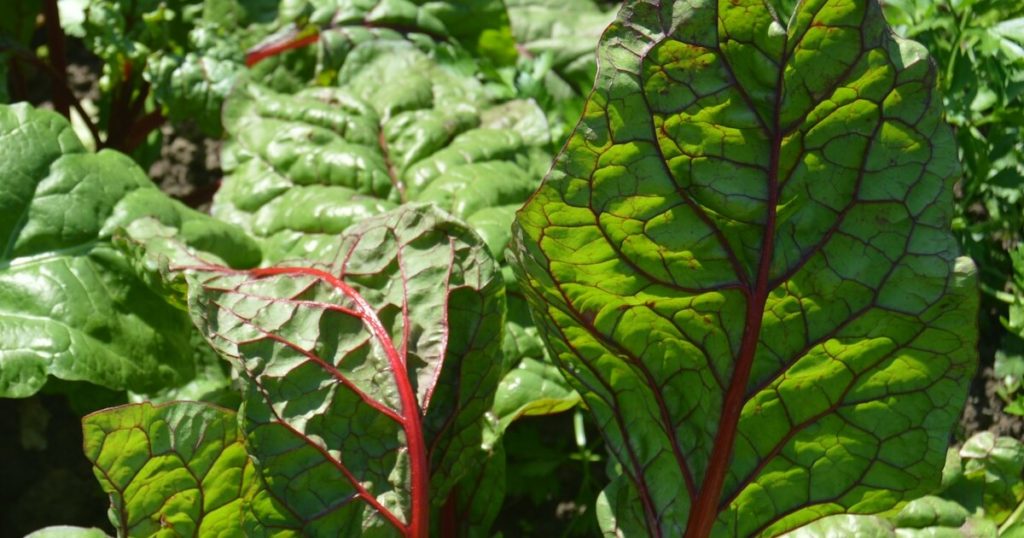
Swiss Chard, native to the Mediterranean region, is a nutritional powerhouse loaded with vitamins A, C, and K, as well as magnesium and antioxidants that support overall wellness. Its colorful, broad leaves form attractive, nest-like clusters that not only add a splash of visual interest to your garden but also create a microhabitat for beneficial insects! I’ve always been captivated by Swiss Chard’s vibrant hues—ranging from deep greens to bright reds and yellows—which brighten up any garden and remind me of the beauty of nature’s diversity.
In my garden, Swiss Chard has proven to be a remarkably adaptable and low-maintenance vegetable that thrives even in challenging conditions. While it can occasionally self-seed, it typically remains non-invasive and easy to control, making it an ideal choice for gardeners of all experience levels. Every time I harvest a bundle of its tender leaves, I’m filled with gratitude for this incredible vegetable that not only boosts my diet with essential nutrients but also turns every meal into a celebration of health and color!
o3-mini