

When the mercury dips and the first frost blankets the garden, many of us resign ourselves to the end of harvest season—but that doesn’t have to be the case! There’s a special group of hardy vegetables that actually taste sweeter after a frost, thanks to the conversion of starches to sugars when temperatures drop. As a gardener who’s endured too many disappointing autumns, I can’t overstate the joy of stepping outside in late October and still gathering fresh greens and roots for dinner!
I know how disheartening it feels to see summer’s bounty fade all at once. That sense of loss can be replaced by excitement when you plant varieties selected for chill tolerance. In this article, I’ll share 15 vegetables—each with its unique origin story and growing quirks—that will keep on producing long after frost has kissed your garden beds. Let’s explore these cold-season champions and learn how to coax every last leaf and root from your autumn plot!
Radishes

Radishes (Raphanus sativus) originated in Southeast Asia and have been cultivated for over 2,000 years. While the classic red globe variety is often sown in spring, certain winter radish cultivars like ‘Daikon’ and ‘Black Spanish’ thrive in cool weather. When frost arrives, the roots develop a pleasantly crisp texture, and their peppery bite sweetens slightly—making them perfect for late-season salads!
Beyond their edible roots, radish flowers attract beneficial pollinators like hoverflies and solitary bees when left to bolt. The small white blossoms create perfect landing pads for these insects, which then patrol your garden for aphids and other pests. Indoor or outdoor volunteers seldom become invasive, but if you let radishes flower, they’ll self-seed enthusiastically—so only allow a few plants to bloom if you want more next spring!
Brussels Sprouts
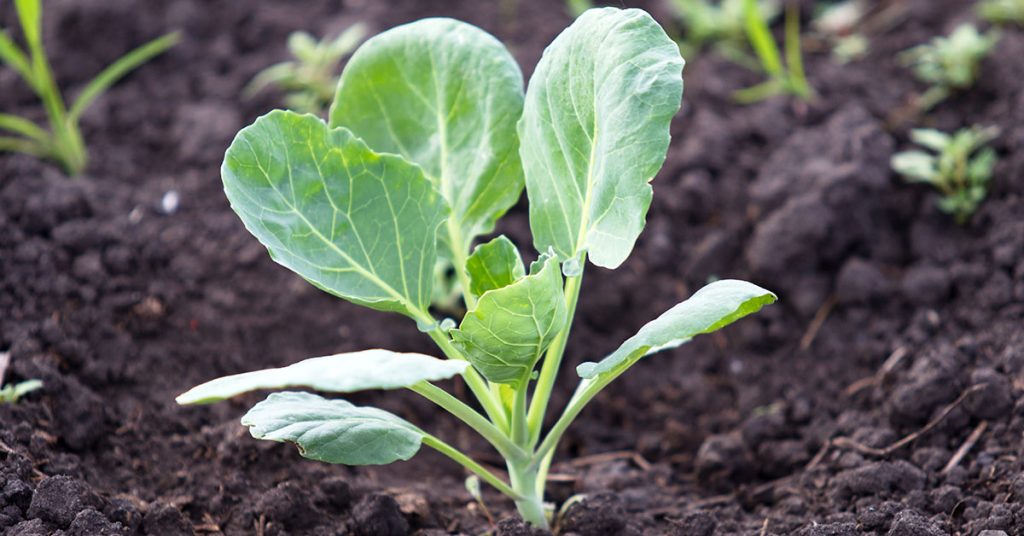
Brussels sprouts (Brassica oleracea var. gemmifera) trace their lineage to the Mediterranean and were perfected in Belgium’s chilly climates. Their miniature cabbages line a tall stalk, maturing from the bottom up; cool nights and light frosts actually improve their flavor by converting starch to sugar! I’ve found that harvesting after the first few frosts yields sprouts that are buttery and sweet, rather than bitter.
These plants also offer essential habitat: the dense foliage creates sheltered nooks for beneficial insects like lacewings and predatory wasps, which nest under the lower leaves. Wild brassicas can naturalize in favorable soils, but garden varieties seldom escape and form large colonies. To prevent volunteer seedlings next year, simply clear remaining stalks promptly after harvest!
Broccoli
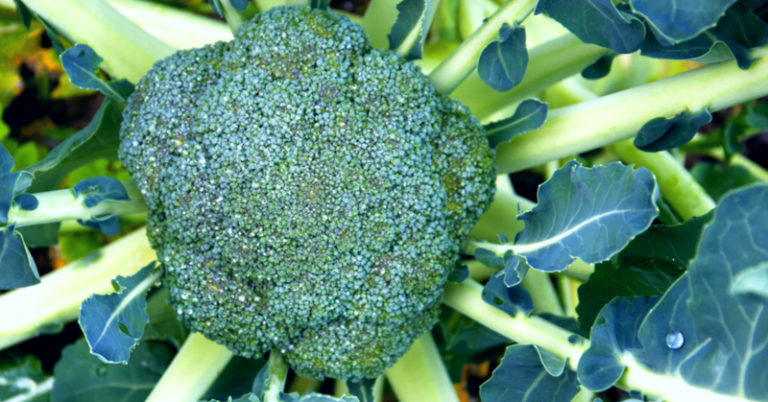
Broccoli (Brassica oleracea var. italica), native to the eastern Mediterranean, endures light frosts exceptionally well. While main heads form before the cold, the real magic happens with side shoots: as temperatures fall, these tender branches multiply, giving you a steady harvest of smaller florets well into November! I’m always thrilled when my secondary harvest outlasts last year’s bounty by weeks.
In the garden, broccoli flowers—if allowed to bolt—provide nectar for hoverflies and small bees, and their open umbels become insect nurseries. Though brassicas can reseed, most modern broccoli cultivars don’t set viable seed without extra care. Remove any flowering stems once you’ve enjoyed the side-shoot harvest to keep your beds clean for winter.
Swiss Chard
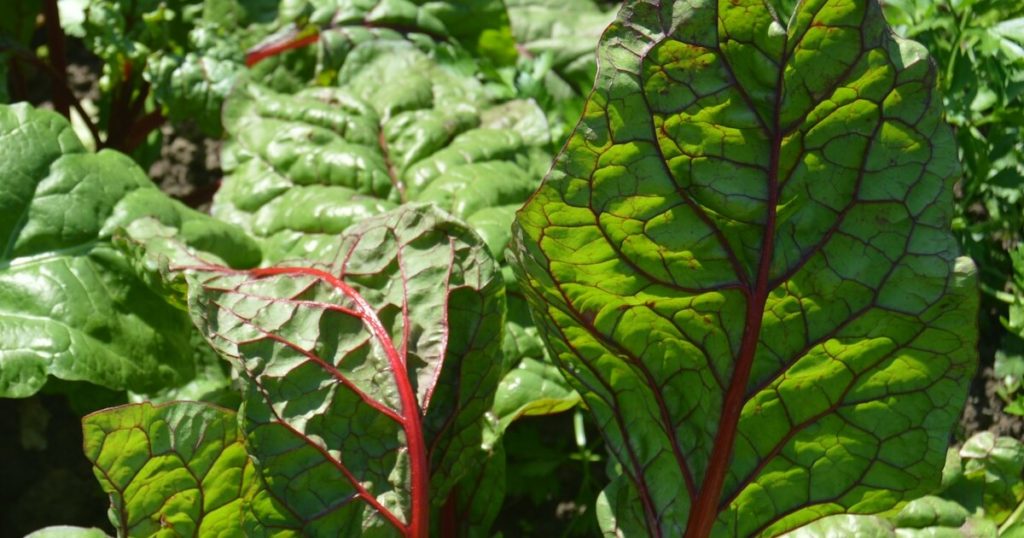
Swiss chard (Beta vulgaris subsp. cicla), hailing from the Mediterranean, is surprisingly frost-tolerant. While it slows growth in deep freeze, chard continues producing new leaves after light frosts—sometimes yielding tender new growth right through December! I love its rainbow-colored stems, which brighten dreary autumn days and make cooking more festive.
Chard’s broad leaves also act as mini-greenhouses, capturing solar warmth and shielding the soil. That creates a microclimate inviting ground beetles and springtails to help break down organic matter beneath. Although chard can self-seed, it rarely becomes invasive; I simply clear out old plants or collect seed for next season, keeping my beds tidy.
Kale
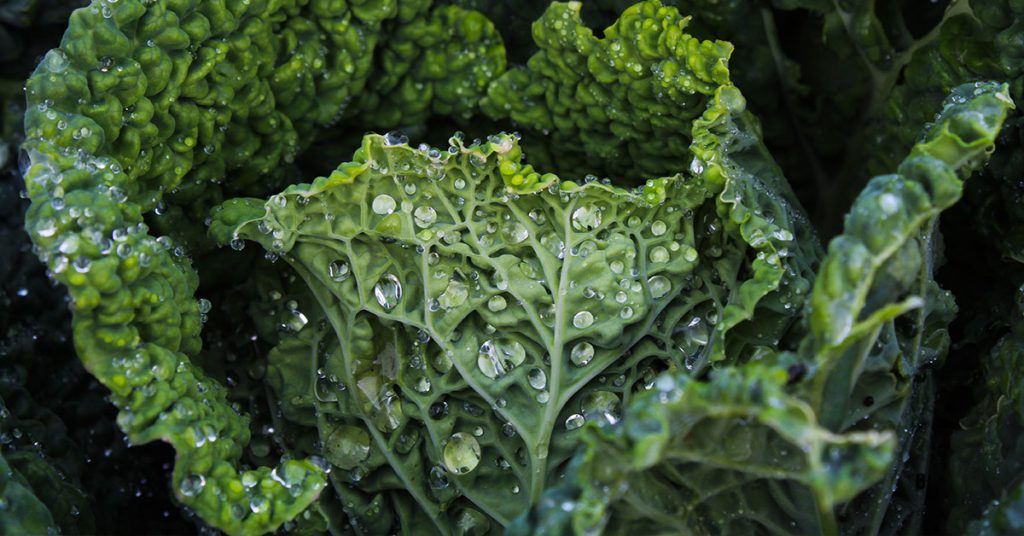
Kale (Brassica oleracea var. sabellica) is the quintessential frost-happy green, originally from the eastern Mediterranean. Its curly leaves gain sweetness and lose bitterness after a freeze, transforming into cold-season comfort food! I’ve delighted in hearty kale harvests when the neighborhood tomatoes have long since vanished under frost cloths.
Kale’s tall, sturdy stalks also provide perching sites for beneficial ladybugs and lacewings, which lay eggs on the undersides of leaves. In milder zones, volunteer kale can pop up if seed pods aren’t removed—so cut off any flowers after harvest to prevent unwanted seedlings. A well-spaced kale patch makes for easier picking and better air circulation, reducing mildew issues late in the season.
Parsnips

Parsnips (Pastinaca sativa), native to Eurasia, are classic frost gardeners: leave them in the ground until after a hard freeze, and the roots become incredibly sweet, rivaling carrots! Allow your parsnips to overwinter in loose, well-draining soil, then pull them as needed—each frost adds depth and flavor to the creamy-white roots.
The tall, umbrella-like flowers of parsnip plants attract predatory wasps and parasitic flies that hunt caterpillars and beetle larvae. While wild parsnip (Pastinaca sativa) can be invasive in some regions, cultivated varieties in garden plots rarely spread aggressively. Still, wear gloves when handling their stems; their sap can irritate skin.
Cabbage
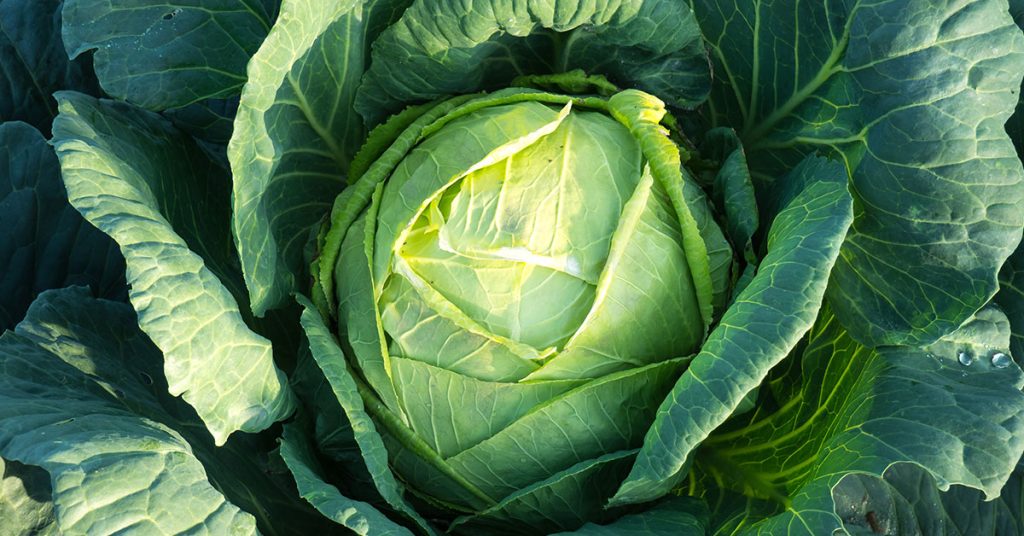
Cabbage (Brassica oleracea var. capitata) has thrived in cool, damp climates since ancient Roman times. Varieties like ‘January King’ and ‘Savoy’ hold firm heads well into late fall, and after a frost, the tightly packed leaves develop a sweeter flavor profile. I recall the surprising delight of slicing open a cabbage in December and tasting its buttery, frost-kissed interior!
Overwintered cabbage stalks also offer cover for ground beetles, which feed on slugs and snails by night. Though some brassicas can seed and naturalize, garden cabbage seldom escapes without intentional seed saving. After harvest, I compost the stalks promptly, ensuring no stray seeds drop into the soil.
Collard Greens
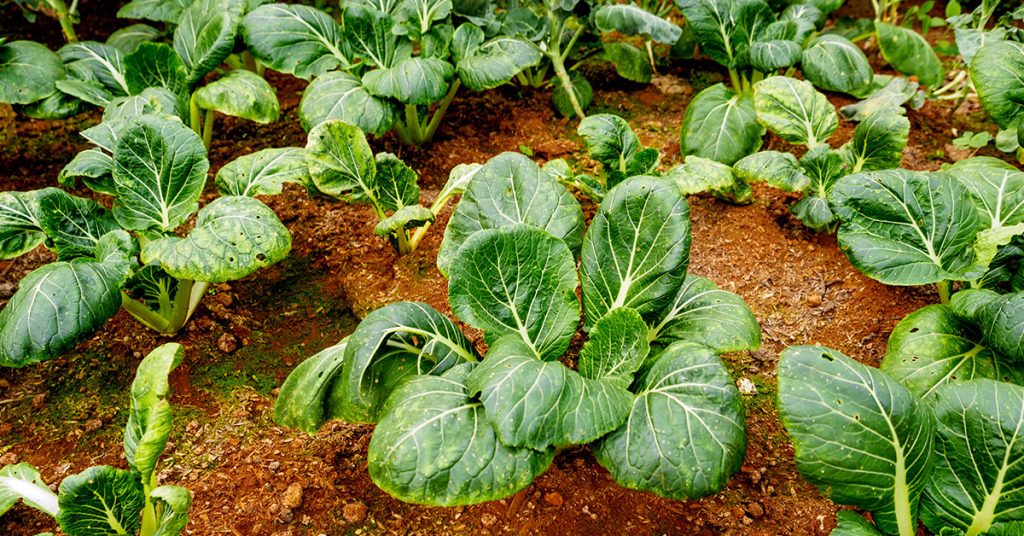
Collard greens (Brassica oleracea var. viridis) originated in the eastern Mediterranean, where they grew as wild greens. Their sturdy leaves can survive sub-freezing temperatures, and taste goes from sharp to subtly sweet when kissed by frost—a game-changer for winter salads and sautés! I often sow a fall crop specifically for November harvests, knowing they’ll reward me when other greens fade.
Collards also host lacewing eggs under their broad leaves, offering springtime protection against aphids on your spring plantings. They rarely behave invasively in home gardens, but volunteer seedlings can appear if seed heads aren’t removed. Cutting back flower stalks after your autumn harvest keeps your beds neat.
Turnips
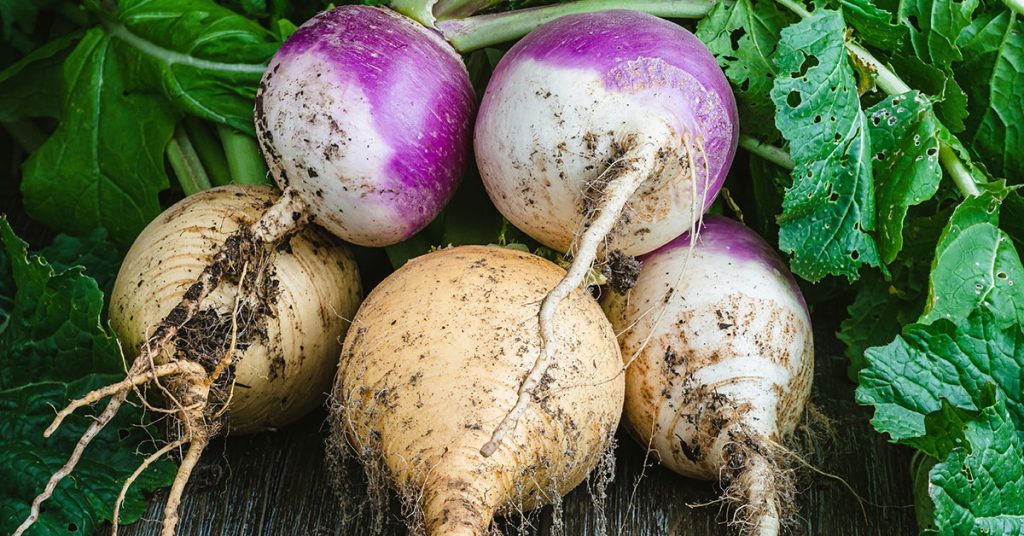
Turnips (Brassica rapa subsp. rapa), first cultivated in Europe, offer both roots and greens well past the first frost. The root’s flesh turns sweeter and firmer in cold weather, perfect for roasting, and the young leaves taste mild in braises or soups. I love pulling a handful of purple-topped roots in late November, knowing they’ve been flavor-enhanced by every chilly night.
The small yellow flowers that appear if turnips bolt attract hoverflies, whose larvae feast on aphids. In some northern regions, turnips can overwinter in the field and produce seeds next spring, but home-garden plants rarely spread beyond their beds. Leaving one or two plants to flower provides seed for future plantings, while the rest fill your table.
Mustard Greens
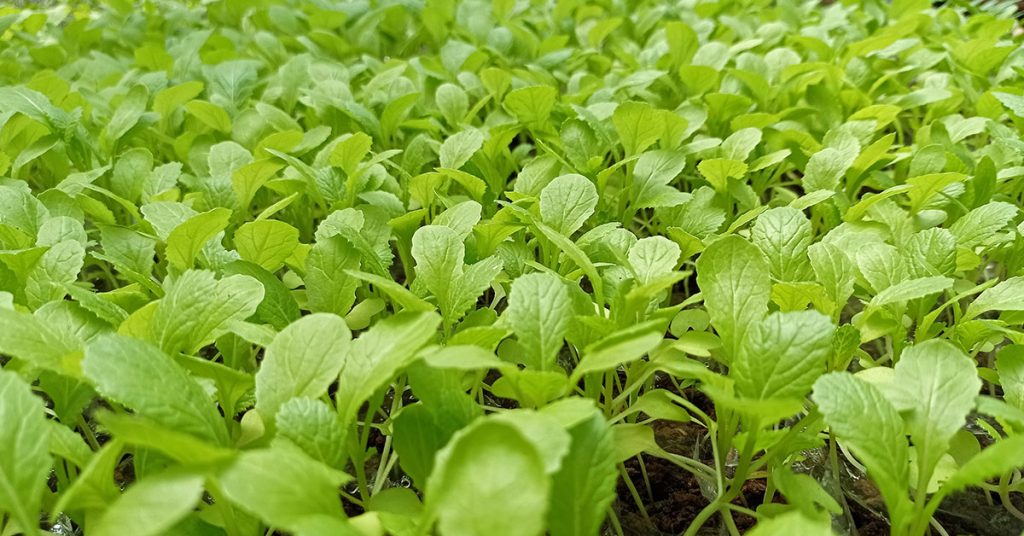
Mustard greens (Brassica juncea) hail from the Himalayas, where cool mountain air shapes their spicy flavor. Surprisingly, light frosts mellow that heat and bring out subtle sweetness in the leaves. I’m always thrilled when my mustard patch survives a surprise freeze, transforming sharp greens into autumn delights!
Their open, frilly foliage serves as a haven for predatory wasps and ground beetles, enhancing garden biodiversity. While wild mustard can become weedy, cultivated greens in defined beds don’t spread aggressively. If you let some plants bolt, you’ll see flocks of small bees visiting their bright yellow flowers, a delightful sight in late fall.
Endive (Chicorium endivia)
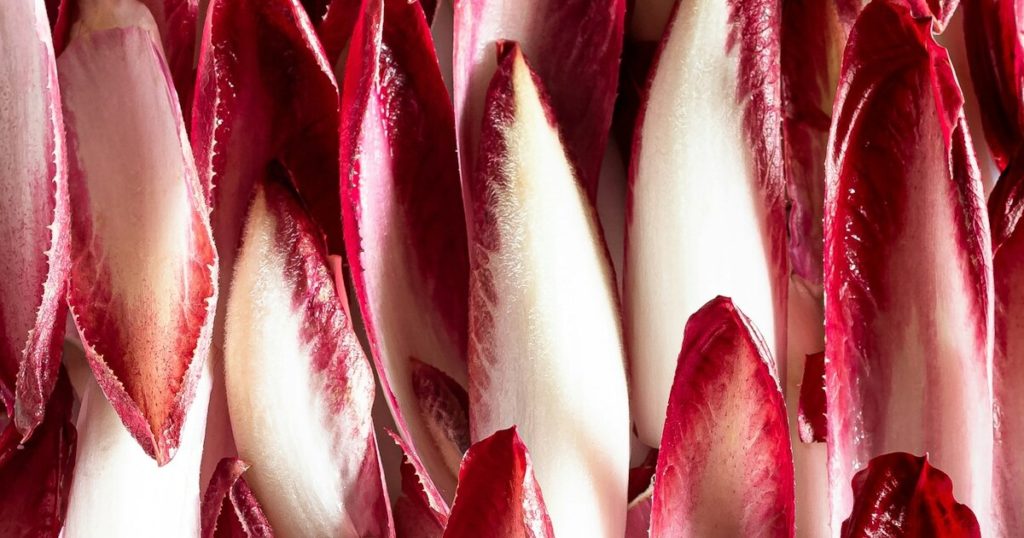
Endive, native to the Mediterranean basin, thrives in cool weather and withstands frosts that send other lettuce types bolting. Its curly, tightly packed leaves develop a pleasing bitterness that’s softened by the cold—a perfect contrast for autumn salads and gratins. I marvel each year at how my endive patch remains robust long after warm-season greens have collapsed.
When allowed to bloom in spring, endive produces daisy-like flowers that attract solitary bees and hoverflies. Although chicory (Cichorium intybus) can become invasive along roadsides, cultivated endive in garden beds will not run amok. Harvesting heads promptly and composting outer leaves keeps your plot tidy and productive.
Carrots

Carrots (Daucus carota subsp. sativus), domesticated from wild carrots in the Mediterranean, gain real sweetness after a frost as their starches convert into sugars. Leaving them in loose, sandy soil through autumn lets you pull roots on demand—each cold night enhances their flavor—and their orange glow brings cheer to bare garden beds!
Carrots also produce white umbels when allowed to flower, buzzing with beneficial insects like parasitic wasps that hunt carrot flies. The feral wild carrot can naturalize in fields, but cultivated garden carrots seldom escape in numbers. Clearing spent foliage after harvest prevents any volunteer seedlings from popping up in spring.
Kohlrabi

Kohlrabi (Brassica oleracea var. gongylodes) originated in northern Europe and boasts a bulbous stem that stores sugars especially well after frost. Its crunchy, radish-like taste becomes milder and sweeter as temperatures dip, making late-season kohlrabi ideal for raw slaws or cooked dishes. After my first frost harvest, I was amazed at how mellow the bulbs tasted, almost like a sweet turnip!
Its large, waxy leaves shelter beneficial predatory insects and help suppress winter weeds. Like other brassicas, kohlrabi can volunteer if left to set seed, but in managed plots it remains well-behaved. I recommend cutting back any flowering stalks immediately after harvest to prevent unwanted seedlings.
Spinach
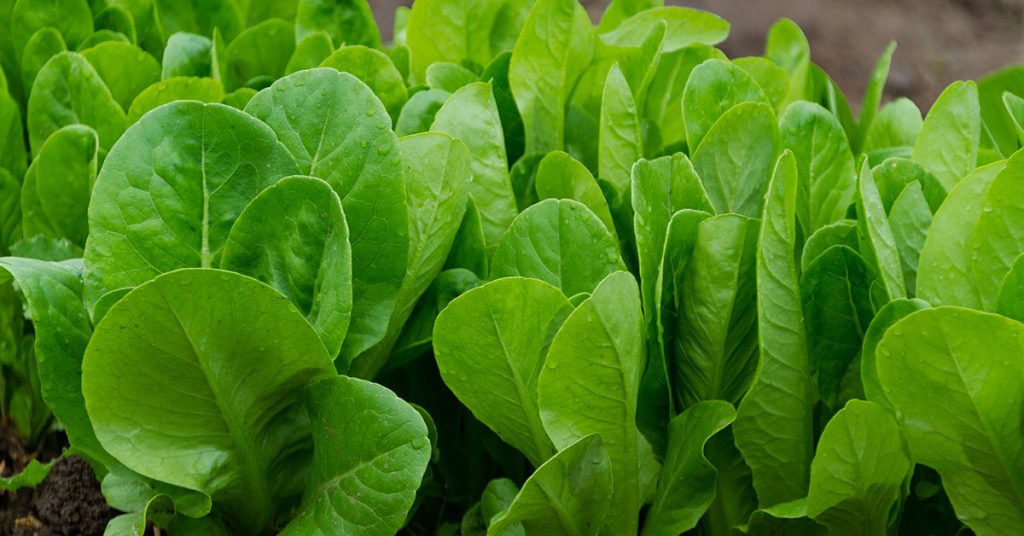
Spinach (Spinacia oleracea), native to ancient Persia, is one of the first greens sown in spring and the last harvested in fall. Though a frost may wilt tender young leaves, established plants often bounce back and continue producing new rosettes. I’ve picked baby spinach for salads well into mid-November simply by protecting seedlings early and letting mature plants harden off naturally.
In spring, spinach flowers attract tiny miner bees and hoverflies, enriching garden biodiversity. It seldom naturalizes aggressively, but volunteers can appear if seed pods are left. Removing any flower stalks after harvest and mulching with straw keeps winter weeds at bay and protects crowns from deep freezes.
Leeks

Leeks (Allium ampeloprasum var. porrum), originally from the Mediterranean, are prized for their ability to overwinter in the ground. The long white stems blanch themselves naturally as you hill soil or mulch, and even after frost, you can continue harvesting tender shanks for hearty soups and stews. I love how a late autumn leek harvest adds sweet oniony depth to my meals when fresh produce is scarce!
Their hollow leaves provide shelter for beneficial insects like ladybugs seeking winter refuge. While wild leek relatives exist, garden leeks rarely spread beyond planted rows. After final harvest, I ease them from the soil and compost aged leaves, preventing any unwanted seeding.