
Swiss Chard
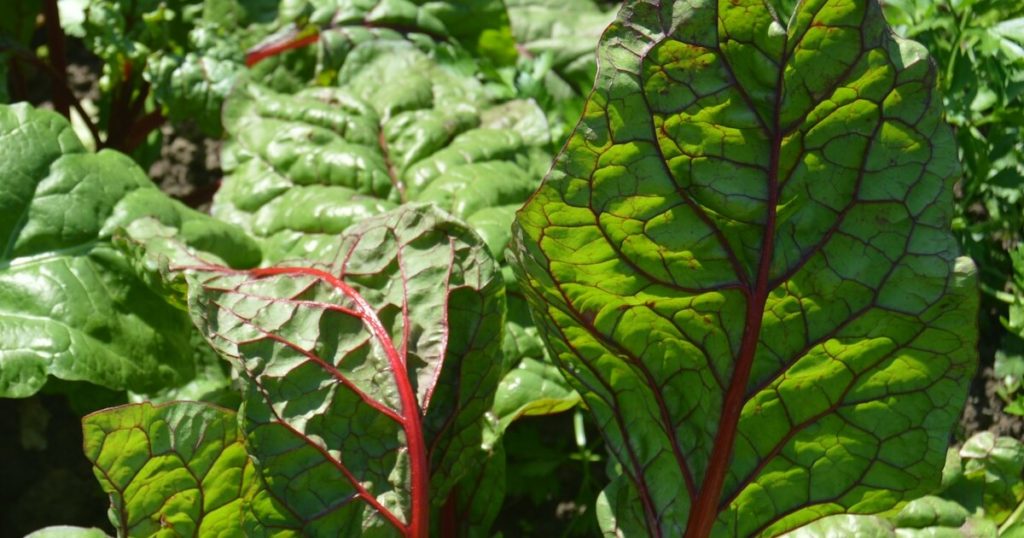
Swiss chard (Beta vulgaris subsp. vulgaris), originally from the Mediterranean, offers a burst of color with its vibrant red, yellow, or white stems. Its robust nature and tolerance for shade make it an excellent choice for bucket cultivation year-round. When I first tried planting rainbow chard in several buckets along my balcony rail, I was amazed at how well it survived through chilly fall nights under a thick mulch layer. Even the occasional frost didn’t faze it—those broad, crinkly leaves emerged a little battered, but bounced back within days, providing a continuous harvest of nutritious greens.
Though cultivated Swiss chard isn’t considered invasive, its wild beet ancestor, sea beet (Beta vulgaris subsp. maritima), can naturalize in coastal regions. In buckets, you keep it contained, but you still benefit from the plant’s ecological contributions: pollinators like solitary bees love chard’s tiny, star-shaped flowers, often nesting in the crevices between bucket rims and railings. I’ve spotted ladybugs nestled under large chard leaves, feasting on aphids that otherwise would hide there. Rotating chard buckets around each season ensures you minimize disease risk, especially in humid months when downy mildew can turn letters of complaint on the underside of leaves.