
Kale
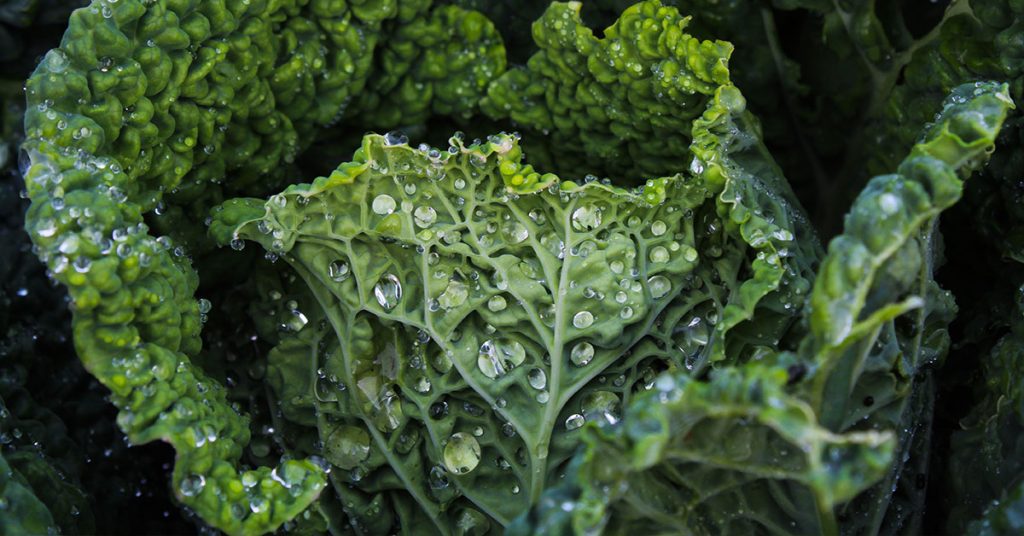
Kale (Brassica oleracea var. sabellica) originated on the eastern Mediterranean coasts and has become a staple in cold-weather gardens. Its cold tolerance makes it ideal for year-round bucket growing, even surviving frosts that would wilt other crops. When I planted Red Russian kale in buckets last fall, it thrived through December under a simple row cover, offering feathered leaves that jazzed up every winter salad. To succeed, choose winter-hardy varieties like ‘Winterbor’ or ‘Lacinato,’ and keep the soil consistently moist with a heavy layer of compost or aged manure to buffer temperature swings.
While kale isn’t inherently invasive, it belongs to the Brassica family—plants notorious for attracting cabbage worms and aphids. In buckets, though, you can better monitor pests: pair your kale with a small cluster of alyssum or marigolds in adjacent buckets to attract hoverflies and ladybugs that nest and feed on those pests. I’ve noticed beneficial syrphid fly larvae crawling among kale leaves, munching on aphids before they can devastate the crop. Plus, migrating goldfinches sometimes nest in the curled foliage, a delightful bonus if you aim to keep a mini-ecosystem humming on your patio. Just harvest lower leaves regularly to encourage continual growth and reduce pest hiding spots.