
Spinach
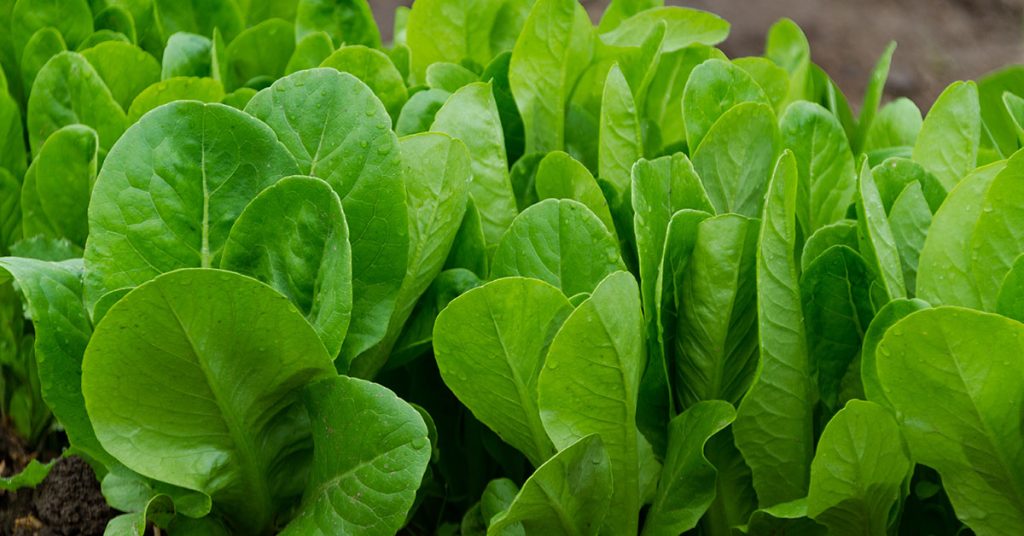
Spinach (Spinacia oleracea), originally from Persia, is a cool-weather lover known for its tender, dark green leaves. In my urban garden, I sow spinach seeds in buckets every eight weeks, allowing a continuous winter harvest under a cold frame. Because spinach thrives at temperatures between 40°F and 75°F, the late-fall sowing produces large, flavorful leaves perfect for hearty salads or soups. In summer, I switch out to heat-resistant varieties like ‘Bloomsdale Longstanding,’ which endure early heat before bolting; I place their buckets in partial shade to prevent that rapid flowering (and bitterness) so common in full sun.
While cultivated spinach isn’t invasive, a wild relative sometimes escapes in warm, wet climates, so containers help keep it contained. As for attracting wildlife, spinach’s inconspicuous greenish flowers rarely draw pollinators unless you let plants bolt. Even then, those tall flower stalks can attract small solitary bees that nest in loose soil at the bucket’s base—providing a little ecosystem of their own. Keep the soil consistently moist (but not waterlogged) and feed with a balanced organic fertilizer, and you’ll enjoy luscious spinach leaves virtually year-round—no garden plot required!