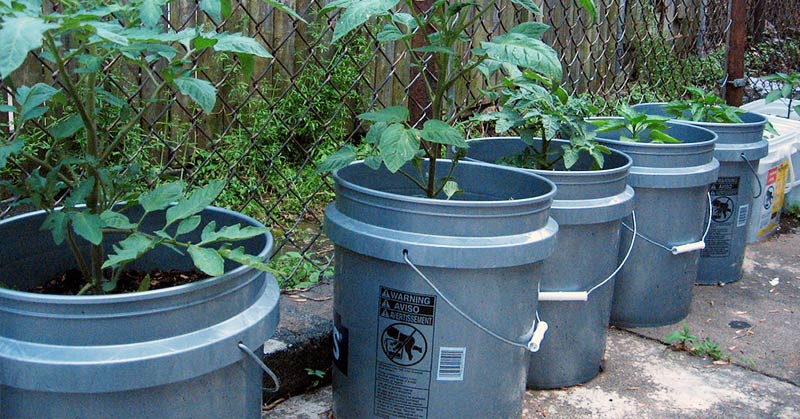

Whether you’re short on garden space or simply love the flexibility of container gardening, growing vegetables in buckets is an absolute game-changer. I still remember the first time I tucked a handful of bright green lettuce seedlings into a five-gallon bucket on my tiny balcony—it felt like a small miracle to harvest fresh greens mere steps from my door! Buckets provide excellent drainage, portability, and the ability to tailor soil conditions precisely, which means you can cultivate produce even in the depths of winter (with a bit of extra protection) or in the scorching heat of summer.
In this article, we’ll explore fifteen vegetables perfectly suited to year-round bucket cultivation. From crisp lettuces to hearty kale, from juicy cherry tomatoes to starchy potatoes, there’s a bucket-friendly solution for nearly every vegetable lover. Each section will delve into a vegetable’s native origins, note if it’s considered invasive, and highlight how it interacts with local wildlife—like the bees nesting in radish blossoms or the predatory insects seeking refuge under chard leaves. I’m excited to share the tricks I’ve learned through trial, error, and lots of enthusiasm. If you’ve ever felt frustrated by slugs devouring your ground-level greens or by limited garden space, read on—you’ll discover how buckets can transform your growing experience!
Carrots

Carrots (Daucus carota subsp. sativus), native to Central Asia, are traditionally grown in deep, loose soil to accommodate their long taproots. However, five-gallon buckets filled with a sandy, well-draining mix can yield sweet, tender roots all year if you sow the right varieties—think Danvers or Nantes! Carrots thrive in cooler temperatures, so in temperate climates, you can sow seeds in late fall for a winter harvest under a protective fleece or in an unheated greenhouse. In warmer months, placing buckets in partial shade prevents the soil from overheating, which can cause roots to become woody or develop off-flavors.
While cultivated carrots aren’t invasive, their wild cousins—often called Queen Anne’s lace—can naturalize and crowd out native flora if seeds escape into surrounding areas. In buckets, however, the risk is minimal, and you get the joy of watching pollinators like native bees and hoverflies zoom through carrot flowers if you let a few go to seed. Those tiny white umbels are a nesting magnet for beneficial insects, providing shelter and nectar. Just be patient: carrots can take up to three months to mature, but once you slice into that vibrant orange root, you’ll understand why patience pays off!
Cherry Tomatoes
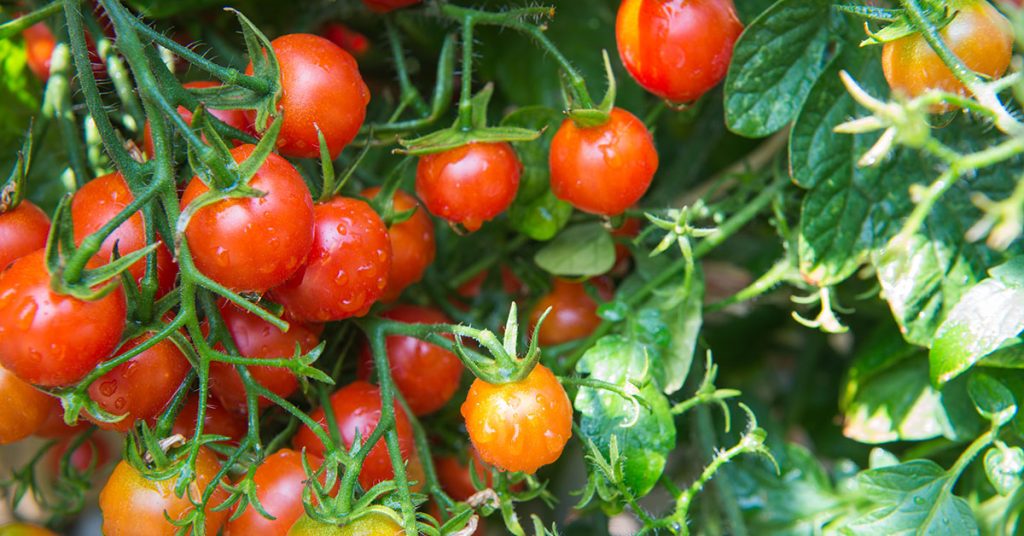
Cherry tomatoes (Solanum lycopersicum var. cerasiforme), originally from the Andean regions of South America, adapt brilliantly to bucket culture—with adequate support! A five-gallon bucket allows you to anchor a sturdy cage or stake, letting vines sprawl while keeping fruit off the ground. For year-round growth, choose determinate or dwarf indeterminate varieties like ‘Tiny Tim’ or ‘Patio Princess’ that won’t exceed the bucket’s spatial limits. In cooler months, situating buckets near a south-facing wall or under grow lights keeps those vines fruiting, while in summer, partial afternoon shade prevents leaf scorch and blossom drop.
Cherry tomatoes can become invasive in warm climates when they self-seed, but in containers, you control every seedling. Plus, those bright red globes provide nectar sources for bees and hoverflies, especially if you allow a few flowers to open unpollinated—nature never refuses a free buffet! On hot days, you might notice carpenter bees or bumblebees fluttering around blooms, seeking pollen. These true nests don’t harm the plant—in fact, better pollination often leads to juicier, more robust fruit. Just keep an eye out for hornworms and aphids nesting under large leaves, and hose them off promptly to protect your harvest.
Lettuce
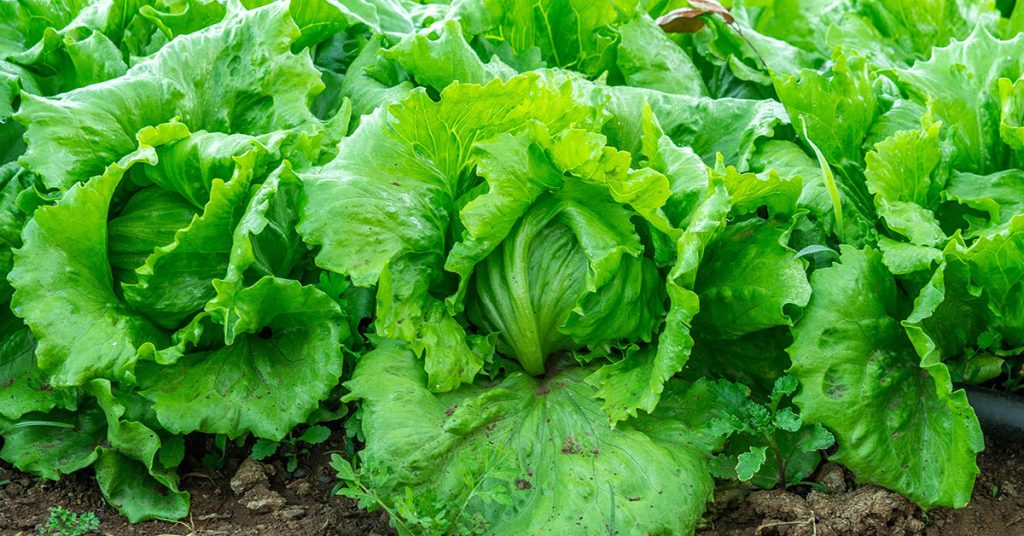
Lettuce (Lactuca sativa) is native to the Mediterranean region and comes in hundreds of varieties, from crisphead to loose-leaf. This cool-weather crop is one of my absolute favorites for bucket gardening because it matures rapidly—often in just 30 to 45 days—and tolerates partial shade. A single five-gallon bucket can yield continuous harvests if you use the cut-and-come-again method: snip outer leaves while the inner rosette continues growing. In warmer seasons, place your lettuce bucket in a lightly shaded area to prevent bolting; in winter, tuck it under a cold frame or farmhouse light to keep greens fresh.
Though cultivated lettuce isn’t invasive, wild lettuce relatives can sometimes spread via wind-blown seeds. In a bucket, however, you have full control over every flower stalk. Watching pollinators nest around lettuce blossoms is fascinating—tiny solitary bees may burrow into bare patches of soil within or beside buckets. Even if you don’t let any heads go to seed, those bees still benefit from visiting nearby flowers, providing you with an enchanting little wildlife display at your entrance or balcony edge. Just make sure the bucket has sufficient drainage holes and a loose, friable soil mix enriched with compost to keep your leaves tender and vibrant!
Kale
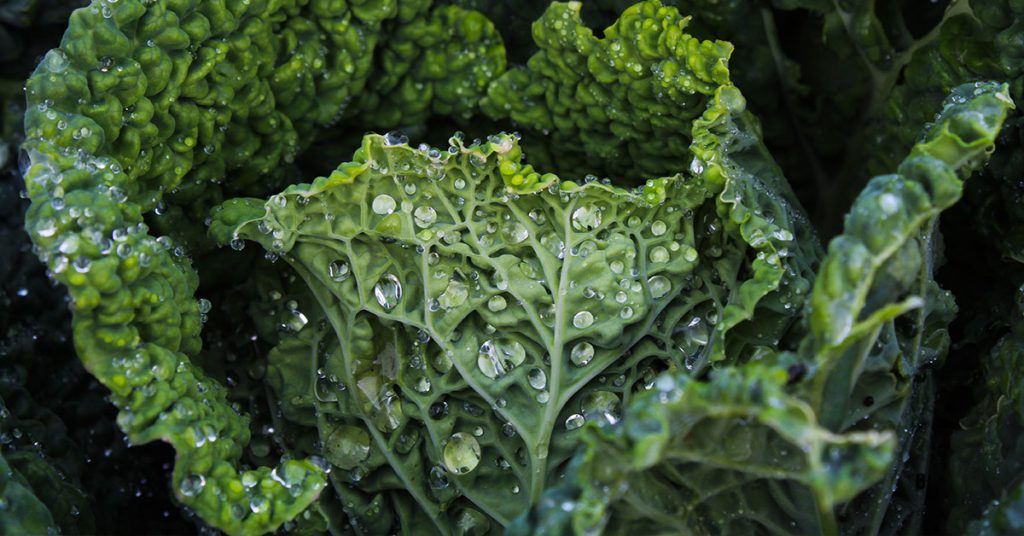
Kale (Brassica oleracea var. sabellica) originated on the eastern Mediterranean coasts and has become a staple in cold-weather gardens. Its cold tolerance makes it ideal for year-round bucket growing, even surviving frosts that would wilt other crops. When I planted Red Russian kale in buckets last fall, it thrived through December under a simple row cover, offering feathered leaves that jazzed up every winter salad. To succeed, choose winter-hardy varieties like ‘Winterbor’ or ‘Lacinato,’ and keep the soil consistently moist with a heavy layer of compost or aged manure to buffer temperature swings.
While kale isn’t inherently invasive, it belongs to the Brassica family—plants notorious for attracting cabbage worms and aphids. In buckets, though, you can better monitor pests: pair your kale with a small cluster of alyssum or marigolds in adjacent buckets to attract hoverflies and ladybugs that nest and feed on those pests. I’ve noticed beneficial syrphid fly larvae crawling among kale leaves, munching on aphids before they can devastate the crop. Plus, migrating goldfinches sometimes nest in the curled foliage, a delightful bonus if you aim to keep a mini-ecosystem humming on your patio. Just harvest lower leaves regularly to encourage continual growth and reduce pest hiding spots.
Eggplants
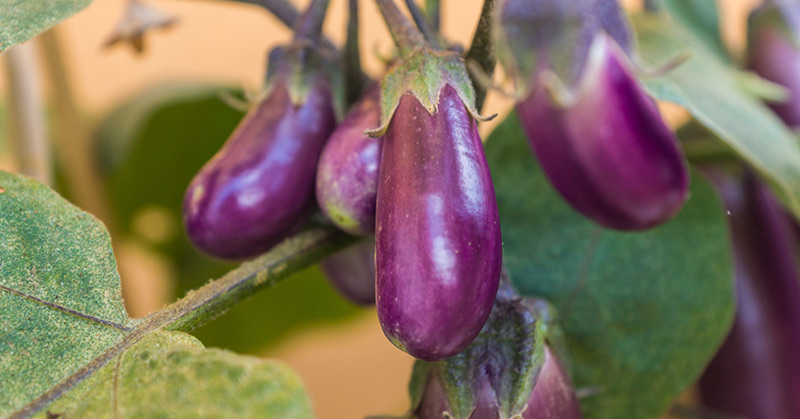
Eggplants (Solanum melongena), native to the Indian subcontinent and Southeast Asia, flourish in warm conditions and are surprisingly well-suited to five-gallon buckets—provided you select compact varieties like ‘Fairy Tale’ or ‘Hansel.’ In my experience, classic globe eggplants can become too top-heavy in containers, tipping over and stressing their root systems. Instead, dwarf Asian varieties produce abundant fruit on slender, sturdy stems that containers can support more easily. Keep buckets in full sun (at least six to eight hours daily) and water consistently, since these nightshades loathe dry soil.
Although cultivated eggplants don’t typically naturalize aggressively, related wild species in warm climates may escape cultivation and become invasive. In buckets, this risk is negligible, and you gain the advantage of controlling every fruit set and pollinator visit. I’ve watched sweat bees and bumblebees ferry pollen between emerging blooms—sometimes nesting in loose soil beneath buckets—ensuring a generous harvest. On cooler days, I move my eggplant buckets indoors near a sunny window to extend fruiting into late autumn. Mulching the soil with straw helps conserve moisture and ward off beetles that might otherwise nest in the damp loam, giving you healthy, glossy eggplants well into the off-season.
Green Onions
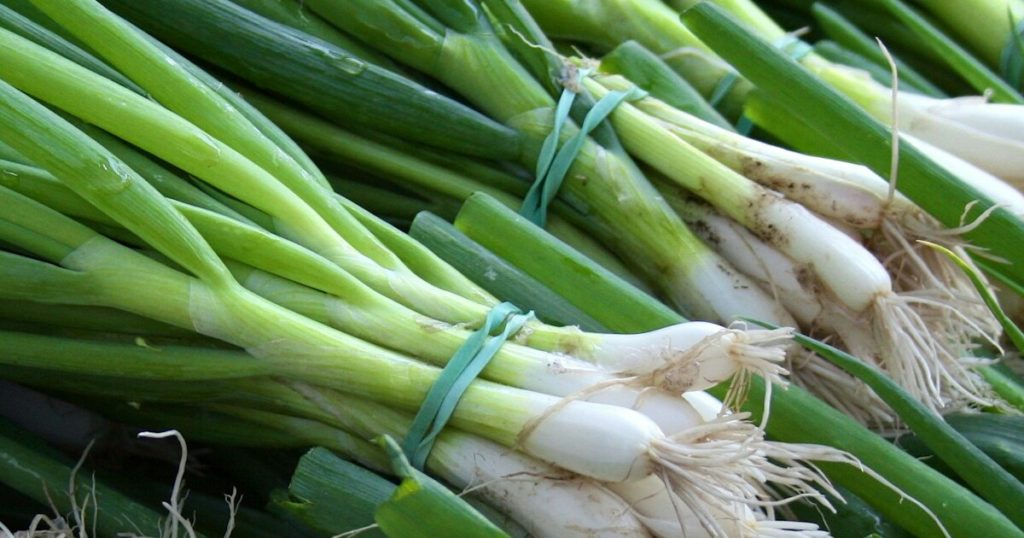
Green onions (Allium fistulosum), also called scallions, hail from Asia and are a delight for bucket gardening year-round. Their shallow root systems make them perfect for a five-gallon bucket filled with loose, fertile soil. I plant my green onions at eight-week intervals, which ensures a continuous supply of crisp, mild-flavored stalks. Throughout winter, buckets placed on a sheltered porch stay just warm enough to keep these hardy onions growing slowly, offering fresh sprouts even when snow is on the ground.
Though perennial green onions can naturalize in mild climates, they rarely become invasive in containers. Plus, their onion-scented foliage acts as a deterrent to small pests like aphids and carrot rust flies—especially appreciated if you have a carrot bucket nearby! On sunny days, bumblebees sometimes inspect the tiny, globe-shaped blossoms if any bulbs bolt to seed, creating small nesting pockets under adjacent straw mulch. Those same blossoms attract beneficial hoverflies whose larvae feast on nuisance aphids. Whether you’re stirring scallion greens into stir-fries or tucking them into winter soups, green onions make a fuss-free nibble or garnish well beyond the typical garden row.
Swiss Chard
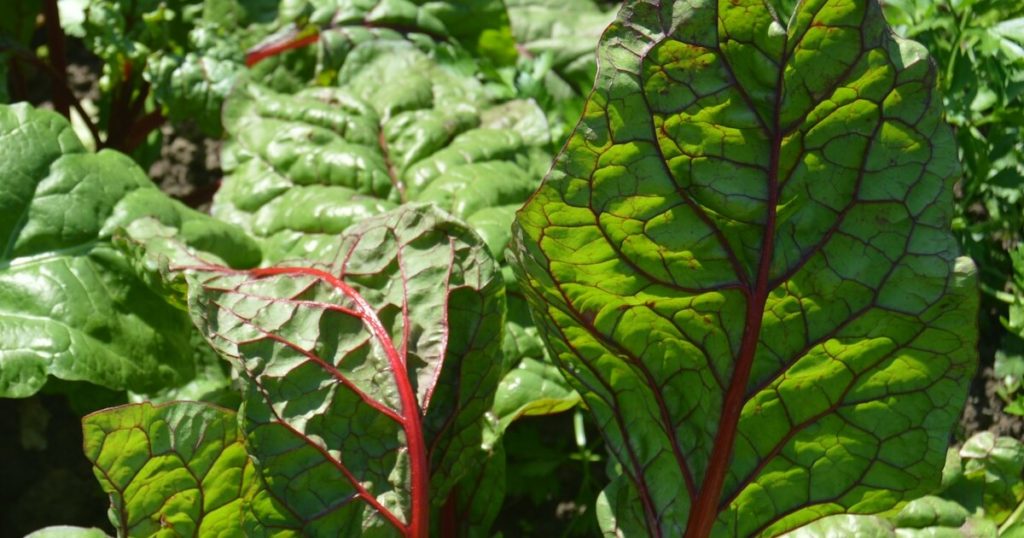
Swiss chard (Beta vulgaris subsp. vulgaris), originally from the Mediterranean, offers a burst of color with its vibrant red, yellow, or white stems. Its robust nature and tolerance for shade make it an excellent choice for bucket cultivation year-round. When I first tried planting rainbow chard in several buckets along my balcony rail, I was amazed at how well it survived through chilly fall nights under a thick mulch layer. Even the occasional frost didn’t faze it—those broad, crinkly leaves emerged a little battered, but bounced back within days, providing a continuous harvest of nutritious greens.
Though cultivated Swiss chard isn’t considered invasive, its wild beet ancestor, sea beet (Beta vulgaris subsp. maritima), can naturalize in coastal regions. In buckets, you keep it contained, but you still benefit from the plant’s ecological contributions: pollinators like solitary bees love chard’s tiny, star-shaped flowers, often nesting in the crevices between bucket rims and railings. I’ve spotted ladybugs nestled under large chard leaves, feasting on aphids that otherwise would hide there. Rotating chard buckets around each season ensures you minimize disease risk, especially in humid months when downy mildew can turn letters of complaint on the underside of leaves.
Bell Peppers

Bell peppers (Capsicum annuum), native to Central and South America, thrive in warm conditions and adapt well to bucket gardening if given ample sun—ideally eight to ten hours daily. I started my favorite ‘California Wonder’ variety in a five-gallon bucket last spring, topping the soil with a two-inch layer of compost. That mulch helped regulate temperature and retain moisture, crucial for peppers’ shallow roots. Even in cooler months, I moved the bucket indoors under grow lights, and those plants continued producing glossy green and red fruits far beyond what I expected.
While bell peppers themselves don’t typically invade surrounding areas, their wild relatives can naturalize in tropical climates. In buckets, you have full control over each cultivar, allowing you to experiment with spicier relatives like jalapeños or milder types like ‘Sweet Banana’ without risking local ecosystems. Pollinators such as bumblebees love pepper blossoms, often nesting in the warm, dry soil pockets between buckets. Those native bees ensure abundant fruit set, and I’ve observed lacewings hiding under pepper foliage, patiently waiting to snack on any aphids that dare approach. With consistent watering—avoiding both drought stress and waterlogging—you can harvest crisp bell peppers almost year-round if you guard against sudden temperature drops.
Arugula
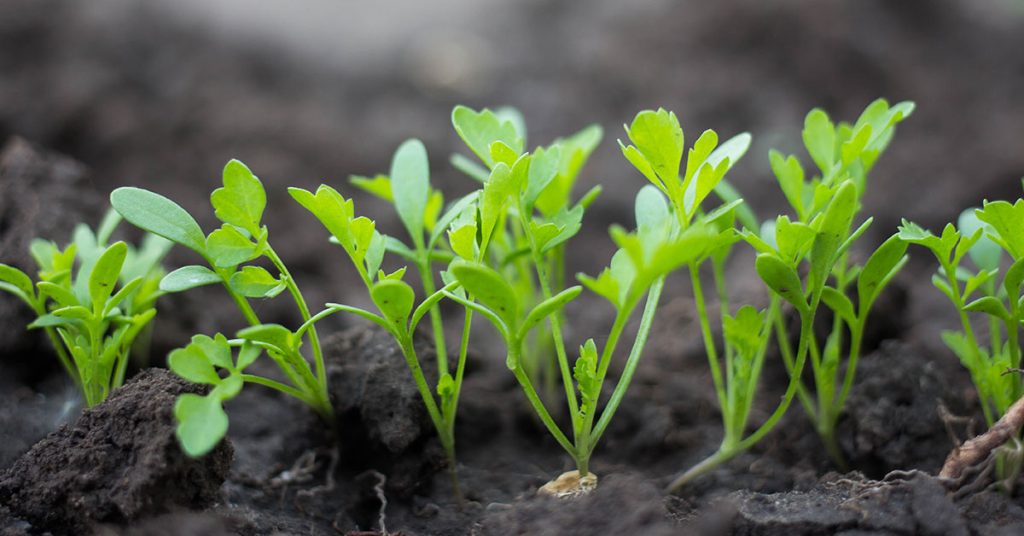
Arugula (Eruca vesicaria), originally from the Mediterranean, is beloved for its peppery, tangy leaves—perfect for bucket culture. It grows quickly, often ready to harvest in just 30 days, making retreating hunger a breeze when other bucketed crops slow down. I’ve had buckets of arugula tucked under larger containers to shade them from harsh afternoon sun; even in mid-summer heat, this green soldier produces continuously, albeit with a touch more bite as temperatures climb. In cooler months, that peppery punch mellows, offering tender leaves to complement winter salads.
Though wild arugula can spread aggressively in some regions, indoor or balcony bucket plantings contain its seedlings effectively. Its small yellow and white blossoms attract honeybees, solitary bees, and hoverflies, which nest in the soil beneath other bucket crops. Watching the bees dart among delicate blooms is a treat —we essentially provide a tiny deli counter for pollinators while enjoying peppery snacks ourselves! If you’ve ever dealt with slugs eating your ground-level greens, you’ll celebrate arugula’s natural deterrent: its pungent compounds deter most slugs and snails, so your leaves stay pristine with minimal pest pressure.
Potatoes
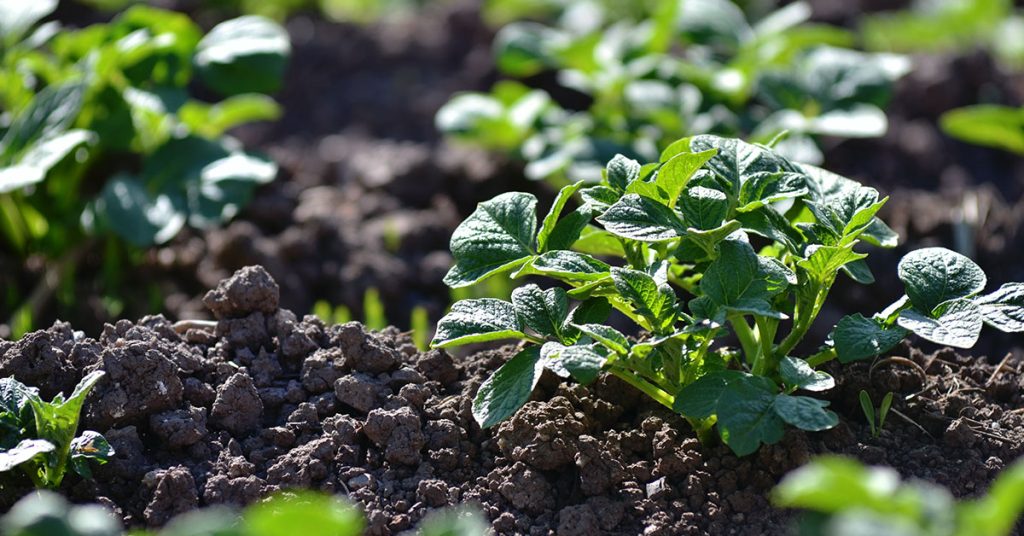
Potatoes (Solanum tuberosum) originate from the Andean highlands of South America and are famously compatible with deep container culture. I dedicate two five-gallon buckets per plant: one stacked inside the other, allowing me to add compost progressively as the plant grows (“hilling up”), which encourages more tuber development along the buried stems. Starting with seed potatoes in early spring, I’ve harvested fingerling potatoes by mid-summer and repeated the process in fall with a fresh set of buckets for a second crop. Their adaptability to cooler soil means you can even produce spuds throughout winter under protective row covers.
While potatoes can become invasive if tubers are left in the ground to sprout the following season, bucket culture prevents unwanted volunteers from popping up everywhere. Moreover, the fibrous roots sometimes host wireworms or potato beetles if the soil is contaminated; growing them in fresh potting mix and rotating buckets reduces these pests. I’ve noticed ladybugs and lacewings frequenting the bucket rims where aphids sometimes cluster on emerging shoots—nature’s little wardens! At harvest, tipping a bucket full of rich, loamy soil brimming with baby potatoes is nothing short of exhilarating. The tactile thrill of reaching into the cool dark to pull out smooth, waxy tubers keeps me hooked every time!
Bush Beans
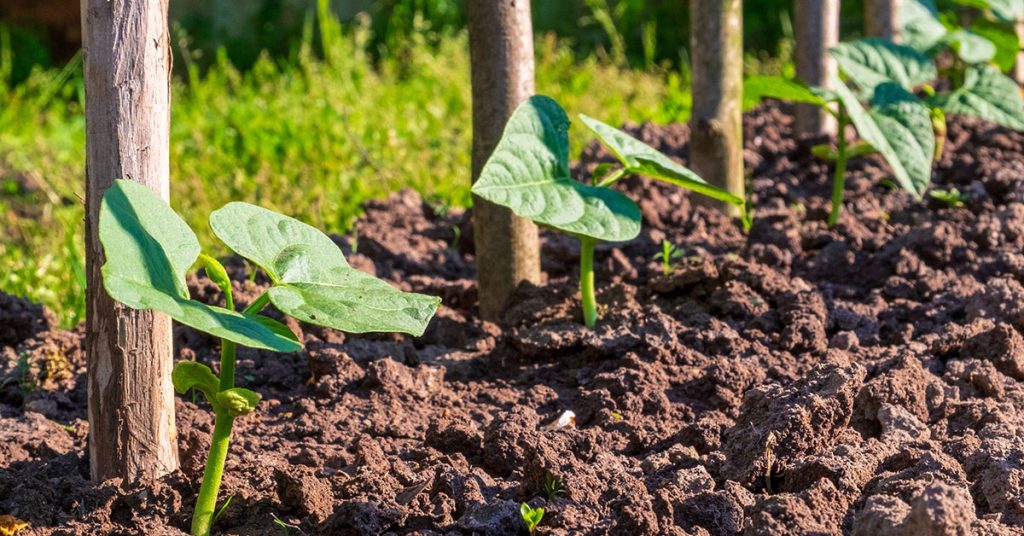
Bush beans (Phaseolus vulgaris), hailing from Central and South America, offer vigorous yields in containers and thrive in a five-gallon bucket with well-draining soil. Unlike pole beans, bush varieties remain compact (10–24 inches tall), allowing you to grow several plants in a single bucket. I once planted ‘Provider’ bush beans in early spring in four separate buckets spaced along my balcony railing, and within two months, I had a continuous harvest of crisp green beans. These plants flourish in warm weather, but with grow lights during cooler months, they’ll keep producing their slender pods indoors as well.
Bush beans are not invasive in most climates, but they do attract beneficial insects like small carpenter bees and leafcutter bees, which nest in any exposed cracks or wood near buckets. Their small, white to purple pea-like flowers entice these pollinators, which helps ensure a bountiful pod set. Additionally, predatory wasps and ladybugs often hover nearby, ready to feast on bean aphids or leafhoppers. When you pick beans daily, you also minimize pests from concealing themselves among matured pods. With minimal staking required and a rapid growth cycle, bush beans fit perfectly into year-round bucket gardens, delighting you with fresh beans from spring through late fall.
Spinach
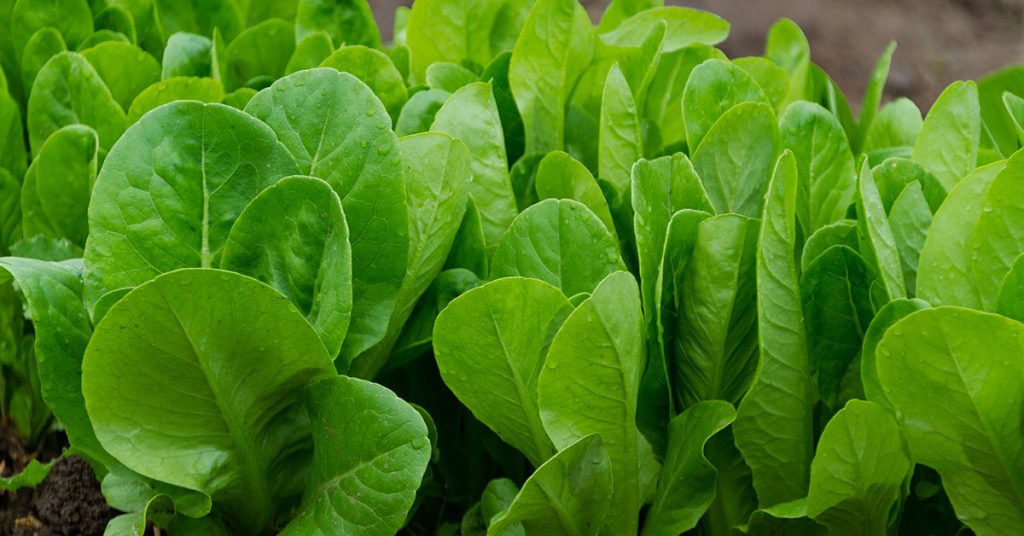
Spinach (Spinacia oleracea), originally from Persia, is a cool-weather lover known for its tender, dark green leaves. In my urban garden, I sow spinach seeds in buckets every eight weeks, allowing a continuous winter harvest under a cold frame. Because spinach thrives at temperatures between 40°F and 75°F, the late-fall sowing produces large, flavorful leaves perfect for hearty salads or soups. In summer, I switch out to heat-resistant varieties like ‘Bloomsdale Longstanding,’ which endure early heat before bolting; I place their buckets in partial shade to prevent that rapid flowering (and bitterness) so common in full sun.
While cultivated spinach isn’t invasive, a wild relative sometimes escapes in warm, wet climates, so containers help keep it contained. As for attracting wildlife, spinach’s inconspicuous greenish flowers rarely draw pollinators unless you let plants bolt. Even then, those tall flower stalks can attract small solitary bees that nest in loose soil at the bucket’s base—providing a little ecosystem of their own. Keep the soil consistently moist (but not waterlogged) and feed with a balanced organic fertilizer, and you’ll enjoy luscious spinach leaves virtually year-round—no garden plot required!
Cucumbers
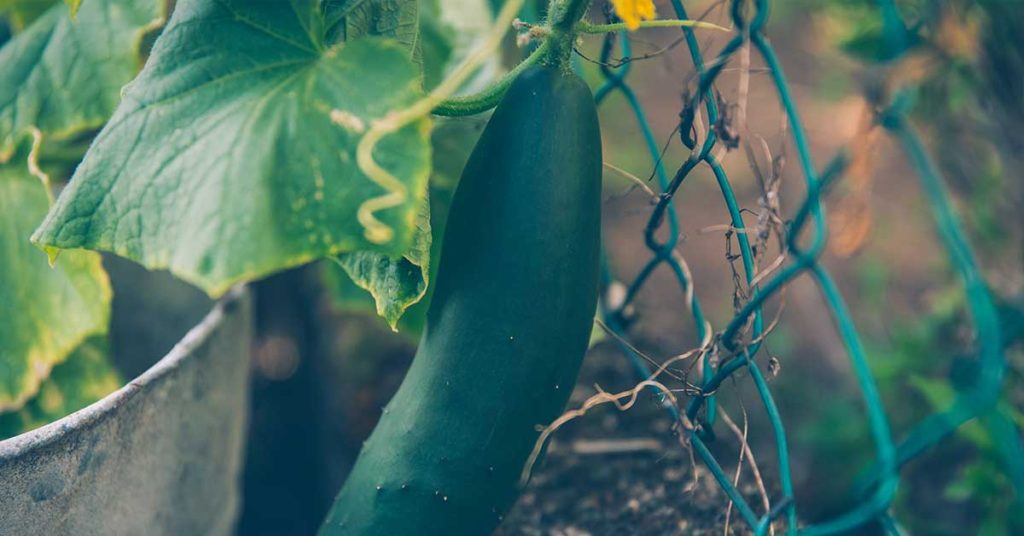
Cucumbers (Cucumis sativus), native to India, excel in buckets when you choose compact, bush or dwarf varieties like ‘Bush Pickle’ or ‘Patio Snacker.’ These plants crave warmth—ideally at least six to eight hours of direct sun—and flourish in a loamy, well-draining soil mix. My first bucket-grown ‘Lemon’ cucumbers in late spring climbed a small trellis anchored to the bucket rim, producing crisp, tangy fruits well into autumn. In cooler months, moving buckets under a greenhouse bench with supplemental heat allowed me to keep yielding pickling cukes through early winter.
Though cultivated cucumbers rarely become invasive, their wild relatives can naturalize along riverbanks in warm regions. In containers, however, you contain any stray seedlings. Once flowers emerge—tiny yellow blossoms—bees, especially sweat bees and small bumblebees, nest near the soil surface to collect pollen and nectar. I’ve spotted carpenter bees investigating the blooms while leafcutter bees scuttle along the bucket rims, trimming leaf discs to line their nests nearby. Regularly harvesting cucumbers prevents overripening (which can stunt further production) and keeps the vines healthy. Just be vigilant about powdery mildew in humid seasons—sprinkling a bit of baking soda solution on leaves helps deter fungal spores without harming those beneficial nests!
Radishes

Radishes (Raphanus sativus), originally from Southeast Asia, are lightning-fast bucket crops—some varieties mature in as little as three weeks! Their small, rounded roots meet bucket constraints perfectly, and when grown in loose, sandy soil, they develop crisp, peppery roots rather than becoming splayed or stunted. I sow radish seeds in early spring and then again in late summer; each sowing yields multiple harvests before foliage becomes too lush and flowers appear. Their quick turnaround makes radishes a delightful intercropping option between slower-growing vegetables in adjacent buckets.
While cultivated radishes themselves are rarely invasive, they can self-seed if flowers are allowed to go to seed. In buckets, you can nip those flower stalks early or pull whole plants once you’ve harvested roots to prevent escapees. Radish flowers—white or pinkish—attract tiny hoverflies and solitary bees, which might nest in the soil beneath the bucket edges. These pollinators then help cover crops like mustard or broccoli florets nearby. However, keep an eye out for flea beetles, which love to feast on young radish leaves. Interplanting a few radish seeds at bucket corners often distracts flea beetles from other crops, offering a natural “trap crop” function that pleases me immensely when I watch those tiny black beetles cluster on radish leaves instead of chewing on my kale.
Bok Choy
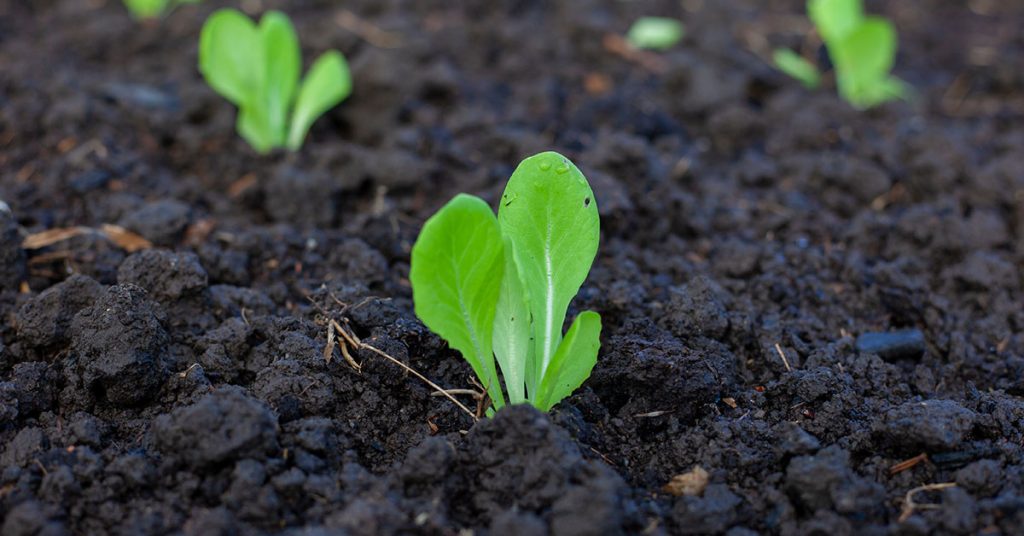
Bok choy (Brassica rapa subsp. chinensis), native to China, is a cool-season brassica that thrives in buckets from early spring through fall—and if you cozy them under floating row covers, even winter. Those crisp, pale green stems and dark leaves flourish in a five-gallon container filled with a nutrient-rich, well-draining mix. I love how ‘Shanghai Baby’ bok choy matures rapidly—usually in 30 to 45 days—offering tender greens for stir-fries or soups. In summer’s heat, I keep buckets in partial shade to prevent premature bolting, which leads to tough, bitter leaves.
Although bok choy isn’t typically invasive, other brassicas can naturalize in some regions, so keep flowers trimmed if you don’t want volunteer seedlings next spring. Its small white flowers attract a host of beneficial insects—ladybugs, lacewings, and parasitic wasps often nest in the debris beneath leaves, hunting cabbage worms, aphids, and flea beetles. This predator activity benefits nearby container crops, creating a natural mini-ecosystem right at your entrance or patio. Just ensure consistent moisture—bok choy’s shallow roots dislike drying out, which can cause leaf curling. With that bit of attention, buckets of bok choy deliver crisp, mild greens nearly year-round!