

August is the culmination of months of nurturing, watering, and sometimes wrestling with pests—and it’s such a thrill when your garden finally bursts with produce! Late summer’s long, warm days coax peak flavors from a wide range of vegetables, rewarding your patience with sweet, tender harvests. I know how frustrating it can be to watch plants flower endlessly but never set fruit—but this is the month when the payoff truly arrives.
In this article, we’ll explore fifteen vegetables that reach their prime in August, from sun‑kissed tomatoes to crisp beets and tender squash. For each, I’ll share tips on recognizing peak ripeness, note where the plant is native, whether it tends toward invasiveness, and highlight how it attracts beneficial wildlife—like bees nesting in chard’s sturdy stems or hoverflies patrolling bean flowers. Let’s dive into the joy of August harvests!
Zucchini
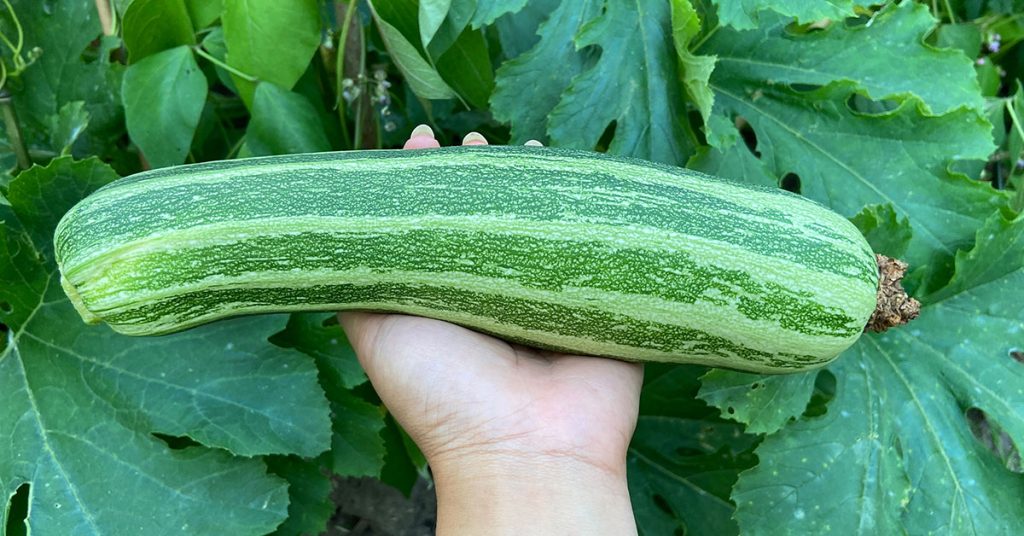
Zucchini (Cucurbita pepo), native to Mesoamerica, thrives in warm summer gardens and rarely becomes invasive—though prolific plants can overrun small beds if unharvested. The key is to pick fruits when they’re 6–8 inches long; at that size, they’re tender, with thin skins and mild flavor. One of my favorite tricks is checking under the leaf canopy each morning—those hidden gems pop right off the vine with a gentle twist!
Zucchini flowers also attract pollinators like squash bees and honeybees, which nest in loose soil around the plants. Watching bees vapor‑trail through the air to each golden blossom reminds me that every vegetable harvest relies on these tiny allies!
Cherry Tomatoes
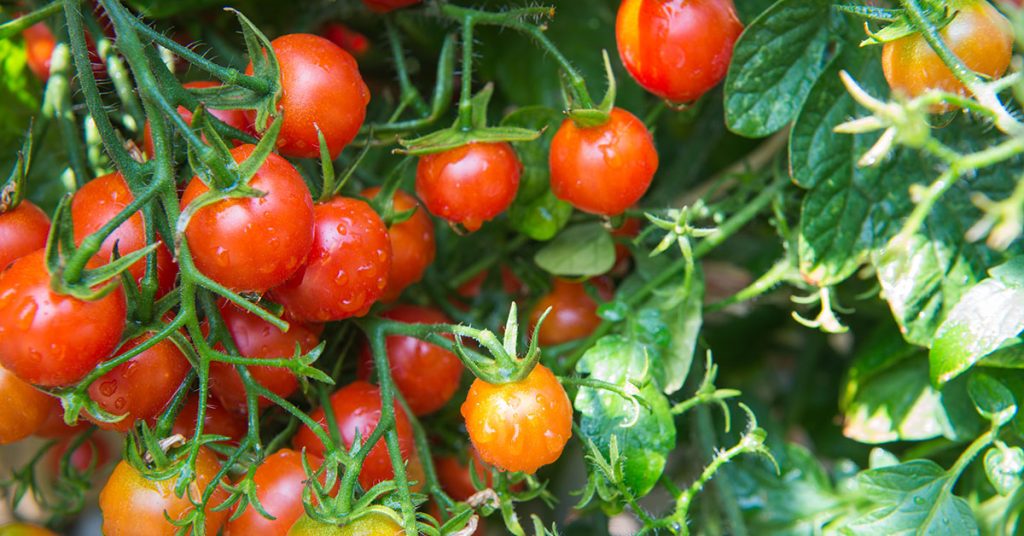
Cherry tomatoes, descendants of wild Peruvian and Mexican species, reward home gardeners with an avalanche of bite‑sized fruit all season. They’re non‑invasive when staked or caged, but their vining habit demands support. Harvest when fruits are fully colored—bright red, golden yellow, or deep purple depending on the variety—and slightly soft to the touch. I never miss a burst of sweetness when I pop one straight off the vine during morning harvest rounds!
Those juicy orbs are magnets for bumblebees and hoverflies, which dart among the clusters to sip nectar. Their humming presence in the tomato canopy makes collecting those little treats feel like a festive celebration!
Bell Peppers
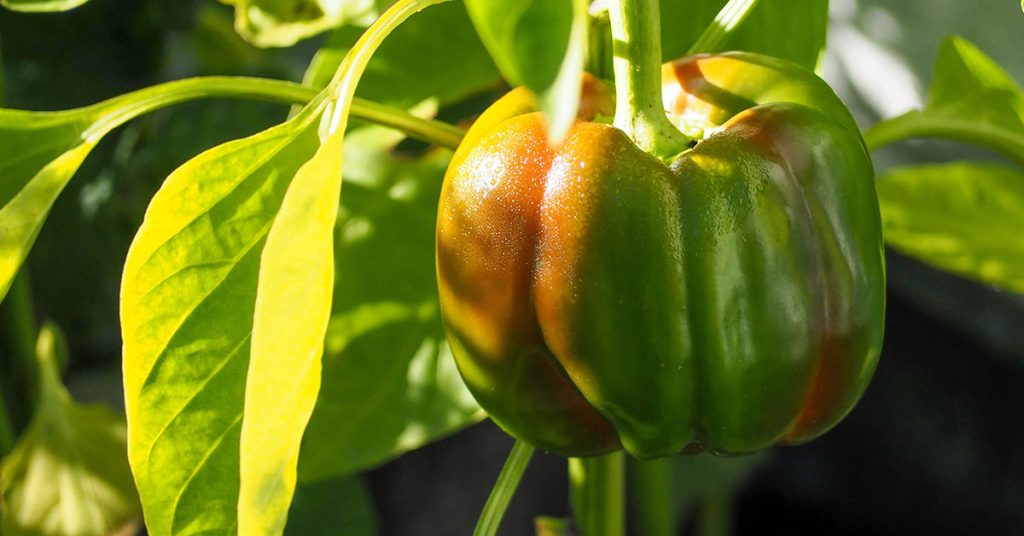
Bell peppers (Capsicum annuum), native to Central and South America, flourish in hot summer sun and rarely escape cultivation. Look for glossy, firm fruits that have reached full color—red, yellow, orange, or purple depending on the variety—for maximum sweetness. I often leave a few peppers on the plant a little longer, watching their hue deepen day by day, like nature’s mood ring!
Pepper flowers attract small solitary bees, which nest in nearby bare soil and help ensure consistent fruit set. Each time I see a bee exploring a pepper blossom, I’m reminded how essential these often‑overlooked pollinators are for a bountiful harvest.
Sweet Corn
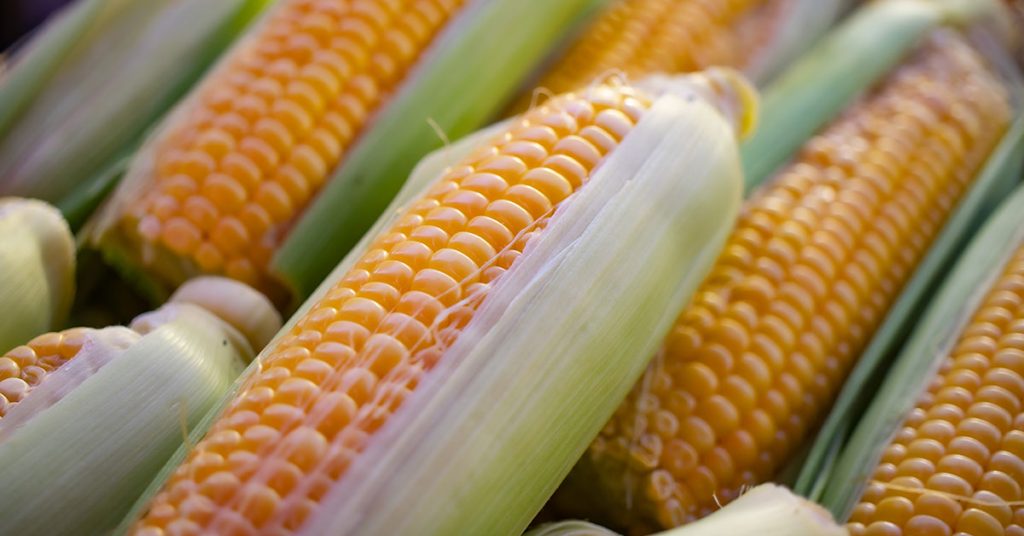
Sweet corn (Zea mays), domesticated in Mexico thousands of years ago, comes in many modern sugar‑enhanced varieties. Harvest when silks turn brown and ears feel plump—kernels should exude milky juice when punctured. There’s nothing like that first taste of warm‑sun‑ripened corn, bursting with sugary crispness!
Cornfields bustle with grasshoppers, and birds like sparrows perch on stalks to peck at grubs, keeping pest pressure low. This dynamic wildlife activity is a testament to how a robust corn patch supports garden biodiversity.
Green Beans

Green beans (Phaseolus vulgaris), originally from Central and South America, excel in long summer days and rarely become invasive when picked regularly. Harvest pods when they’re firm, straight, and about 4–6 inches long—before seeds bulge inside. I find my plants produce more prolifically when I’m diligent about picking every one to two days!
Their delicate white blossoms attract hoverflies and ladybugs, whose larvae help control aphid outbreaks on nearby plants. Letting a few bean flowers go to seed, then harvesting pods for drying, provides both fresh and pantry‑ready beans for winter meals.
Summer Squash
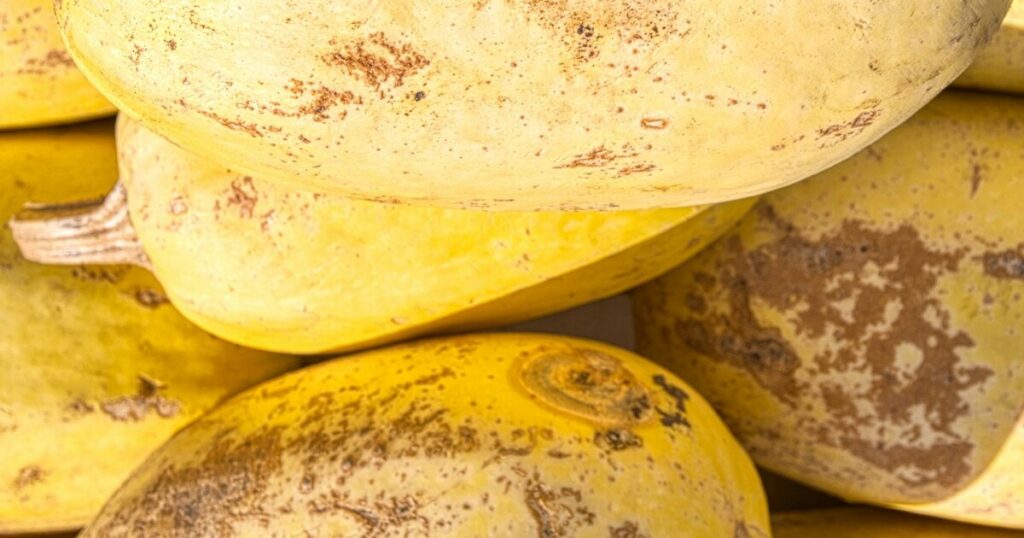
Summer squash varieties—such as yellow crookneck or patty pan—are close cousins to zucchini, native to the Americas and known for abundant yields. Like zucchini, harvest fruits when they’re small and tender—typically 4–6 inches—before they develop tough skins and large seeds. Picking often encourages even more squash to form!
Squash flowers, open early in the morning, invite squash bees and bumblebees, which sometimes nest in the ground beneath the leaves. Watching those robust bees vibrate blooms is a clear signal that pollination—and your harvest—is on track!
Beets
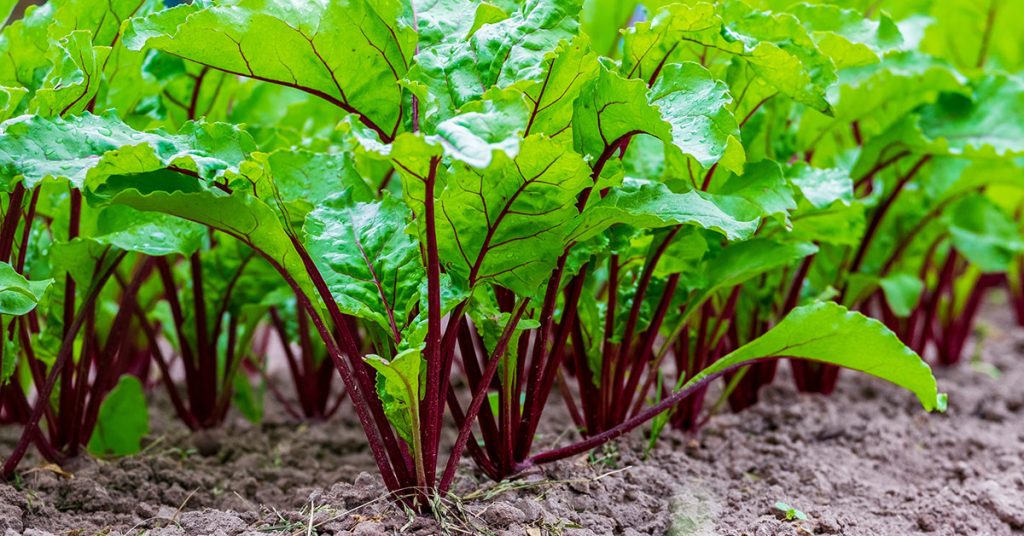
Beets (Beta vulgaris), domesticated in the Mediterranean region, are biennials grown as annuals for their taproots and leafy greens. Harvest roots when they’re 1.5–3 inches in diameter for the sweetest flavor; larger roots can become woody. Snipping a few radish‑sized beets for a taste test ensures you catch them at their tender best!
Their tiny yellow flowers later in the season attract hoverflies, whose larvae patrol nearby brassica crops for aphids. Plus, the swiftly turning red and gold beet greens offer an extra leafy‑green harvest before the roots even leave the ground!
Eggplants
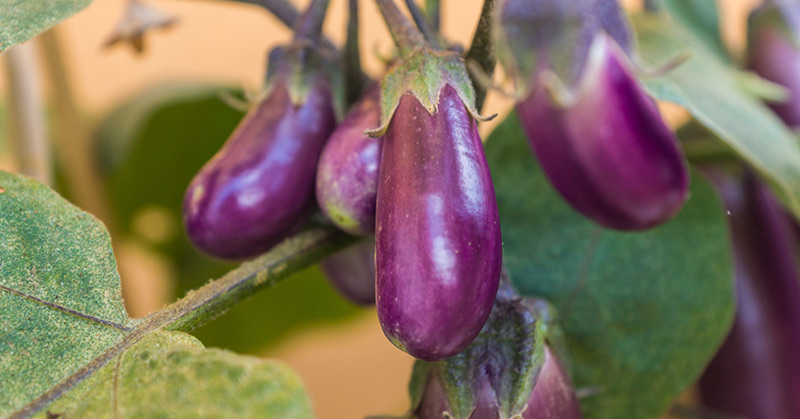
Eggplants (Solanum melongena), hailing from India and Southeast Asia, flourish in warm soils and are non‑invasive when kept tidy. Harvest glossy fruits when they’re firm but yield slightly to gentle pressure. Timing is crucial—overripe eggplants can taste bitter and pithy, so I check my plants daily for that ideal sheen!
The purple blooms draw bumblebees, which buzz‑pollinate by vibrating the flowers, releasing pollen. Their visits ensure each fruit sets well, and I always reward myself with fresh‑off‑the‑plant slices sautéed in garlic and olive oil!
Okra

Okra (Abelmoschus esculentus), originally from Africa, thrives in heat and tolerates drought once established. Pods are ready when they’re 2–3 inches long and still tender; larger pods become fibrous. I love that daily harvest routine—snip a few pods at midday, and you have fresh okra for gumbo or roasting that evening!
Okra’s hibiscus‑like flowers attract butterflies and hummingbird moths, which sometimes nest among nearby shrubs. Their graceful presence among those pale yellow blooms reminds me of the intricate choreography between plants and pollinators.
Carrots

Carrots (Daucus carota), first cultivated in Central Asia, are biennials grown as annuals for crisp taproots. Harvest when roots reach your desired diameter—typically 1/2–3/4 inch for baby carrots or up to 1.5 inches for standard varieties. Carefully pulling a test root lets you gauge the harvest window without uprooting the entire row!
Their small white umbels attract beneficial parasitic wasps, which nest in nearby mulch and control caterpillar pests on adjacent plants. Observing this insect synergy in my carrot bed makes me grateful for nature’s built‑in pest control.
Swiss Chard
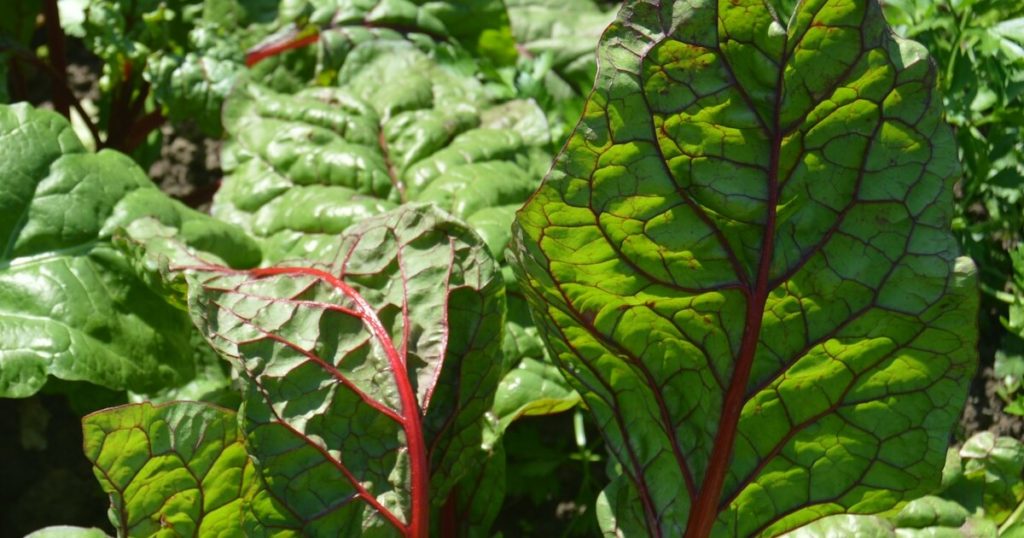
Swiss chard (Beta vulgaris var. cicla), a Mediterranean relative of beets, offers succulent leaves and colorful stems. Harvest outer leaves when they’re 6–8 inches long; pulling them encourages continuous regrowth. One of my favorite salad ingredients is those bright red-stemmed leaves, fresh from an August midday pick!
Chard’s broad leaves provide protective shade for ground‑nesting bees and wrens, while its tiny yellow blooms—if allowed to flower—invite hoverflies. Their hum among the foliage is like applause for a well‑timed harvest!
Radishes

Radishes (Raphanus sativus), native to Southeast Asia, mature quickly—often in just 30 days. Harvest when roots are 1–1.5 inches across; leaving them too long leads to pungent, woody flavors. I plant successive radish sowings through midsummer, so my August garden always has crisp, peppery roots ready for snacking!
Radish blossoms attract small pollinators like miner bees, which occasionally nest in the sandy soil at the bed’s edge. Spotting a bee emerge from a tiny tunnel under a radish bed always makes me smile—it’s proof that even quick‑maturing crops sustain beneficial wildlife.
Kale
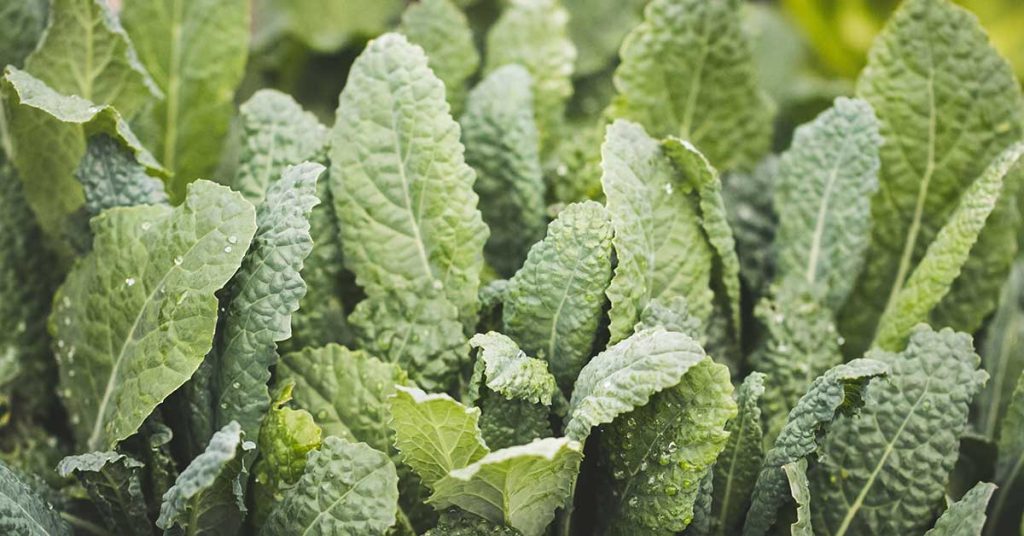
Kale (Brassica oleracea var. sabellica), a hardy biennial from the Mediterranean, thrives as a late‑summer green. Harvest outer leaves when they’re 6–8 inches tall; regular picking encourages new growth throughout fall. I often toss fresh kale into my breakfast smoothie or sauté it for a nutrient‑packed side dish!
Tiny green cabbage white butterflies lay eggs on kale leaves, but nearby plantings of alyssum and dill attract hoverflies and lacewings whose larvae feast on caterpillars. Watching this predator‑prey ballet helps me maintain a healthy, organic kale patch.
Broccoli
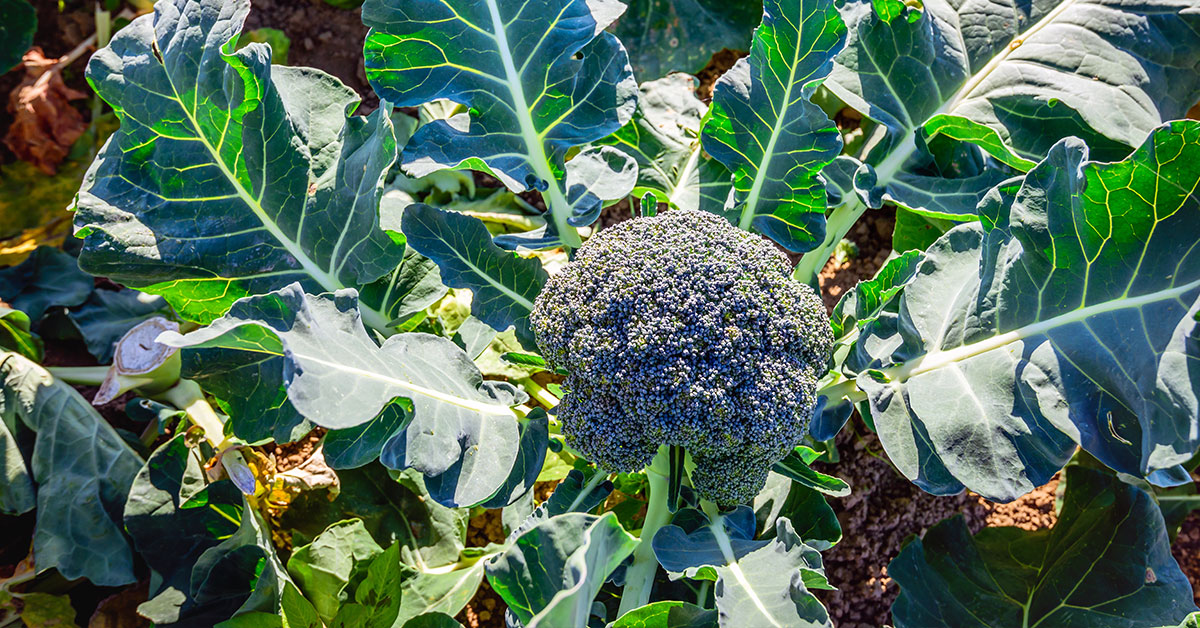
Broccoli (Brassica oleracea var. italica), cultivated in the Mediterranean, forms central heads in August if planted in early summer. Harvest when the central bud cluster is tight and dark green—before yellow flowers appear. I find that cutting the main head prompts side shoots to develop, giving me a second wave of harvest into early fall!
Those pale yellow broccoli blooms are irresistible to honeybees and native bees, which sometimes nest in broken stems or soil cracks. Their pollination work ensures plentiful side shoots, and I love sharing those homegrown florets with friends at potluck dinners!