

Welcome, fellow green thumbs! I’m thrilled to share my passion for square foot gardening and to introduce you to 15 incredible vegetables that not only flourish in compact spaces but also bring a wealth of flavors, textures, and benefits to your garden. As a dedicated gardener who’s faced the ups and downs of pest invasions and unpredictable weather, I know how vital it is to choose plants that suit both your space and your lifestyle. In this article, you’ll find extensive insights about each vegetable—from their native origins and growth behaviors to practical advice on managing any potential invasiveness—ensuring you have all the tools to create a vibrant, thriving garden.
I understand the challenges you encounter, whether it’s finding room for a bountiful harvest or dealing with garden nuisances that sometimes steal the show. That’s why I’m excited to dive deep into each vegetable, sharing personal anecdotes and detailed care tips that have helped me overcome similar hurdles. Together, we’ll explore the unique characteristics of each plant, how they attract beneficial wildlife, and the little quirks that make them so special. So, grab your gardening gloves and let’s embark on this journey to transform your square foot garden into a miniature oasis of delicious, homegrown goodness!
Swiss Chard
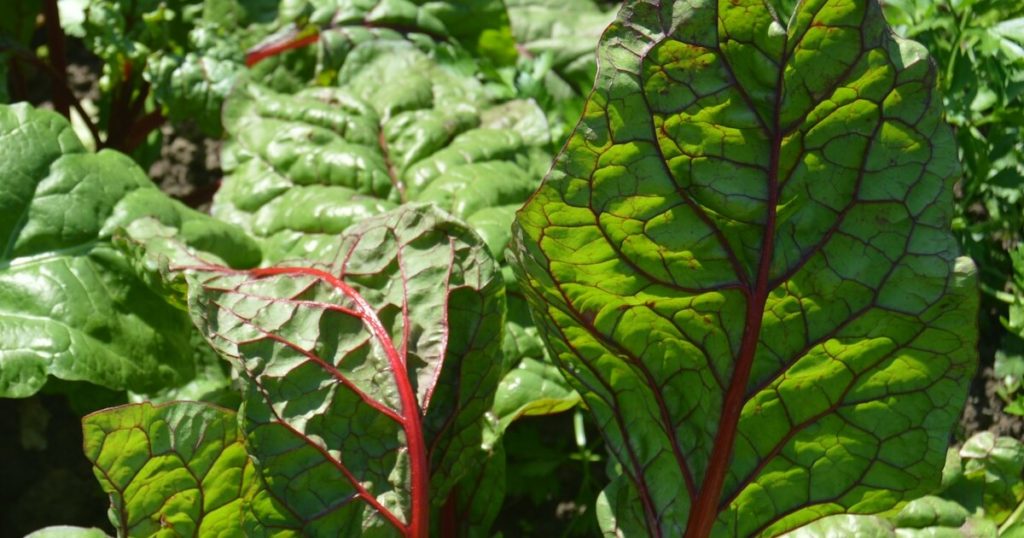
Swiss Chard is a vibrant and versatile vegetable that truly shines in a square foot garden setting. Native to the Mediterranean region, this leafy green has been cultivated for centuries for its impressive nutritional profile and stunning colorful stems. I find that Swiss Chard adds a burst of life to my garden beds with its crisp, large leaves that are perfect for both salads and sautés! While it’s not considered invasive, its fast growth can sometimes crowd neighboring plants if not carefully managed, so be sure to give it enough space in your designated square.
What I love about Swiss Chard is its ability to attract beneficial insects that help keep pests at bay. Its broad leaves offer ideal nesting and resting spots for small garden critters and even some shy pollinators seeking a quick refuge from the sun. As a gardener, I appreciate how this vegetable not only delivers in terms of flavor and nutrition but also plays a pivotal role in fostering a balanced garden ecosystem. Whether you’re a seasoned gardener or just starting out, Swiss Chard is a dependable, eye-catching addition that promises both beauty and bounty!
Tomatoes

Tomatoes are a quintessential garden favorite, especially for square foot gardening where their compact yet prolific nature makes them an ideal choice. Originally native to western South America, tomatoes have won hearts worldwide with their juicy, flavorful fruits and versatile culinary uses. In my experience, nurturing a tomato plant is like watching a miracle unfold—its tiny blossoms gradually transform into a vibrant harvest that excites every time I check on it! Although they are not invasive, tomatoes do require consistent care, proper support, and regular pruning to prevent disease and encourage healthy growth.
I always marvel at how tomatoes manage to attract a range of beneficial insects, from ladybugs to solitary bees that help with pollination. Their sturdy foliage provides a natural refuge for these helpful critters and even offers shelter for small nesting birds seeking a quiet spot away from predators. If you’ve ever struggled with a space-limited garden, tomatoes will inspire you with their adaptability and rewarding harvests. With the right care, these plants bring an irresistible mix of productivity and charm to your square foot garden!
Onions
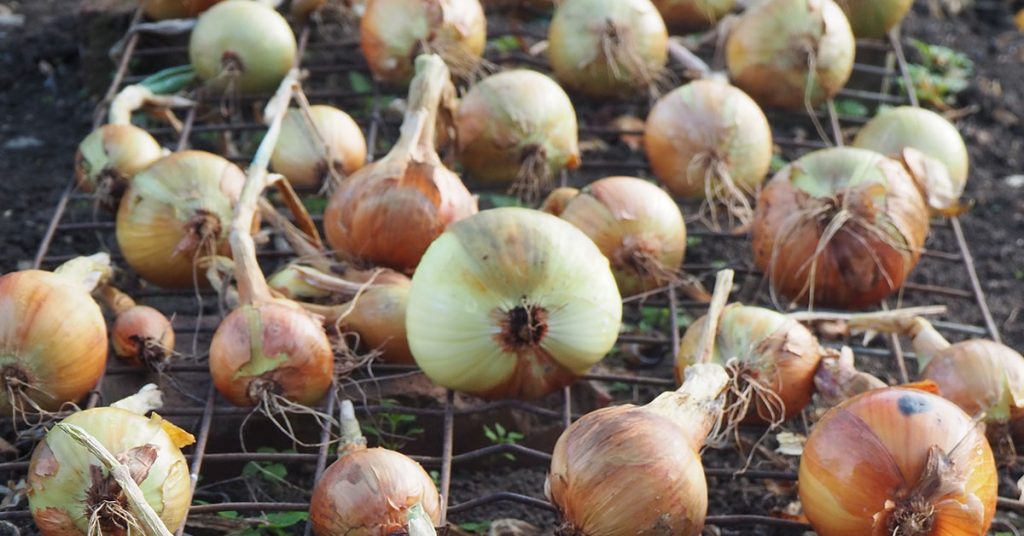
Onions, with their robust flavors and essential role in countless dishes, are a must-have in any square foot garden. Native to central Asia, these hardy bulbs have traveled through time and cultures to become a staple in kitchens around the globe. I’ve always admired the simplicity and efficiency of growing onions in a small space—they require minimal soil and can be harvested repeatedly throughout the season! Onions are not invasive; instead, they neatly fit into their allocated square, leaving plenty of room for their more sprawling garden companions.
What’s truly fascinating about onions is their subtle way of attracting beneficial insects and even offering shelter to tiny critters during cooler evenings. Their layered structure provides ideal nooks for pollinators to rest, and I’ve noticed that a thriving onion patch often complements a diverse garden ecosystem. Whether you’re looking to enhance your culinary endeavors or simply add a touch of practicality to your garden, onions are a resilient and rewarding choice that help create a balanced and productive space!
Carrots

Carrots are an absolute delight in square foot gardens, offering not only their sweet, earthy flavor but also a fun, rewarding growing experience. Native to regions spanning Europe and Southwestern Asia, these vibrant root vegetables have been a favorite for their versatility and nutritional benefits. I remember the thrill of pulling a bright, healthy carrot from the soil, knowing that my careful planning had paid off in such a delicious harvest! Carrots are non-invasive, and when planted in well-prepared, loose soil, they grow neatly within their designated squares without interfering with other plants.
In addition to their culinary appeal, carrots are known to attract beneficial soil organisms that improve nutrient cycling and overall soil health. Their presence can create microhabitats for earthworms and other critters, which in turn support a thriving underground ecosystem. I appreciate how these roots contribute to a vibrant garden life by encouraging a healthy soil food web, making them an integral part of any well-rounded garden plan. Their charming growth habits and rich history make carrots a timeless choice for any garden enthusiast looking to maximize both yield and ecological balance!
Lettuce
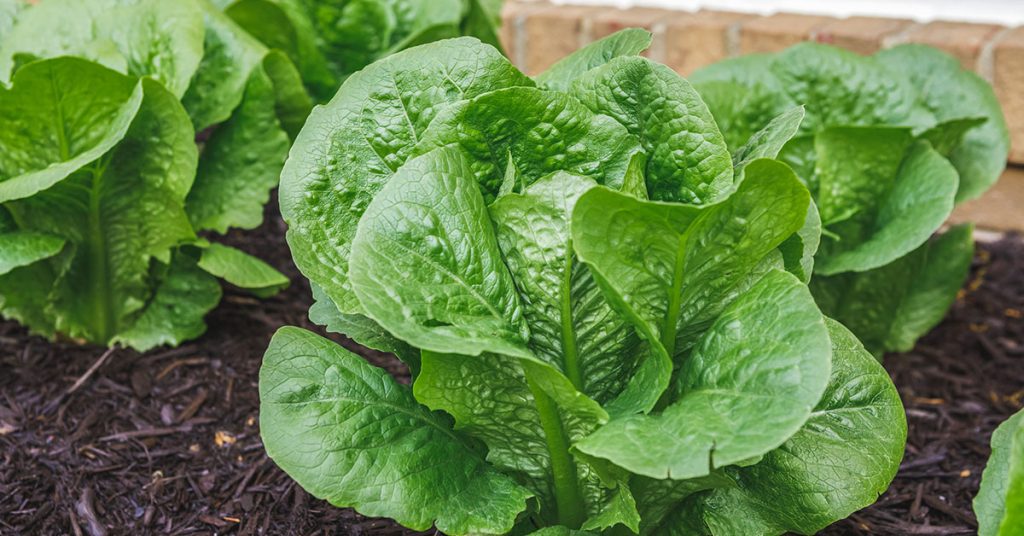
Lettuce is a crisp, refreshing addition to any square foot garden, offering a quick and easy harvest that’s perfect for salads and light meals. Originally cultivated in the Mediterranean region, this leafy vegetable has a storied past as a favored crop for its tender texture and mild flavor. I’m always excited to plant lettuce because it grows rapidly, allowing you to enjoy fresh greens in just a few weeks! Although it isn’t invasive, lettuce does require careful spacing and regular harvesting to prevent it from bolting in warmer weather.
What’s particularly appealing about lettuce is its role in attracting a variety of beneficial insects, such as ladybugs and small bees that help maintain garden balance. Its broad, tender leaves provide an inviting spot for these insects to visit, while also occasionally offering refuge for tiny garden critters during cool mornings. As someone who has experienced the joy of a thriving salad garden firsthand, I can attest to how lettuce transforms even the smallest of spaces into a vibrant, living canvas. Its quick turnaround and refreshing taste make it a staple for any gardener aiming for efficiency and flavor!
Eggplant
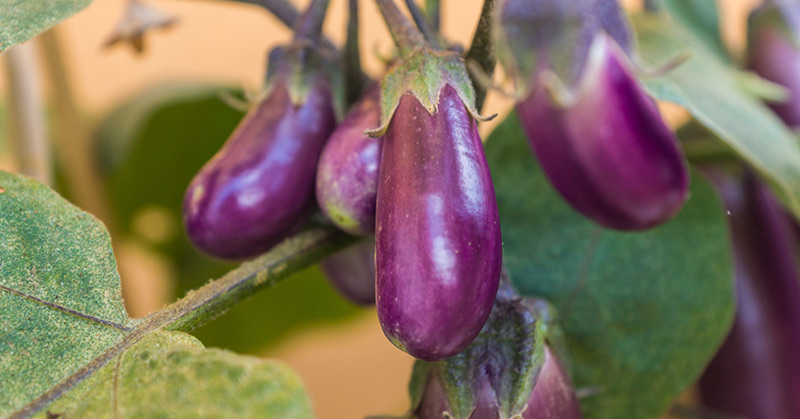
Eggplant, with its glossy, deep-hued skin and versatile culinary applications, is a standout vegetable in square foot gardening. Native to India and Southeast Asia, this intriguing plant has journeyed across continents to become a beloved addition to many home gardens. I’ve often been amazed by the dramatic transformation of eggplant blossoms into vibrant fruits that not only taste amazing but also add a splash of color to your garden! While eggplant is not invasive, it does require a bit of extra attention to ensure proper support and to ward off common pests that might target its tender foliage.
In my experience, eggplant is a magnet for beneficial insects that help keep its ecosystem balanced. Its robust flowers attract pollinators, which in turn encourage a healthy garden dynamic where even small birds might be drawn to its protective shade. The thrill of watching an eggplant plant flourish amidst the tight confines of a square foot garden is unmatched—its elegance lies not only in its produce but also in the vibrant life it invites to the space. For any gardener looking to add a touch of exotic flair with practical benefits, eggplant is an exciting and rewarding choice!
Peas
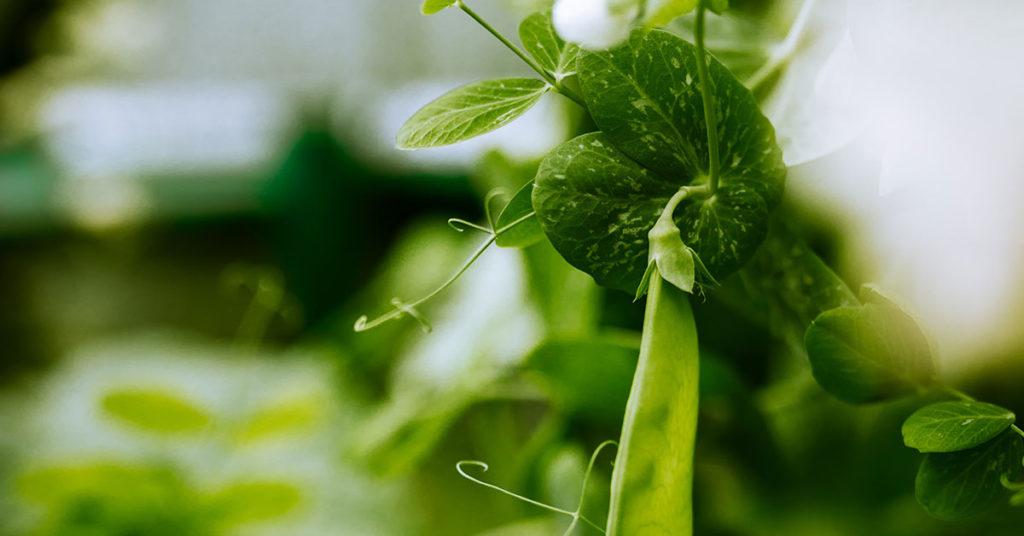
Peas are a delightful and productive option for square foot gardens, offering both fresh, sweet pods and a playful climbing habit. Hailing from the Mediterranean and Near East regions, peas have been cherished for centuries for their tender texture and subtle flavor. I still recall the satisfaction of twirling a pea vine around its trellis, knowing that each small pod was a promise of delicious meals to come! Peas are non-invasive and, when given a sturdy support structure, they gracefully climb without encroaching on neighboring plants.
Beyond their culinary charm, peas have a knack for attracting a variety of beneficial insects that contribute to a robust garden ecosystem. Their delicate flowers lure in pollinators, while the vines create natural hideaways for small birds and insects alike. I love how peas embody the spirit of a well-planned garden, balancing productivity with ecological benefits. For those who find the idea of vertical gardening both challenging and rewarding, peas offer a perfect blend of beauty, functionality, and a hint of old-world charm!
Radishes

Radishes might be small, but they pack a flavorful punch and are a superb choice for square foot gardening enthusiasts. Native to regions in Asia and the Mediterranean, radishes have been enjoyed for their crisp texture and peppery zest since ancient times. Every time I harvest a batch of radishes, I’m reminded of their rapid growth and how they can bring a delightful crunch to salads and side dishes! Radishes are non-invasive, making them ideal for tightly spaced garden squares where every inch counts.
I’m always impressed by how radishes attract a host of beneficial insects, which are essential for maintaining a balanced garden ecosystem. Their quick life cycle means that they create a continuous source of nourishment for pollinators and even provide shelter for small, ground-dwelling critters that help enrich the soil. For gardeners dealing with the challenge of maximizing limited space, radishes offer a burst of flavor and ecological vitality that is simply irresistible. Their speed and versatility make them a true gem in any intensive gardening setup!
Bell Peppers
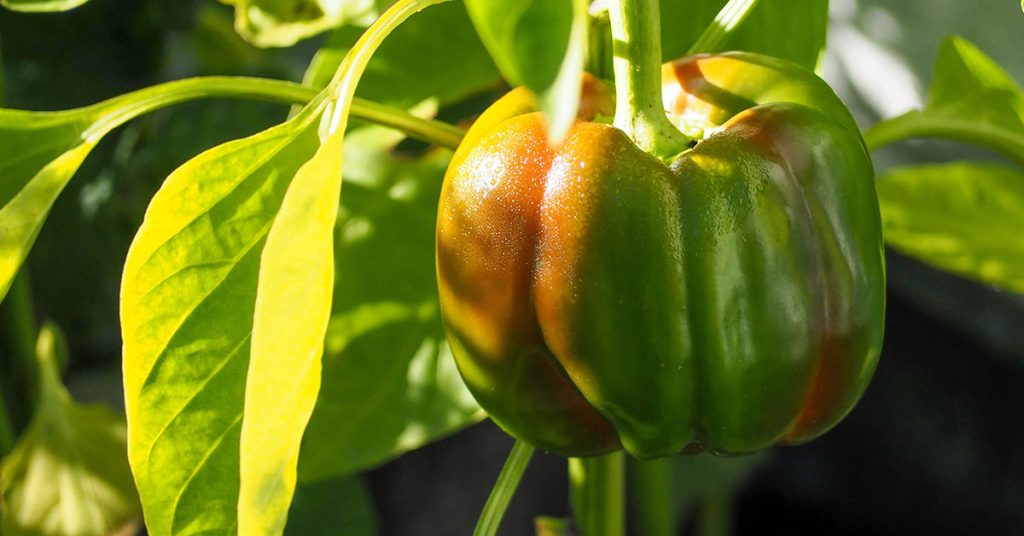
Bell Peppers are a vibrant and highly versatile vegetable that bring a delightful crunch and subtle sweetness to your square foot garden. Native to Central and South America, these peppers have a long and fascinating history as they spread across the world to become a culinary favorite. I often marvel at the transformation of tiny green buds into bright red, yellow, or orange peppers, each one a testament to the magic of garden growth! Although bell peppers are not invasive, they do need a warm, sheltered spot in the garden and a steady supply of water to reach their full potential.
What makes bell peppers even more appealing is their ability to attract beneficial insects and provide safe havens for small garden creatures. Their abundant blossoms draw in bees and other pollinators, ensuring a healthy cycle of growth and fruiting. I’ve seen these peppers enhance not only the aesthetic appeal of my garden but also the overall balance of the ecosystem, making them a must-try for anyone embracing square foot gardening. With their cheerful colors and delightful taste, bell peppers are an invigorating addition that bring both beauty and practicality to your space!
Spinach
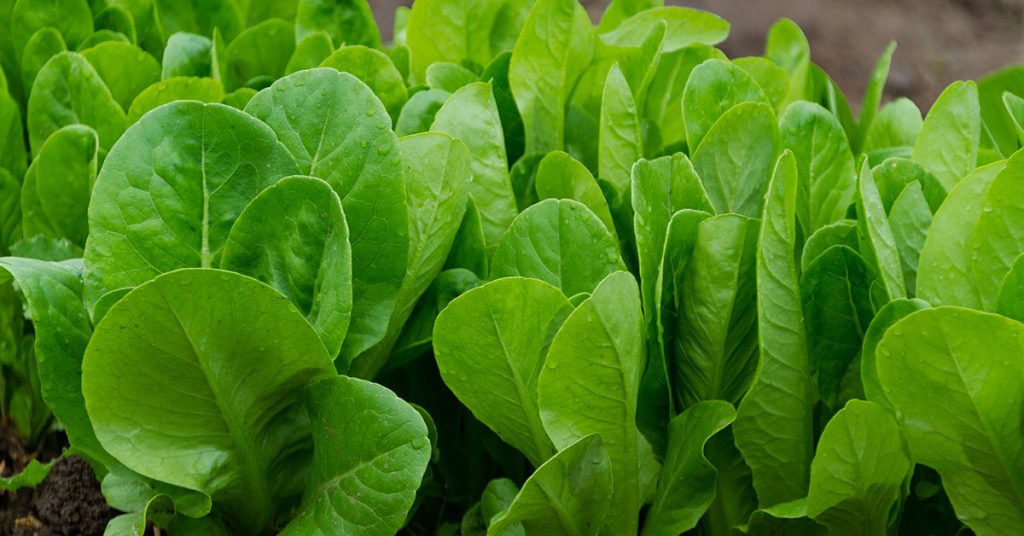
Spinach is a powerhouse leafy green that thrives in square foot gardens, offering both nutritional benefits and a quick-growing harvest. Originally native to Persia, spinach has traveled across continents to become a beloved staple in salads, smoothies, and savory dishes. I love the way spinach leaves unfurl like little flags of freshness in my garden, promising a harvest that’s both abundant and full of life! Spinach is non-invasive, making it an ideal choice for compact garden plots where space is at a premium.
In my own gardening adventures, I’ve noticed that spinach is excellent at attracting beneficial insects that play a vital role in the ecosystem. Its tender foliage not only feeds the body but also serves as a perfect resting spot for small pollinators and helpful bugs that aid in pest control. Whether you’re battling the challenges of a short growing season or just seeking a quick, nutritious crop, spinach offers a gratifying blend of taste, ease of growth, and ecological support. Embrace this leafy wonder, and you’ll soon discover how spinach can transform your garden into a mini-farm of vitality and green goodness!
Cucumbers
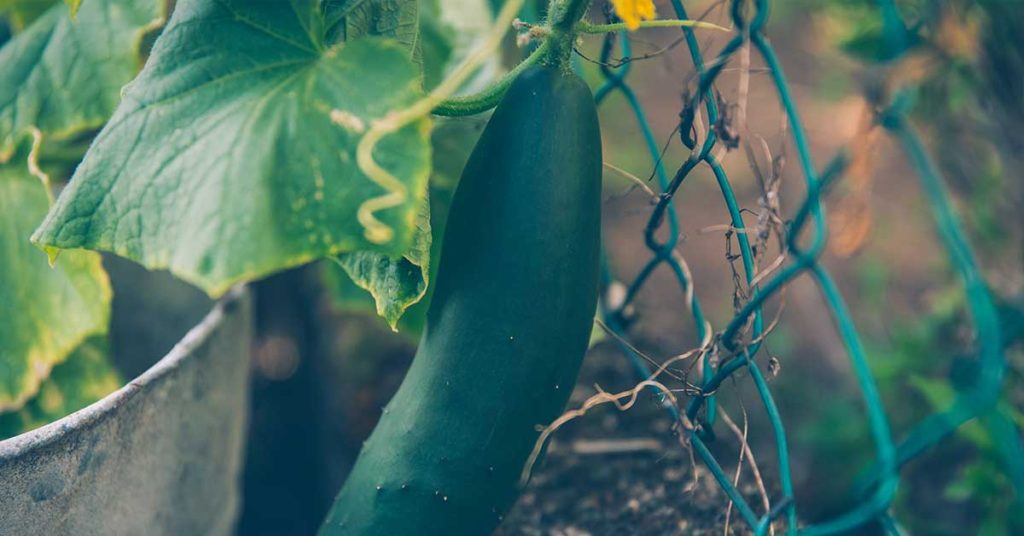
Cucumbers are a refreshing and prolific addition to any square foot garden, bringing crisp, juicy delights right from your own backyard. Native to South Asia, these trailing vegetables have spread across the globe and earned their place as a staple in summer salads and pickles alike. I find the vibrant green tendrils of cucumber plants absolutely mesmerizing as they spread elegantly over trellises, transforming a small space into a bountiful oasis! While they are not invasive in tightly managed settings, cucumbers do require proper support to ensure their sprawling vines don’t overwhelm the designated garden area.
What makes cucumbers even more special is their knack for attracting a variety of beneficial insects that enhance garden health. Their delicate flowers beckon pollinators, while the plant itself creates a natural microhabitat for small garden creatures seeking shade and shelter. I’ve learned that when cucumbers are given the right conditions, they not only provide a delicious harvest but also contribute significantly to a thriving ecosystem. Their refreshing taste and dynamic growth make them a must-have for any gardener eager to maximize both flavor and function in a compact space!
Garlic
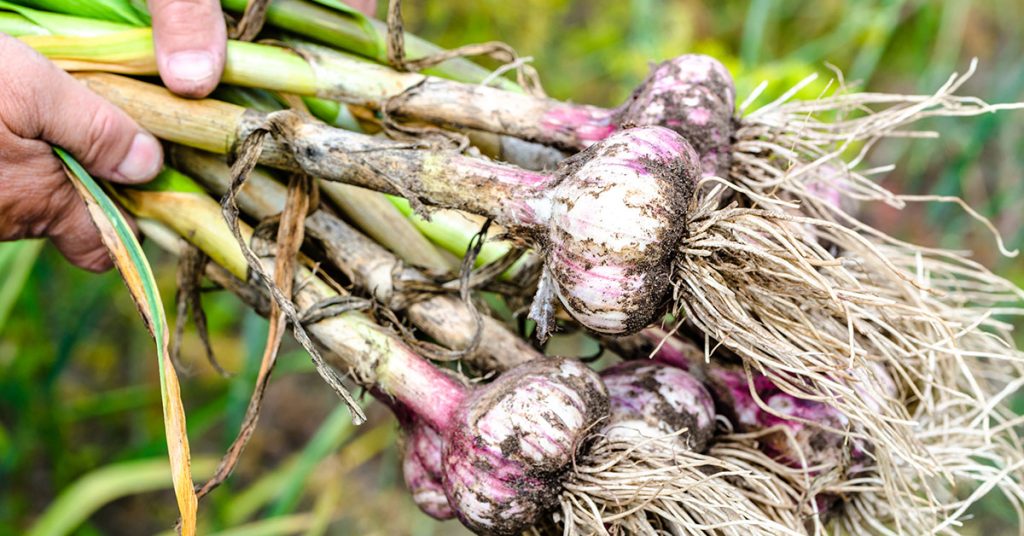
Garlic is a robust and aromatic vegetable that packs a flavorful punch in square foot gardening. Native to Central Asia, garlic has been celebrated across cultures for its culinary and medicinal properties. I love how garlic bulbs form neatly underground, fitting perfectly into the tight rows of my garden, and the anticipation of harvesting them fills me with excitement every season! Garlic is non-invasive, making it ideal for small garden plots where precision and order are paramount.
One of the most interesting aspects of garlic is its subtle influence on garden dynamics. Its pungent aroma naturally repels certain pests while simultaneously attracting beneficial insects that help maintain ecological balance. I’ve observed that planting garlic among other vegetables can even enhance the overall health of the garden, creating a protective barrier against common nuisances. With its storied history and undeniable practicality, garlic is a fascinating addition that elevates both the flavor profile of your meals and the resilience of your garden ecosystem!
Broccoli
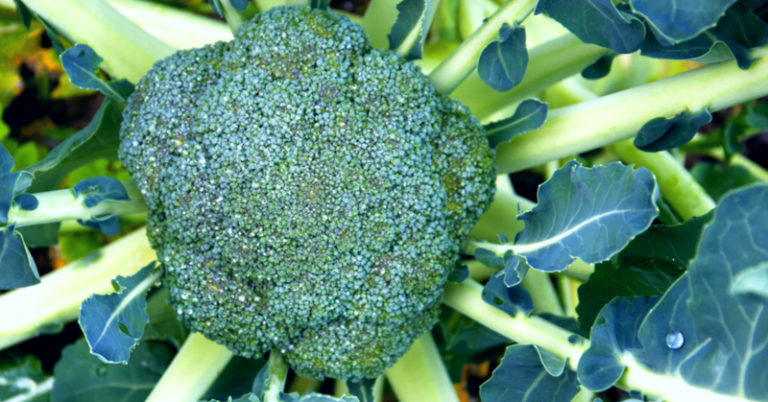
Broccoli is a nutrient-rich vegetable that thrives in the contained environment of a square foot garden, delivering a hearty harvest that is as pleasing to the eye as it is to the palate. Native to the Mediterranean region, broccoli has long been celebrated for its impressive health benefits and its role in diverse culinary traditions. I enjoy the process of nurturing a broccoli plant from a small seedling into a robust head bursting with green vitality—it’s truly one of nature’s little miracles! Broccoli is not invasive, so you can confidently cultivate it in your compact garden without fear of it overtaking its neighbors.
What’s particularly engaging about broccoli is its ability to attract a variety of beneficial insects and even serve as a temporary nesting spot for some of the smaller garden dwellers. Its thick, leafy structure provides an excellent environment for pollinators and natural predators that help keep pest populations in check. In my own gardening adventures, I’ve found that broccoli not only boosts the nutritional value of my harvests but also contributes to a lively and balanced ecosystem. Its dependable growth and hearty nature make it an outstanding choice for anyone seeking both flavor and function in a limited space!
Zucchini
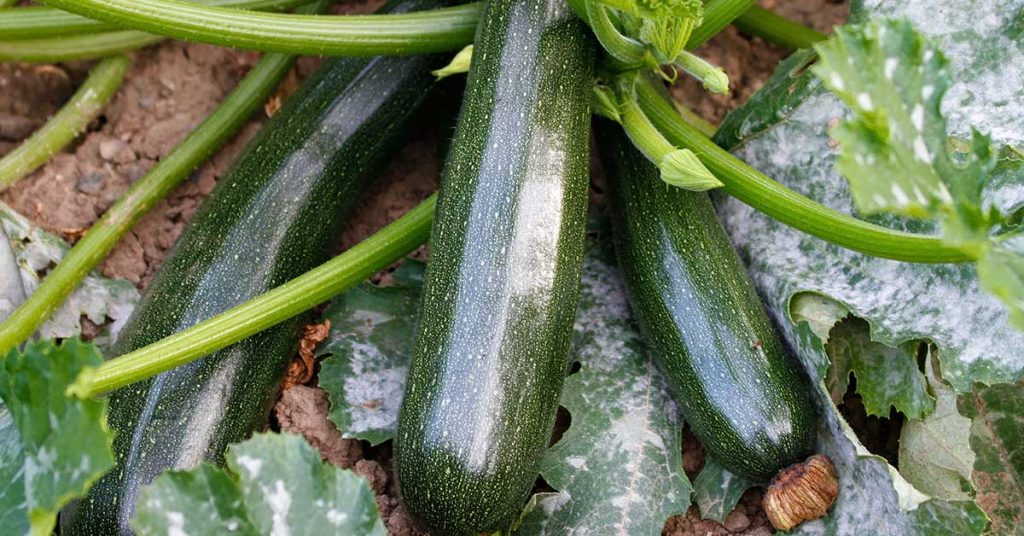
Zucchini is a remarkably productive vegetable that fits surprisingly well into the confines of a square foot garden, offering an abundant harvest of tender, flavorful fruits. Native to the Americas, zucchini has evolved into a favored crop for its versatility in the kitchen and its relatively easy cultivation. I’ve experienced the joy of watching zucchini plants spread their broad leaves across a small plot, and the satisfaction of harvesting a plump, vibrant zucchini is simply unbeatable! Although zucchini is known for its vigorous growth, it is not considered invasive when properly managed in a compact garden setup.
In addition to its culinary appeal, zucchini plays a significant role in attracting beneficial wildlife to the garden. Its bright yellow flowers draw in bees and other pollinators, while the plant’s sprawling nature provides a perfect hideaway for small insects that contribute to natural pest control. I love how zucchini not only enriches my table with its fresh taste but also boosts the overall vitality of my garden ecosystem. Its prolific yield and engaging growth habits make it a delightful and practical addition to any square foot garden!
Beans
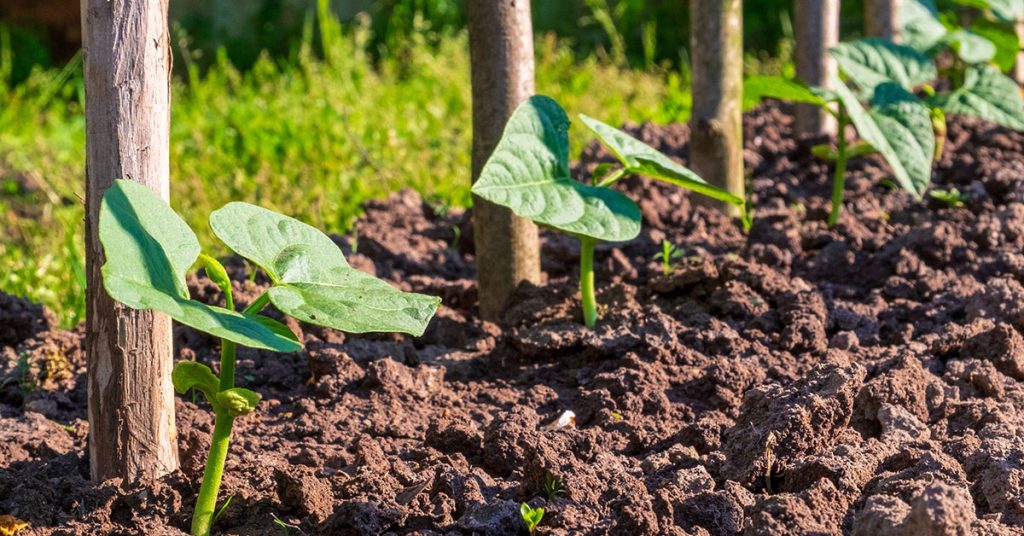
Beans are a classic, versatile crop that bring a delightful combination of flavor, texture, and nitrogen-fixing benefits to square foot gardens. Native to the Americas, beans have a rich history of cultivation and serve as an essential protein source in many diets around the world. I always get excited about planting beans because they tend to climb and spread in a controlled manner, making them perfect for small, vertical garden spaces! Beans are not invasive, and with proper support like trellises or poles, they gracefully enhance your garden without encroaching on other plants.
What truly excites me about beans is their ability to foster a lively garden ecosystem. Their vibrant, delicate blossoms attract a range of pollinators, including bees and butterflies, while their climbing vines create cozy hideaways for small garden critters seeking shelter. I’ve found that incorporating beans into my square foot garden not only improves soil fertility through natural nitrogen fixation but also adds an element of charm and practicality. Their adaptability, coupled with the dual benefits of nutritional value and ecological contribution, makes beans an indispensable part of any thriving garden!