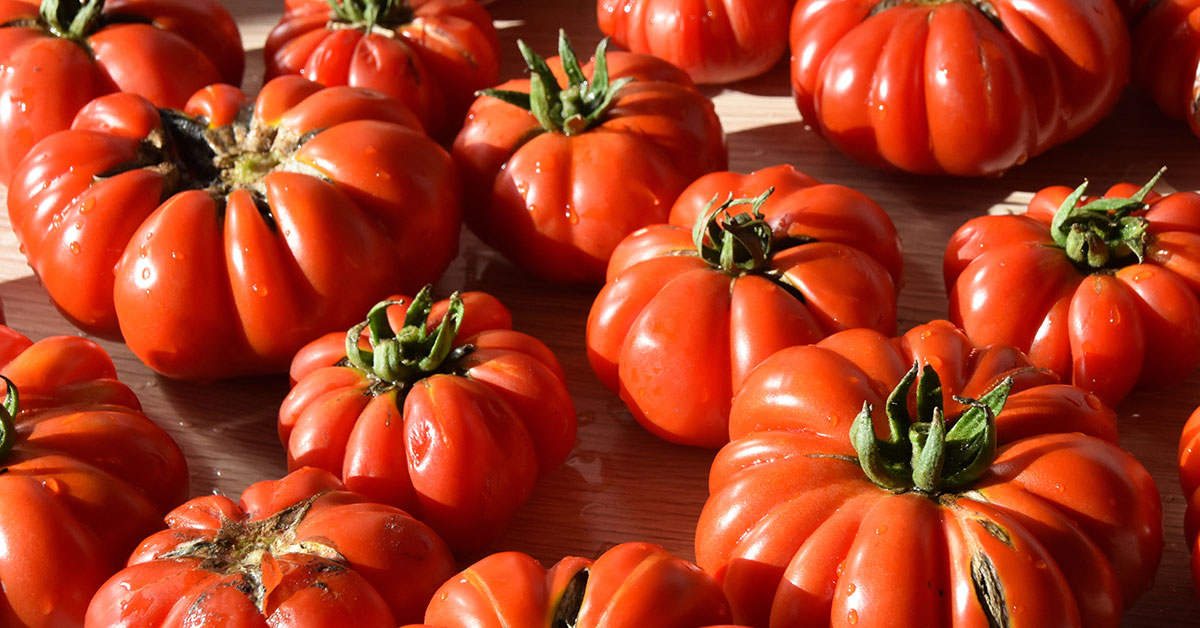

Gardening has always been my personal escape—a way to connect with nature and preserve traditions passed down through generations. When it comes to heirloom vegetables, there’s a special kind of magic in watching varieties that have been cherished for centuries thrive in your own backyard! I understand how frustrating it can be when pests take over or when conditions just aren’t right, so I’ve gathered these 15 tried-and-true tips to help you nurture these timeless varieties and cut through the confusion with practical, friendly advice.
I know that for many of us, growing heirloom vegetables is more than just a hobby—it’s about preserving history, flavor, and the unique traits of plants that hail from diverse native regions around the world. Whether you’re dealing with unpredictable weather or simply want to create a garden that’s bursting with character, these tips will guide you through everything from seed selection to harvesting. Let’s dive in and explore each tip that will empower you to grow robust, flavorful heirlooms while cutting down on frustrations along the way!
Choose the Right Location with Proper Sun

Finding the perfect spot for your heirloom garden is essential to achieving a bountiful harvest. Many heirloom vegetables originally thrived in specific regions—from sun-drenched Mediterranean terraces to cooler, more temperate climates—so matching your garden’s conditions to your chosen varieties is key! I always make sure to select a location that gets ample sunlight throughout the day, as this is crucial for photosynthesis and vigorous growth.
The ideal garden spot often acts like a natural stage, where plants seem to nestle together and invite pollinators with their radiant colors. In my experience, even a few extra hours of sunlight can transform the performance of your vegetables, ensuring that their natural flavors are fully expressed. Whether your heirloom tomatoes or beans are native to sun-baked regions or cooler areas, choosing the right location sets the foundation for a thriving garden that feels both traditional and modern!
Prepare Your Soil with Organic Matter

Rich, fertile soil is the lifeblood of any thriving vegetable garden, especially when growing heirloom varieties that demand attention to tradition and quality. Incorporating organic matter like compost or aged manure not only provides essential nutrients but also enhances soil structure, making it easier for roots to establish their own cozy, nest-like systems! I’ve seen firsthand how a well-prepared bed can make even the most delicate heirloom greens flourish, giving them the strength to fend off stress and disease.
When I prepare my garden beds, I focus on creating a living ecosystem where every component works in harmony—beneficial microbes, earthworms, and decomposing plant matter all play their roles. This holistic approach, inspired by the natural habitats of many heirloom vegetables, ensures that the soil remains healthy, vibrant, and full of life. Remember, a bit of extra time spent nurturing your soil now will yield generations of flavorful, resilient vegetables later!
Water Efficiently and Regularly
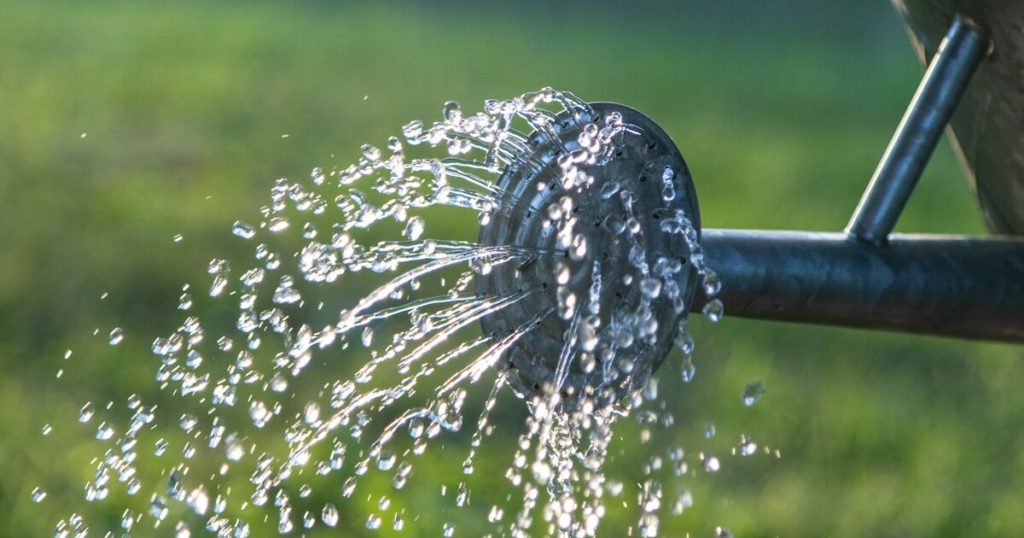
Water is essential for life, and that certainly applies to your heirloom vegetables as well. Efficient watering techniques—whether through drip irrigation or carefully timed hand watering—help create a consistent environment that encourages roots to develop deep, nest-like structures for moisture storage. I find that regular, measured watering is the secret sauce to keeping my plants happy and productive, even during drier spells!
I always advise fellow gardeners to keep a close eye on moisture levels, especially since many heirloom varieties originated in regions with distinct wet and dry seasons. Over-watering can be just as damaging as under-watering, so it’s crucial to strike a balance that mirrors the plant’s native conditions. With a little attention to water management, your garden will not only cut down on waste but also produce robust vegetables that truly honor their heritage!
Companion Planting for Pest Control

One of my favorite techniques in growing heirloom vegetables is companion planting—a method that harnesses natural interactions between plants to ward off pests and promote healthier growth. Certain combinations, such as planting basil near tomatoes, create a natural defense system, much like a well-organized neighborhood of plants that support each other! These pairings often result in natural “nesting” arrangements, where the plants’ leaves and stems create a microhabitat that deters unwelcome guests while inviting beneficial insects.
Understanding the native environments of your vegetables can guide you in selecting the perfect companions. Many heirloom vegetables have co-evolved with certain plants and insects, and when planted together, they help maintain a balanced garden ecosystem. I’ve found that this strategy not only minimizes the need for chemical pesticides but also creates a more diverse, vibrant garden that feels both sustainable and steeped in tradition!
Hand-Pollinate When Necessary
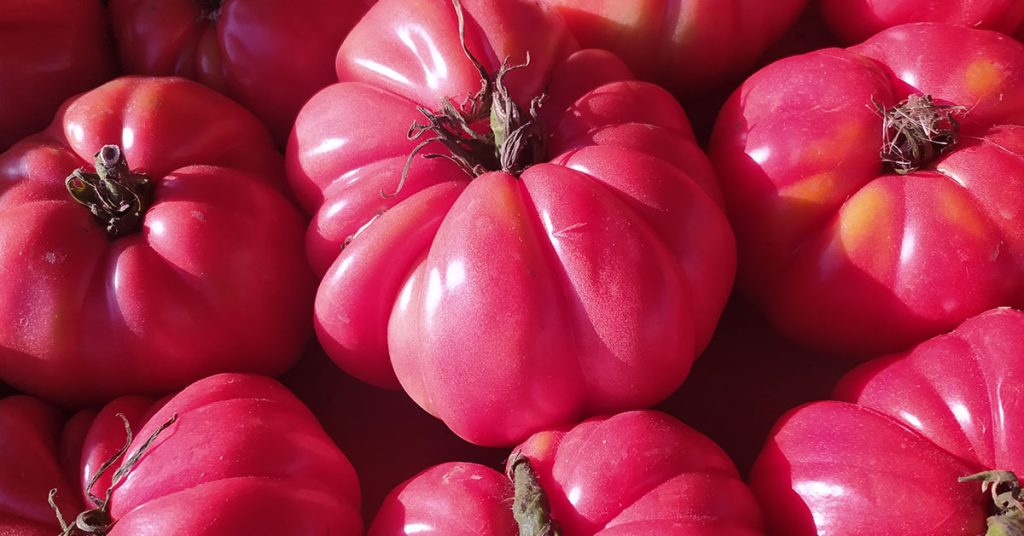
While many heirloom vegetables are naturally attractive to pollinators, sometimes nature needs a little help. Hand-pollination is an excellent tip for ensuring that your plants, especially those grown in less-than-ideal conditions or isolated areas, get the attention they need to produce abundant fruits. I remember a season when a mild downturn in bee activity meant that my heirloom squash and tomatoes required a gentle, manual nudge to transfer pollen—resulting in a rewarding harvest that made all the extra effort worthwhile!
The process of hand-pollination not only increases your yield but also deepens your connection with the life cycle of your garden. By carefully transferring pollen between flowers, you can mimic natural nesting behaviors and encourage more uniform fruit set. While it may sound like extra work, the satisfaction of watching your garden thrive through a simple touch is priceless. It’s a small, tactile reminder that sometimes, a little personal intervention can transform your harvest into something truly exceptional!
Embrace Organic Fertilizers and Compost

Feeding your heirloom vegetables with organic fertilizers and compost is a time-honored practice that enriches the soil naturally. These nutrient-rich amendments are like a gourmet meal for your plants, encouraging them to develop strong roots and vibrant foliage that often resemble little nests brimming with life. I’ve always found that using organic matter not only boosts plant health but also helps maintain the delicate balance of soil ecosystems—something that synthetic fertilizers can sometimes disrupt!
When you use compost, you’re not just feeding your vegetables; you’re nurturing an entire ecosystem that has evolved over centuries. Many heirloom varieties originated in soils enriched by natural decomposing materials, so by replicating that environment, you honor their heritage and promote sustainable growth. Each time I mix in a fresh batch of compost, I feel like I’m adding a secret ingredient to my garden’s legacy, ensuring that my vegetables remain as flavorful and resilient as those grown by our ancestors!
Start with Quality Seeds
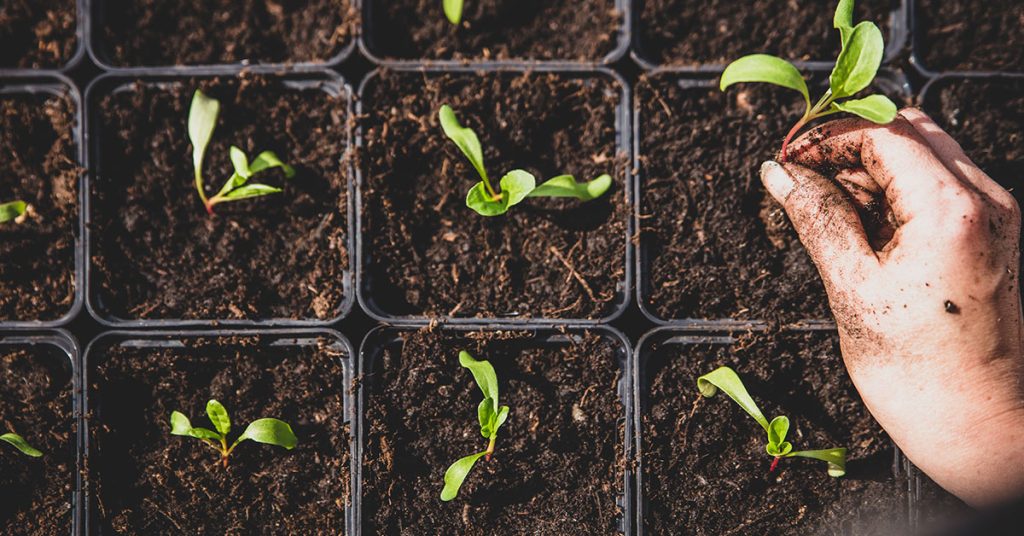
The foundation of a successful heirloom vegetable garden starts with quality seeds—each one carrying a legacy of flavor, tradition, and resilience. Sourcing seeds from reputable suppliers or seed banks is crucial because these heirlooms have been carefully preserved over generations and are adapted to specific native regions. I can’t stress enough how rewarding it is to sow a packet of seeds that have a story behind them, knowing you’re helping to keep that history alive in your own garden!
Quality seeds often result in stronger, more robust plants that are better equipped to thrive even with minimal intervention. When you plant these seeds, you’re not just starting a garden; you’re joining a community of gardeners who cherish the rich, diverse heritage of these vegetables. I find it deeply inspiring to see how these seeds develop into plants that create natural, nest-like formations of foliage and flowers, attracting pollinators and telling a story of natural resilience that spans generations!
Protect Your Garden from Extreme Weather
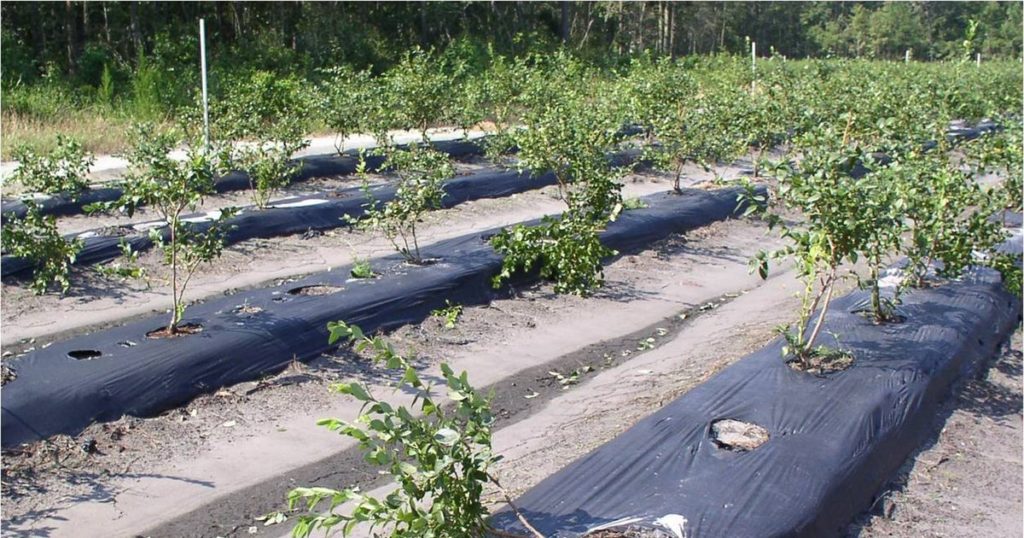
Extreme weather conditions can be a major setback for any gardener, but with a few smart strategies, you can help your heirloom vegetables weather the storm! From using row covers and cloches to creating windbreaks, protecting your garden means providing a safe, nest-like haven where your plants can flourish regardless of unpredictable weather patterns. I’ve had my share of battles with sudden frost or scorching heat, and learning to shield my plants has made all the difference in achieving a bountiful harvest.
Understanding the native conditions of your chosen heirloom varieties can guide you in implementing effective protective measures. Many of these vegetables have evolved in specific climates and can be sensitive to extremes when grown outside their usual environments. By taking simple steps to moderate temperature and moisture, you can create a microclimate that mimics their native habitat, ensuring that your garden remains resilient and productive even during the most challenging weather!
Practice Crop Rotation

Crop rotation is a timeless strategy that ensures your garden remains healthy and productive season after season. By alternating the families of vegetables planted in each bed, you prevent soil nutrient depletion and reduce the buildup of pests and diseases—a practice as natural as the seasonal cycles found in native habitats! I’ve found that crop rotation not only maintains soil fertility but also keeps my garden looking dynamic, as different plants create varying textures and nest-like patterns across the beds.
Rotating your crops is especially important when growing heirloom vegetables, as many of these plants have specific soil and nutrient requirements honed over centuries. This practice minimizes the risk of invasive pests that can exploit the weaknesses of a single crop type, ensuring that each vegetable grows in a balanced, supportive environment. Every time I plan my garden’s rotation schedule, I’m reminded of the intricate dance of nature and the legacy of traditional farming practices that have sustained communities for generations!
Use Natural Mulches to Conserve Moisture
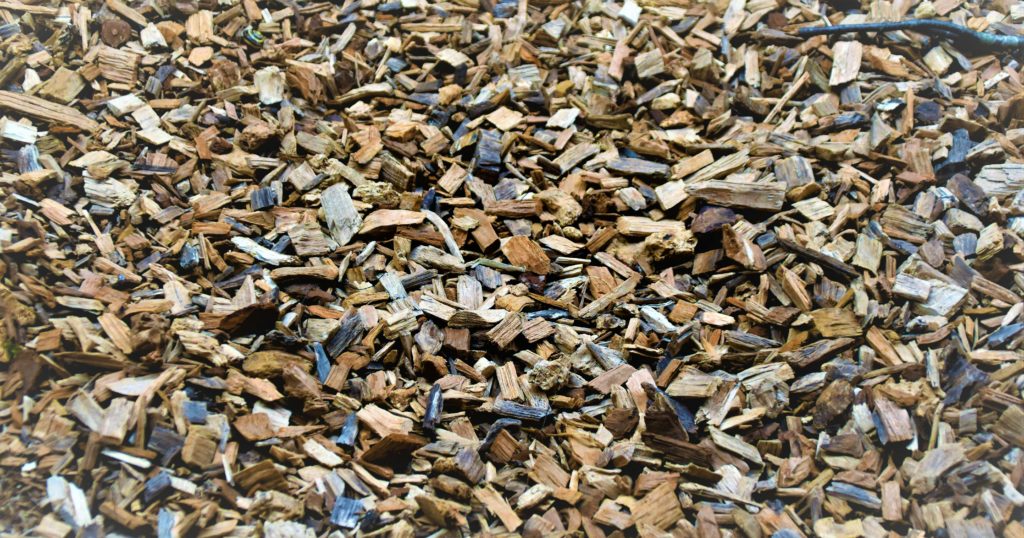
Mulching is one of my favorite techniques for keeping my garden both sustainable and visually appealing. Natural mulches, such as straw, leaves, or wood chips, help conserve moisture, regulate soil temperature, and even reduce weed growth—all while forming a soft, nest-like layer that nourishes the soil as it decomposes! I always make sure to apply a generous layer of mulch around my heirloom vegetables, as it not only protects them from heat stress but also creates a habitat that supports beneficial organisms.
The beauty of using natural mulches lies in their ability to work in harmony with your garden’s ecosystem. These materials, much like the organic matter found in native soils, break down slowly and release essential nutrients over time, ensuring that your vegetables have a steady supply of food. Whether you’re looking to cut down on watering or simply boost the overall health of your garden, natural mulches are a low-cost, high-impact solution that every beginner gardener should embrace!
Support Heirloom Trellises for Vining Varieties

Many heirloom vegetables, such as beans, cucumbers, and even certain tomatoes, benefit tremendously from the support of trellises. These structures not only keep your garden neat and organized but also encourage plants to grow upward in elegant, nest-like clusters that maximize space and light! I’ve found that using trellises transforms a sprawling garden into a work of art, where each vine is carefully guided to showcase its full potential.
When planning your garden, consider the native growth habits of your heirloom varieties. Many of these plants have evolved in wild environments where climbing was essential for reaching sunlight, so a sturdy trellis or support system can replicate their natural tendencies. By providing the right support, you help prevent diseases and ensure that each plant gets the air circulation and exposure it needs to produce a bountiful harvest. It’s a small investment that pays off in a garden that’s both efficient and visually striking!
Monitor for Pests Using Natural Remedies

Pests can be a major headache, but when it comes to heirloom vegetables, keeping an eye on your garden and using natural remedies can work wonders. I always approach pest control with the mindset of nurturing a balanced ecosystem—encouraging beneficial insects and even creating natural “nests” of predators that help keep unwanted critters in check! Using homemade sprays, companion planting, and introducing natural predators are strategies that have saved my garden more than once.
Many heirloom varieties have evolved alongside a host of natural predators in their native habitats, so a little intervention can often restore balance without resorting to harsh chemicals. By monitoring your garden regularly and responding early to pest issues, you can protect your vegetables while maintaining their natural integrity. Every time I see a ladybug or a lacewing taking care of a pest problem, I’m reminded that nature often provides its own solutions if we simply know how to encourage them!
Harvest at the Right Time

Knowing when to harvest is as crucial as any other tip in growing heirloom vegetables. Timing your harvest perfectly not only ensures peak flavor and nutritional value but also encourages the plants to produce even more—almost as if you’re signaling them to form fresh, nest-like clusters of new growth! I’ve learned over the years that watching the subtle changes in color, texture, and size is key to understanding the life cycle of each vegetable in my garden.
Each heirloom variety has its own native timeline and seasonal rhythm, so getting to know these nuances can transform your harvest experience. Whether it’s the plump tomatoes that ripen in bursts of red or the crisp greens that gather their strength during a cool morning, harvesting at the right time is a practice that honors the natural heritage of your vegetables. Every successful harvest fills me with pride and excitement, knowing that I’ve captured the perfect moment of nature’s bounty!
Plant in Succession to Extend Harvest
One of the most effective ways to keep your garden productive all season long is to plant in succession. By staggering the planting of heirloom vegetables, you can create a continuous cycle of growth that resembles a series of natural nests—each wave of new growth overlapping with the previous one! I’ve found that this approach not only maximizes your yield but also makes the garden a living, dynamic canvas that evolves throughout the year.
Succession planting takes into account the native growth cycles of your vegetables and adapts them to your local climate, ensuring that there’s always something fresh ready to be harvested. Even if you miss an ideal planting window, this strategy provides a safety net that cuts down on waste and boosts your overall output. Every time I see successive rows of harvest-ready plants, I’m reminded that a little planning can go a long way in turning your garden into a year-round source of delicious, heritage-rich produce!
Save Seeds for Future Generations

Saving seeds is one of the most rewarding practices in growing heirloom vegetables—it’s a way of preserving the legacy and unique traits of varieties that have been cultivated for generations. Each seed you save is like a tiny time capsule, carrying the genetic memory of its native environment and the care that went into its cultivation. I cherish the moment when I collect mature seeds from a healthy plant, knowing that these little gems can be planted again to create a living, sustainable connection to the past!
Not only does seed saving reduce your grocery bills over time, but it also builds a resilient, self-sustaining garden that’s in tune with nature’s rhythms. While some heirloom varieties may occasionally self-seed, taking the time to save and store quality seeds ensures that you’ll always have a supply of these treasured plants for future seasons. Every packet of saved seeds is a reminder of the rich heritage of our food and the joy of growing something that can be passed down from one gardener to the next!