

Growing roses can be a rewarding experience for any gardener. With their stunning blooms and delightful fragrance, roses are often considered the queens of the garden. While they may have a reputation for being finicky, with the right care and attention, roses can thrive and produce an abundance of beautiful flowers. Whether you’re a seasoned gardener or a beginner, these tips will help you cultivate healthy, vibrant roses that will be the envy of your neighborhood.
Roses come in a variety of types and colors, each with its unique charm and growing requirements. From choosing the right variety for your climate to understanding the best practices for watering, pruning, and fertilizing, there are many factors to consider. Let’s dive into these 15 tips that I’ve found really work to help you grow the most beautiful roses and enjoy their splendor throughout the blooming season.
Choose the Right Variety
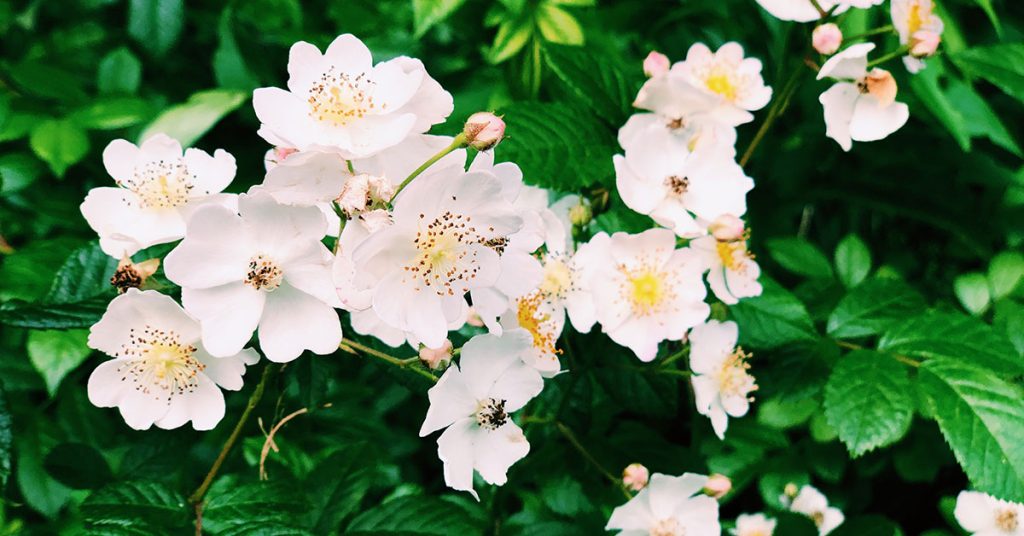
Selecting the right rose variety for your garden is crucial to ensure successful growth. Different varieties thrive in different climates and soil conditions. For instance, hybrid teas are popular for their classic blooms, while shrub roses are known for their hardiness and disease resistance.
When choosing a variety, consider your local climate and the specific conditions of your garden. If you live in a cooler region, look for roses that are hardy and can withstand cold winters. Conversely, if you’re in a warmer climate, opt for varieties that can tolerate heat and humidity. Consulting with local nurseries or rose societies can also provide valuable insights into the best types of roses for your area.
Plant in the Right Location
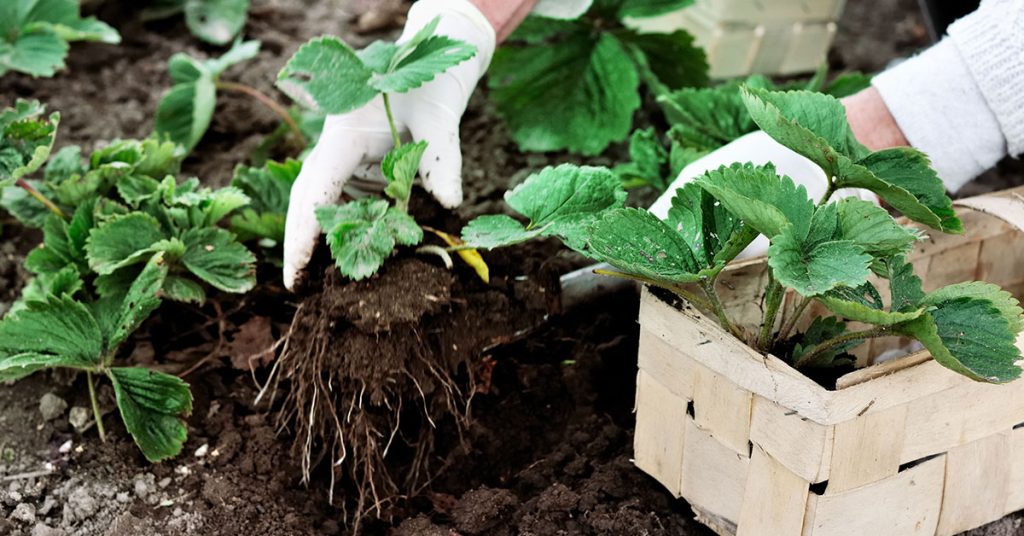
Roses need plenty of sunlight to thrive, so choosing the right location is essential. Ideally, roses should be planted in a spot that receives at least six hours of direct sunlight each day. Morning sun is particularly beneficial as it helps dry the leaves and prevent diseases.
Ensure the location also has well-drained soil to prevent waterlogging, which can lead to root rot. If your garden soil is heavy clay or sandy, consider amending it with organic matter like compost to improve drainage and fertility. Proper placement will give your roses the best start and support robust growth.
Prepare the Soil
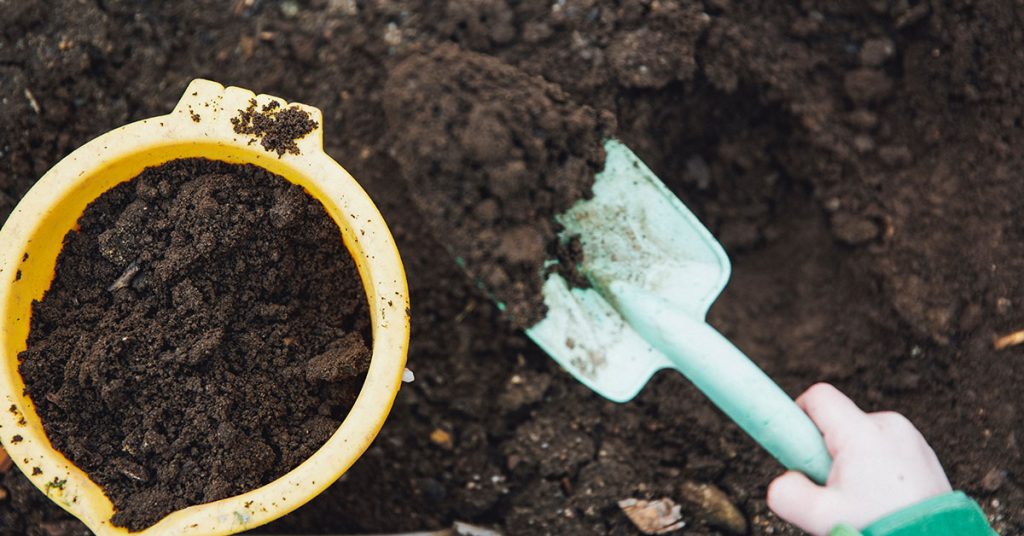
Roses thrive in rich, well-draining soil. Before planting, prepare the soil by digging a hole that’s wide and deep enough to accommodate the roots. Mixing in compost or well-rotted manure can enhance soil fertility and structure, providing essential nutrients for your roses.
Check the soil pH, as roses prefer slightly acidic to neutral soil (pH 6.0 to 7.0). If necessary, adjust the pH by adding lime to raise it or sulfur to lower it. Well-prepared soil will create an optimal environment for root development and nutrient uptake, leading to healthier plants and more vibrant blooms.
Water Wisely

Proper watering is crucial for growing healthy roses. Roses prefer deep, infrequent watering that encourages the roots to grow deeper. Watering in the morning is best, as it allows the foliage to dry before nightfall, reducing the risk of fungal diseases.
Use a soaker hose or drip irrigation system to deliver water directly to the roots while keeping the foliage dry. Mulching around the base of the plants helps retain moisture, reduce evaporation, and suppress weeds. Monitor the soil moisture regularly, especially during hot, dry periods, to ensure your roses receive adequate water without becoming waterlogged.
Fertilize Regularly
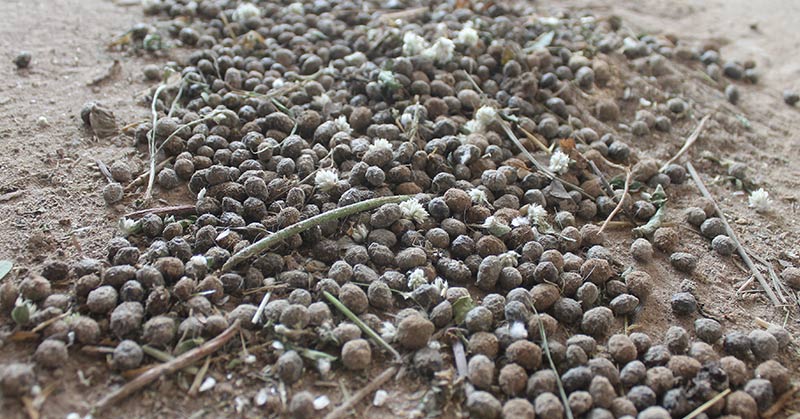
Roses are heavy feeders and benefit from regular fertilization. Start feeding your roses in early spring when new growth appears and continue every 4-6 weeks until late summer. Use a balanced fertilizer or one specifically formulated for roses to provide essential nutrients like nitrogen, phosphorus, and potassium.
In addition to synthetic fertilizers, consider using organic options like compost, fish emulsion, or well-rotted manure. These not only supply nutrients but also improve soil structure and microbial activity. Avoid over-fertilizing, as this can lead to lush foliage at the expense of blooms and increase the risk of disease.
Prune Properly

Pruning is essential for maintaining healthy, productive roses. Prune in late winter or early spring, just as new growth begins. Remove any dead, damaged, or diseased wood first. Then, thin out the center of the plant to improve air circulation, which helps prevent diseases.
Cut back the remaining canes by about one-third to one-half, making cuts above outward-facing buds. This encourages new growth and a more open, vase-like shape. Regular pruning also stimulates the production of larger, more abundant blooms and helps keep your roses looking tidy and vigorous.
Mulch for Moisture and Weed Control

Mulching is a great way to conserve moisture, suppress weeds, and regulate soil temperature. Apply a 2-3 inch layer of organic mulch, such as wood chips, straw, or compost, around the base of your roses. Keep the mulch a few inches away from the stems to prevent rot.
Mulch helps retain soil moisture during hot weather, reducing the need for frequent watering. It also adds organic matter to the soil as it breaks down, improving soil structure and fertility. Regularly replenish the mulch layer to maintain its benefits throughout the growing season.
Protect from Pests

Roses can attract various pests, including aphids, spider mites, and Japanese beetles. Regular inspection is key to catching problems early. Remove pests by hand or use a strong spray of water to dislodge them from the plants.
If infestations persist, consider using insecticidal soap or neem oil as a natural remedy. Encourage beneficial insects, like ladybugs and lacewings, which prey on common rose pests. Maintaining healthy plants through proper watering, fertilization, and pruning also makes them more resilient to pest attacks.
Prevent Diseases

Roses are susceptible to several diseases, including black spot, powdery mildew, and rust. Preventing these diseases starts with good cultural practices, such as proper spacing and pruning to improve air circulation. Watering at the base of the plants rather than overhead helps keep foliage dry.
Regularly inspect your roses for signs of disease and remove any affected leaves immediately. Using disease-resistant varieties and applying a preventative fungicide can also help manage common rose diseases. Keeping your garden clean and disposing of fallen leaves and debris will reduce disease spores and promote a healthier growing environment.
Provide Support

Many rose varieties, especially climbers and ramblers, require support to grow properly. Install a sturdy trellis, arbor, or other support structure to help these roses reach their full potential. Tie the canes to the support using soft ties or garden twine to avoid damaging the stems.
Training roses to grow on supports not only enhances their appearance but also improves air circulation and light exposure. This can lead to healthier plants and more prolific blooming. Regularly check and adjust ties as the plants grow to ensure they remain secure and well-supported.
Deadhead Spent Blooms

Deadheading, or removing spent blooms, encourages your roses to produce more flowers. Use sharp pruning shears to cut off faded flowers just above the first set of healthy leaves. This directs the plant’s energy toward new growth and additional blooms rather than seed production.
Regular deadheading keeps your roses looking neat and prolongs the blooming season. It also reduces the risk of disease by removing decaying plant material. For continuous bloomers, deadheading is an essential practice to maintain a steady display of flowers throughout the growing season.
Provide Winter Protection

In colder climates, protecting your roses during winter is essential to ensure their survival. Start by mulching heavily around the base of the plants to insulate the roots. In extremely cold areas, consider mounding soil or compost around the base of the canes to provide extra protection.
For added protection, wrap the plants in burlap or cover them with a rose cone. Prune back any long canes to prevent wind damage. Proper winter care helps your roses survive the cold months and emerge healthy and ready to grow in spring.
Encourage Beneficial Insects

Attracting beneficial insects to your garden can help control pests naturally. Planting companion plants like marigolds, lavender, and yarrow can draw in helpful insects such as ladybugs, lacewings, and predatory wasps. These insects prey on common rose pests, reducing the need for chemical controls.
Creating a diverse garden environment with a mix of flowering plants can also promote a healthy ecosystem. Beneficial insects contribute to the overall health of your garden, keeping pest populations in check and supporting robust growth for your roses.
Monitor Soil Health
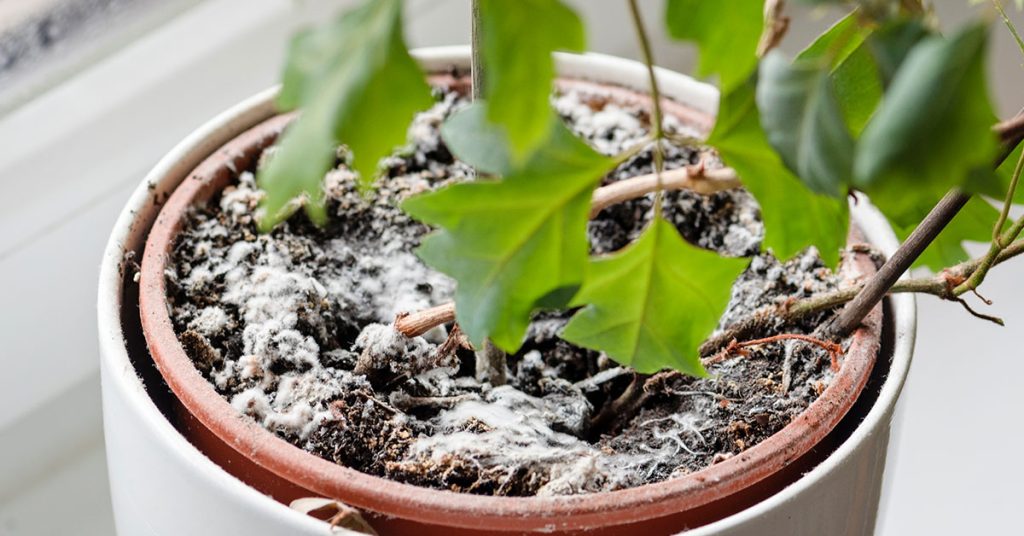
Healthy soil is the foundation of beautiful roses. Regularly test your soil to check its pH and nutrient levels. Amend the soil as needed to maintain a balanced environment. Adding organic matter like compost or well-rotted manure improves soil structure and fertility.
Healthy soil supports strong root development, leading to healthier plants and more abundant blooms. Avoid using chemical fertilizers excessively, as they can harm beneficial soil organisms. Instead, focus on building rich, organic soil that provides long-term benefits for your roses.
Stay Patient and Persistent

Growing beautiful roses takes time and dedication. Be patient and persistent in your care routine, and don’t be discouraged by setbacks. Regularly monitor your plants, adjust your care practices as needed, and learn from your experiences.
Each season offers new opportunities to refine your gardening skills and improve the health and beauty of your roses. Celebrate your successes and enjoy the process of nurturing these stunning flowers. With consistent effort and a bit of patience, your garden will reward you with a breathtaking display of roses.