

The first frost of the season always seems to sneak up faster than we expect, doesn’t it? One day you’re basking in the late summer warmth, and the next you’re checking the forecast nervously, wondering if your tender plants are going to make it through the night. Preparing your yard before that frost arrives is one of the best ways to safeguard all the hard work you’ve put in during the growing season. It can mean the difference between having a garden that gracefully transitions into winter and one that’s caught off guard.
I’ve learned through trial and error that even the smallest tasks—like trimming back certain plants or covering others—can have a huge impact on how well your garden rebounds in spring. While the to-do list can feel overwhelming, think of it as a way of tucking your garden in, giving it what it needs to rest and restore. Let me walk you through the essential steps I always take before the frost hits, each one rooted in both experience and a gardener’s love for seeing plants thrive year after year.
Mulch Tender Perennials
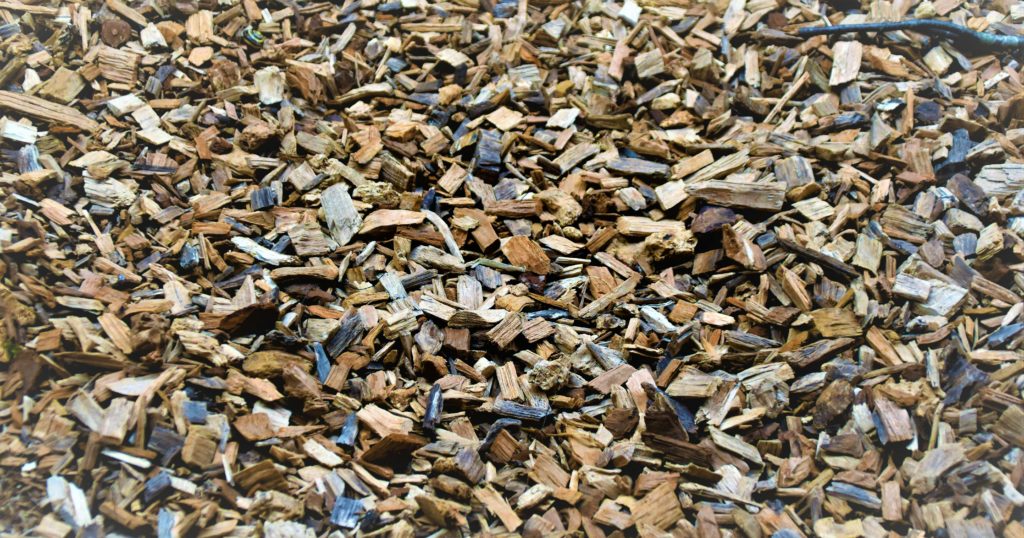
Mulching is like wrapping your perennials in a cozy blanket. Before frost arrives, spread a generous layer of mulch around the base of tender perennials to help insulate their roots. This extra layer keeps the soil temperature more stable and prevents the constant freeze-thaw cycle that can damage root systems.
Mulch also creates a habitat for beneficial insects who will hunker down through winter, like ladybugs and ground beetles. In its natural habitats, mulch mimics the fallen leaves and organic debris that would cover plants, protecting them from the elements. It’s one of the simplest yet most effective ways to prepare your yard.
Bring Container Plants Indoors

If you’re like me, you probably have pots of herbs, flowers, or tropicals decorating your porch. Before frost, it’s essential to bring these inside. Plants like basil, geraniums, or citrus won’t tolerate the cold, but they can thrive indoors in a sunny window all winter long.
Containers freeze much faster than ground soil, which means roots are more vulnerable. Many of these container plants come from warmer regions—Mediterranean herbs, for example—so giving them shelter mirrors their native climates. The bonus is that you get to keep enjoying greenery and even fresh herbs while the world outside is frosty.
Harvest Remaining Vegetables
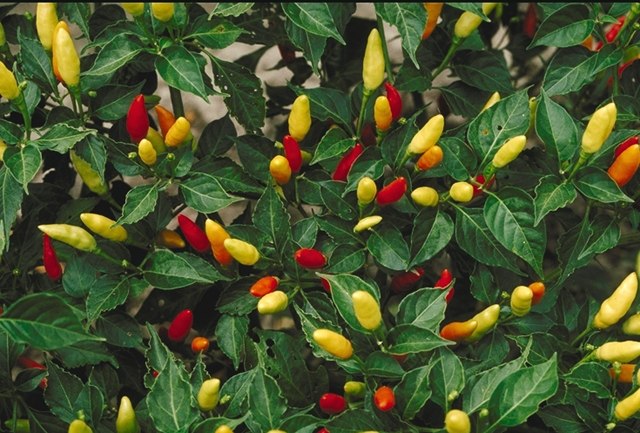
First frost can spell disaster for tender vegetables like tomatoes, peppers, and beans. Harvest everything you can before the cold sets in, even if the produce isn’t fully ripe. Many fruits, like green tomatoes, can finish ripening indoors on a windowsill.
These crops are typically native to warm climates in South and Central America, which is why they struggle in cold snaps. By pulling them early, you save the fruits of your labor and prevent frost from turning them into mush. It’s always a bit of a scramble, but it feels rewarding to gather the last of the summer bounty.
Divide and Transplant Perennials
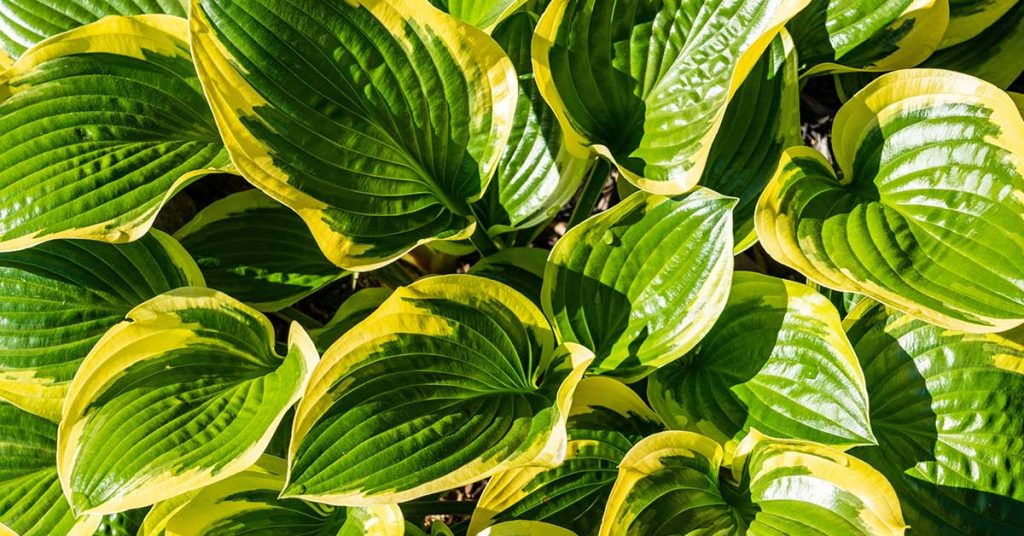
Fall is the perfect time to divide overcrowded perennials like hostas, daylilies, or irises. Doing this before frost gives them time to establish new roots in cooler soil without the stress of summer heat. I always find it satisfying to turn one plant into three or four by dividing.
These plants evolved in regions where seasonal cycles encouraged spreading naturally. Dividing mimics that and keeps them from becoming too crowded. Birds and insects often rely on these clumps for shelter, so spreading them out in new areas also increases the habitat diversity in your yard.
Protect Young Trees and Shrubs
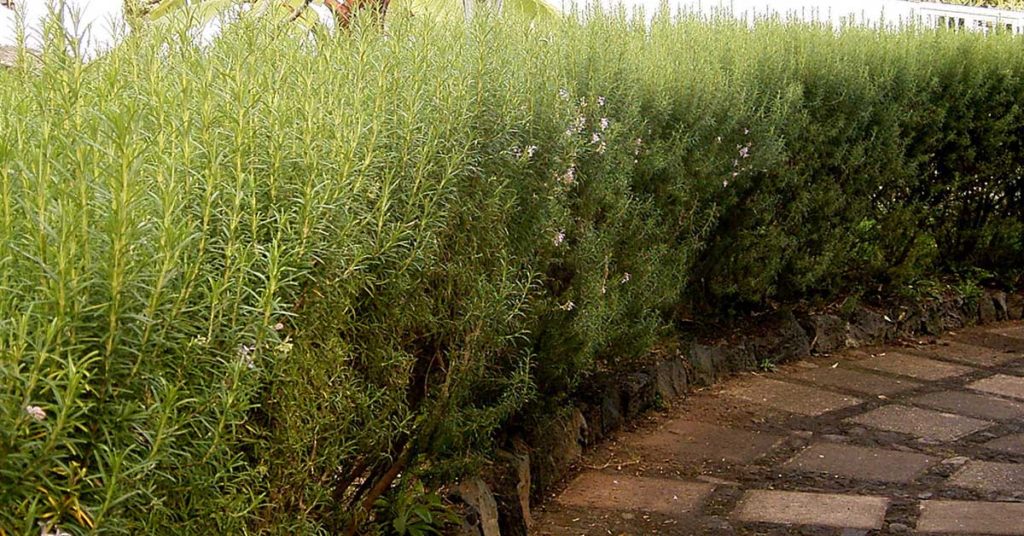
Young trees and shrubs need extra protection before their first winters. Wrapping trunks with tree guards prevents frost cracks and keeps hungry rabbits or deer from gnawing the bark. Adding mulch at the base helps hold warmth in the soil.
Many of these species are native to regions where natural thickets would have sheltered them. In our gardens, they don’t have that protection, so we have to step in. The effort pays off in spring when you see them budding out healthy and strong.
Collect and Save Seeds

Don’t let frost take away future potential—collect seeds from annuals and vegetables before they’re lost. Flowers like zinnias, cosmos, and marigolds produce seeds that are easy to dry and store. I love labeling envelopes with the year and variety, knowing they’ll become next year’s blooms.
Seed saving is a practice that gardeners have done for centuries, and it’s particularly rewarding because the plants adapt to your own microclimate over time. It’s also a way to share your garden with friends—passing along a little piece of your summer to others.
Prune Dead or Diseased Growth
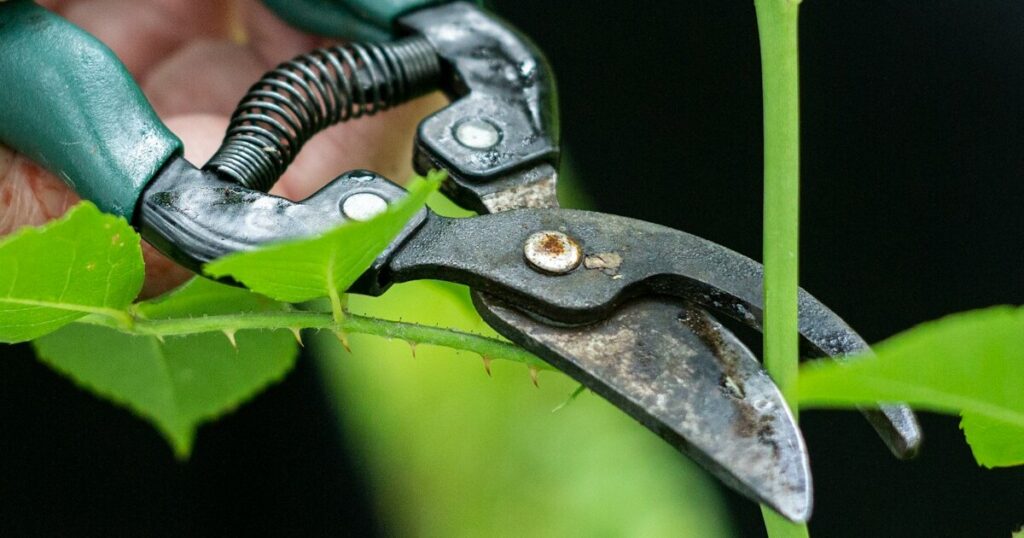
Before frost, prune away any dead or diseased branches on shrubs, trees, and perennials. This not only prevents disease from overwintering but also keeps plants healthier when growth resumes in spring.
In nature, wind and animals naturally prune plants by breaking or eating weak branches. In our yards, taking this role ensures disease doesn’t spread. Plus, pruning encourages a cleaner shape that resists snow damage.
Build Leaf Mulch Piles
Instead of bagging up fallen leaves, use them! Create leaf mulch piles to break down over winter. Leaf mold is a gardener’s gold in spring, enriching soil with organic matter that improves structure and fertility.
Leaves are a natural blanket in forests, where they provide cover for overwintering insects and small animals. By piling them in your yard, you’re replicating that ecosystem service. It’s a win-win—you recycle what nature provides and reap the benefits in your soil.
Install Frost Covers for Late Crops
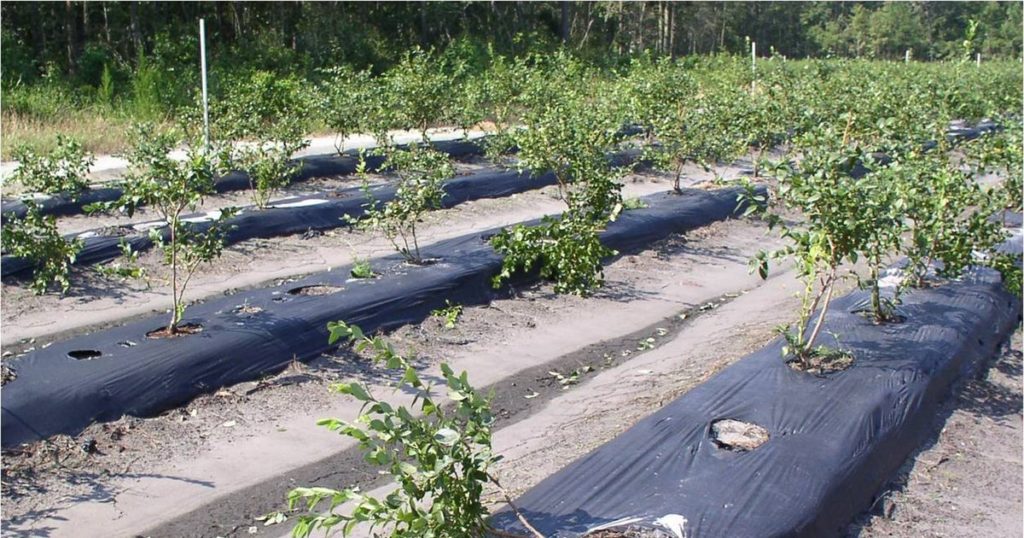
If you’re hoping to squeeze out a few more weeks of greens, lettuces, or root vegetables, frost covers are your best friend. Row covers or cloches can shield plants from light frosts, extending your harvest into fall.
These covers mimic the protection of a greenhouse, giving tender plants a fighting chance. I’ve kept spinach and kale going long past the first frost this way, which always feels like stealing a little extra bounty from the season!
Clean and Store Garden Tools
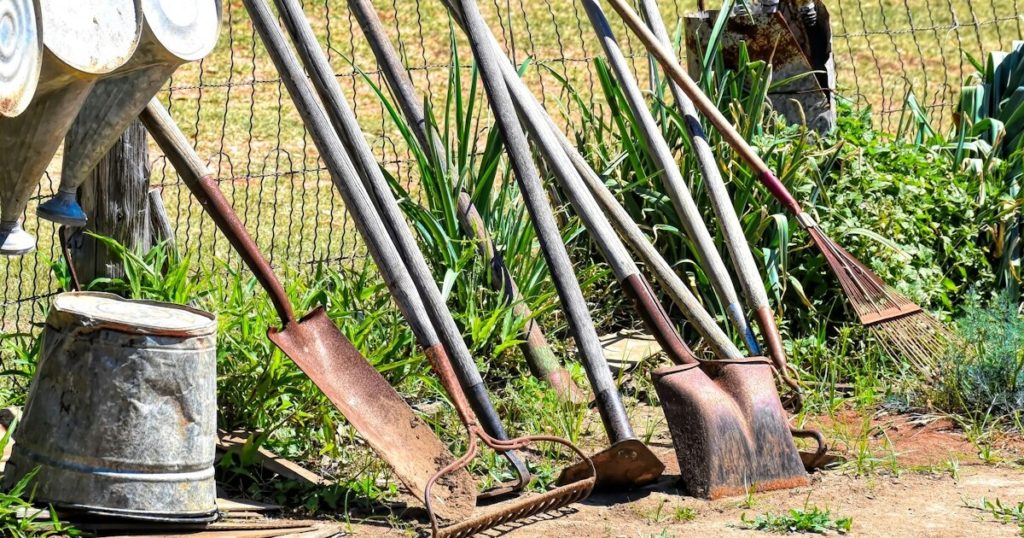
It’s easy to forget about tools when the rush of frost prep sets in, but cleaning and storing them properly ensures they last. Scrub off dirt, sharpen blades, and oil moving parts before tucking them away.
Tools are like extensions of your hands, and caring for them makes gardening smoother in spring. Neglecting them can lead to rust or dull blades, which is always frustrating when you’re eager to get planting again.
Empty and Store Hoses

Water left in hoses and outdoor faucets can freeze, causing damage. Before frost, drain hoses and store them indoors. Shut off outdoor faucets or cover them with insulated protectors.
Hoses might not be the most glamorous part of the garden, but I’ve learned the hard way that replacing cracked ones in spring is no fun. Taking a few minutes to store them properly saves both money and headaches.
Compost Spent Plants

Clear out annuals and summer vegetables that are past their prime and add them to your compost pile. This reduces the chance of pests and diseases overwintering and creates rich compost for next year.
In nature, plants naturally die back and decompose, enriching the soil. By composting, you’re speeding up that process in a controlled way. It’s such a satisfying cycle—turning this year’s waste into next year’s nourishment.
Prepare Bird Feeders and Baths
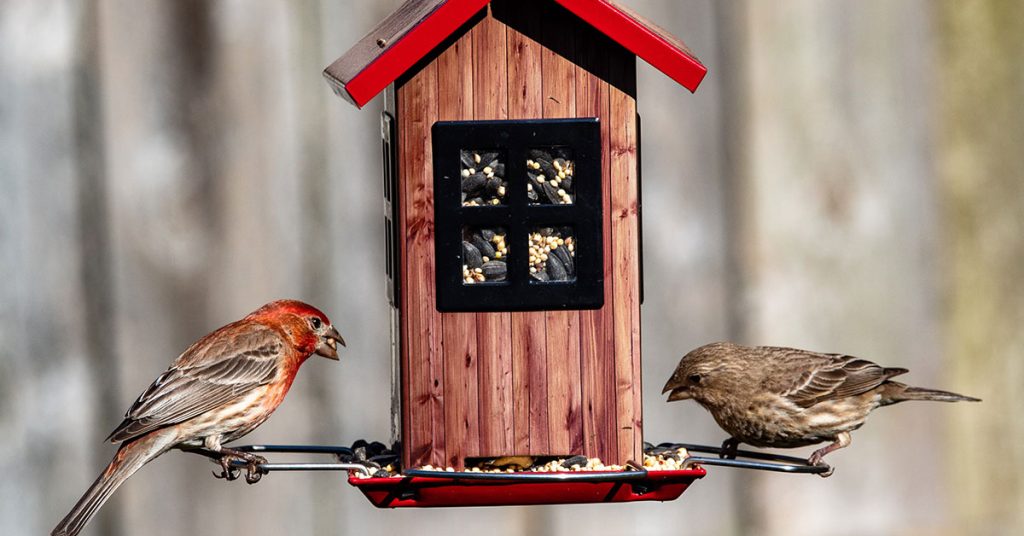
As frost approaches, food sources for birds dwindle. Setting up feeders and cleaning bird baths ensures they have resources through the cold months. Watching birds flock to your yard is an added joy during the quieter gardening season.
Birds are also natural pest control allies. By inviting them in, you’re supporting them while they, in turn, help balance your yard’s ecosystem. Plus, there’s something heartwarming about watching chickadees and cardinals flutter in the garden when snow is on the ground.
Plant Spring Bulbs

Before the ground freezes, tuck in spring bulbs like tulips, daffodils, and crocuses. Planting them now means you’ll have a burst of color waiting as soon as winter ends. It always feels like planting hope itself into the soil.
These bulbs are native to temperate regions where they evolved to sprout after winter snow melts. By planting them in fall, you’re replicating their natural rhythm. When spring finally arrives, you’ll thank yourself for taking the time to prepare.
Add Soil Amendments

Finally, enrich your soil before frost locks it up. Adding compost, lime, or organic matter in the fall allows it to break down and improve structure over winter. Come spring, your soil will be ready to support vigorous growth.
Soils in nature are constantly being replenished by decaying matter, but in our gardens, we need to lend a helping hand. Adding nutrients now sets your plants up for success, and it feels great knowing you’ve laid the groundwork for next season’s harvests.