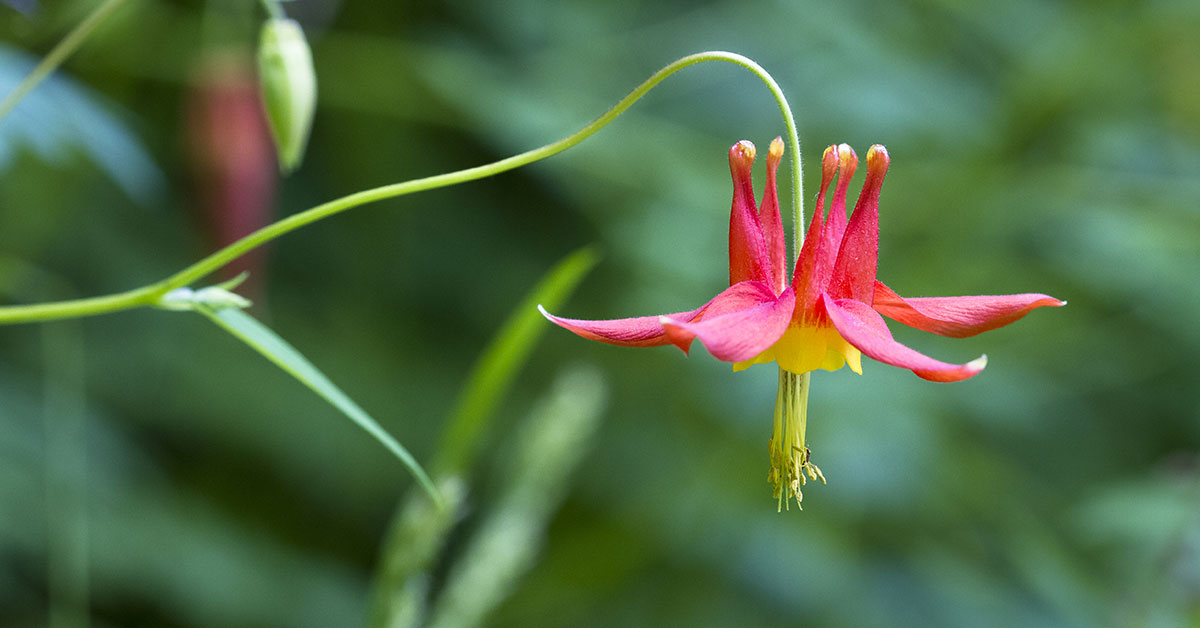

It can seem like most plants prefer the sunny areas, leaving the shaded corners looking a bit drab. There are plenty of stunning flowers that thrive in the shade, and they can transform those tricky areas into lush, vibrant spaces. As a fellow gardener who has navigated the challenges of shady gardens, I’m excited to share some of my favorite shade-loving flowers with you.
These plants not only tolerate the shade but also bring an abundance of color and texture to your garden. Whether you’re dealing with deep shade under trees or partial shade along a fence, these flowers will help you create a beautiful, thriving garden. Let’s dive into these 15 shade-loving flowers and explore how they can brighten up your shady spots!
Astilbe
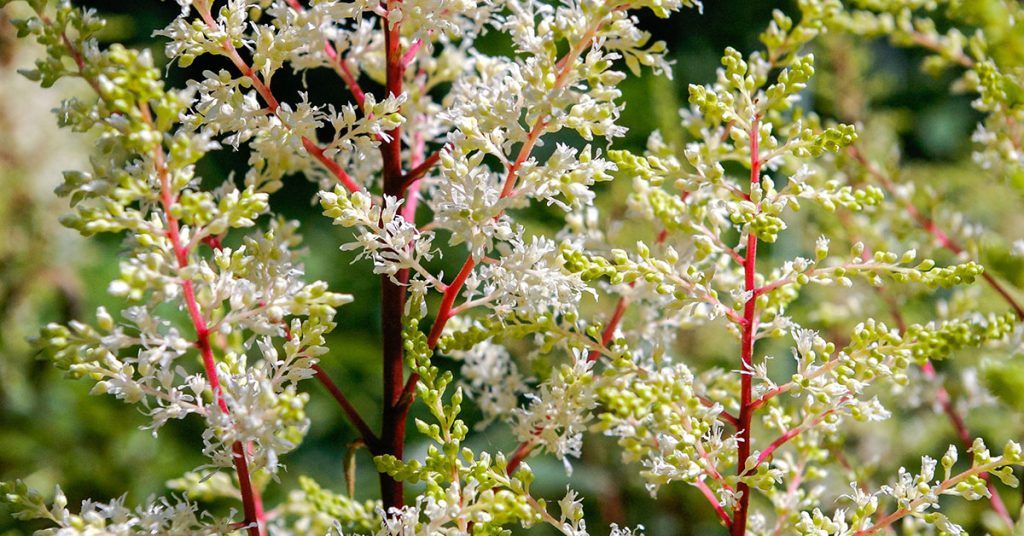
Astilbe is one of my favorite shade-loving plants, known for its feathery plumes of flowers that add a touch of elegance to any garden. Native to Asia and North America, astilbe blooms in shades of pink, red, white, and purple. Its fern-like foliage remains attractive throughout the growing season, providing excellent texture even after the blooms have faded.
To grow astilbe, plant it in rich, well-drained soil that retains moisture. Astilbe thrives in partial to full shade and prefers consistently moist soil, so regular watering is essential, especially during dry spells. Adding a layer of mulch helps retain soil moisture and keeps the roots cool. These plants are perfect for borders, woodland gardens, and shaded areas that need a pop of color.
Hosta
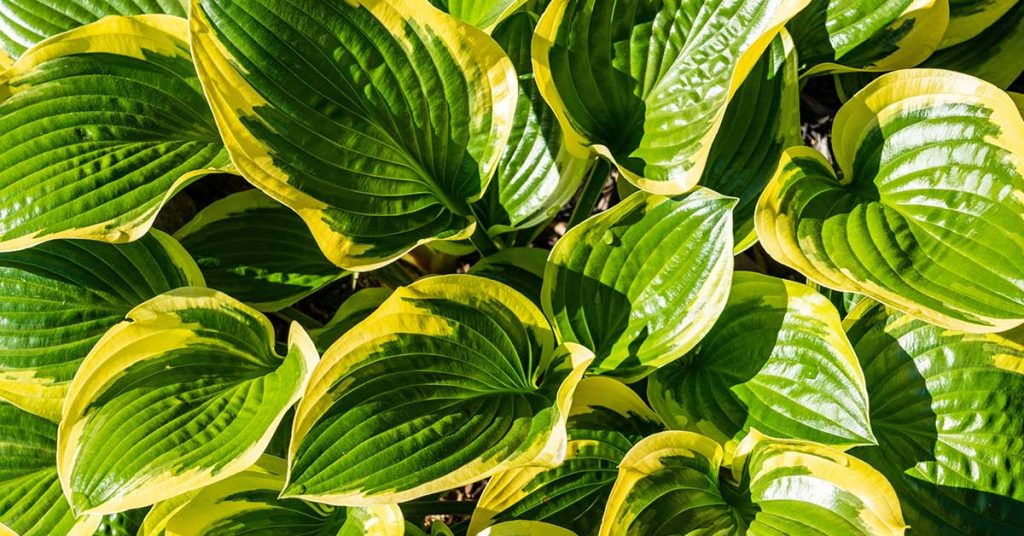
Hostas are a classic choice for shade gardens, prized for their lush foliage and variety of colors and textures. Native to Northeast Asia, hostas come in a wide range of leaf colors, including green, blue, yellow, and variegated patterns. While they do produce flowers, it’s the striking foliage that makes hostas a standout in shady areas.
Plant hostas in well-drained, fertile soil and provide them with partial to full shade. They prefer moist soil, so regular watering is important, especially during dry periods. Hostas are relatively low-maintenance and can be divided every few years to manage their size and promote healthy growth. They are perfect for creating a lush, green backdrop in shaded borders or as ground cover under trees.
Bleeding Heart
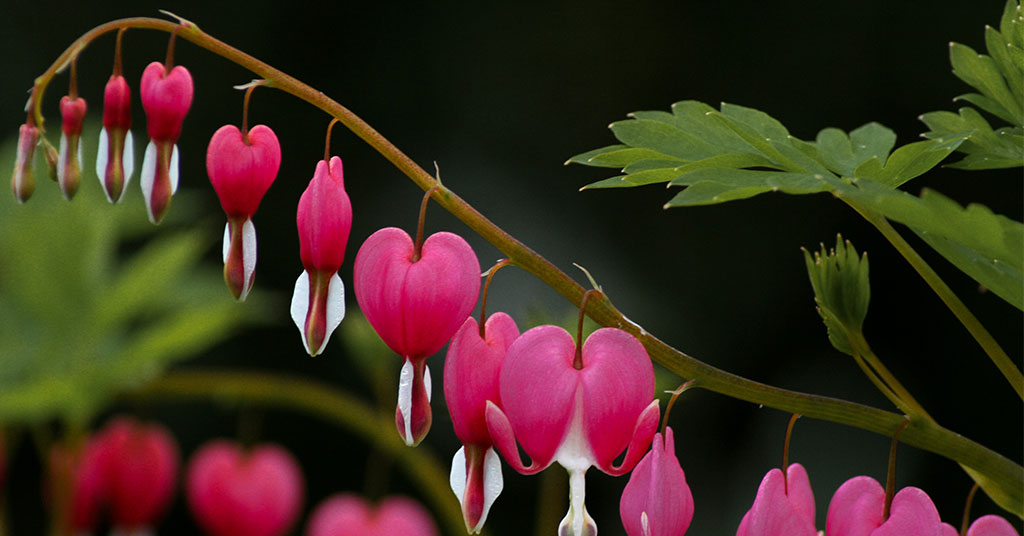
Bleeding Heart (Dicentra spectabilis) is a captivating plant with delicate, heart-shaped flowers that dangle gracefully from arching stems. Native to Asia, these plants bloom in shades of pink and white during the spring, adding a romantic touch to shaded gardens. Their soft, fern-like foliage also provides a lovely texture.
To grow Bleeding Heart, plant it in rich, well-drained soil with plenty of organic matter. They thrive in partial to full shade and prefer consistently moist soil, so regular watering is key. After blooming, the foliage may die back in the summer, so plant them alongside other shade-loving perennials that can fill in the gaps. Bleeding Hearts are perfect for woodland gardens and shaded borders.
Heuchera
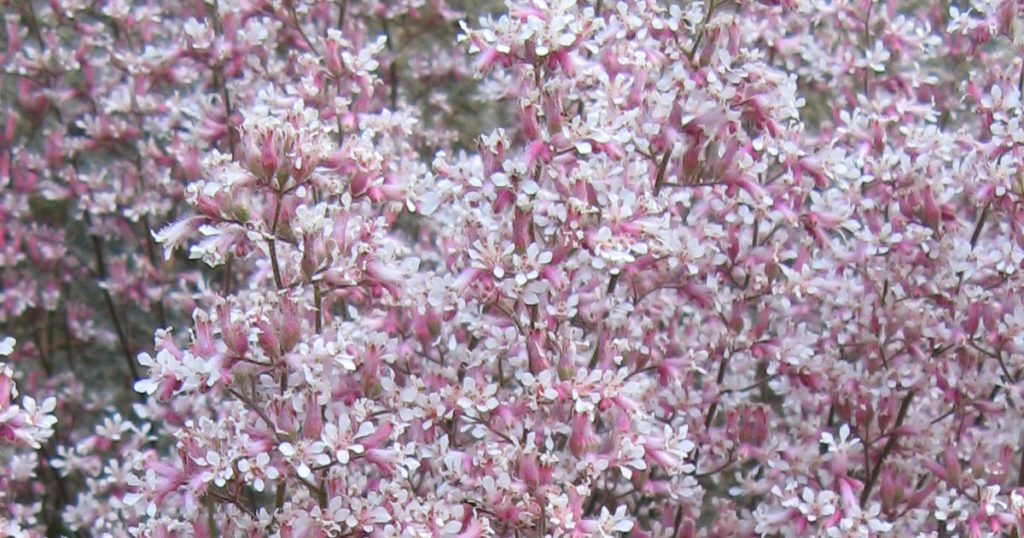
Heuchera, commonly known as Coral Bells, is a versatile perennial that adds vibrant color to shady gardens with its striking foliage. Native to North America, Heuchera leaves come in a variety of colors, including shades of green, purple, red, and silver. In late spring to early summer, they produce delicate, bell-shaped flowers on tall stems.
Plant Heuchera in well-drained soil and provide them with partial to full shade. While they prefer slightly moist soil, they are relatively drought-tolerant once established. Regular watering and occasional feeding with a balanced fertilizer will keep them healthy and vibrant. Heuchera is excellent for adding color and texture to shaded borders, containers, and rock gardens.
Japanese Forest Grass
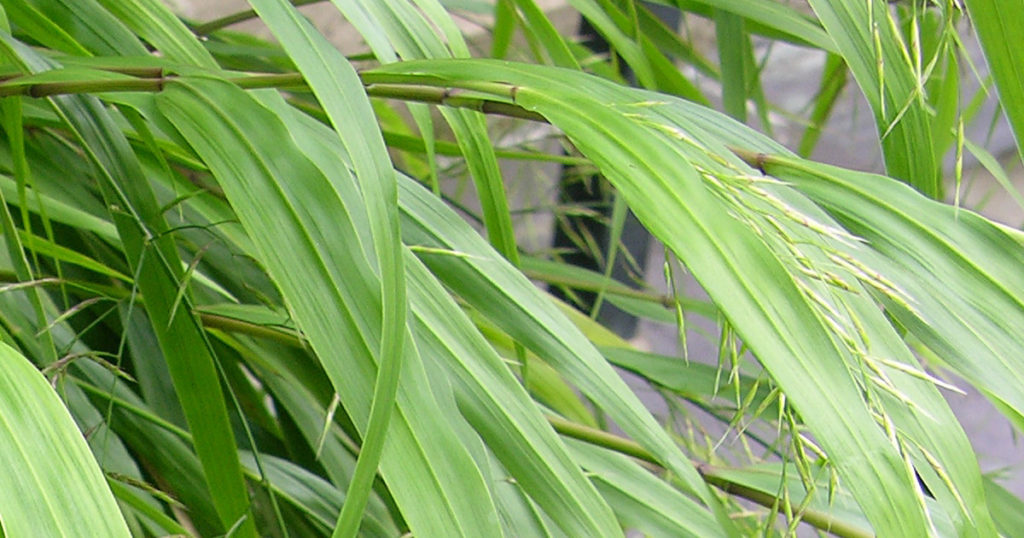
Japanese Forest Grass (Hakonechloa macra) is one of my top picks for adding texture and movement to shady gardens. Native to Japan, this ornamental grass features graceful, arching leaves that come in shades of green, gold, and variegated patterns. Its elegant form and soft foliage make it a beautiful addition to any shaded area.
To grow Japanese Forest Grass, plant it in well-drained soil and provide it with partial to full shade. This grass prefers consistently moist soil, so regular watering is important, especially during dry spells. It’s relatively low-maintenance and can be divided every few years to manage its size. Japanese Forest Grass is perfect for borders, woodland gardens, and as a ground cover under trees.
Toad Lily
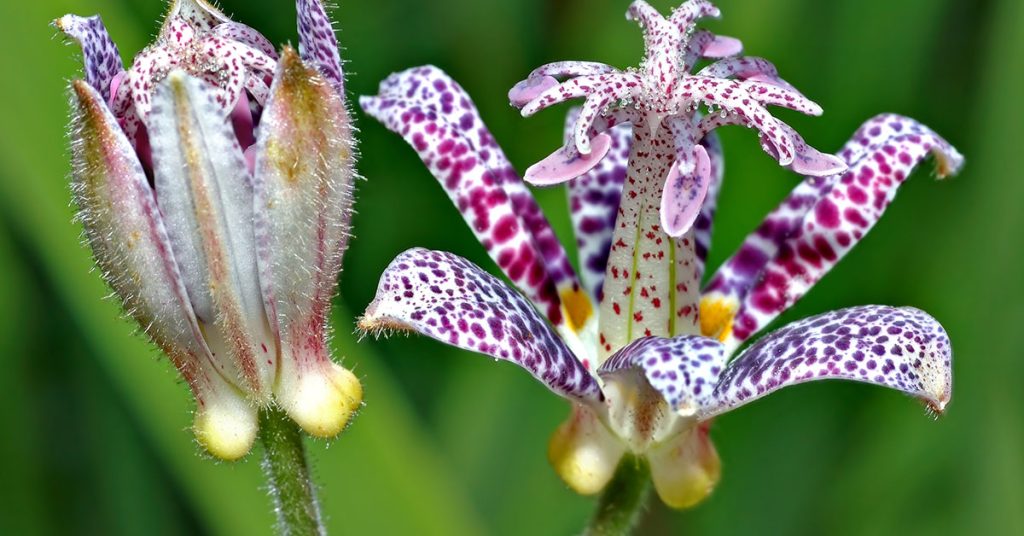
Toad Lily (Tricyrtis spp.) is a fascinating plant that brings exotic beauty to shady gardens with its unique, orchid-like flowers. Native to Asia, Toad Lilies bloom in late summer to fall, producing flowers in shades of white, purple, and yellow, often with intricate spots or patterns. Their unusual blooms are sure to attract attention and admiration.
Plant Toad Lily in rich, well-drained soil with plenty of organic matter. They thrive in partial to full shade and prefer consistently moist soil, so regular watering is essential. Mulching helps retain soil moisture and keeps the roots cool. Toad Lilies are perfect for adding late-season interest to woodland gardens and shaded borders.
Lungwort
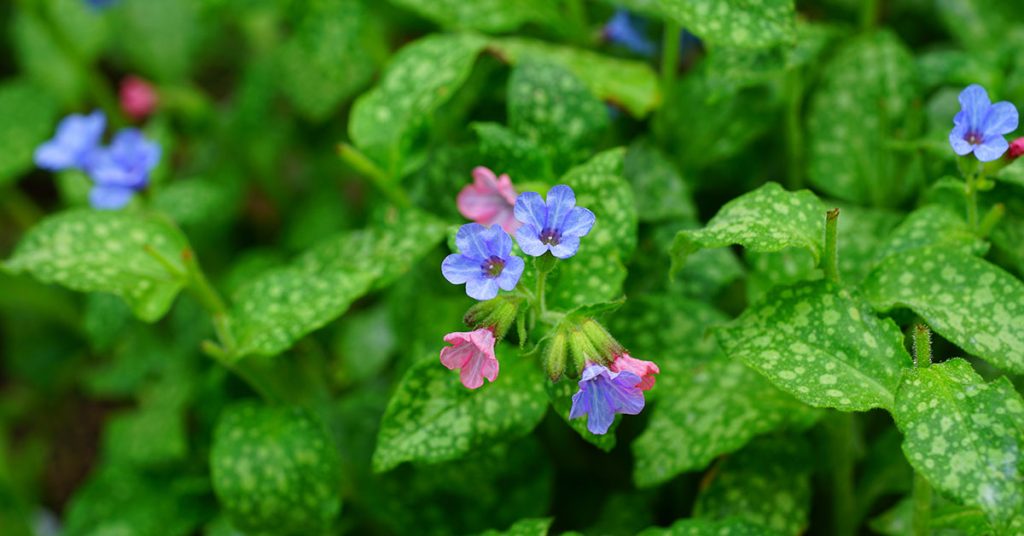
Lungwort (Pulmonaria spp.) is a charming perennial that brings color and texture to shady gardens with its spotted or variegated foliage and clusters of tubular flowers. Native to Europe and Asia, Lungwort blooms in early spring, producing flowers in shades of blue, pink, and white. The foliage remains attractive throughout the growing season.
To grow Lungwort, plant it in rich, well-drained soil with plenty of organic matter. They thrive in partial to full shade and prefer consistently moist soil, so regular watering is key. Lungwort is relatively low-maintenance and can be divided every few years to manage its size. These plants are perfect for woodland gardens, shaded borders, and as ground cover.
Brunnera

Brunnera, also known as Siberian Bugloss, is a delightful perennial that brings a touch of elegance to shady gardens with its heart-shaped, silvery foliage and clusters of tiny blue flowers. Native to Eastern Europe and Asia, Brunnera blooms in spring, creating a carpet of blue that brightens up shaded areas.
Plant Brunnera in well-drained soil with plenty of organic matter and provide it with partial to full shade. They prefer consistently moist soil, so regular watering is important. Mulching helps retain soil moisture and keeps the roots cool. Brunnera is relatively low-maintenance and can be divided every few years to manage its size. They are perfect for woodland gardens, shaded borders, and as ground cover.
Japanese Anemone
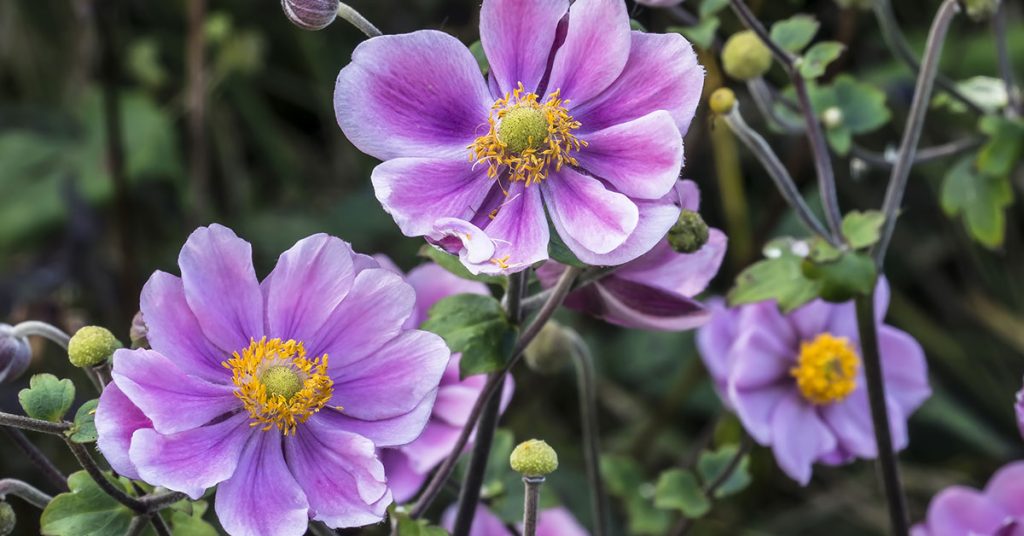
Japanese Anemone (Anemone hupehensis) is a graceful perennial that brings late-season color to shady gardens with its delicate, cup-shaped flowers. Native to China, Japanese Anemone blooms from late summer to fall, producing flowers in shades of pink, white, and mauve. Their tall, wiry stems add a touch of elegance to shaded borders.
To grow Japanese Anemone, plant it in well-drained soil with plenty of organic matter and provide it with partial to full shade. They prefer consistently moist soil, so regular watering is essential. Mulching helps retain soil moisture and keeps the roots cool. Japanese Anemone is relatively low-maintenance and can be divided every few years to manage its size. These plants are perfect for adding late-season interest to woodland gardens and shaded borders.
Trillium
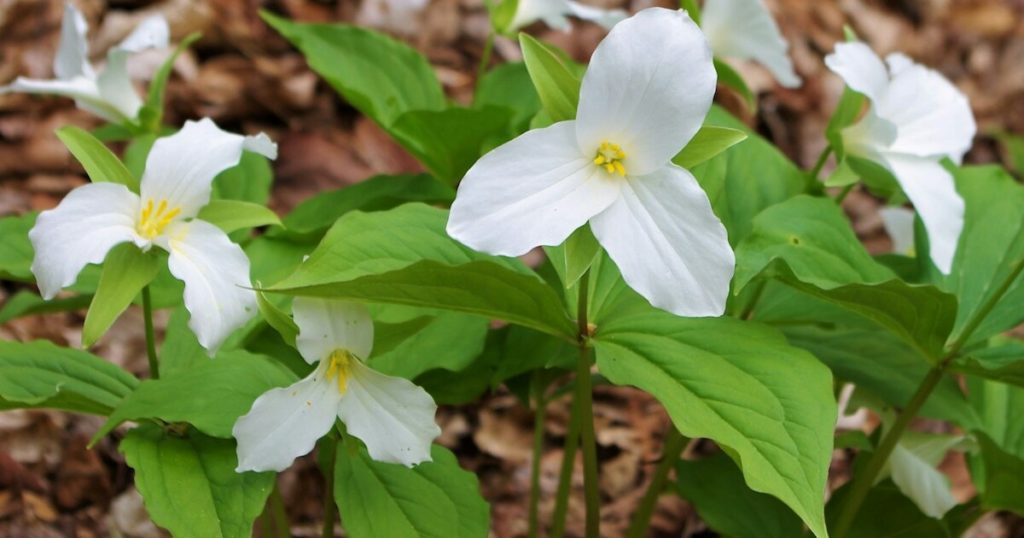
Trillium is a stunning woodland perennial that brings a touch of wild beauty to shady gardens with its three-petaled flowers and distinctive foliage. Native to North America and Asia, Trillium blooms in spring, producing flowers in shades of white, pink, red, and yellow. Their unique form and early blooms make them a standout in shaded areas.
Plant Trillium in rich, well-drained soil with plenty of organic matter and provide it with partial to full shade. They prefer consistently moist soil, so regular watering is important, especially during dry periods. Trillium is relatively low-maintenance and can be left undisturbed for many years to form beautiful clumps. They are perfect for woodland gardens and shaded borders.
Solomon’s Seal
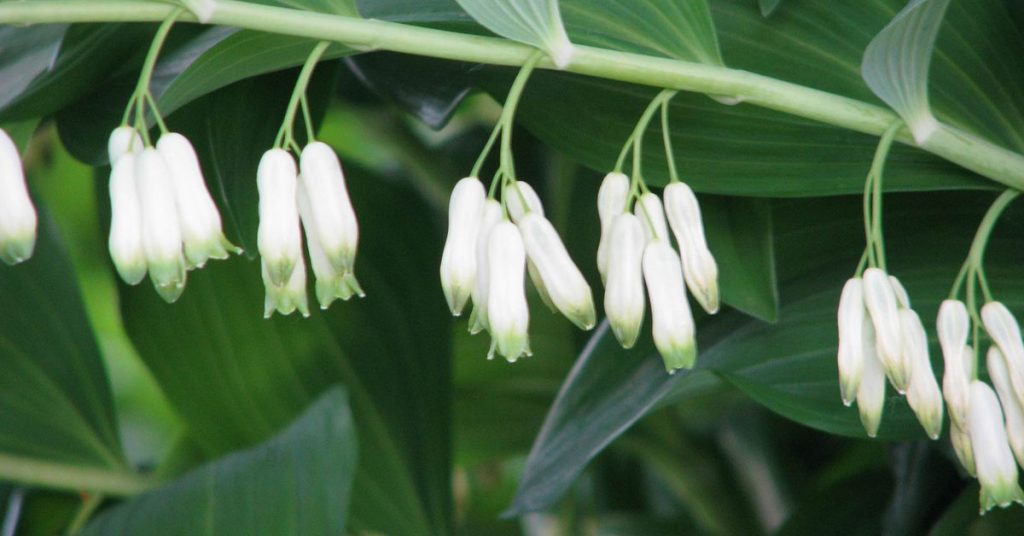
Solomon’s Seal (Polygonatum spp.) is a graceful perennial that adds elegance to shady gardens with its arching stems and dangling, bell-shaped flowers. Native to North America, Europe, and Asia, Solomon’s Seal blooms in late spring to early summer, producing white or greenish-white flowers that hang beneath the foliage.
To grow Solomon’s Seal, plant it in rich, well-drained soil with plenty of organic matter and provide it with partial to full shade. They prefer consistently moist soil, so regular watering is essential, especially during dry periods. Solomon’s Seal is relatively low-maintenance and can be divided every few years to manage its size. These plants are perfect for woodland gardens, shaded borders, and as ground cover.
Foxglove
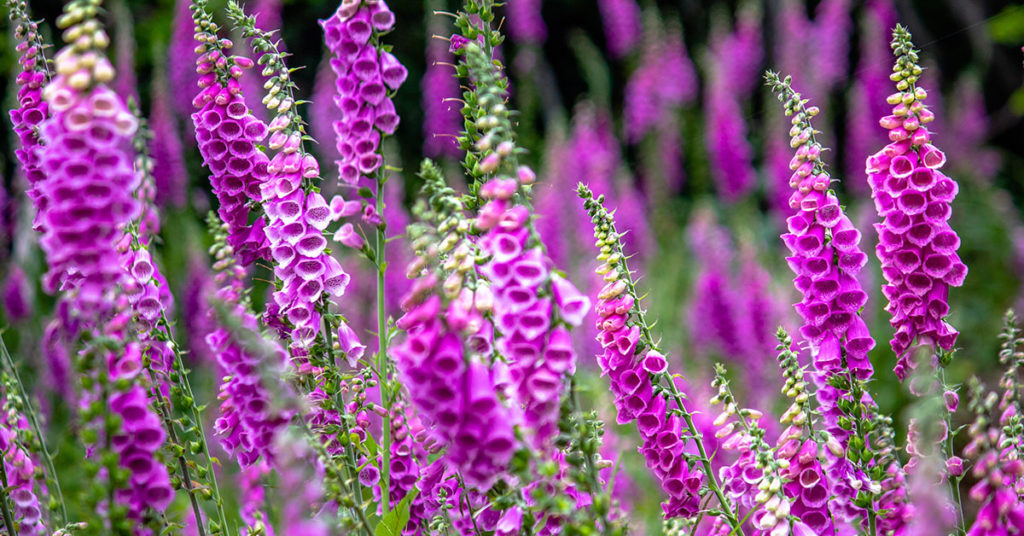
Foxglove (Digitalis spp.) is a striking biennial or perennial that adds vertical interest to shady gardens with its tall spikes of tubular flowers. Native to Europe, Foxglove blooms in late spring to early summer, producing flowers in shades of pink, purple, white, and yellow. Their dramatic blooms are sure to attract attention.
Plant Foxglove in well-drained soil with plenty of organic matter and provide it with partial shade. They prefer consistently moist soil, so regular watering is important, especially during dry periods. Foxglove is relatively low-maintenance and can be allowed to self-seed to create natural-looking drifts. These plants are perfect for adding height and drama to woodland gardens and shaded borders.
Hellebore
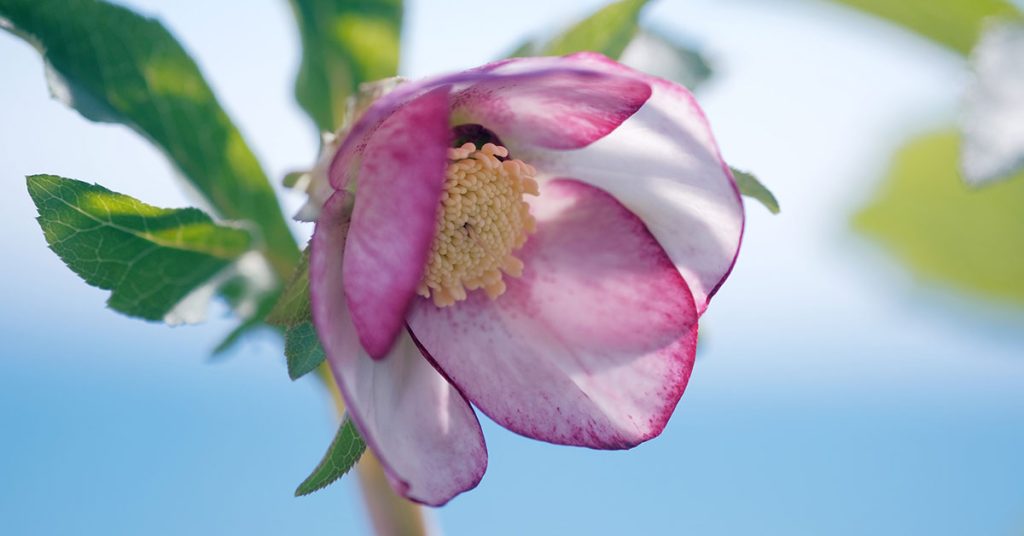
Hellebore (Helleborus spp.), also known as Lenten Rose, is a charming perennial that brings early spring color to shady gardens with its cup-shaped flowers. Native to Europe and Asia, Hellebore blooms from late winter to early spring, producing flowers in shades of white, pink, purple, and green. Their evergreen foliage adds year-round interest.
Plant Hellebore in rich, well-drained soil with plenty of organic matter and provide it with partial to full shade. They prefer consistently moist soil, so regular watering is essential. Hellebore is relatively low-maintenance and can be divided every few years to manage its size. These plants are perfect for woodland gardens, shaded borders, and as ground cover.
Columbine
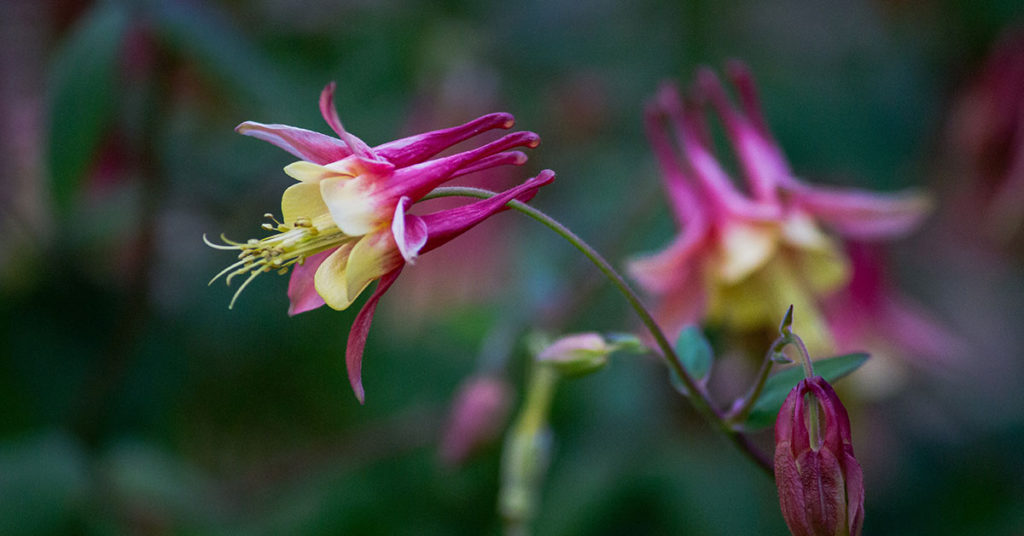
Columbine (Aquilegia spp.) is a delicate perennial that brings a touch of whimsy to shady gardens with its nodding, spurred flowers and fern-like foliage. Native to North America and Europe, Columbine blooms in late spring to early summer, producing flowers in shades of blue, pink, purple, red, and yellow. Their unique form and airy habit make them a charming addition to shaded areas.
To grow Columbine, plant it in well-drained soil with plenty of organic matter and provide it with partial shade. They prefer consistently moist soil, so regular watering is important, especially during dry periods. Columbine is relatively low-maintenance and can be allowed to self-seed to create natural-looking drifts. These plants are perfect for woodland gardens, shaded borders, and as companions to other shade-loving perennials.
Jacob’s Ladder
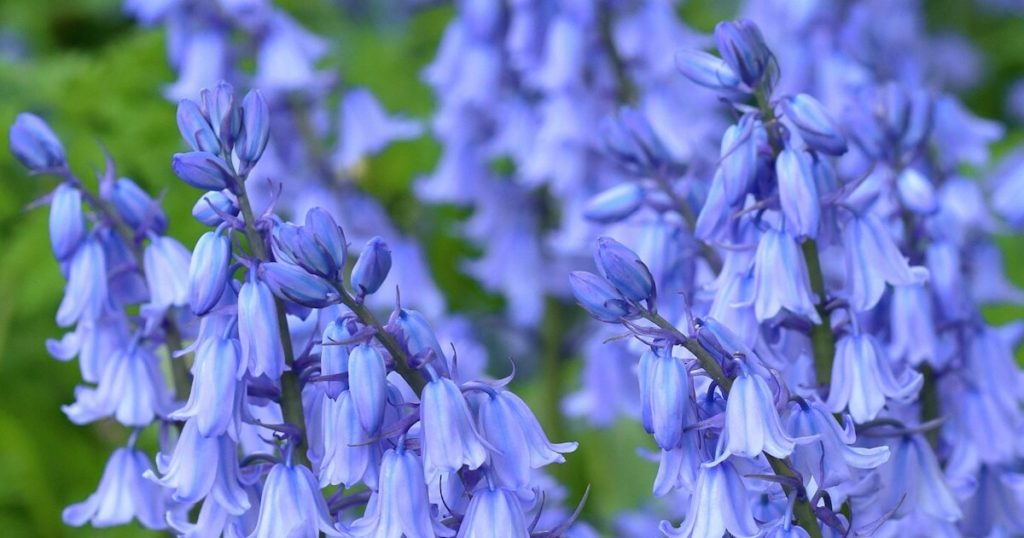
Jacob’s Ladder (Polemonium spp.) is a delightful perennial that adds a touch of elegance to shady gardens with its ladder-like foliage and clusters of bell-shaped flowers. Native to North America and Europe, Jacob’s Ladder blooms in late spring to early summer, producing flowers in shades of blue, purple, white, and pink. Their delicate blooms and attractive foliage make them a standout in shaded areas.
Plant Jacob’s Ladder in rich, well-drained soil with plenty of organic matter and provide it with partial to full shade. They prefer consistently moist soil, so regular watering is essential, especially during dry periods. Jacob’s Ladder is relatively low-maintenance and can be divided every few years to manage its size. These plants are perfect for woodland gardens, shaded borders, and as companions to other shade-loving perennials.
Anemone
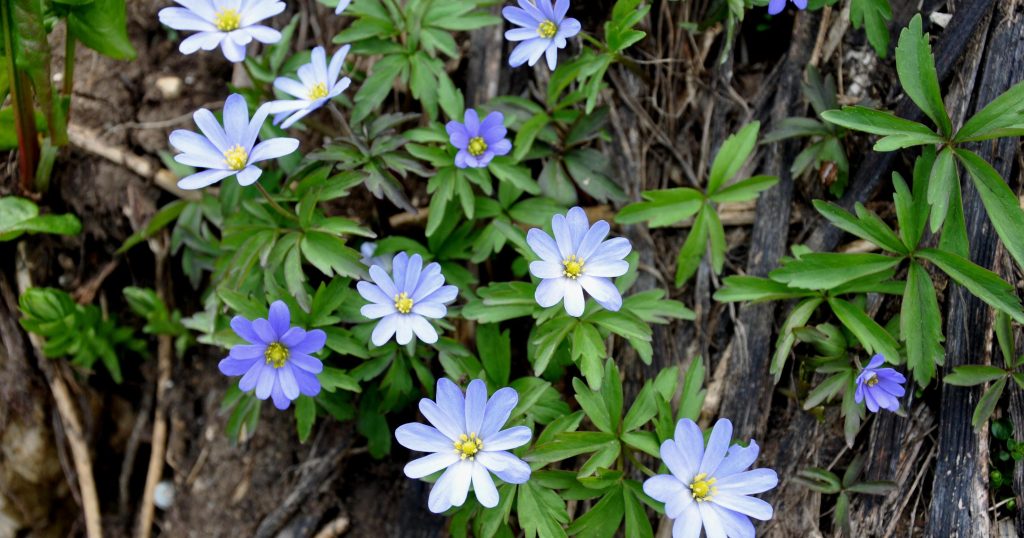
Anemone (Anemone spp.), also known as windflower, is a charming perennial that brings a touch of grace to shady gardens with its delicate, poppy-like flowers. Native to Europe, Asia, and North America, Anemone blooms in spring and fall, producing flowers in shades of white, pink, blue, and purple. Their airy habit and long-lasting blooms make them a beautiful addition to shaded areas.
Plant Anemone in rich, well-drained soil with plenty of organic matter and provide it with partial to full shade. They prefer consistently moist soil, so regular watering is important, especially during dry periods. Anemone is relatively low-maintenance and can be divided every few years to manage its size. These plants are perfect for woodland gardens, shaded borders, and as companions to other shade-loving perennials.