

Gardening is an art of persistence, and one of the greatest joys is discovering flowers that not only dazzle with their beauty but also stand strong against the challenges of common diseases. I know how discouraging it can be when pests and blights ruin months of hard work, leaving your garden looking lackluster. That’s why I’m excited to share a collection of 15 resilient flowers that have proven themselves to be disease-resistant, allowing you to cultivate a vibrant and thriving garden with minimal worry!
Over the years, I’ve seen firsthand how certain flowers manage to flourish despite the unpredictable whims of nature. These selections come from diverse native regions, and each has been celebrated for its ability to attract beneficial insects, serve as micro-habitats for nesting, and maintain their stunning appearance year after year—all without inviting invasive tendencies. Get ready to be inspired by these botanical champions that can turn any garden into a robust, healthy, and visually spectacular oasis!
Coneflower (Echinacea purpurea)
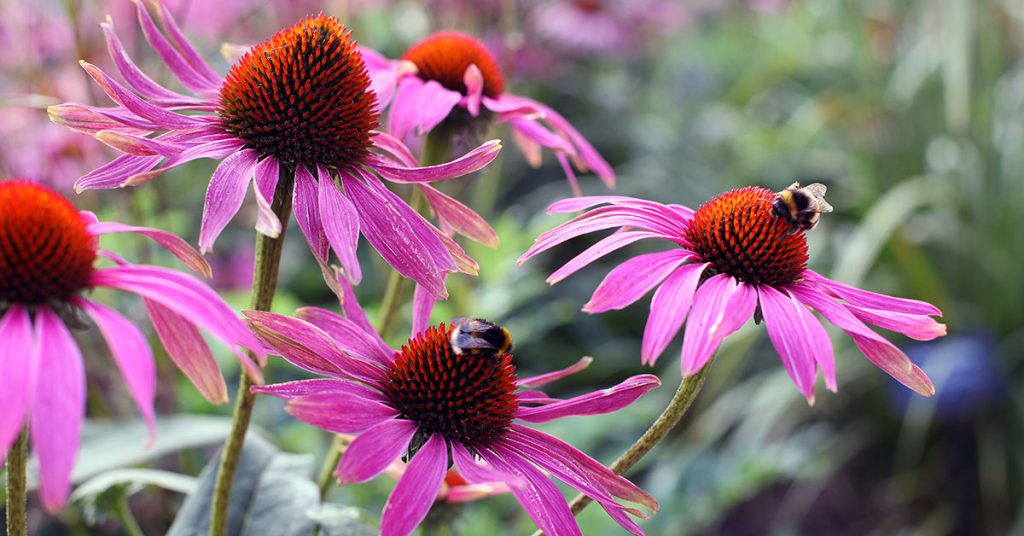
Coneflowers are a perennial classic that easily wins hearts with their bold, daisy-like blooms and sturdy resistance to fungal diseases. Native to the prairies of North America, Echinacea purpurea thrives in well-drained soil and full sun, making it perfect for gardeners seeking reliability and beauty. Their large, vibrant purple petals encircle a prominent, spiky cone that not only adds visual interest but also provides a lasting nectar source for bees and butterflies throughout the summer!
In my garden, Coneflowers have been a true workhorse—flourishing year after year, even when harsh weather and common fungal infections try to take their toll. Their robust growth attracts an array of beneficial pollinators that sometimes use the imperfect cone structure as a makeshift resting spot. This natural resilience and ecological contribution make Coneflower a delightful addition to any landscape aimed at both aesthetics and sustainability.
Black-Eyed Susan (Rudbeckia hirta)
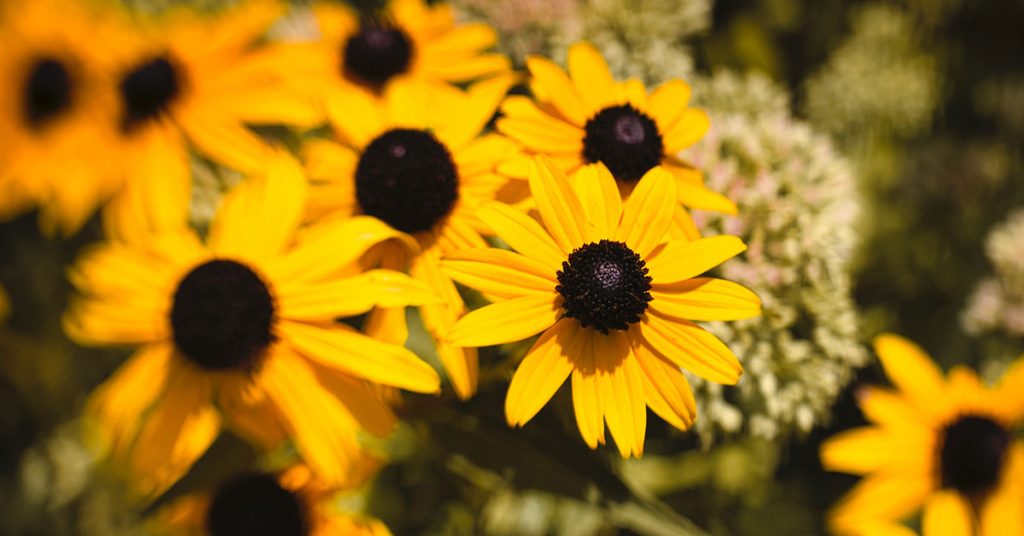
Black-Eyed Susans are a cheerful addition to any garden, celebrated for their brilliant yellow petals and contrasting dark centers. Native to Eastern North America, these perennials thrive in full sun and tolerate a wide range of soil conditions, making them particularly resistant to common foliar diseases. Their vigorous growth and hardy nature mean they rarely succumb to blight, which is a huge plus for any disease-conscious gardener!
In my experience, Black-Eyed Susans not only deliver an instant splash of sunshine to my outdoor spaces but also attract bees and butterflies with their abundant nectar. These delightful blooms create a lively, buzzing environment while providing shelter for small, beneficial insects. Their enduring resilience and vibrant display bring both joy and ecological balance to my garden, proving that nature can be both hardy and enchanting!
Daylily (Hemerocallis)
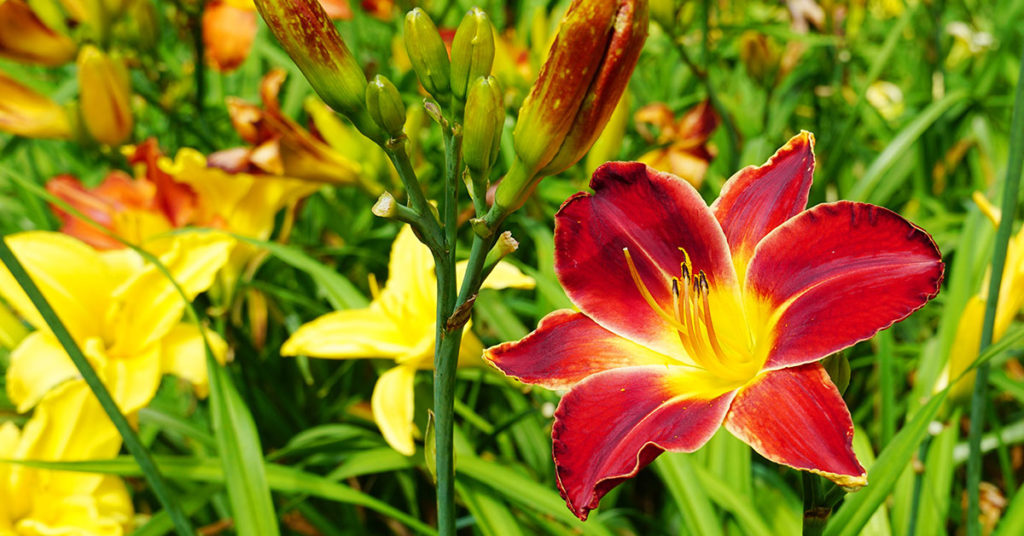
Daylilies are renowned for their spectacular, trumpet-shaped blooms that unfurl and wither gracefully within a single day—yet they return with relentless vigor year after year. Native to Asia, daylilies thrive in a variety of soil types and are exceptionally resistant to many common plant diseases, including leaf spot and rot. Their tough, fibrous roots and robust foliage make them ideal for gardeners who want minimal fuss with maximum color throughout the growing season!
In my own outdoor haven, daylilies have become a symbol of resilience and renewal, drawing a steady stream of bees and butterflies as they burst into bloom each season. The ephemeral beauty of each flower seems to captivate the local pollinator community, which sometimes makes the blooms their temporary playground! Their dependable performance and stunning array of colors ensure that daylilies are not only a visual treat but a boon for a thriving garden ecosystem.
Sedum (Stonecrop)
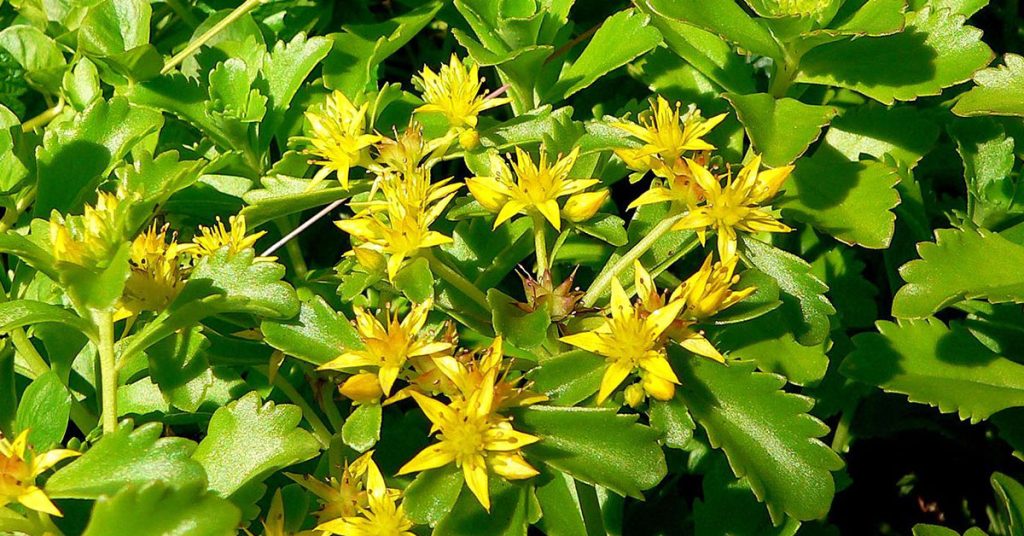
Sedums, commonly known as Stonecrop, are succulents that offer an unexpected burst of color and texture, even in challenging conditions. Native to Europe and Asia, these low-maintenance perennials thrive in full sun and poor, well-drained soils, making them naturally resistant to fungal pathogens and common mildew issues. Their plump, water-storing leaves ensure that they hold up well during droughts and humid periods alike!
In my garden, Sedum creates a tapestry of succulent beauty that continuously attracts buzzing bees and delicate butterflies. I love observing how these unpretentious plants not only add a burst of contrast to tougher landscapes but also offer microhabitats for small beneficial insects. Their ease of care and inherent disease resistance make Sedum a true gem for gardeners seeking both beauty and resiliency with minimal upkeep!
Gaillardia (Blanket Flower)
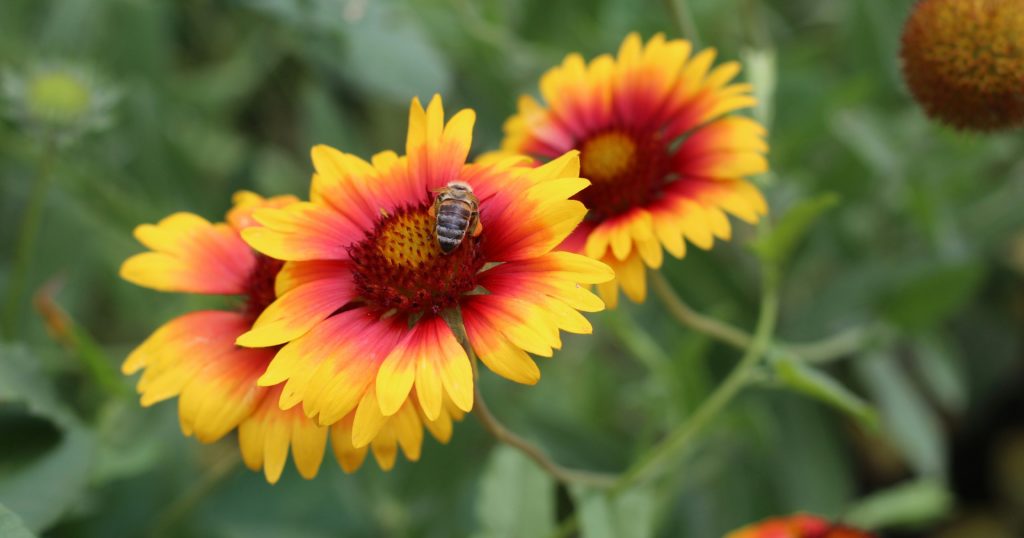
Gaillardia, or Blanket Flower, is a vibrant perennial that dazzles with its fiery red and orange blooms and exceptional tolerance to common diseases. Native to North America, this heat-loving flower thrives in full sun and well-drained soil, making it remarkably resistant to issues like powdery mildew. Its showy, daisy-like blossoms create a warm, inviting display that can instantly energize any garden space!
In my own landscape, Gaillardia serves as a beacon for pollinators such as butterflies and bees, who flock to its abundant nectar-filled centers. The plant’s rapid, vigorous growth and minimal maintenance requirements allow it to flourish even in conditions that would challenge other species. Its vibrant colors and robust health make Gaillardia a fantastic choice for anyone seeking a stunning, low-fuss perennial that stands strong against common garden ailments!
Coreopsis (Tickseed)
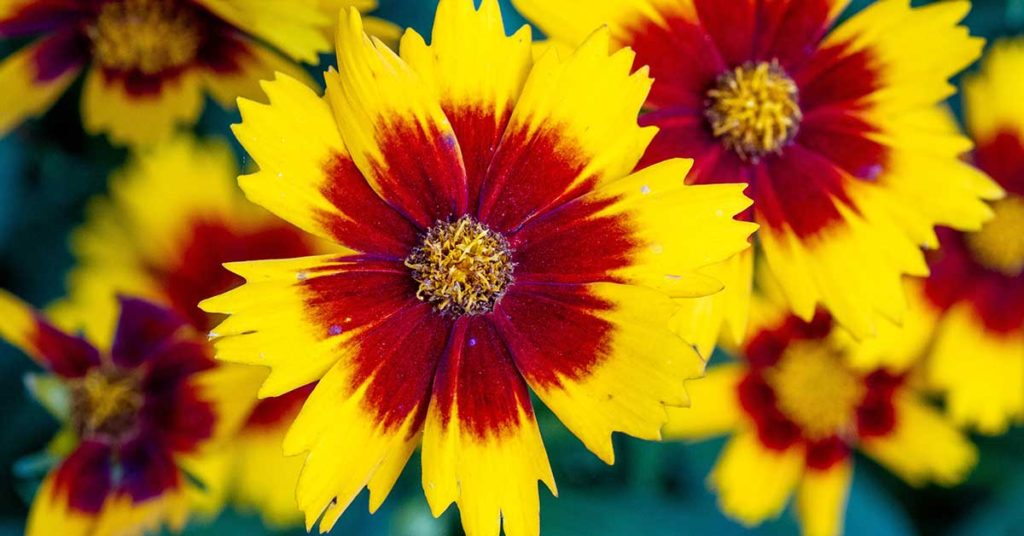
Coreopsis is a cheerful, sun-loving perennial known for its delicate, daisy-like flowers and outstanding resistance to common diseases like rust and black spot. Native to North America, Coreopsis thrives in full sun and well-drained soils, proving to be non-invasive and easy to care for. Its bold, bright blooms make it an excellent choice for adding a cheerful splash of color to a garden, without the worry of excessive disease pressures!
In my experience, Coreopsis consistently draws a host of beneficial insects, from industrious bees to graceful butterflies, enhancing the vibrancy of my garden spaces. Its compact form and resilience make it an ideal candidate for smaller gardens where every burst of color counts. The ability of Coreopsis to maintain its bright, eye-catching display despite typical garden challenges is truly impressive and a source of continual inspiration!
Shasta Daisy (Leucanthemum × superbum)
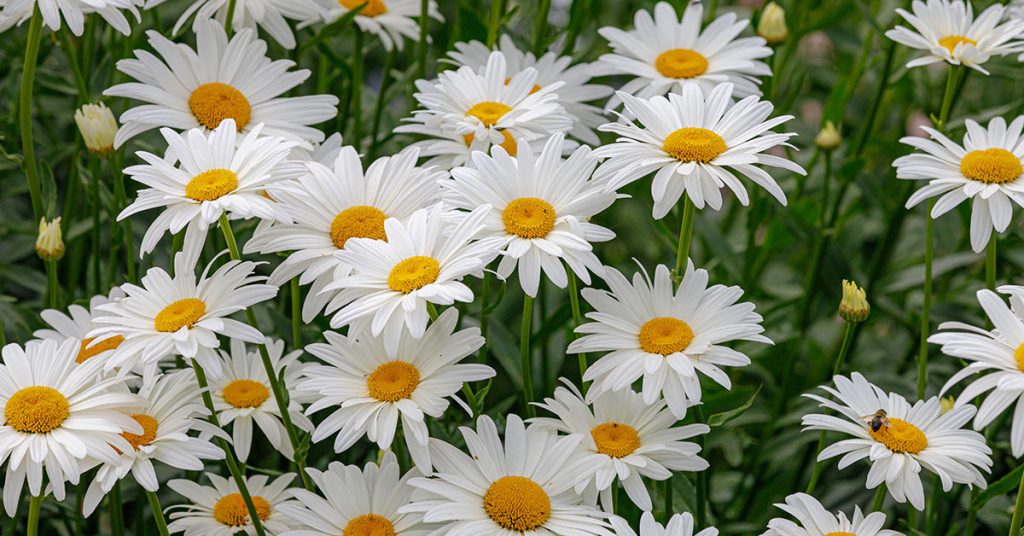
Shasta Daisies exude timeless charm with their simple yet stunning white petals encircling sunny yellow centers—a truly classic addition to any garden. Native to Europe, these non-invasive perennials thrive in full sun and well-drained soils, showing impressive resistance to common issues such as powdery mildew and leaf spots. Their robust nature ensures that they continue to bloom abundantly, even during challenging weather conditions, making them a reliable option for disease-conscious gardeners!
In my garden, Shasta Daisies bring a serene, pastoral quality that attracts a mix of pollinators, including bees and small butterflies that dance among their flowers. I appreciate how these daisies create soft, natural borders that not only enhance the landscape’s beauty but also encourage beneficial insect activity. Their enduring simplicity and disease-resistant traits make Shasta Daisies a perfect choice for those looking to cultivate a tranquil, resilient garden space!
Marigold (Tagetes)
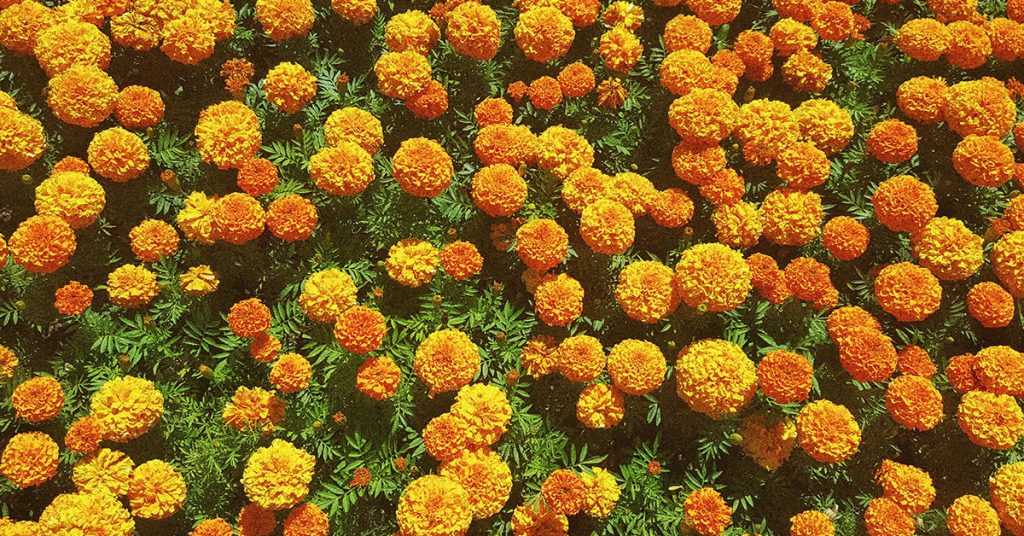
Marigolds are celebrated for their rich, golden-orange blossoms and their natural ability to ward off pests and diseases. Native to the Americas, these hardy annuals thrive in full sun and are highly resistant to many common plant ailments, making them a favorite in organic gardening circles. Their vibrant colors and robust growth make them a standout addition to any garden, providing a natural bulwark against both pests and fungal infections!
In my own garden, Marigolds are a cheerful riot of color that attract beneficial insects like ladybugs and parasitic wasps, which help control pest populations in a natural way. I find it delightful how their strong, pungent scent not only repels unwanted critters but also invites a host of pollinators to enjoy the vibrant blossoms. Their pest-resistant nature and lively presence make Marigolds a joyful, indispensable addition to any resilient garden design!
Zinnia (Zinnia elegans)

Zinnias are a bright, bold annual that commands attention with their flamboyant, multi-hued blooms and impressive disease resistance. Native to North America, Zinnia elegans thrives in full sun and well-drained soils, and it is non-invasive, making it perfect for vibrant, low-maintenance garden displays. Their flowers are notably resistant to common fungal diseases, ensuring a continuous, eye-catching show throughout the growing season!
In my garden, Zinnias provide a dynamic burst of color that attracts a plethora of pollinators, from buzzing bees to delicate butterflies that revel in their abundant nectar. The sturdy stems and robust blooms sometimes even serve as perches for small birds, adding another layer of life to the garden ecosystem. Their resilience and vivid floral display make Zinnias a must-have for anyone aiming to create a lively, disease-resistant garden that stays bright and beautiful all season long!
Salvia (Salvia nemorosa)
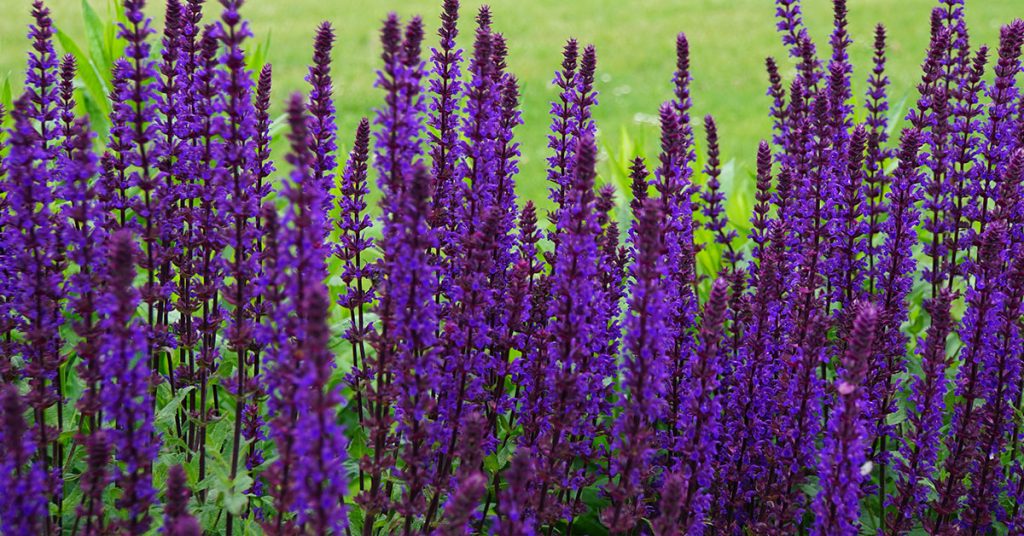
Salvia, with its striking spiky clusters and deep, rich colors, is a perennial favorite for its resilience against diseases such as powdery mildew and root rot. Native to parts of Europe and Asia, Salvia nemorosa thrives in sun-drenched, well-drained conditions, maintaining its vibrant performance without the need for excessive care. This non-invasive plant’s clusters of blue, purple, or pink blooms provide an elegant accent to any garden while serving as a magnet for beneficial pollinators.
In my own yard, Salvia not only adds a refined, sculptural element to my flower beds but also creates a lively hub for bees and butterflies that visit its nectar-rich flowers. I love observing how its long, slender flower spikes sway gently in the breeze, offering a natural perch for small insects. Salvia’s robust disease resistance and striking appearance make it an essential addition for gardeners who value both aesthetics and sustainability in their landscapes!
Peony (Paeonia)
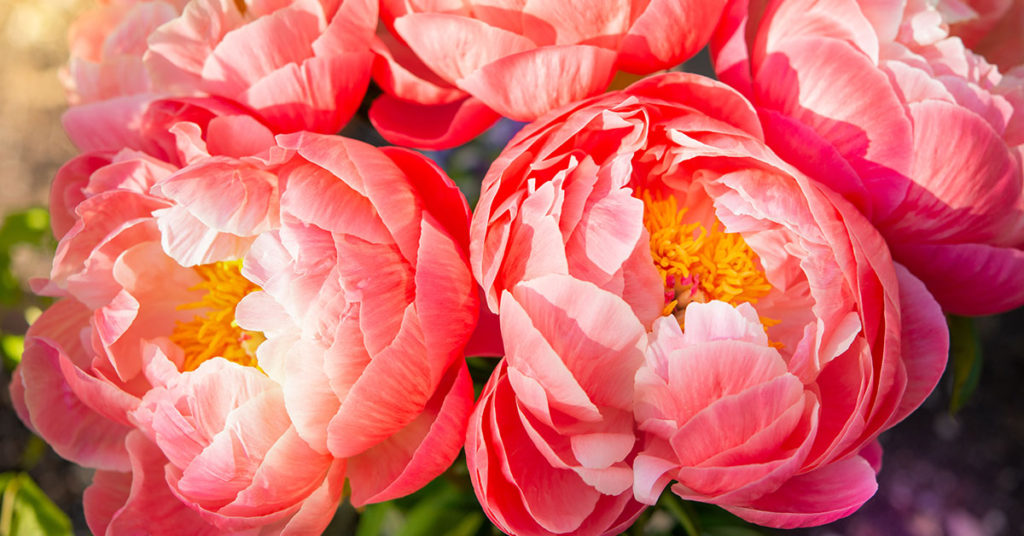
Peonies are celebrated for their extravagant, lush blooms and rich fragrance, and they are remarkably resilient against a host of fungal diseases and pests. Native to Asia, Europe, and parts of North America, these non-invasive perennials thrive in well-drained, slightly acidic soils that allow their large, showy flowers to flourish. Their impressive, often fragrant blossoms make them a centerpiece in any garden, easily turning a small space into a veritable floral wonderland!
In my garden, Peonies provide not only a dazzling display but also a gentle magnet for beneficial insects like bees, which are irresistibly drawn to their abundant nectar. I enjoy the way these delicate flowers occasionally offer shelter for tiny creatures during a brief rest, contributing to a balanced, thriving ecosystem. Their timeless elegance and robust disease resistance ensure that Peonies remain one of my most cherished additions, offering both beauty and resilience with every bloom!
Pansy (Viola tricolor var. hortensis)
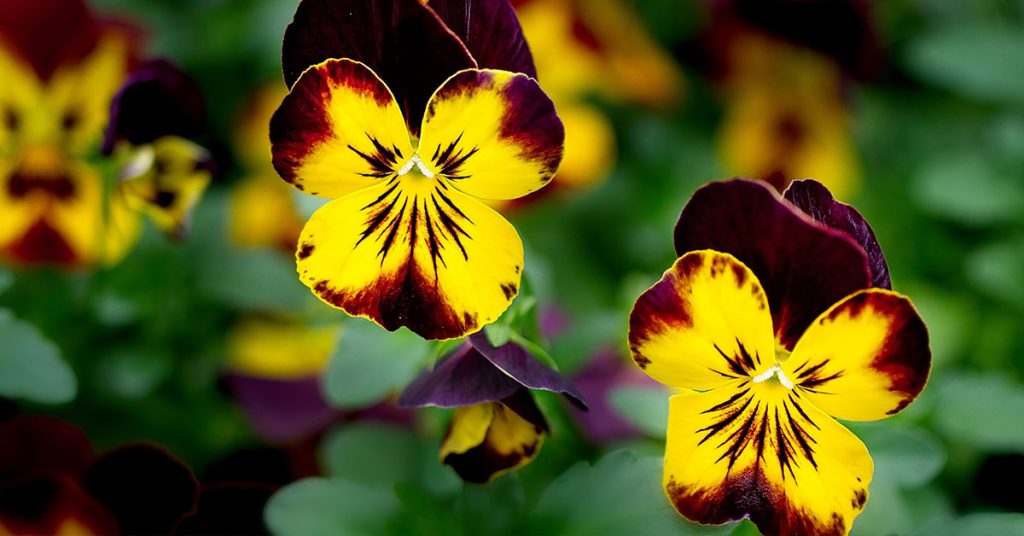
Pansies might be known primarily as cool-weather flowers, but their resilience against common mold and mildew issues makes them an excellent choice for gardeners who demand both color and durability. Native to Europe, these non-invasive annuals thrive in cooler temperatures and well-drained soils, offering a charming assortment of hues that range from deep purples to sunny yellows. Their fuzzy, heart-shaped petals not only exude charm but also serve as a gentle treat for the eyes and palate of nature.
In my indoor and outdoor gardens alike, Pansies attract a delightful array of beneficial insects, such as small bees and tiny hoverflies, who find their soft blooms irresistible. I appreciate how these petite flowers often become the focal point of a cooler microclimate, sometimes even providing a cozy resting spot for minuscule critters. Their vibrant yet disease-resistant nature makes Pansies a superb option for gardeners looking to add bursts of cheerful color without the risk of invasive spread!
Tulip
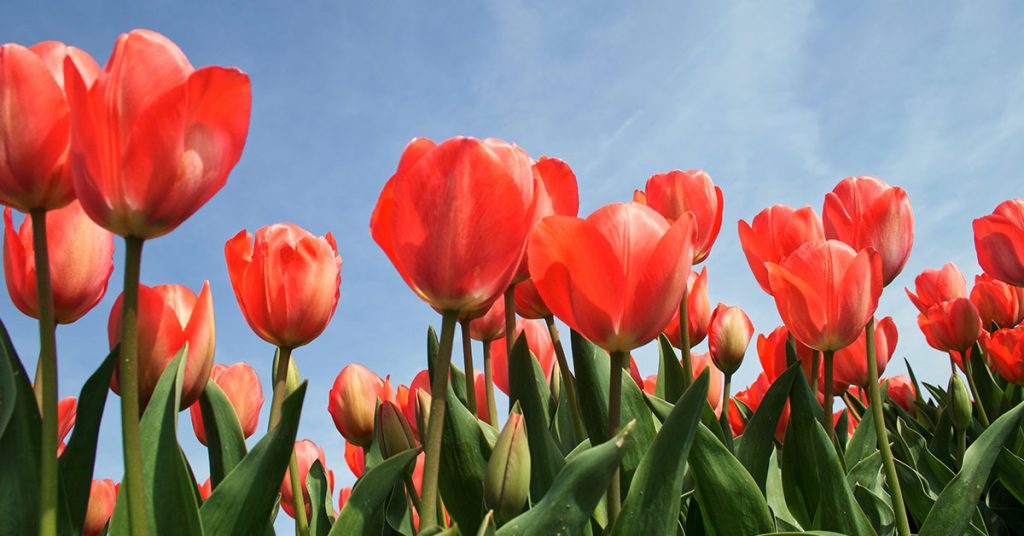
Tulips are an iconic symbol of spring, admired not only for their brilliant, cup-shaped blooms but also for their robust resistance to common fungal pathogens such as botrytis. Native to Central Asia and cultivated throughout Europe, Tulipa species thrive in well-drained, nutrient-rich soils and are typically non-invasive in controlled garden settings. Their vivid array of colors and graceful form make them a perennial favorite for creating dramatic, seasonal displays.
In my own garden, Tulips transform any space into a vibrant, dynamic landscape, drawing in early-season bees and other pollinators with their bright, enticing blossoms. I’ve seen these elegant flowers stand up impressively to occasional moisture challenges, maintaining their intense hues and elegant structure. Their striking beauty, coupled with a commendable disease resistance, ensures that Tulips remain a must-have for any gardener determined to celebrate the joys of spring in style!
Bleeding Heart (Dicentra spectabilis)
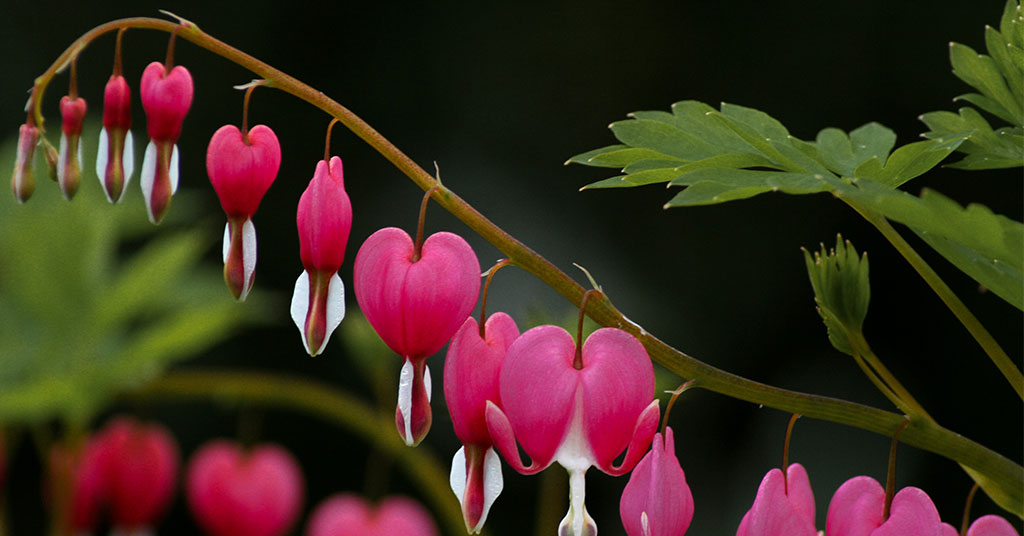
Bleeding Heart is a uniquely enchanting perennial that captivates with its heart-shaped, pendulous blooms and robust resistance to common leaf spot diseases. Native to Asia and Eastern North America, Dicentra spectabilis thrives in partial shade and rich, organic soils—conditions that allow its delicate, arching stems to display clusters of pink or white flowers that seem to exude a touch of whimsy. Its non-invasive nature makes it a sophisticated choice for shaded corners and woodland gardens.
In my garden, Bleeding Heart adds an element of poetic charm, its graceful, dangling blossoms attracting small bees and delicate butterflies, which are drawn to the soft nectar within. I often marvel at how these flowers, despite their fragile appearance, endure the rigors of damp, cool environments while adding a stunning focal point. The natural allure and robust disease resistance of Bleeding Heart truly make it a treasured addition for any gardener seeking beauty with resilience!
Lantana (Lantana camera)

Lantana is a vibrant, multi-colored shrub that offers clusters of tiny, aromatic flowers known for their impressive resistance to common bacterial and fungal diseases. Native to tropical regions of the Americas, Lantana camara thrives in full sun and well-drained soils, and though it can be invasive in warmer climates, cultivars suitable for temperate gardens are generally well-behaved. Its bright, dynamic blossoms provide continuous color throughout the growing season and serve as a magnet for butterflies and hummingbirds!
In my own garden, Lantana creates a delightful, sun-dappled display that not only enhances the landscape but also enriches the local ecosystem. I love watching as swarms of butterflies and bees gather among the vivid flower clusters, sometimes even using the dense branches as a temporary perch during a warm afternoon. Its outstanding disease resistance and lively appearance make Lantana an irresistible choice for anyone wanting a low-maintenance, eye-catching perennial.
Salvia (Salvia coccinea)
Salvia coccinea, also known as Tropical Sage, is a striking, showy perennial that is highly resistant to common diseases, making it perfect for gardeners who want vibrant color without constant maintenance. Native to the tropical regions of the Americas, it thrives in full sun and well-drained soils and is non-invasive in container or garden bed settings. Its brilliant red, pink, or white flower spikes not only provide a dramatic visual appeal but also support a thriving pollinator community.
In my personal gardening adventures, Tropical Sage has consistently attracted an abundance of bees and butterflies, thanks to its rich nectar and robust blooms. I often see these beneficial insects flitting among its towering flower spikes, sometimes even utilizing the nearby foliage as a resting spot. The plant’s exceptional disease resistance combined with its high-impact beauty ensures that Salvia coccinea is a dynamic and dependable feature in any garden.