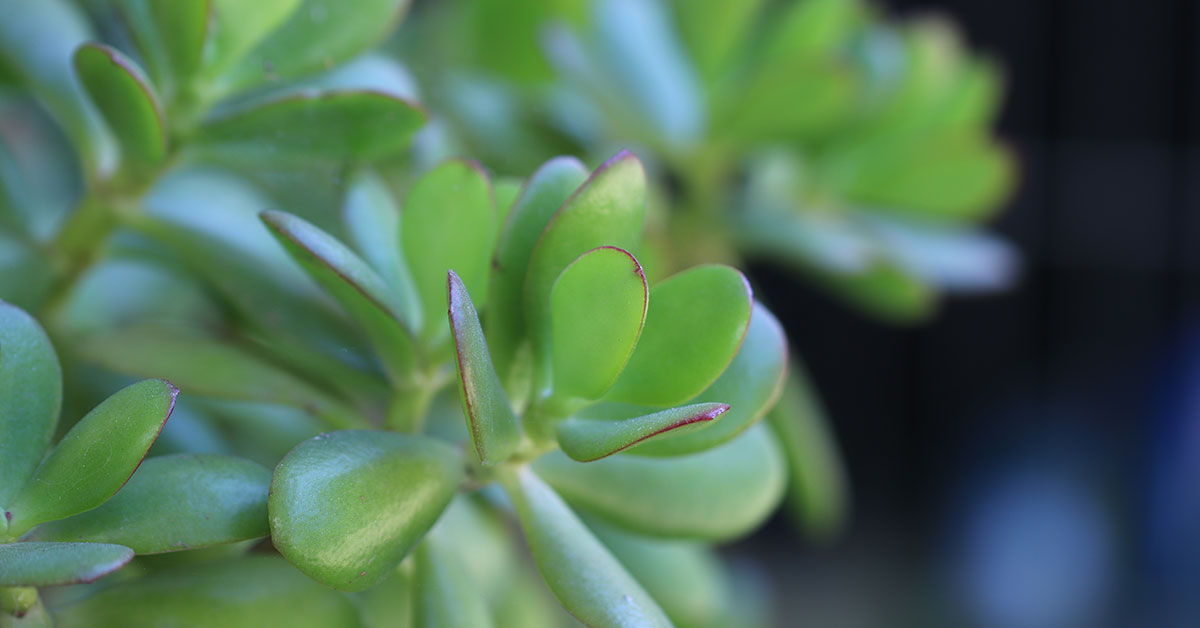

As the tail end of summer creeps in and those cooler nights start to settle, many gardeners begin the bittersweet task of bringing their tender plants indoors. It’s a ritual that, while a little labor-intensive, can save you from the heartbreak of losing your hard-earned greenery to a sudden cold snap. Some plants simply aren’t cut out for the dips in temperature September can bring, and knowing which ones to move inside can be the difference between thriving foliage and a sad, shriveled stem come October.
I know it’s tempting to hold off, thinking you’ve still got time, but frost can sneak in faster than you expect. More importantly, bringing certain plants inside before the season shifts gives them a gentler adjustment period, reducing stress and preventing pest infestations from hitching a ride during the move. These aren’t just houseplants in disguise—many of them are tropical natives, some are prolific bloomers, and a few are notorious for being invasive if left unchecked outdoors. Let’s dig into which plants need your attention now so you can enjoy them all winter long!
Hibiscus

Hibiscus, with its large, tropical blooms, is native to warm regions like Asia and the Pacific Islands, and while it can thrive outdoors in summer, even a mild autumn chill can cause it to sulk. Bringing it indoors before September gives it time to adjust to lower light and less humidity, preventing the yellowing leaves that often occur when it’s rushed inside too late. Indoors, it can still produce blooms if given enough bright light, which is a lovely reminder of warmer days while the world outside cools.
One thing I adore about hibiscus is that it can attract hummingbirds and butterflies outdoors, but once inside, it still serves as a cheerful focal point. It’s not considered invasive in most areas, though tropical varieties can spread quickly in warm climates. Check the plant thoroughly for aphids, whiteflies, or spider mites before moving it inside—these pests love to linger and can cause major headaches in your indoor garden.
Basil
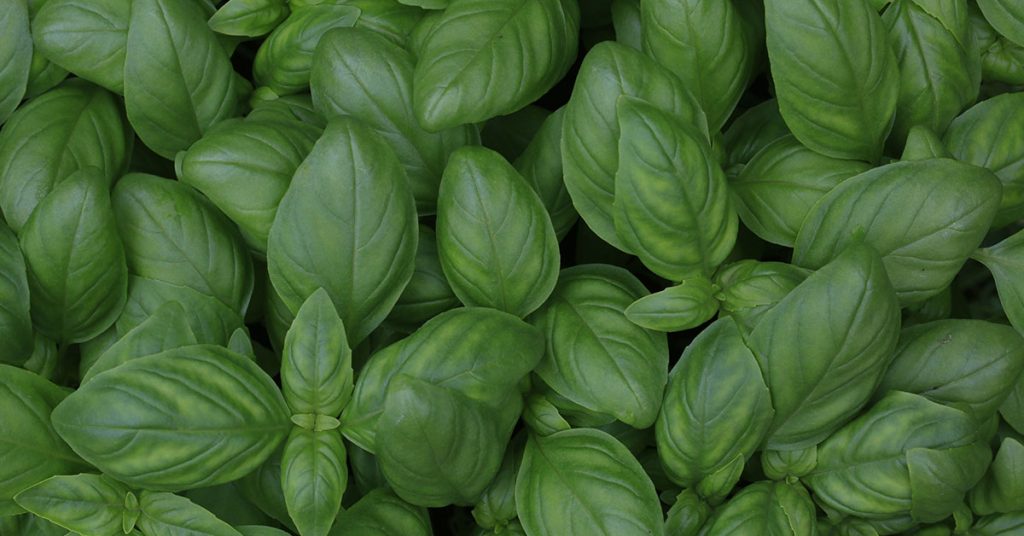
Basil is an annual in most climates, but because it’s native to tropical regions of Africa and Asia, it thrives in warm, sunny conditions and wilts quickly in the cold. Bringing potted basil indoors before September lets you keep those fragrant leaves coming for months, especially if you have a sunny windowsill or use a grow light. If left outside too long, even a cool night in the high 40s can stunt its growth and reduce that signature flavor.
Indoors, basil won’t attract the bees and butterflies it does outdoors, but it will still provide you with fresh clippings for your cooking. This plant isn’t invasive, but it is fast-growing, and given the right conditions inside, it can surprise you with just how productive it stays. Make sure to prune regularly and give it as much light as possible to keep it from getting leggy.
Bougainvillea
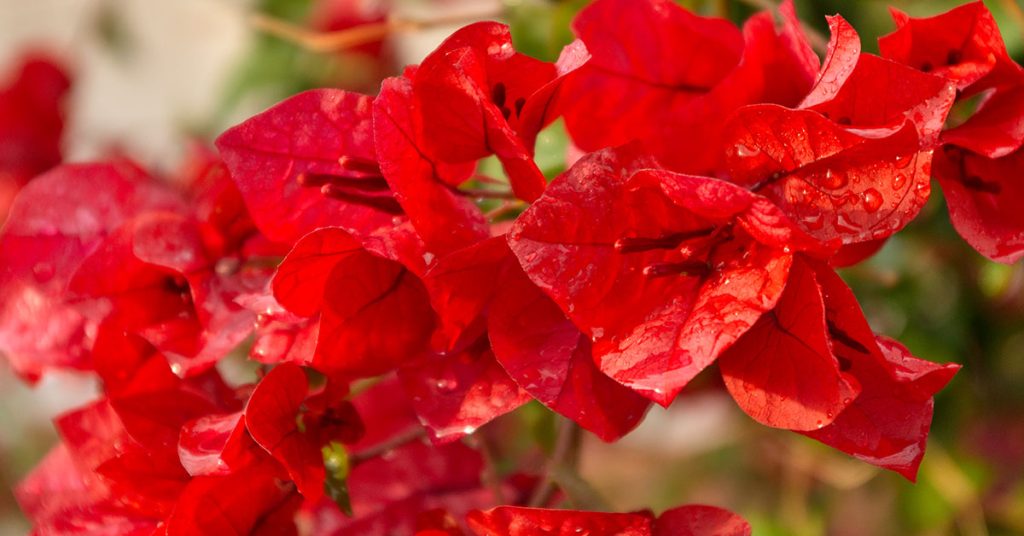
Bougainvillea is a spectacular vining plant native to South America, famous for its vivid bracts that draw pollinators like bees and hummingbirds. While it thrives in hot, sunny conditions, it’s sensitive to cold weather and will quickly decline when nighttime temperatures drop. Bringing it indoors before September allows it to acclimate to reduced light without dropping all its leaves in protest.
Although stunning, bougainvillea can be invasive in tropical climates where it grows unchecked. Indoors, it won’t sprawl the way it does outdoors, but it still needs plenty of sun to keep blooming. I recommend trimming it back before moving it in, not only to save space but also to encourage fresh growth once it’s settled.
Aloe Vera
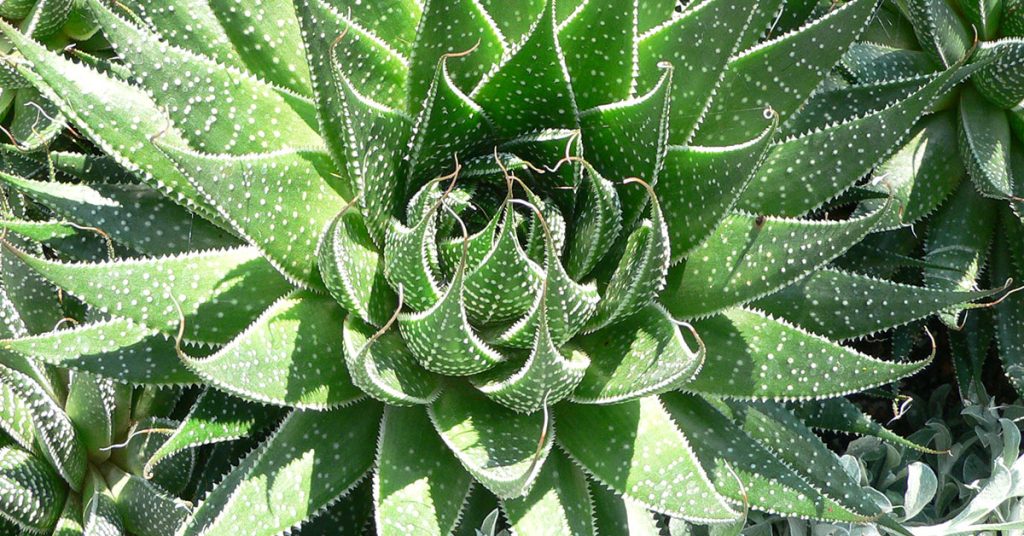
Aloe vera is a hardy succulent, but don’t be fooled into thinking it can withstand frost—it’s native to the Arabian Peninsula and prefers hot, arid conditions. While it can handle cooler nights for a short time, prolonged exposure to temperatures under 50°F can cause leaf damage. Moving it indoors before September ensures it continues producing that soothing gel, perfect for burns and skin irritation.
Outdoors, aloe doesn’t usually attract pollinators unless it flowers, but when it does, it can draw bees and even hummingbirds to its tubular blooms. It’s not considered invasive in most climates, though in frost-free areas, it can spread readily. Indoors, keep it in a bright window and be careful not to overwater, as succulents are prone to rot when kept in consistently moist soil.
Mandevilla

Mandevilla, native to South and Central America, is a vining beauty with large, trumpet-shaped flowers that hummingbirds adore. It thrives in heat but has no tolerance for frost, making an early move indoors essential. Bringing it in before September gives it time to adjust to the drier air and reduced light levels without experiencing major stress.
This plant can be invasive in tropical areas where it grows unchecked, but indoors, it becomes a manageable and elegant houseplant. Give it a sunny window and occasional pruning, and it will continue to bloom sporadically throughout the winter. Always inspect it for pests like mealybugs or spider mites before moving it inside.
Caladium

Caladium, with its colorful, heart-shaped leaves, hails from South America’s warm, humid regions. It’s grown primarily for its striking foliage, which will quickly fade if exposed to cold temperatures. Bringing it indoors before September not only saves the plant but can also prolong the vibrancy of its leaves for several more months.
While caladium isn’t invasive, it does require specific care indoors—bright, indirect light and steady warmth are key. Outdoors, its leaves provide shelter for small insects and can be a nesting spot for beneficial spiders. Indoors, it shifts to being purely ornamental, but its bold colors can brighten even the gloomiest winter days.
Coleus

Coleus, native to tropical Asia, is grown for its vivid, patterned foliage rather than its blooms. It’s highly sensitive to cold and will quickly collapse if temperatures dip below 50°F. Moving it inside early helps maintain its lush growth and keeps the colors intense.
Outdoors, coleus can attract pollinators if you let it flower, but most gardeners pinch the blooms to encourage foliage growth. It’s not generally invasive, though it self-seeds readily in warm climates. Indoors, it thrives in bright, indirect light and benefits from occasional pinching to keep it bushy.
Citrus Trees
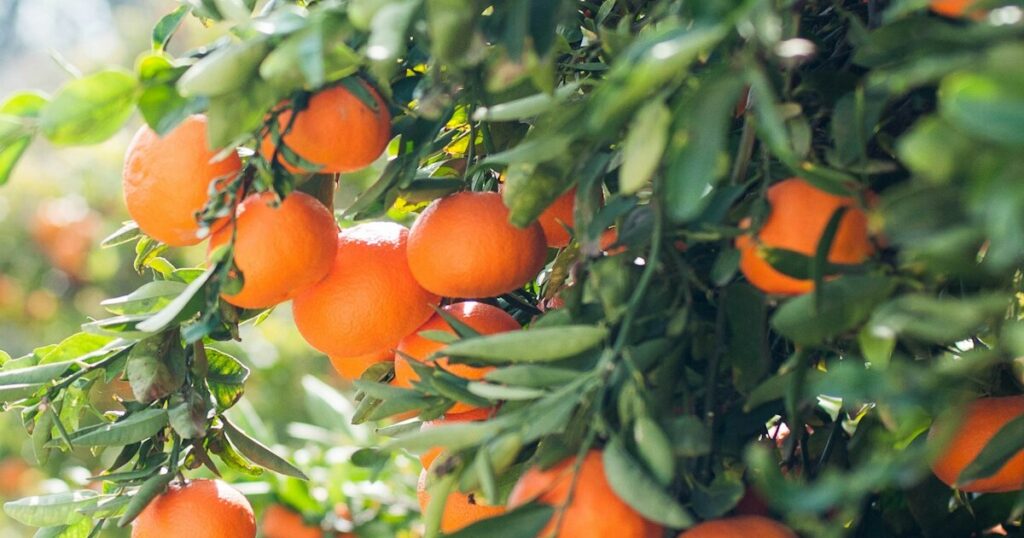
Small citrus trees like lemon, lime, and orange thrive in warm Mediterranean and subtropical climates but struggle in cooler temperatures. If you’ve been summering your potted citrus outdoors, bring them inside before September to avoid sudden cold stress, which can cause leaf drop and stunt fruit development.
Citrus blossoms outdoors are magnets for bees, but indoors you’ll need to hand-pollinate if you want fruit. These trees are not invasive in most climates, though they can naturalize in frost-free regions. Place them near the brightest window you have, and consider supplemental lighting to keep them happy through winter.
Orchids

Many orchids, especially Phalaenopsis varieties, originate from tropical Asia and the Pacific Islands, where they thrive in warm, humid environments. They can’t tolerate cold nights, so bringing them in before September protects their delicate blooms and prevents root damage.
While they don’t attract pollinators indoors the way they might in their native habitat, they still provide stunning, long-lasting flowers that brighten your space. Orchids aren’t invasive, but they do require careful watering—never let them sit in soggy conditions, and keep them in bright, indirect light.
Fuchsia

Fuchsia, native to Central and South America, is beloved for its pendulous, two-tone flowers that hummingbirds can’t resist. Unfortunately, it’s not frost-hardy, and even cool nights can slow its bloom production. Bringing it inside before September ensures you’ll enjoy its color a bit longer.
While it can be invasive in certain mild coastal climates, most gardeners grow it in containers to keep it manageable. Indoors, it will need bright light and regular pruning to keep it from getting leggy. Keep an eye out for whiteflies when transitioning it indoors, as they often hide on the undersides of leaves.
Croton
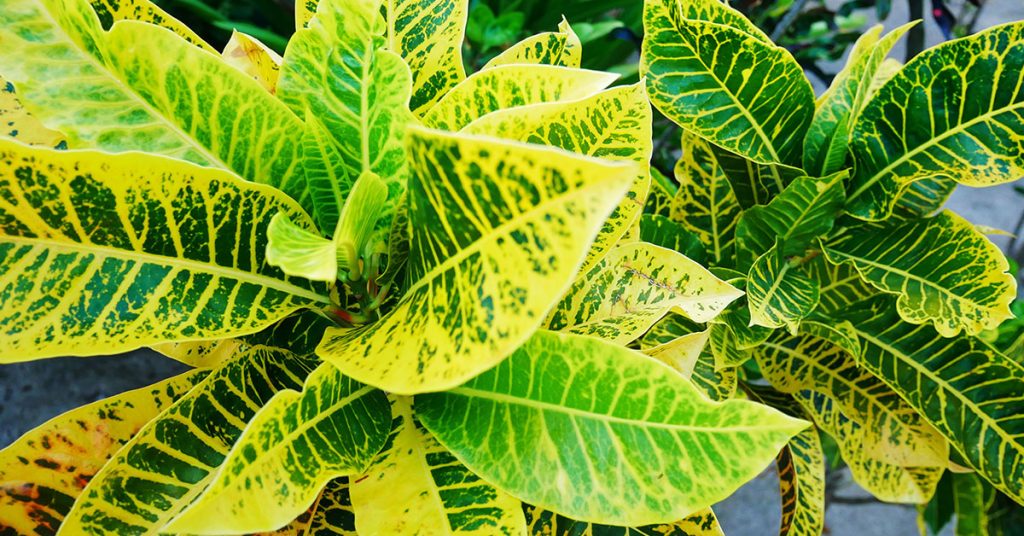
Croton, native to Southeast Asia and the Pacific Islands, is prized for its bold, multicolored leaves. This plant is extremely sensitive to temperature changes, dropping leaves even if it’s just a bit unhappy. Moving it inside before September prevents shock and helps it hold onto that spectacular foliage.
While croton isn’t invasive, it can be finicky about humidity. Outdoors, it provides shelter for small insects, but indoors it serves purely as a decorative plant. Keep it in a warm, bright spot, and mist regularly to maintain humidity.
Begonia
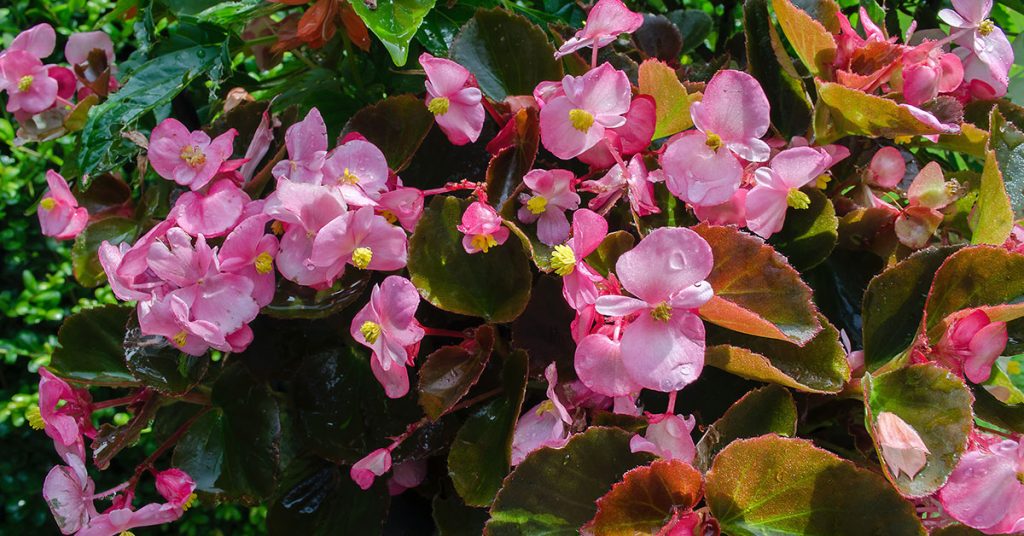
Begonias, originating from tropical and subtropical regions around the world, are versatile plants with showy flowers and attractive foliage. They wilt quickly when temperatures drop, so an early move indoors is essential for keeping them in bloom.
Begonias aren’t generally invasive, though some species can naturalize in frost-free climates. Indoors, they continue to flower if given bright light and proper humidity. Check for powdery mildew before bringing them inside, as it can spread rapidly in enclosed spaces.
Geranium
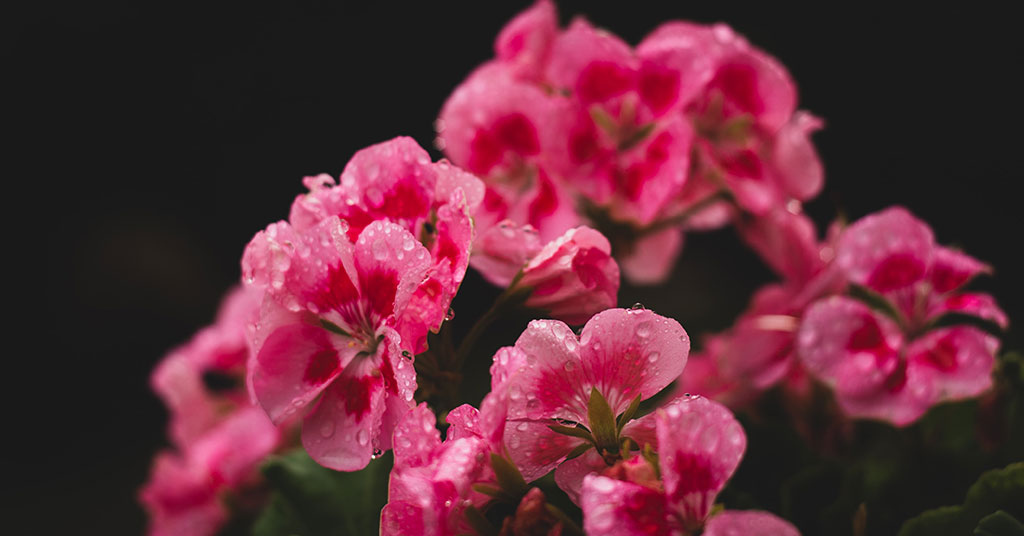
Geraniums, especially the zonal varieties, are native to South Africa and flourish in warm conditions. While they can handle brief cool spells, extended exposure to chilly nights will damage them. Bringing them in early keeps them blooming longer and allows you to overwinter them for next year.
Geraniums are not invasive in most climates, but in frost-free areas, they can spread. Indoors, they need a sunny window and occasional pruning. They may not attract pollinators inside, but they’ll still offer cheerful blooms through winter.
Spider Plant
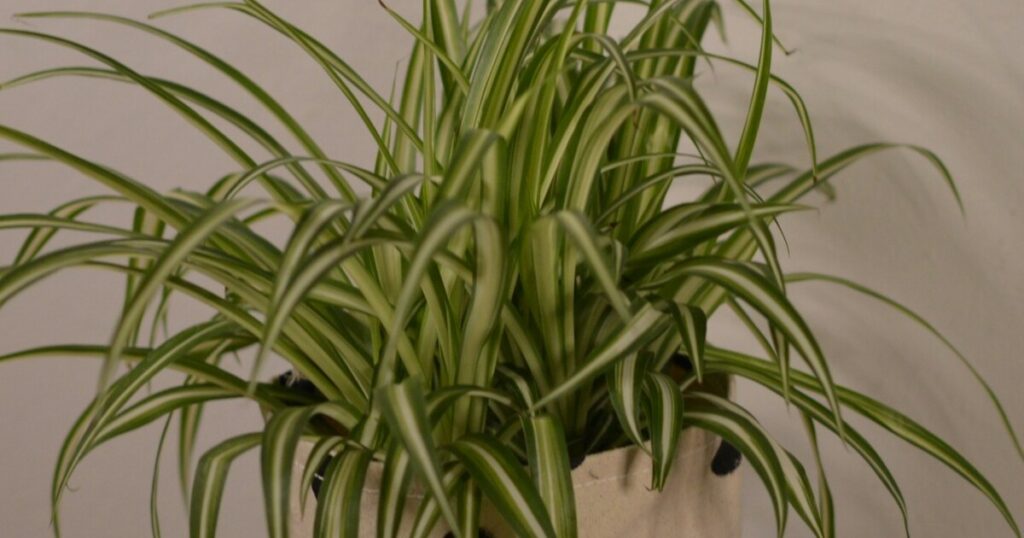
The spider plant, native to southern Africa, is a tough, adaptable houseplant that also enjoys a summer vacation outdoors. However, it can suffer in cooler weather, so bringing it in before September helps maintain its vigor and encourages it to produce more plantlets.
It’s not invasive in most regions, though it can spread quickly in warm climates. Indoors, spider plants don’t draw pollinators, but they do help clean the air and brighten a room with their arching leaves. Keep them in bright, indirect light for best results.
Jade Plant
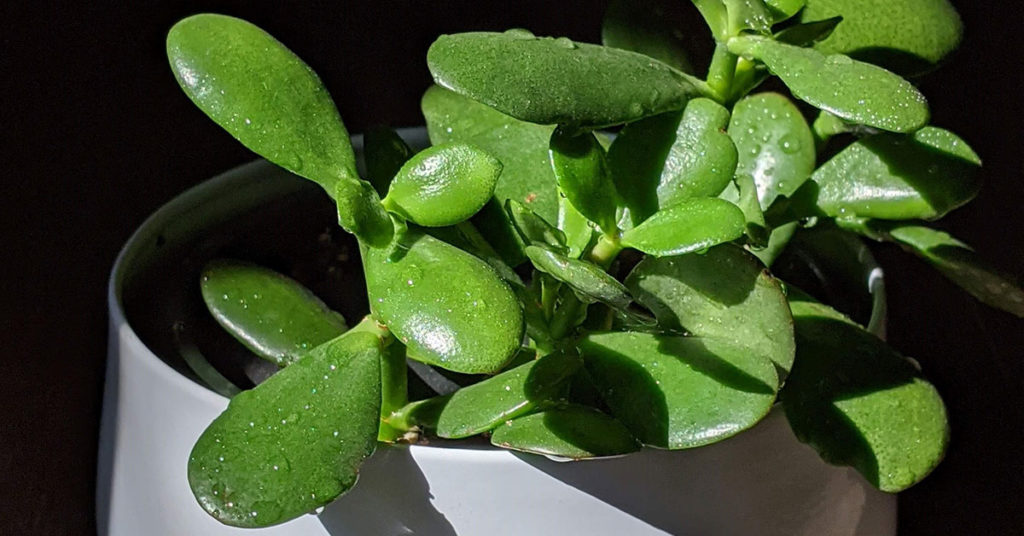
The jade plant, a succulent native to South Africa and Mozambique, loves warm, dry conditions. It can handle brief cool nights but will suffer if temperatures drop much below 50°F. Moving it indoors before September protects it from damage and keeps it growing steadily.
Jade plants aren’t invasive, but they can live for decades with proper care, becoming almost tree-like. Indoors, they need bright light and minimal watering. Check for mealybugs before bringing them in, as these pests can hide in leaf joints.