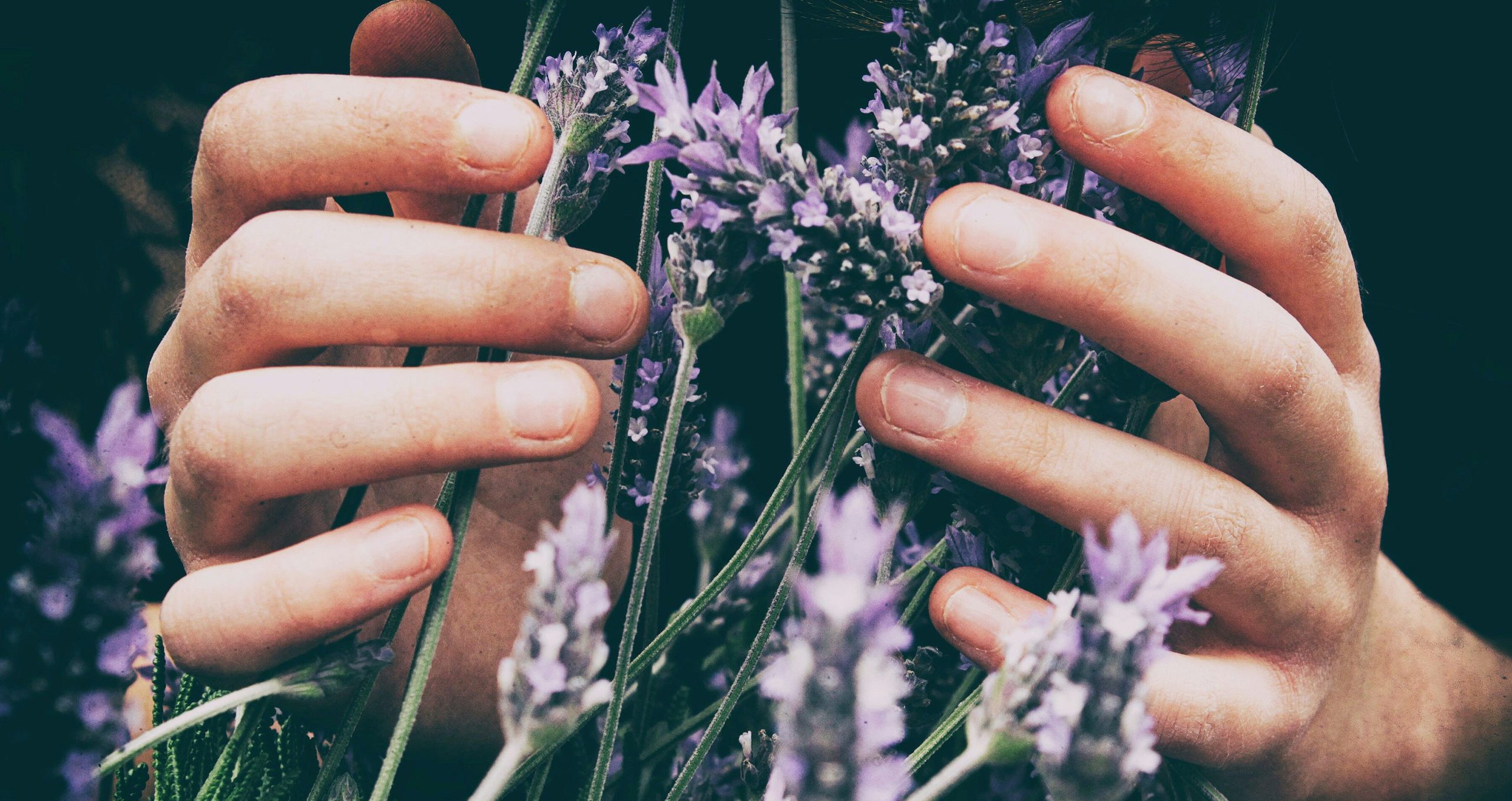

Plants have always held a profound place in spiritual traditions and practices across cultures. They are often seen as symbols of growth, healing, and connection to the divine. Many plants are believed to possess unique energies that can enhance spiritual experiences, provide protection, or bring peace and prosperity. This article explores 15 plants known for their powerful spiritual significance and provides insights on how to cultivate them in your own space.
Whether you’re looking to deepen your spiritual practice, create a sacred garden, or simply enjoy the beauty and benefits these plants offer, understanding their significance can enrich your connection to nature and the spiritual realm. Let’s delve into the mystical world of these spiritually significant plants and learn how to nurture them.
Sage (Salvia officinalis)
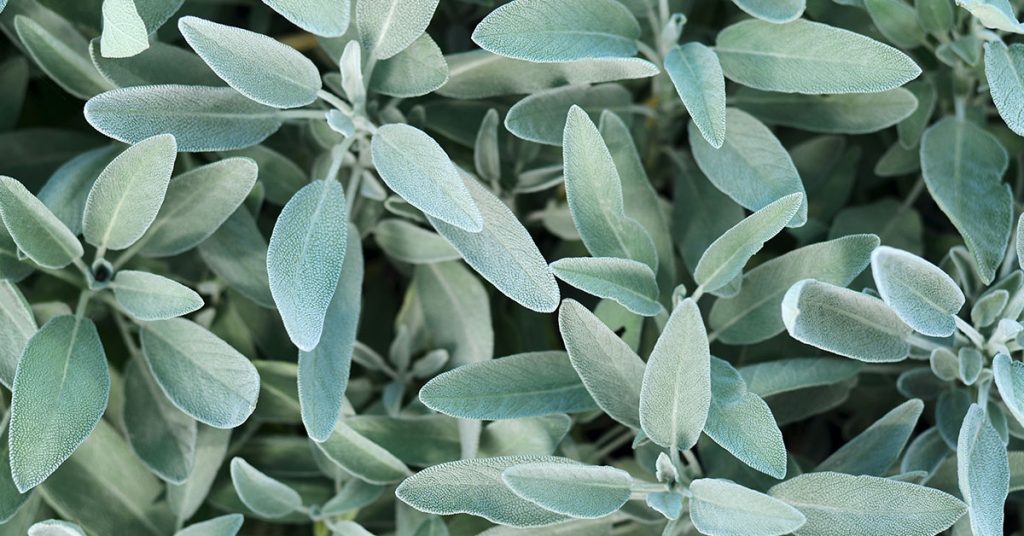
Sage is widely revered for its purifying properties and is often used in smudging rituals to cleanse spaces and people of negative energies. It is considered a powerful plant for protection and healing, helping to create a sacred atmosphere and promote clarity and wisdom.
To grow sage, plant it in well-drained soil and place it in a sunny spot. Sage is drought-tolerant and requires minimal watering once established. Regular pruning encourages bushier growth and prevents the plant from becoming woody. With its aromatic leaves and spiritual benefits, sage is a valuable addition to any garden.
Lavender (Lavandula)
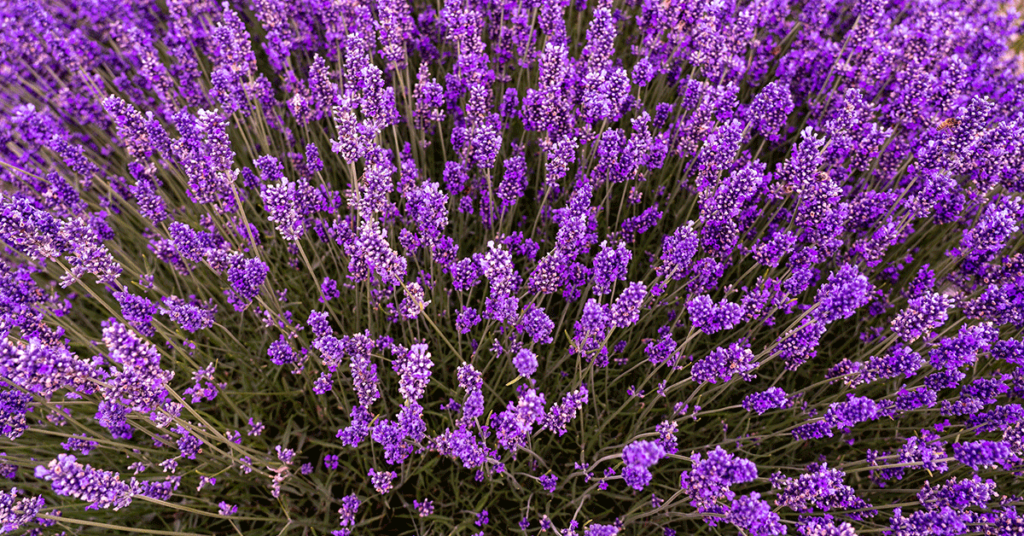
Lavender is cherished for its calming and soothing properties. Spiritually, it is associated with peace, relaxation, and purification. Lavender is often used in aromatherapy to reduce stress and promote a sense of tranquility and well-being.
Lavender thrives in full sun and well-drained soil. It is drought-tolerant once established and requires minimal watering. Pruning after blooming helps maintain its shape and encourages more growth. Lavender’s fragrant flowers and spiritual significance make it a beautiful and meaningful plant for any garden.
Basil (Ocimum basilicum)

Basil is considered a sacred plant in many cultures, symbolizing love, protection, and prosperity. It is often used in rituals to attract positive energy and ward off evil. Basil’s uplifting aroma is believed to enhance mood and promote a sense of joy and harmony.
Basil grows best in warm, sunny conditions with well-drained soil. It requires regular watering and benefits from being pinched back to encourage bushier growth. Growing basil indoors or in your garden can provide fresh leaves for culinary use and spiritual practices alike.
Rosemary (Rosmarinus officinalis)
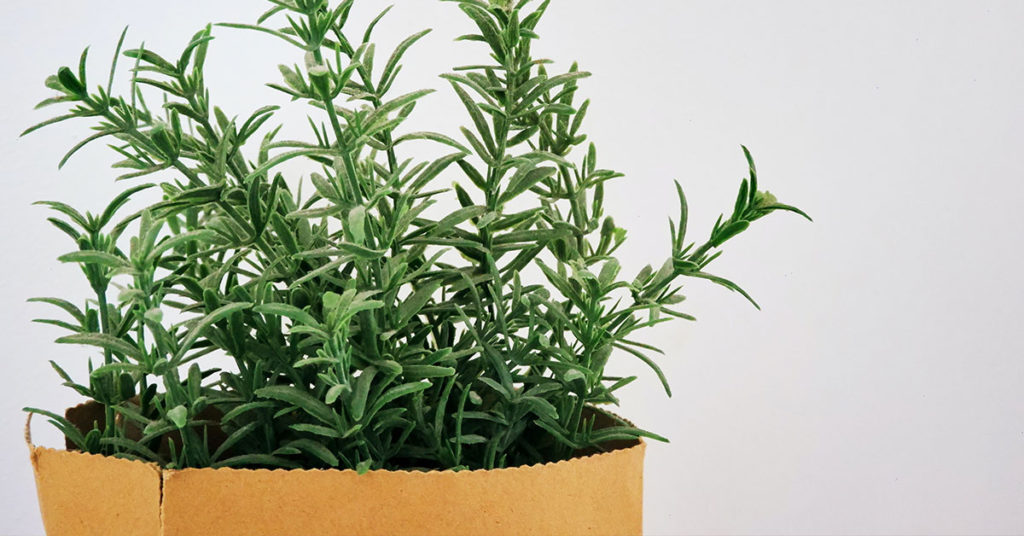
Rosemary is a powerful herb for memory and focus, often used in spiritual rituals to enhance mental clarity and protection. It is associated with remembrance, making it a common plant in memorials and ceremonies honoring ancestors.
Rosemary thrives in full sun and well-drained soil. It is drought-tolerant and requires minimal watering once established. Pruning encourages dense growth and prevents it from becoming leggy. Rosemary’s aromatic foliage and spiritual significance make it a valuable herb for both culinary and spiritual purposes.
Aloe Vera (Aloe barbadensis)
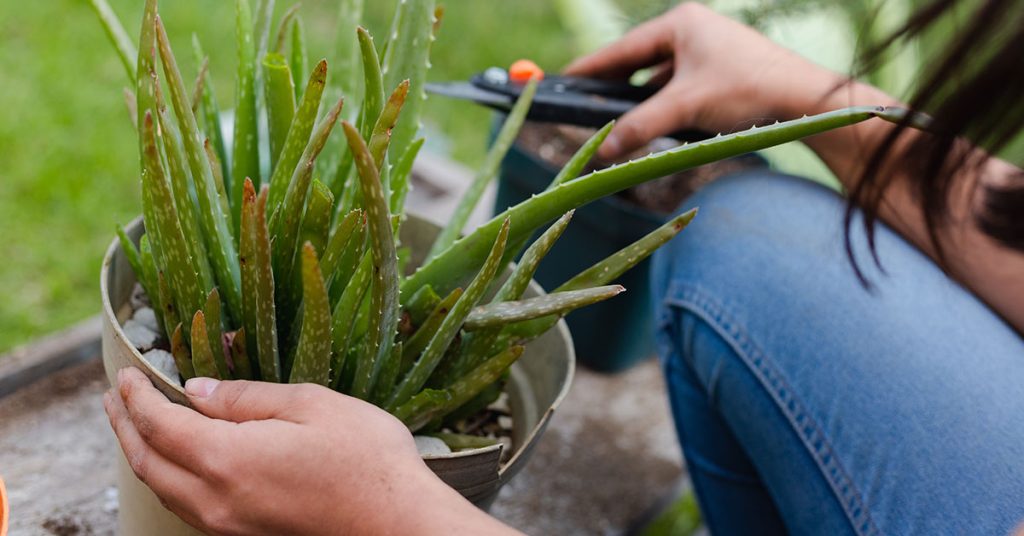
Aloe Vera is known for its healing properties and is often used in spiritual practices for its protective and purifying qualities. It is believed to absorb negative energies and promote physical and emotional healing.
Aloe Vera grows best in well-drained soil and bright, indirect light. It requires minimal watering, making it an ideal plant for beginners. Allow the soil to dry out between waterings to prevent root rot. Aloe Vera’s healing gel and spiritual significance make it a beneficial addition to any home.
Jasmine (Jasminum)

Jasmine is associated with love, sensuality, and spiritual awakening. Its fragrant flowers are often used in rituals and meditations to enhance intuition and spiritual insight. Jasmine’s sweet scent is believed to attract positive energy and promote a sense of inner peace.
Jasmine thrives in full sun to partial shade and well-drained soil. It requires regular watering and benefits from support structures if grown as a vine. Pruning helps maintain its shape and encourages more blooms. Jasmine’s enchanting fragrance and spiritual significance make it a delightful addition to any garden.
Tulsi (Ocimum tenuiflorum)
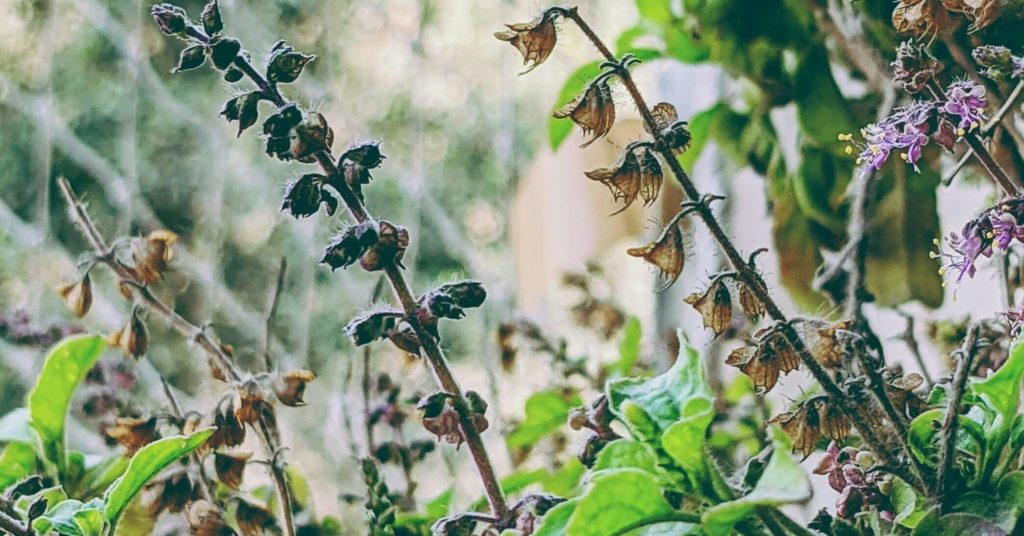
Tulsi, also known as Holy Basil, is revered in Hinduism and is considered a sacred plant. It is believed to promote spiritual purity, protection, and longevity. Tulsi is often grown near homes and temples to purify the air and surroundings.
Tulsi thrives in warm, sunny conditions with well-drained soil. It requires regular watering and benefits from being pinched back to encourage bushier growth. Growing Tulsi in your garden can provide fresh leaves for medicinal use and enhance your spiritual practices.
Lotus (Nelumbo nucifera)
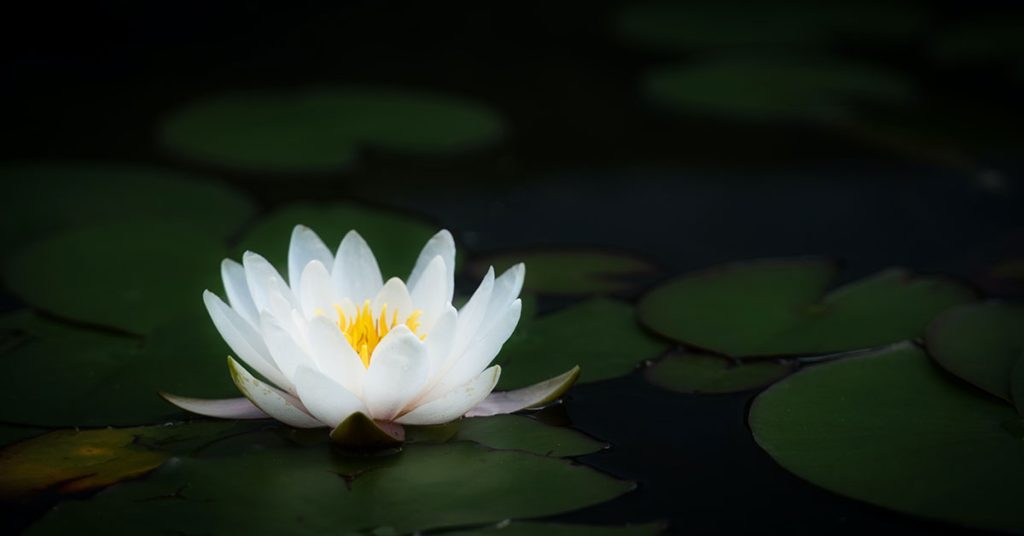
The lotus is a powerful symbol of purity, enlightenment, and rebirth in many spiritual traditions, especially in Buddhism and Hinduism. It is revered for its ability to bloom beautifully even in muddy waters, symbolizing spiritual awakening and the journey to enlightenment.
Lotus plants require a water garden or pond with full sun exposure. They grow best in still, shallow water and need a nutrient-rich substrate. The lotus’s exquisite blooms and profound spiritual significance make it a captivating and meaningful addition to any water garden.
Chamomile (Matricaria chamomilla)
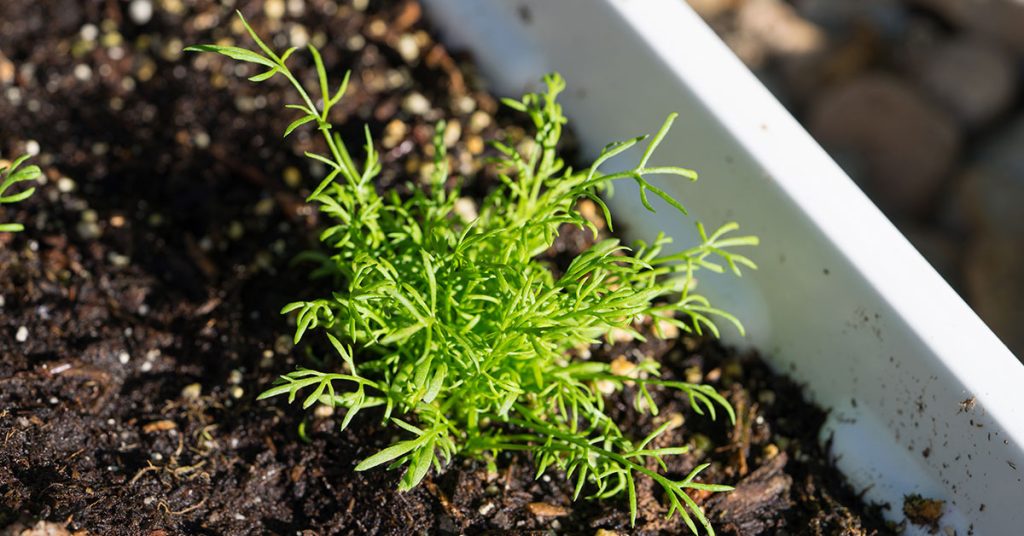
Chamomile is known for its calming properties and is often used in spiritual practices to promote peace and relaxation. It is believed to attract abundance and dispel negative energies, making it a valuable herb for creating a serene and harmonious environment.
Chamomile thrives in full sun and well-drained soil. It requires regular watering but can tolerate dry conditions once established. Harvest the flowers for tea or spiritual uses to enjoy the benefits of this gentle and soothing plant.
Peppermint (Mentha piperita)
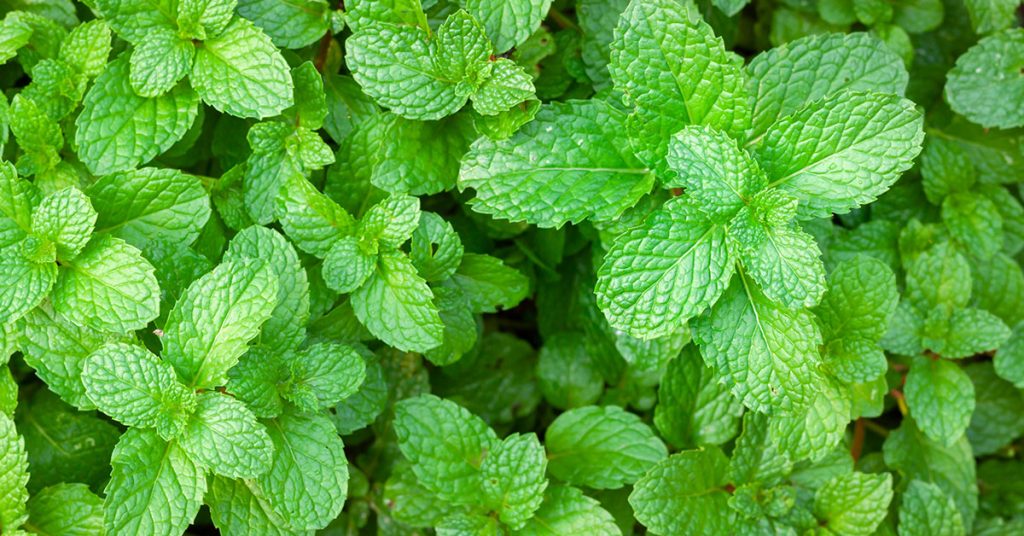
Peppermint is associated with purification, healing, and protection. Its invigorating scent is believed to cleanse spaces of negative energies and promote mental clarity and focus. Peppermint is often used in rituals and spells for these purposes.
Peppermint grows best in partial shade to full sun and well-drained soil. It requires regular watering and can spread rapidly, so consider growing it in containers to prevent it from overtaking your garden. The fresh, minty aroma and spiritual benefits of peppermint make it a versatile and meaningful herb.
Marigold (Tagetes)
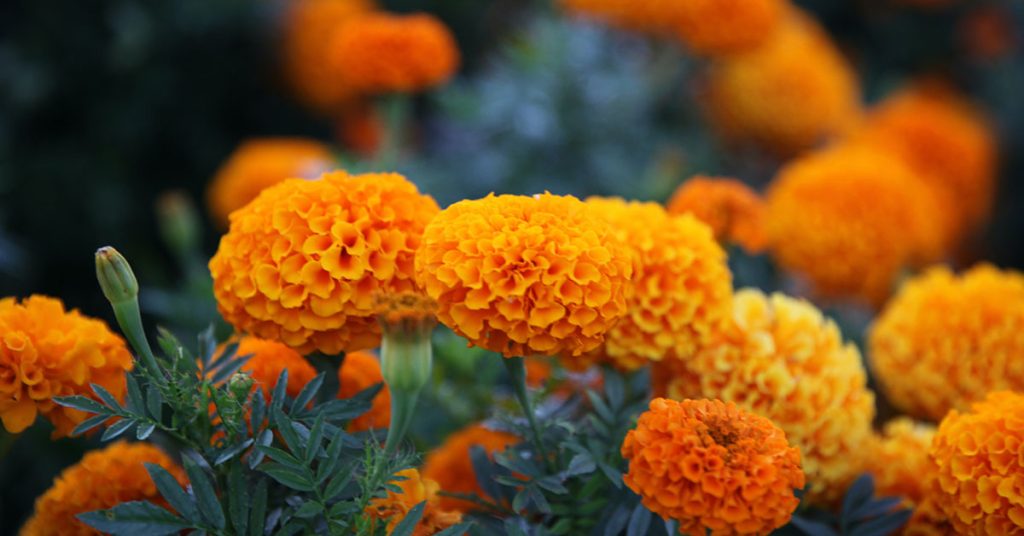
Marigolds are often used in spiritual ceremonies and offerings, symbolizing the sun, warmth, and positive energy. They are believed to attract good spirits and repel negative ones, making them a popular choice for altars and sacred spaces.
Marigolds thrive in full sun and well-drained soil. They require regular watering and benefit from deadheading to encourage continuous blooming. Their vibrant flowers and spiritual significance make marigolds a cheerful and protective addition to any garden.
Dandelion (Taraxacum officinale)
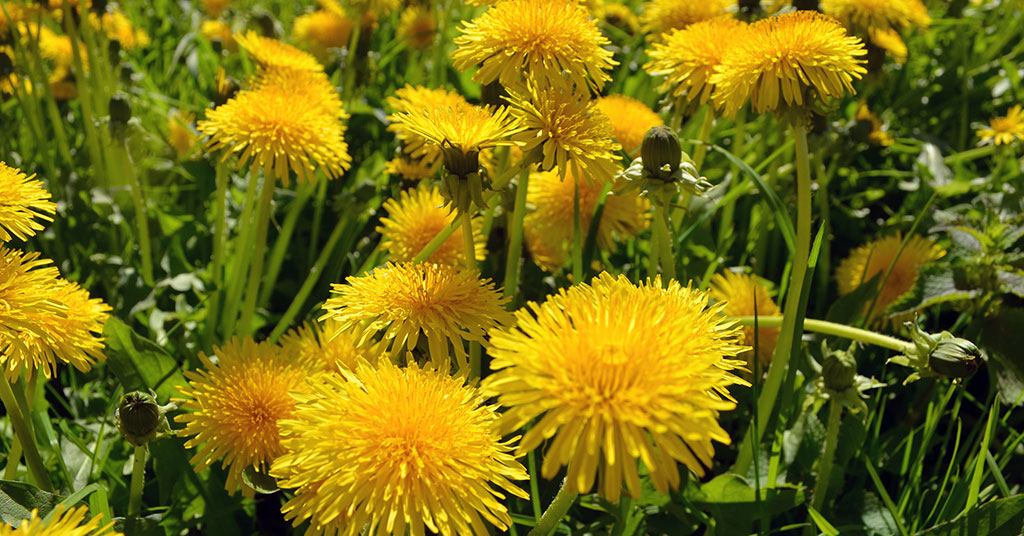
Dandelions are symbols of resilience and transformation, often used in spiritual practices for wishes, divination, and grounding. They are believed to bring positive change and new beginnings, making them a powerful plant for personal growth.
Dandelions grow best in full sun and a variety of soil conditions. They require minimal care and can thrive in both cultivated gardens and wild spaces. The bright yellow flowers and deep-rooted significance of dandelions make them a meaningful and accessible plant for spiritual practices.
Eucalyptus (Eucalyptus globulus)
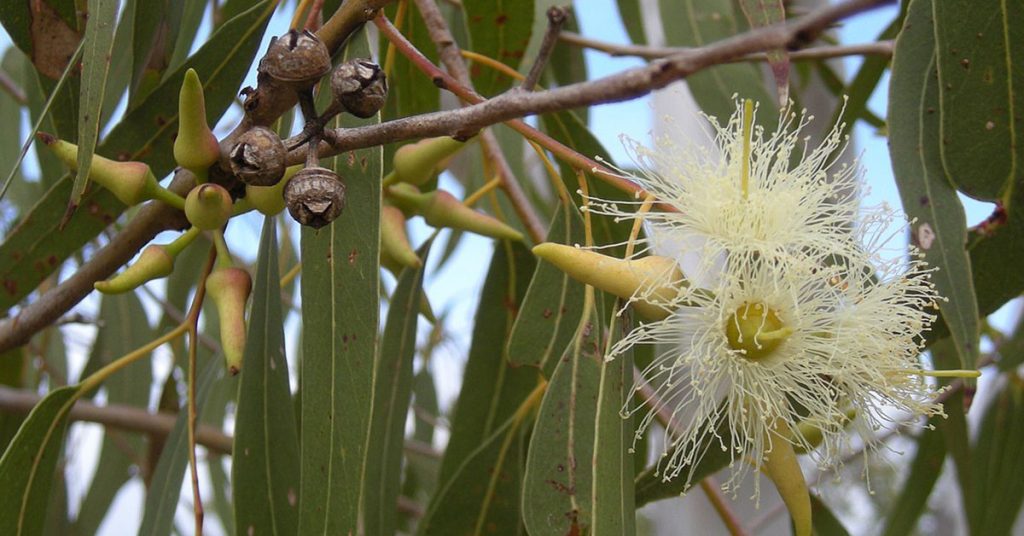
Eucalyptus is known for its purifying and healing properties. Its aromatic leaves are often used in spiritual practices to cleanse spaces, promote well-being, and enhance mental clarity. Eucalyptus is also associated with protection and spiritual strength.
Eucalyptus trees thrive in full sun and well-drained soil. They require minimal watering once established and can grow quite tall, making them suitable for larger gardens. The refreshing scent and spiritual benefits of eucalyptus make it a valuable plant for both medicinal and spiritual purposes.
Rose (Rosa)

Roses are universally associated with love, beauty, and spiritual wisdom. They are often used in rituals and meditations to open the heart, promote healing, and attract positive energy. Each color of rose carries its own specific spiritual symbolism, adding depth to their significance.
Roses thrive in full sun and well-drained soil. They require regular watering and feeding, as well as pruning to maintain their shape and encourage blooming. The timeless beauty and profound spiritual significance of roses make them a cherished addition to any garden.
Bay Laurel (Laurus nobilis)
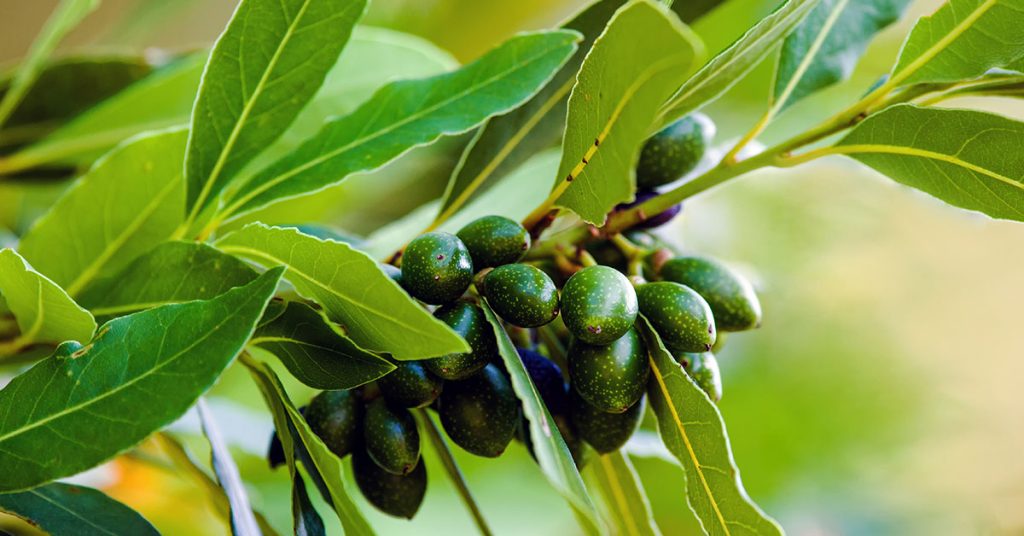
Bay Laurel is associated with wisdom, protection, and victory. In ancient times, it was used to crown victorious athletes and warriors. Spiritually, bay leaves are believed to enhance psychic abilities and provide protection against negative energies.
Bay Laurel thrives in full sun to partial shade and well-drained soil. It requires regular watering but can tolerate some drought once established. Pruning helps maintain its shape and encourages new growth. The aromatic leaves and spiritual significance of bay laurel make it a valuable plant for both culinary and spiritual uses.
By incorporating these 15 spiritually significant plants into your garden or home, you can create a space that not only enhances your spiritual practice but also brings beauty and positive energy into your life. Each plant offers unique benefits and connections to the spiritual realm, enriching your environment and your soul.