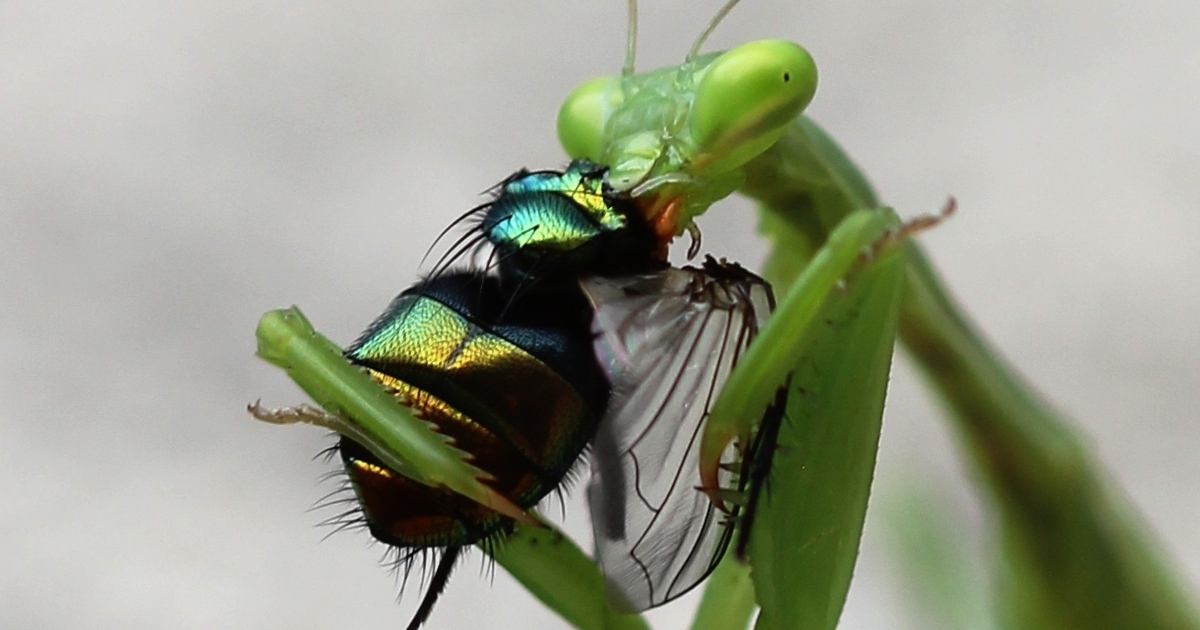

Flies can be a nuisance, especially during the warmer months when you want to enjoy your outdoor space. Fortunately, nature provides some effective solutions. Certain plants can repel flies, and some even have the ability to consume these pesky insects. Incorporating these plants into your garden or indoor space can help create a more comfortable, fly-free environment.
In this article, we’ll explore 15 plants that either repel or eat flies. These plants not only offer practical benefits but also add beauty and fragrance to your surroundings. Let’s dive into the details and discover how these plants can enhance your garden and keep those flies at bay!
Venus Flytrap (Dionaea muscipula)
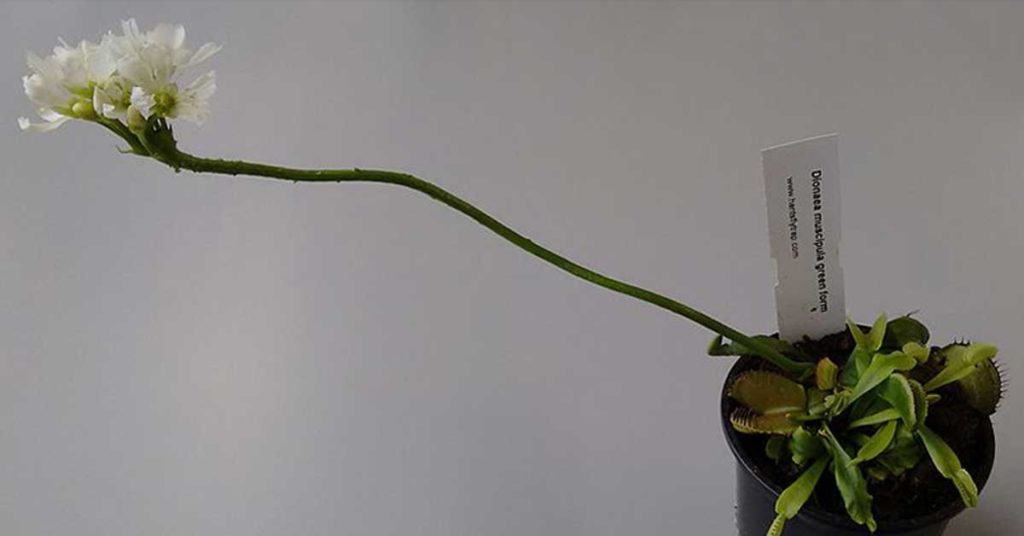
The Venus flytrap is one of the most famous carnivorous plants, native to the subtropical wetlands of the East Coast of the United States. This fascinating plant has specialized leaves that snap shut when trigger hairs are touched, trapping and digesting flies and other small insects. Venus flytraps require full sun and high humidity, making them perfect for a sunny windowsill or terrarium.
Growing a Venus flytrap can be a fun and educational experience! It’s important to use distilled water or rainwater, as they are sensitive to the minerals found in tap water. The plant should be kept in a soil mix that mimics its natural habitat, such as a blend of sphagnum peat moss and perlite. With proper care, a Venus flytrap can thrive indoors, helping to reduce the number of flies in your home.
Lavender (Lavandula angustifolia)
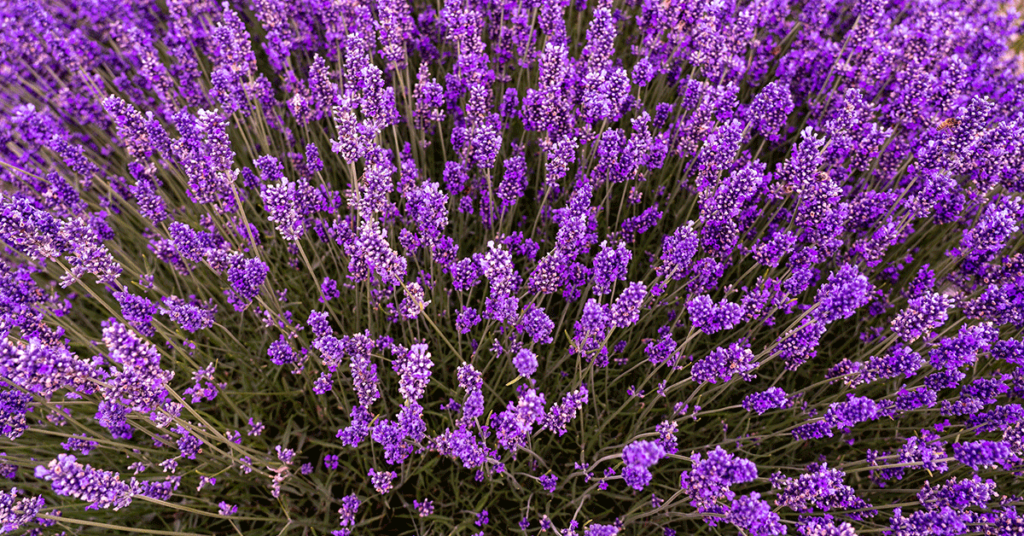
Lavender, native to the Mediterranean region, is renowned for its beautiful purple flowers and calming fragrance. This perennial herb is not only a lovely addition to any garden but also an effective fly repellent. The strong scent of lavender deters flies, making it an excellent choice for planting near patios, doorways, or windows.
Lavender thrives in full sun and well-drained soil. It’s drought-tolerant once established, making it a low-maintenance option for gardeners. In addition to repelling flies, lavender attracts pollinators like bees and butterflies. Its fragrant flowers can be used in sachets, oils, and culinary dishes, adding both beauty and functionality to your garden.
Basil (Ocimum basilicum)

Basil is a versatile herb native to tropical regions of Central Africa and Southeast Asia. It’s well-known for its culinary uses, but it also acts as a natural fly repellent. The strong aroma of basil deters flies and other pests, making it a great addition to your indoor or outdoor herb garden.
Basil thrives in full sun and well-drained soil. Regular harvesting of the leaves encourages bushier growth and more robust plants. You can place basil pots on windowsills or around outdoor seating areas to keep flies at bay. Fresh basil leaves can be used in a variety of dishes, from salads and pastas to homemade pestos, adding both flavor and functionality to your home.
Marigold (Tagetes)
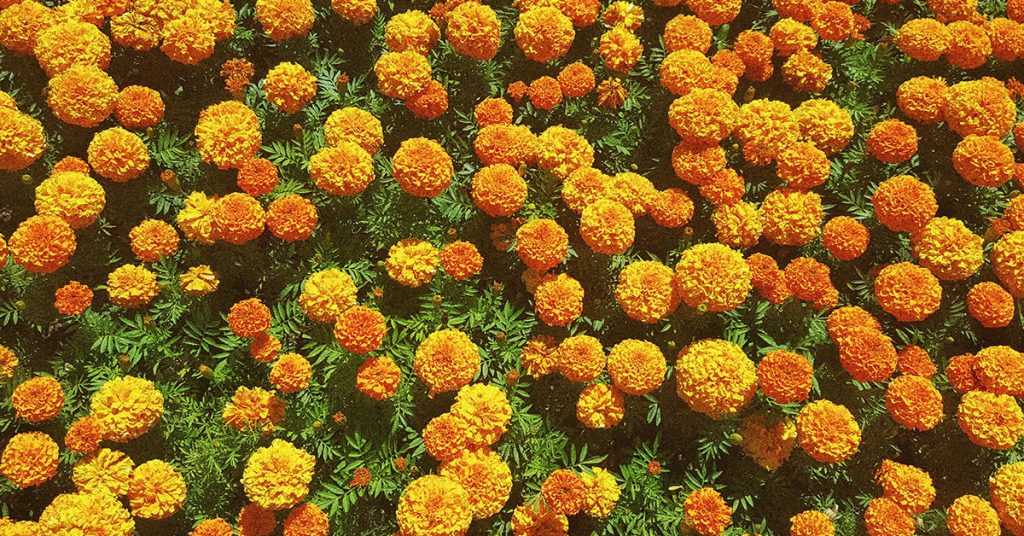
Marigolds, native to Mexico and Central America, are bright, cheerful flowers that add a splash of color to any garden. These annual plants are not only visually appealing but also effective at repelling flies. The strong scent of marigolds is known to deter flies, mosquitoes, and other pests.
Marigolds thrive in full sun and well-drained soil, making them easy to grow in a variety of conditions. They can be planted in garden beds, containers, or around the perimeter of your outdoor space. In addition to their pest-repelling properties, marigolds attract beneficial insects like ladybugs and hoverflies, which can help control other garden pests. Their vibrant flowers also make excellent cut flowers for indoor arrangements.
Mint (Mentha spp.)
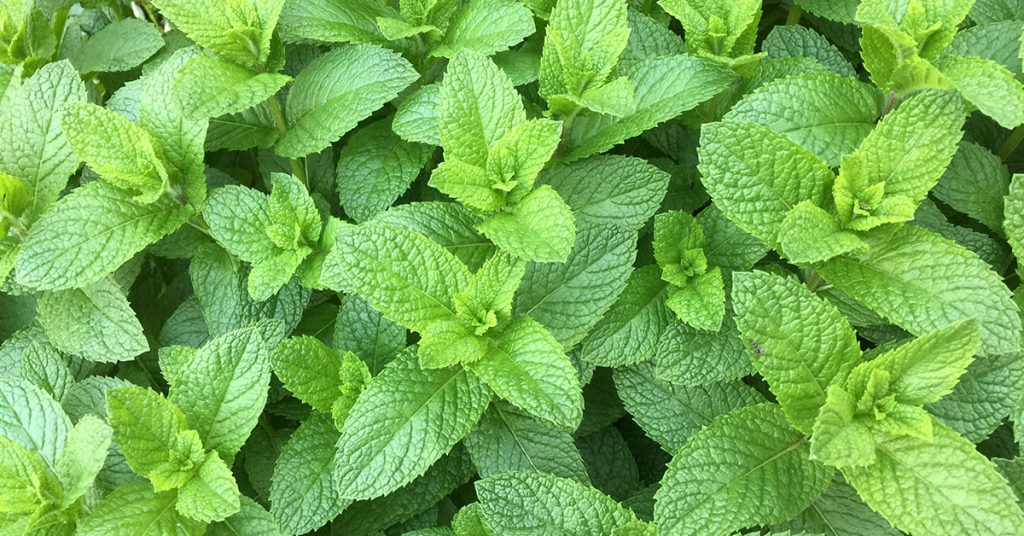
Mint, native to Europe and Asia, is a robust herb known for its refreshing aroma and ability to repel flies and other pests. The strong scent of mint deters flies, making it an excellent choice for planting near windows, doorways, and outdoor seating areas. However, mint can be invasive, so it’s best to grow it in containers to prevent it from spreading uncontrollably.
Mint thrives in partial sunlight and moist, well-drained soil. Regular pruning keeps the plant bushy and productive. Mint leaves can be used in a variety of culinary applications, from teas and desserts to savory dishes. Additionally, mint leaves can be crushed and rubbed on the skin as a natural insect repellent, making it a versatile and practical herb for any garden.
Citronella (Cymbopogon nardus)

Citronella, a grass native to tropical Asia, is famous for its mosquito-repelling properties, but it also effectively repels flies. The strong lemony scent of citronella is unpleasant to many insects, making it a popular choice for outdoor gardens and patios. Citronella plants can be grown in containers or garden beds to help keep flies and mosquitoes at bay.
Citronella thrives in full sun and well-drained soil. It’s relatively easy to care for and can grow quite large, making it a striking addition to your garden. The leaves can be crushed to release their oils, which can be applied to the skin as a natural insect repellent. Citronella is also a common ingredient in candles and sprays designed to repel insects, adding both beauty and functionality to your outdoor space.
Rosemary (Salvia rosmarinus)
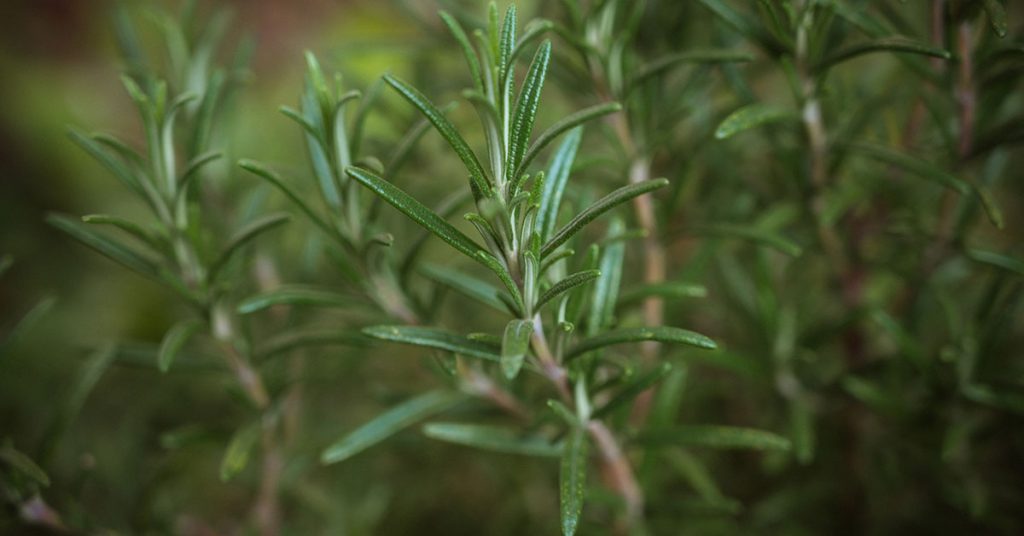
Rosemary, native to the Mediterranean region, is a hardy perennial herb known for its aromatic foliage and pest-repelling properties. The strong scent of rosemary deters flies, mosquitoes, and other insects, making it an excellent addition to your garden or indoor space. Rosemary can be grown in containers or garden beds, and it thrives in full sun and well-drained soil.
One of the delightful aspects of rosemary is its culinary versatility. Its needle-like leaves add a wonderful flavor to roasted meats, vegetables, and breads. Regular pruning keeps the plant bushy and encourages new growth. Rosemary also attracts pollinators like bees and butterflies, enhancing the overall health and diversity of your garden. Plus, its evergreen nature provides year-round greenery and fragrance.
Eucalyptus (Eucalyptus spp.)
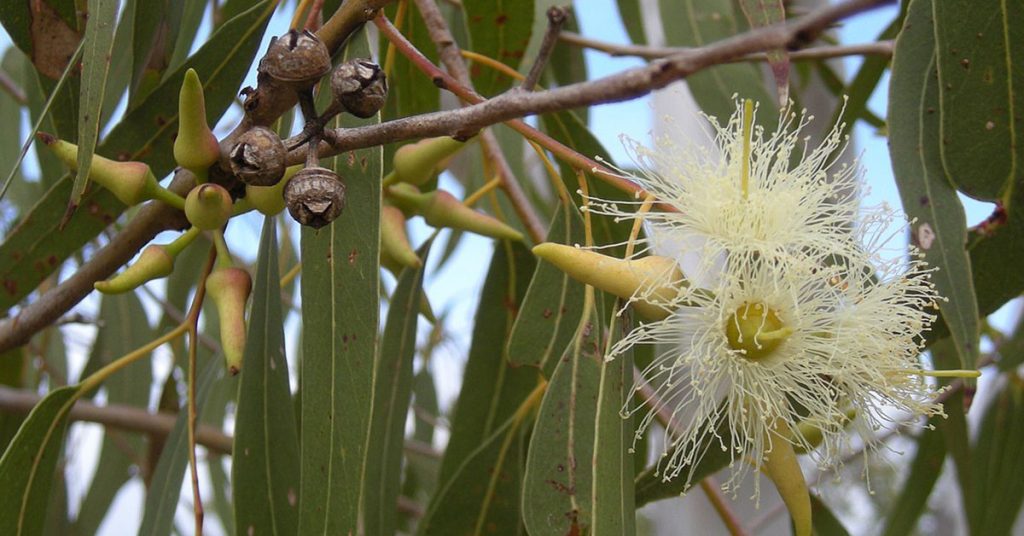
Eucalyptus, native to Australia, is known for its aromatic leaves and essential oils that repel flies and other pests. The strong scent of eucalyptus deters flies, making it an excellent plant to grow near windows, doors, or outdoor seating areas. Eucalyptus can be grown in pots or garden beds, and it thrives in full sun and well-drained soil.
Eucalyptus leaves can be dried and used in sachets or as natural air fresheners, adding a pleasant aroma to your home. The essential oils extracted from eucalyptus leaves are also used in a variety of products designed to repel insects. Eucalyptus plants are relatively low-maintenance and can grow quite large, providing shade and visual interest to your garden.
Lemongrass (Cymbopogon citratus)
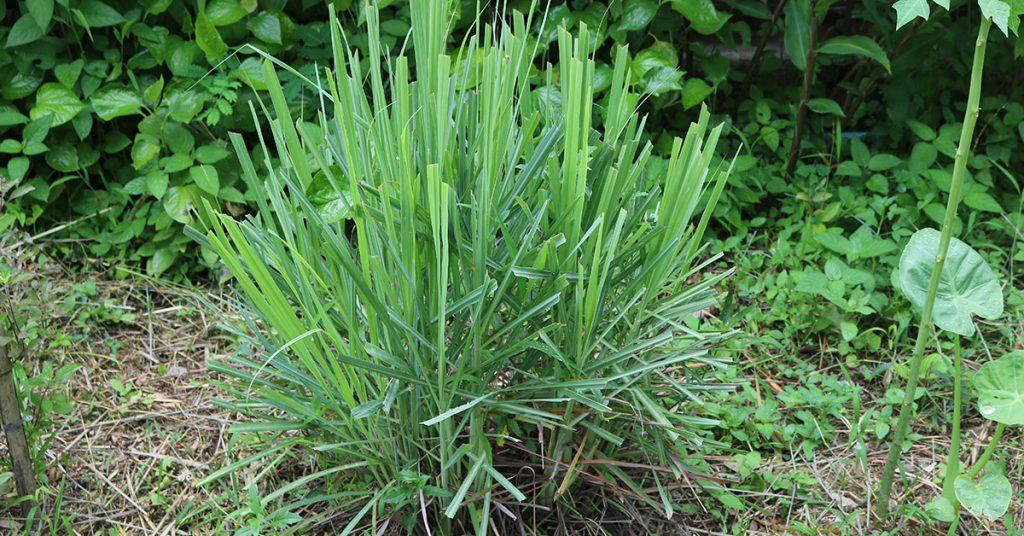
Lemongrass, native to tropical regions of Asia, is a fragrant herb known for its lemony scent and culinary uses. It’s also an effective fly repellent, as its strong aroma deters flies and other pests. Lemongrass can be grown in containers or garden beds, and it thrives in full sun and well-drained soil.
Lemongrass is a versatile herb that can be used in teas, soups, and a variety of dishes, adding a fresh, citrusy flavor. The plant’s tall, grassy leaves add a striking visual element to your garden. Regular pruning encourages bushier growth and prevents the plant from becoming too leggy. Lemongrass is also a common ingredient in natural insect repellent products, making it a practical and attractive addition to any garden.
Petunias (Petunia spp.)
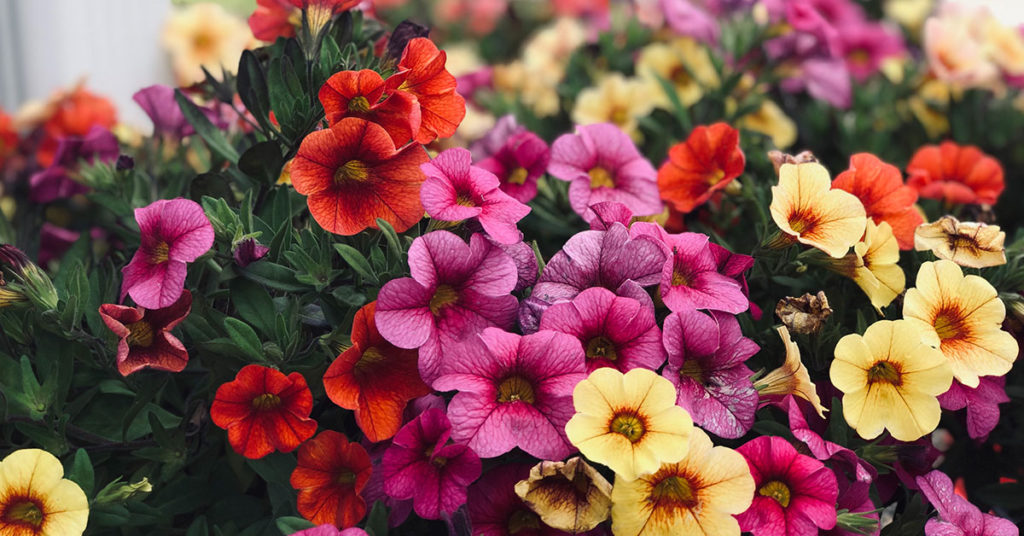
Petunias, native to South America, are popular garden flowers known for their vibrant colors and ability to repel flies and other pests. The scent of petunias deters flies, making them an excellent choice for planting around outdoor seating areas or near windows and doors. Petunias thrive in full sun and well-drained soil and can be grown in containers, hanging baskets, or garden beds.
One of the wonderful aspects of petunias is their wide range of colors and varieties, allowing you to create stunning floral displays. They attract pollinators like bees and butterflies, enhancing the overall health and diversity of your garden. Regular deadheading encourages more blooms and keeps the plants looking tidy. Petunias are relatively low-maintenance and add a splash of color and fragrance to any outdoor space.
Pitcher Plant (Sarracenia spp.)

Pitcher plants, native to North America, are fascinating carnivorous plants that attract and consume flies and other insects. These plants have tubular leaves that form a “pitcher,” filled with digestive enzymes that break down trapped insects. Pitcher plants thrive in bright, indirect light and high humidity, making them perfect for terrariums or indoor gardens.
Growing pitcher plants can be a fun and educational experience! They prefer a soil mix that mimics their natural habitat, such as a blend of sphagnum peat moss and perlite. Use distilled water or rainwater, as they are sensitive to the minerals found in tap water. With proper care, pitcher plants can thrive indoors, helping to reduce the number of flies in your home.
Tansy (Tanacetum vulgare)
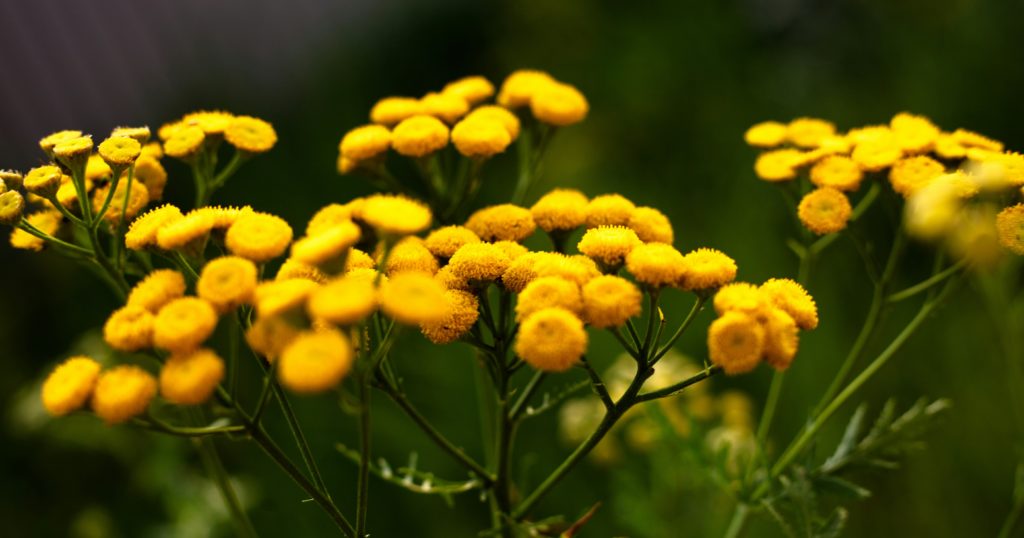
Tansy, native to Europe and Asia, is a hardy perennial herb known for its bright yellow flowers and pest-repelling properties. The strong scent of tansy deters flies, making it an excellent plant to grow near doorways, windows, or garden beds. Tansy thrives in full sun and well-drained soil, and it can grow quite tall, adding visual interest to your garden.
In addition to repelling flies, tansy attracts beneficial insects like ladybugs and parasitic wasps, which can help control other garden pests. However, tansy can be invasive, so it’s important to manage its growth and prevent it from spreading uncontrollably. The flowers can be dried and used in sachets or potpourris, adding a pleasant fragrance to your home. Tansy is a practical and attractive addition to any garden.
Bay Laurel (Laurus nobilis)
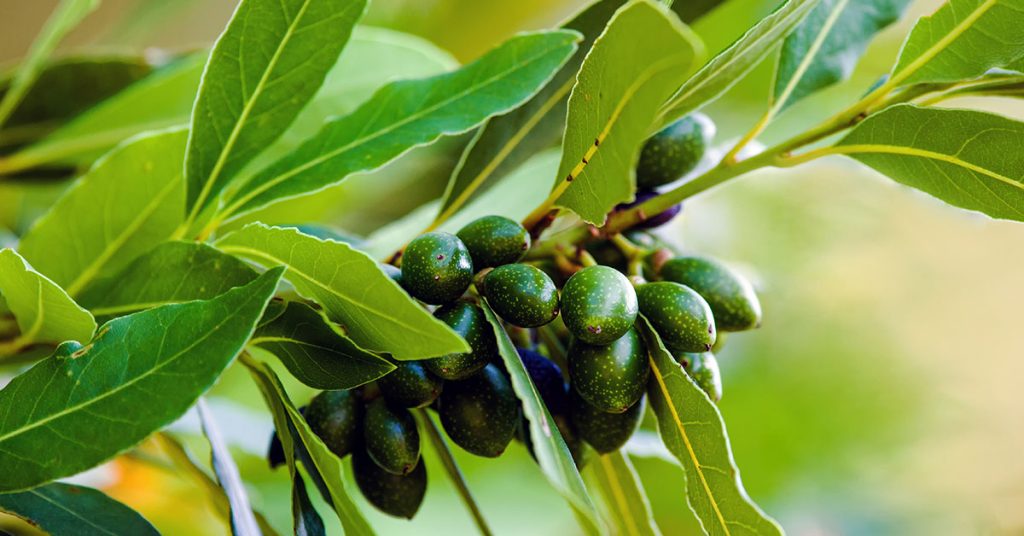
Bay laurel, native to the Mediterranean region, is a hardy evergreen shrub known for its aromatic leaves and pest-repelling properties. The strong scent of bay laurel deters flies, making it an excellent plant to grow near windows, doors, or outdoor seating areas. Bay laurel thrives in full sun to partial shade and well-drained soil.
Bay laurel leaves are commonly used in cooking to add flavor to soups, stews, and sauces. The plant’s glossy, dark green leaves add a touch of elegance to your garden or indoor space. Regular pruning keeps the plant bushy and encourages new growth. Bay laurel can be grown in containers or garden beds and is relatively low-maintenance, making it a practical and attractive addition to any garden.
Catnip (Nepeta cataria)
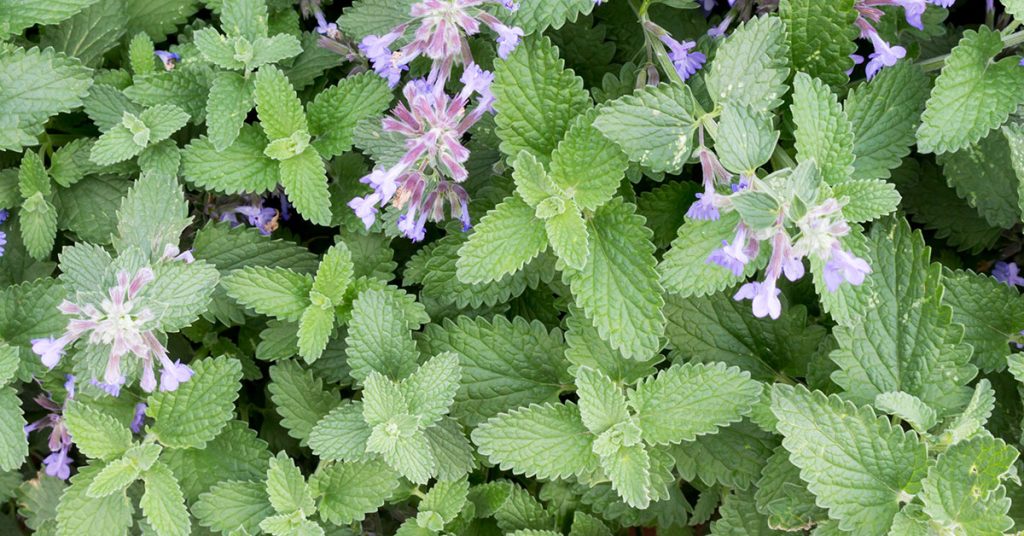
Catnip, native to Europe and Asia, is a perennial herb known for its aromatic leaves and ability to repel flies and other pests. The strong scent of catnip deters flies, making it an excellent plant to grow near windows, doors, or outdoor seating areas. Catnip thrives in full sun to partial shade and well-drained soil.
Catnip is also well-known for its effect on cats, providing them with hours of entertainment. The leaves can be used to make teas or as a natural insect repellent. Regular pruning encourages bushier growth and prevents the plant from becoming too leggy. Catnip is relatively low-maintenance and can be grown in containers or garden beds, making it a practical and attractive addition to any garden.
Pennyroyal (Mentha pulegium)
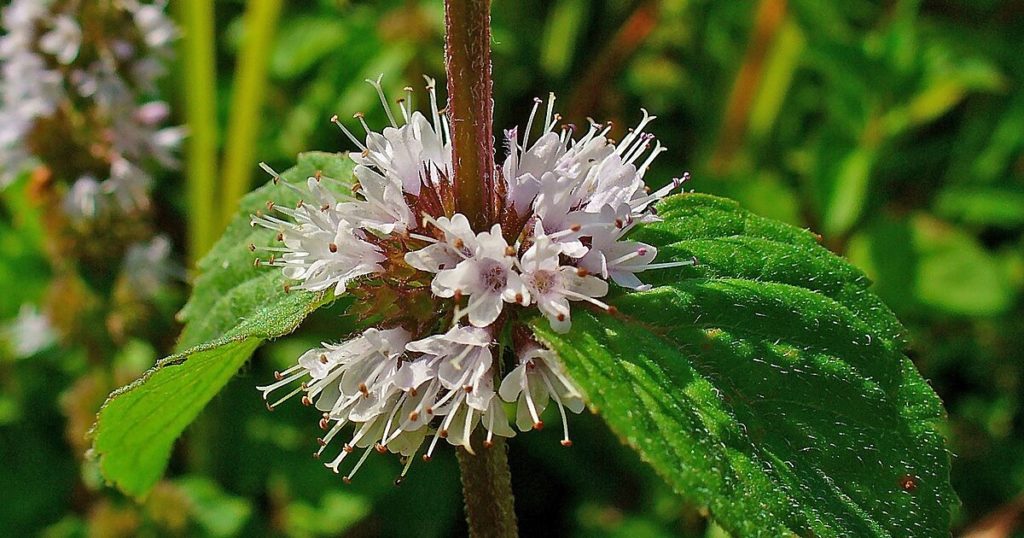
Pennyroyal, native to Europe and the Middle East, is a perennial herb known for its strong minty scent and pest-repelling properties. The aroma of pennyroyal deters flies, making it an excellent plant to grow near doorways, windows, or garden beds. Pennyroyal thrives in full sun to partial shade and well-drained soil.
Pennyroyal can be invasive, so it’s best to grow it in containers to prevent it from spreading uncontrollably. The leaves can be used to make teas or as a natural insect repellent. However, pennyroyal should be used with caution, as it can be toxic if ingested in large quantities. Regular pruning keeps the plant bushy and encourages new growth. Pennyroyal is a practical and attractive addition to any garden.