
There’s nothing more satisfying than crafting a garden oasis where nature itself creates a living, breathing barrier for your outdoor space. As someone who has spent countless hours experimenting with different landscape designs, I understand the frustration of trying to balance aesthetic appeal with practical privacy. It’s such a bummer when your favorite space feels exposed, or when you struggle with noisy neighbors and nosy passersby. That’s why I’m excited to share 15 incredible plants that naturally form lush privacy screens, giving you a serene retreat right in your own backyard!
Over time, I’ve learned that the magic of a natural privacy screen isn’t just about blocking unwanted views—it’s about transforming your garden into a vibrant ecosystem. These plants not only serve as beautiful living walls but also attract beneficial insects, offer nesting spots for local birds, and even enrich the soil. In this article, I’ll walk you through each botanical gem, discussing where they’re native, whether they’re considered invasive, and the distinctive traits that make them perfect for creating a secure, private haven. Let’s dive in and explore these green wonders together!
Clumping Bamboo (Bambusa multiplex)
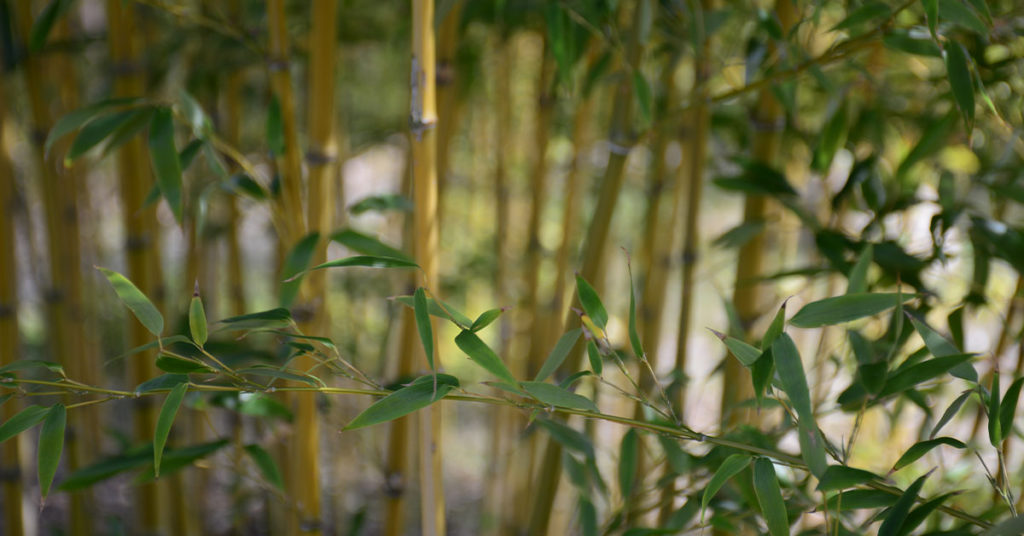
Clumping Bamboo is a fantastic choice for a natural privacy screen, known for its dense, upright growth and graceful foliage. Native to various parts of Asia, this non-invasive bamboo variety grows in a tight clump, making it ideal for gardeners who want all the beauty of bamboo without the worry of runaway shoots. Its vertical canes create a striking backdrop that adds both texture and a sense of modern elegance to your landscape.
In my garden, Clumping Bamboo creates an enchanting green curtain that attracts a variety of beneficial insects, including native bees and butterflies. I’ve often noticed that its dense thickets provide a safe haven for small birds seeking a quiet nesting spot. The natural rhythm of its growth and the soothing rustle of the leaves in the breeze make it not just a screen, but a living, vibrant work of art that enhances privacy and serenity!
Leyland Cypress (Cupressocyparis leylandii)

Leyland Cypress is renowned for its rapid growth and impressive height, making it a popular choice for creating tall, dense hedges. Originally from a hybrid of Mediterranean and North American species, this evergreen stands out as a robust and non-invasive option when properly maintained. Its compact, needle-like foliage forms a nearly impenetrable barrier that offers year-round privacy and wind protection.
In my own experience, Leyland Cypress transforms a lackluster fence into a magnificent living wall that attracts a range of small pollinators. I particularly enjoy how its lush greenery can sometimes provide a cozy nesting area for local songbirds in early spring! With its fast growth and striking appearance, Leyland Cypress is a practical yet beautiful solution for anyone seeking a natural way to secure their outdoor space.
Thuja Green Giant (Arborvitae)
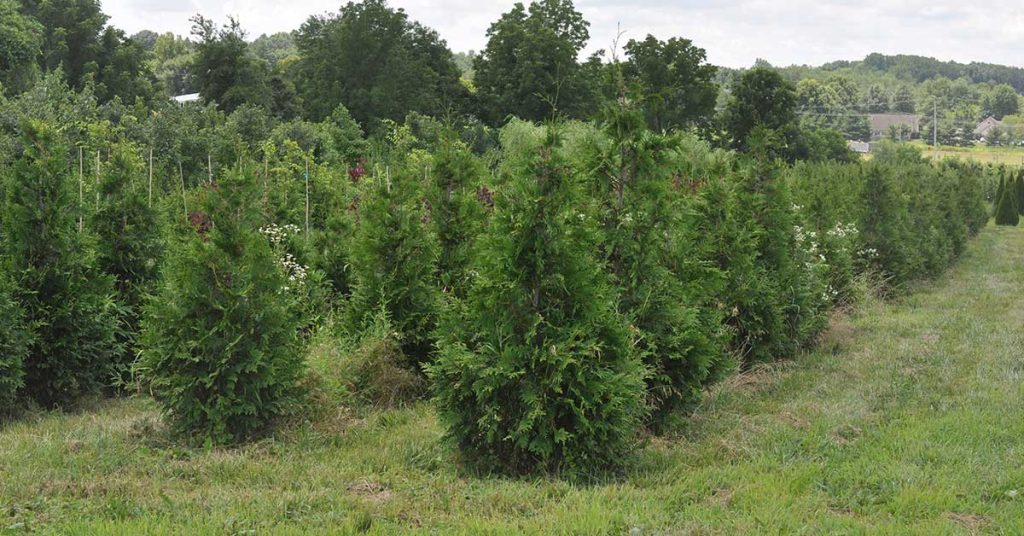
Thuja Green Giant is a true garden powerhouse, offering robust, fast-growing greenery that instantly transforms any space into a private retreat. Native to North America, this hybrid Arborvitae is praised for its exceptional density, making it perfect for establishing tall, effective privacy screens without the threat of invasiveness. Its rich, feathery foliage filters sunlight beautifully, creating an inviting, tranquil environment.
In my garden, Thuja Green Giant is a perennial favorite that draws in bees and butterflies with its subtle, sweet scent. I’ve even seen small birds fluttering among its branches, taking advantage of its shelter during cool spring mornings! Its ability to provide a lush, year-round backdrop while enhancing biodiversity makes Thuja Green Giant an indispensable asset for any privacy-focused landscape.
Red Tip Photinia (Photinia x fraseri)

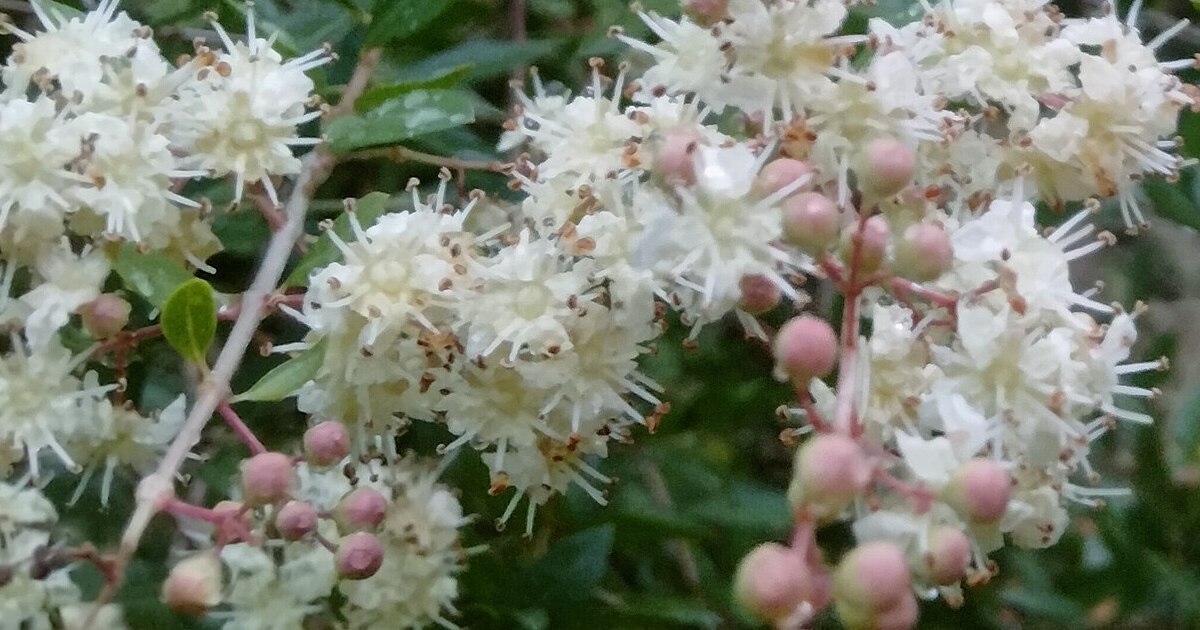
Red Tip Photinia is a vibrant shrub that instantly grabs attention with its brilliant red young foliage, which gradually matures into a glossy green canopy. Native to Asia, this non-invasive plant is often used to create colorful, textured hedges that provide both beauty and effective screening along fences and borders. Its striking color contrast makes it a standout choice for gardeners who want a privacy screen that doubles as a visual accent.
In my own outdoor sanctuary, Red Tip Photinia not only creates a dense barrier but also attracts a host of beneficial insects, including bees and butterflies. I love watching how these little visitors are drawn to its clusters of small white flowers, which often appear in spring. The dynamic interplay between its red and green leaves provides an ever-changing display that enriches the garden’s visual appeal while ensuring your space remains secluded and tranquil!
Privet (Ligustrum vulgare)

Privet is a classic choice for hedges and privacy screens, renowned for its rapid growth and dense, bushy habit. Native to Europe, it has long been used as a natural barrier for its ability to form a thick, interlocking wall of leaves. When properly pruned, this non-invasive shrub delivers a neat and orderly screen that offers effective visual and sound insulation.
In my garden, Privet stands out as a dependable screen that attracts a surprising number of beneficial insects. I’ve observed bees buzzing around its small, inconspicuous flowers, and even noticed that the tight foliage sometimes serves as a shelter for tiny birds during brisk mornings. Its versatility and resilience make Privet an excellent option for anyone looking to create a robust and attractive natural barrier!
American Holly (Ilex opaca)
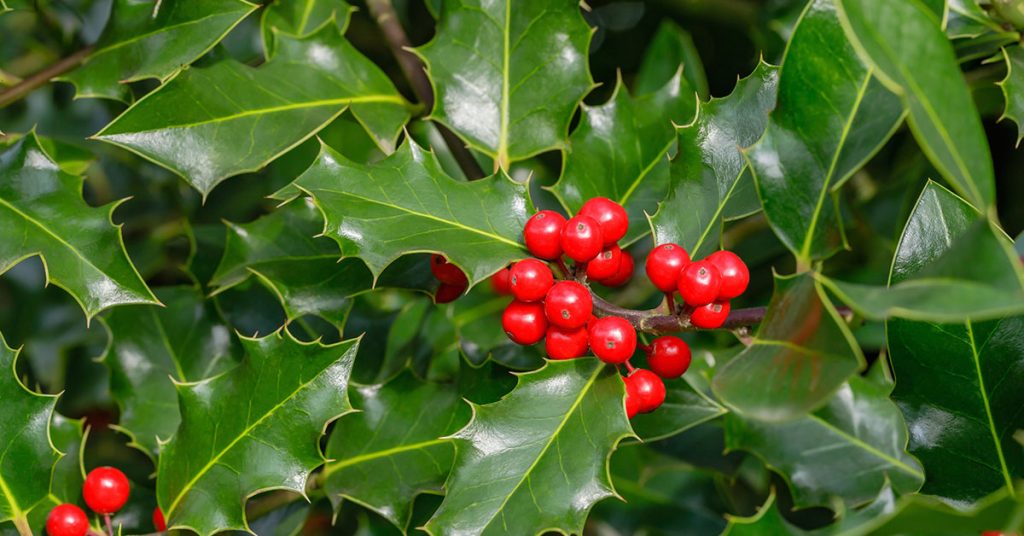
American Holly is an evergreen shrub that provides year-round privacy with its dense, spiny leaves and striking red berries. Native to Eastern North America, this non-invasive plant is revered for its ability to create a natural screen that not only blocks views but also adds a festive, seasonal touch to your landscape. Its glossy, dark green foliage is both attractive and functional, deterring unwanted intruders with its spiny texture.
In my own garden, American Holly transforms a simple border into a haven for wildlife. Its berries attract birds in the winter, and its dense structure offers a cozy nesting spot for small critters during the spring and summer. The combination of visual interest, ecological benefits, and natural security makes American Holly an outstanding choice for those seeking a beautiful yet practical privacy screen!
Viburnum (Viburnum tinus)

Viburnum tinus is a versatile evergreen shrub that provides a lush, impenetrable barrier while offering elegant clusters of blooms. Native to the Mediterranean region, this non-invasive plant thrives in a range of soil conditions and is ideal for creating a natural privacy screen that also elevates the landscape with its ornamental flowers. Its dense branching structure ensures excellent coverage, making it a reliable choice for any garden setting.
In my landscape, Viburnum notus always adds a touch of sophistication—it attracts a variety of pollinators, including bees and small butterflies, that flock to its abundant blooms in late winter and early spring. I’ve often noticed that its thick foliage provides a discreet nesting area for tiny birds seeking refuge. Viburnum’s ability to combine beauty with functionality makes it a timeless favorite for gardeners who value both style and privacy!
Wax Myrtle (Myrica cerifera)
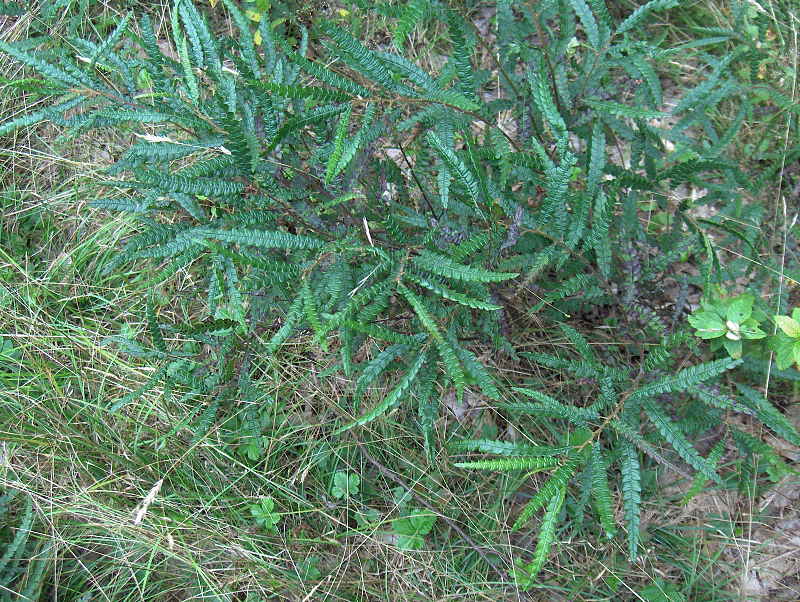
Wax Myrtle is a fast-growing, aromatic shrub that is highly effective at providing natural privacy due to its dense, wiry branches and year-round foliage. Native to the southeastern United States, this non-invasive plant thrives in moist, well-drained soils and adapts quickly to various conditions. Its evergreen nature makes Wax Myrtle an excellent option for creating a living screen that offers both privacy and a refreshing, natural scent.
In my garden, Wax Myrtle not only forms an impenetrable barrier but also attracts numerous beneficial insects, such as bees and hoverflies, with its fragrant foliage. I’ve enjoyed watching small birds take advantage of its dense thickets as safe, secluded nesting spots during early spring. Its rapid growth and pleasant aroma make Wax Myrtle a practical and delightful addition to any privacy-focused landscape!
Italian Cypress (Cupressus sempervirens)
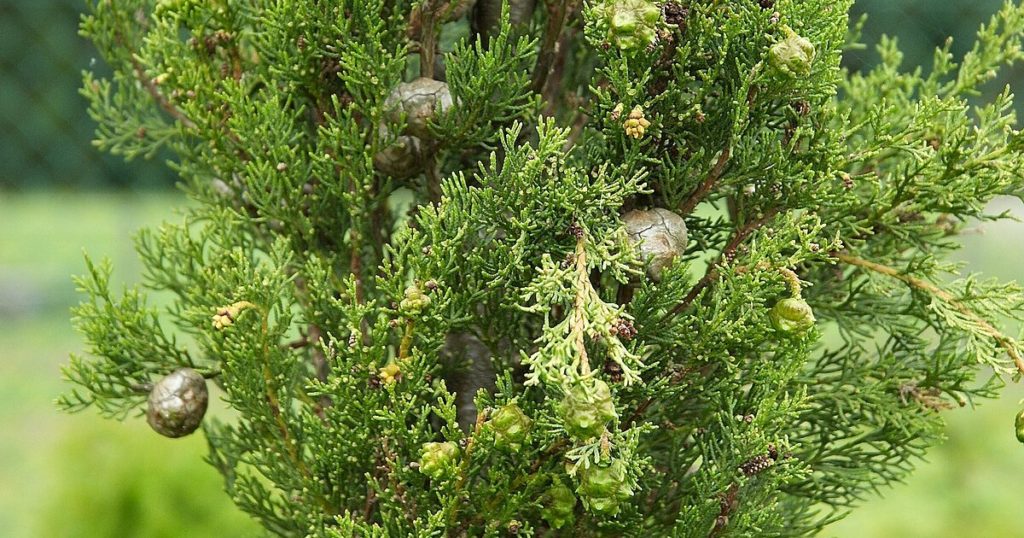
Italian Cypress is a striking, columnar tree that adds height and elegance to any privacy screen, forming a natural, stately barrier. Native to the Mediterranean region, this non-invasive evergreen thrives in full sun and well-drained soil, lending a vertical accent that enhances the landscape’s structure. Its slender, upright form makes it a perennial favorite for creating formal hedges and secluded garden corners.
In my own garden, Italian Cypress provides a dramatic backdrop that attracts a variety of small birds and insects. I often see bees buzzing around its rare, inconspicuous blooms, and occasionally, tiny birds will perch on its gracefully arching branches. The timeless beauty and distinctive silhouette of Italian Cypress make it an excellent choice for anyone looking to add natural sophistication and secure privacy to their outdoor space!
Japanese Yew (Taxus cuspidata)
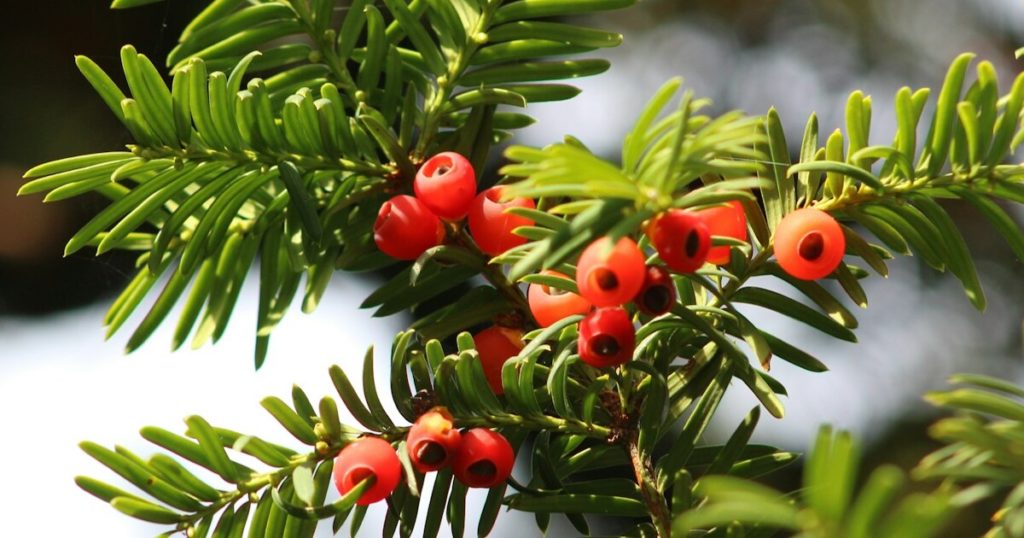
Japanese Yew is a versatile, evergreen shrub that excels as a natural privacy screen due to its dense, dark green foliage and slow, controlled growth. Native to Japan and parts of East Asia, this non-invasive plant thrives in partial shade and well-drained soils, making it ideal for creating a refined, stately barrier along gardens or fencelines. Its rich texture and elegant form provide year-round coverage with minimal maintenance.
In my garden, Japanese Yew not only offers a classic, timeless look but also becomes a refuge for various beneficial insects. I’ve observed that its dense branching structure sometimes harbors small bees and even provides a cozy nesting area for local birds during cooler evenings! Its refined appearance and dependable growth make Japanese Yew a superb choice for a natural privacy screen that stands the test of time.
English Laurel (Prunus laurocerasus)
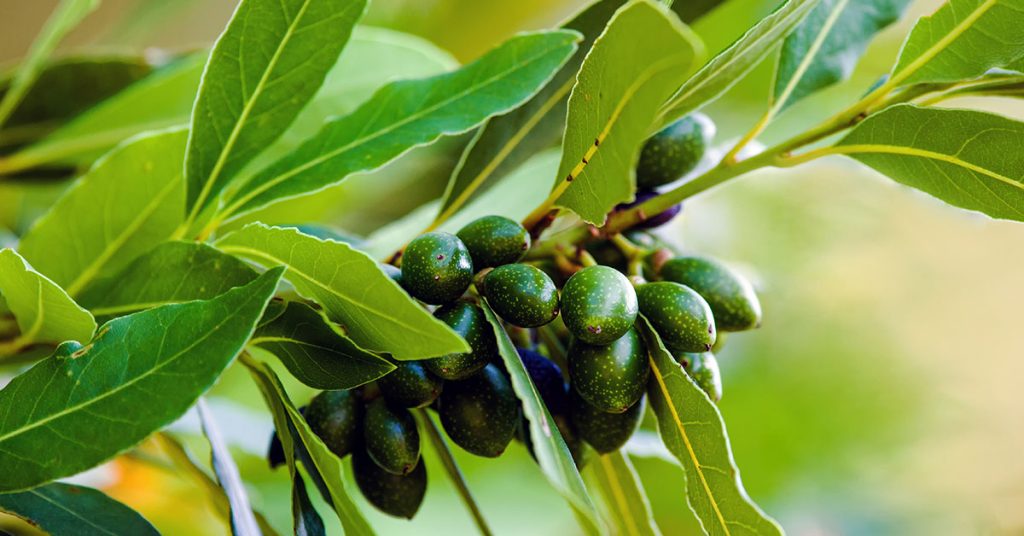
English Laurel is a robust evergreen shrub renowned for its large, glossy leaves that form a thick, impenetrable screen perfect for privacy. Native to regions around the Black Sea and the Mediterranean, this non-invasive plant thrives in full sun to partial shade and is widely used as a hedge in formal garden settings. Its rapid growth and dense branching make English Laurel highly effective for concealing unsightly views while adding a touch of classic elegance.
In my own outdoor space, English Laurel is a stalwart that attracts a surprising variety of beneficial insects, such as bees and small wasps, which are drawn to its fragrant, white flowers. I often delight in the way its lush foliage creates miniature nesting areas for local birds and small critters. The combination of robust growth, vibrant greenery, and ecological benefits makes English Laurel an essential component in any natural privacy screen design!
Giant Miscanthus (Miscanthus sinensis)
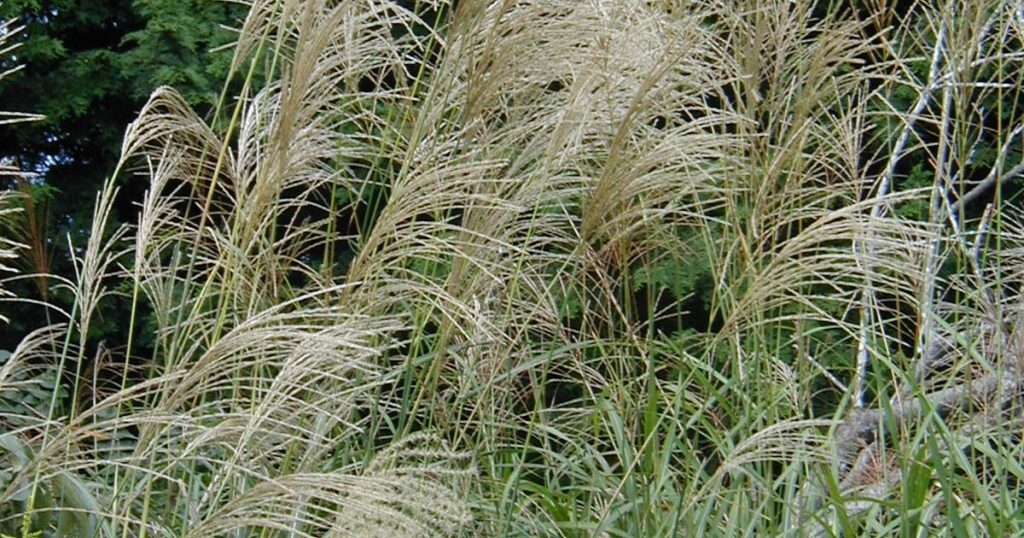
Giant Miscanthus is an impressive ornamental grass that offers a natural, flowing privacy screen through its tall, clumping habit and graceful, feathery plumes. Native to East Asia, this non-invasive perennial thrives in full sun and well-drained soils, creating a soft, billowing barrier that provides both visual intrigue and effective screening. Its elegant, arching form adds movement and texture to the landscape, making it a popular choice among gardeners seeking a natural, wind-swept look.
In my garden, Giant Miscanthus attracts a host of beneficial insects such as bees and small butterflies, which enjoy its airy seed heads and delicate blossoms. I often notice that its expansive clumps serve as a shelter for small birds during cooler mornings, adding an extra layer of ecological value. The dynamic beauty and low-maintenance nature of Giant Miscanthus make it an ideal plant for anyone looking to create a stunning, natural privacy screen!
Pittosporum (Pittosporum tobira)
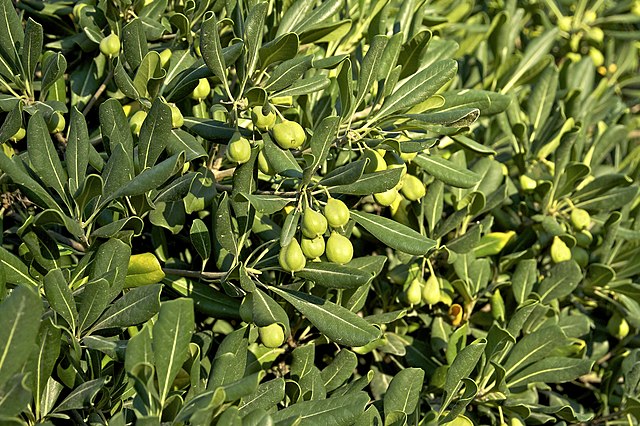
Pittosporum tobira is an evergreen shrub prized for its dense, glossy leaves and rapid growth, making it an excellent choice for establishing a natural privacy screen. Native to Japan and parts of Asia, this non-invasive plant adapts well to a variety of soil types and conditions, creating a thick barrier that provides year-round seclusion and a polished, modern look. Its compact form and adaptability make it a favorite for urban gardens and residential landscapes alike.
In my own planting projects, Pittosporum tobira has consistently impressed me by attracting a myriad of beneficial insects, including bees that are drawn to its small, subtle blooms. Its lush foliage often becomes a haven for tiny birds and other small critters, enhancing the garden’s overall biodiversity. The combination of fast growth, aesthetic appeal, and ecological friendliness makes Pittosporum a stellar candidate for creating an effective natural privacy screen!
Nandina domestica (Heavenly Bamboo)

Nandina domestica, commonly known as Heavenly Bamboo, is an ornamental shrub that exudes a charming, exotic flair while forming an effective privacy screen. Native to East Asia, this non-invasive plant boasts vibrant, seasonal foliage that transitions from bright green in spring to fiery red in the fall. Its arching, bamboo-like stems provide a visually striking backdrop that enhances any garden while adding a tropical touch.
In my own garden, Heavenly Bamboo is a versatile screening plant that attracts beneficial insects such as butterflies and small bees with its profuse clusters of delicate flowers. I often notice that its lush, colorful foliage creates natural nesting spaces for tiny birds and adds a layer of texture that softens harsh lines in the landscape. Its year-round appeal and dynamic color changes make Nandina domestica a true delight for anyone seeking a living, evolving privacy barrier!
Boxwood (Buxus sempervirens)

Boxwood is a classic evergreen shrub that has long been used for its dense, sculptural habit and pristine form, making it an ideal natural privacy screen. Native to Europe, Asia, and parts of Africa, Boxwood thrives in well-drained soil and partial shade, and its non-invasive nature makes it perfect for formal hedges and neatly clipped borders. Its small, glossy leaves create a uniform wall of green that transforms any outdoor space into a secluded retreat.
In my own garden, Boxwood not only provides an elegant, classic look but also attracts a modest array of beneficial insects that contribute to the overall health of the landscape. I appreciate how its tightly knit structure occasionally offers a safe, hidden nook for small birds during inclement weather. The timeless appeal, adaptability, and enduring strength of Boxwood make it an indispensable choice for anyone aiming to create a sophisticated and natural privacy barrier!
Escallonia (Escallonia rubra)
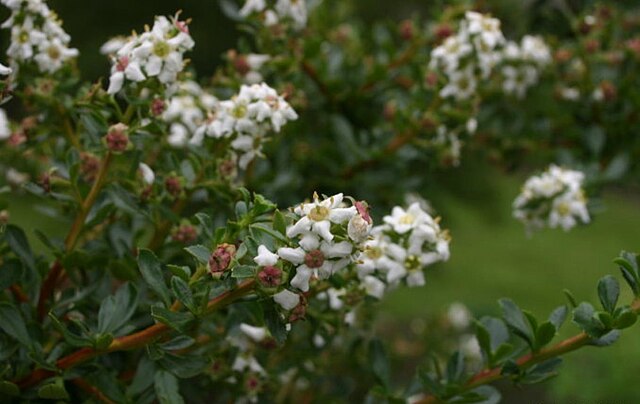
Escallonia rubra is a versatile, evergreen shrub that makes a striking natural privacy screen with its abundant clusters of flowers and rich, layered foliage. Native to South America, Escallonia adapts well to mild coastal climates and is non-invasive when grown in containers or designated borders. Its graceful, arching branches provide a semi-formal, flowing barrier that adds both color and texture to any garden setting.
In my garden, Escallonia rubra is a cherished centerpiece—it not only produces a profusion of delicate blossoms that attract bees and butterflies but also offers a soft, protective screen that can occasionally serve as a nesting area for small birds. I enjoy the way its blooms change subtly in tone with the seasons, creating a living tapestry that is as functional as it is beautiful. Escallonia’s blend of aesthetic elegance and practicality makes it a wonderful addition to any privacy-focused landscape!