

It’s such a panic-inducing sight when your once-lush borders transform into a landscape of brown stalks and bare earth! You might fear the worst—that late frost, relentless pests, or neglect wiped out your beloved perennials. Yet, in many cases, those seemingly lifeless stems and dried foliage are simply plants entering dormancy, conserving energy until conditions improve.
Recognizing which species retreat underground or shed their aerial parts each season can save you from unnecessary replanting or overwatering. In this guide, we’ll explore fifteen common garden favorites—where they’re native, whether they pose any invasive risks, and the hidden structures waiting to burst forth when spring returns. Let’s uncover the secret lives of these “dead” plants and celebrate their remarkable survival strategies!
Tulip (Tulipa spp.)
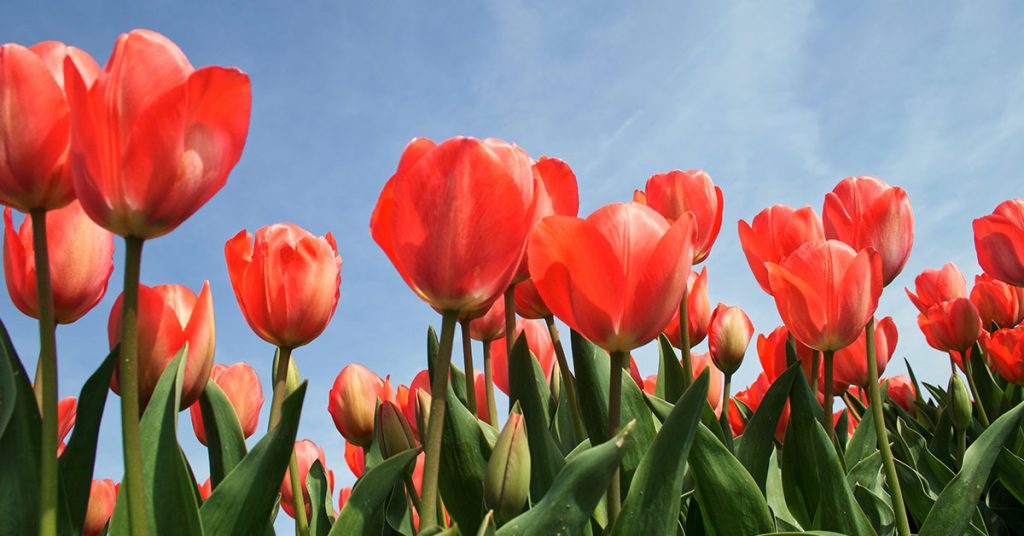
Tulips trace their roots to Central Asia’s rocky steppes and are non-invasive when grown as bulbs in temperate gardens. After a glorious spring bloom, their foliage yellow-and-brown fades, and the leaves dry down to papery sheaths. Beneath the soil, the bulb quietly stores energy for next year’s show.
Resist the urge to yank up those brown shoots! The foliage is photosynthesizing even as it looks ragged, replenishing the bulb. Once the leaves turn fully yellow, you can trim them back neatly—then wait patiently for the next flush of green in early spring.
Ostrich Fern (Matteuccia struthiopteris)

Native to cool woodlands across North America and Europe, ostrich fern is non-invasive and dies back completely to its crown in late autumn. Aboveground, only straw-colored stipes may remain, but below the surface, underground rhizomes harbor next season’s fronds.
Leaving the old frond bases in place protects the crown through winter and provides cover for overwintering ground beetles. Come spring, new fiddleheads will erupt in characteristic plumes, so hold off on clearing debris until you see fresh green shoots emerging.
Coral Bells (Heuchera spp.)
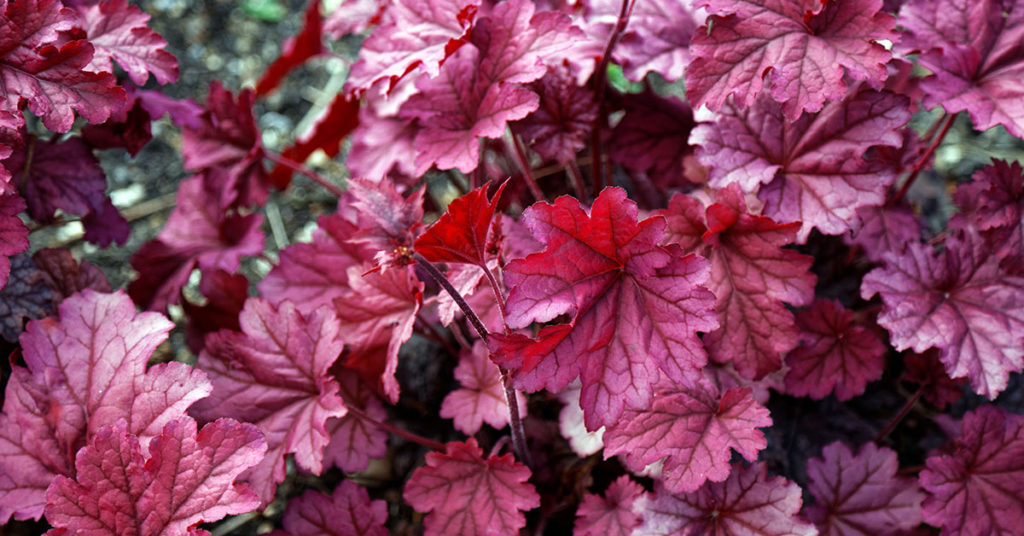
Heucheras hail from North America, with most cultivars derived from eastern woodland species. These clump-forming perennials display vibrant foliage that may brown and collapse when frosts arrive. Yet their crown remains alive, tucked beneath a mantle of old leaves.
Those fallen leaves also offer habitat for tiny pollinator-friendly insects like spring mason bees. In late winter or early spring, remove the tattered foliage to reveal sturdy, colorful new leaves—your corals bells will be ready to charm once more!
Asparagus (Asparagus officinalis)

Asparagus is a medieval garden heirloom, native to Europe and western Asia, and quite non-invasive in dedicated beds. After the ferny growth of summer, the foliage turns golden and sloughs off, leaving bare spears at ground level. Below, thick crowns hold next year’s spears in wait.
Don’t assume your asparagus patch died back permanently! The yellowed canes will collapse after frost—then retreat to the soil crown. In spring, new shoots will emerge vigorously. Cutting back the old stalks just before new growth appears helps prevent disease and keeps beds tidy.
Daylily (Hemerocallis spp.)
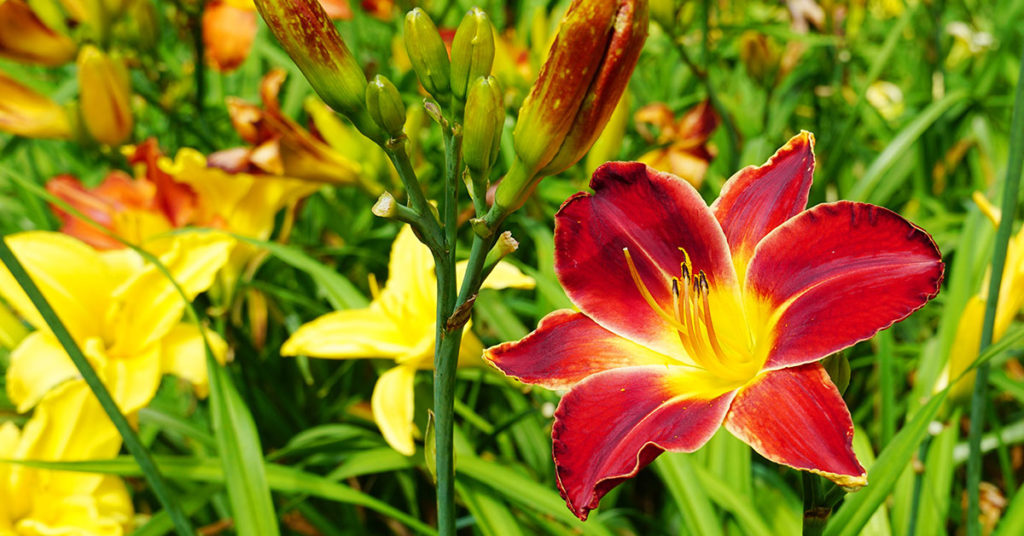
Daylilies originate from Asia and are non-invasive in most home gardens. In autumn, their straplike leaves wither to brown fans at the crown. But beneath, buds form for next year’s succession of trumpet-shaped blooms.
The brown leaf fans trap snow and protect the crown during winter, so leave them in place until you see crisp green shoots in spring. Once dormancy is over, you can trim away the dead foliage, and the clump will explode with fresh growth and flower stalks.
Japanese Anemone (Anemone hupehensis)
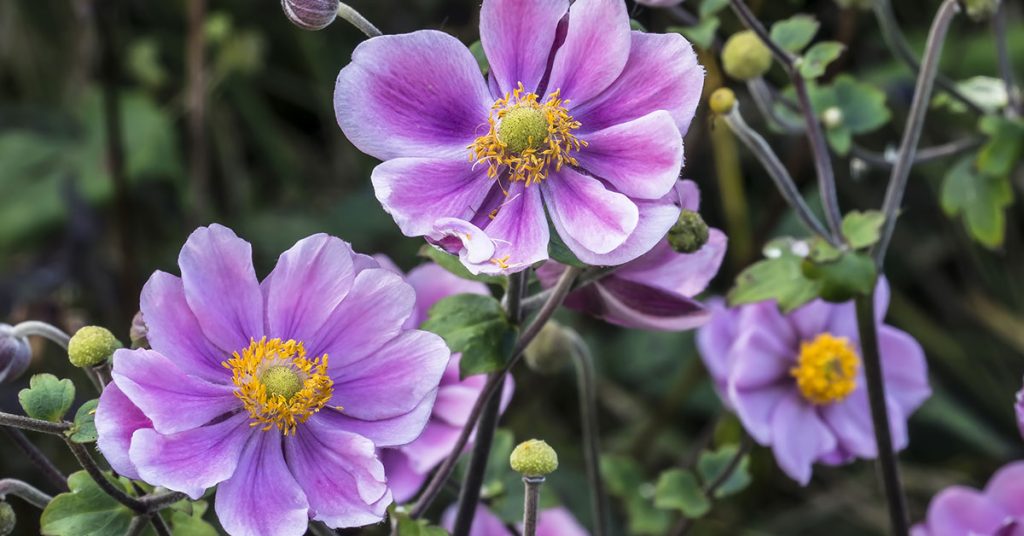
This fall-blooming beauty hails from China’s woodlands and remains well-behaved outside its native range. After its late-season flowers fade, the foliage gradually dies back to the ground. Yet its rhizomes lie dormant underground.
Leaving the leaf litter in place shelters early-season pollinators like bumblebees that overwinter as queens. In early spring, tiny shoots will peek through the soil—so resist clearing until at least mid-April when new growth is unmistakable.
Peony (Paeonia lactiflora)
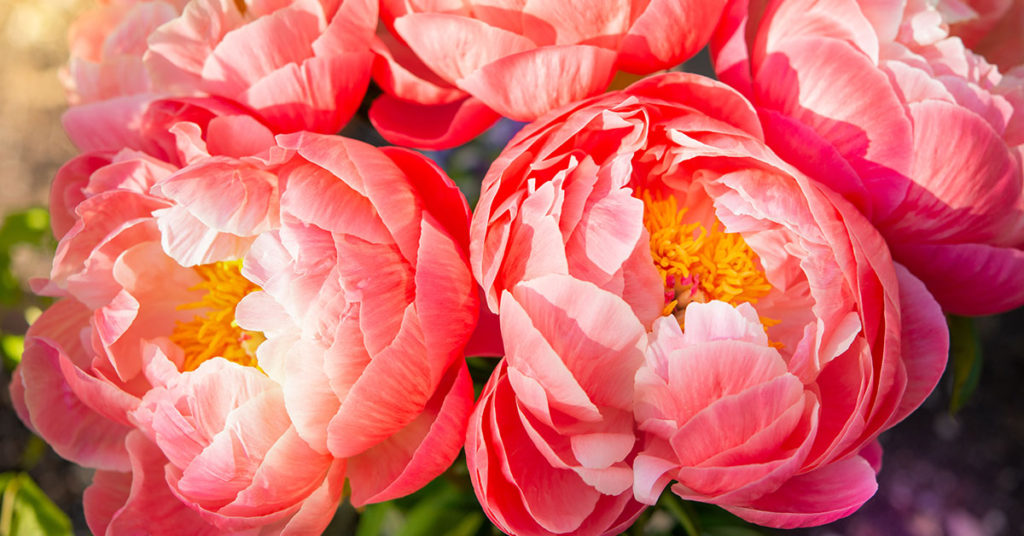
Peonies originated in Asia and Europe and rarely spread beyond their planting spot. As autumn deepens, their lush foliage turns maroon, then collapses. Belowground tuberous roots store energy for those giant flower clusters peeking out in May.
Filling the crown with mulch after foliage browns insulates against freeze-thaw cycles. When you see the first pointed leaf shoots in spring, gently remove the mulch and cut back any remaining dead stems before the leaf clusters unfurl.
Hosta (Hosta spp.)
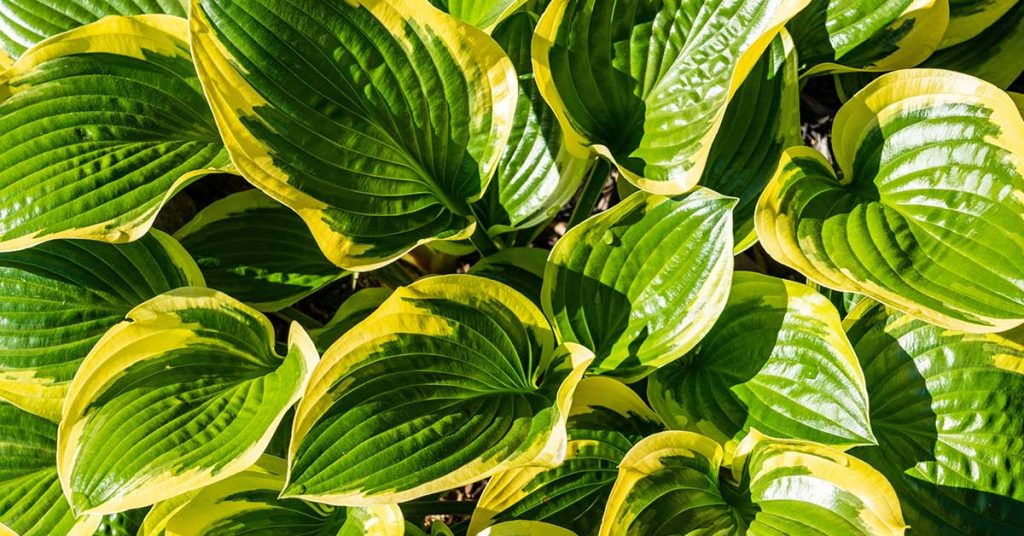
Hostas are native to northeast Asia and rarely invasive in garden settings. In late fall, their broad leaves brown and lie flat. But the rhizomatous crown is fully alive, poised to send up new leaves when temperatures rise.
Leaving the old leaves provides cover for beneficial slugs-eating ground beetles. Once shoots emerge in early spring, you can clear away the mulch and debris to let the bright new foliage shine.
Bearded Iris (Iris germanica)
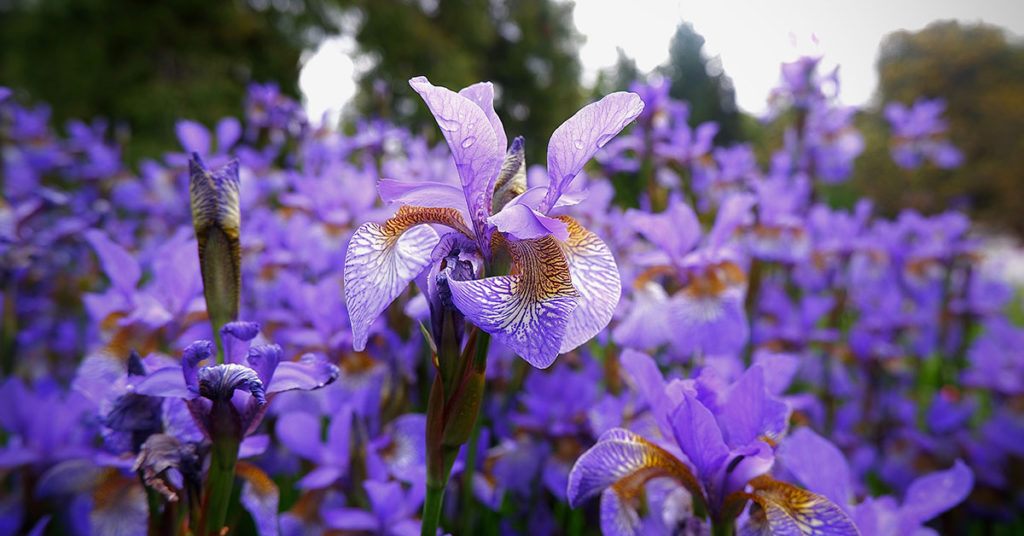
Bearded iris comes from the Mediterranean region and can naturalize but is not usually aggressive. After blooming, their swordlike leaves brown upright before flopping over. Their rhizomes lie just beneath the surface, ready for next season.
Cut back the browned leaves to ground level in late fall, then watch for fresh green fans in early April. Dividing and replanting every few years keeps rhizomes healthy, but never pull them out completely—just the dead foliage!
Coneflower (Echinacea purpurea)

Coneflowers are native to central and southeastern North America and non-invasive. Their daisy-like blooms give way to stiff seedheads that dry to brown. After these persist through winter, the stalks and leaves collapse.
Seedheads feed finches in winter, so many gardeners leave them standing until early spring. Once new basal leaves appear, cut back the old stalks to tidy the bed and encourage next year’s robust floral display.
Lavender (Lavandula angustifolia)

Lavender hails from the Mediterranean and stays compact in cultivation. In cold regions, the top growth may brown and seem lifeless. But the woody crown holds dormant buds that swell when spring warms.
Avoid pruning back to old wood until new green tips appear—otherwise you risk cutting into dead stems. When you spot fresh growth, lightly shear the gray foliage to shape and promote that fragrant bloom you love.
Ornamental Grasses (Miscanthus, Panicum, etc.)
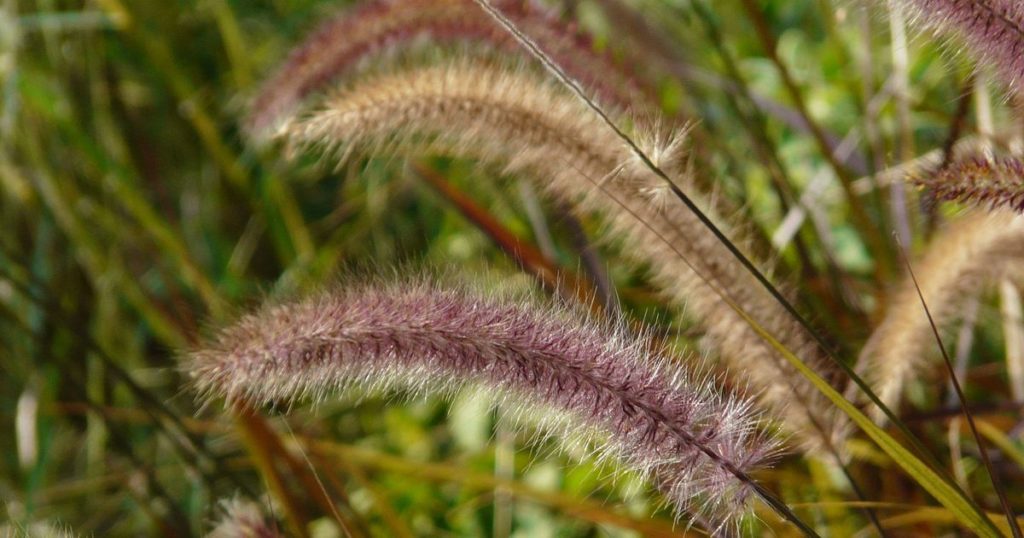
Perennial grasses from various Eurasian and North American species turn golden and collapse after frost. Their clumping crowns remain healthy, with next season’s winter-hardy buds snug at the base.
Leaving the dried stems provides winter interest and avian habitat. In late winter, once you see green at the crown, cut back the previous year’s growth to the ground to allow fresh spring shoots to rise unhindered.
Sedum (Autumn Joy and other stonecrops)
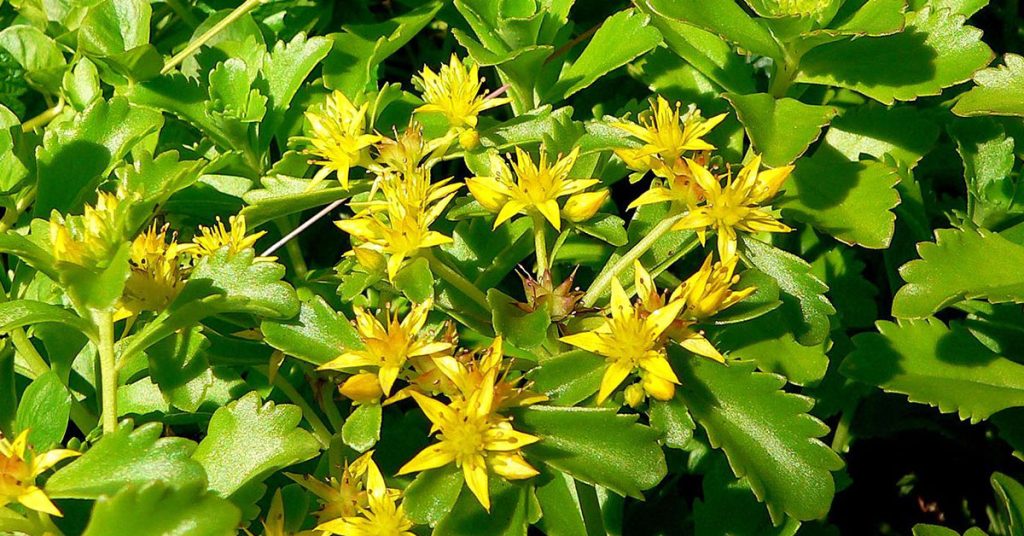
Many hardy sedums, native to Europe and Asia and non-invasive, form succulent rosettes that shrivel and brown in winter. Yet their thick roots and crown protect them from freezing.
Old flower heads offer perch points for overwintering bees. In spring, new leaves will unfurl from the center—once you spot those, gently remove the dead outer leaves to reveal the vibrant new rosettes.
Dahlia (Dahlia spp.)
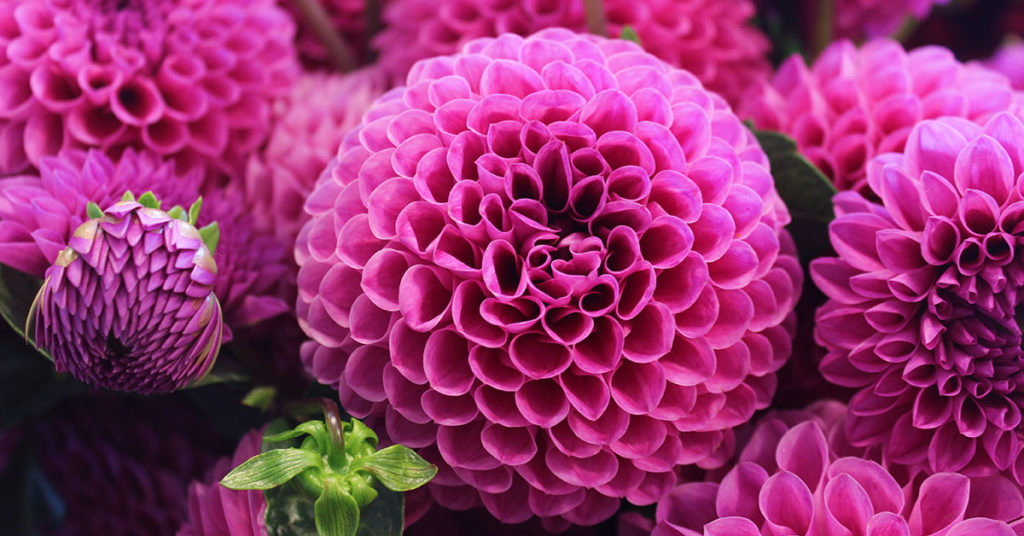
Originally from Mexico and Central America, dahlias are not winter-hardy in freezing zones and must retreat to storage or die back. In milder climates, the tubers survive underground as the foliage blackens after frost.
Once the ground dries, cut back the dead stalks, dig up and store tubers in a cool, dry place—and watch for fresh tuber offsets when you replant in spring. Their apparent “death” is simply preparation for next season’s explosive blooms!
Tulip Tree (Liriodendron tulipifera)

The tulip tree, native to Eastern North America and non-invasive outside its range, drops all its leaves in fall, leaving bare branches. Yet the trunk and buds remain fully viable, primed for the flush of bright green leaves and tulip-shaped flowers in spring.
Avoid pruning or worrying—this skeletal winter form is entirely normal. As temperatures climb, keep an eye on emerging leaf clusters at branch tips, and soon your garden will be wearing its vibrant summer coat again!