
There’s nothing quite like ending a long day by retreating to a garden oasis that soothes your senses and invites you to relax. I know how stressful life can get, and as a gardener who’s weathered countless busy seasons, I’m always on the lookout for plants that not only beautify my outdoor space but also help calm the mind and body. Over time, I’ve discovered a wonderful assortment of plants that release gentle fragrances, offer natural remedies, and even attract beneficial pollinators—all contributing to a peaceful, sleep-friendly environment!
In my own garden, these calming botanicals have turned a simple outdoor retreat into a sanctuary of relaxation. I understand how frustrating it can be when sleep escapes you or when the noise of everyday life just won’t let up. That’s why I’m excited to share these 15 plants—each with its unique story, native origins, and surprising benefits for better sleep and relaxation. Whether you’re battling insomnia or simply looking to add a touch of serenity to your space, there’s something here to help you unwind and find a moment of calm!
Holy Basil (Tulsi)
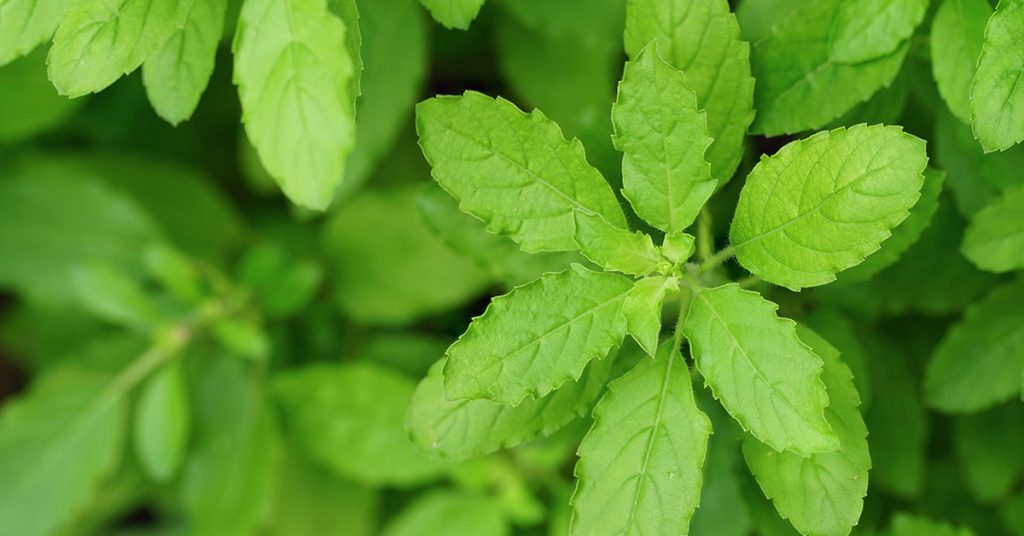
Holy Basil, or Tulsi, is an aromatic herb celebrated for its adaptogenic properties that help reduce stress and promote a restful state. Native to the Indian subcontinent, this revered plant has been used for centuries in Ayurvedic traditions to ease anxiety and encourage relaxation. In my garden, I’ve found that its spicy, clove-like fragrance not only calms the mind but also attracts a host of beneficial pollinators like bees and butterflies, which sometimes even find shelter among its leaves!
What I particularly appreciate about Tulsi is its non-invasive nature, making it a perfect candidate for a small herb garden or container planting. It thrives in warm climates and, when properly cared for, remains well-behaved, offering you both a natural remedy and a charming decorative accent. Its vibrant green foliage and delicate white to purple blooms serve as a gentle reminder of nature’s innate ability to nurture our well-being—especially during those long, restless nights!
Lavender
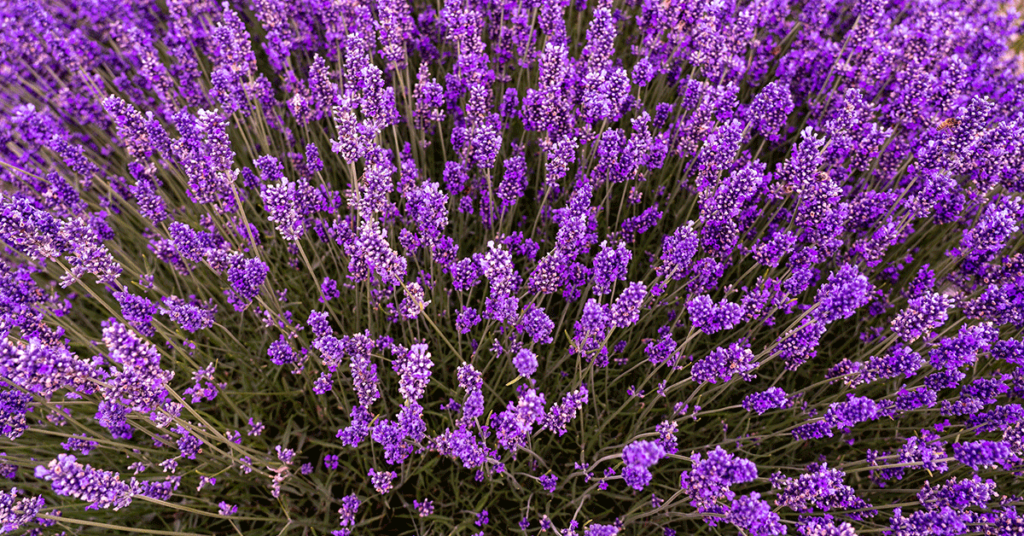
Lavender is perhaps one of my all-time favorite plants when it comes to creating a calming garden retreat. Native to the Mediterranean, this perennial shrub boasts beautiful purple flowers and a soothing aroma that has been prized for centuries for its ability to promote relaxation and improve sleep quality. In my experience, lavender attracts a delightful array of pollinators, including bees and butterflies, which sometimes take a break among its blooms and add a lively yet peaceful vibe to the garden!
Not only is lavender non-invasive and easy to maintain, but its essential oils are also renowned for their therapeutic properties. I often infuse my evenings with a few drops of lavender oil in my diffuser, which reminds me of the gentle fragrance wafting through my garden. Its timeless elegance and stress-relieving benefits make it a must-have for any gardener looking to transform their outdoor space into a tranquil haven for a better night’s sleep!
Passionflower

Passionflower is an enchanting vine known for its intricate, exotic blooms and soothing qualities that help calm the mind. Native to North America, particularly the southeastern United States, this plant has been traditionally used to ease anxiety and promote sleep. I’m always fascinated by the unique structure of its flowers, which not only capture the imagination but also attract a variety of pollinators, including bees and hummingbirds, that sometimes even linger to rest among the tendrils!
While passionflower can climb vigorously, it’s typically non-invasive when given proper support and space, making it a charming addition to trellises and garden arbors. I relish the way its cascading vines create a natural curtain that enhances privacy and adds to the overall sense of calm in my garden. Its dual role as both a visual delight and a natural sleep aid makes passionflower a treasured component of my outdoor relaxation zone!
Valerian
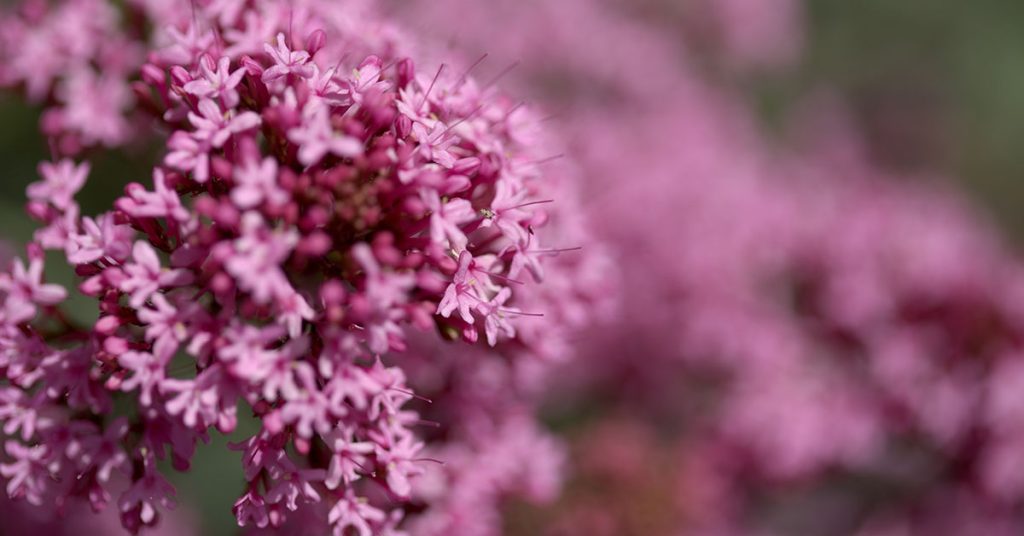
Valerian is a robust herb celebrated for its powerful sedative properties that have been used for generations to help with insomnia and anxiety. Native to Europe and parts of Asia, valerian is a perennial that produces clusters of small, aromatic flowers, which might not be showy but are mighty in their calming effects. I’ve found that even the subtle, earthy aroma of valerian can work wonders in creating a serene atmosphere, attracting beneficial insects that sometimes nest near its base, adding a lively yet peaceful element to the garden!
Though it’s a bit more rustic in appearance, valerian is far from invasive and tends to thrive in well-drained soil with minimal care. I’ve often incorporated it into a dedicated relaxation corner, where its soothing influence blends perfectly with other calming plants. Its reputation as a natural remedy for better sleep is well deserved, and having it nearby always reminds me that sometimes nature’s most understated plants hold the key to a peaceful night’s rest!
California Poppy
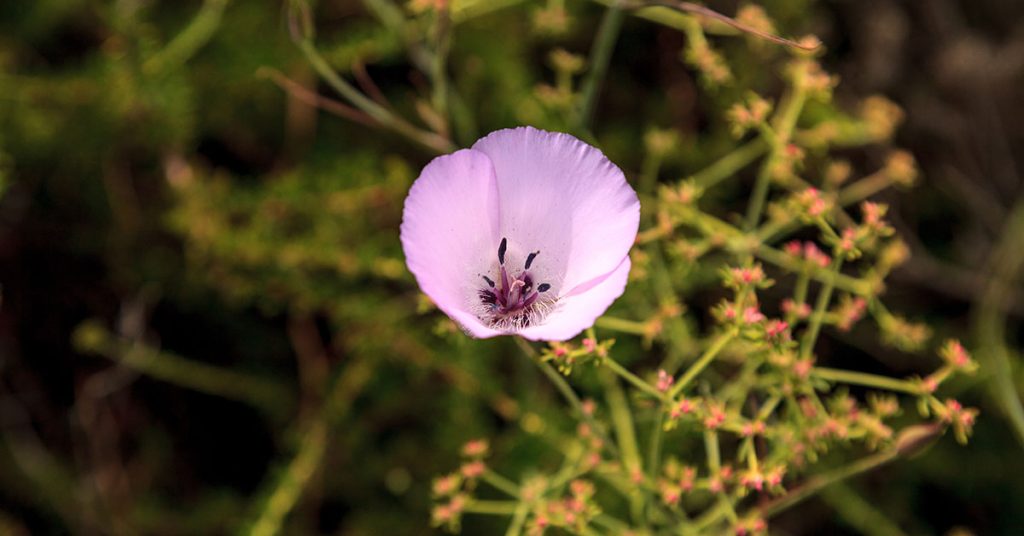
California Poppy is a vibrant and cheerful annual that brings an unexpected touch of calm with its soft, sedative properties. Native to the southwestern United States and parts of Mexico, these radiant orange to yellow blooms are not only visually stunning but are also known to produce mild relaxation when used in herbal remedies. I enjoy watching as these poppies attract a variety of pollinators, including bees and butterflies, which occasionally use the low-growing flowers as safe spots to rest and nest!
Despite their striking colors and robust growth, California poppies are non-invasive and tend to self-seed in a controlled manner, contributing to a natural, free-spirited garden vibe. Their presence in my garden always signals the arrival of a warm season filled with natural beauty and tranquility. The California Poppy’s blend of visual splendor and gentle sedative effects makes it a delightful and functional addition to any sleep-friendly garden setup!
Peppermint
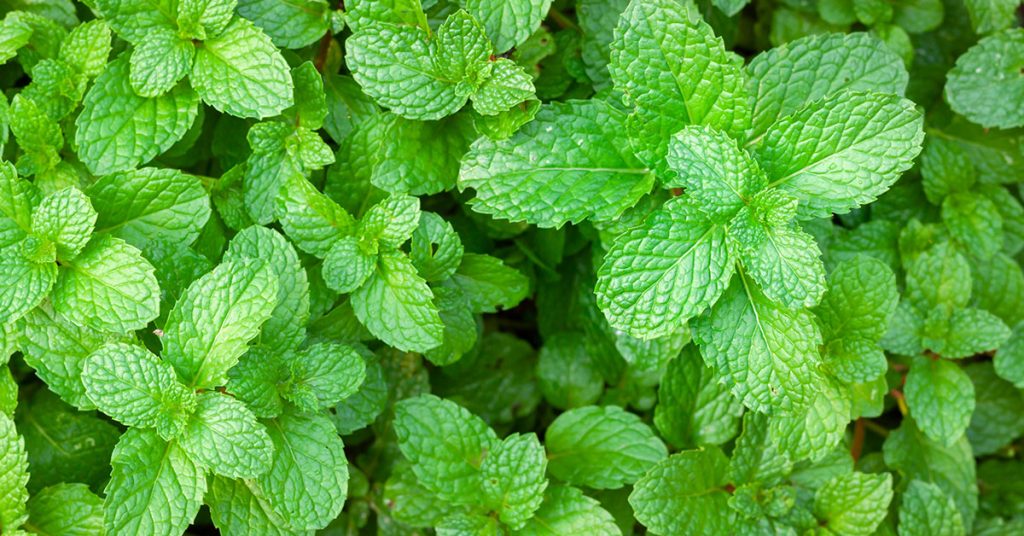
Peppermint is a refreshing herb known not only for its invigorating flavor but also for its calming properties when used in teas and aromatherapy. Native to Europe, peppermint has spread across the globe and is now a popular choice in gardens for its ability to repel pests while soothing the senses. I’ve often found that its cool, minty aroma helps clear the mind and sets a peaceful tone in the garden, all while attracting friendly pollinators that contribute to a balanced ecosystem!
One of the best parts about peppermint is that it’s a vigorous grower, though it can be invasive if not contained properly—so I usually plant it in pots or designated beds. Its fast growth and refreshing scent remind me of lazy summer afternoons spent in the shade, sipping on a mint-infused beverage and enjoying nature’s tranquil rhythms. For those nights when a clear head and a calm spirit are needed, peppermint offers a natural and delightful remedy right in your own garden!
Skullcap
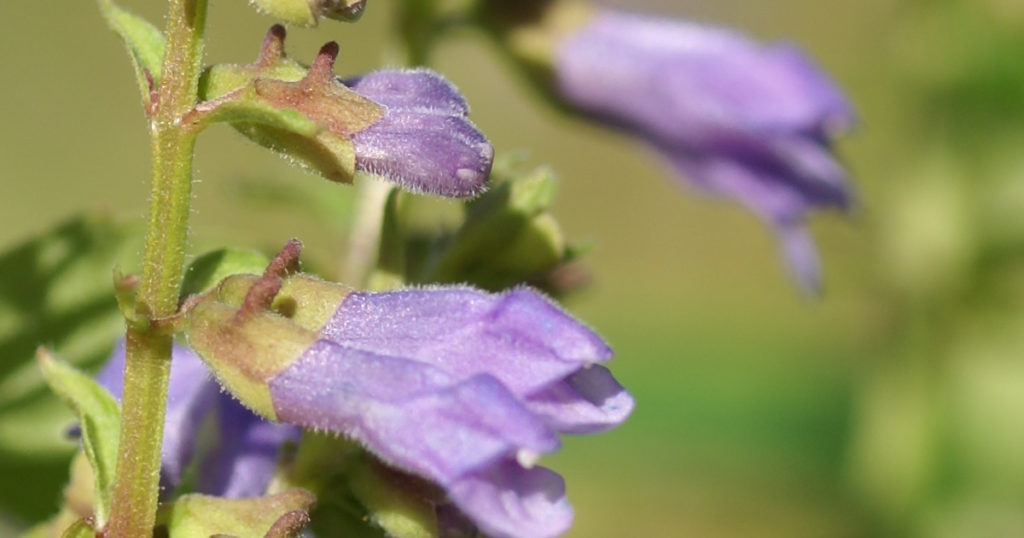
Skullcap is a lesser-known herb with a remarkable reputation for its calming and sleep-inducing effects. Native to North America, particularly in the moist woodlands of the eastern United States, skullcap features delicate, blue to purple flowers that lend an air of quiet elegance to any garden. I’ve found that its subtle, herbal fragrance has a soothing quality that not only eases tension but also attracts beneficial insects like bees and small butterflies that enjoy its soft blooms as ideal nesting spots!
Despite its delicate appearance, skullcap is a hardy perennial that is generally non-invasive, making it a perfect choice for gardeners who want a calming plant without the hassle of aggressive spreading. Its role in traditional herbal medicine as a mild sedative is well documented, and having it in my garden always brings a sense of understated comfort. For anyone seeking natural ways to wind down and enjoy a peaceful night’s sleep, skullcap is a gentle yet effective addition that brings both beauty and tranquility to your space!
Catnip
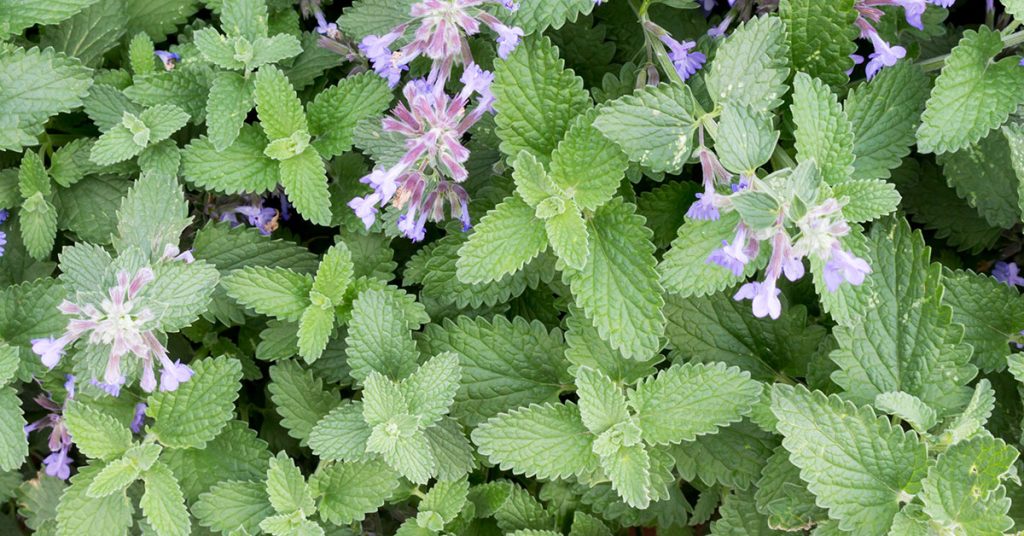
Catnip isn’t just a favorite among our feline friends—it also boasts mild sedative properties that can help soothe human nerves and promote relaxation. Native to Europe and Asia, catnip has become a common feature in gardens around the world due to its hardy nature and its delightful, minty aroma. I’ve observed that it attracts an array of pollinators and even offers a safe spot for beneficial insects to nest, while its subtle fragrance contributes to a calming garden environment that’s perfect for unwinding after a long day!
While catnip can sometimes spread vigorously, it’s generally easy to manage in a contained area, ensuring that it remains a charming, non-invasive presence. I often plant it in a dedicated herb bed where its lively scent mingles with other calming aromas, creating a natural blend that’s both uplifting and soothing. Whether you’re a cat owner or simply someone who appreciates the relaxing benefits of nature, catnip offers a delightful twist on traditional sleep aids that brightens your garden and your mood!
Chamomile
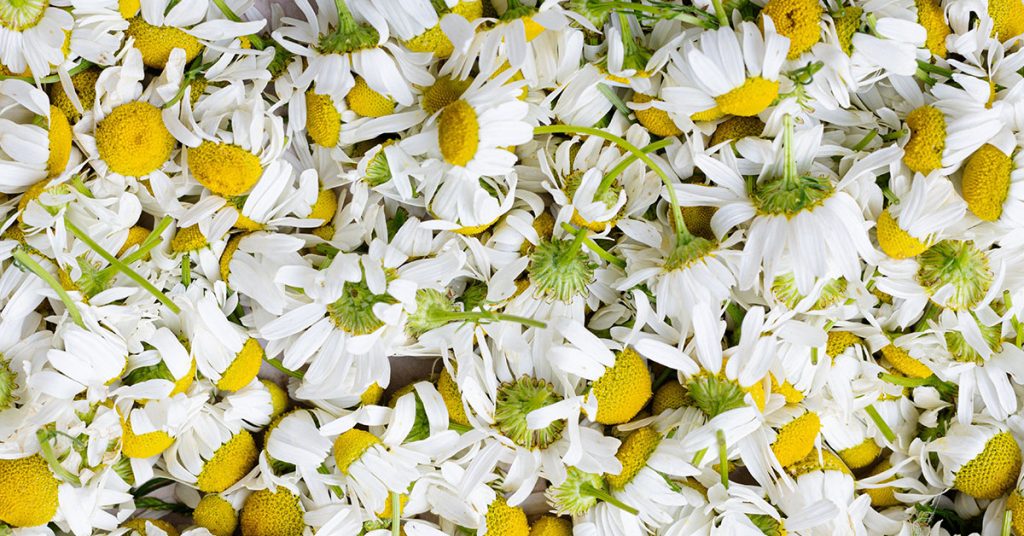
Chamomile is a time-honored herb renowned for its calming, tea-infused properties that have helped people relax and drift off to sleep for generations. Native to Europe and western Asia, this delicate annual or perennial (depending on the variety) produces small, daisy-like flowers that exude a gentle, apple-like aroma. In my garden, chamomile is a true delight—its soft, white blooms with yellow centers not only create a soothing visual landscape but also attract a myriad of pollinators, including bees that sometimes use the petals as transient nesting sites!
What makes chamomile especially appealing is that it’s non-invasive and thrives in well-drained soil with minimal care. I always enjoy the ritual of plucking a few blossoms for my nightly cup of chamomile tea, which helps me unwind after a hectic day. Its dual role as both a natural remedy for better sleep and a charming, low-maintenance plant makes chamomile a must-have for anyone looking to cultivate a peaceful, relaxation-focused garden!
Lemon Balm
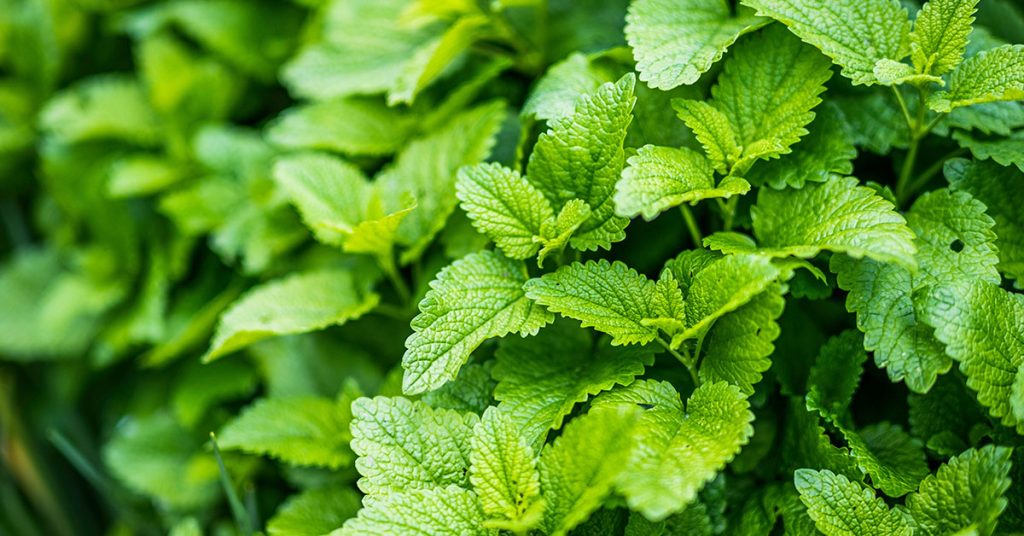
Lemon Balm is a wonderfully aromatic herb known for its mild sedative properties and its refreshing citrus scent that instantly lifts the spirit. Native to the Mediterranean region, lemon balm has long been appreciated for its ability to reduce stress and promote relaxation. In my own garden, its soft, lemon-scented leaves create an inviting atmosphere that not only soothes the mind but also attracts an assortment of pollinators such as bees, which are drawn to its gentle, uplifting fragrance and sometimes find safe havens among its foliage!
Though lemon balm can spread a bit vigorously, it is generally regarded as non-invasive when properly managed in a contained space or garden bed. I love incorporating it into my herb garden, where its bright, cheerful presence pairs perfectly with other calming plants. Its ease of care and natural benefits—both as an herbal remedy and as a delightful garden accent—make lemon balm a treasured component of any sleep-friendly outdoor retreat!
Blue Vervain
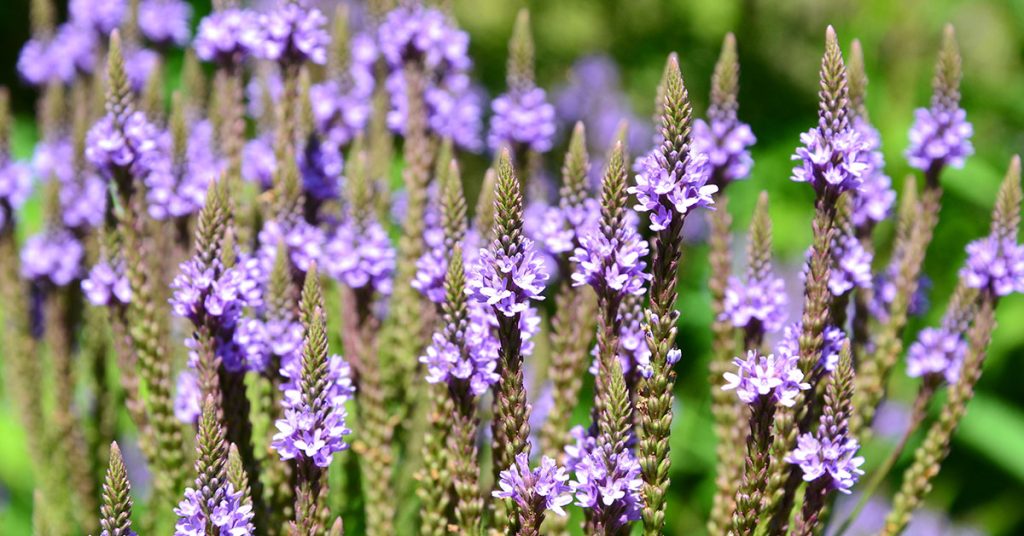
Blue Vervain is a charming perennial celebrated for its ability to calm the nerves and promote a serene environment, making it a perfect plant for better sleep and relaxation. Native to North America, this delicate herb produces clusters of small, blue to purple flowers that create a soothing visual display in any garden. I’ve noticed that blue vervain attracts a host of beneficial insects, including bees and butterflies, which sometimes find temporary nesting spots among its soft, feathery blooms—a true testament to nature’s nurturing ways!
Its gentle, herbaceous aroma and non-invasive nature make blue vervain an ideal choice for gardeners seeking to enhance their outdoor sanctuary without overwhelming the space. I often mix it with other calming herbs to create a natural, multi-sensory retreat that helps ease stress and encourage restful nights. For anyone looking to cultivate a balanced ecosystem that supports both relaxation and a thriving insect community, blue vervain is a delightful and effective addition that truly embodies the spirit of natural healing!
Jasmine

Jasmine is renowned for its intoxicating fragrance and delicate beauty, qualities that have made it a staple in gardens dedicated to relaxation and sleep. Native to tropical and subtropical regions of Eurasia, jasmine’s white or yellow blossoms release a sweet, heady aroma, especially in the evening, which creates a tranquil, sleep-inducing atmosphere. I’ve always been captivated by how its scent fills the air with calm energy, while simultaneously drawing in beneficial pollinators such as moths and butterflies that add an enchanting, almost magical touch to the night garden!
Despite its alluring qualities, jasmine is typically well-behaved and non-invasive when cultivated with proper care. I cherish its ability to transform my garden into a sensory haven where the stresses of the day melt away into the gentle night. Its rich cultural history and natural sedative effects make jasmine an essential plant for anyone in search of a deeper, more restorative sleep. It’s like having nature’s own lullaby playing softly in the background, inviting you to relax and embrace the serenity of the night!
Hops

Hops, best known for their role in brewing, also offer surprising benefits as a natural sleep aid and relaxation enhancer. Native to Europe and Asia, these climbing plants produce fragrant, cone-like flowers that are not only visually appealing but are also renowned for their mild sedative properties. In my garden, I appreciate how hops create a natural pergola effect when grown on trellises, offering a cool, shaded retreat that’s perfect for unwinding. Their unique structure attracts bees and other beneficial insects that sometimes use the dense foliage for nesting, adding to the garden’s overall vitality!
Though hops can grow vigorously and may require regular trimming, they are generally non-invasive when managed properly in a controlled space. I find that their soothing aroma and natural growth habit make them an excellent addition to a sleep-friendly garden design. Their dual function as both a decorative climbing vine and a source of natural relaxation is a true bonus for any gardener looking to create a peaceful, restorative environment in which both plants and people can thrive!
Ashwagandha

Ashwagandha, often dubbed the “sleep elixir” in traditional Ayurvedic medicine, is a powerful adaptogen that helps reduce stress and improve sleep quality. Native to India and North Africa, this hardy shrub produces small, inconspicuous flowers but packs a potent therapeutic punch. In my garden, ashwagandha’s subtle presence is a constant reminder of nature’s ability to nurture a calm and balanced state of mind. It also attracts beneficial insects that occasionally hover around its blooms, adding a quiet buzz of life to its soothing aura!
Although ashwagandha can be a bit fussy about its growing conditions, it is typically non-invasive when provided with well-draining soil and warm, sunny spots. I enjoy the process of nurturing it from seed to a mature shrub, knowing that its adaptogenic properties can make a real difference on stressful days. Its ancient roots and modern appeal make ashwagandha an intriguing addition to any relaxation-focused garden, offering both a natural remedy for better sleep and a symbol of resilience and calm in the face of everyday challenges!
St. John’s Wort
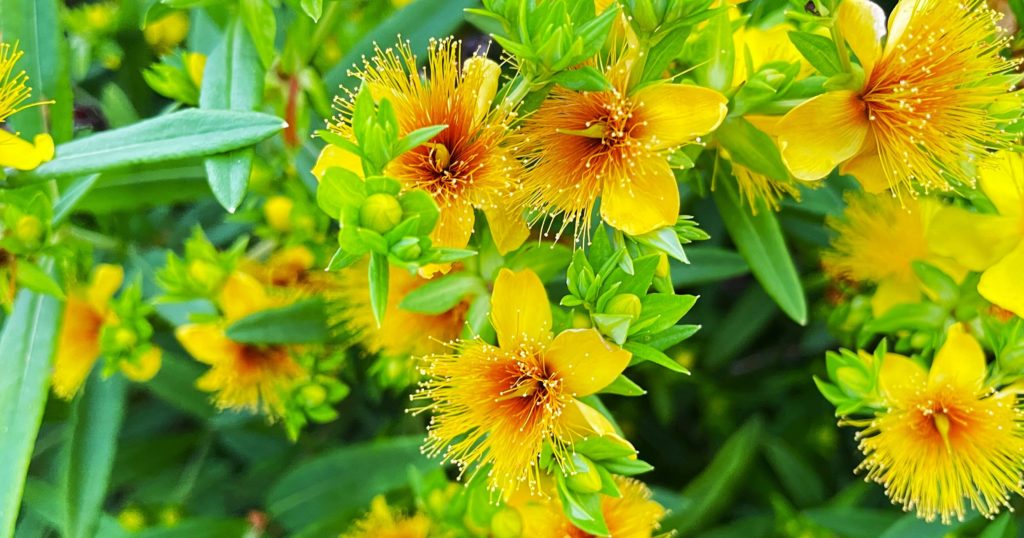
St. John’s Wort is a time-honored herb recognized for its mood-lifting and relaxation-inducing qualities, making it a great ally for those seeking better sleep and stress relief. Native to Europe, this vibrant perennial boasts sunny yellow flowers that not only brighten up your garden but also carry a history of use in natural medicine to ease anxiety and promote calm. I’ve observed that its open, daisy-like blossoms attract a variety of pollinators, including bees and butterflies, which sometimes find the sunny petals an ideal spot to rest and forage—adding an extra layer of life to the garden!
While St. John’s Wort is known for its therapeutic benefits, it can also spread moderately if not kept in check; however, with proper management, it remains a friendly, non-invasive presence. I always plant it in a controlled bed to enjoy its mood-enhancing properties without worrying about it overwhelming other species. Its vibrant color and time-tested reputation as a natural aid for better sleep make it a valuable addition to any garden focused on wellness and relaxation. For me, it’s a delightful reminder that nature often provides the best remedies when we let it work in harmony with our environment!