
I’m thrilled you’re looking for plants that laugh at triple-digit temperatures! As someone who’s burned my fingers pulling wilted seedlings out of a blistering raised bed, I know how discouraging it is when your garden feels more like an oven than an oasis. In this article, we’ll explore fifteen sun-worshipping plants that hail from blazing climates and actually revel in the heat, so you can finally enjoy a vibrant, hassle-free summer display.
Each of these picks comes with its own story—where it’s native, whether it has a tendency to run wild, and how it interacts with pollinators and beneficial insects. From spiky succulents to fragrant shrubs and bright annuals, these plants will turn your scorched corners into buzzing, colorful hotspots!
Lantana camara

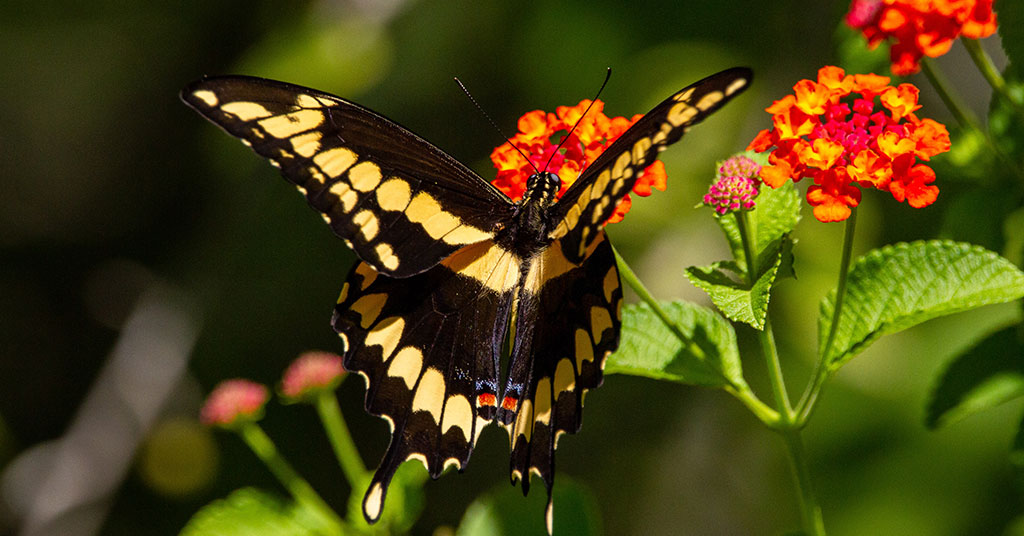
Native to the tropical Americas, Lantana camara thrives in full sun and sandy soil, blooming non-stop even in the driest spells! Its clusters of tiny flowers draw in butterflies by the dozens—one of my favorite sights is a swarm of monarchs flitting over a lantana hedge!
Be aware: in some regions (notably parts of Australia and South Africa) lantana is considered invasive, forming dense thickets that crowd out natives. If you’re in a warmer U.S. zone, pinch back spent blooms and remove stray seedlings to keep it in check.
Rosmarinus officinalis (Rosemary)
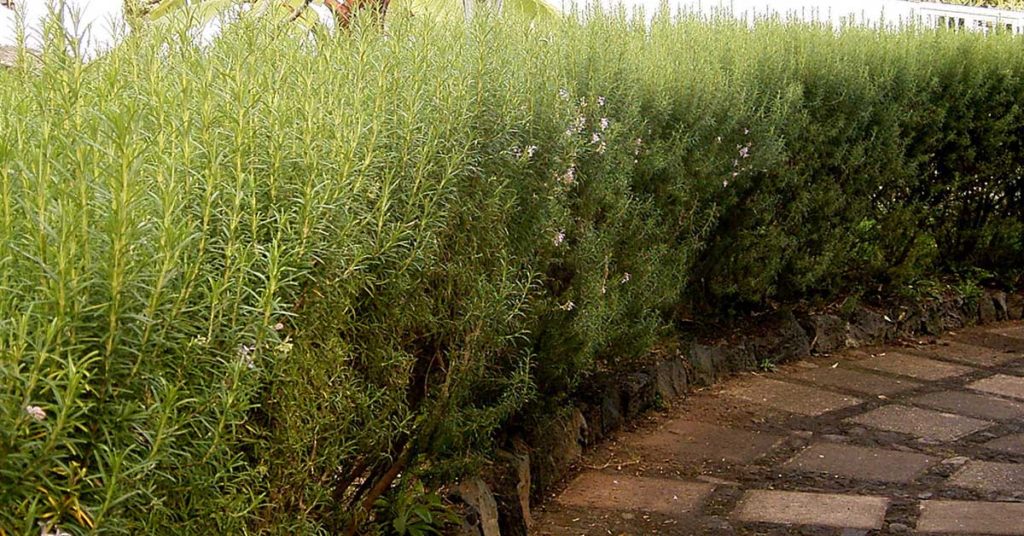
This woody Mediterranean herb relishes sun and heat, with aromatic foliage that withstands hot, dry summers beautifully. Mine always attracts ground-nesting bees, and I adore overhearing their lazy buzz as they work the tiny blue flowers!
Rosemary isn’t invasive in typical home gardens, though it can self-seed in ideal spots. To manage spread, deadhead flowers once you’ve harvested leaves for cooking. In return, rosemary rewards you with year-round structure and fragrance.
Nerium oleander
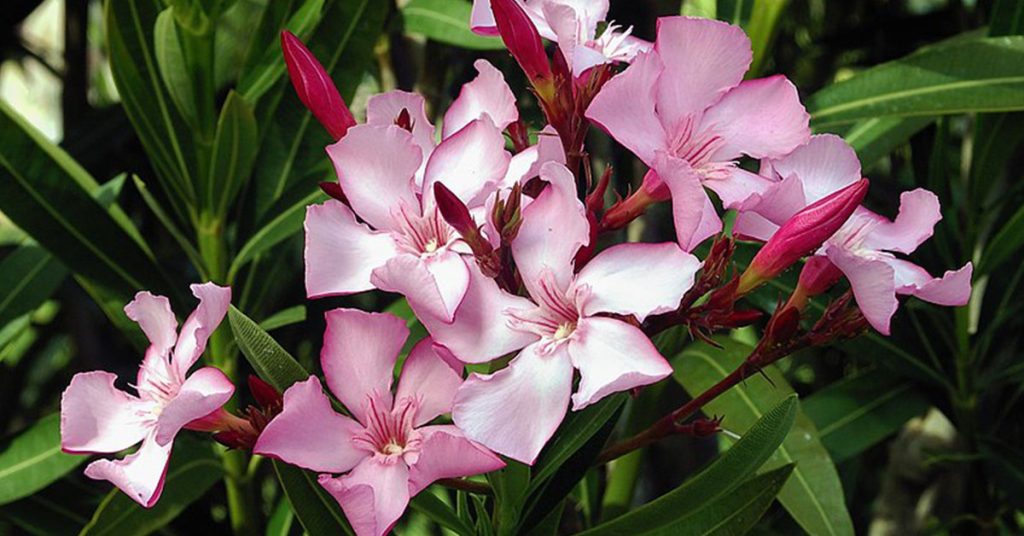
Hailing from the Mediterranean and parts of Asia, oleander thrives on neglect—once established, it tolerates drought, blazing sun, and poor soil without complaint. Its large, tubular flowers attract hummingbirds and butterflies, putting on a show even in relentless heat!
Warning: all parts of oleander are highly toxic if ingested, so plant it away from kids and pets. It can naturalize in warm climates, so monitor for volunteer sprouts and remove them promptly if necessary.
Echinacea purpurea (Purple Coneflower)

Native to North American prairies, coneflowers are built for heat and sun, with stiff stems that won’t flop under a blazing sky. Their daisy-like blooms beckon bees, butterflies, and beneficial wasps—last summer I watched parasitic digger wasps nesting at their base, a real gardener’s ally!
Coneflowers spread gradually by seed but aren’t considered invasive. To prolong bloom and prevent unwanted volunteers, deadhead spent flowers before seedheads form. You’ll be rewarded with a tidy patch and more color all season long.
Bougainvillea glabra
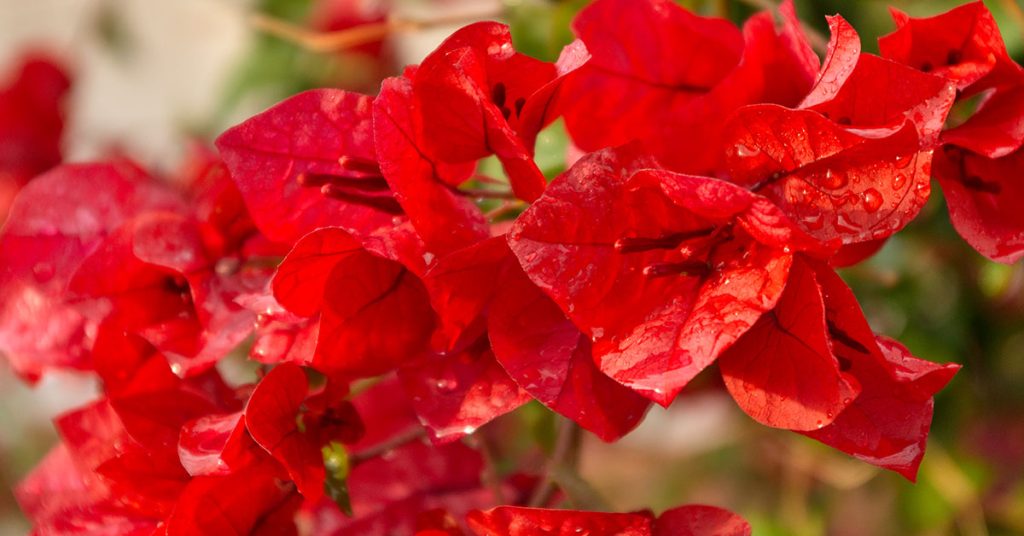
Originating from South America’s arid hills, bougainvillea revels in relentless sun and minimal water. Its papery bracts—rich pinks, purples, oranges—become even more vibrant under scorching rays! I once grew mine against a white wall, and the color contrast was simply electric.
In frost-free zones, bougainvillea can sprawl vigorously; prune after bloom to shape and control size. It’s not usually labeled invasive in the U.S., but stray canes can root where they touch, so cut back runners if they wander.
Salvia leucantha (Mexican Bush Sage)
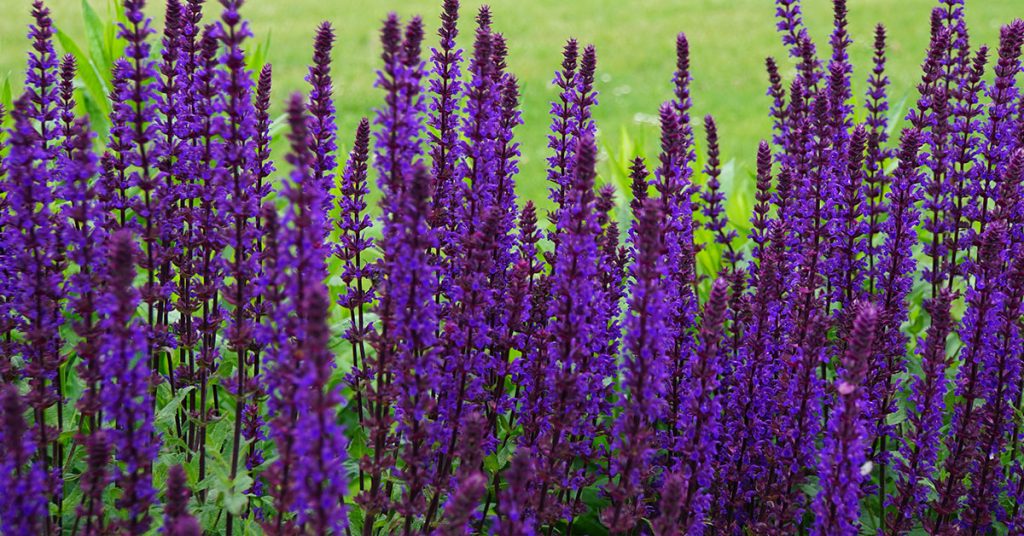
This silvery-leaved sage hails from Mexico’s warm woodlands and flourishes in searing heat, its arching flower spikes a magnet for hummingbirds and long-tongued bees. One of my favorite summer rituals is sipping lemonade beside a clump of this salvia, watching ruby-throated visitors dive in!
Though it can self-seed in ideal conditions, Salvia leucantha rarely becomes a nuisance. To tidy up, remove spent flower stalks in late fall. Your reward? A fresh flush of blooms early next season!
Lagerstroemia indica (Crape Myrtle)
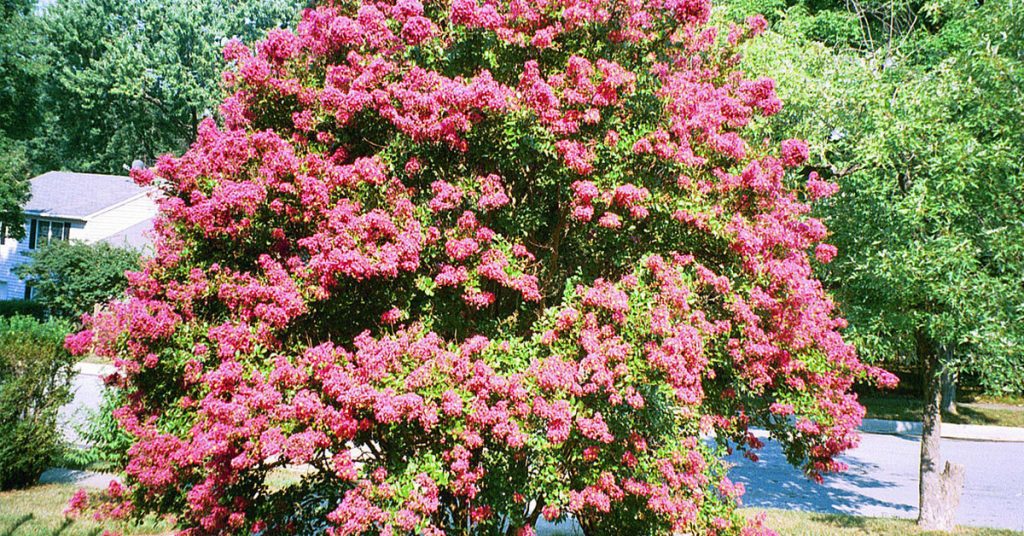
A classic Southern staple, crape myrtle originates from China’s hot summers and loves full sun, producing summer-long clusters of crinkled blooms in reds, pinks, and whites. In my garden, I’ve even seen small lizards sunning on its bark between visits from pollinating bees!
Crape myrtles aren’t invasive in most U.S. zones, but deadheading old blooms can improve appearance. They also benefit from a light winter pruning to maintain shape and vigor for the next hot season.
Gazania rigens
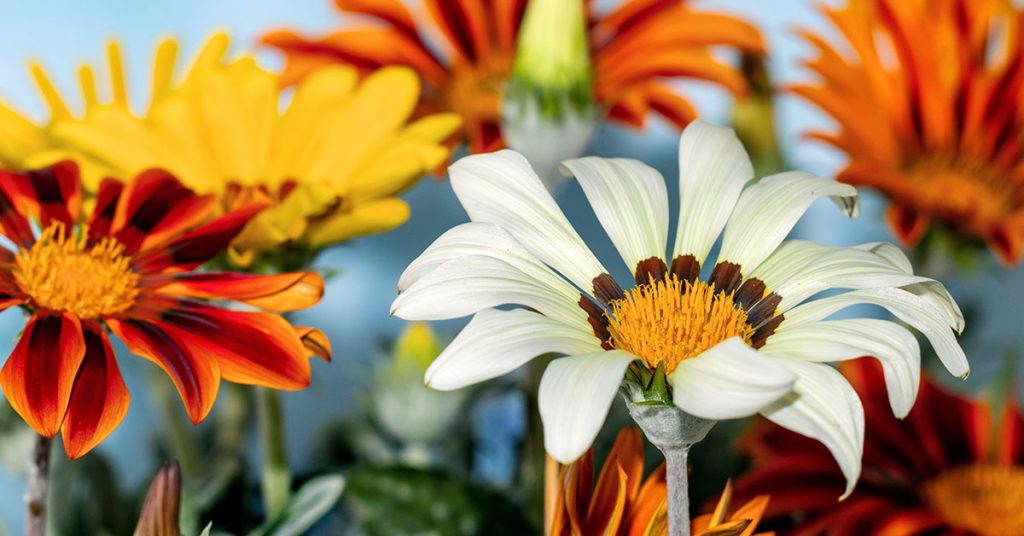
Native to South Africa’s sunbaked plains, gazanias open their daisy-like faces only in bright sun, closing up on cloudy days. Their bold, banded petals draw butterflies and solitary bees—one afternoon I counted nearly a dozen species landing on ours!
Gazania can self-sow in warm climates but rarely overtakes gardens. Remove stray seedlings if they pop up in unwanted spots. Otherwise, enjoy a carpet of low-growing color that laughs at 100°F afternoons!
Portulaca grandiflora (Moss Rose)
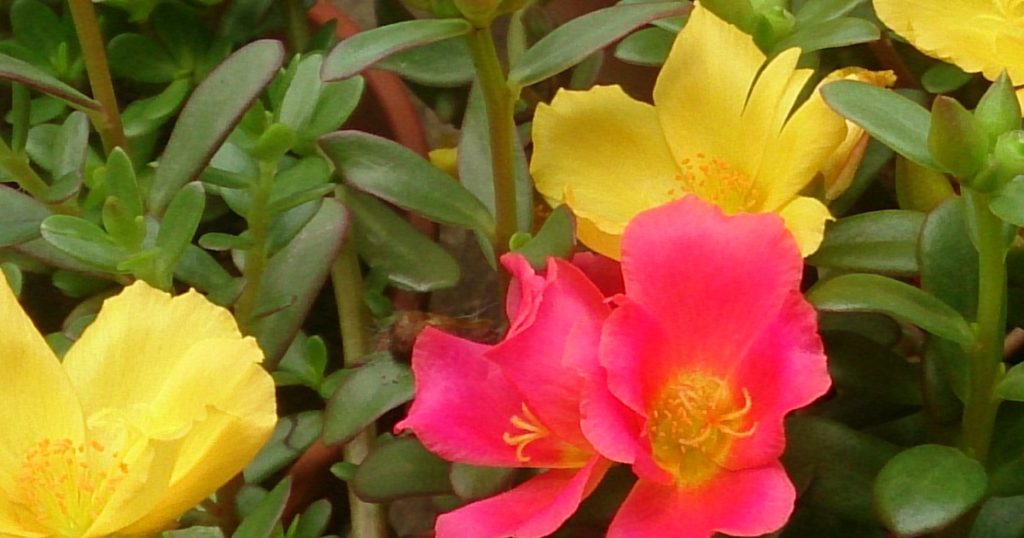
This succulent annual hails from South America’s dry regions and thrives in containers or beds with blazing sun. Its cup-shaped flowers open at daybreak, attracting ground-foraging bees all morning—definitely one of the cheeriest pollinator magnets I’ve grown!
Portulaca reseeds readily, which delights me when I find new volunteers in spring, but you can deadhead spent blooms to curb self-sowing. No wonder it’s a beloved, fuss-free annual for heat-baked gardens.
Agave americana
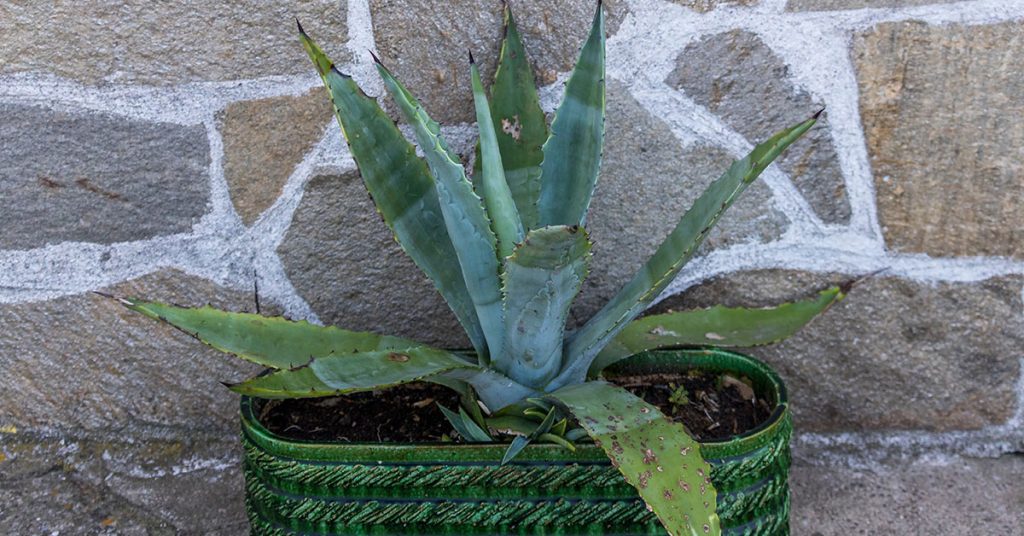
Also known as the century plant, Agave americana comes from Mexico’s rugged deserts and laughs off heat, drought, and poor soils. Its towering flower stalk (once in its lifetime!) becomes a nesting site for hummingbirds and native bees—truly a once-in-a-lifetime spectacle!
Agave can form large clumps via suckers that spread around the parent. To keep control, remove baby agaves as they appear. In return, you’ll enjoy sculptural foliage that defines even the hottest, rockiest spots.
Sedum spectabile (Autumn Stonecrop)
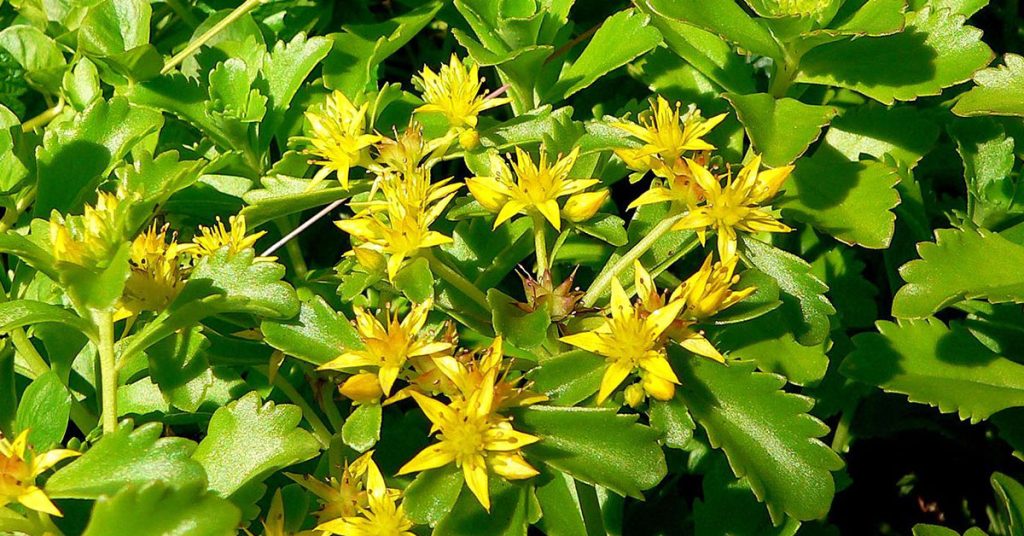
Native to Asia’s rocky slopes, this succulent perennial thrives under blazing sun and minimal water. Its fleshy leaves retain moisture, and its flat-topped flower clusters attract late-season bees and butterflies—I love watching them gather nectar as summer turns to fall!
Sedum spreads slowly via underground rhizomes but isn’t invasive. Divide every few years in spring to refresh clumps, keeping your garden looking crisp and weed-free.
Achillea millefolium (Common Yarrow)
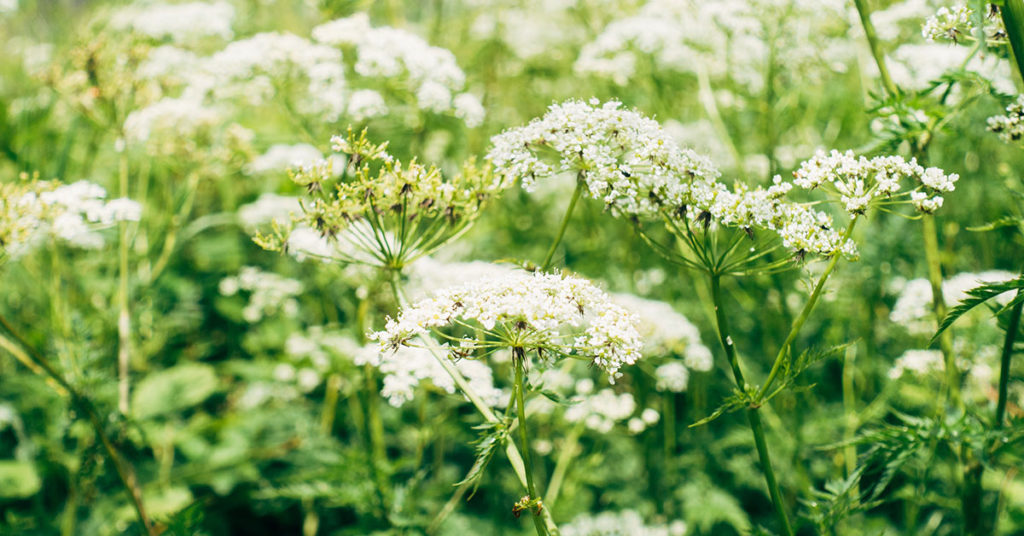
From Europe’s sunny meadows, yarrow tolerates heat and drought, forming flat umbels of tiny flowers adored by ladybugs, lacewings, and predatory wasps. One summer, I found lacewing eggs tucked beneath yarrow leaves—nature’s pest control at work!
Yarrow can self-seed prolifically; deadhead spent blooms to limit volunteers, or let a few go for wildflower charm. Either way, you’ll have reliable, drought-tolerant color and beneficial-insect habitat.
Lavandula angustifolia (English Lavender)
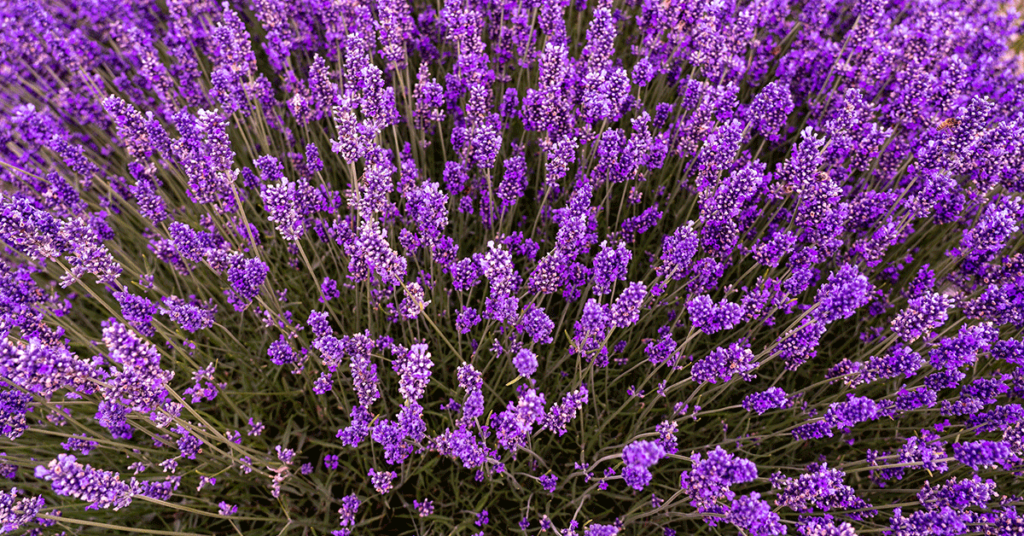
Although English lavender is native to higher-elevation Mediterranean hills, it thrives in scorching heat so long as drainage is excellent. Its fragrant blooms attract bees by the dozens—sometimes I swear my lavender patch hums like a beehive!
Lavender isn’t invasive but benefits from a tidy spring pruning to prevent woodiness. Give it sunny, gritty soil, and it will reward you with year after year of fragrant, heat-loving beauty.
Ruellia brittoniana (Mexican Petunia)
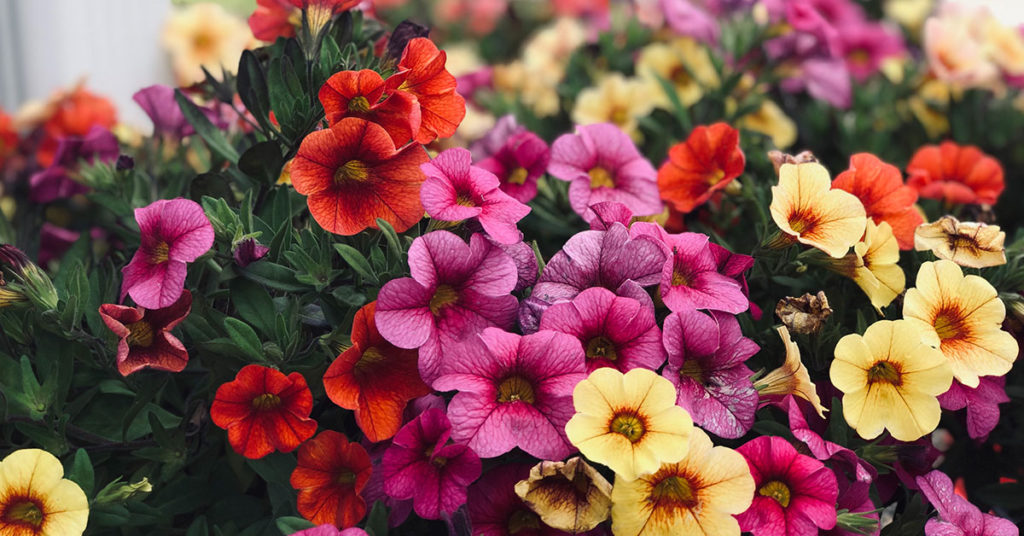
Originating from Mexico’s warm regions, Mexican petunia blooms nonstop in heat, its purple trumpets inviting hummingbirds and swallowtails alike. On sweltering afternoons, their clashing color against green foliage feels like a tropical vacation in my own yard!
Be cautious: in very warm, damp climates it can spread aggressively via rhizomes. To prevent takeover, grow in containers or trim runners that escape their bounds.
Perovskia atriplicifolia (Russian Sage)
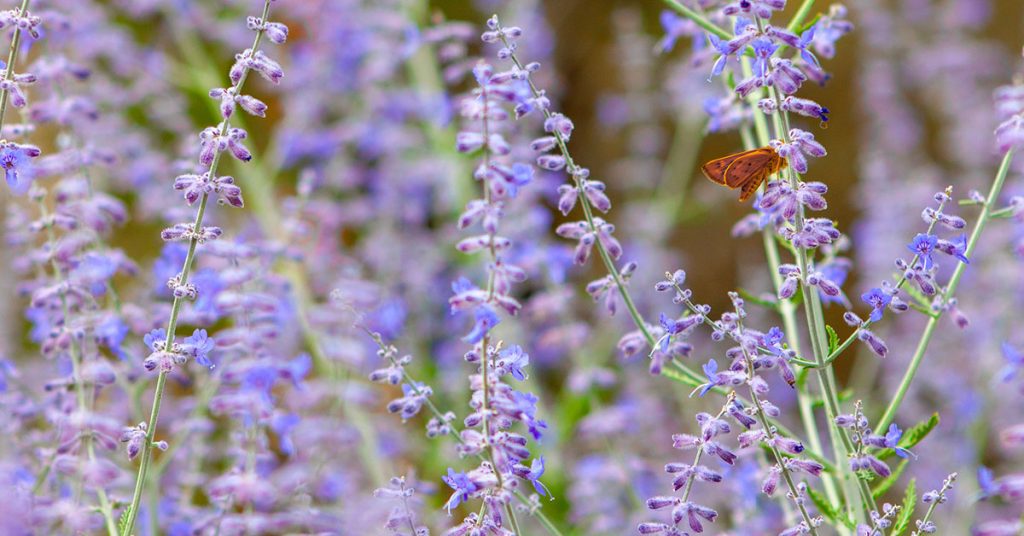
This silvery-leaved shrub comes from Central Asia’s arid steppes and thrives in full sun, producing lavender-blue spikes that dance in summer breezes and attract bees and butterflies. I love walking past mine at dusk—those blooms glow in the fading light!
Russian sage self-sows sparingly and isn’t invasive. A spring pruning to one-third of its size keeps it looking fresh; the woody stems left serve as bonsai-like accents in dormant season.