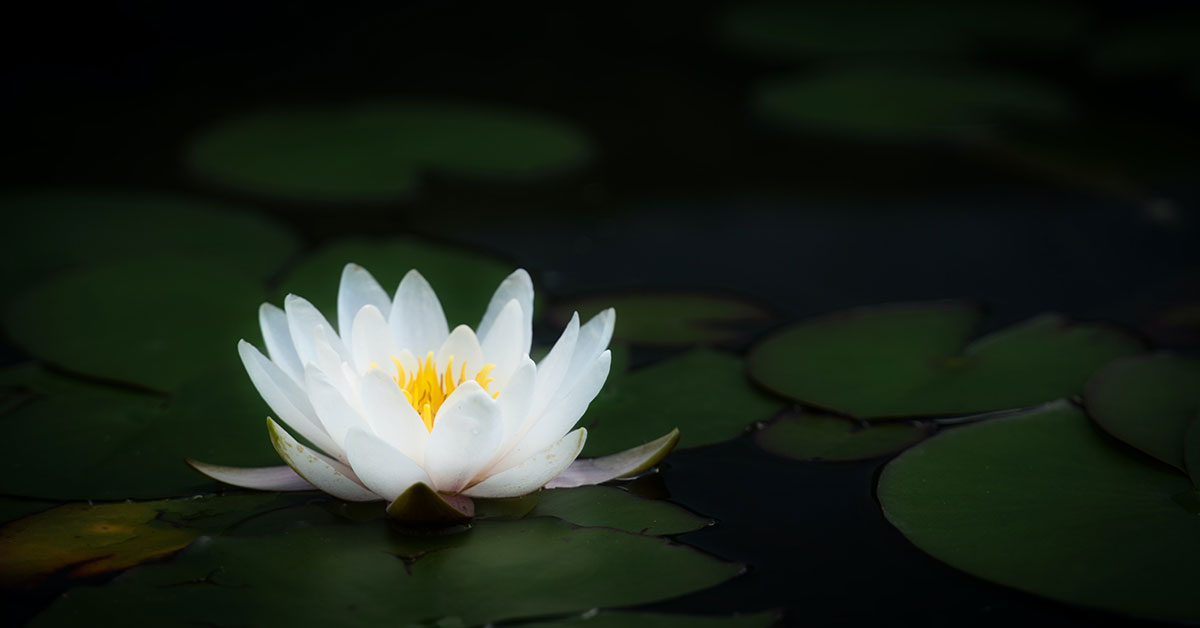

Transforming a pond, a water feature, or even a small container filled with water into a thriving garden can be one of the most rewarding challenges a gardener can undertake. I know how frustrating it is when your water garden struggles under extreme conditions—whether it’s battling algae, erratic water levels, or invasive species—and yet, there’s something magical about finding plants that not only survive but flourish in a watery environment for years on end. Over the years, I’ve discovered a wonderful array of aquatic and semi-aquatic plants that bring color, texture, and life to my water garden, each with its own fascinating native story and behavior. These hardy beauties attract beneficial insects, offer shelter to small critters, and create an ever-changing, vibrant display in water that defies the odds!
I’m excited to share with you a randomized selection of 15 plants that have proven themselves to be long-lasting survivors in water-filled gardens. Whether you have a large pond, a small water container, or a constructed water feature, these plants are as diverse as they are resilient. Some are true aquatic wonders, while others are well-adapted to wet, boggy conditions. I’ve included details about their native habitats and, when relevant, whether they’re considered invasive. Let’s dive into this liquid world and discover how each of these plants can transform your water garden into a vibrant, living oasis!
Lotus (Nelumbo nucifera)

Lotus is a breathtaking aquatic plant native to Asia that has captivated gardeners for centuries with its large, radiant flowers and round, floating leaves. In my water garden, lotus not only creates a serene, almost ethereal atmosphere but also attracts pollinators like bees and butterflies that visit its nectar-rich blooms. Its impressive blooms and thick rhizomes allow it to thrive in water for many years, making it a true emblem of longevity and beauty!
Despite its delicate appearance, lotus is non-invasive and requires a deep container or pond with plenty of room for its roots to spread. With proper care and a sunny spot, it continues to flourish year after year, offering a slice of ancient wisdom and timeless beauty. Every time I watch a lotus bloom, it fills me with a sense of calm and wonder—truly one of nature’s most magnificent spectacles!
Water Lily (Nymphaea spp.)
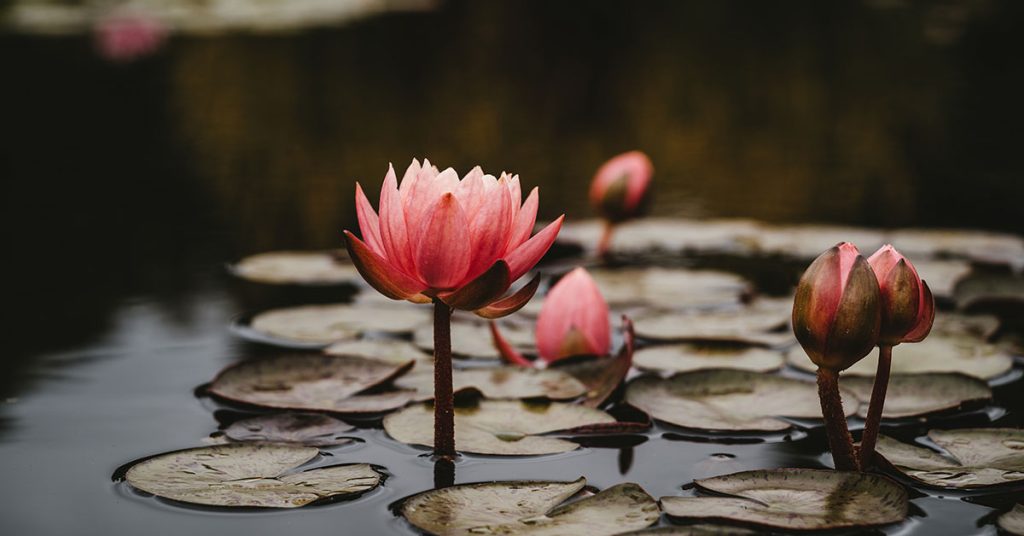
Water Lilies are quintessential pond plants native to temperate regions around the world, renowned for their stunning, floating blooms and broad, round leaves that create a picturesque aquatic display. In my garden, water lilies attract a host of beneficial insects and even provide a perfect resting spot for small birds, contributing to a lively ecosystem. Their elegant flowers come in various shades—from pure white to vibrant pink—and seem to glow on the water’s surface!
These plants are non-invasive when properly contained in a pond or large water container, thriving in still water with plenty of sunlight. With minimal care and regular water changes, water lilies can flourish for years, continuously refreshing your garden with their timeless beauty. Every time I gaze at their graceful blossoms, I’m reminded of the soothing power of water and the enduring elegance of nature!
Japanese Water Iris (Iris ensata)
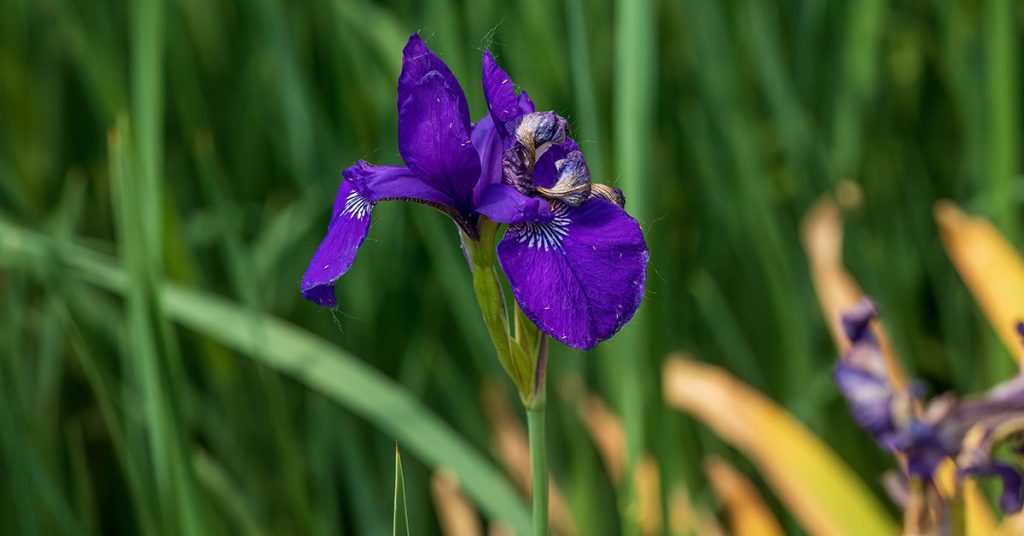
Japanese Water Iris, native to East Asia, is an exquisite aquatic plant that brings elegance and a splash of color to any water garden. Its striking, sword-like leaves and large, showy flowers make it a standout, attracting bees and butterflies that help pollinate the surrounding plants. In my water garden, this iris creates a dramatic focal point, its blooms unfolding in vibrant hues that contrast beautifully with the shimmering water.
The Japanese Water Iris thrives in shallow water or along the edges of ponds and is non-invasive when given enough space. With regular maintenance and a well-balanced water level, it continues to flourish year after year, offering continuous blooms that elevate any floral arrangement. Every time I see this iris in full bloom, it feels like a living work of art—a testament to the resilience and splendor of aquatic plants!
Blue Flag Iris (Iris versicolor)
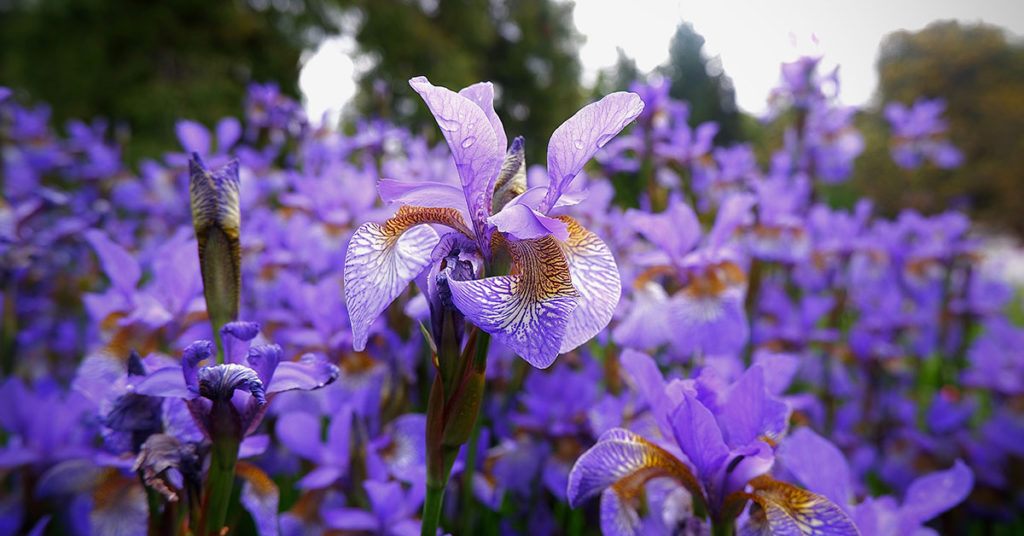
Blue Flag Iris is a robust, perennial native to wetlands and marshes of North America that adds a stunning burst of blue to any water garden. Its elegant, sword-shaped leaves and intricate, fragrant flowers attract bees, butterflies, and even small birds that sometimes perch on its sturdy foliage. I’ve found that Blue Flag Iris thrives on the edges of ponds and slow-moving streams, offering a natural and dynamic beauty that enhances the overall ecosystem.
This remarkable iris is non-invasive and well-suited to wet, marshy conditions where it can spread gracefully without overwhelming the space. With consistent care and a spot in bright, indirect light, Blue Flag Iris produces a continuous display of rich, saturated blooms that captivate the eye. Every time I admire its cool blue petals dancing on the water, I’m reminded that even the most delicate hues can make a powerful statement in a water garden!
Pickerel Rush (Pontederia cordata)

Pickerel Rush is a charming aquatic plant native to North America that produces elegant, spike-like clusters of blue or purple flowers. In my water garden, it stands tall along the edges of ponds, attracting bees, butterflies, and hummingbirds with its nectar-rich blossoms. Its lush, arching foliage provides excellent cover for small aquatic creatures and creates a dynamic, layered look that enhances the natural beauty of the water.
This non-invasive plant thrives in shallow, still water and requires minimal maintenance, making it perfect for container water gardens or large ponds. With its continuous blooming and vibrant color, Pickerel Rush transforms any aquatic setting into a lively, inviting habitat. Every time I see its delicate spikes swaying in the water, it fills me with joy and admiration for nature’s gentle artistry!
Cattails (Typha spp.)
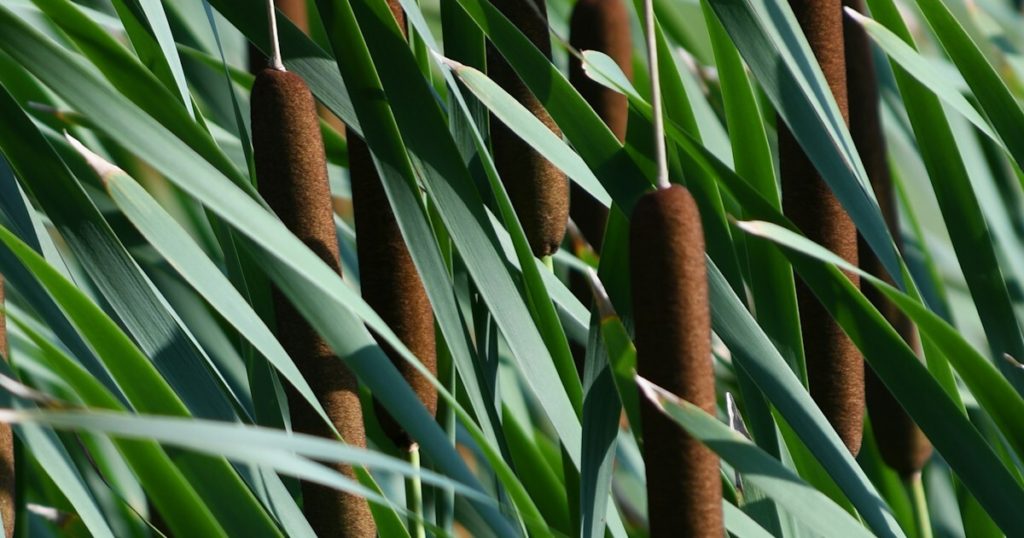
Cattails are iconic wetland plants native to temperate regions across the globe that add a rustic, natural charm to water gardens. Known for their tall, slender stalks and distinctive brown, sausage-shaped flower spikes, cattails create a dramatic backdrop in ponds and wetlands while providing essential habitat for birds and small insects. In my garden, these plants serve as a natural divider and a source of shelter, with their dense stands often acting as nesting sites for waterfowl.
Despite their vigorous growth, cattails are generally non-invasive when managed in the right environment, thriving in shallow water and muddy banks without overtaking their surroundings. They require little maintenance once established, and their striking form adds both texture and height to any water feature. Every time I see cattails rustling in the breeze, I’m reminded of the wild, untamed beauty of nature and the peaceful sounds of a thriving wetland.
Water Hyacinth (Eichhornia crassipes)
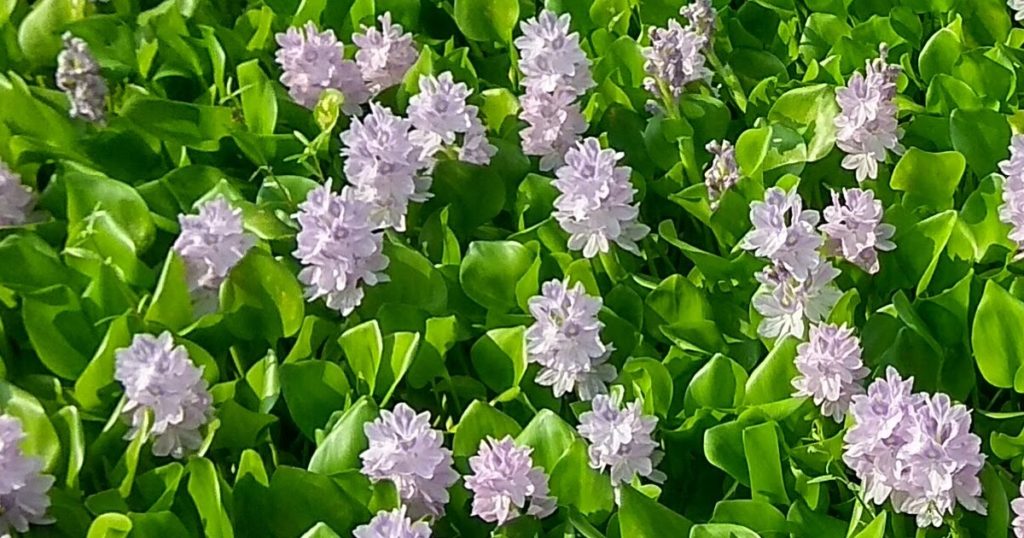
Water Hyacinth is a stunning, floating aquatic plant native to the Amazon Basin that enchants with its striking, lavender blossoms and glossy, emerald leaves. In my water garden, water hyacinth creates a mesmerizing display on the surface of ponds, attracting bees and butterflies with its abundant nectar and providing a natural habitat for small aquatic creatures. However, it’s important to note that in many regions, water hyacinth is considered invasive due to its rapid spread.
When managed properly in a controlled environment, water hyacinth can be a dazzling addition without overtaking your water garden. With diligent maintenance and occasional thinning, its beauty can be enjoyed responsibly, serving as a reminder of nature’s resilience even in the most challenging aquatic environments. Every time I see these floating wonders, I’m filled with both admiration and a sense of caution—a delicate balance between beauty and careful stewardship!
Water Lettuce (Pistia stratiotes)

Water Lettuce is a charming floating plant native to tropical regions of the Americas that creates a soft, rosette-like display on the surface of ponds and water gardens. Its lush, velvety leaves provide excellent shelter for small aquatic creatures and attract a variety of beneficial insects, including tiny bees that help pollinate nearby blooms. In my water garden, water lettuce adds a gentle, cushiony texture that softens the harsh edges of hard water and creates a natural, relaxed ambiance.
While water lettuce is undeniably beautiful, it is considered invasive in many areas due to its rapid, spreading growth habit. With careful management—such as regular thinning and controlled containment—it can be enjoyed as a decorative and functional addition to your aquatic landscape. Every time I see water lettuce forming a natural, floating carpet, I’m reminded that nature’s splendor sometimes comes with a need for vigilance and care!
Watercress (Nasturtium officinale)
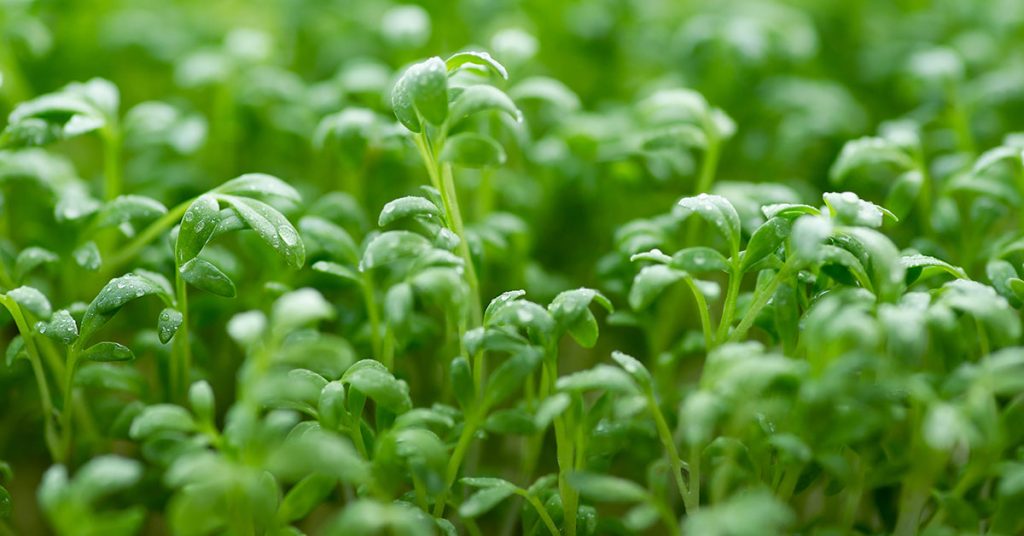
Watercress is a nutrient-packed, peppery herb native to Europe and parts of Asia that thrives in running water and wet soil, making it a perfect choice for a water garden. In my garden, watercress adds a burst of vibrant green along stream edges and pond banks, attracting small pollinators and even providing a habitat for beneficial aquatic insects. Its crisp, tangy leaves are a delightful addition to salads and garnishes, marrying both beauty and functionality in one edible package.
Non-invasive and easy to maintain, watercress flourishes in cool, flowing water and rich, organic soil, delivering a continuous harvest that boosts both the aesthetic and nutritional value of your garden. With minimal care, this hardy plant stands as a testament to nature’s ability to provide nourishment and beauty, even in the wettest of conditions. Every time I pick a handful of watercress, I’m reminded of the simple joy that comes from growing your own healthy, edible greens in a water garden!
Duckweed (Lemna minor)
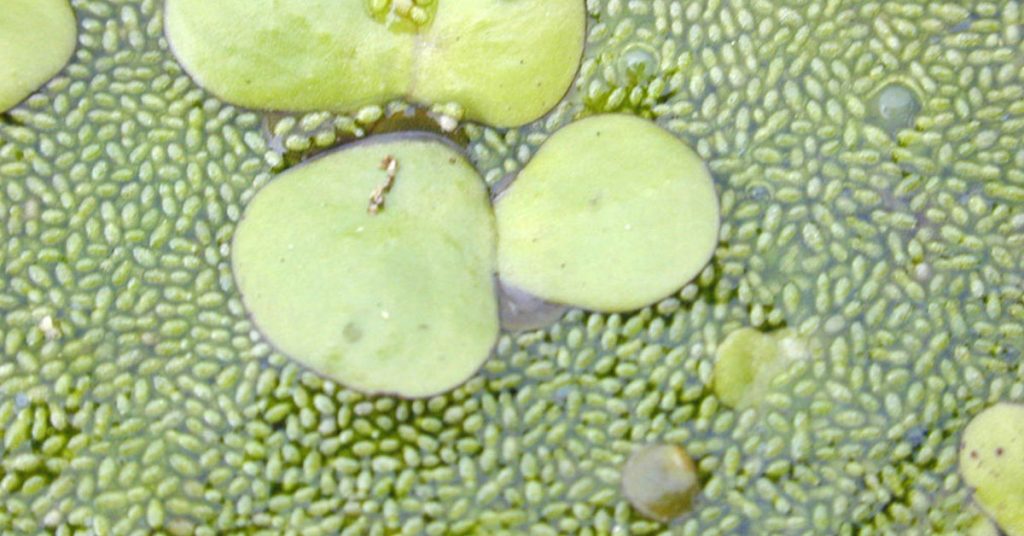
Duckweed is a tiny, free-floating aquatic plant native to temperate and tropical regions that creates a delicate, natural carpet on the surface of still water. In my water garden, duckweed may be small, but it plays a significant role by providing shelter for microscopic aquatic organisms and a haven for tiny insects that contribute to a balanced ecosystem. Its rapid growth and ability to absorb excess nutrients help keep the water clear, making it both a functional and attractive addition to any pond.
Although duckweed can spread quickly, it is generally considered non-invasive in well-managed water features, where its growth can be easily controlled through regular maintenance. Its subtle, unobtrusive presence offers a natural, green blanket that softens the water’s surface and adds a touch of whimsy to the landscape. Every time I glance at a pond covered in duckweed, I’m reminded that even the smallest plants can play a big part in the intricate web of aquatic life!
Hornwort (Ceratophyllum demersum)
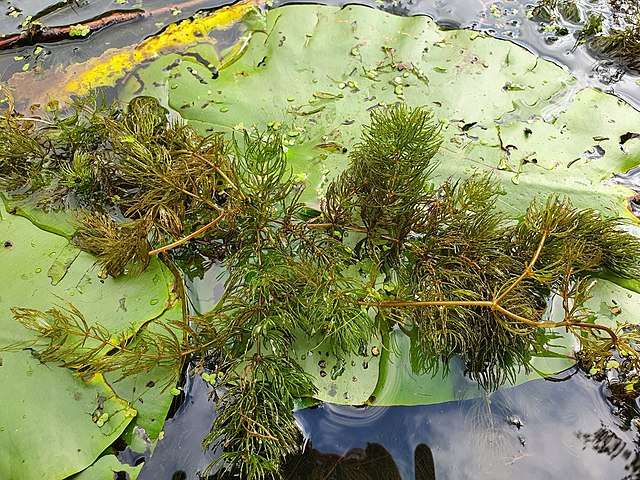
Hornwort is a free-floating, submerged aquatic plant native to temperate regions that adds a unique, bushy texture to your water garden. In my experience, hornwort’s fine, thread-like branches provide excellent hiding places for small aquatic creatures and attract tiny insects that help maintain a healthy underwater ecosystem. Its vibrant green mass helps oxygenate the water and control algae growth, contributing to a balanced, thriving aquatic environment.
This non-invasive plant thrives in still or slow-moving water and requires little maintenance, making it ideal for ponds and water features where clarity and balance are key. With its rapid growth and natural adaptability, hornwort continues to flourish year after year, proving that even submerged plants can add dynamic beauty and essential ecological benefits. Every time I observe hornwort swaying beneath the surface, I’m reminded of the hidden wonders that exist in the depths of a well-tended water garden!
Water Sprite (Ceratopteris thalictroides)
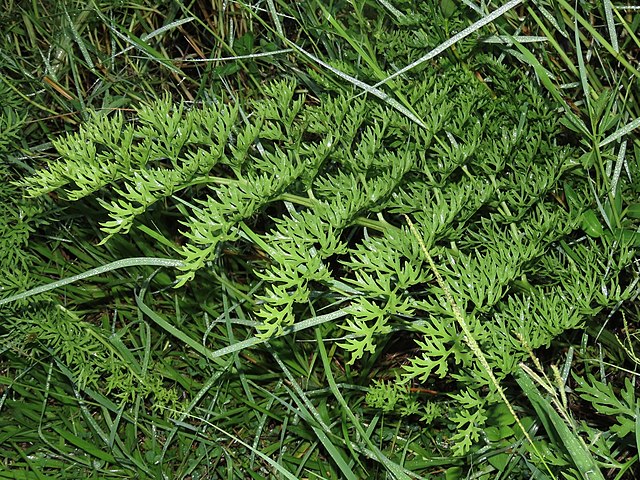
Water Sprite is a delicate, aquatic fern native to tropical regions that thrives in the gentle, filtered light of a water garden. In my setup, water sprite creates a soft, feathery display just beneath the water’s surface, providing an inviting habitat for tiny aquatic insects and a cool refuge for small fish. Its fronds add a natural, flowing texture to ponds and water features, creating a dynamic interplay between water and greenery that is both calming and visually striking.
Despite its ethereal appearance, water sprite is non-invasive and easy to care for, thriving in well-oxygenated water with minimal nutrients. With regular maintenance and a bit of light, this fern continues to flourish, offering continuous movement and natural beauty to your aquatic landscape. Every time I watch water sprite float gracefully, it feels like witnessing nature’s delicate ballet—a subtle yet captivating performance that brightens even the most tranquil water garden!
Marsh Marigold (Caltha palustris)
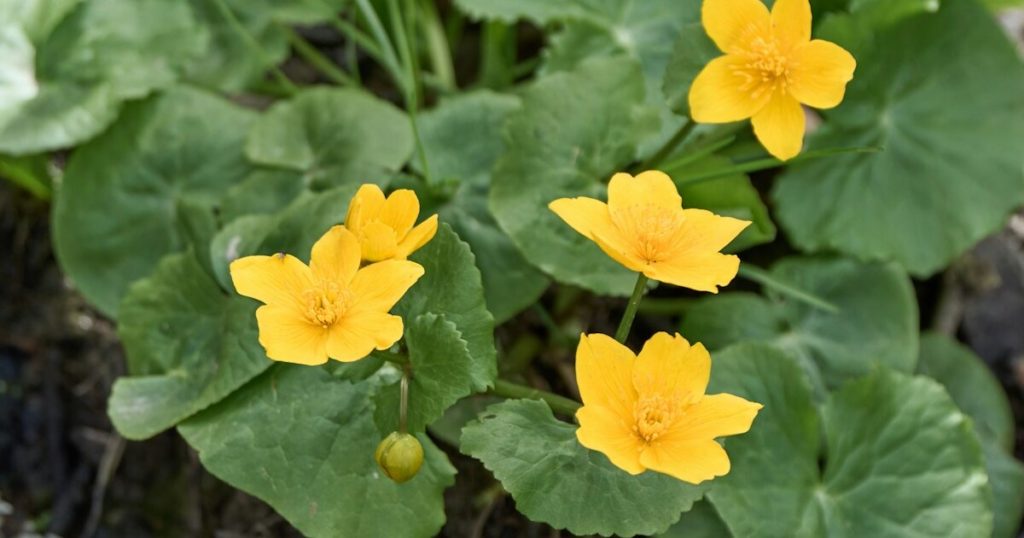
Marsh Marigold is a charming, early-blooming perennial native to temperate wetlands that brings a splash of bright yellow to water gardens and boggy areas. In my garden, marsh marigold’s vibrant, cup-shaped blossoms open in early spring, attracting bees and butterflies that add a lively energy to the wet landscape. Its glossy, dark green leaves provide a striking contrast to the sunny blooms, creating a harmonious and eye-catching display along pond edges and damp meadows.
This plant is non-invasive when grown in its preferred moist, well-drained soils and thrives in partial sunlight, making it ideal for adding color to wet or marshy areas without overwhelming the space. With minimal care, marsh marigold continues to produce its cheerful blooms year after year, offering a natural reminder of renewal and the beauty of early spring. Every time I see its golden petals, I’m filled with hope and the gentle promise of nature’s everlasting cycle of life!
Crinum Lily
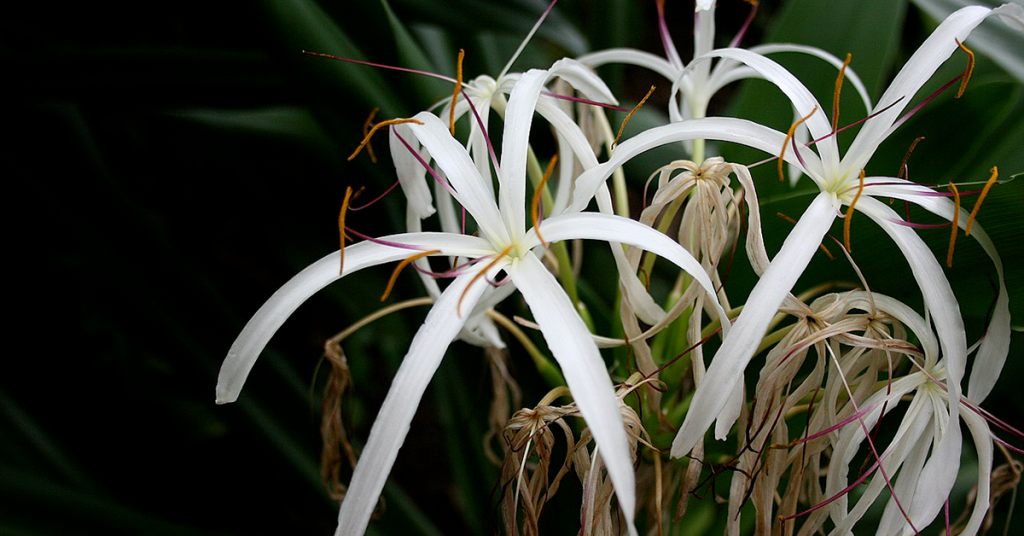
Crinum Lily is a dramatic, water-loving perennial native to tropical and subtropical regions that adds an exotic flair to water gardens. In my pond, crinum lilies produce large, trumpet-shaped blooms in shades of white and pink that not only attract bees and butterflies but also create a striking contrast against their dark, glossy foliage. Their impressive, clump-forming growth habit makes them a focal point in any water garden, while their strong, fibrous roots help stabilize the soil along pond edges.
This plant is non-invasive and thrives in moist, rich soils with plenty of indirect light, ensuring that it continues to flourish year after year. With minimal maintenance and a bit of careful watering, crinum lilies reward you with a continuous display of elegant blossoms that elevate the beauty of your water garden. Every time I see these magnificent flowers, it feels like nature is offering a touch of tropical luxury—an enduring reminder of resilience and refined beauty!
Bog Bean (Menyanthes trifoliata)
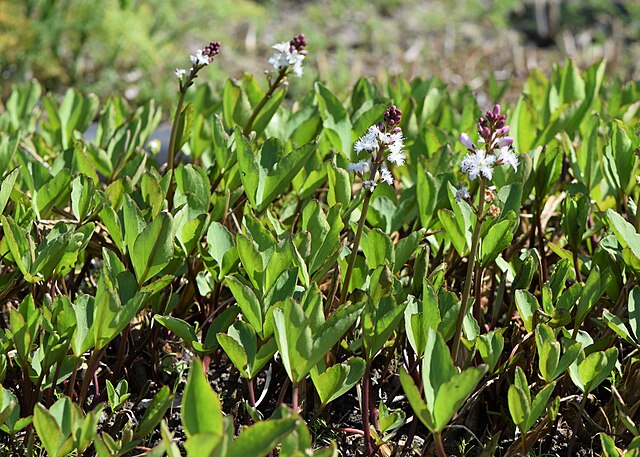
Bog Bean, also known as buckbean, is a perennial aquatic herb native to North America that thrives in wetlands and shallow water areas. In my water garden, bog bean produces delicate, fern-like foliage and clusters of small, white to pink flowers that attract a variety of pollinators, including bees and butterflies, which help sustain a balanced ecosystem. Its graceful, arching form and subtle fragrance add a wild, natural beauty to marshy areas, making it a favorite for creating a serene, rustic atmosphere.
Non-invasive and easy to manage, bog bean flourishes in boggy, well-drained soil and can be grown in large water containers or shallow ponds. With minimal care and the right balance of moisture, it provides a continuous, understated display of blooms that complements other aquatic plants. Every time I see bog bean swaying gently in the water, I’m reminded of the peaceful, untamed spirit of wetland environments—a true testament to nature’s quiet resilience and beauty!