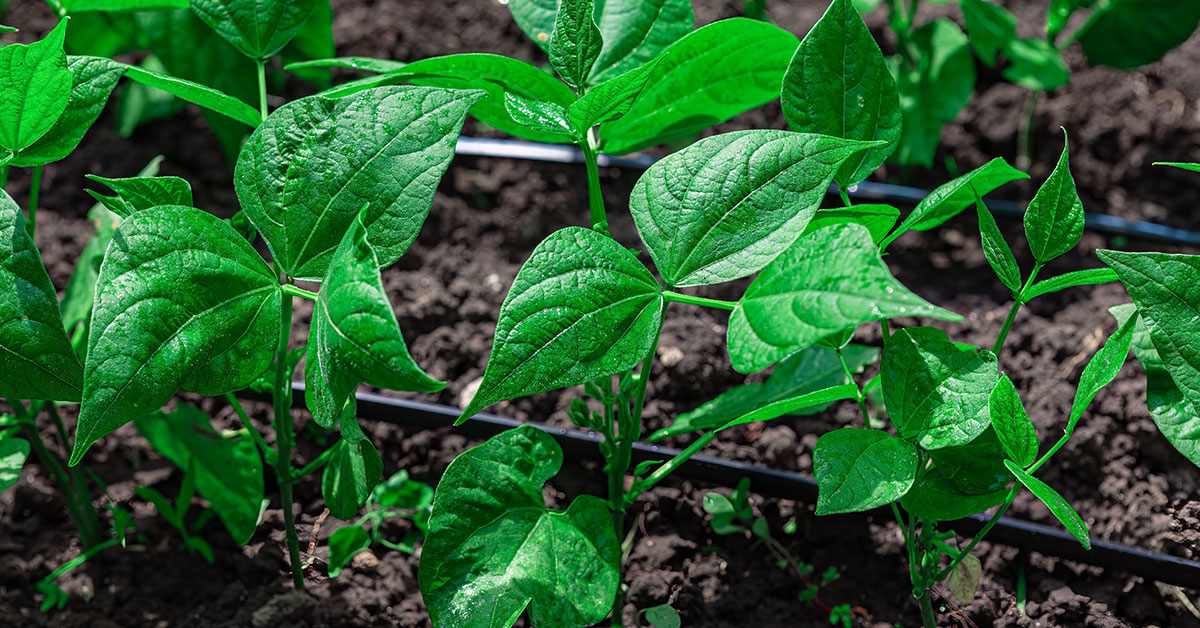

Green beans are some of the most satisfying vegetables to grow—fast-growing, productive, and adaptable to a range of garden sizes. But if you want your green bean patch to really thrive, choosing the right companion plants can make a world of difference. Whether you’re trying to repel pests, improve soil health, or just create a more beautiful and functional space, surrounding your beans with supportive neighbors is one of the smartest things you can do. And as someone who’s dealt with beetle invasions and tangled trellises, I can say this approach truly helps!
Green beans, both bush and pole types, are nitrogen-fixing legumes native to Central and South America. Because they enrich the soil with nitrogen, they’re excellent partners for crops that crave nutrients—but they also need protection from certain pests and benefit from shade or structure provided by other plants. Here’s a list of my favorite companions to plant with green beans, based on experience and ecological harmony. Let’s turn your bean bed into a buzzing, blooming, bountiful space!
Marigolds

Marigolds are one of those go-to companions for so many crops, and beans are no exception. These cheerful flowers don’t just brighten up your garden—they’re powerful pest repellents. Their scent helps deter bean beetles, aphids, and nematodes, which can otherwise wreak havoc on your harvest. I love tucking them around the edges of my bean rows as a fragrant little barrier.
Marigolds (Tagetes spp.) are native to Central and South America and are not considered invasive. They also attract beneficial insects like parasitic wasps and hoverflies, which can help control any pests that do sneak through. Some gardeners even report improved pollination and increased yields from beans grown near marigolds!
Corn
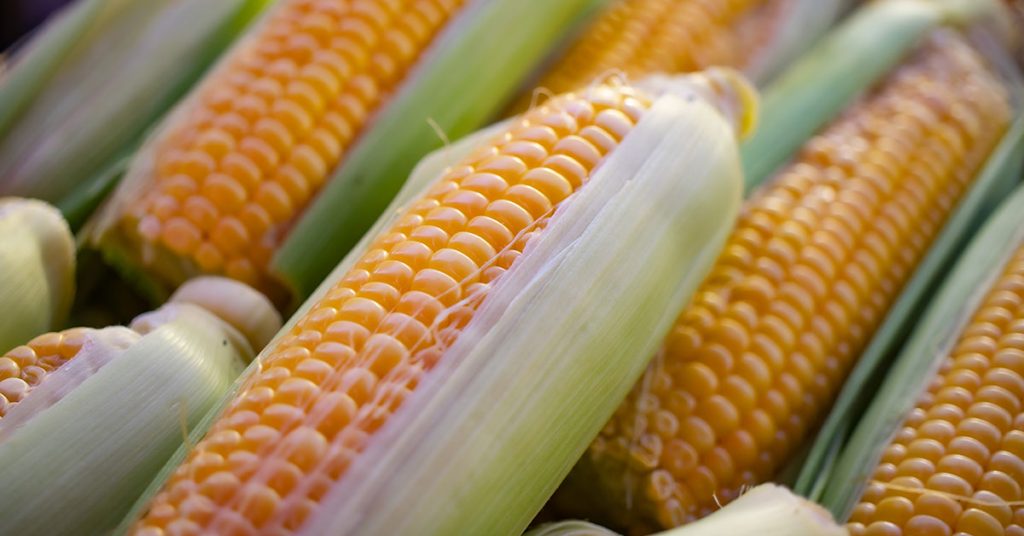
One of the oldest companion plant pairings comes straight from the traditional “Three Sisters” method—corn, beans, and squash. Corn offers pole beans a natural trellis to climb, eliminating the need for stakes or netting. This vertical partnership works best with vigorous climbers that won’t smother their support.
Corn is native to the Americas and isn’t invasive in the garden setting, though it can be greedy for nutrients. The beans return nitrogen to the soil, helping feed the corn in turn. I always smile when I see the beans curling around the corn stalks—it’s like watching an old friendship play out in real time.
Nasturtiums

If you’ve never grown nasturtiums among your beans, you’re missing out on one of the prettiest pest-fighting duos around! Nasturtiums act as a trap crop, luring aphids, whiteflies, and even cucumber beetles away from your beans. And those vibrant, edible blooms? A total bonus.
These trailing or bushy annuals hail from South America and aren’t invasive, making them a perfect companion. I often grow them along the borders of my bean beds or let them spill from containers nearby. Pollinators adore them, and they help keep the garden buzzing with activity throughout the season.
Carrots

Carrots might not seem like an obvious companion, but they fit beautifully under taller crops like beans. Their ferny foliage doesn’t compete much for light, and they benefit from the nitrogen-rich soil beans help maintain. Plus, they grow slowly, which means they won’t interfere with the fast-growing nature of bush beans.
Native to Europe and southwestern Asia, carrots are polite neighbors in most gardens and certainly not invasive. I often plant them between rows of beans to maximize space and diversify root depth in the bed. It’s such a good feeling to pull up a mix of crunchy beans and sweet carrots in one harvest basket!
Cucumbers
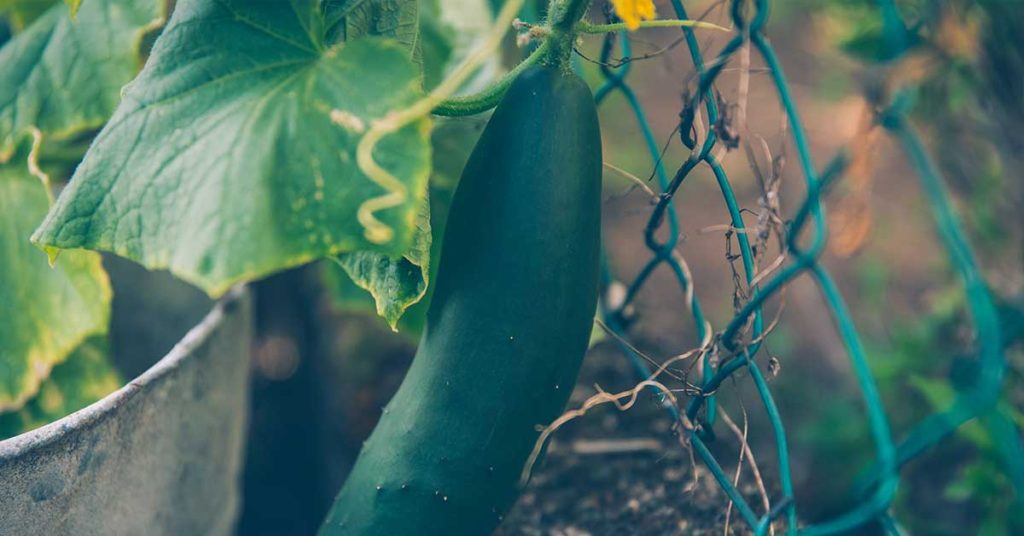
Cucumbers and bush beans get along wonderfully in the garden. They have similar light and water needs, and their sprawling vines help shade the soil, keeping roots cooler and reducing evaporation. I’ve also noticed fewer pest issues when these two are grown together.
Cucumbers are native to India and are not considered invasive in garden settings. Both beans and cucumbers are susceptible to certain beetles, so growing them together—along with a few marigolds or nasturtiums—helps create a mini ecosystem that keeps balance. Just give them plenty of space so neither plant gets crowded out!
Beets
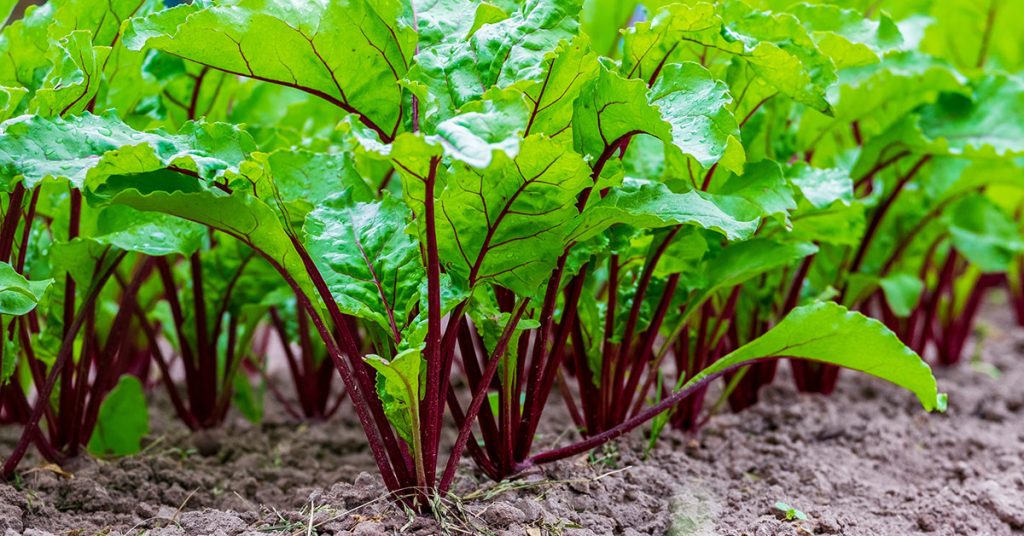
Beets make a wonderful underplanting for beans, especially bush varieties. They stay low to the ground and don’t compete for sunlight, and the beans help enrich the soil with nitrogen that beets need for healthy greens. I like planting a few rows of beets between wider bean rows for a neat and productive layout.
Beets are native to the Mediterranean region and have no invasive tendencies. They also don’t attract many of the pests that trouble beans, so they won’t increase pest pressure. When harvested together, you get a beautiful contrast of crisp green pods and ruby red roots!
Savory
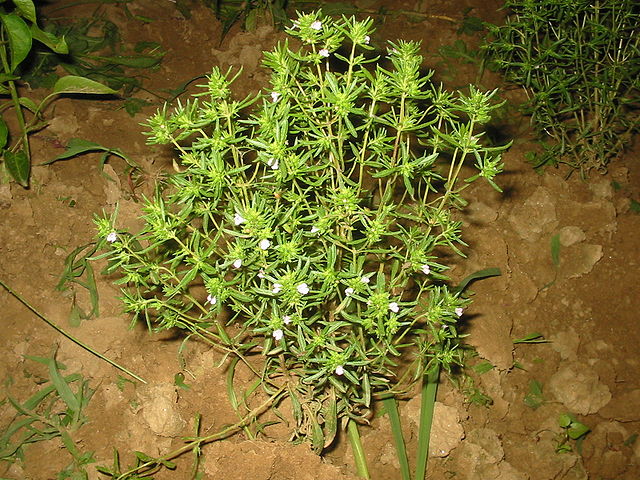
Here’s one you don’t hear about often: summer savory! This herb has a long-standing reputation as the bean’s best friend. It’s believed to enhance the flavor of beans when grown nearby, and its strong scent helps deter bean beetles. As a bonus, it’s a fantastic culinary herb with peppery notes.
Savory (Satureja hortensis) is native to southeastern Europe and the Mediterranean and is not invasive. It grows as a compact, bushy annual, which fits nicely into the edge of a bean bed or along pathways. I find the scent so invigorating—every time I brush against it, it adds a little zip to the day.
Lettuce
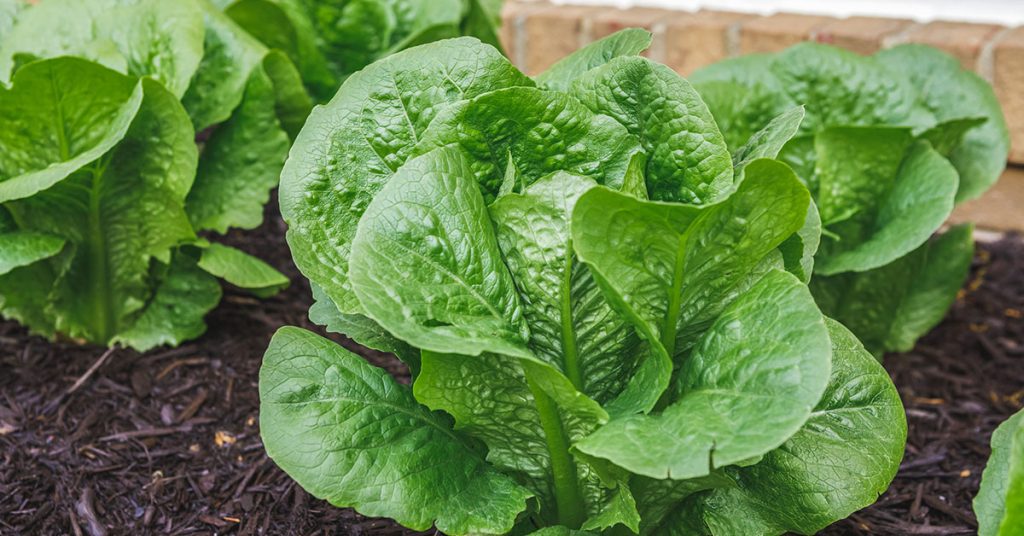
If you’re looking for a cool-season companion to fill in space early or late in the season, lettuce is a great choice. While beans thrive in the full heat of summer, lettuce enjoys a bit of shade—something pole beans can provide with their leafy vines. This makes lettuce a natural fit beneath taller varieties.
Lettuce is a non-invasive plant native to the Mediterranean and Middle East, and it doesn’t compete heavily with beans for nutrients. I love tucking a few rows of loose-leaf varieties beneath my bean trellises. When timed right, you can get a lettuce harvest just as your beans start to climb.
Zinnias
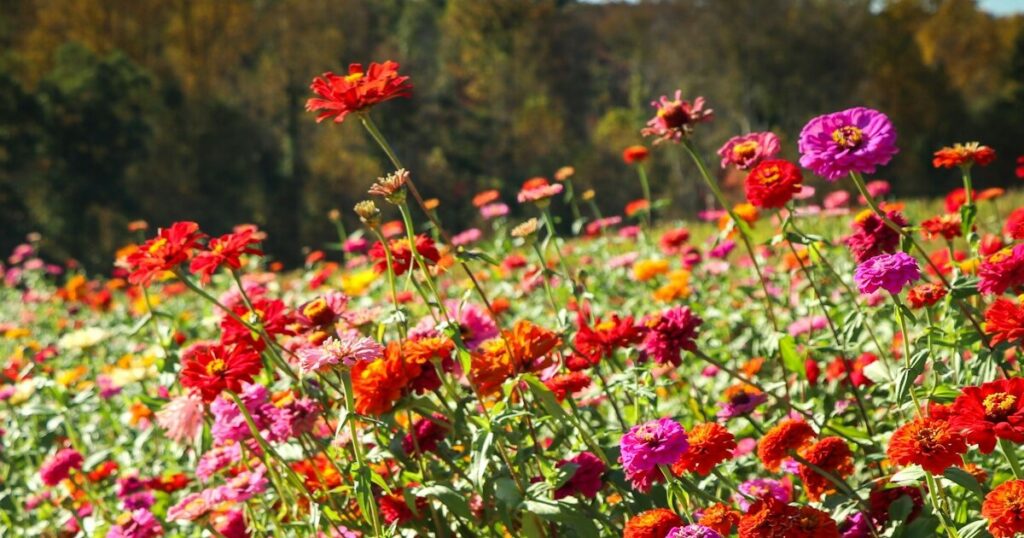
Want to bring more pollinators and color to your bean patch? Zinnias are a brilliant choice. These bright, cheerful flowers attract bees, butterflies, and hummingbirds—especially helpful if you’re growing pole beans, which depend on pollinators for pod production.
Zinnias originate from Mexico and the southwestern U.S. and are not considered invasive. Their upright habit means they won’t smother beans, and they create a stunning contrast against the deep green foliage. I’ve even seen goldfinches nest nearby when zinnias are in bloom—it’s a win-win for beauty and biodiversity!
Potatoes
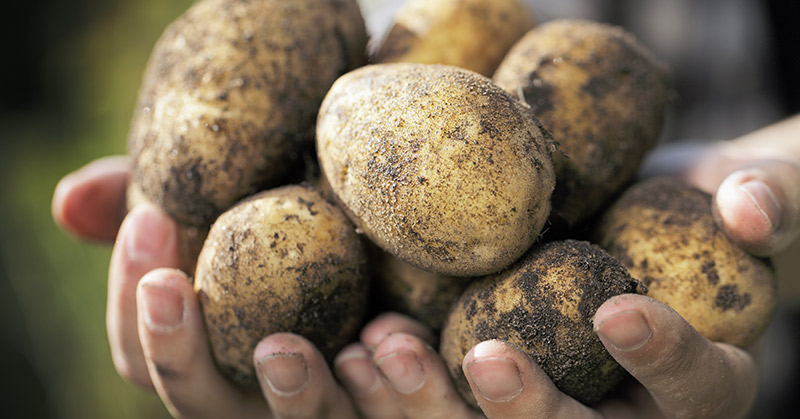
Potatoes and green beans can complement each other well, especially in a rotation or shared bed. While potatoes pull nutrients from deeper soil levels, beans focus on upper layers—and they add nitrogen to the soil, which benefits potatoes during their growth. Just be mindful of spacing to avoid crowding.
Potatoes, native to the Andes, aren’t invasive, but they do need a little room to sprawl underground. I like using bush beans as a soft edge around my potato patch. Together, they make a hearty harvest pairing—and there’s nothing more satisfying than digging potatoes as beans dangle nearby, ready to pick.
Radishes

Radishes are a great fast-growing companion that help loosen the soil around bean roots. They don’t need much space, grow quickly, and mature before beans start spreading too far. I often seed them right alongside my initial bean sowing, and they’re ready to harvest by the time the beans need elbow room.
Radishes are native to Asia and Europe and are not invasive in garden beds. Their pungent roots may even deter certain soil-dwelling pests. They’re a great early-season crop to get your garden moving while your beans take their time to shoot skyward.
Celery
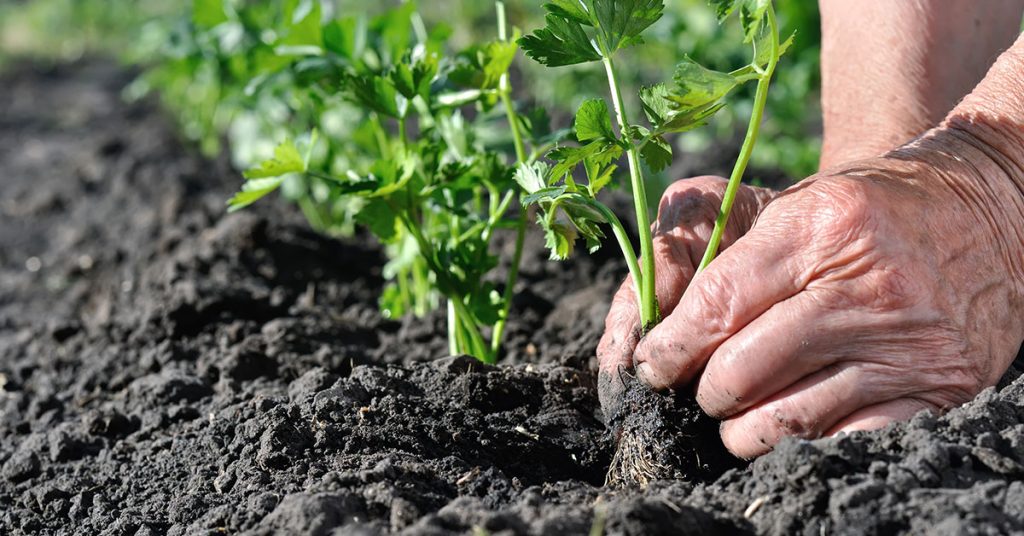
Celery doesn’t often make it onto companion planting lists, but it pairs surprisingly well with green beans. Its upright, shallow-rooted growth habit won’t interfere with bean roots, and its strong scent may help deter aphids and other pests from settling in.
Celery is native to the Mediterranean and has no invasive tendencies in garden settings. I find it especially useful in mixed beds where I’m trying to maximize variety and keep pests guessing. It’s also a handy crop to have on hand for cooking—especially with all those fresh beans coming in!
Dill
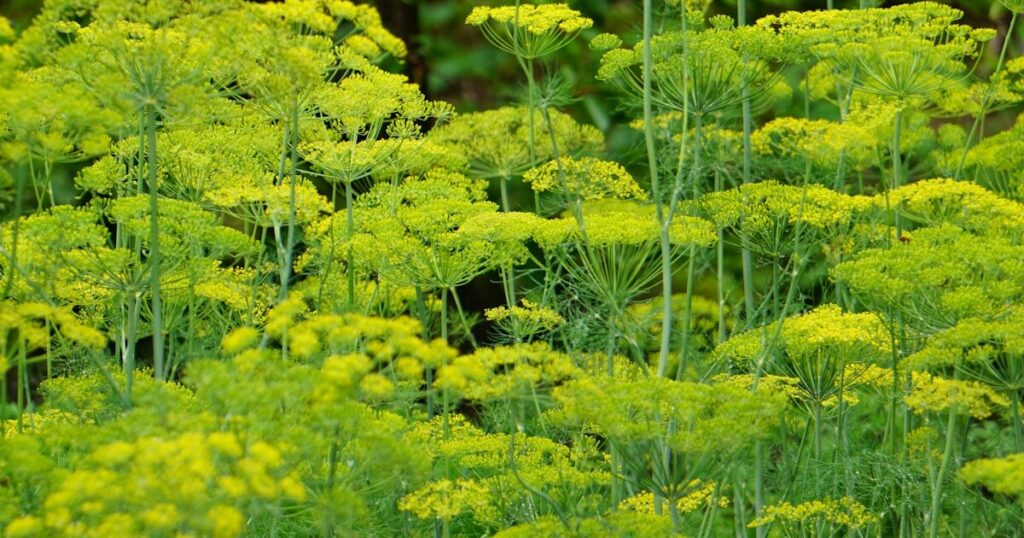
Dill might seem like a plant best left for the herb bed, but it earns its keep among beans by attracting beneficial insects. Lacewings, ladybugs, and parasitic wasps love its lacy flowers—and those insects happen to feast on aphids and bean beetles. It’s a gentle way to balance pest populations.
Dill is native to southwest Asia and the Mediterranean and can reseed easily, but it isn’t aggressive or invasive in most gardens. I like letting a few plants go to flower near my pole bean trellises—it adds a delicate, airy layer to the garden and helps draw in helpful allies.
Swiss Chard
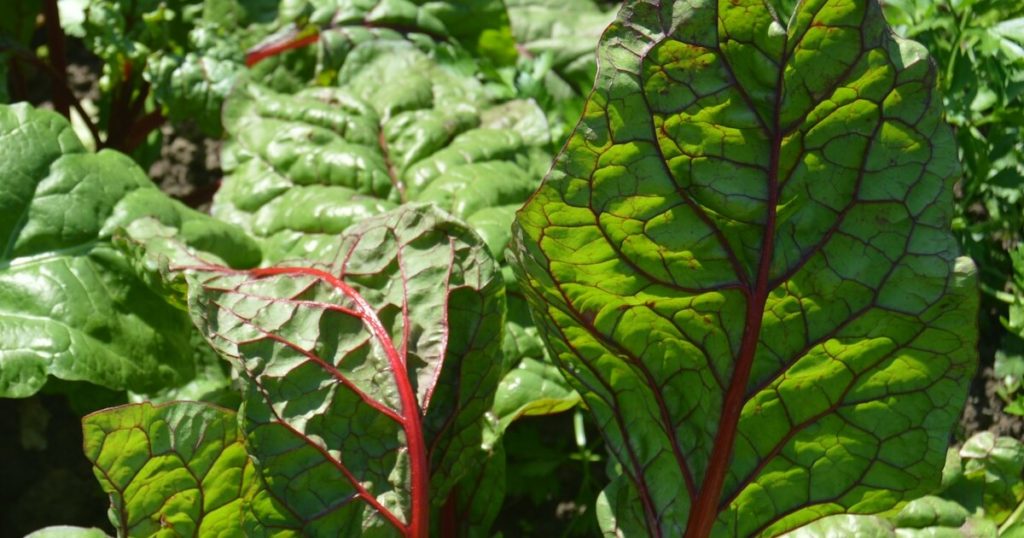
Swiss chard is a nutrient-rich green that plays very nicely with green beans. It has a compact growth habit, doesn’t mind partial shade, and thrives in the nitrogen-rich conditions beans help create. I find it especially helpful in gardens where I want beauty and function in equal measure.
Chard is native to the Mediterranean region and not considered invasive. It adds a splash of color with its vibrant stems, and it stays productive for months if harvested carefully. Nestled between bean plants, it brings a vibrant, leafy contrast to your summer harvest beds.
Oregano
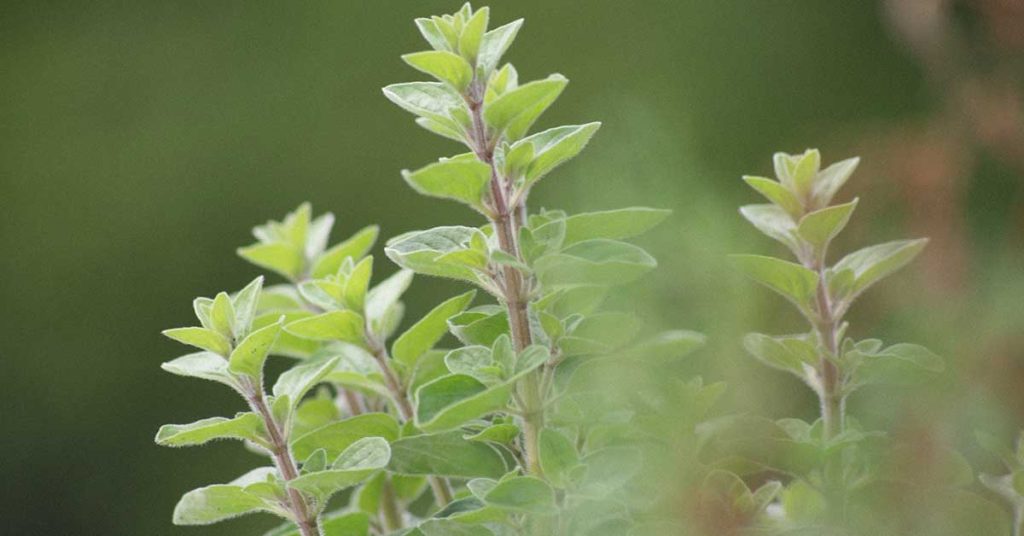
If you’re looking for a low-growing, pest-repelling herb that also smells fantastic, oregano is a perfect addition. It forms a fragrant mat that helps prevent weeds and repel pests like aphids and beetles, thanks to its strong essential oils. It also attracts beneficial insects when it flowers.
Oregano is native to the Mediterranean and can spread over time, but it’s not typically invasive in well-maintained garden beds. I plant it at the corners of my bean rows or near trellises, where it doesn’t compete but still contributes to the overall health and diversity of the space.