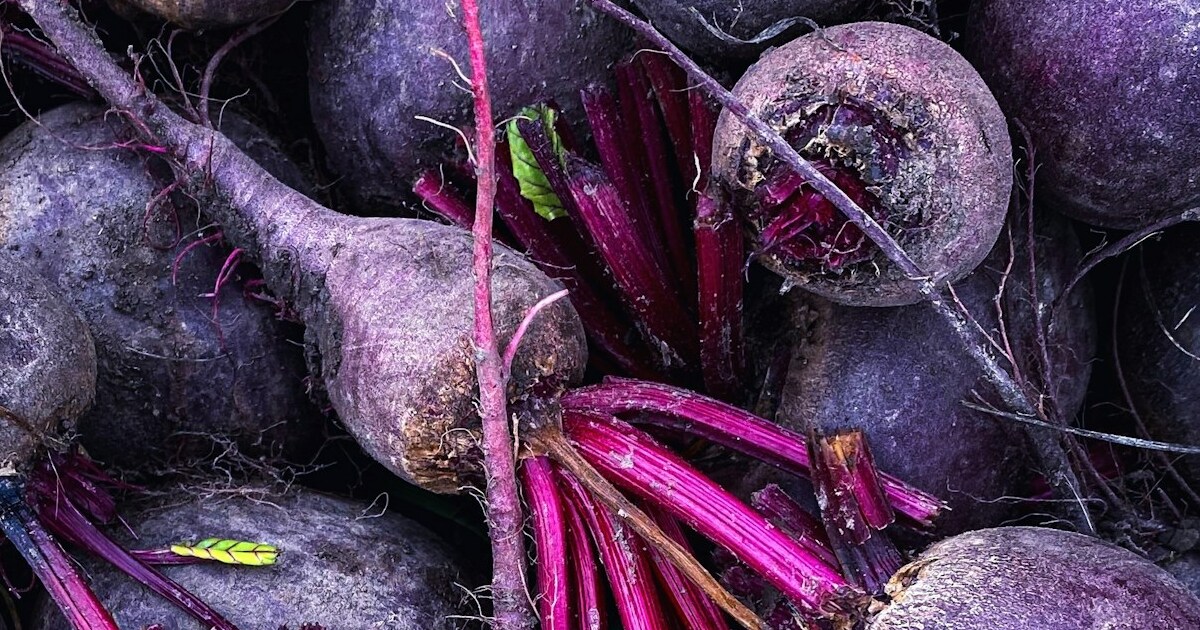

Beets are such a rewarding root crop—nutritious, earthy-sweet, and beautiful both above and below ground. But if you’ve ever struggled with stunted roots, tough greens, or persistent leaf miners, you’re not alone. Companion planting has completely transformed the way I grow beets. With the right allies around them, they grow bigger, taste better, and suffer fewer pest problems. And since beets don’t need much space up top, there’s plenty of room to tuck in all kinds of helpful partners!
Beets (Beta vulgaris) hail from the Mediterranean and parts of western Asia and are not considered invasive. They’re usually easy-going neighbors in the garden but definitely benefit from support—whether that’s pest control, soil enhancement, or light shade in the summer sun. The plants below are some of my favorite companions to grow alongside beets, and I’ve randomized their order for a more organic read—because let’s be honest, a great garden isn’t always orderly!
Onions
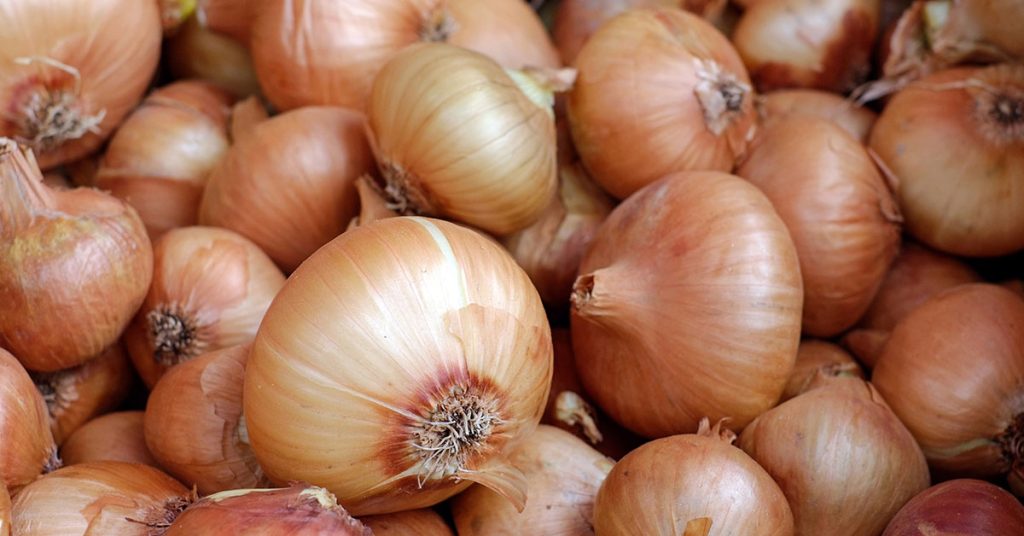
Onions (Allium cepa) make excellent neighbors for beets because their strong smell helps deter pests like aphids and leaf miners. Since onions grow upright and don’t take up much surface space, they won’t shade out your beet greens or crowd the roots. Their shallow root systems also mean they won’t compete for deeper nutrients, allowing both crops to thrive.
Native to Central Asia and widely cultivated globally, onions are not invasive. I love planting them along the borders of my beet beds, where they serve both a protective and structural role. When harvested together, beets and onions pair beautifully in the kitchen too—roasted, pickled, or even tossed raw in a salad!
Bush Beans
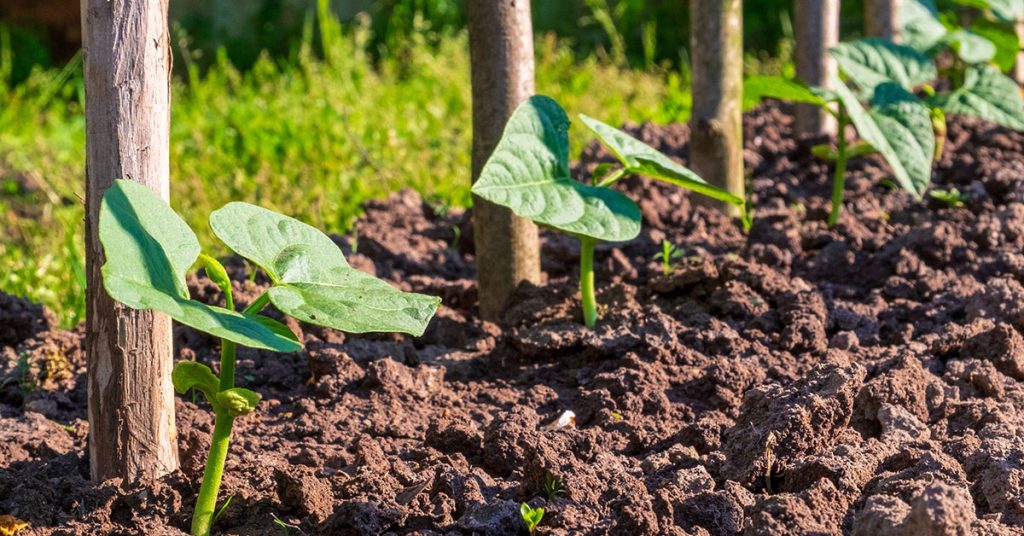
Bush beans (Phaseolus vulgaris) are fantastic nitrogen-fixers that help enrich the soil naturally. Since beets are moderate feeders, they benefit from this little nitrogen boost without being overwhelmed. Beans also provide a bit of ground-level structure without shading out the beets, which makes them a great choice for interplanting in rows.
Native to Central and South America, bush beans are not considered invasive and are easy to grow from seed. I like to alternate rows of beets and beans—especially when starting a new bed—because the beans help improve soil health while the beets fill in any gaps between plants. Plus, the garden looks wonderfully full and alive with so many textures and colors!
Lettuce
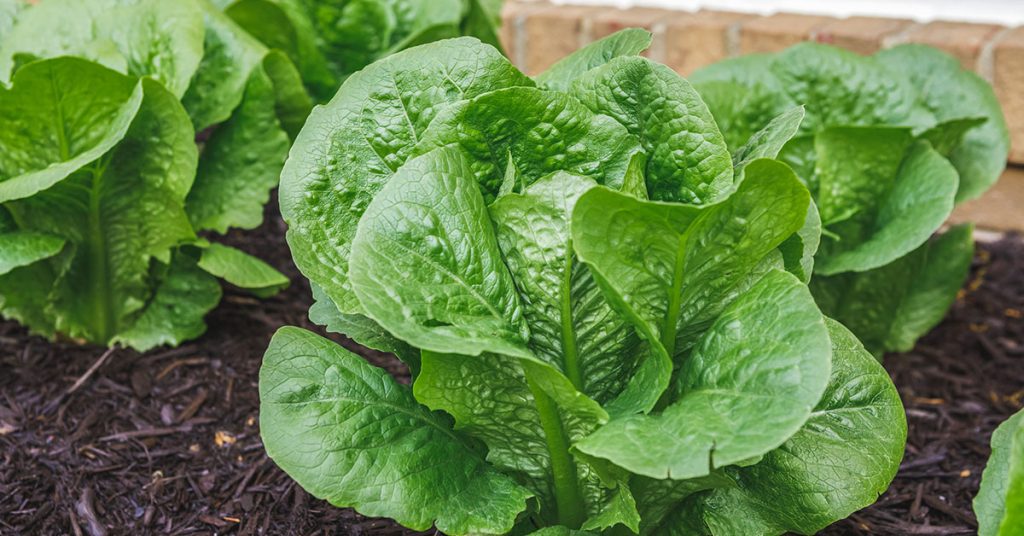
Lettuce (Lactuca sativa) grows quickly and shallowly, making it an ideal companion for beets. These two don’t compete for root space, and lettuce thrives in the partial shade cast by tall beet greens. It’s also a great way to maximize garden space, especially in tight raised beds or small kitchen gardens.
Lettuce is native to the Mediterranean and is not invasive. I often tuck in a few loose-leaf lettuce varieties between beet rows early in the season. The lettuce grows fast and is usually ready for harvest by the time beets begin to swell underground. The two together create a lush, edible undergrowth that keeps weeds in check and the soil cool.
Garlic
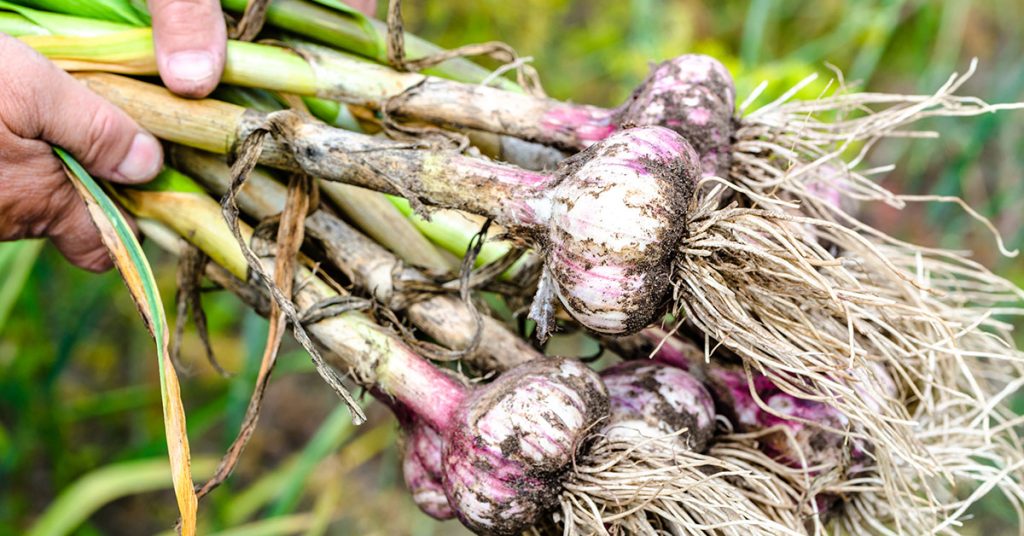
Garlic (Allium sativum) has long been a garden protector thanks to its strong scent and antifungal properties. When planted near beets, it helps ward off common beet pests like aphids and root maggots. Garlic grows vertically and doesn’t compete much with beets for space or nutrients, making it a helpful background plant in beet beds.
Native to Central Asia, garlic is not invasive and can be planted in fall for a spring harvest. I like to plant garlic bulbs in the corners and edges of my beet plots to create a natural pest barrier. Their tall green shoots also give the garden a bit of vertical interest while staying out of the way of beet greens.
Marigolds
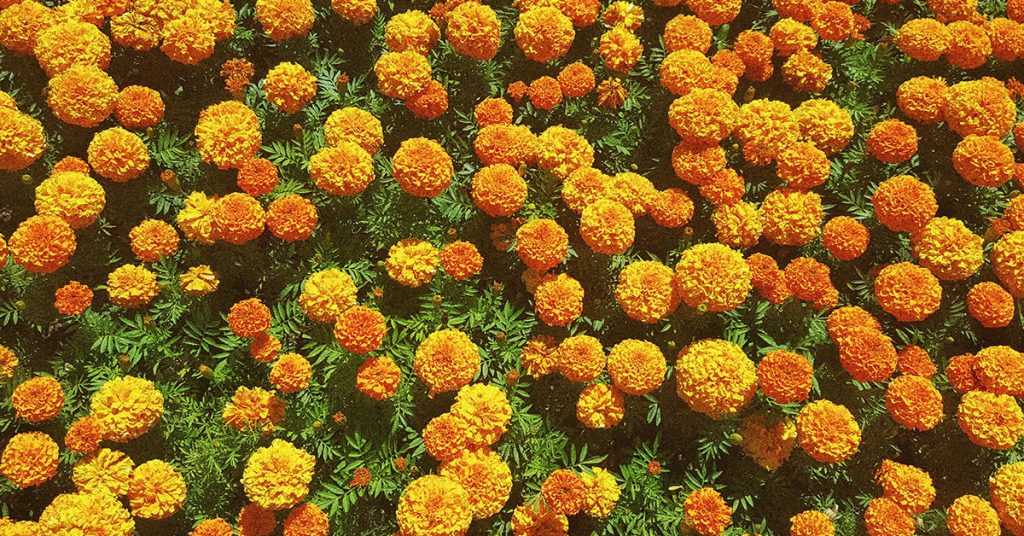
Marigolds (Tagetes spp.) are like the garden’s built-in bodyguards. Their roots release compounds that help deter nematodes, and their fragrant blooms confuse or repel many beet-loving pests like aphids and flea beetles. Even better, their bright colors attract beneficial insects like hoverflies and parasitic wasps that help keep pest populations in check.
Native to the Americas, marigolds are not invasive and grow easily from seed. I love ringing beet beds with compact marigold varieties—they add so much life and color to the garden, and the way they buzz with pollinator activity is a joy to witness. It’s always a win when beauty and function come together!
Radishes

Radishes (Raphanus sativus) grow quickly and are one of my favorite crops to pair with beets early in the season. Their fast-growing roots help break up soil, making it easier for slower-growing beets to establish themselves. And because radishes are often harvested in under a month, they’re long gone by the time beets start to bulk up.
Radishes are native to Europe and Asia and are not considered invasive. I’ll often scatter a few radish seeds over a beet row right after planting. They mark the row, deter pests like flea beetles, and give me a satisfying early harvest while the beets are still busy working underground.
Mint (in Containers!)
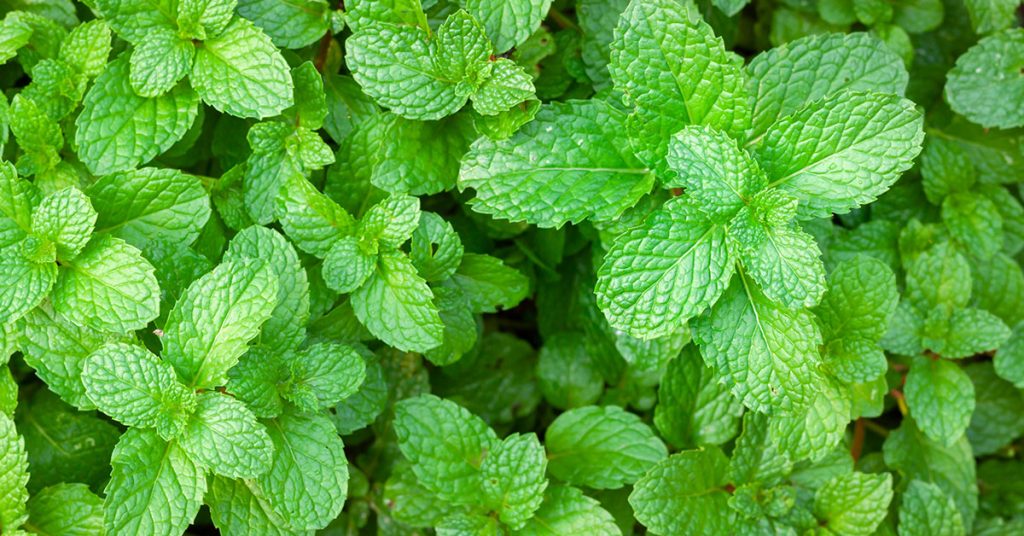
Mint (Mentha spp.) is a powerful pest deterrent, known to confuse aphids, beetles, and even rodents with its pungent aroma. However, mint is aggressively invasive, so it’s crucial to keep it contained in pots if you’re planting it near beets or anything else! But when managed wisely, it’s an excellent beet companion.
Native to Europe and Asia, mint spreads by underground runners and can take over a bed if planted directly in the ground. I like to place a few containers of mint around my beet beds to create an aromatic barrier that pests don’t enjoy crossing. And it’s lovely to have fresh mint nearby when you’re harvesting beets—both are excellent in chilled summer salads!
Chard
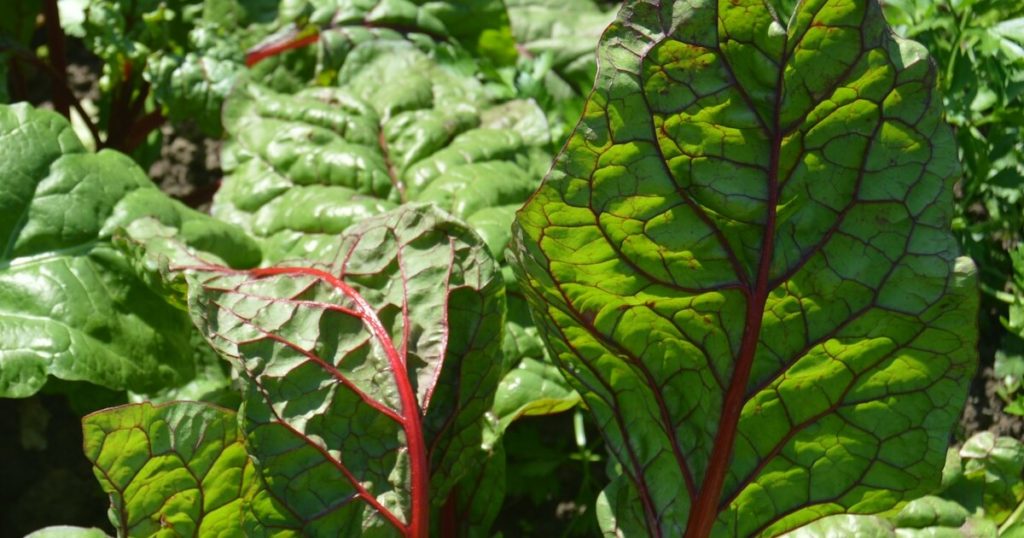
Swiss chard (Beta vulgaris subsp. vulgaris) is actually a close cousin to the beet, bred for its leafy tops rather than its roots. Since they share similar growing needs and soil preferences, they pair wonderfully in a bed together. Chard provides upright leaf growth while beets fill out the soil below.
Native to the Mediterranean, chard is not invasive and grows reliably in most gardens. I often plant alternating rows of beets and chard to stretch out my harvest season. You can start harvesting chard leaves early while the beets are still developing, and the two look so striking together—especially if you grow rainbow varieties!
Cabbage
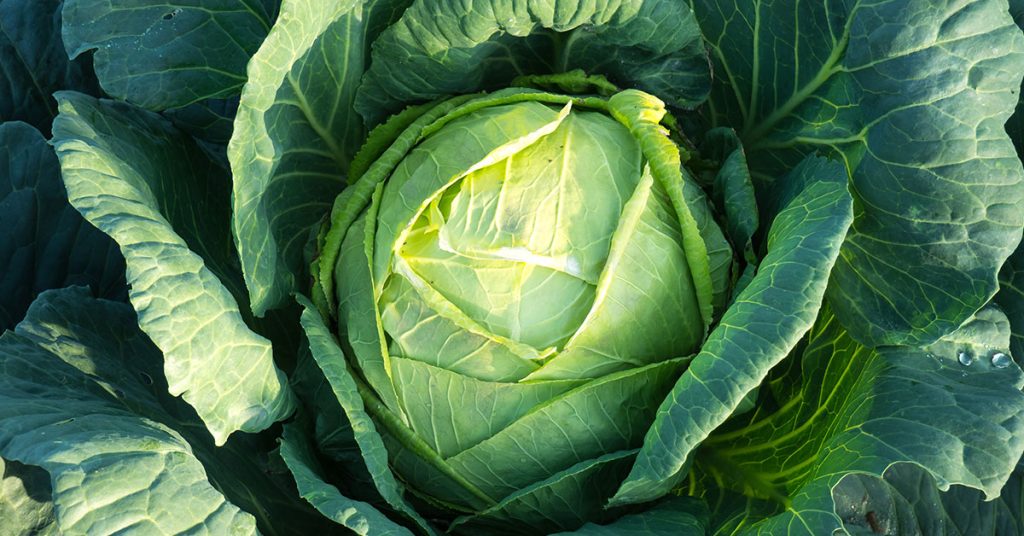
Cabbage (Brassica oleracea) and beets grow well together because they don’t compete heavily for nutrients or root space. The broad cabbage leaves help shade the soil, reducing moisture loss and helping keep beet roots cool—particularly helpful as temperatures rise.
Native to Europe, cabbage is not considered invasive. I often plant beets near cabbage starts in early spring, letting the beets take advantage of the looser space while the cabbage is still small. As the cabbage grows, the beets are nearly ready to harvest, and the timing works beautifully. Just watch for pests—cabbage loopers and flea beetles love both crops, so companion planting with marigold or dill nearby is helpful.
Dill
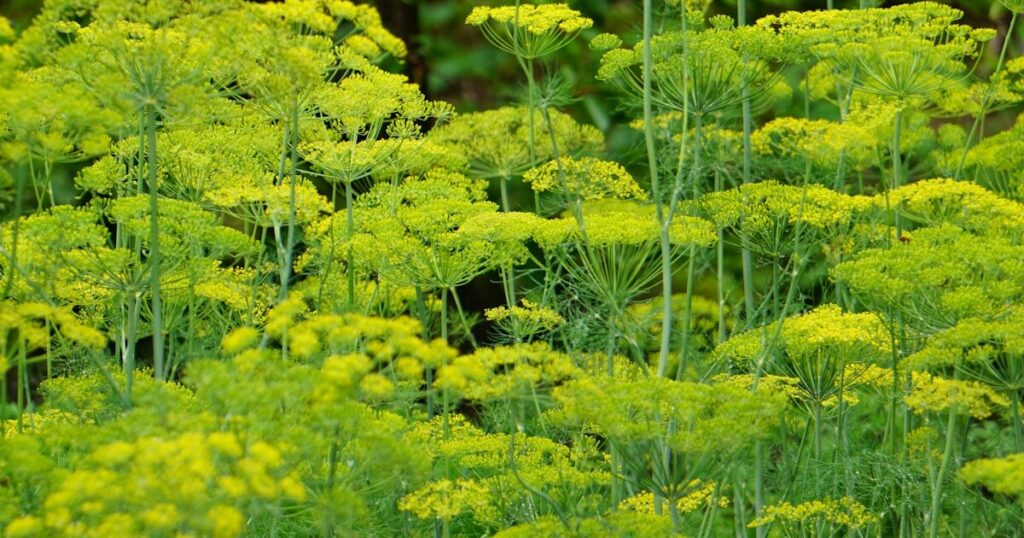
Dill (Anethum graveolens) may not feed your beets directly, but it certainly helps protect them. It attracts ladybugs, lacewings, and parasitic wasps, all of which help control aphids and other pests. Dill’s tall, feathery stems don’t shade beets much and add a delicate vertical texture to the garden.
Dill is native to the Mediterranean and southwestern Asia and is not invasive, though it can reseed easily. I love letting a few dill plants bloom near my root crops—it’s like setting up a pollinator buffet. And of course, there’s something satisfying about harvesting dill fronds and beets for the same pickling jar!
Calendula

Calendula (Calendula officinalis) is a gentle but powerful flower in the garden. Its sticky pollen traps aphids and whiteflies, and it attracts hoverflies, which help control beet leaf miners. Calendula also blooms early and often, making it a great early-season pollinator plant.
Native to southern Europe and the Mediterranean, calendula is not invasive but can reseed itself generously. I love dotting it around my beet beds to bring in pollinators and brighten up the space. When calendula and beets are in bloom together, the garden practically glows!
Spinach
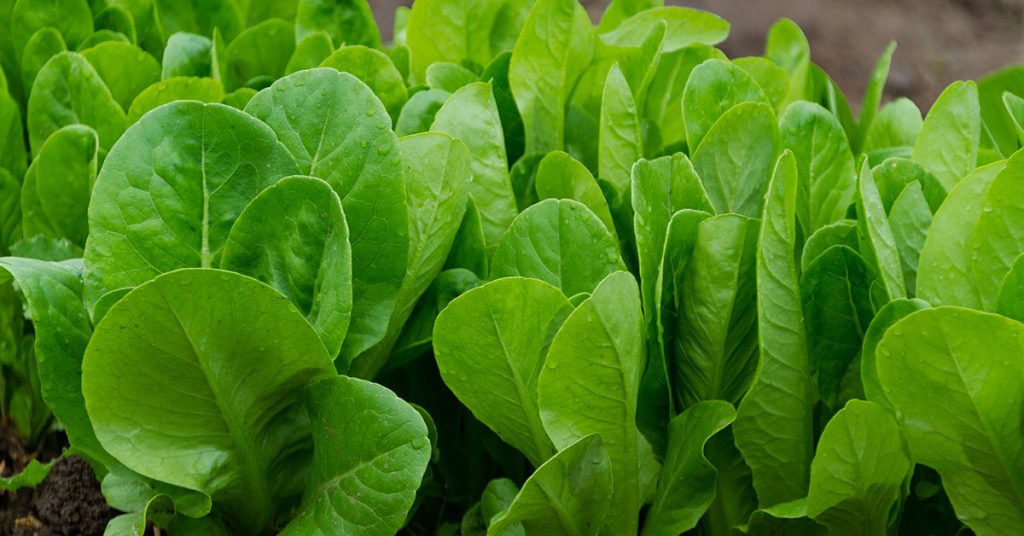
Spinach (Spinacia oleracea) is another shallow-rooted leafy green that gets along great with beets. It grows fast and can be harvested early, long before the beets reach full size. Their shared cool-season growing window makes them a smart pairing in spring or fall gardens.
Spinach is native to Persia (modern-day Iran) and is not invasive. I often sow spinach thickly between beet rows, giving me a double harvest in the same footprint. Once spinach starts to bolt, it’s time to thin and let the beets take center stage. It’s one of the easiest ways to boost productivity in a small space.
Thyme
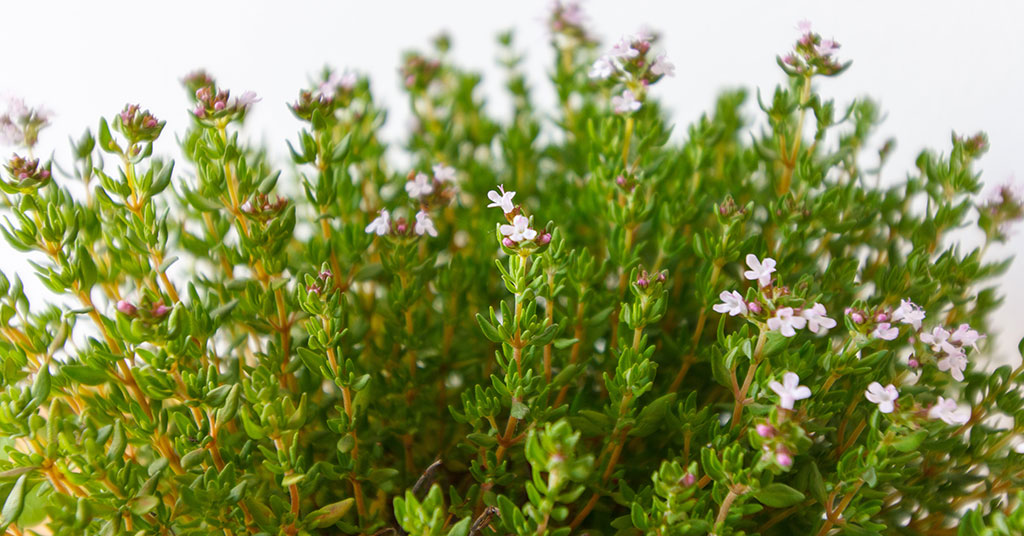
Thyme (Thymus vulgaris) is a fragrant, low-growing herb that makes a great living mulch for beets. Its scent helps mask the smell of beet leaves from pests, and its flowers attract a wide range of beneficial insects. Thyme also helps reduce erosion and lock in soil moisture.
Native to the Mediterranean, thyme is not invasive and tends to stay where it’s planted. I like to grow it at the front edge of beet beds or in cracks between paving stones nearby. It creates a little herbal halo of protection and beauty, and it’s always handy to snip a sprig or two when cooking beets!
Catnip (in moderation!)
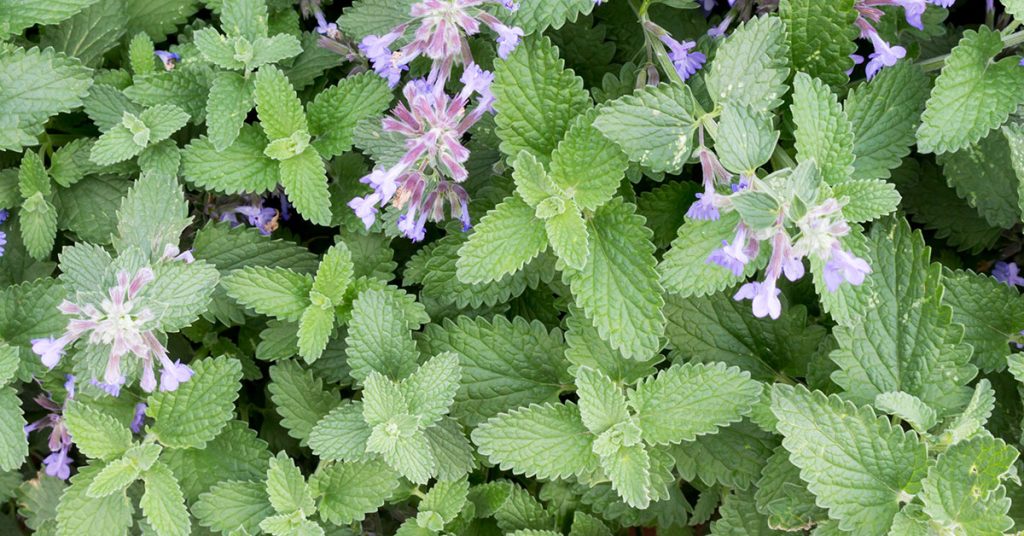
Catnip (Nepeta cataria) can help repel flea beetles, aphids, and even deer when planted strategically. It has a strong scent that deters many common beet pests, and its flowers attract pollinators and beneficial insects. But like mint, it can spread aggressively, so keep an eye on it.
Native to Europe and Asia, catnip is not considered invasive everywhere, but it can become weedy if left unchecked. I recommend planting it in containers or a dedicated herb zone near your beet patch. And don’t be surprised if neighborhood cats find their way to your garden—catnip tends to attract more than just beneficial insects!