
As a devoted gardener who’s spent years nurturing everything from tiny seedlings to towering blooms, I know exactly how daunting it can be to start a perennial garden—especially when you’re just getting your hands dirty! There’s nothing quite like the satisfaction of watching perennial plants establish themselves, create natural nests for beneficial insects, and add long-lasting beauty to your landscape. I’m here to share 15 perennial gems that are not only beginner-friendly but also boast fascinating native histories and unique behaviors that make them true garden treasures.
Each of these plants comes with its own story—from their origins in far-off lands to their sometimes invasive tendencies if left unchecked—and I’ll be honest about both their strengths and quirks. Whether you’re battling shady corners or battling pests, I hope these suggestions inspire you to create a garden that’s as welcoming as it is vibrant. So grab your gardening gloves, and let’s explore these wonderful perennials with a sense of excitement and a friendly “can-do” spirit!
Bee Balm

Bee Balm is an energetic perennial that brings a burst of color to any garden and attracts pollinators like bees and hummingbirds! Native to North America, this plant’s vibrant red, pink, or purple blossoms serve as natural magnets for beneficial critters while its aromatic foliage helps to ward off common garden pests. I’ve found that its soft, sprawling habit creates little nests that invite an array of insects, making it a dynamic and interactive addition to any garden space.
While Bee Balm is a delight for beginner gardeners, it can sometimes spread a bit too vigorously if not managed properly, edging towards invasive behavior in the right conditions. I always recommend regular pruning to keep its growth in check, ensuring that it remains a charming focal point rather than overtaking other plants. Embracing Bee Balm means welcoming a piece of North American heritage into your garden and enjoying a perennial that not only brightens up your space but also supports a thriving ecosystem!
Lavender
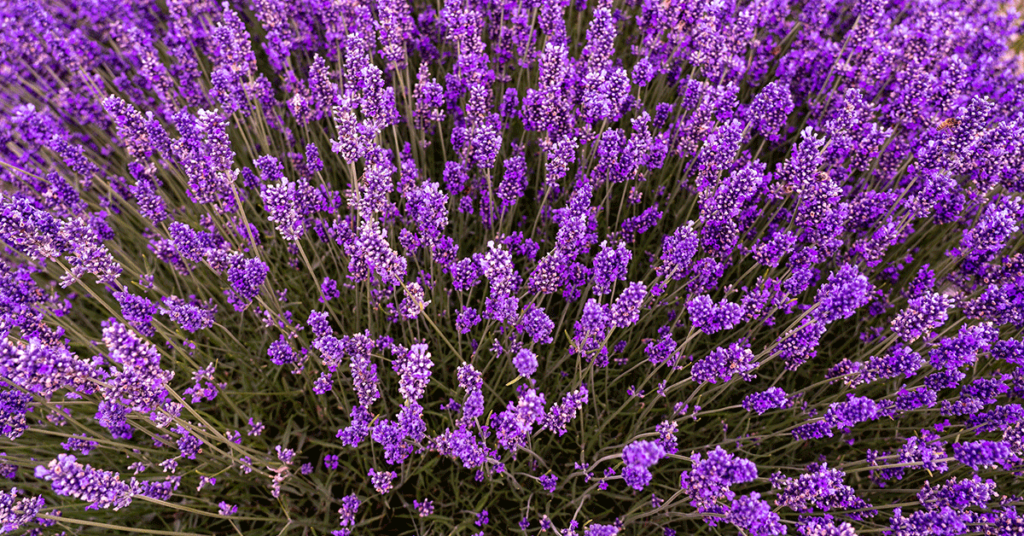
Lavender is a timeless perennial that never fails to impress with its soothing fragrance and beautiful purple blooms. Native to the Mediterranean, this hardy plant thrives in full sun and well-draining soil, and its aromatic oils are known to attract bees while naturally deterring pests. I always marvel at how its bushy habit and delightful scent seem to create an inviting, yet protective, nest for beneficial insects in my garden!
Despite its widespread popularity, lavender can sometimes behave invasively if conditions are too favorable, so a bit of pruning every year goes a long way in maintaining its charm. Its rich history as a medicinal and culinary herb only adds to its appeal, making it a must-have for beginners looking to blend aesthetics with practicality. Lavender not only enhances the sensory experience of your garden but also tells a story of ancient cultivation and natural resilience!
Shasta Daisy
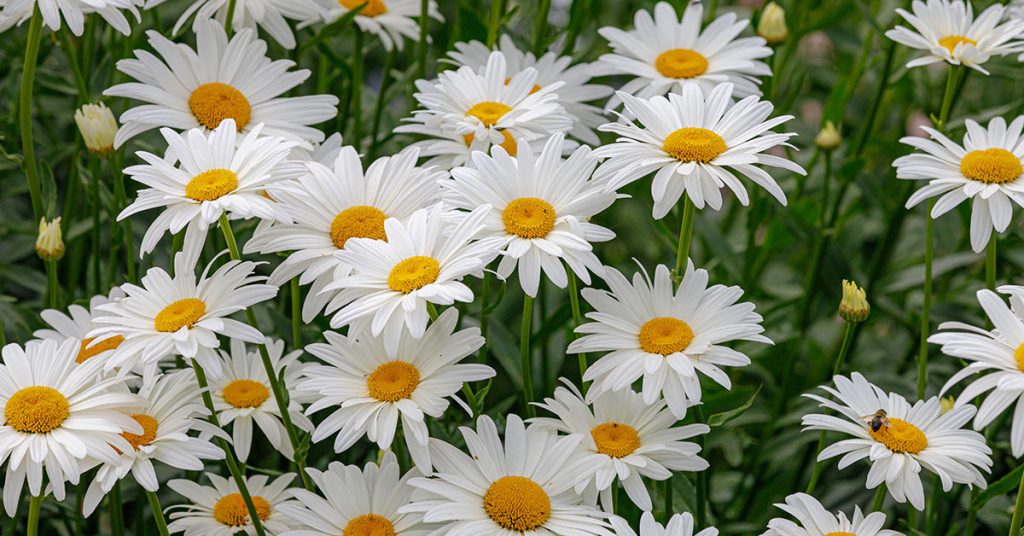
Shasta Daisy is an enchanting perennial that exudes a cheerful simplicity with its classic white petals and sunny yellow centers. Originally bred in the United States, these daisies bring a touch of American garden heritage to any landscape, offering a straightforward charm that’s perfect for novice gardeners. I find their habit of creating neat, low-growing clusters absolutely delightful, as they naturally form little floral nests that invite a host of friendly pollinators.
These daisies are particularly forgiving when it comes to garden maintenance, thriving in both full sun and partial shade. While they aren’t known to be invasive, it’s still a good idea to divide them every few years to maintain their vigor and ensure they continue to display those radiant blooms. For me, Shasta Daisy is a symbol of joyful simplicity—an ideal choice for gardeners looking to ease into the world of perennials with a plant that’s as practical as it is pretty!
Astilbe
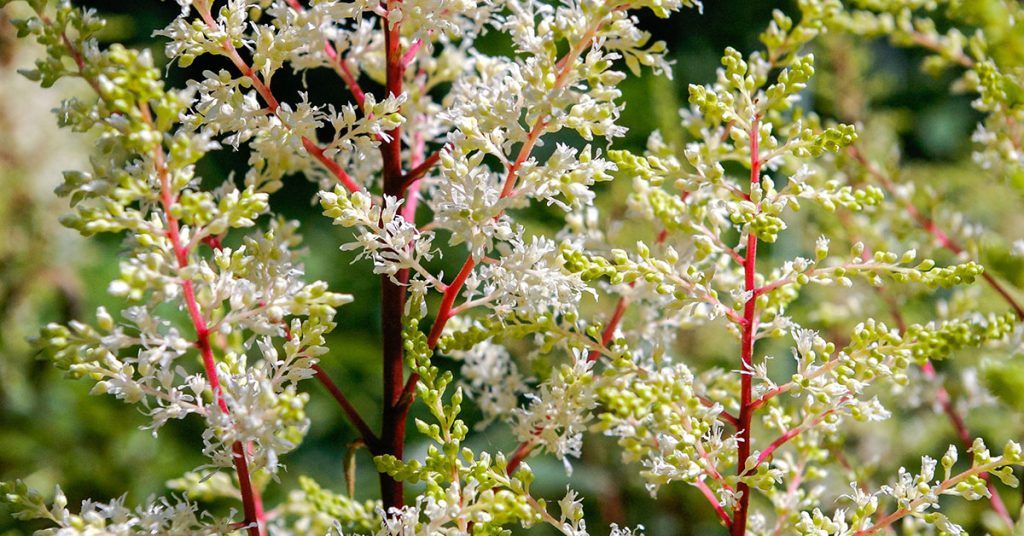
Astilbe is a captivating perennial known for its feathery plumes and rich, vibrant colors that add a soft touch to shady garden areas. Native to Asia and North America, Astilbe prefers moist, well-drained soils and filtered light, making it an excellent choice for those tricky spots in your garden where other plants might struggle. Its airy flower clusters and fern-like foliage seem to create a natural nest for delicate pollinators, adding texture and movement to your landscape!
One of the things I appreciate most about Astilbe is its ability to transform a dull corner into a lush, fairy-tale retreat, even if it requires a bit more water than some sun-loving perennials. Although it isn’t invasive, proper spacing and occasional division help keep it healthy and prevent overcrowding. For beginner gardeners, Astilbe offers a blend of elegant beauty and practical charm, making it an inspiring choice for anyone wanting to add a touch of soft color to the garden!
Black-Eyed Susan
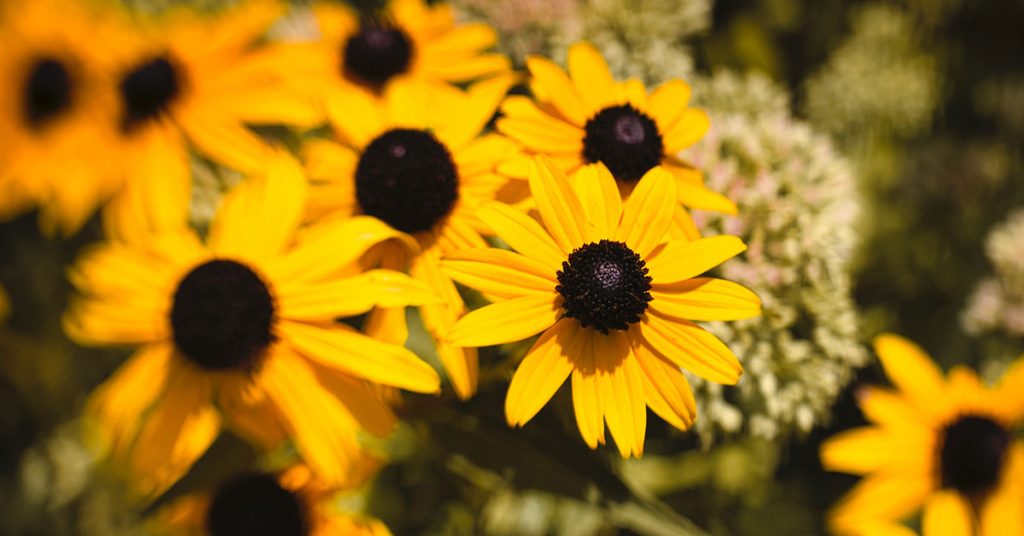
Black-Eyed Susan is a bold perennial that captivates with its bright, daisy-like flowers and deep, dark centers. Native to the prairies of North America, this plant is celebrated for its resilience and ability to thrive in various soil conditions, from sandy to clayey grounds. I’m always thrilled by how these robust blooms seem to naturally cluster together, forming inviting little hubs that attract butterflies and bees to the garden!
Its cheerful disposition and easy maintenance make Black-Eyed Susan a darling for beginner gardeners, though it can sometimes spread more than expected if left untrimmed. It’s a gentle reminder that nature, while generous, sometimes requires a bit of guidance to keep everything balanced. Embracing Black-Eyed Susan in your garden is like welcoming a piece of the great American prairie, where its energetic blooms not only brighten your days but also create a lively habitat for pollinators!
Echinacea (Purple Coneflower)

Echinacea, commonly known as Purple Coneflower, is a perennial favorite renowned for its striking, daisy-like blooms and its robust, medicinal qualities. Native to the central and eastern regions of North America, this plant thrives in sunny locations and well-drained soil, and its distinctive cone-shaped center is a beacon for bees and butterflies. I’m always impressed by how these resilient flowers seem to form natural clusters that provide shelter for small beneficial insects!
This perennial is remarkably low-maintenance, making it a perfect choice for beginners, though it’s worth noting that in some environments it can spread and become slightly invasive. Regular division every few years will help maintain its vigor and ensure that it continues to make a statement in your garden. For me, Echinacea represents the perfect blend of beauty and utility, offering not just visual delight but also a touch of natural wellness that has been cherished for centuries!
Hostas
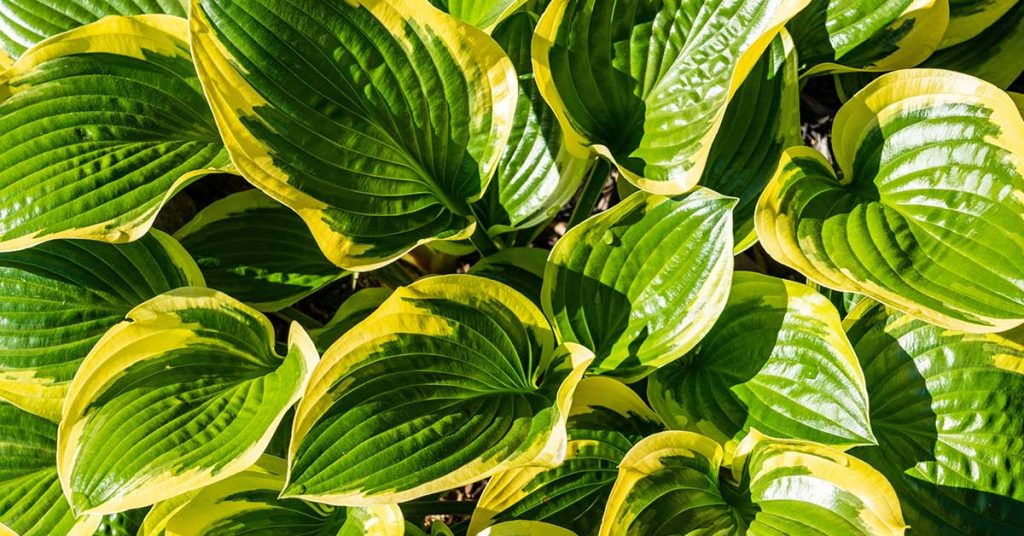
Hostas are a classic perennial that bring a touch of understated elegance to any garden, especially in shady areas where other plants might falter. Native to East Asia, these plants are treasured for their lush, oversized leaves that form natural rosettes—almost like tiny, verdant nests for moisture and beneficial insects. I find their diverse range of textures and colors absolutely enchanting, providing a cool respite from the sun and a lush backdrop for other blooms.
While Hostas are incredibly hardy and low-maintenance, they do have a tendency to spread, sometimes verging on invasive behavior in favorable conditions. This characteristic means that occasional division is necessary to keep them in check and ensure that each plant has ample space to flourish. For beginner gardeners, Hostas offer both beauty and practicality—transforming even the shadiest corners into vibrant, living canvases that celebrate nature’s diversity!
Peony
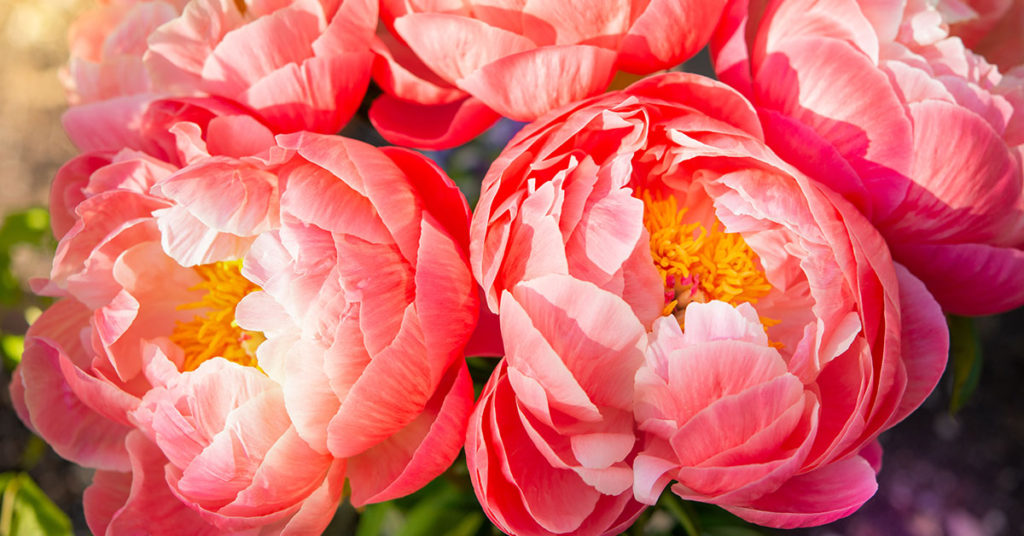
Peonies are a perennial marvel that exude old-world charm with their lush, full blooms and intoxicating fragrance. Native to Asia, Europe, and Western North America, these dramatic flowers have been cultivated for centuries for their ability to create spectacular garden statements. I always find it exhilarating when peonies burst into bloom, their rich petals forming elegant clusters that look as if they’ve been carefully arranged in nature’s very own nest!
Despite their stunning appearance, peonies are known for being a bit finicky when it comes to location and soil conditions, though their effort is more than rewarded with breathtaking displays. They are not typically considered invasive, but they do require a few seasons to fully establish their roots and develop that signature lush density. For beginner gardeners, peonies represent a rewarding challenge—a plant that, with a little patience, transforms your garden into a living gallery of floral artistry!
Salvia
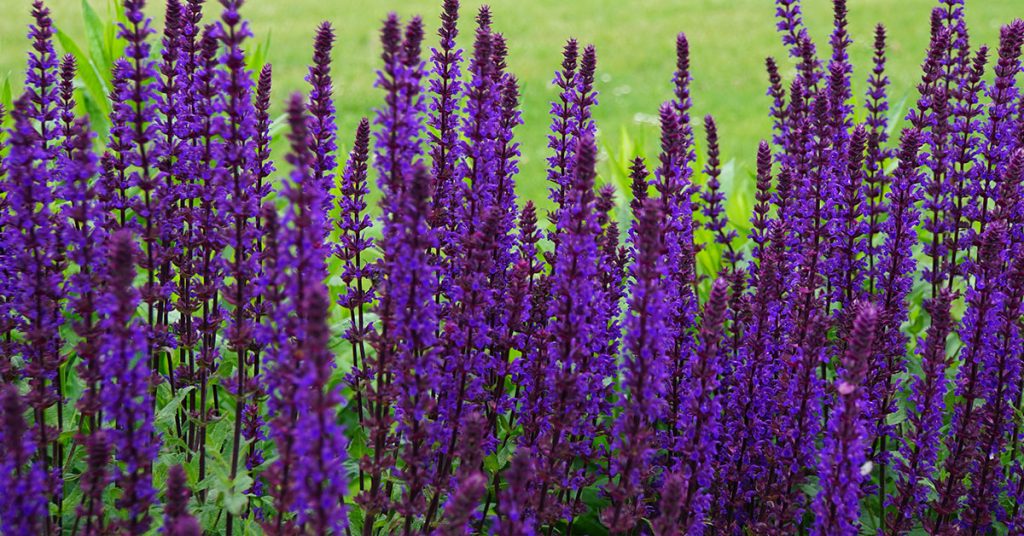
Salvia is an energetic perennial that infuses the garden with vibrant color and dynamic structure, making it a brilliant choice for beginners seeking both beauty and practicality. Native to various regions, including Central and South America, as well as parts of Asia and the Mediterranean, Salvia boasts a diverse range of species that offer everything from deep blues to fiery reds. I’m always fascinated by how these plants attract hummingbirds and bees with their tubular blooms, creating natural pollinator nests that bring life to the garden!
While Salvia is generally low-maintenance and non-invasive, some varieties can spread under optimal conditions, so it’s wise to keep an eye on their growth and provide occasional pruning. Its aromatic foliage and brilliant flower spikes add both structure and movement, ensuring that your garden has a lively, ever-changing character throughout the season. For me, Salvia is a testament to the power of perennials to transform a simple garden plot into a dynamic haven of color and activity!
Coreopsis
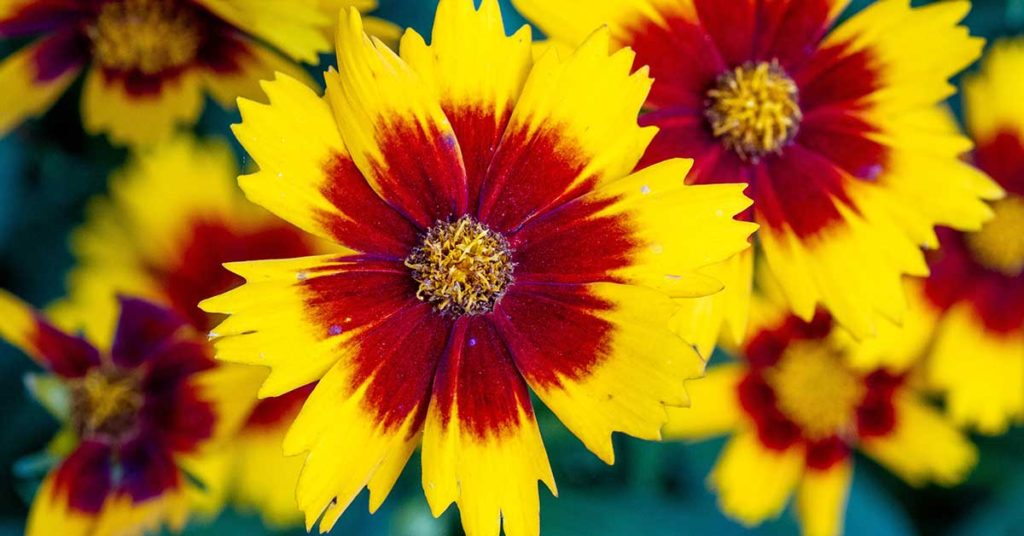
Coreopsis, often known as tickseed, is a charming perennial that lights up the garden with its sunny, daisy-like blooms and cheerful disposition. Native to North America, this plant thrives in full sun and well-drained soil, and its vibrant yellow, orange, or red flowers create a radiant display that seems to invite pollinators into its natural, clustered nests. I always enjoy the way Coreopsis brings a touch of rustic elegance to my garden, making every corner feel warm and inviting!
Although Coreopsis is admired for its hardiness and ease of care, it can sometimes exhibit invasive tendencies in particularly favorable climates. Regular deadheading and proper spacing help keep it under control while maintaining its captivating charm. For beginner gardeners, Coreopsis offers a delightful combination of resilience and beauty—an ideal perennial that adds a splash of sunshine to your garden while nurturing a lively, insect-friendly environment!
Russian Sage
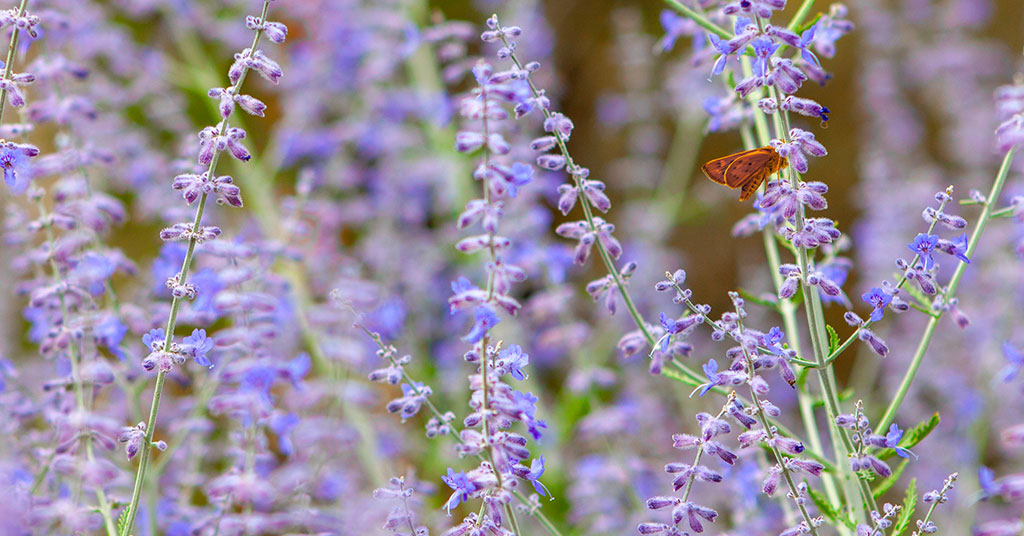
Russian Sage is a striking perennial known for its airy, silvery foliage and clusters of delicate blue flowers that add an ethereal quality to any garden. Native to the regions of Central Asia, this drought-tolerant plant thrives in full sun and well-drained soil, forming loose, wind-swept clumps that look as if they’re naturally nesting amidst rocky terrain. I always find its graceful, almost otherworldly presence to be incredibly inspiring—it’s as if the plant carries a piece of its wild heritage right into my garden!
While Russian Sage is remarkably low-maintenance, it does have a tendency to spread and can become invasive if not kept in check. I’ve learned that a bit of regular trimming is essential to preserve its natural elegance and prevent it from overwhelming neighboring plants. For those new to gardening, Russian Sage represents a perfect blend of resilience and refined beauty—a perennial that not only stands out with its unique silvery hue but also attracts pollinators and creates a serene, naturally balanced garden landscape!
Daylily
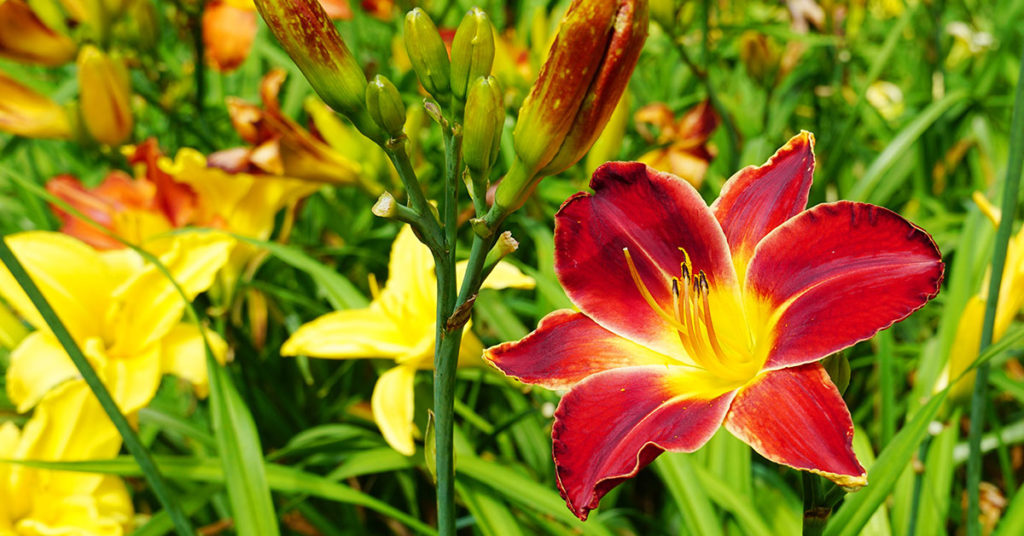
Daylilies are a perennial favorite among gardeners for their hardiness, vibrant blooms, and minimal care requirements. Native to Asia, they have been widely embraced around the world for their ability to thrive in a variety of soil types and climates, forming attractive clumps that seem to naturally nest and multiply over time. I’m always delighted by the burst of color they provide—each bloom lasting just a day, yet the plant continually renews its splendor, offering endless charm throughout the growing season!
Although Daylilies are not considered invasive, their vigorous nature means that they can spread noticeably if not divided every few years. This characteristic makes them an excellent choice for creating a natural, carefree border that fills in gaps and adds texture to your garden. For beginner gardeners, Daylilies are a reassuring presence—a plant that’s as resilient as it is beautiful, perfect for those who want to enjoy a splash of perennial color without too much fuss!
Geranium (Cranesbill)
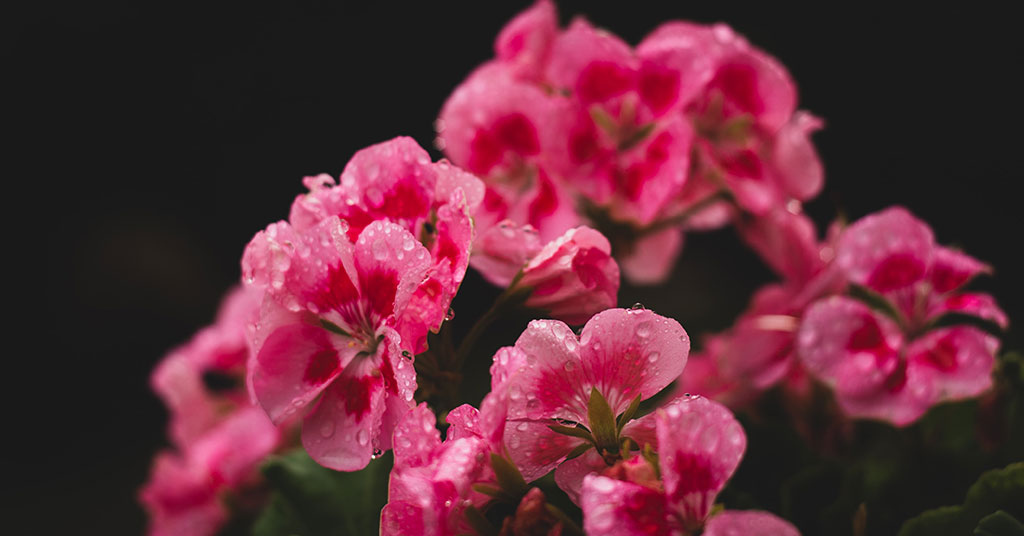
Geranium, commonly referred to as Cranesbill, is a versatile perennial that brings both vibrant color and soothing texture to garden beds. Native to temperate regions of the Northern Hemisphere, these plants are celebrated for their ability to thrive in both sun and partial shade, forming low, spreading nests that invite a variety of pollinators. I always appreciate how Geraniums provide a long season of blooms, turning any garden space into a living tapestry of soft hues and intricate textures that are simply mesmerizing!
Although Geraniums are generally well-behaved and non-invasive, some species can spread more rapidly under optimal conditions, so I recommend occasional division to keep them fresh and full of vigor. Their robust nature and charming, crinkled leaves make them ideal companions for other perennials, and their native heritage only adds to their allure. For beginner gardeners, Geraniums are a delightful choice—a perennial that effortlessly marries ease of care with enduring beauty, making every garden a welcoming retreat!
Phlox
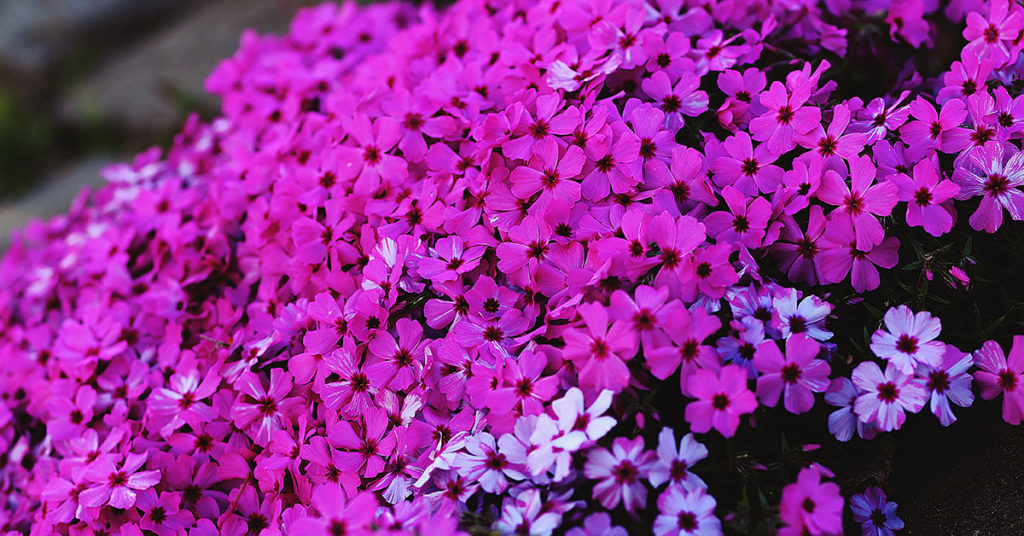
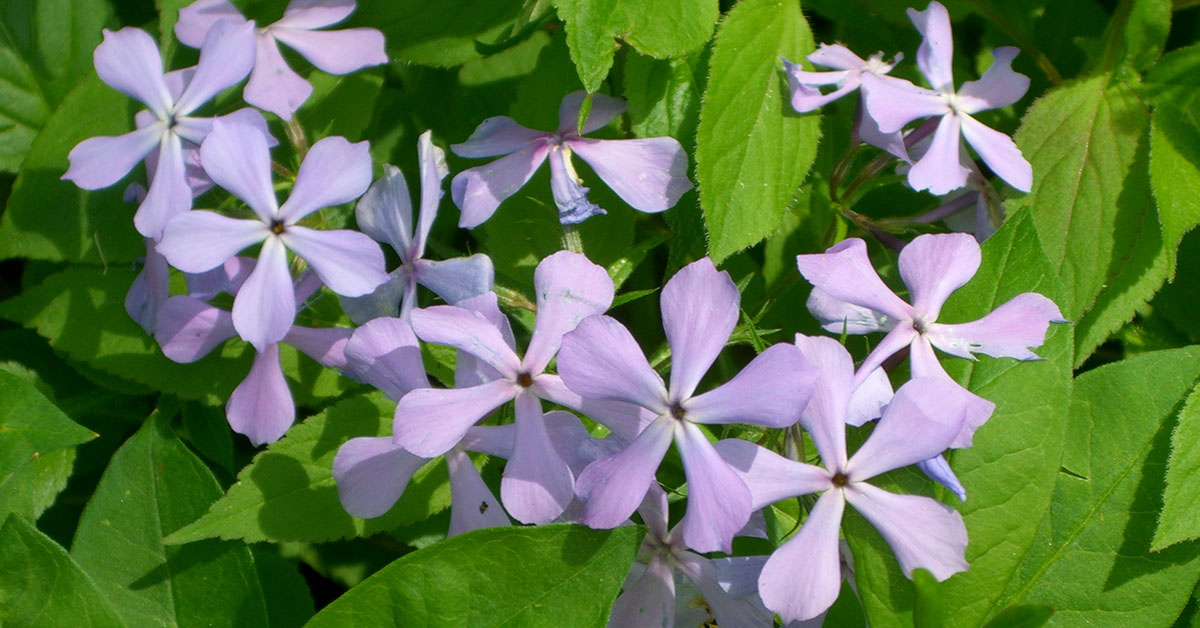
Phlox is a perennial delight that captivates with its profuse, fragrant blooms and an abundance of colors ranging from soft pastels to vibrant pinks and purples. Native to North America, this plant thrives in sunny spots with well-drained soil and is known for forming dense, natural nests that attract butterflies and hummingbirds. I always find Phlox to be an instant mood-lifter, as its lush, cascading clusters seem to create an enchanting atmosphere that instantly transforms any garden into a blooming haven!
While Phlox generally behaves well, some varieties can be a bit invasive in the right conditions, so periodic pruning and division are advisable to keep it in check. Its delicate fragrance and mesmerizing blooms not only enhance the visual appeal of your garden but also serve as a magnet for pollinators, creating a vibrant, interactive ecosystem. For those just starting out in gardening, Phlox offers a wonderful combination of beauty, fragrance, and ease of care—a perennial that’s sure to brighten up your outdoor space with every season!
Sedum (Stonecrop)
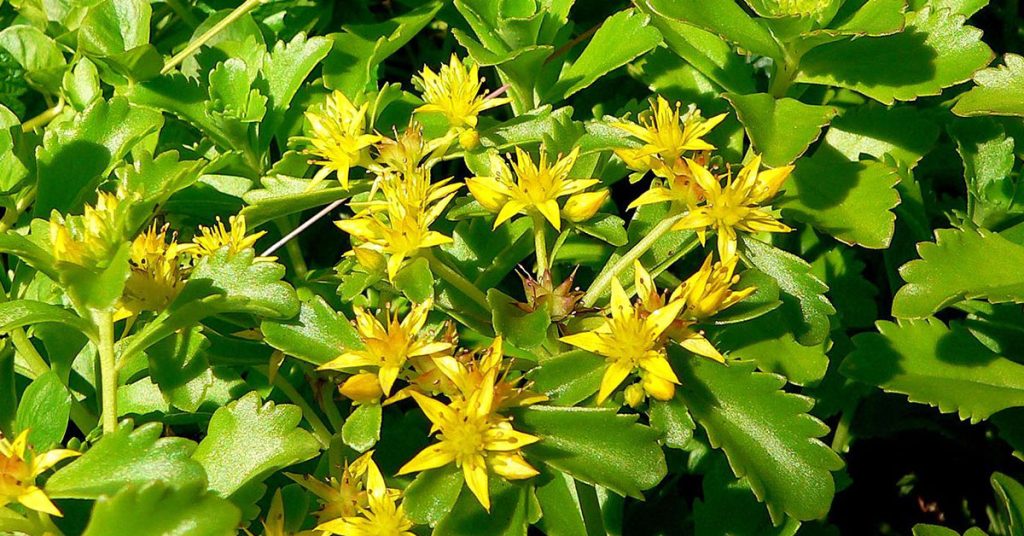
Sedum, commonly known as Stonecrop, is a remarkably adaptable perennial that boasts succulent leaves and clusters of star-shaped flowers, perfect for adding texture to any garden. Native to Europe and Asia, these low-maintenance plants thrive in rocky, well-drained soils and are a favorite for creating natural nesting spots that attract beneficial insects. I’m always impressed by Sedum’s ability to withstand harsh conditions, turning even the driest corners of my garden into displays of resilience and subtle beauty!
Although Sedum is typically non-invasive, its spreading habit makes it an excellent ground cover that fills in gaps with minimal fuss. It’s an ideal choice for beginners who want a perennial that not only requires little water but also adds visual interest through its varied forms and colors. For me, Sedum represents the quiet strength of nature—an unassuming yet steadfast plant that provides a perfect counterbalance to more extravagant blooms, ensuring your garden remains both practical and picturesque!