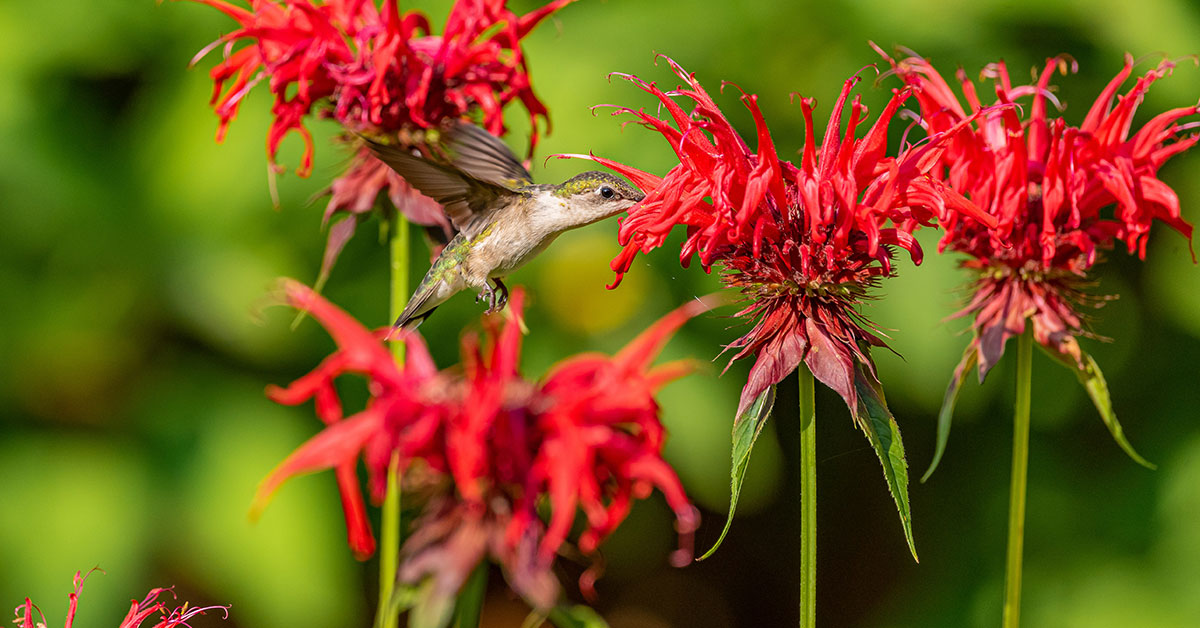

There’s something truly special about a garden that offers year-round sustenance, shelter, and beauty for birds. I know how frustrating it is when pests take over or when your carefully tended plants don’t attract the natural wildlife you long to see. That’s why I’m excited to share these 15 perennials that provide endless benefits for birds—from providing food and nesting sites to enhancing overall garden biodiversity!
In this article, I’ll dive into a diverse selection of perennials with origins spanning from the sun-drenched Mediterranean to the lush woodlands of North America. Each plant not only offers a feast for the eyes but also creates a vibrant microhabitat that attracts beneficial pollinators, supports soil health, and sometimes even provides safe nesting spots for small birds and invertebrates. Whether you’re a seasoned green thumb or just starting out, these plants will inspire you to transform your garden into a lively, bird-friendly oasis that thrives all year long!
Bee Balm (Monarda)
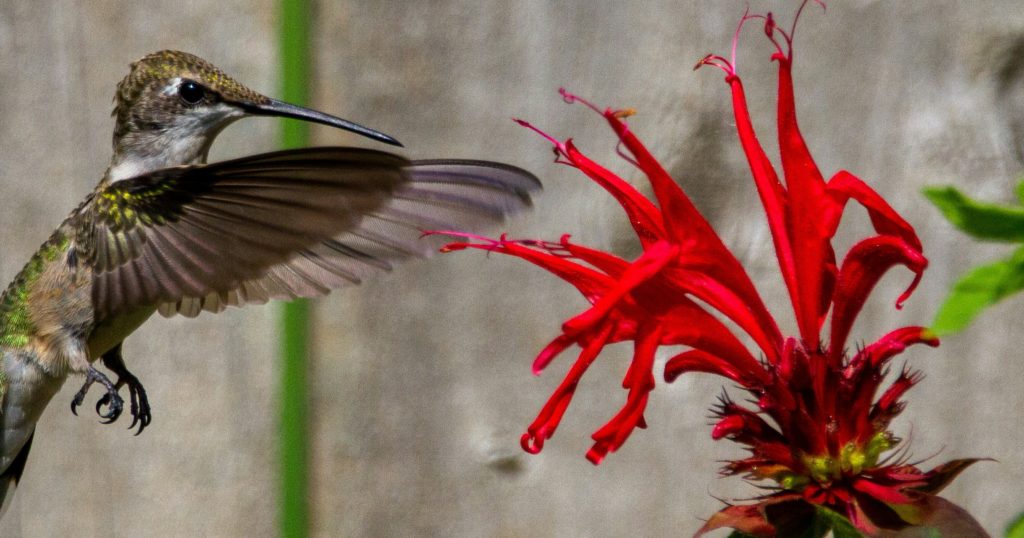
Bee Balm, native to North America, is an eye-catching perennial renowned for its clusters of vibrant red, pink, or purple flowers. These tubular blossoms act as natural magnets for a variety of pollinators including bees, butterflies, and hummingbirds, ensuring that your garden buzzes with life all year round! I love watching Bee Balm in full bloom—it creates a dynamic microhabitat that not only delights the eye but also provides food and shelter for beneficial insects.
In addition to its stunning display, Bee Balm has a rich history of traditional medicinal use and is known for its natural pest-repelling properties. Its dense, clustered flowers can offer nesting spots for tiny insects and even small birds, contributing to a balanced ecosystem. Cultivated in a well-managed garden, Bee Balm remains non-invasive while enhancing overall biodiversity. It’s a true multi-functional marvel that brings both beauty and ecological benefits to your outdoor space!
Lavender
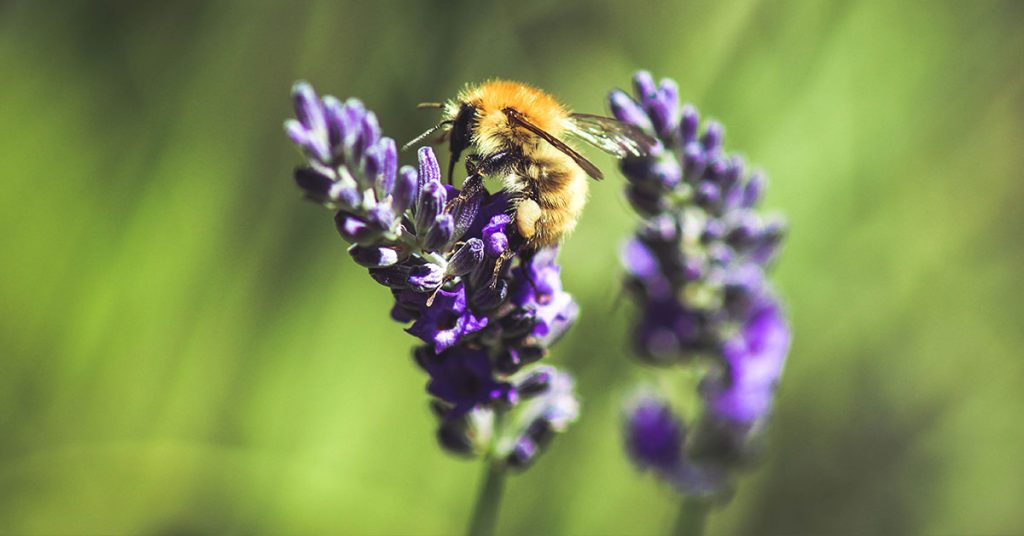
Lavender, native to the Mediterranean, is a perennial favorite for its aromatic, silvery-green foliage and striking purple blooms. Its soothing fragrance not only elevates the sensory appeal of your garden but also attracts beneficial pollinators such as bees and butterflies, which are crucial for maintaining a healthy ecosystem! I’m always enchanted by how a clump of lavender transforms a garden into a tranquil retreat that feels like a slice of the Mediterranean, even in the midst of urban chaos.
Beyond its delightful aroma, lavender plays an essential role in supporting soil health. Its deep-rooted structure improves soil aeration and helps retain moisture, creating a balanced microhabitat for other plants. Additionally, its flowering habit can provide nesting sites for small beneficial insects, contributing to natural pest control. Lavender’s robust, non-invasive nature and ease of care make it an indispensable addition to any garden seeking to nurture both beauty and biodiversity.
Rosemary

Rosemary, a fragrant herb native to the Mediterranean, is celebrated for its needle-like leaves and robust, evergreen growth. Its aromatic foliage not only enhances culinary dishes but also serves as a natural repellent for pests, making it an excellent companion for vegetable gardens. I always find that rosemary’s deep, woody scent attracts bees and other pollinators, enriching the garden with life and energy! Cultivated rosemary remains non-invasive in controlled environments, making it a dependable addition to side-by-side plantings.
In addition to its culinary and pest-repelling qualities, rosemary contributes to soil health by encouraging the growth of beneficial microorganisms. Its dense, fibrous structure offers natural shelter for small birds and insects, creating microhabitats that support a balanced ecosystem. Growing rosemary alongside complementary herbs such as thyme and oregano results in a synergistic effect that boosts natural nutrient cycling and pest control. Its enduring resilience and aromatic charm make rosemary a must-have for any sustainable garden.
Coneflower (Echinacea purpurea)

Coneflowers, native to the prairies of North America, are renowned for their large, daisy-like blooms and medicinal properties. Their vivid purple petals and distinctive central cone not only provide a visual feast but also attract bees, butterflies, and other pollinators that are essential for a thriving garden ecosystem! I’m always inspired by the way coneflowers add both beauty and ecological balance to my garden, creating a natural haven for beneficial insects while remaining easy to maintain and non-invasive.
Beyond their ornamental value, coneflowers produce nectar and pollen that support a diverse range of wildlife. Their hardy nature makes them adaptable to various soil conditions, and their seed heads offer a food source for birds during the colder months. Planting coneflowers alongside other companion plants fosters a resilient, self-sustaining ecosystem where every bloom contributes to overall garden vitality. They’re a true symbol of nature’s enduring power and a must-have for bird-friendly landscapes!
Coreopsis
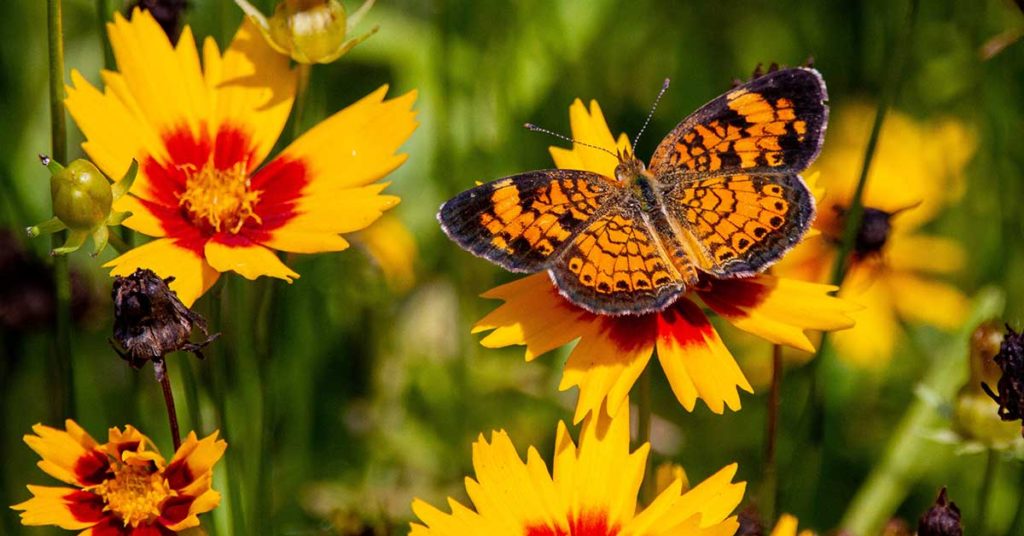
Coreopsis, also known as tickseed, is a perennial native to North America that bursts into a profusion of bright, daisy-like flowers during the summer. Its cheerful blooms, typically in shades of yellow and gold, attract a wide variety of pollinators, including bees and butterflies, creating a vibrant microhabitat in your garden. I love how coreopsis adds a joyful splash of color and light to any landscape, making it an ideal companion for more subdued plants without becoming invasive!
In addition to its dazzling display, coreopsis supports overall garden health by attracting beneficial insects that help with natural pest control and pollination. Its low-maintenance nature and adaptability to different soil types make it a favorite among urban gardeners. Coreopsis’s natural ability to bloom profusely all season long not only brightens your garden but also enhances biodiversity by providing a reliable nectar source. It’s a resilient and charming plant that brings endless summer cheer to your outdoor space!
Catmint (Nepeta)
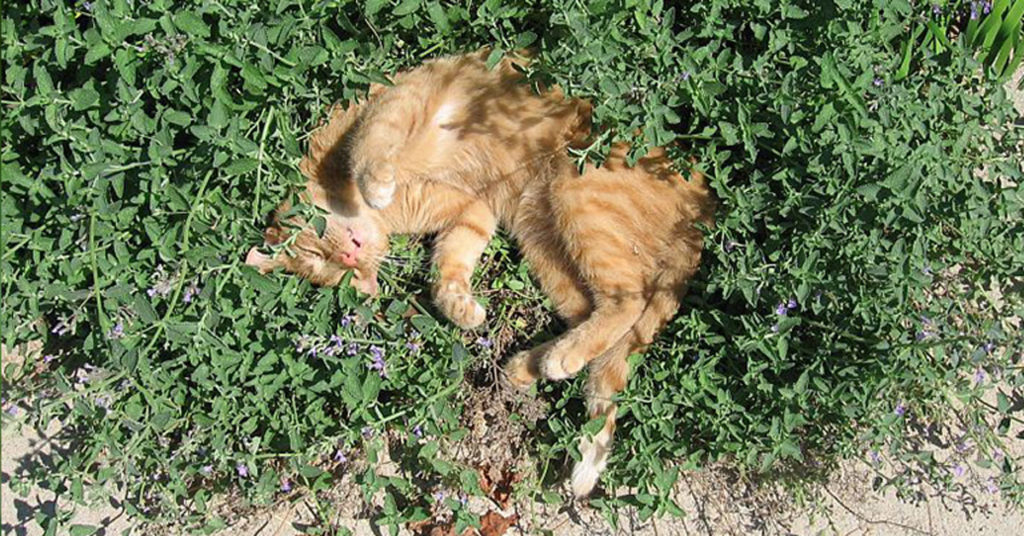
Catmint, native to Europe and Asia, is a perennial herb celebrated for its aromatic, silver-green foliage and clusters of soft, lavender-blue flowers. Its gentle, sprawling growth habit makes it an excellent companion for vegetables and other perennials, where it naturally attracts beneficial pollinators such as bees and butterflies. I’m always delighted by catmint’s calming presence in my garden—it creates a serene, natural carpet that invites pollinators and enhances overall biodiversity while remaining non-invasive!
Beyond its ornamental appeal, catmint offers ecological benefits by attracting natural predators of common garden pests. Its aromatic leaves help repel unwanted insects while providing a haven for beneficial soil organisms and small nesting invertebrates. The synergy created by planting catmint alongside other companion species results in a dynamic, balanced ecosystem where every plant supports the others. Its low-maintenance care and enduring beauty make catmint a must-have for any gardener seeking a harmonious, pollinator-friendly landscape.
Yarrow (Achillea millefolium)
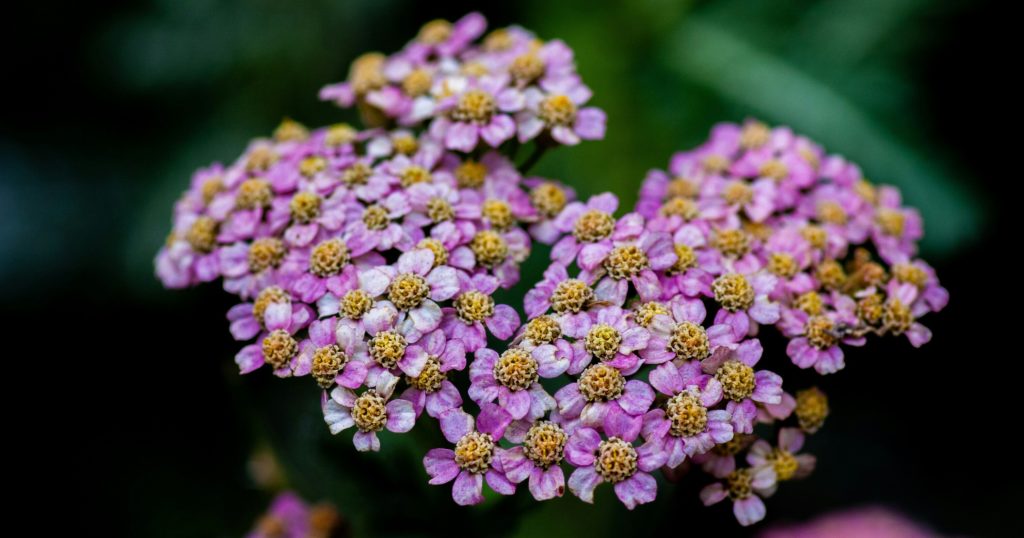
Yarrow, native to temperate regions of the Northern Hemisphere, is a resilient perennial known for its feathery foliage and clusters of small, daisy-like flowers that range in color from white to yellow and pink. Its delicate, airy appearance belies its robust nature, as yarrow thrives in various soil conditions and is prized for its ability to attract a diverse array of pollinators and beneficial insects. I’m always impressed by yarrow’s versatility—it not only adds a soft, textured backdrop to your garden but also supports natural pest control by attracting predatory insects that help manage unwanted pests!
In addition to its ecological benefits, yarrow contributes to soil fertility through its deep, fibrous roots, which help improve soil structure and moisture retention. In its native habitat, yarrow plays a crucial role in maintaining biodiversity by providing food and shelter for various small invertebrates and birds. Growing yarrow side-by-side with other perennial companions creates a dynamic, interwoven ecosystem that enhances overall garden health. Its natural resilience and continuous blooming make yarrow a true cornerstone for any sustainable garden!
Sedum (Stonecrop)
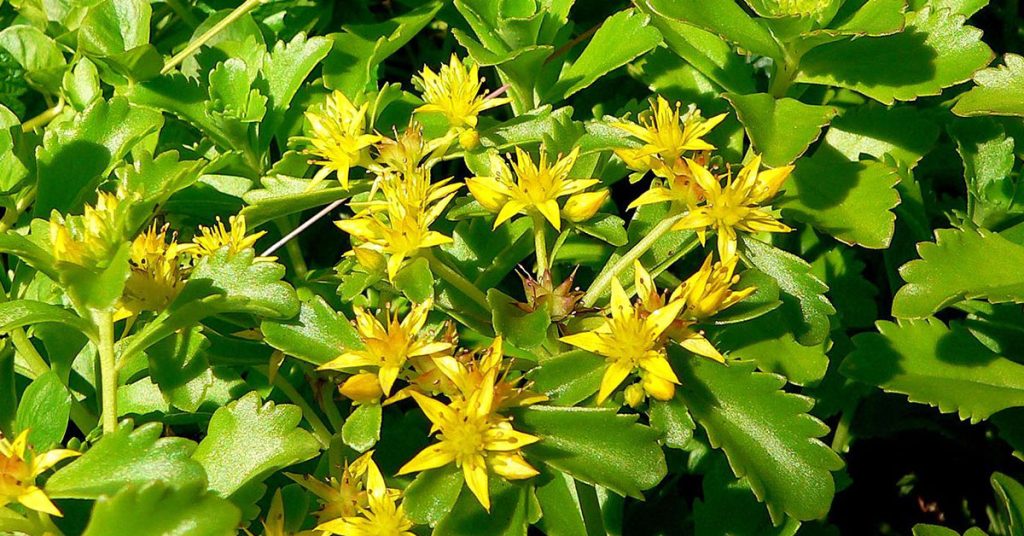
Sedum, commonly known as Stonecrop, is a drought-tolerant succulent native to Europe and Asia that blooms profusely in late summer and fall. Its star-shaped, often pink or red flowers create a striking contrast against its fleshy, green leaves, attracting pollinators such as bees and butterflies even in dry conditions. I love how sedum’s low, spreading habit makes it an ideal ground cover in rock gardens or container plantings—it remains non-invasive and easy to maintain while providing lasting beauty and ecological benefits!
In addition to its ornamental charm, sedum plays an important role in enhancing soil health by storing water in its succulent leaves and releasing it slowly into the soil. This natural water retention improves moisture levels and supports beneficial microbial activity. Sedum’s ability to thrive in poor, rocky soils and its low-maintenance nature make it a perfect companion for other drought-tolerant plants. Its resilient beauty and ecological value make sedum an excellent choice for any sustainable, low-water garden!
Thyme

Thyme, a small yet resilient herb native to the Mediterranean, is a wonderful companion plant known for its delicate, aromatic foliage. Its low-growing, mat-like habit not only adds a subtle burst of flavor to culinary dishes but also acts as a natural ground cover that helps conserve soil moisture and suppress weeds. I’m always impressed by thyme’s ability to thrive in even the most challenging garden conditions, attracting beneficial pollinators like bees and butterflies that enhance the overall biodiversity of your space! Cultivated thyme remains non-invasive and is an essential part of any integrated, companion-planted garden.
In addition to its culinary and ecological benefits, thyme plays a crucial role in supporting soil health by fostering beneficial microbial communities. Its natural oils help deter pests, creating a balanced microhabitat where every plant can flourish. When grown side-by-side with other Mediterranean herbs, thyme contributes to a harmonious ecosystem that boosts natural nutrient cycling and overall garden vitality. Its ease of care and enduring aromatic charm make thyme a must-have for any urban gardener seeking to maximize space and productivity.
Parsley
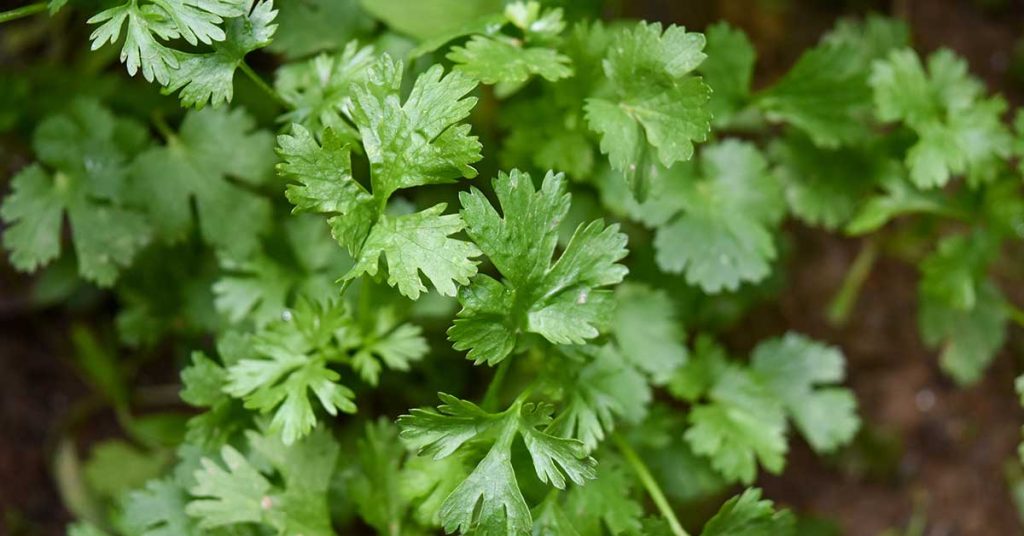
Parsley, a robust biennial native to the Mediterranean, is a versatile herb that enriches your garden with its lush, curly leaves and vibrant green color. It pairs beautifully with a variety of vegetables and other herbs, creating a dense, interwoven tapestry that attracts beneficial pollinators like bees and ladybugs. I love how parsley’s vigorous growth not only enhances the flavor of your dishes but also improves soil fertility by contributing organic matter as its leaves decompose. Cultivated parsley remains non-invasive and is an excellent addition to any sustainable, companion-planted garden!
Beyond its culinary appeal, parsley plays a key role in maintaining a balanced ecosystem by providing a protective cover that retains moisture and suppresses weed growth. Its dense foliage creates a microhabitat that supports a diverse community of soil microbes and small invertebrates, further enriching your garden’s overall health. Growing parsley side-by-side with complementary species results in a synergistic environment where every plant contributes to natural nutrient cycling and pest control. It’s a true staple for any garden that values both flavor and ecological sustainability!
Mint
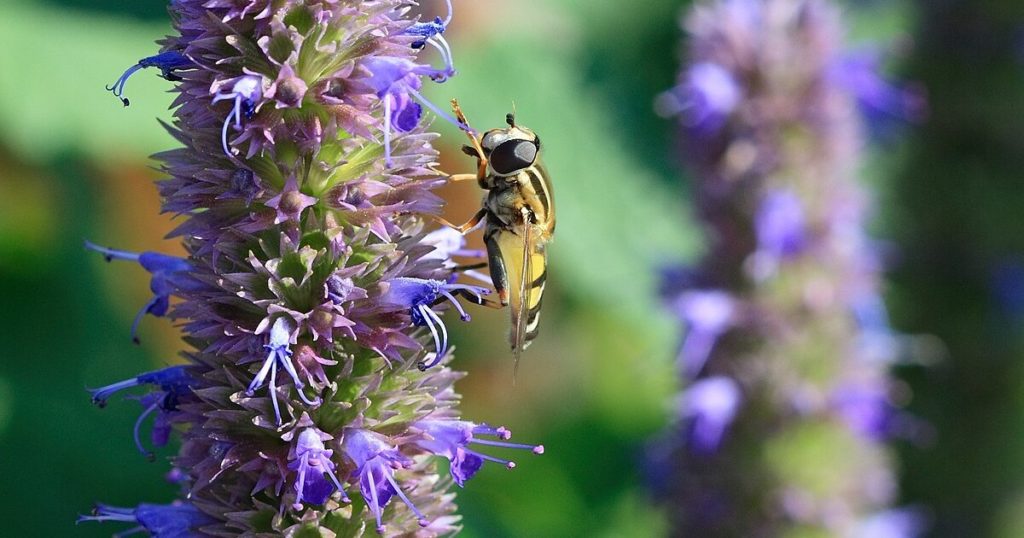
Mint, native to Europe and Asia, is a vigorous herb celebrated for its refreshing aroma and rapid, sprawling growth. Its lush, aromatic foliage not only enhances your culinary creations but also acts as a natural repellent for pests while attracting beneficial pollinators like bees and butterflies. I’m always excited by mint’s ability to transform a garden bed into a vibrant, fragrant oasis, even in the smallest spaces. Although mint is notorious for its aggressive spread in the wild, when grown in containers or designated garden beds it remains well-contained and non-invasive—making it a fantastic companion for any mixed planting!
Beyond its flavor and scent, mint creates a dynamic microhabitat by fostering beneficial soil microbes and retaining moisture. Its dense, green carpet offers natural cover that supports a balanced ecosystem, contributing to natural pest control and overall garden health. When grown alongside complementary species, mint enhances both the aesthetic and ecological value of your garden. Its refreshing vitality makes mint an indispensable herb for any urban gardener seeking a burst of natural energy!
Sage
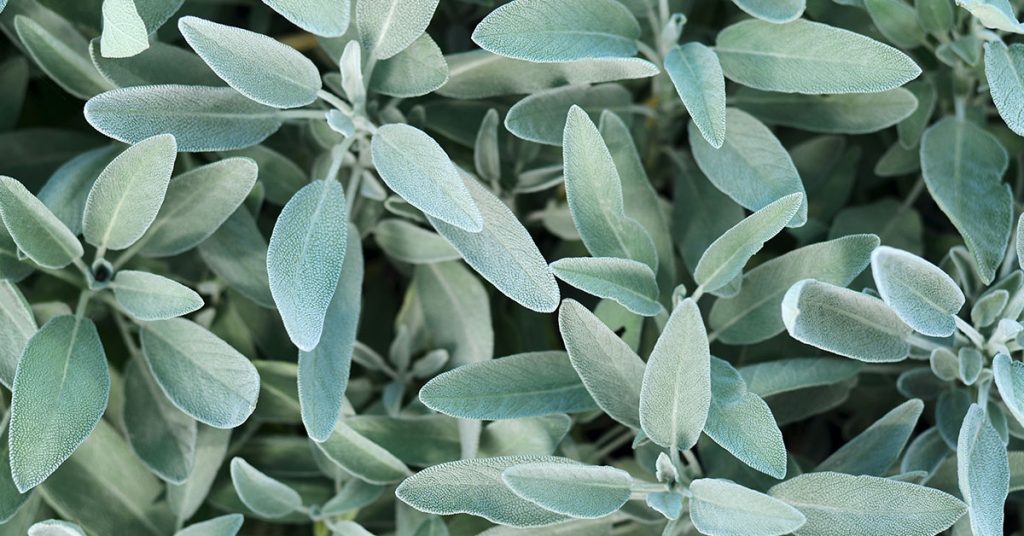
Sage, native to the Mediterranean, is a perennial herb renowned for its earthy flavor and silvery-green foliage. It thrives when planted with vegetables like tomatoes and carrots, where its aromatic leaves naturally repel pests while attracting beneficial pollinators such as bees and ladybugs. I love how sage’s robust, bushy growth adds both a visual and functional dimension to your garden, creating a microhabitat that enhances natural pest control and soil health. Cultivated sage remains non-invasive and is a dependable companion for any interplanted garden!
Beyond its culinary and aromatic appeal, sage plays an important role in promoting soil fertility by encouraging beneficial microbial activity. Its dense, evergreen nature provides natural shelter for small birds and insects, contributing to a vibrant, balanced ecosystem. Growing sage alongside complementary plants results in a synergistic effect that boosts nutrient cycling and overall garden vitality. Its timeless flavor and low-maintenance care make sage an essential herb for any sustainable garden.
Sunflowers
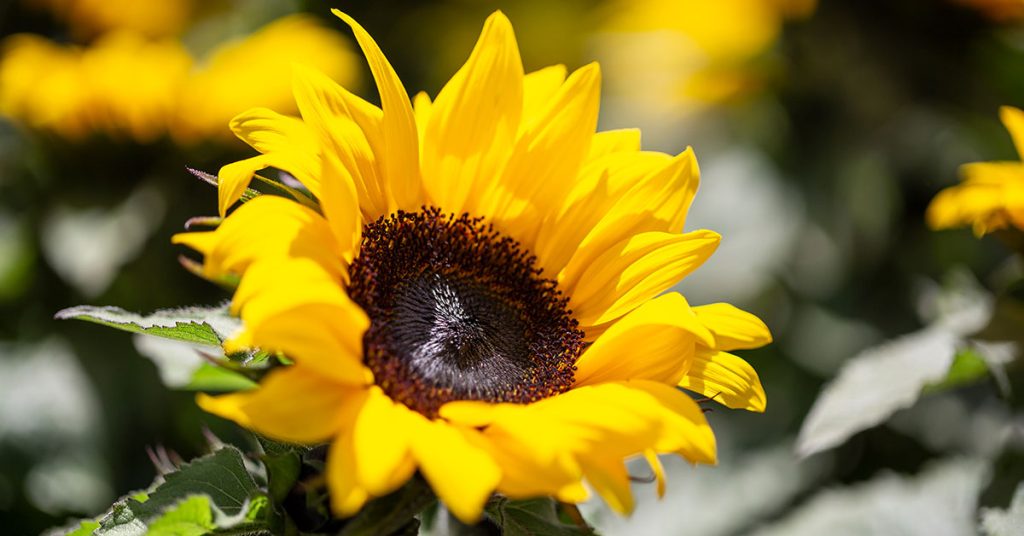
Sunflowers, native to North America, are a breathtaking addition to any garden, known for their towering, radiant blooms that capture the very essence of summer. Their expansive, golden petals and striking dark centers not only provide an impressive visual spectacle but also attract an abundance of pollinators—from bees and butterflies to hummingbirds—creating a lively microhabitat. I’m always inspired by how sunflowers serve as natural beacons of light and energy, supporting the growth of neighboring plants with their robust, deep-rooted systems. Cultivated sunflowers remain non-invasive in managed gardens with proper care, making them a stellar choice for companion planting!
Beyond their stunning appearance, sunflowers play a crucial role in improving soil health. Their extensive root systems break up compacted soil and enhance nutrient cycling, while their heliotropic behavior ensures maximum light absorption. Planting sunflowers side-by-side with other complementary species creates a dynamic ecosystem where each bloom contributes to a thriving, balanced garden. They’re a true celebration of nature’s vitality, offering continuous beauty and ecological benefits throughout the growing season!
Calendula

Calendula, commonly known as pot marigold, is a bright annual native to the Mediterranean that fills the garden with cheerful orange and yellow blooms. Its continuous flowering season not only brightens up your landscape but also attracts beneficial pollinators like bees and butterflies, contributing to a lively and balanced microhabitat. I love how calendula’s radiant, sunny blooms add a burst of color even on the dreariest days, creating a natural spectacle that uplifts your garden’s spirit! Cultivated calendula remains non-invasive and is an excellent companion for a diverse mix of vegetables and herbs.
Beyond its ornamental appeal, calendula enriches the soil as its petals break down, fostering the growth of beneficial microorganisms and enhancing nutrient cycling. Its natural pest-repellent properties further support a healthy ecosystem, making it a functional addition to any garden. When grown side-by-side with other companion plants, calendula creates a synergistic effect that boosts natural pest control and overall productivity. Its vibrant, enduring blooms are a testament to the power of nature to brighten our world!
Oregano
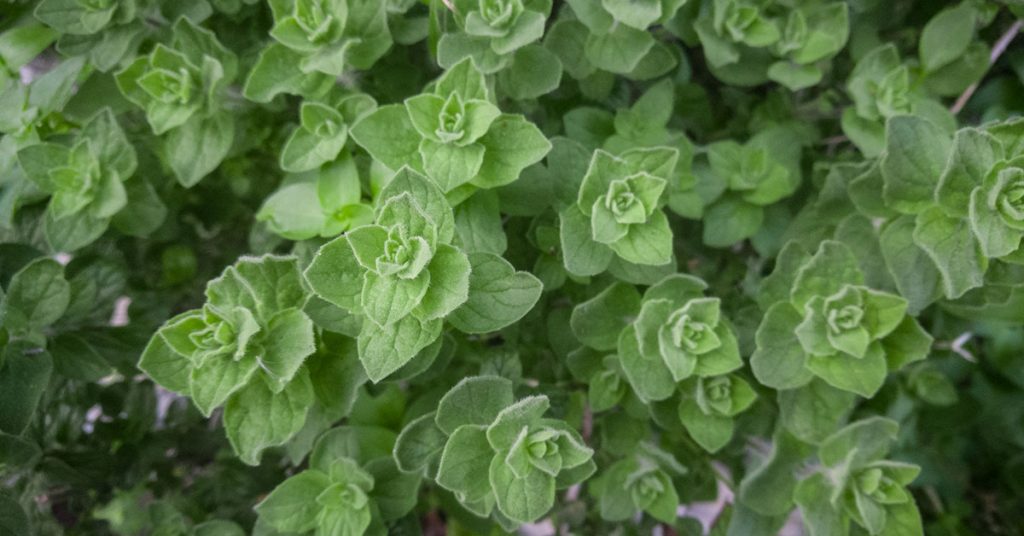
Oregano, native to the Mediterranean, is a robust herb renowned for its rich flavor and natural pest-repellent properties. Its dense, aromatic foliage forms an attractive ground cover that not only enhances the taste of nearby vegetables but also attracts beneficial pollinators like bees and butterflies. I’m always impressed by oregano’s ability to create a natural mulch that retains moisture and suppresses weeds, contributing to a balanced microhabitat in your garden. Cultivated oregano remains non-invasive in managed gardens, making it a reliable companion for a diverse planting strategy!
In addition to its culinary benefits, oregano plays a key role in promoting soil health by fostering beneficial microbial communities that improve nutrient cycling. Its natural oils deter harmful insects while supporting a balanced ecosystem where every plant thrives. When planted side-by-side with complementary species, oregano enhances overall garden productivity and natural pest control. Its enduring vitality and aromatic allure make oregano a must-have herb for any sustainable garden.