
Springtime in a wildlife-friendly garden brings a symphony of buzzing wings and chirping calls, and nothing invites that lively cast of characters quite like native flowers. From sun-soaked meadows to shady woodland edges, choosing plants that evolved right here in North America ensures your garden offers the nourishment and habitat local bees, butterflies, hummingbirds, and beneficial insects crave. I’ve spent seasons trialing combinations that turn an ordinary yard into a vibrant ecosystem, and I can’t wait to share these fifteen crowd-pleasers with you!
Each of these species is well adapted to our regional climates and soil types, rarely becoming invasive while readily self-seeding to fill gaps. In the following sections (presented in a random order to spark discovery!), you’ll find details on soil preferences, bloom behavior, pollinator attractions, and tips for integrating each flower seamlessly into your plan. Whether you’re aiming for a half-acre of butterfly magnetics or a small pollinator patch, these natives will have your garden humming with life—and you’ll be right there, marveling at every flutter and hum!
Goldenrod (Solidago canadensis)
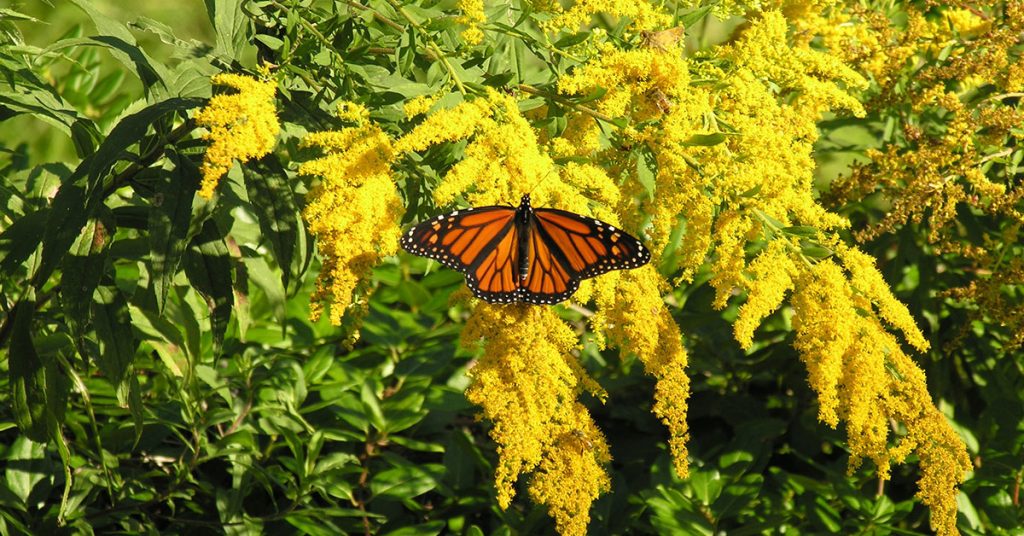
Goldenrod’s towering plumes light up late summer with vivid yellow, signaling nectar-rich bounty for bees, butterflies, and even migrating Monarchs. Native to fields and roadsides across much of North America, it thrives in lean soils and full sun. Despite old myths blaming it for hay fever, goldenrod’s heavy pollen grains seldom become airborne; instead, they stick to pollinators, making it a friend, not foe, in your garden.
These plants produce dense fall blooms that support late-season pollinators preparing for winter. Their sturdy stems also provide nesting perches for solitary bees, while hollow stalks can host tiny overwintering beetles. Allowing goldenrod to stand through winter offers wildlife shelter, and come spring, its colonies can be thinned by division to prevent overcrowding.
Bee Balm (Monarda didyma)

With its shaggy scarlet bracts and minty fragrance, bee balm is impossible to miss—and pollinators don’t, either! Native to moist woods and streambanks, this eastern North American native brings hummingbirds, butterflies, and bees in droves. It spreads via rhizomes but rarely becomes invasive if kept moist and divided every few years.
Beyond its showy flowers, bee balm is beloved by native bumblebees that burrow shallow nests beneath the soil, using nearby foliage for camouflage. Regular deadheading encourages a second bloom flush, and planting in clumps of three or more increases visual impact—both for you and for foraging wildlife!
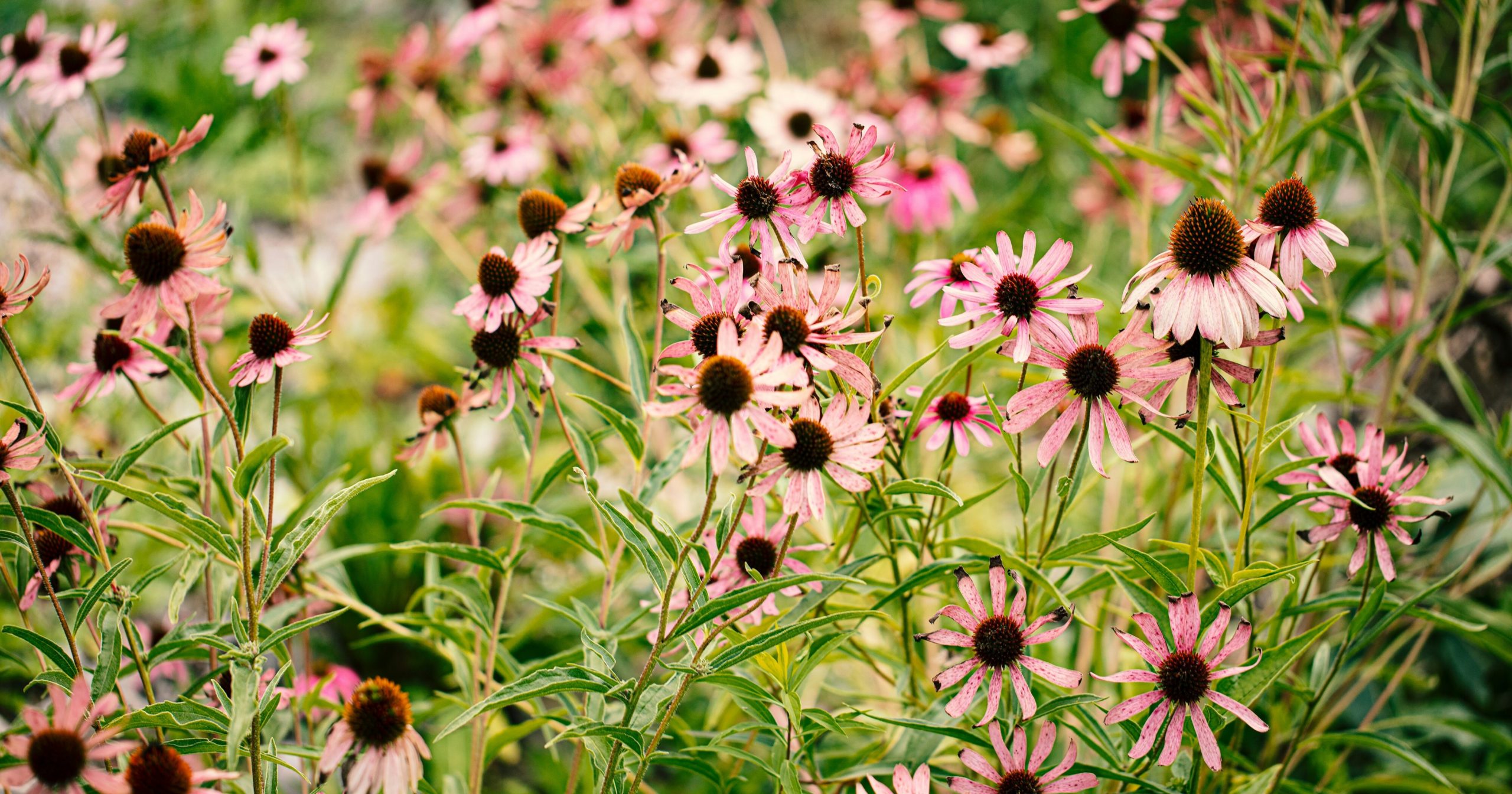
Purple Coneflower (Echinacea purpurea)

One of my favorite garden staples, purple coneflower’s drooping petals and spiky centers signal abundant nectar and pollen. Indigenous to the central and eastern U.S., Echinacea purpurea flourishes in prairies and open woodlands, preferring well-drained soils and full sun. It’s non-invasive yet self-seeds modestly, so you’ll gain new seedlings without it taking over.
Beyond pollinator appeal, goldfinches and other small songbirds munch on spent seedheads throughout winter. Leave a few coneflower stalks standing through the cold months, and you’ll provide both food and perching spots. Cutting back only in early spring allows that natural habitat to persist.
Anise Hyssop (Agastache foeniculum)
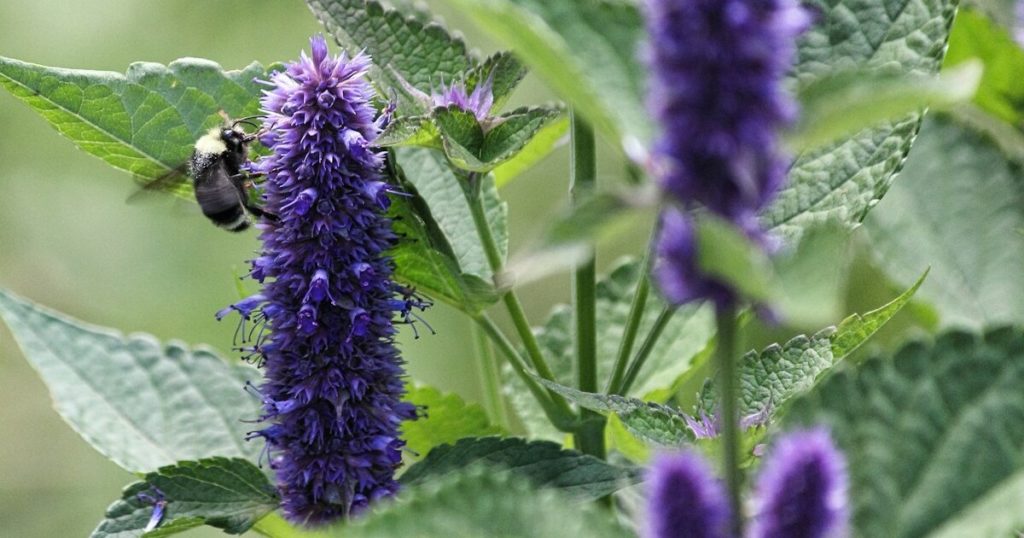
Anise hyssop brings lavender-blue spires and a sweet, licorice-like aroma that bees can’t resist. Native to northern North America, it tolerates a range of soils—from sandy to loamy—so long as drainage is good. While it can spread by seed, it’s never aggressive, making it a reliable addition to garden beds or meadow edges.
Hummingbirds also flock to these tubular flowers, and you may spot tiny mason bees tunneling into nearby bare soil patches for nesting. Cutting back mature stems by half in midsummer can encourage a second bloom, giving wildlife a longer feeding window.
Black-eyed Susan (Rudbeckia hirta)

Black-eyed Susans brighten midsummer gardens with golden petals encircling dark cones, an irresistible landing pad for butterflies and native bees. Found in fields and meadows from coast to coast, they’re tough as nails—tolerant of drought, clay, or sand. Though they self-sow readily, their seedlings seldom become a nuisance.
After flowering, the seedheads offer snacks for finches and sparrows. Leaving some heads intact through winter feeds birds and provides structure for nesting insects. In spring, cut back old stalks just above the new basal shoots to tidy up and promote fresh growth.
Baptisia (Baptisia australis)
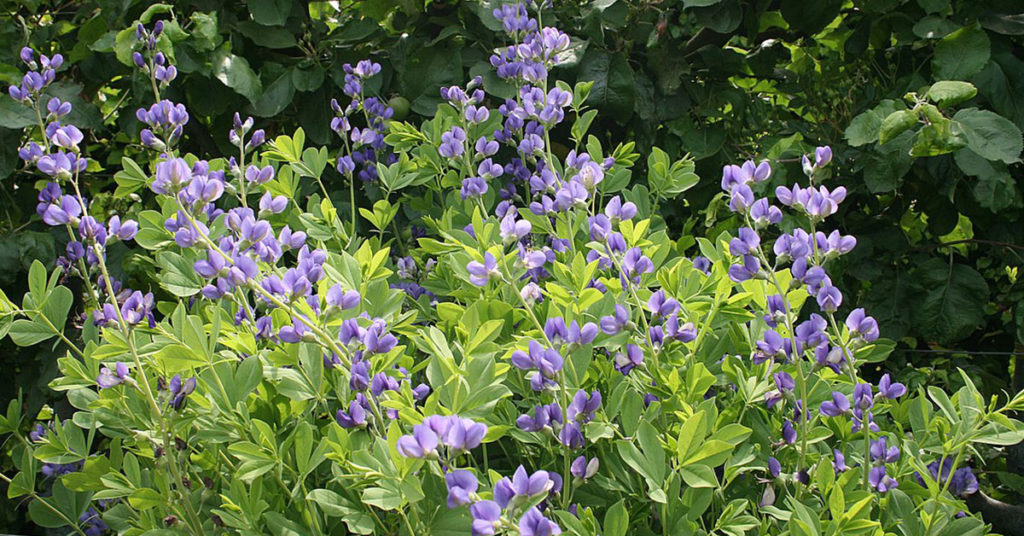
Also called blue false indigo, Baptisia australis offers pea-like blooms of indigo in late spring, echoing its native prairie roots. It prefers well-drained soils and full sun and is remarkably long-lived, often thriving for decades without dividing—no invasiveness here!
Its robust stems and broad leaves create shelter for ground-dwelling pollinators, and butterflies like the silver-spotted skipper lay eggs on its foliage. Because seedlings take a couple of years to bloom, plan placements carefully. Once mature, these shrubs anchor garden corners, providing a focal point for wildlife activity.
Cardinal Flower (Lobelia cardinalis)
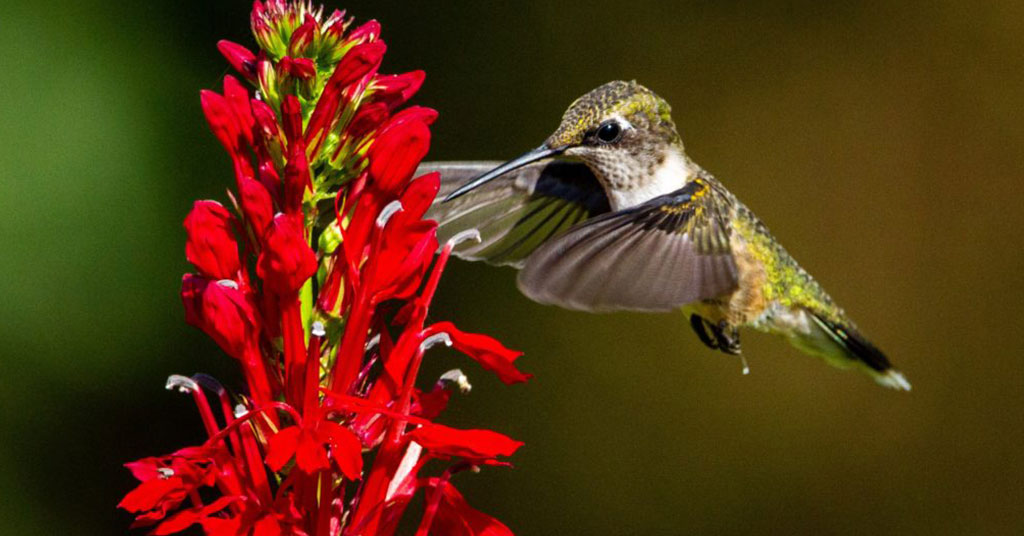
Cardinal flower’s vivid red spikes attract hummingbirds from afar, a show of spring-to-fall chemistry at its finest. Native to streambanks and wet meadows, it revels in consistent moisture and part shade to full sun, depending on heat levels. It can form tight clumps but rarely overruns other plantings.
Its nectar-rich blossoms fuel migrating hummingbirds, while emerging caterpillars of certain sphinx moths feed on the foliage. Adding a shallow water source nearby encourages birds to linger—watch the tiny acrobats hover and dine!
Joe-Pye Weed (Eutrochium purpureum)
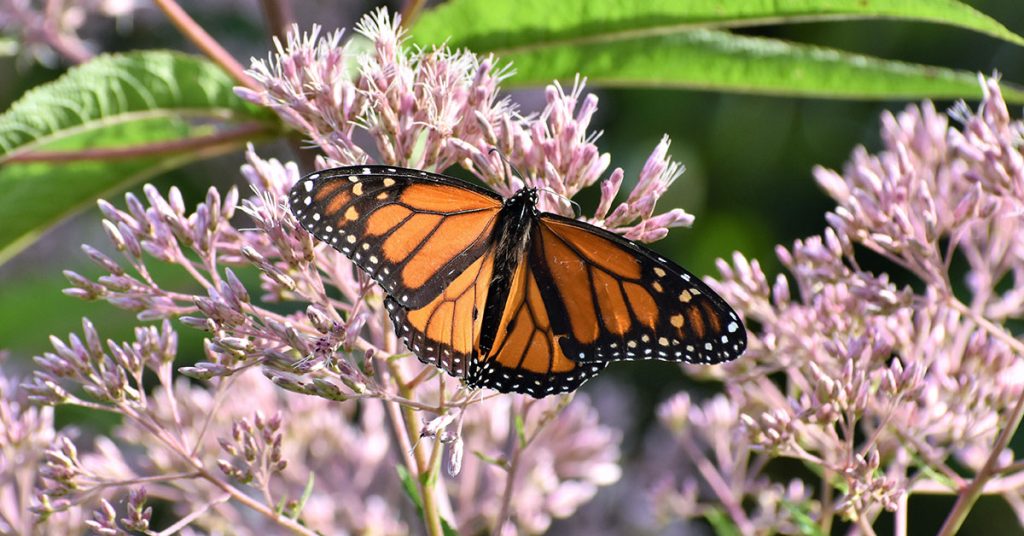
Joe-Pye weed towers above many wildflowers with mauve clusters that beckon butterflies and bees. Native to wood edges and wetlands, it prefers moist soils and partial shade but tolerates full sun if water is ample. This plant self-seeds sparingly, never enough to crowd out neighbors.
Its broad leaves form a canopy sheltering beneficial insects like ladybeetles and lacewings. In late summer, swallowtails and fritillaries sip nectar from the umbels, often resting on the sturdy stems. A late-season cutback after seed dispersal helps maintain tidy clumps.
New England Aster (Symphyotrichum novae-angliae)
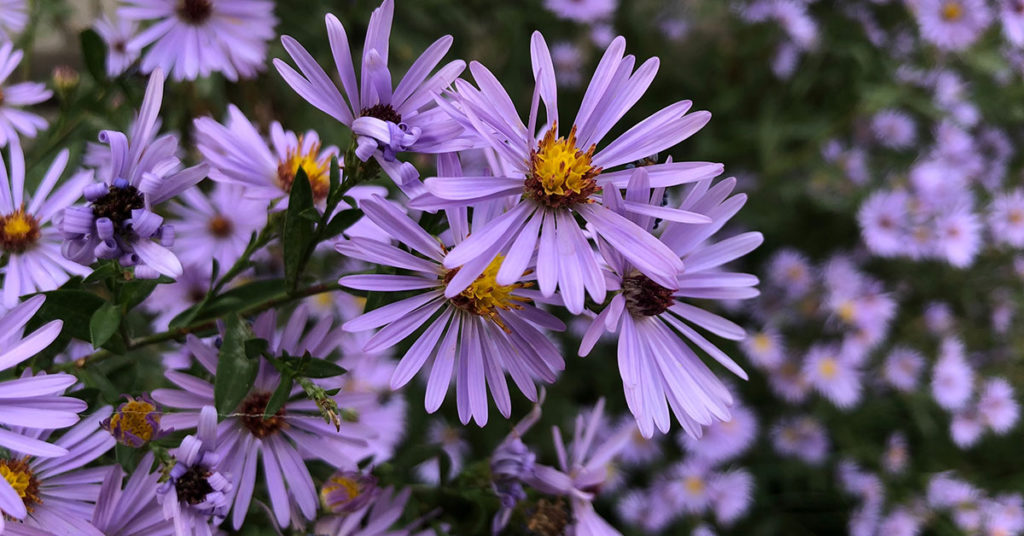
As summer wanes, New England asters bring waves of purple daisies that reignite pollinator activity. They’re native to fields and prairies, thriving in average soils and full sun. While they will self-sow, they stay well-behaved, rarely outcompeting other perennials.
These asters support bees prepping for overwinter, including bumblebee queens seeking nectar before hibernation. Their dense foliage also offers shelter for ladybugs and ground beetles. Plant in drifts of five or more for maximum impact and wildlife viewing!
Butterfly Weed (Asclepias tuberosa)
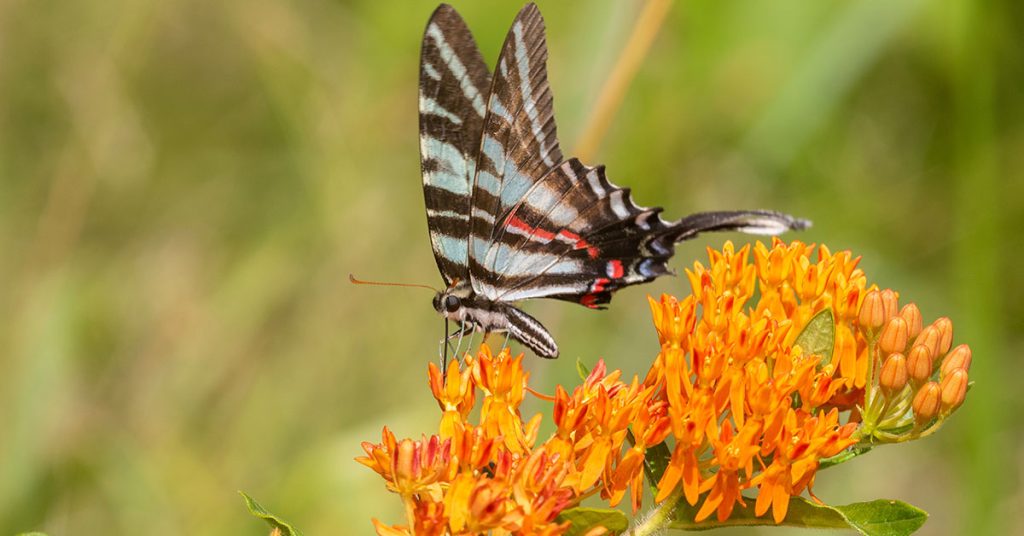
Brilliant clusters of orange on butterfly weed don’t just lure Monarchs—they’re essential to their caterpillars. Native across much of North America’s open areas, it demands well-drained soil and full sun, with no threat of invasiveness.
The deep taproots anchor soil and survive droughts, while the nectar-rich flowers feed a range of butterflies, bees, and hummingbirds. Providing a small bare-ground zone nearby gives native bees nesting real estate, making your butterfly weed patch a buzzing hub of activity.
Wild Bergamot (Monarda fistulosa)

Wild bergamot’s lavender flowers and minty scent draw both pollinators and people into its orbit. In native prairies and open woods, it tolerates average to poor soils, needing only good drainage. It does clump generously but stays in bounds without aggressive spread.
The nectar-rich blooms sustain hummingbirds and long-tongued bees, while the leaves host certain moth caterpillars. If you leave dried stalks through winter, ground-nesting bees find refuge among them, emerging next spring to continue the cycle.
Blazing Star (Liatris spicata)

Blazing star’s feathery purple spikes rise like torches above prairie-like plantings, attracting butterflies and bumblebees by the dozen. This species thrives in full sun and moist to average soils, forming neat clumps of corms rather than running rampant.
In autumn, its spent spikes provide seeds for finches, and the upright stems serve as perches for dragonflies. An early spring division every four to five years keeps corm density in check and ensures robust flowering seasons ahead.
Maximilian Sunflower (Helianthus maximiliani)
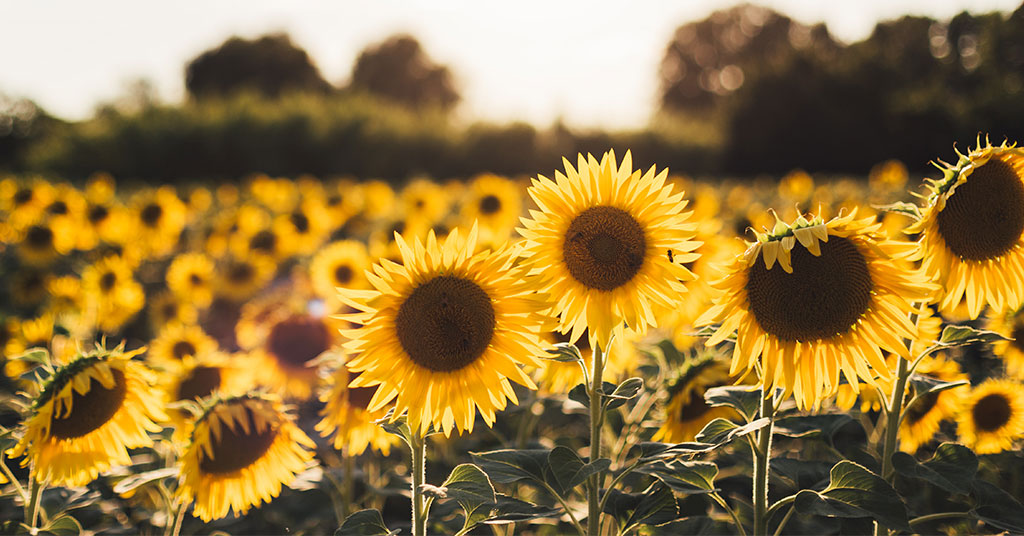
Maximilian sunflower turns mid-late summer golden with its narrow petals and tall stature, offering a banquet of nectar and pollen. Native from the Great Plains to the Mississippi Valley, it flourishes in lean soils and full sun. While it can form colonies via rhizomes, those gatherings are easy to manage with occasional thinning.
Birds adore the seedheads left standing through winter, and bees gorge on the summer blooms. Breaking up dense patches in spring prevents overcrowding and invites fresh growth—ensure every clump gets its turn center stage!
Ironweed (Vernonia noveboracensis)

Ironweed’s magenta-purple clusters anchor late-season garden color, drawing butterflies, bees, and skippers. Native to moist meadows and stream banks, it prefers average to wet soils in full sun or light shade. It can spread by seed but stays within bounds, especially when cut back after blooming.
The tall stems and broad leaves offer cover for beneficial insects like lady beetles and ground spiders. Leaving a few stalks standing supplies winter habitat, and trimming the rest in early spring readies the patch for new emergence.
Coreopsis (Coreopsis lanceolata)
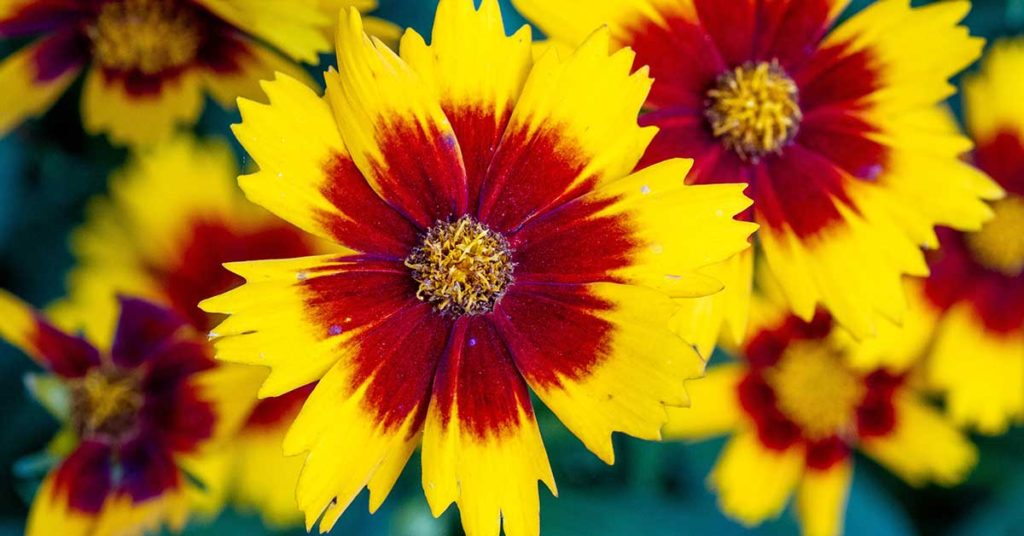
Coreopsis’s sunny yellow flowers dance on wiry stems, inviting bees and small butterflies to feast. Native to prairies and open woods, it tolerates poor, well-drained soils and full sun, with light self-seeding that rarely requires containment.
After bloom, the tapered seed pods feed goldfinches, and the airy foliage lets beneficial ground beetles roam freely. Cutting back spent blooms encourages possible rebloom, and division every three to four years keeps each clump vigorous and floriferous.