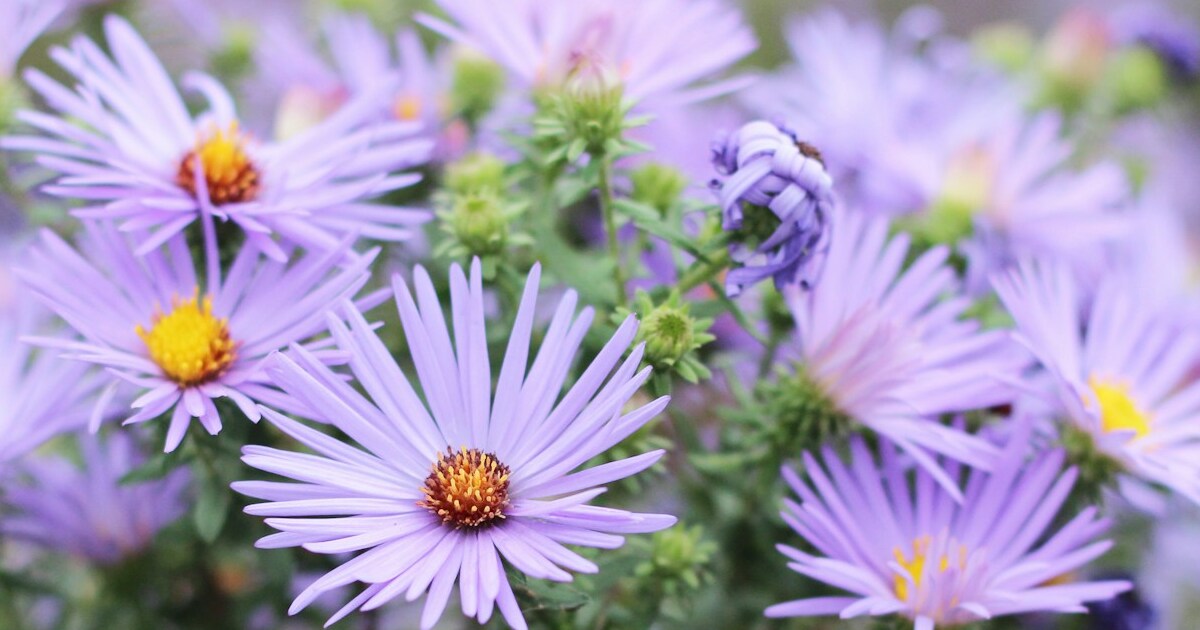

Late August brings a unique magic to the garden, where the heat of summer softens into balmy evenings perfect for lingering among blooms. As a gardener who eagerly watches for those final flushes of color, I find this transitional period both challenging and thrilling. It can feel discouraging when early bloomers fade, but it’s such a thrill when late-season flowers burst forth to create a dreamy, romantic setting under fading sunbeams!
I know how frustrating it is to coax life from plants as summer wanes—believe me, I’ve been there when wilt has threatened my beloved borders. But with the right selection of fragrant, nectar-rich, and visually captivating blooms, your late August garden can transform into a haven of romance and gentle beauty. Let’s explore fifteen of my favorite flowers that shine when the calendar reads late summer, each bringing its own charm, habitat story, and ecological benefits.
Sedum ‘Autumn Joy’: Succulent Romance for Late Summer
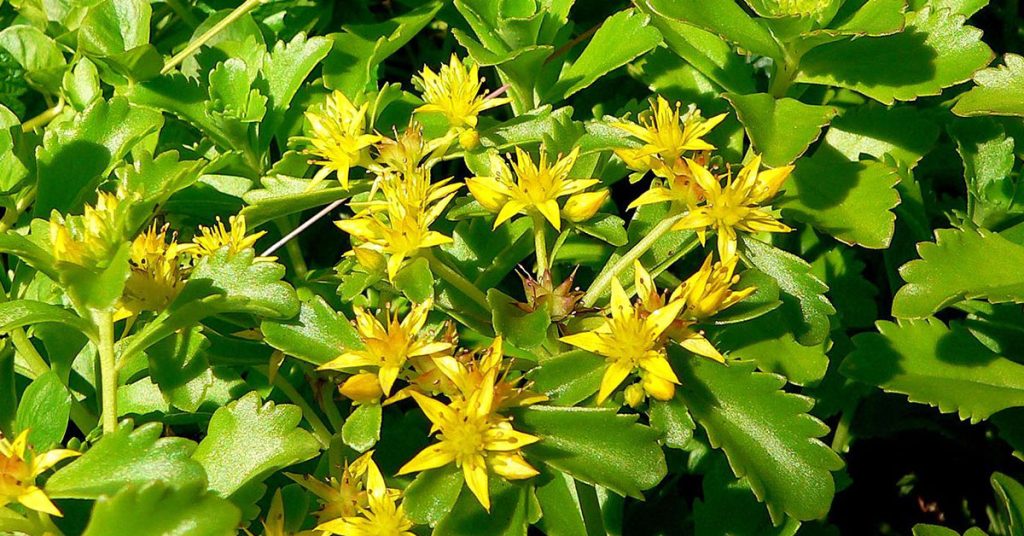
Sedum spectabile ‘Autumn Joy’ is a hardy perennial native to eastern Asia, prized for its fleshy leaves and dome-shaped clusters that shift from soft pink to deep rust. It’s not invasive and tolerates drought beautifully, making it a resilient choice for late-season color. Those succulent leaves glisten in morning dew, adding fresh texture alongside more delicate petals.
When these blooms open, they become a favorite gathering spot for bees, hoverflies, and butterflies—which practically transform your border into a buzzing social circle! I’ve even spotted paper wasps building nests nearby, taking advantage of both shelter and proximity to nectar. What a wonderful way to observe nature’s cycles up close!
Cosmos: Ethereal Blooms That Whisper Romance
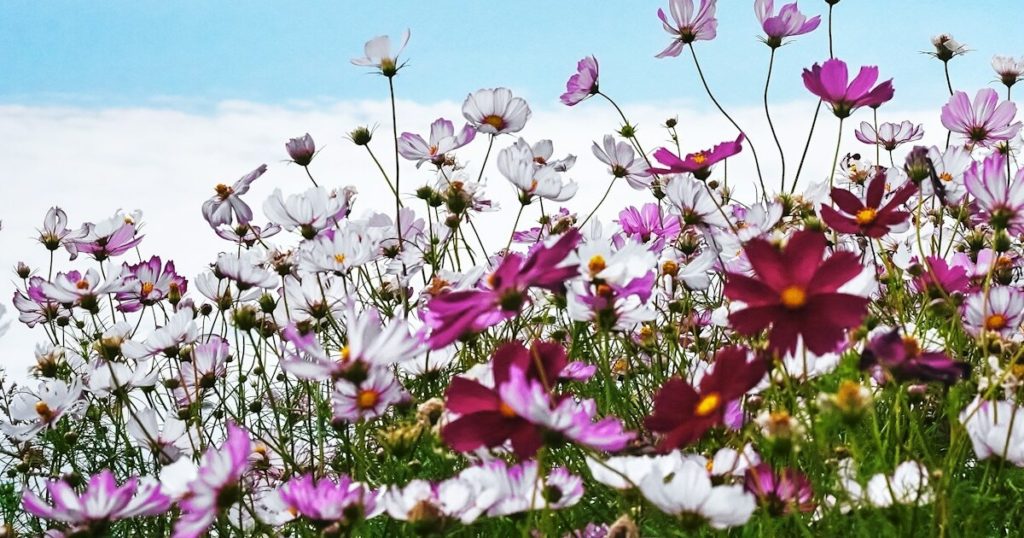
One of my favorite late-season treasures, Cosmos (Cosmos bipinnatus) hails from Mexico and Central America, thriving in poor soils where many flowers struggle. These daisy-like petals—available in soft pinks, whites, and deep magentas—dance on wiry stems, nodding in the slightest breeze. While they aren’t invasive in most regions, they self-seed readily, creating new clusters of delicate blooms year after year without overtaking your borders.
Beyond their dreamy appearance, Cosmos are a magnet for butterflies and bees, and I’ve even spotted small solitary bees nesting in the ground nearby, drawn by the abundance of nectar! Their airy foliage provides a romantic backdrop for taller roses or lilies, and I love how they soften the transition between structured garden beds and wildflower edges.
Stargazer Lily: Fragrant Stars of the Night
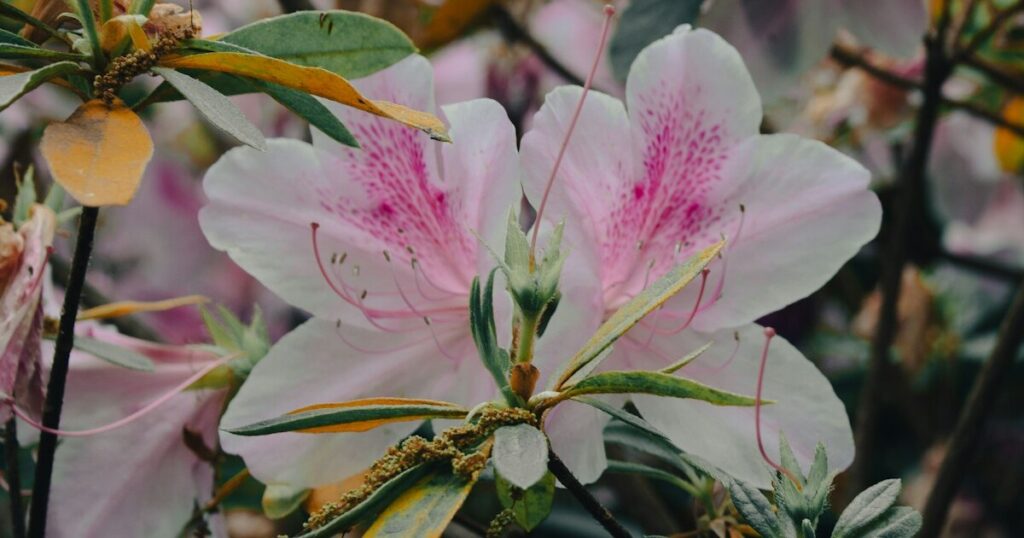
Stargazer lilies (Lilium ‘Stargazer’) burst from bulbs native to Japan, China, and Korea, offering a glorious display of pink-and-white, star-shaped flowers that practically shout elegance. These dramatic blooms reach heights of up to three feet, adding vertical interest and a sweet, heady scent that wafts through the garden at dusk. They’re not considered invasive, but planting them in well-draining soil is key to preventing bulb rot.
One evening, I caught a hummingbird pausing at a lily’s throat, its wings a blur, savoring the rich nectar—such encounters fill me with wonder! Bees also flock to the pollen-laden stamens, and pollinators sometimes use the sturdy stems as perches. Stargazers are perfect for cutting, infusing indoor vases with romance, too!
Nicotiana: Moonlit Garden Enchantment
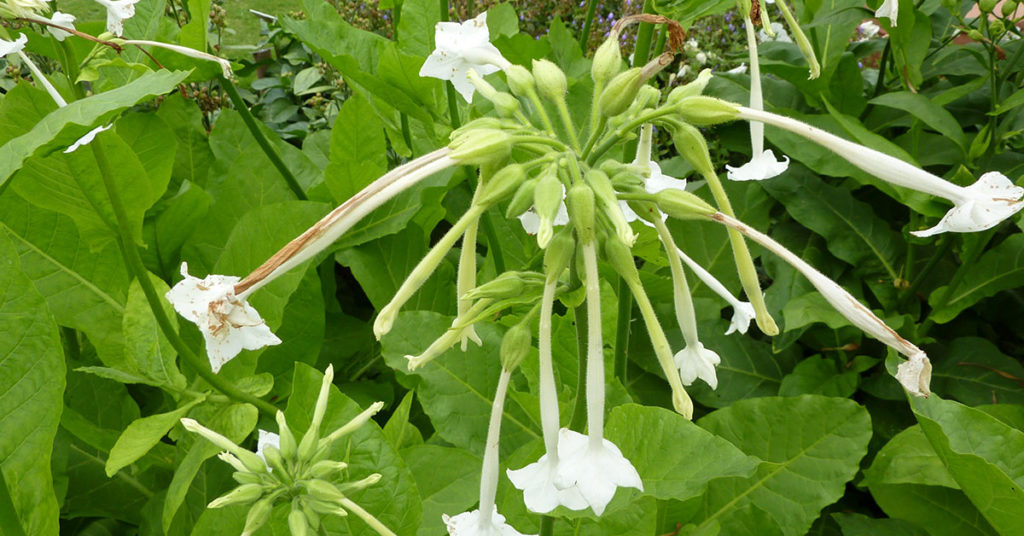
Nicotiana alata, or flowering tobacco, is native to South America and beloved for its fragrant, star-shaped blooms that open in late afternoon and perfume the air after sunset. These plants spread modestly but aren’t invasive, offering clusters of white, pink, or deep rose flowers atop slender stalks. Their soft glow under moonlight adds an ethereal quality to evening garden strolls!
Not only do Nicotiana blossoms attract nocturnal moths—great pollinators—but I’ve also noticed bats flitting through my garden on warm nights, drawn by that sweet scent. During the day, bees rally around unopened buds, preparing for the nocturnal show. It’s such a treat to experience a garden that truly comes alive after dark!
Lavender: Silvery Foliage and Soothing Scent

Lavender (Lavandula angustifolia) is native to the Mediterranean’s rocky hillsides, offering mauve spikes and silvery-green foliage that release calming aromas when touched. It’s not invasive, preferring well-drained, alkaline soil and full sun. Lavender’s neat mounds create a structured backdrop for more flamboyant late-bloomers.
I find myself running fingers through those fragrant leaves as I wander between beds—soothing on hot days! Bees swarm the flowering tops, storing honey scented with that quintessential lavender note. Even small ground-nesting bees set up shop nearby, taking advantage of the bare patches at the plant’s edge.
Phlox: Pillars of Fragrant Romance
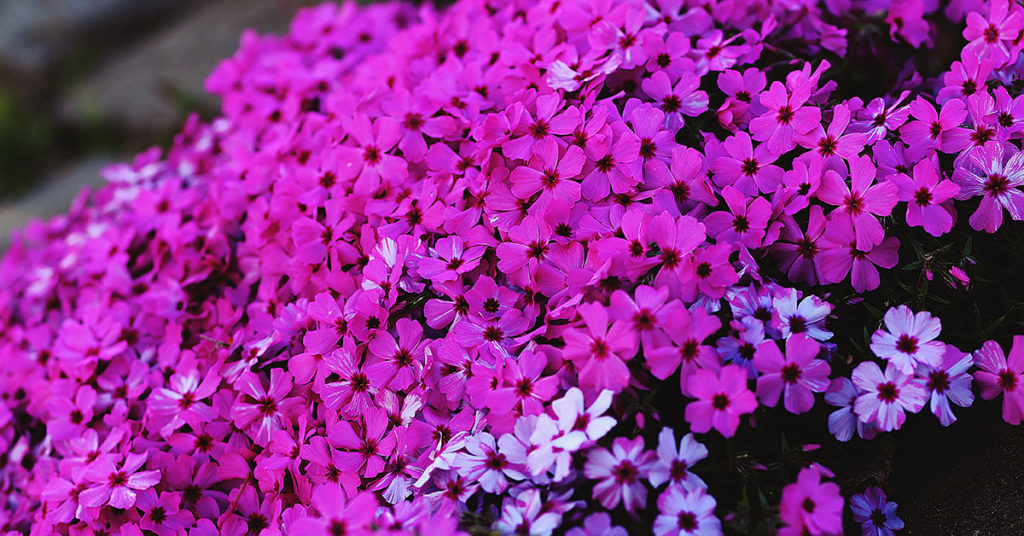
Phlox paniculata, or tall garden phlox, originated in eastern North America, producing conical clusters of sweetly scented flowers in pink, white, and lavender-pink. While it can spread via roots, it’s generally well-behaved in garden borders when divided every few years. The upright habit adds height and fragrance simultaneously!
Late August is prime time to enjoy those clusters, each bloom abuzz with butterflies sipping nectar. Occasionally, I’ve spotted hummingbird moths whirring around the blossoms—such an unexpected delight! The heady scent drifts through the air, making evening garden strolls all the more enchanting.
Aster: Starry Blooms to Welcome Autumn

Asters, native across Europe, Asia, and North America, bloom in late summer with daisy-like flowers in purples, pinks, and whites. Some prolific species can naturalize in favorable conditions, but choosing clumping varieties helps manage spread. Their petite petals form starry discs that contrast beautifully with larger blooms.
Come dusk, I often catch small moths and late-flying bats brushing against aster petals, drawn by the lingering nectar. Bees, too, stock up before cooler nights set in. Asters bridge the gap between summer and fall, providing a final flourish before autumn leaves begin to drift!
Gladiolus: Dramatic Spikes for a Bold Statement

Gladiolus species are native throughout Africa and the Mediterranean, known for upright spikes adorned with funnel-shaped flowers in pinks, reds, and creams. They grow from corms rather than bulbs, and while they occasionally return if corms drop, they aren’t invasive. Plant them in rich, well-drained soil for the tallest, sturdiest stems!
Watching bees crawl into the blossoms to reach the nectar feels like peeking into a miniature world. And hummingbirds can’t resist those vivid colors, often hovering at eye level! Gladiolus add formality and flair, perfect for lining a pathway to a secluded garden bench.
Moonflower: Nocturnal Romance Unfurled
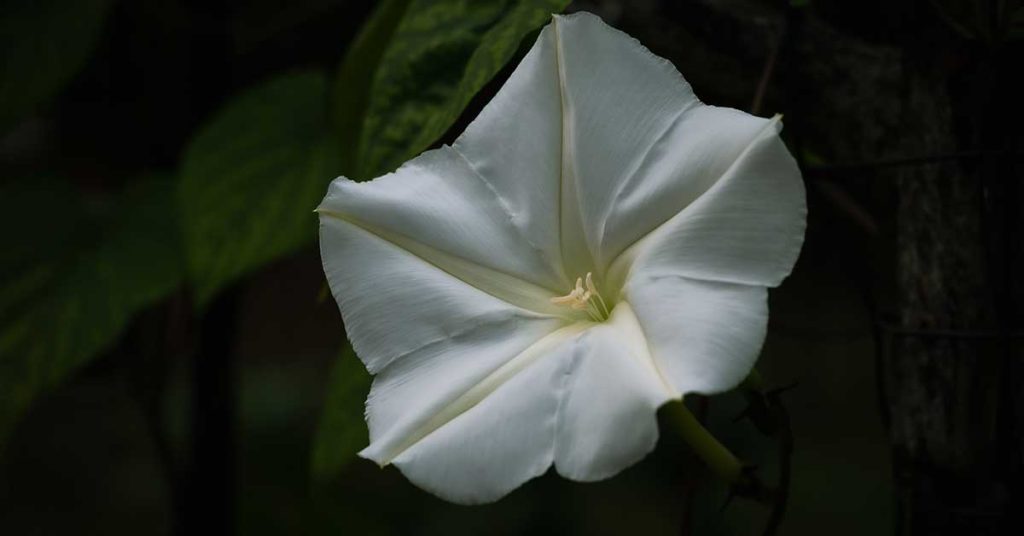
Ipomoea alba, the moonflower, hails from the tropical Americas and unfurls large, fragrant white blooms at night, lasting until the morning sun. This vigorous climber can scramble up trellises or fences, but it doesn’t typically self-seed aggressively in cooler climates—just enough to bring delight without worry. You’ll want to be sure it has sturdy support for those twisting vines!
One of my most magical evenings was sitting beneath a moonflower-covered arbor, listening to crickets and breathing in that intoxicating scent. Night-flying moths adore these blossoms, brushing softly against petals as they feed. It’s like having a private, star-lit ballroom in your own backyard!
Zinnia: Cheerful Pom-Poms of Color
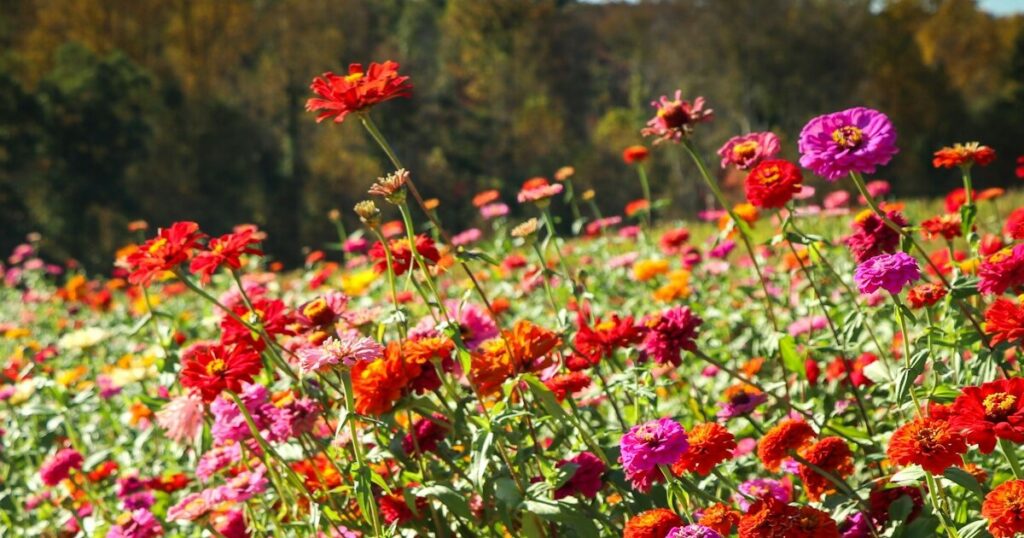
Zinnias (Zinnia elegans), native to Mexico and Guatemala, offer bold, rosette-like blooms in virtually every hue—from fiery orange to soft peach. These annuals reseed sparingly, so they won’t run wild in your borders, yet they provide weeks of vibrant display through late summer. Their upright nature means easy cutting for bouquets!
One sunny afternoon, I noticed a family of small hoverflies nesting beneath a large leaf nearby, drawn by abundant nectar reserves. Butterflies and bees adore zinnias equally, turning each bloom into a pollinator party! Their joyful colors lift the spirit instantly—perfect for a romantic, yet playful, garden setting.
English Rose: Timeless Elegance in Perfumed Petals

English roses, bred to echo old garden roses, often bloom in flushes that extend into late August. Originating from crosses between European and Asian roses, these shrubs produce abundant, cupped blooms in soft pastels and rich hues. While some varieties can sucker if grafted, they’re generally well-behaved and not invasive when given proper care.
One of my favorite moments is wandering past a blooming rose arch at sunset, inhaling those layered petals as bees busily forage. Solitary bees sometimes nest in the pruned canes or in nearby bare soil, bringing new life to garden ecology. English roses lend that storybook romance we all yearn for!
Tuberose: Waxen Blooms That Breathe Fragrance

Polianthes tuberosa, native to Mexico, is treasured for clusters of white, waxy, sweetly scented flowers that open in the evening. These bulbs need fertile, well-drained soil and don’t naturalize aggressively outside tropical regions, so they’re considered non-invasive in most home gardens. Their scent is heady and complex—imagine jasmine crossed with gardenia!
One sultry summer twilight, I paused mid-pruning just to savor the tuberose aroma drifting through my border. Moths, drawn by those alluring notes, flutter about—an enchanting sight against dusky skies. For a romantic late-August garden, nothing quite matches the sensory drama of tuberose!
Agastache: Hummingbird Magnet in Jewel Tones
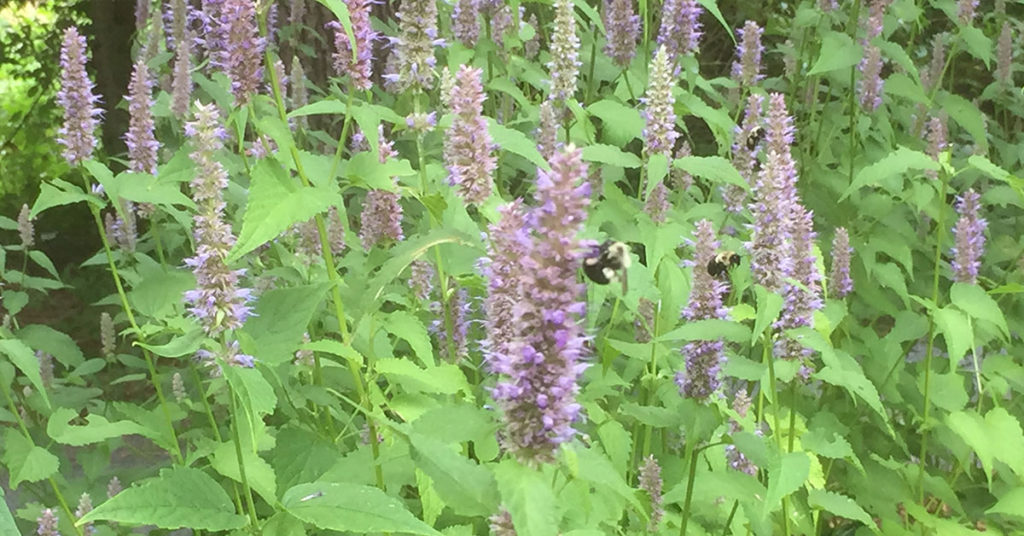
Agastache, commonly called hummingbird mint, originates from North America and Mexico, celebrated for spikes of lavender, peach, and deep orange flowers that bloom well into September. This perennial isn’t invasive, but it does reseed modestly—ideal for filling gaps in borders. Its aromatic foliage releases minty notes when brushed, and the tall flower spikes add textural contrast against more rounded blooms.
I absolutely adore watching ruby-throated hummingbirds hover as they sip from those tubular blossoms! Butterflies, too, find themselves enchanted, alighting gently to drink. Plus, the plant’s nectar-rich blooms encourage nesting nearby; I’ve seen small songbirds weaving twigs in branches just a few feet away.
Bee Balm: Vibrant Clusters for Pollinator Delight

Monarda didyma, or bee balm, hails from North America’s woodlands and streams, boasting spiky clusters in red, pink, and lavender. This perennial can spread via underground rhizomes but is seldom invasive when contained in well-defined beds. Its aromatic foliage emits minty undertones at a gentle brush!
Watching bumblebees and honeybees dive headfirst into those tubular flowers never fails to bring a smile to my face. Hummingbirds join the party, their tiny bodies shimmering as they dart between blooms. Bee balm’s lively presence and pastel tones make it an instant pick-me-up when summer feels heavy!