
There’s something irresistibly romantic about heart-shaped flowers, especially when they’re blooming right outside your door. Porches are the perfect spot for these beauties—they add charm, create a welcoming atmosphere, and give you a front-row seat to nature’s quiet drama. If you’ve been wondering what to grow in pots or hanging baskets this summer that offers a sweet twist on tradition, heart-shaped blooms are a wonderful way to blend aesthetic joy with emotional warmth. Every time I see one of these flowers fluttering in the breeze, it feels like a little love note from the garden.
I know how hard it can be to choose porch plants—too much sun, not enough space, or the constant battle against drying soil. That’s why I curated this list with those challenges in mind. These flowers don’t just look good—they also support pollinators, hold up in containers, and bring a lot of personality to small spaces. Some are bold and eye-catching, while others are delicate and tender, but all feature that unmistakable heart shape that feels like a quiet embrace every time you step outside. Let’s dive into these heartfelt summer bloomers!
Bleeding Heart Vine (Clerodendrum thomsoniae)
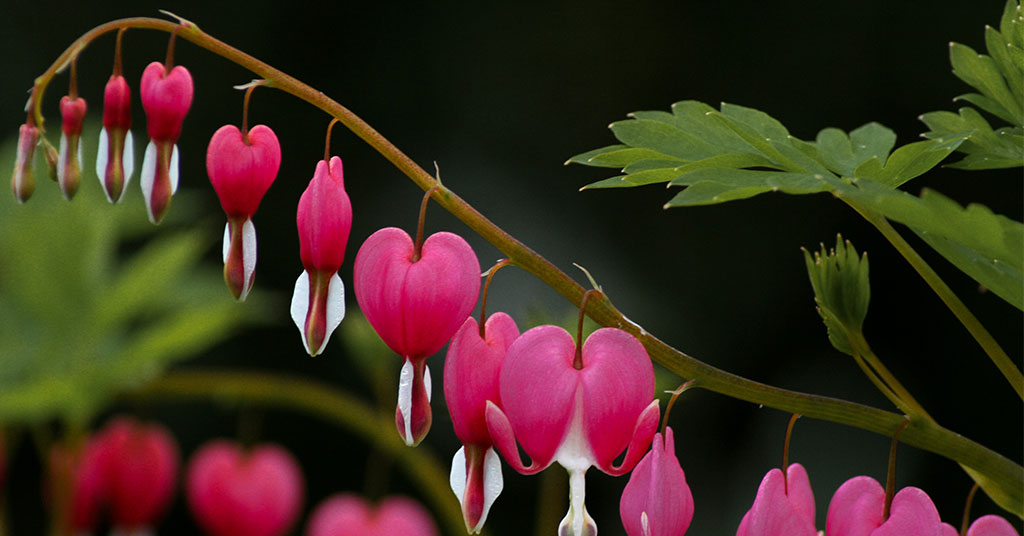
This isn’t the same as the springtime bleeding heart we all adore—this is its tropical cousin, and it is made for summer porches! With heart-shaped, white to pink bracts that reveal bright red flowers, the bleeding heart vine brings both drama and softness. It vines beautifully in hanging baskets or climbing trellises on your porch railing and flowers all summer with a bit of encouragement.
Native to tropical West Africa, this plant is not considered invasive in cooler climates but should be monitored in warm zones. It attracts hummingbirds and butterflies, who are drawn to its bold coloring and tubular shape. Just be sure to give it partial shade on hot afternoons—its tropical nature means it prefers warmth without scorch.
Sweetheart Hoya (Hoya kerrii)

This plant might not bloom right away, but it is a heart-shaped wonder—and its eventual clusters of star-shaped flowers make it a delightful surprise later on. Often grown as a single-leaf heart in tiny pots, the full vining version of sweetheart hoya produces thick, waxy heart-shaped leaves and sweet-smelling blooms that look like little porcelain stars.
Native to Southeast Asia, this hoya is a tropical epiphyte and is not invasive. It’s slow-growing but perfect for porches where you want something sculptural and low-maintenance. Keep it in a shaded corner or hang it in a basket—it doesn’t need much attention to be charming. Plus, it’s pet-safe and makes a fantastic conversation starter!
Morning Glory (Ipomoea purpurea)
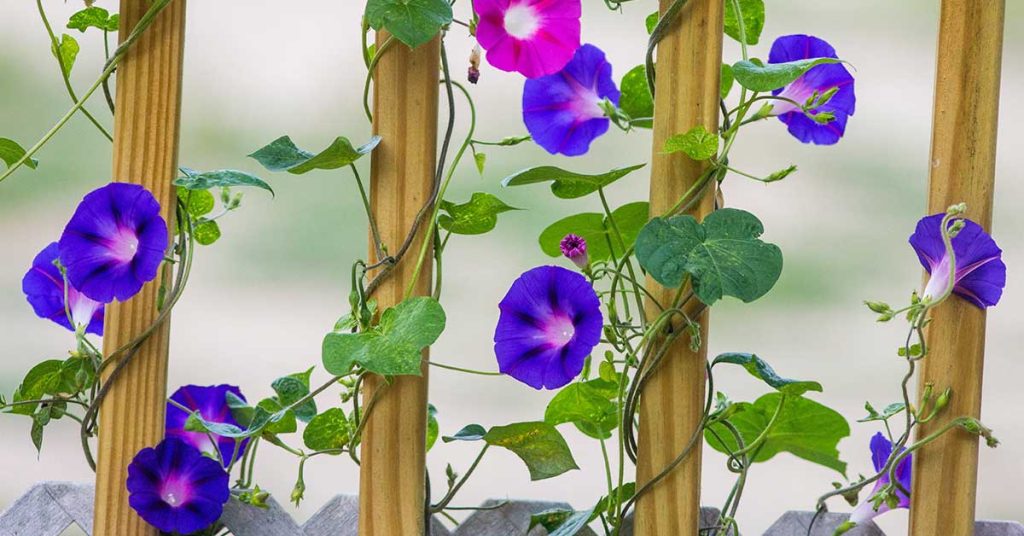
There’s something almost poetic about a morning glory unfurling at dawn. The leaves are distinctly heart-shaped, climbing elegantly up porch posts or railings, and the flowers—those trumpet-shaped blues, purples, and pinks—are irresistible to bees and butterflies. I love growing these where I can sip coffee and admire their brief but dazzling blooms.
Native to Central and South America, morning glories are fast-growing annual vines that can become weedy in warm regions if not managed. They reseed prolifically, so keep an eye out for volunteers. Still, in a contained planter on a porch, they’re simply joyful and perfect for creating vertical green walls covered in fluttering hearts.
Purple Shamrock (Oxalis triangularis)
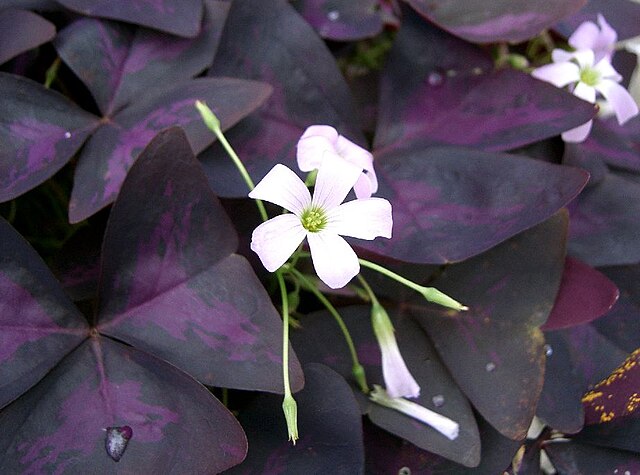
This gem produces deep purple, triangular leaves that open and close with the light, resembling heart clusters dancing in the breeze. It sends up delicate pink or white blooms throughout summer and adds an unexpected elegance to shaded porch corners. I find it thrives best in a hanging pot where its draping habit gets the attention it deserves.
Native to South America, particularly Brazil, Oxalis triangularis is not considered invasive in most areas, though it can spread in ideal conditions. It attracts some small native bees and works wonderfully with other porch plants like impatiens or coleus. Plus, the color contrast adds drama without overwhelming the space.
Love-in-a-Mist (Nigella damascena)
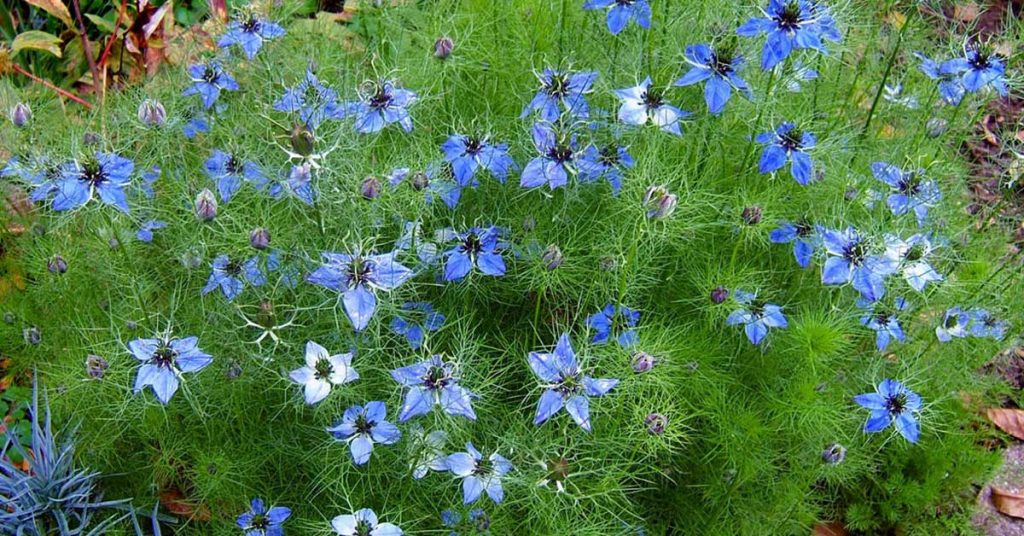
This whimsical flower has feathery foliage, dreamy starburst blooms, and unique seed pods shaped like tiny balloon hearts. While the foliage is airy, the seed pods give that heart-shaped punch, especially in late summer. I love tucking this into porch containers where it adds a frothy, fairytale texture alongside more structured plants.
Native to southern Europe, this annual is not invasive and is often used in cottage gardens. It attracts pollinators like bees and hoverflies, and its pods can be dried for floral arrangements. Best of all? It thrives in poor soil and partial sun, which makes it easy to care for even if your porch gets spotty light.
Cyclamen (Cyclamen persicum)
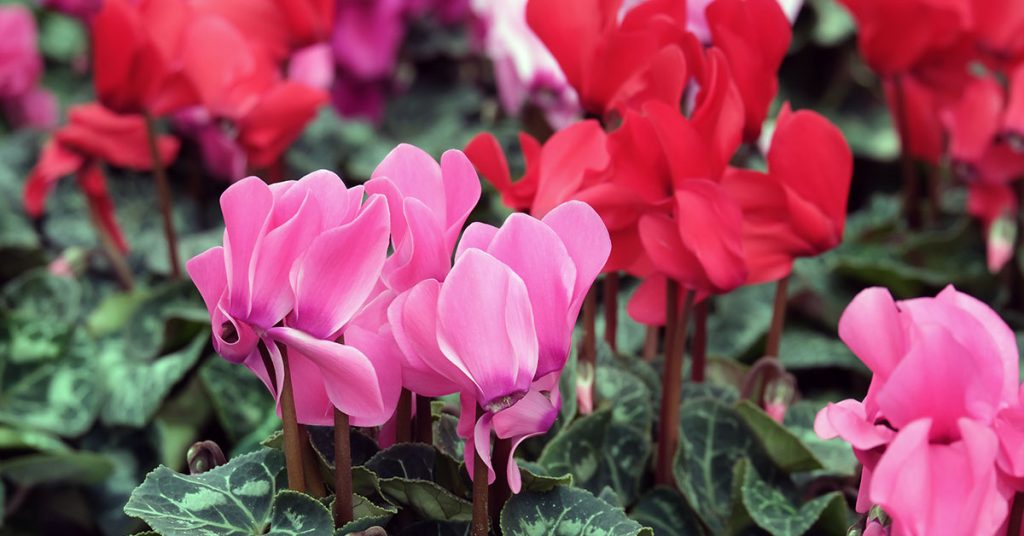
Cyclamen is famous for its upturned, butterfly-like blooms and its striking heart-shaped foliage, often marbled with silver. Summer-blooming varieties do best in cooler climates or shady porch areas where they won’t be scorched. Their flowers rise above the leaves on delicate stems like a bouquet held high.
Native to the Mediterranean region, cyclamen is not considered invasive and is a favorite in container arrangements for its texture and elegance. Though not a major pollinator plant, it attracts interest from curious bees and offers subtle visual appeal in shady areas where other flowers struggle.
Coral Vine (Antigonon leptopus)
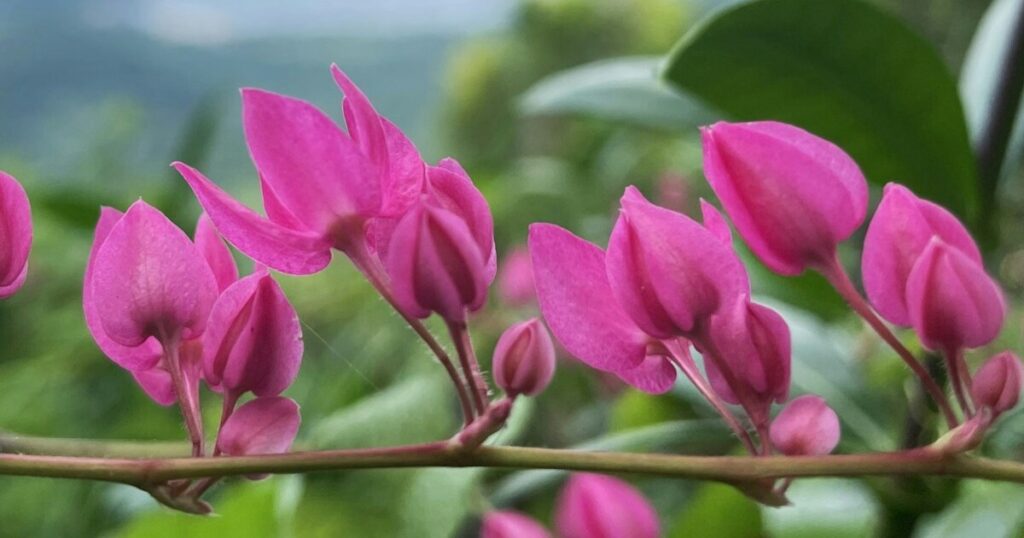
Also called “queen’s wreath,” coral vine is a fast-growing climber with clusters of small, pink heart-shaped flowers that absolutely glow in the summer sun. I’ve seen it turn a dull porch into a tropical retreat within weeks. It attracts bees in swarms and is often buzzing from sunrise to dusk.
Native to Mexico, this vine can be invasive in some warm regions like Florida and parts of the Gulf Coast, so container planting is strongly recommended. In controlled spaces, it’s a delightful powerhouse that spills romantically over railings or trellises. Just be sure to prune it back after blooming so it doesn’t get unruly!
Elephant Ear (Colocasia esculenta)

These massive, bold leaves are unmistakably heart-shaped and bring tropical flair to any porch. While they don’t flower in dramatic ways like some others on this list, the sculptural shape of the foliage is such a standout that I had to include them. They create shade, movement, and a bit of theatrical drama wherever you place them.
Native to Southeast Asia and India, elephant ears are not invasive in most container applications but can become aggressive in boggy climates. They’re wonderful for shady porches and create cozy nesting spots for frogs and lizards. Add them to large pots and enjoy the way their leaves rustle and sway in the wind like giant green hearts!
Fuchsia (Fuchsia spp.)

Fuchsia blooms look like little heart-shaped lanterns—each one dangling delicately from trailing stems. They come in vibrant combinations of pink, red, white, and purple and bloom prolifically through the heat of summer. I love seeing hummingbirds divebombing them all afternoon on my shaded back porch!
Originally native to Central and South America and New Zealand, fuchsia isn’t considered invasive but thrives best in cool, shady spots. It’s a container favorite, and if you keep the soil moist and pinch back the stems for fullness, it will reward you with a stunning waterfall of color and motion.
Redleaf Hibiscus (Hibiscus acetosella)
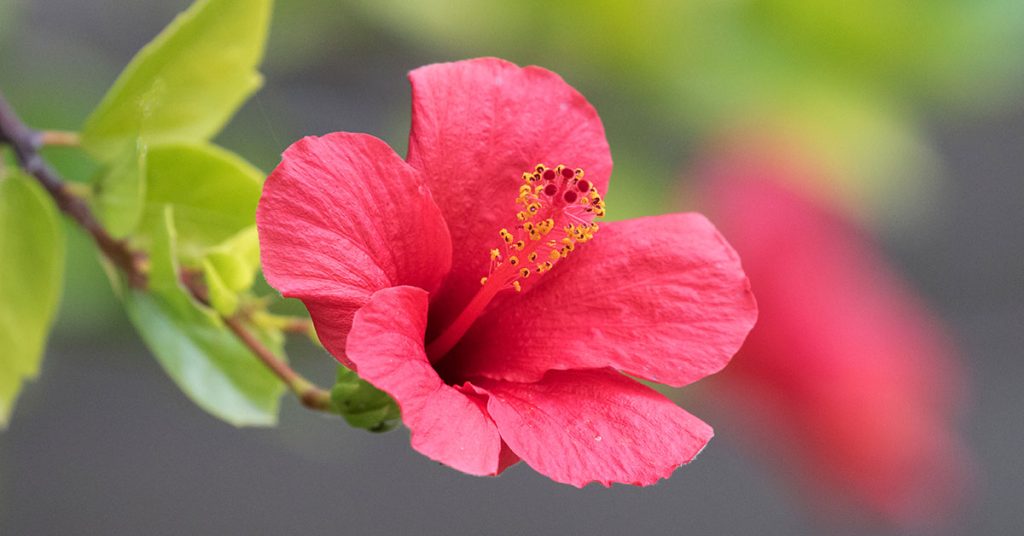
This hibiscus offers more than just flowers—its heart-shaped burgundy foliage makes it look like a flowering version of a red maple! Though it does bloom with small, deep crimson flowers in summer, it’s the bold foliage that turns heads on porches. I’ve found it looks fantastic in large urns beside more finely textured plants.
Native to tropical Africa, redleaf hibiscus is not invasive and behaves well in containers. It’s particularly attractive to bees and butterflies when in bloom, and the foliage provides great visual contrast. Plus, it’s edible! The young leaves have a tart flavor and can be tossed into salads or teas.
Love-Lies-Bleeding (Amaranthus caudatus)

The long, dramatic red tassels of love-lies-bleeding spill over containers like velvet ropes. The leaves themselves are often heart-shaped, and the flowers hang down in a way that makes them feel both old-world and avant-garde at the same time. I always get compliments when I tuck this into porch planters.
Native to the Andes in South America, this amaranth is not considered invasive and is often grown as both an ornamental and an edible. It draws in pollinators and can be dried for everlasting bouquets. Just give it full sun and deep containers so it has room to show off!
Red Valerian (Centranthus ruber)
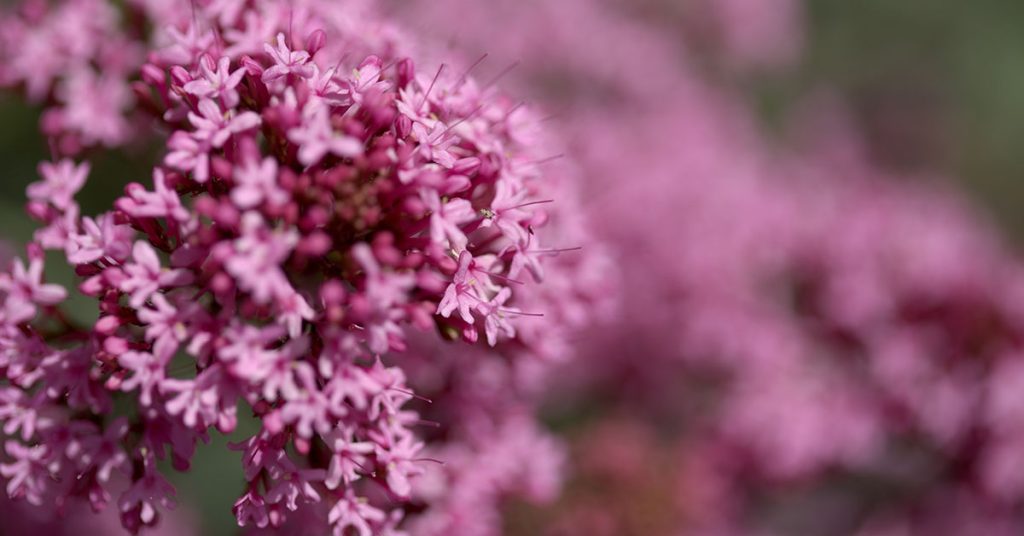
Red valerian’s flower clusters form broad, heart-like shapes at the tips of upright stems, giving it an airy, romantic presence. It’s great for porch pots that need a little height and pairs beautifully with trailing plants. Plus, it has a lovely sweet scent that floats on the breeze!
Native to the Mediterranean, red valerian is not usually invasive but may reseed in mild climates. It attracts hummingbirds, butterflies, and bees, making it a valuable nectar source for porchside pollinator watching. It also tolerates drought once established—a big plus for busy gardeners!
Climbing Snapdragon (Asarina scandens)
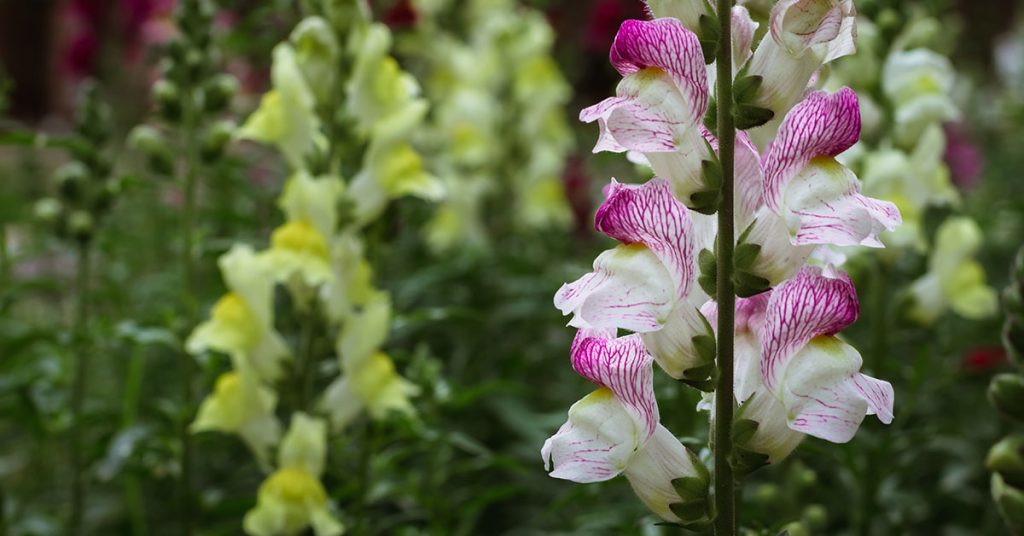
These soft, viney plants produce dainty heart-shaped leaves and tubular blooms that resemble tiny snapdragons. They look so graceful tumbling out of hanging baskets or trailing along porch railings. The flowers come in soft pinks, lavenders, and even creamy whites, and they bloom nonstop with a little love.
Native to Mexico and Central America, climbing snapdragon is not invasive and actually appreciates a bit of extra care in container settings. It attracts bees and hummingbirds and thrives in partial shade. I always grow this one when I want something a little different but no less magical.
Wild Ginger (Asarum canadense)

For those with a deeply shaded porch, wild ginger is a fantastic ground-hugging plant with big, heart-shaped leaves that create a lush carpet. While its flowers are small and hidden, the foliage is striking and stays green and full through the hottest parts of summer.
Native to eastern North America, wild ginger is not invasive and is often used in native plant landscaping. It’s not a major pollinator plant, but its foliage provides shelter for small wildlife and ground-dwelling insects. If you’re trying to fill the base of porch containers or line a shady walkway, it’s a soothing and beautiful choice.