
Spinach is such a rewarding crop to grow—fast, nutritious, and so incredibly versatile in the kitchen—but it can also be finicky. If your spinach has ever bolted too soon, been riddled with leaf miners, or struggled in poor soil, you’re not alone. One of the best ways to give it a boost is by surrounding it with the right companions. I’ve learned over the years that companion planting isn’t just practical—it’s downright magical when the right plants come together and support each other in subtle, beautiful ways.
Spinach (Spinacia oleracea) is native to ancient Persia (modern-day Iran) and thrives in cool seasons with rich, well-drained soil. It’s not invasive, but it does need a little help to reach its full potential—especially if you’re trying to maximize your spring or fall harvest. These 15 companion plants not only improve the health and flavor of your spinach but also help create a resilient, biodiverse garden ecosystem. And as always, I’ve randomized the order to keep things interesting—because a good garden is never too tidy or predictable!
Radishes

Radishes are some of the best companions for spinach, and not just because they grow well together. Their quick growth helps loosen the soil, which makes it easier for spinach roots to expand. Radishes also help deter leaf miners, which are known to target spinach, by acting as a decoy crop—many pests prefer radish leaves and leave your spinach alone in the process.
Native to Europe and parts of Asia, radishes aren’t invasive and grow quickly in the same cool-season windows as spinach. I love sowing a line of radishes alongside spinach rows; they’re up and out in just a few weeks, leaving behind more room for maturing spinach to thrive. It’s a perfect short-term roommate scenario that benefits everyone involved!
Strawberries
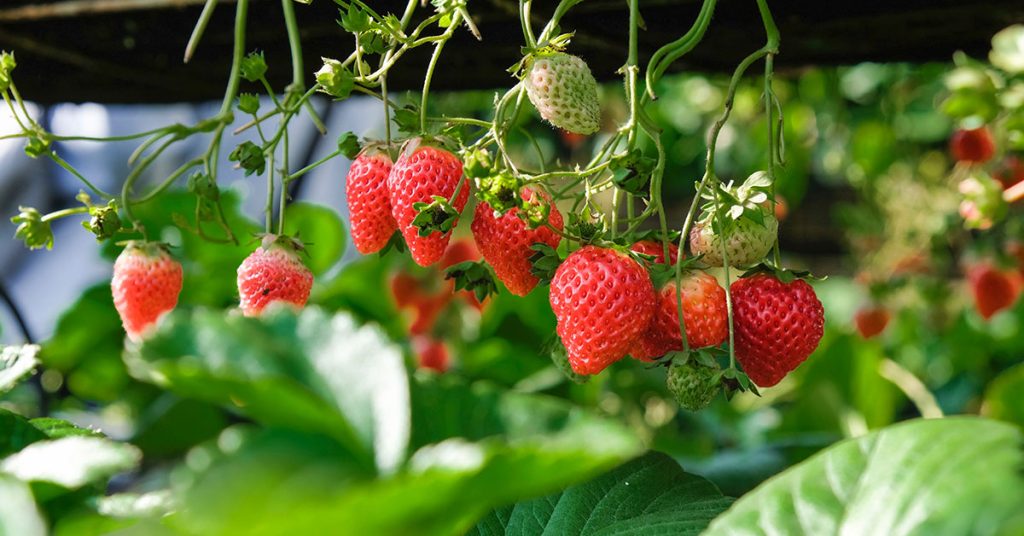
Strawberries and spinach might sound like a pairing meant for salads, but they’re also a fantastic duo in the garden. Strawberries serve as a living mulch, shading the soil and helping to retain moisture—something spinach absolutely appreciates. The sprawling strawberry runners also help suppress weeds and create a cozy microclimate that reduces spinach stress in sunnier spots.
Strawberries are native to temperate regions across the Northern Hemisphere and are not considered invasive when managed properly. I often tuck spinach into the spaces between young strawberry plants early in the season. As the strawberries fill in, the spinach is ready to harvest, and their roots rarely compete because they grow at different depths. It’s a harmonious and delicious combo!
Borage

Borage (Borago officinalis) is a wonderful companion that doesn’t crowd spinach but still provides big benefits. Its striking blue flowers attract pollinators and beneficial insects like bees, hoverflies, and predatory wasps. It’s also said to improve the flavor and growth of nearby plants, and I’ve seen firsthand how happy spinach looks near a few well-placed borage plants.
Native to the Mediterranean, borage isn’t invasive but does self-seed freely—so once you plant it, expect it to return year after year. Its broad leaves provide a bit of dappled shade for spinach as the weather warms, helping to delay bolting. I like planting it at the ends of spinach beds to draw in pollinators and create a soft, flowery frame to an otherwise green patch.
Dill
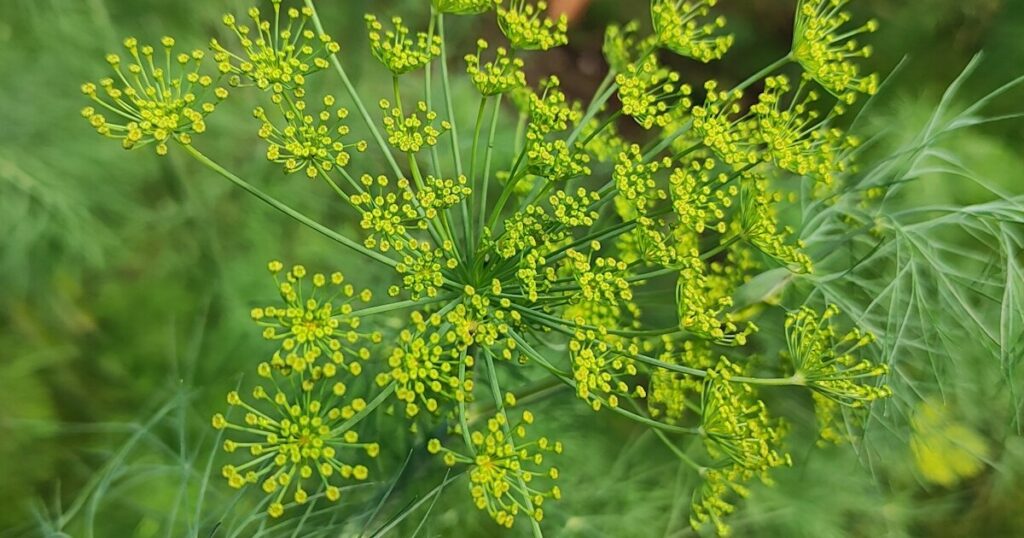
Dill (Anethum graveolens) is another tall, feathery companion that makes an excellent neighbor for spinach. It attracts lacewings and ladybugs—both natural predators of aphids and leaf miners. Since spinach tends to be a magnet for these pests, having dill nearby can help keep populations under control without any need for sprays.
Dill is native to southwestern Asia and the Mediterranean and isn’t considered invasive, although it will self-sow if allowed. I let dill bloom freely near spinach beds in the spring, where it sways in the breeze and hums with insect life. Plus, harvesting both spinach and dill at the same time means fresh tzatziki and herbed greens are just steps away from the kitchen!
Beans
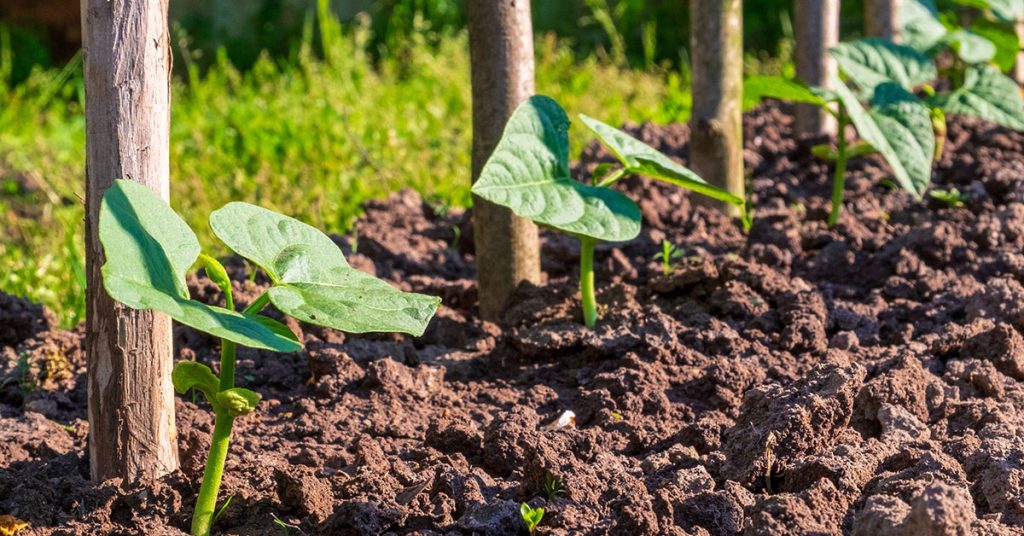
Beans, particularly bush varieties, are fantastic companions for spinach because they fix nitrogen into the soil, enriching it naturally. Spinach, being a leafy green, needs a steady supply of nitrogen to thrive and stay tender. Beans grow upright, creating a living support structure and soft shade that spinach enjoys, especially in warming weather.
Native to the Americas, beans are not invasive and fit beautifully into succession planting schedules. I like to alternate rows of spinach and beans so the nitrogen from the beans benefits the leafy greens directly. As the spinach finishes its season, the beans take over and continue to improve the soil for the next round of crops.
Marigolds

Marigolds (Tagetes spp.) may not directly interact with spinach roots or structure, but they play a huge role in pest management. Their roots release natural nematode-repelling compounds, and the flowers confuse pests with their strong scent. Marigolds can help deter leaf miners, aphids, and other unwanted guests that are known to bother spinach.
Native to the Americas, marigolds aren’t invasive and grow beautifully along the edges of beds. I tuck them into the corners of spinach rows, where they cheerfully bloom while serving as little guardians. They also attract pollinators and hoverflies, who help maintain the balance of good bugs in the garden. It’s beauty and function rolled into one!
Chervil

Chervil (Anthriscus cerefolium) is one of the most underrated herbs in companion planting, and it has a subtle but remarkable effect on spinach. It helps repel slugs, one of the most annoying pests when it comes to leafy greens. Chervil’s mild anise-like scent seems to confuse them and keep them at bay.
This delicate herb is native to Europe and western Asia and isn’t invasive, though it does self-seed gently. It prefers the same cool, moist conditions that spinach loves, making them perfect bedfellows in early spring or fall. I like to sprinkle chervil seeds in between spinach rows—they germinate quickly and grow into a fragrant, protective carpet.
Onions
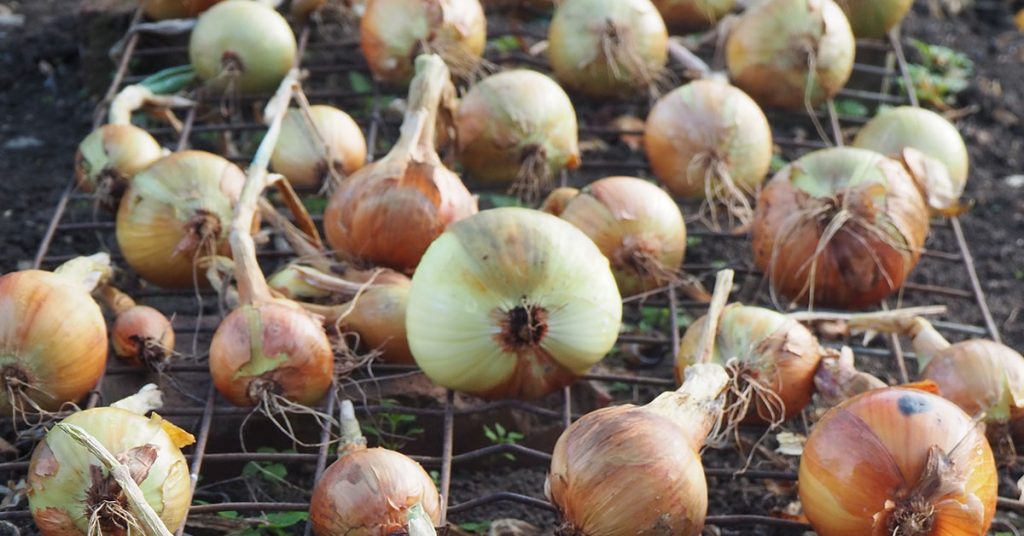
Onions (Allium cepa) are such efficient pest deterrents! Their strong aroma helps mask the scent of spinach from leaf miners and aphids. While they don’t fix nitrogen like legumes do, onions are excellent for creating a no-nonsense barrier around more tender crops.
Onions are native to Central Asia and are widely cultivated worldwide. They’re not invasive and make excellent edging plants. I’ve had great success planting small onions like bunching scallions alongside spinach. They don’t compete heavily for space, and they help keep the bed tidy and protected. Plus, you can harvest both in a single snip for fresh salads!
Cilantro
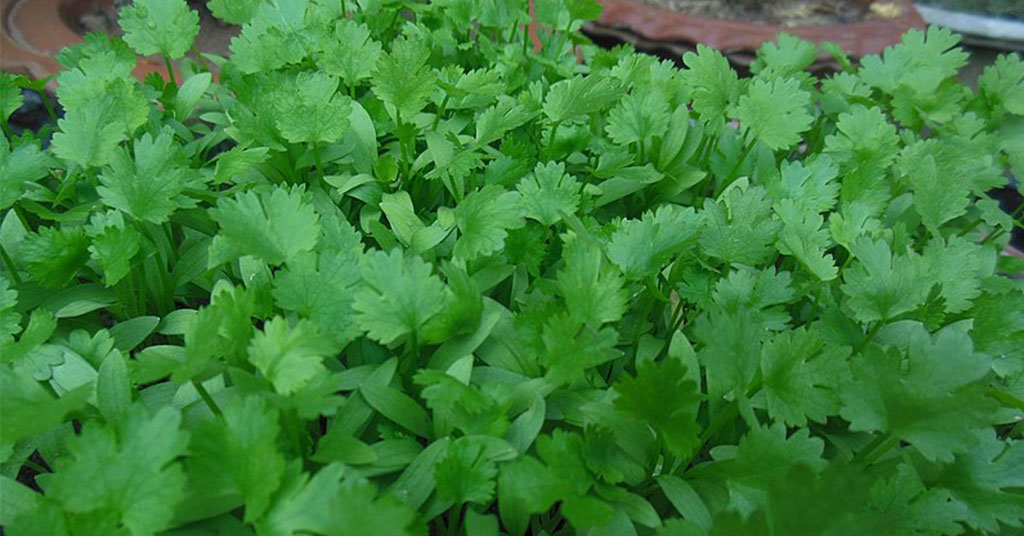
Cilantro (Coriandrum sativum) is another soft, feathery herb that grows well with spinach. It loves cool temperatures and doesn’t mind a bit of shade—just like spinach. Cilantro can also attract hoverflies and tiny beneficial wasps, which help with pest management around your leafy greens.
Native to southern Europe and parts of the Middle East, cilantro is not invasive and is easy to grow from seed. I sow cilantro between spinach rows as an understory herb. They grow quickly and finish their season before spinach gets too tall or crowded. And of course, the flavor pairing in a spring roll or garden-fresh salad is unbeatable!
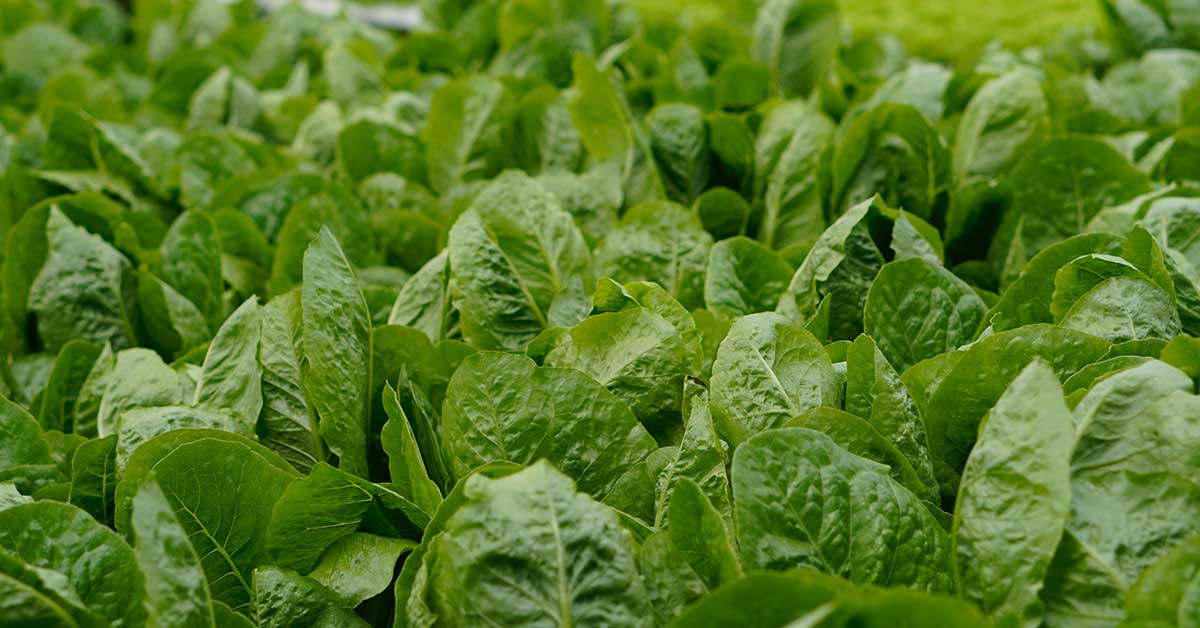
Lettuce
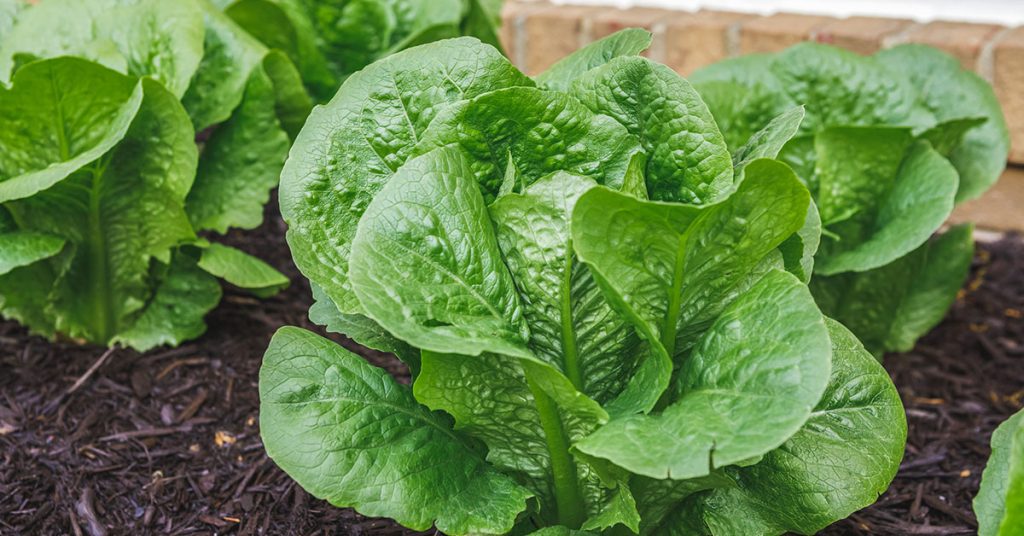
Lettuce (Lactuca sativa) is a natural partner for spinach. They share similar needs—cool weather, rich soil, and consistent moisture—and they grow at a comparable pace. They also have shallow root systems, so they don’t outcompete each other for nutrients. When grown together, they can fill a bed beautifully without waste.
Native to the Mediterranean, lettuce is not invasive and can be harvested leaf by leaf alongside spinach. I like to alternate rows of red and green varieties with spinach for both color and utility. You’ll end up with a mixed salad garden that’s as beautiful as it is productive, and harvesting both together makes me feel like I’m harvesting my own gourmet greens mix.
Nasturtium

Nasturtiums (Tropaeolum majus) are often grown as edible ornamentals, but they also serve a practical purpose in the spinach patch. They act as trap crops, drawing aphids and other pests away from your more delicate greens. Their spicy scent and low-growing habit make them ideal companions in a wide variety of beds.
Native to South America, nasturtiums are not invasive but do spread happily, especially in looser soils. I let them trail along the outside edge of spinach beds, where their bright blooms attract pollinators and hoverflies while their leaves take the brunt of the aphid pressure. They’re also edible, so you’re never sacrificing beauty for function!
Peas

Peas (Pisum sativum) are cool-season stars that fit right in with spinach. They fix nitrogen, grow upward instead of outward, and cast just the right amount of shade on nearby greens. Like beans, they enhance soil health and provide structure to the garden. If your spinach tends to bolt in warmer spring weather, peas can help delay that with their dappled shade.
Native to the Mediterranean and western Asia, peas are not invasive and are easy to grow on small trellises or supports. I often plant peas at the northern edge of my spinach beds so the shade doesn’t interfere with sun-loving neighbors. By the time spinach is ready to harvest, the peas are climbing happily and enriching the bed for the next crop.
Beets
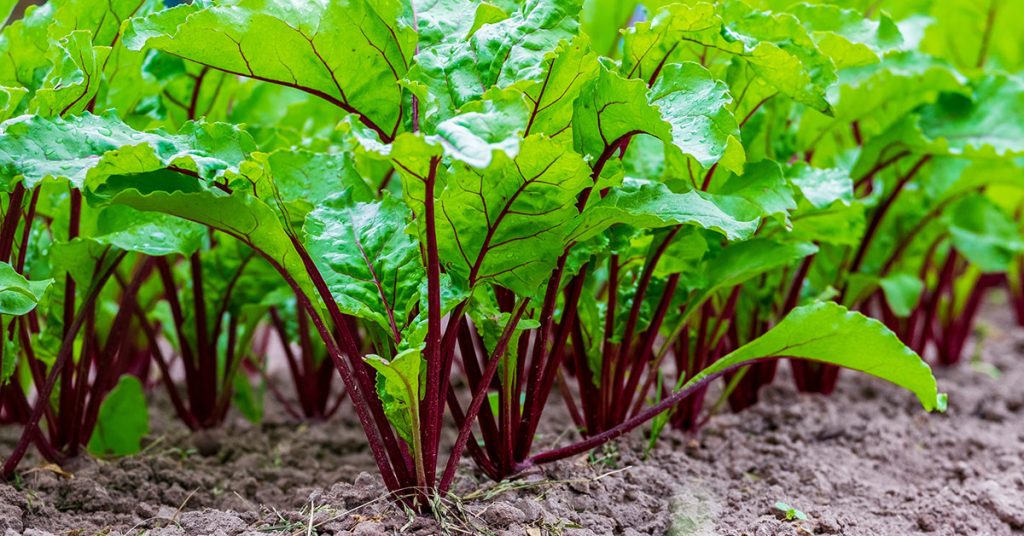
Beets (Beta vulgaris) and spinach are both members of the Amaranth family and share similar soil and moisture preferences, but they don’t compete aggressively. Beets grow deeper and develop larger roots, while spinach occupies the upper layer of the soil, making them ideal partners for maximizing space.
Beets are native to the Mediterranean region and are not invasive. I love growing them together because they create a beautifully varied texture in the garden—flat spinach leaves alongside the bright-stemmed beet tops. You can harvest the beet greens along with your spinach for colorful, nutrient-dense stir-fries or soups!
Garlic
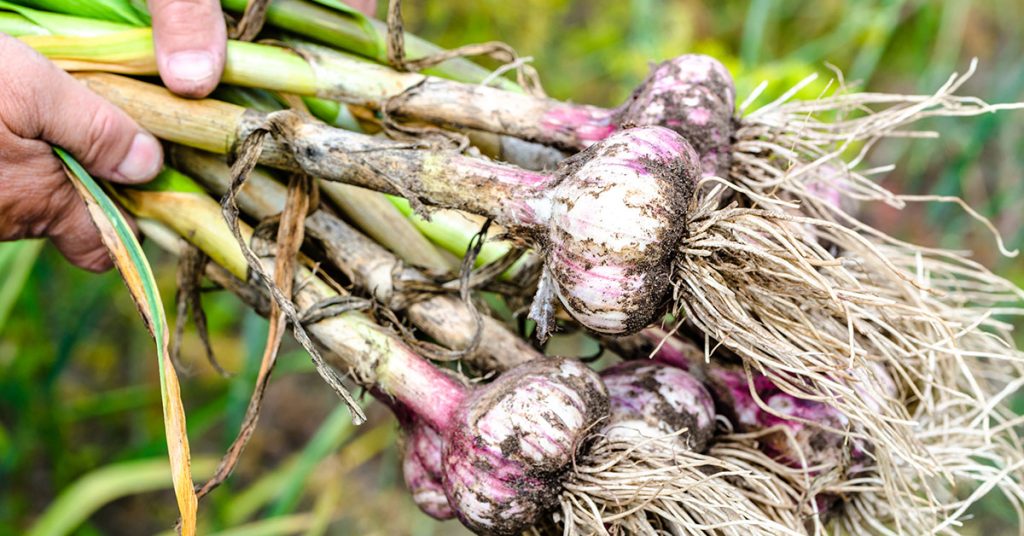
Garlic (Allium sativum) is a long-term ally in the spinach patch. It deters aphids, slugs, and other soft-bodied pests with its pungent aroma, and its upright growth means it doesn’t crowd your greens. Plus, garlic tends to stay in the ground longer, acting as a steady presence in the bed even after spinach is harvested.
Garlic is native to Central Asia and is widely cultivated around the globe. It’s not invasive and tends to stay right where it’s planted. I like planting garlic cloves in fall, then slipping spinach into the spaces between them in early spring. The result is a low-maintenance, low-pest bed that keeps giving all season long.