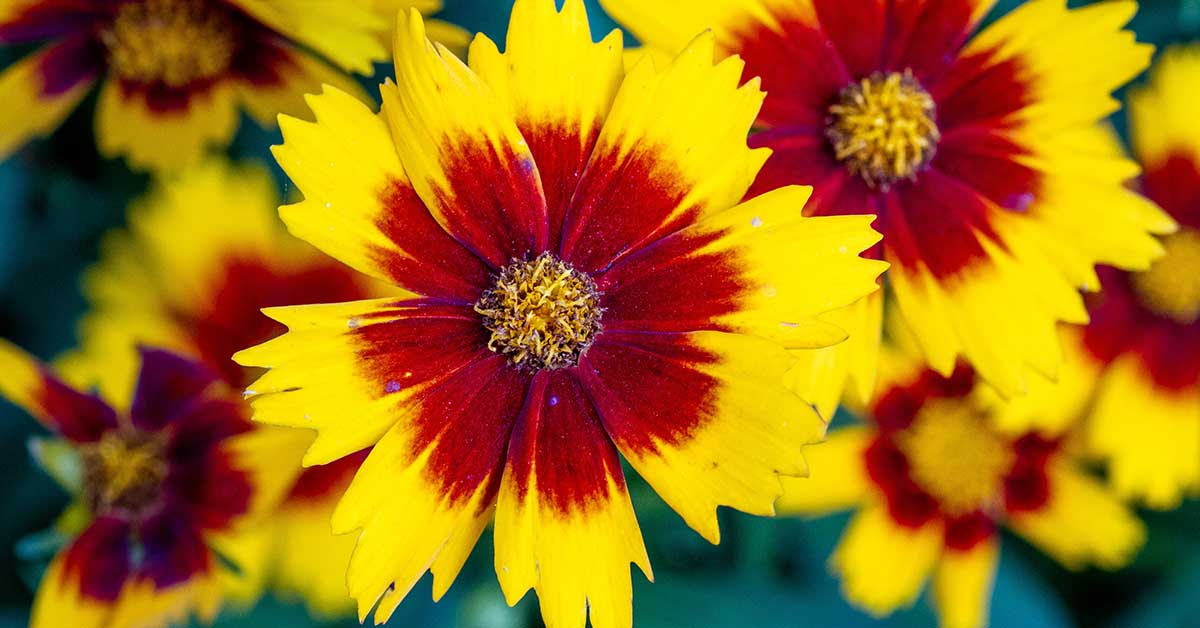

Late summer planting is one of my favorite gardening secrets—there’s something so rewarding about squeezing in another wave of color just when you think the season is winding down. Many flowers respond beautifully to being planted now, giving you fresh, vibrant displays right as September arrives. Whether you’re tucking them into a container, edging a walkway, or filling a bare spot in the garden, a late planting can keep your space lively and buzzing with activity when other gardens are starting to fade.
It’s also a chance to support pollinators that are fueling up before colder months. The right blooms will offer nectar, pollen, and even shelter to bees, butterflies, and other beneficial insects. I know how frustrating it is to see a once-busy garden turn quiet too soon, but by planting the right varieties now, you’ll extend that joyful hum of life just a little longer. Here are some of the most rewarding flowers to get in the ground now so you can enjoy a colorful and thriving September.
Coreopsis
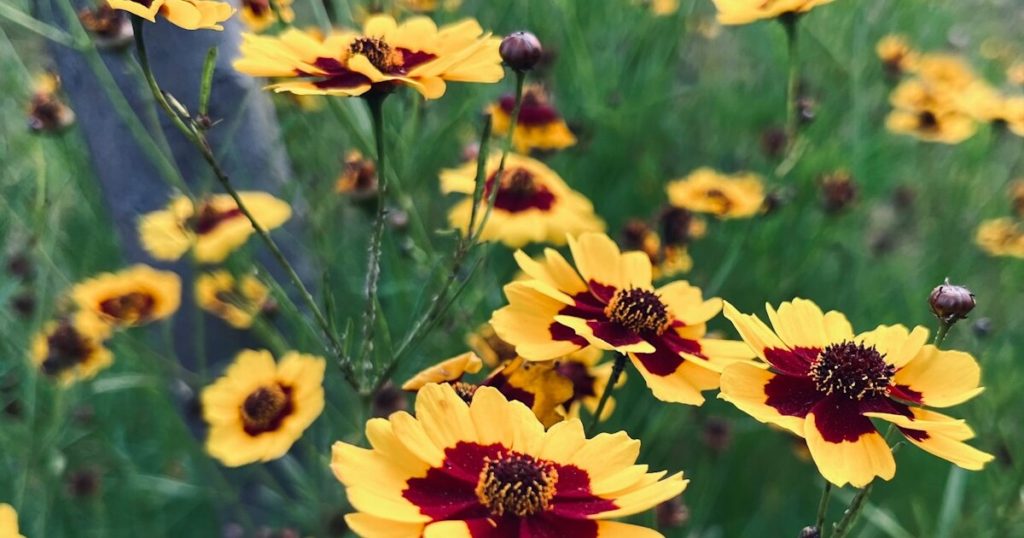
Coreopsis, often called tickseed, is a cheerful and dependable bloomer that thrives in sunny spots. Native to North America, it’s known for its daisy-like flowers in shades of yellow, gold, and sometimes pink. Planting it now means you’ll have a vibrant flush of blooms just in time for early autumn, drawing in bees and butterflies eager for a late-season feast.
It’s not invasive, but it can self-seed generously, which I find a bonus because it fills gaps naturally without becoming a nuisance. Coreopsis also pairs beautifully with ornamental grasses and other fall bloomers, creating a warm, meadow-like feel in the garden.
Black-Eyed Susan

Black-eyed Susans (Rudbeckia hirta) are a September classic, with golden petals and deep brown centers that practically glow in the late-summer light. Native to much of North America, they’re hardy, easy to grow, and loved by pollinators, especially bees and butterflies. Planting them now allows them to establish quickly and produce blooms right when you need that extra burst of color.
They’re not invasive, but they can spread over time through self-seeding, which helps create naturalized drifts. Birds, particularly goldfinches, also love the seeds, so leaving the flowers standing after they fade supports wildlife well into fall.
Zinnias
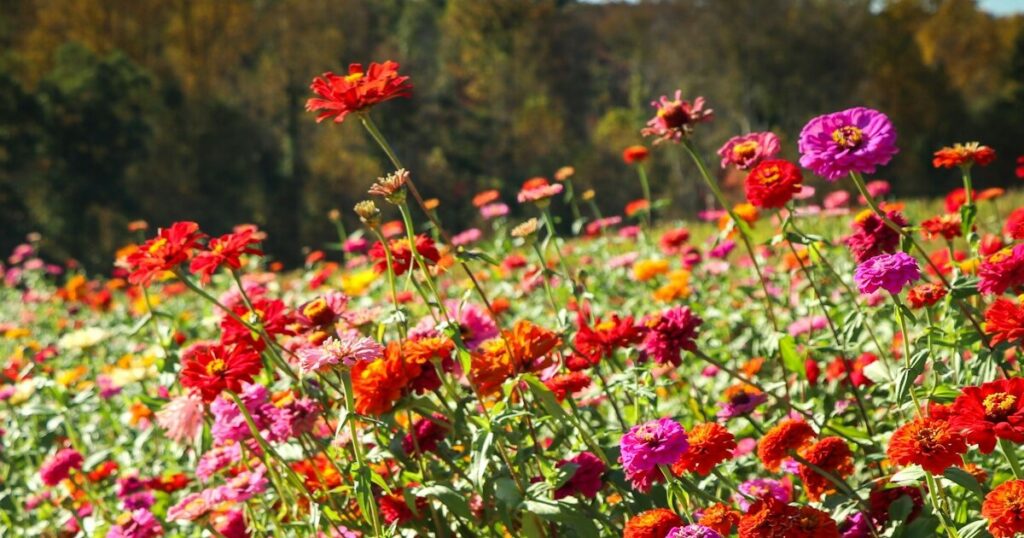
Zinnias are one of my go-to late plantings because they grow quickly and reward you with bright, showy flowers in as little as 30–40 days. Native to Mexico and parts of Central America, they thrive in warm weather and will happily bloom into September if planted now. Their vibrant colors range from reds and oranges to pinks, purples, and whites, making them a great choice for cutting gardens.
They’re excellent for attracting butterflies—especially swallowtails and monarchs—and bees are constant visitors. Zinnias aren’t invasive, and their tidy growth habit makes them easy to slot into containers or bare garden spaces.
Cosmos
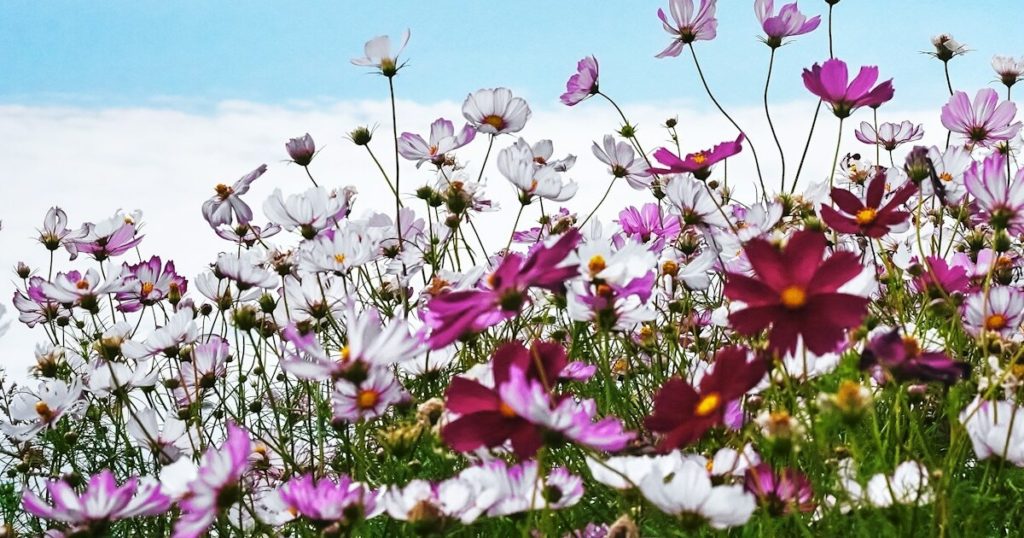
Cosmos bring a delicate, airy charm to the garden, with feathery foliage and daisy-like blooms in pink, white, and magenta. Native to Mexico, they love warm soil and can flower in as little as 7–8 weeks after planting, meaning you’ll have a fresh crop of blossoms in September.
Pollinators flock to them, and they self-seed lightly, returning each year without taking over. I’ve noticed that cosmos also sway beautifully in autumn breezes, adding movement to the garden that feels lively even when other plants are winding down.
Marigolds
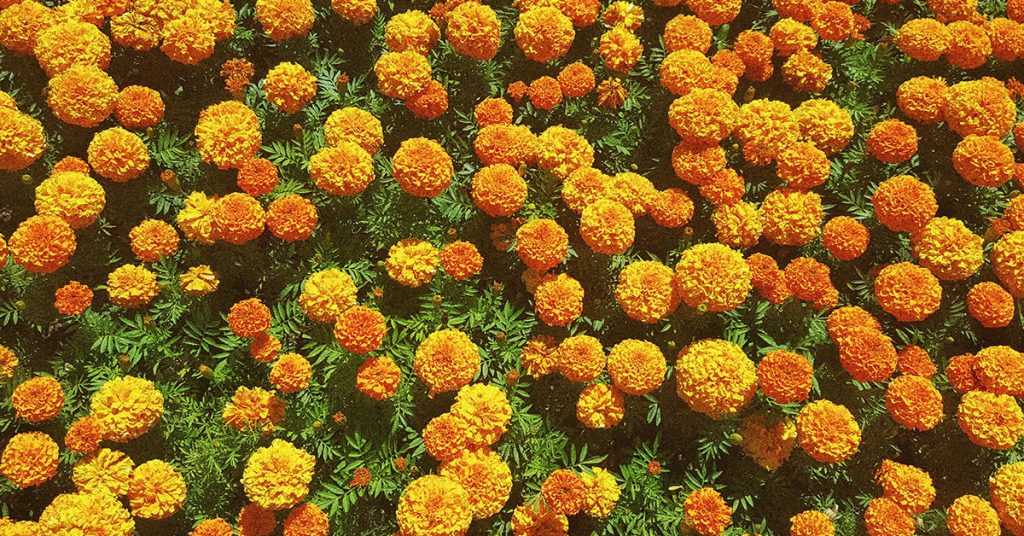
Marigolds are quick to germinate and flower, making them an ideal late planting for vibrant September displays. Native to the Americas, they range from sunny yellow to deep orange and red, and their sturdy blooms handle the shifting temperatures of early autumn with ease.
These flowers are also known for repelling certain pests, making them a great companion plant for vegetables still producing. They’re not invasive and can be easily managed, but they do self-seed if left to go to seed, which can be a pleasant surprise in spring.
Globe Amaranth
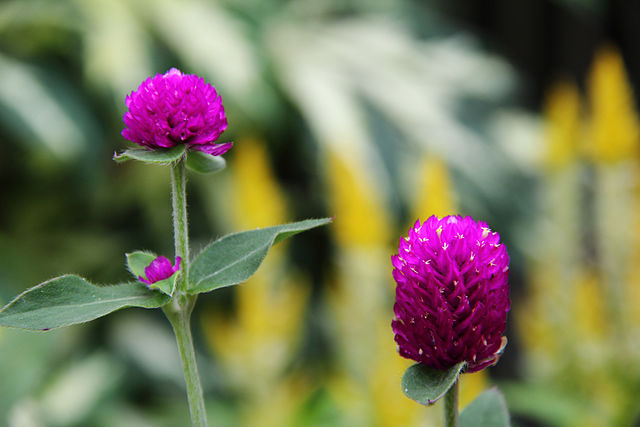
Globe amaranth, or Gomphrena, is a long-lasting bloomer that thrives in late-summer heat and provides vivid color into September. Native to Central America, its rounded blooms in shades of magenta, pink, white, and purple are beloved by butterflies and bees.
It’s a low-maintenance plant that works well in borders or containers, and it’s not invasive. I’ve found it especially valuable for cutting gardens because the flowers hold their color and shape beautifully, even when dried.
Nasturtiums

Nasturtiums are quick to sprout and produce bright, edible flowers in shades of yellow, orange, and red. Native to South and Central America, they’re excellent for adding instant cheer to borders, raised beds, and containers. They also attract pollinators like bees and hummingbirds, which will happily visit well into autumn.
These plants aren’t invasive but will self-seed readily if conditions are right. Their peppery leaves and flowers are also edible, adding a tasty, colorful element to salads and garnishes.
Alyssum
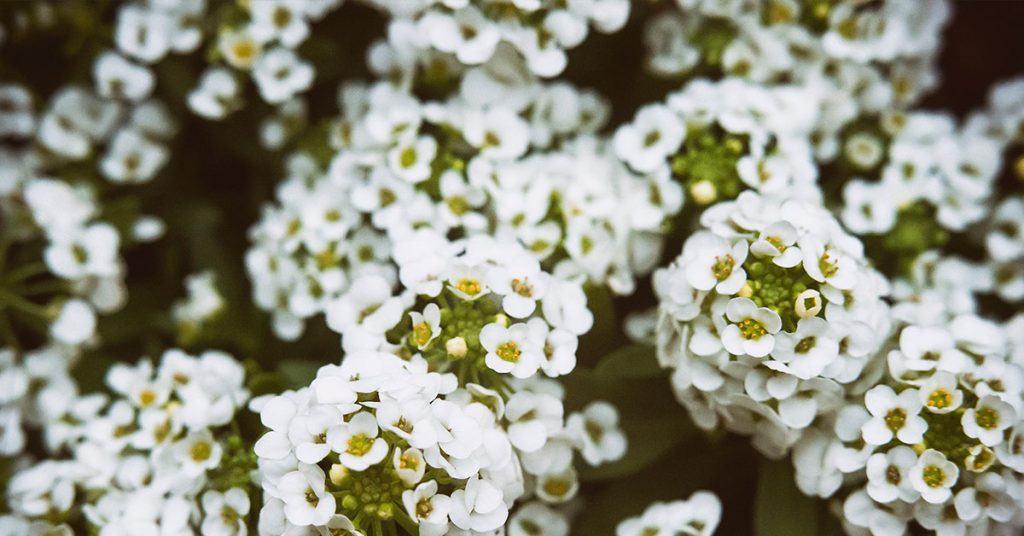
Sweet alyssum offers clusters of tiny, fragrant flowers that bloom quickly and attract a wide range of pollinators. Native to the Mediterranean, it thrives in cooler late-summer weather and can produce a fresh wave of blooms in September if planted now.
It’s not invasive, but it can reseed modestly. I especially like planting alyssum at the edges of beds or in containers where its trailing habit can soften the look of hard borders.
Sunflowers
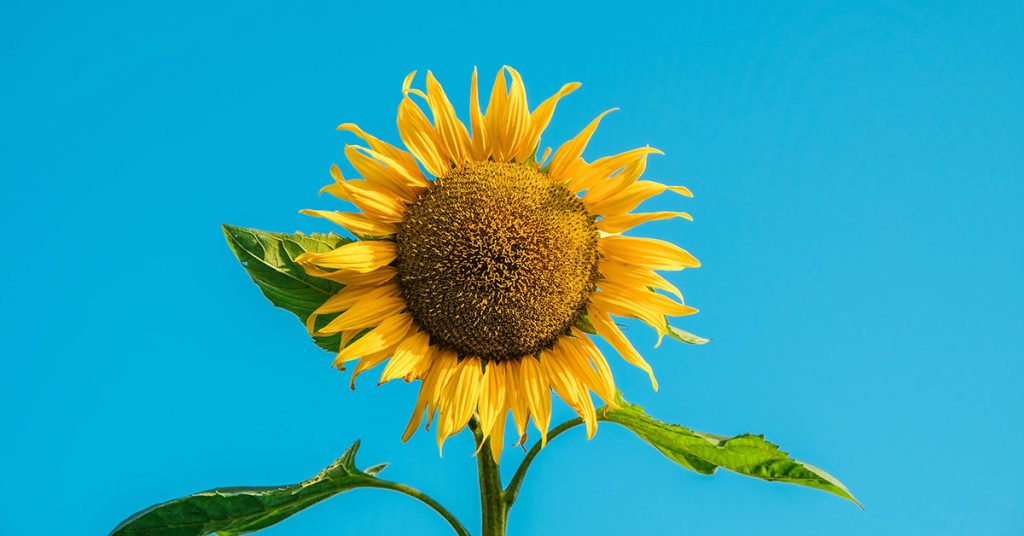
While we often think of sunflowers as early-season plants, some varieties mature quickly enough to produce September blooms if planted now. Native to North America, sunflowers provide both beauty and valuable food for pollinators and birds. Bees will visit the flowers for nectar and pollen, while birds flock to the seeds once the blooms fade.
They’re not invasive, though they can self-seed where happy. Planting a late round of sunflowers creates a striking seasonal transition from bright summer days to golden autumn light.
Dianthus
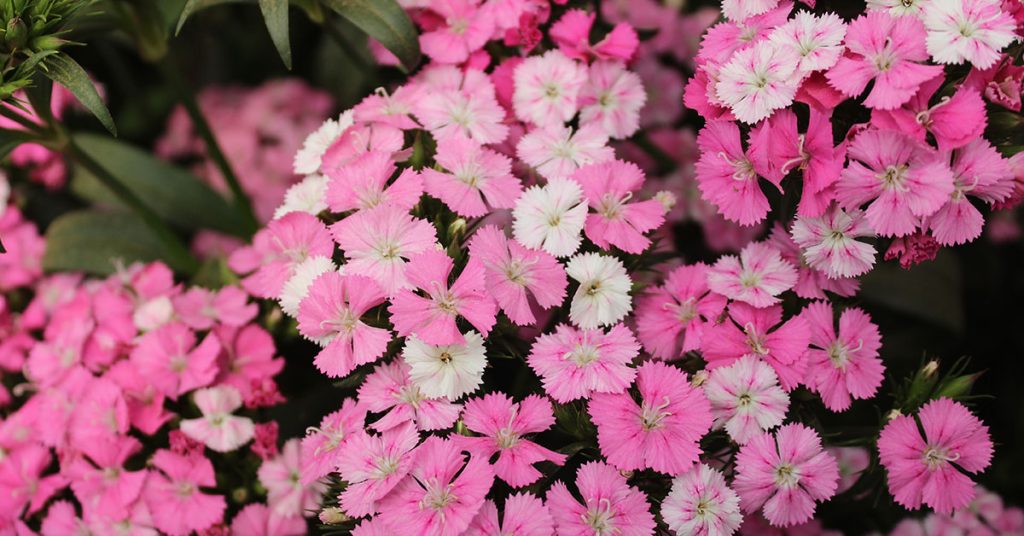
Dianthus, with its frilled petals and spicy-sweet scent, can bloom well into autumn if planted in late summer. Native to Europe and Asia, these compact flowers come in shades of pink, red, and white, adding a refined touch to garden beds or containers.
They’re not invasive and can even be grown as short-lived perennials in mild climates. Bees and butterflies enjoy the nectar, making them both beautiful and beneficial.
Bachelor’s Buttons
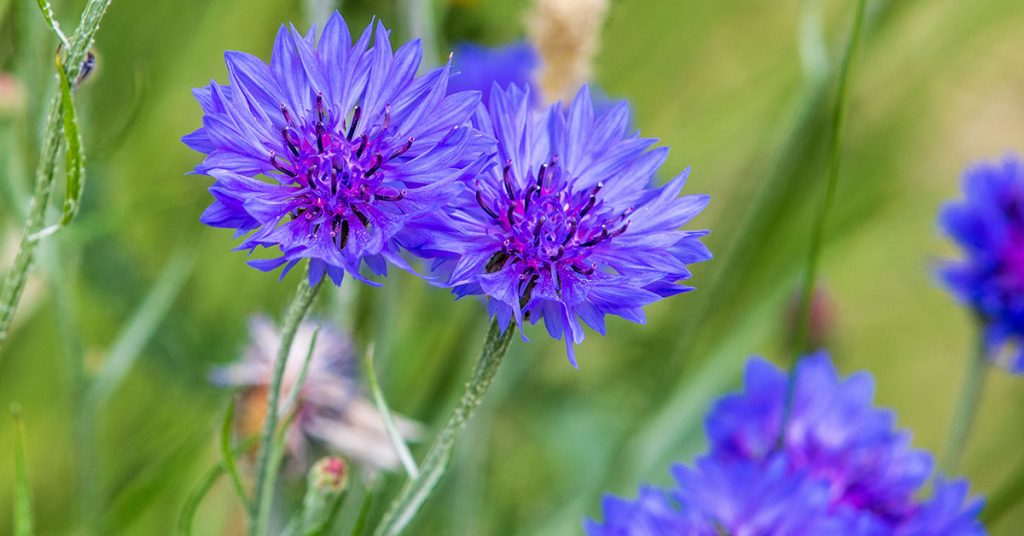
Also known as cornflowers, bachelor’s buttons can provide a quick burst of color if planted now. Native to Europe, they thrive in cooler late-summer weather and produce striking blue, pink, or white blooms. They’re excellent for cutting gardens, as their flowers last well in arrangements.
These aren’t invasive, but they can self-seed to create charming naturalized patches. Pollinators love them, and they pair beautifully with other September bloomers like rudbeckia and cosmos.
Calendula

Calendula, or pot marigold, is a cheerful, easy-to-grow flower that thrives in the cooler temperatures of late summer and fall. Native to southern Europe, it produces bright yellow and orange blooms that stand out beautifully against September’s soft light.
It’s not invasive, but it does self-seed readily if allowed. Calendula is also known for its medicinal properties, and it continues attracting pollinators even as other flowers begin to fade.
Salvia
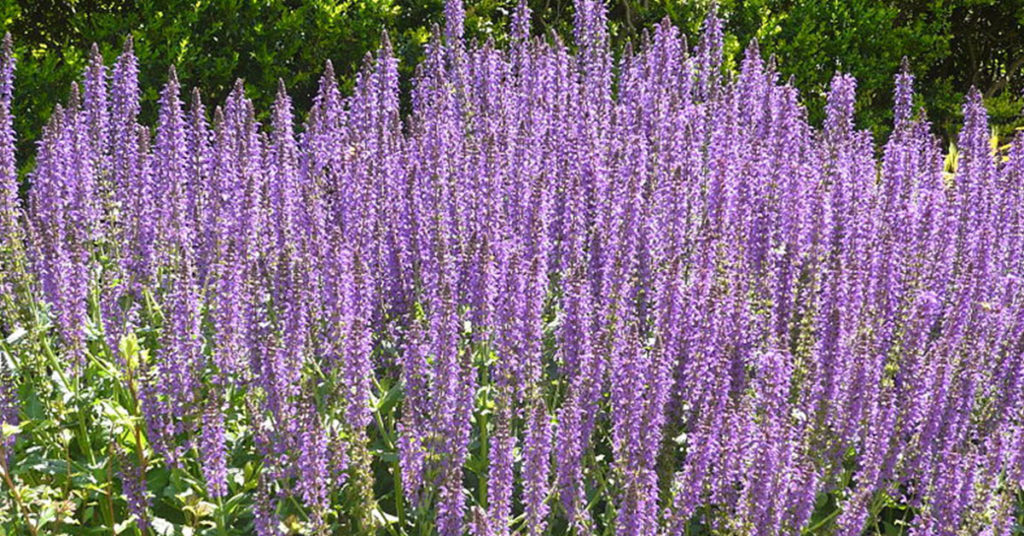
Salvia offers spikes of nectar-rich blooms that are magnets for bees, butterflies, and hummingbirds. Native to many regions worldwide, different varieties can provide shades of blue, purple, red, and white. Planting salvia now ensures a stunning September show that keeps pollinator activity high.
They’re generally not invasive when you stick to ornamental varieties, and they perform well in both borders and containers. I especially love how salvia’s upright form adds structure to late-season plantings.
Lantana

Lantana is a heat-loving plant that will keep blooming into fall if planted now, producing clusters of multicolored flowers. Native to tropical regions of the Americas and Africa, it’s a favorite of butterflies, especially swallowtails.
In warm climates, some lantana varieties can become invasive, so it’s best to choose sterile or non-spreading cultivars. In cooler climates, they behave as annuals and are easily controlled.
Gaillardia
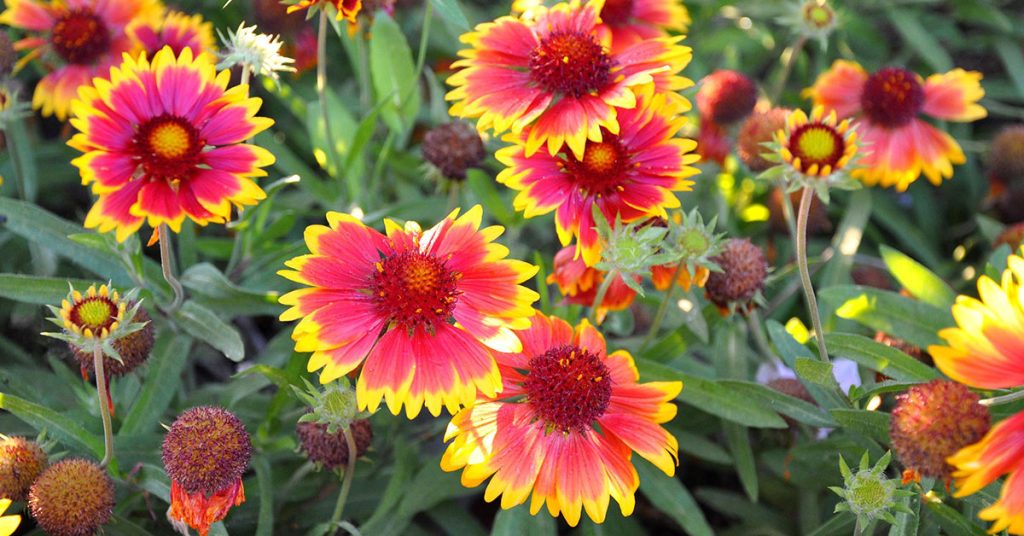
Also called blanket flower, gaillardia is native to North and South America and offers cheerful red, yellow, and orange blooms. It thrives in sunny conditions and will flower quickly when planted in late summer, making it a reliable September star.
It’s not invasive and attracts a range of pollinators, including bees and butterflies. Gaillardia also pairs beautifully with ornamental grasses for a warm, autumnal look.