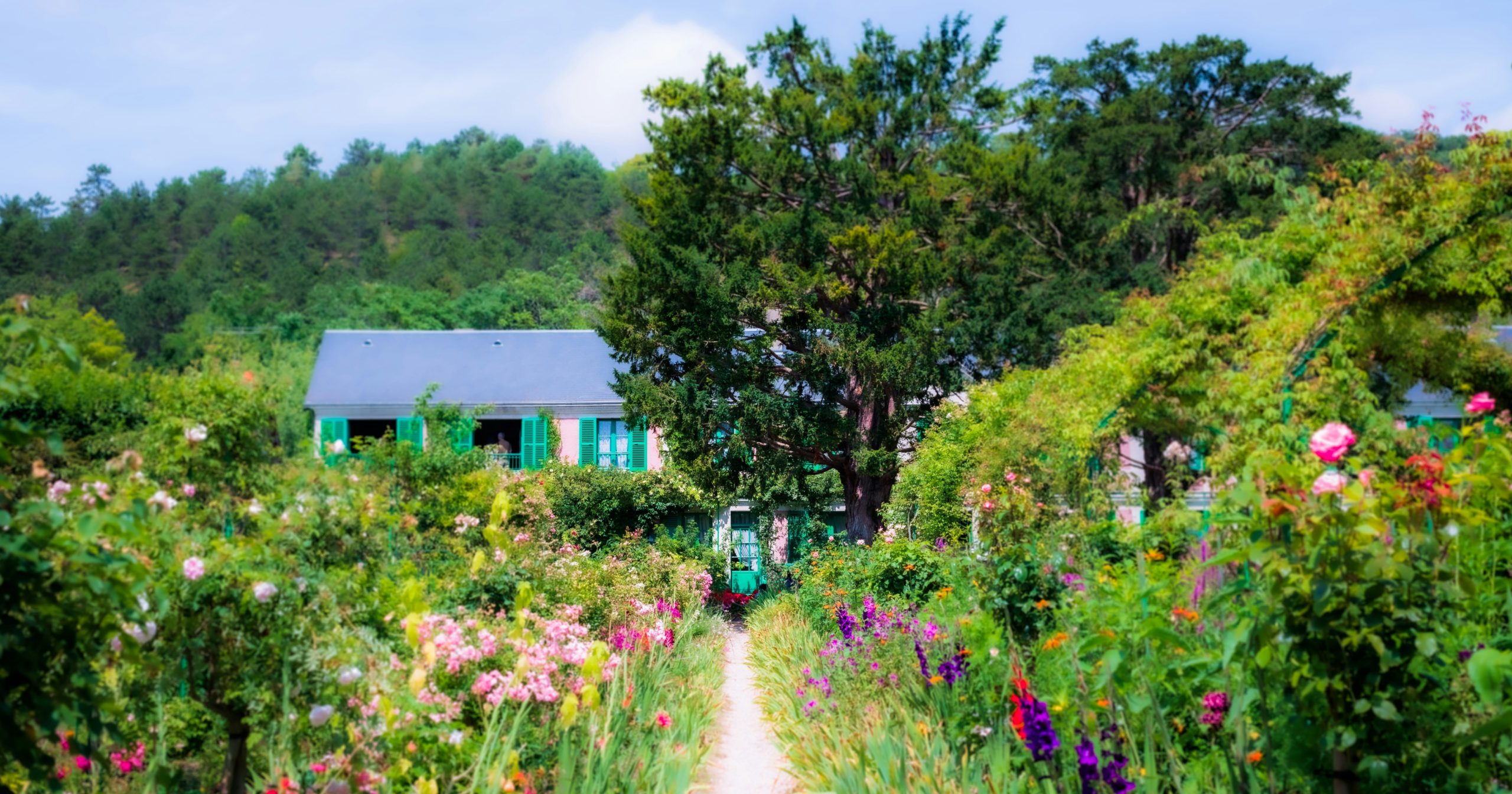

Finding solace in the garden can be a balm for the soul when life feels heavy, and certain flowers do more than just brighten a space—they lift the mood with their color, scent, and the gentle rhythms of their growth. It’s such a bummer when worries crowd your mind and you can’t find a moment of calm; having blooms nearby that soothe anxiety and encourage mindfulness can make all the difference. As a gardener who’s chased away many a gray day by stepping outside, I’m excited to share these fifteen therapeutic blooms that have personally helped me—and countless others—find moments of joy.
Each of the flowers below brings unique benefits: some release calming fragrances that ease tension, others attract cheerful pollinators that spark delight, and several carry centuries of herbal lore for soothing teas and remedies. I’ve included details on where each species is native, whether it poses invasion concerns, and how it interacts with beneficial insects or nesting wildlife. Let’s cultivate a garden that nurtures mental well‑being as beautifully as it graces our senses!
Chamomile (Matricaria chamomilla)

Chamomile’s feathery foliage and tiny, daisy‑like flowers create a tranquil presence in any garden bed or container. Native to Europe and Western Asia, this gentle annual is not considered invasive in most regions and self‑sows sparingly. One of my favorite rituals is harvesting fresh blossoms to steep a warm tea—its mild, apple‑like aroma calms nerves and helps ease insomnia.
These sweet blooms attract hoverflies and small bees, which often nest in the loose soil beneath the clumps. Watching those delicate insects flit among the flowers gives me such a lift, reminding me that life’s small pleasures can be surprisingly soothing!
Lavender (Lavandula angustifolia)

Lavender’s silvery foliage and vibrant purple flower spikes are iconic symbols of relaxation. Native to the Mediterranean, true English lavender is well‑behaved in the garden and rarely shows invasive tendencies. Its essential oils—rich in linalool and linalyl acetate—have been shown to reduce anxiety and improve sleep quality in aromatherapy studies.
I love brushing my hand along the flower stems to release a burst of its calming fragrance, and butterflies and bees are eager guests among the blooms. Having lavender nearby means I can snip a few stems for sachets or infuse oil to gently massage away stress—nature’s spa treatment right at my doorstep!
Jasmine (Jasminum sambac)
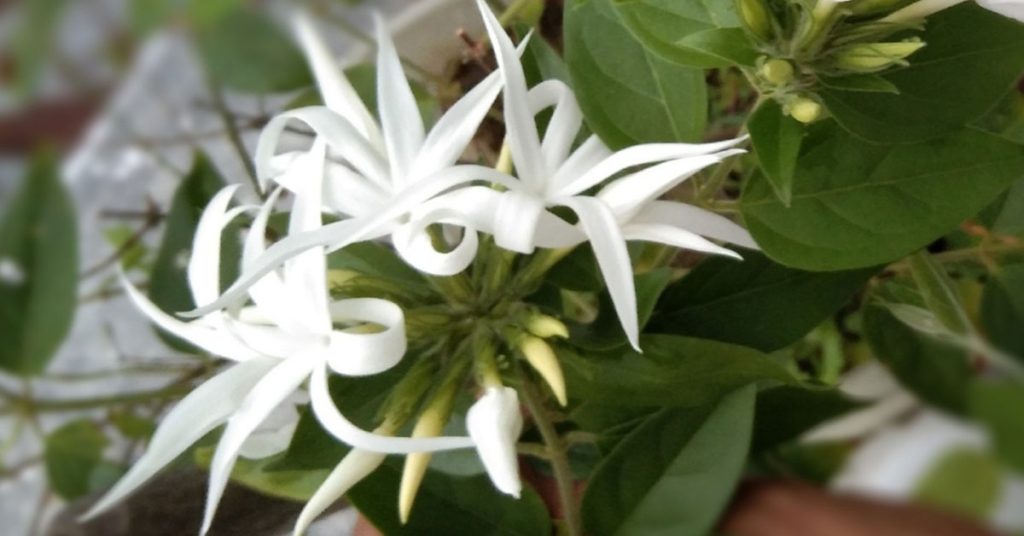
Arabian jasmine’s starry white flowers perfume warm evenings with an intoxicating scent that can ease worry and inspire contentment. Native to South Asia, this tender perennial vine is non‑invasive when kept in check—trimming spent shoots encourages fresh growth without allowing rampant spread. The heady fragrance is believed to lift mood and even help alleviate mild depression.
By twilight, tiny moths often visit the blossoms, and songbirds nest in the nearby shrubs, creating a lullaby of soft rustles and birdcalls. One of my favorite moments is pausing on the porch to breathe in that sweet aroma, instantly feeling lighter and more centered!
Sunflower (Helianthus annuus)

Nothing says “cheer up” like a towering sunflower head blazing with golden rays. Native to North America, the common sunflower naturalizes easily but rarely crowds out other plants if you deadhead spent blooms. Its bold colors and towering presence offer an instant visual uplift—sunflowers are celebrated for their ability to boost feelings of happiness.
These giants attract bees, butterflies, and even nesting goldfinches, which use the sturdy stalks for perches. Watching finches peck seeds from mature heads is one of the garden’s greatest simple pleasures, a reminder that even hard times yield nourishment and hope!
Gardenia (Gardenia jasminoides)
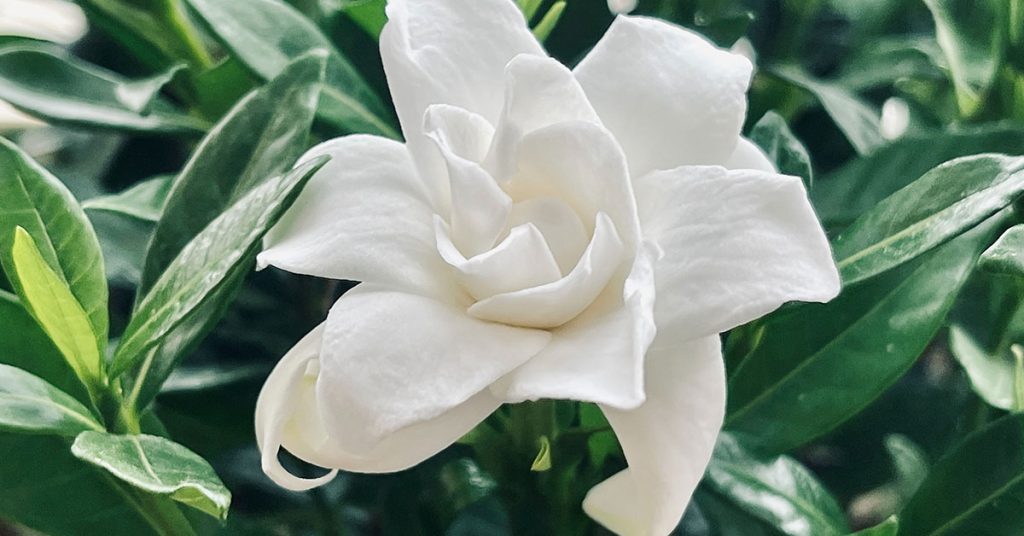
With glossy evergreen foliage and creamy white, waxy blooms, gardenias exude elegance and calm. Native to Asia’s subtropical regions, they require acidic, well‑draining soil and regular moisture; they’re not invasive but do best in containers in cooler areas. Their rich, sultry fragrance is renowned for lifting spirits and promoting a sense of romance and well‑being.
In my garden, I often spot bees slipping into the flowers to gather nectar, and sometimes hummingbirds hover nearby, drawn by that heady scent. Each time I inhale a gardenia’s perfume, I feel transported to lush, tropical nights—an aromatic escape from daily stresses!
Calendula (Calendula officinalis)

Also known as pot marigold, calendula offers bright orange and gold blooms that seem to cheer every corner of the garden. Native to Southern Europe, it naturalizes easily in temperate climates but seldom becomes invasive. Its petals contain soothing compounds used in creams and teas for skin irritations and mild anxiety relief when sipped as an infusion.
Iranian striped cosmos Sometimes small hoverflies and ladybugs seek shelter among the petals, helping control aphids nearby. Seeing those friendly helpers nestled in the blooms reminds me that care and compassion can flourish in the smallest of spaces!
Sweet Alyssum (Lobularia maritima)
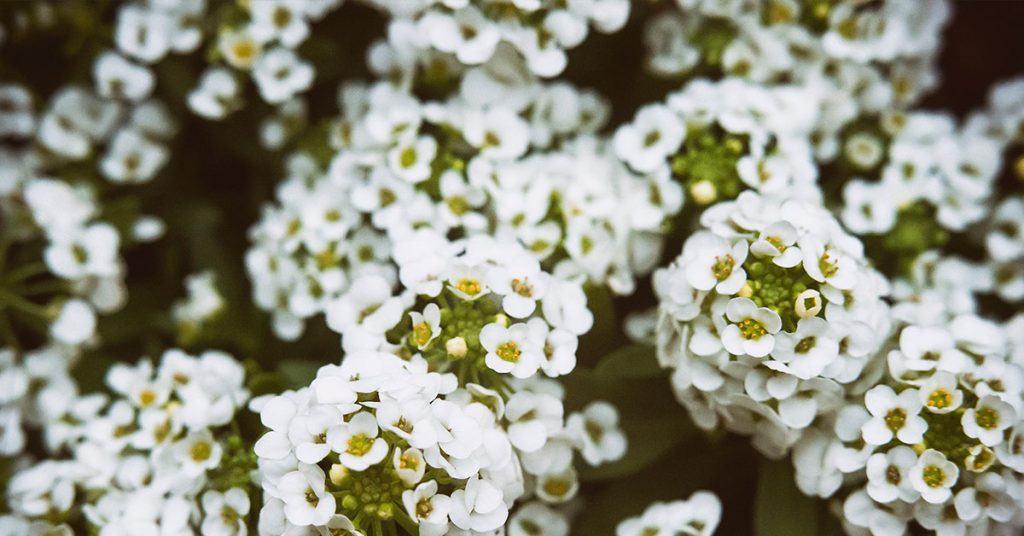
Sweet alyssum’s tiny clusters of white, pink, or purple flowers emit a honey‑like fragrance that soothes frazzled nerves. Native to the Mediterranean coast, it’s well‑behaved in gardens and rarely escapes cultivation. I scatter it as a groundcover at the edge of vegetable beds to create a fragrant carpet that beckons barefoot visits.
Hoverflies and small solitary bees adore these blooms, often nesting in the nearby mulch. Their gentle hum mingles with Alyssum’s scent, calming my mind like a natural lullaby!
Rose (Rosa spp.)

With thousands of varieties spanning a spectrum of colors and scents, roses are celebrated for their emotional symbolism and therapeutic fragrances. Species like Rosa rugosa (native to East Asia) are hardy and non‑invasive, offering double‑flowered blooms that can be distilled into calming rose water. Rose oil has been linked to reduced anxiety and improved mood in clinical studies.
Bees and even small birds nest within the thorny framework, finding shelter among the branches. Gathering a stem or two each morning to inhale that delicate aroma sets a gentle, uplifting tone for the day ahead!
Lilac (Syringa vulgaris)
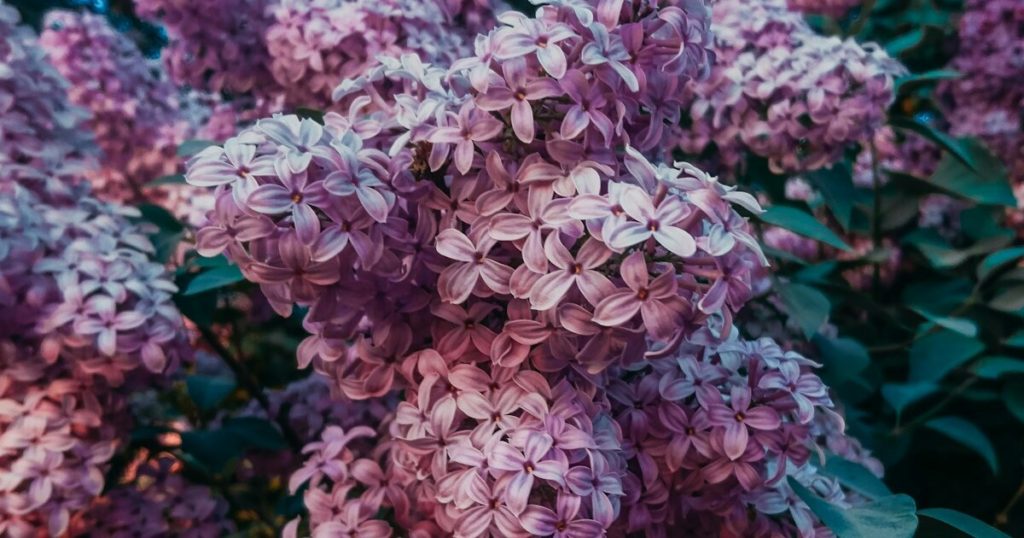
Lilac’s fragrant clusters of lavender‑to‑white blossoms herald spring’s renewal and carry a nostalgic sweetness that warms the heart. Native to the Balkans, common lilac does spread via suckers but is manageable with annual pruning. Its scent has been linked to emotional uplift and even enhanced memory recall, making it a favorite for sensory gardens.
Insects like butterflies and hummingbird moths flock to lilac flowers, while songbirds nest in the sturdy branches. Standing beneath a blooming lilac hedge feels like being enveloped in a fragrant embrace!
Peony (Paeonia lactiflora)
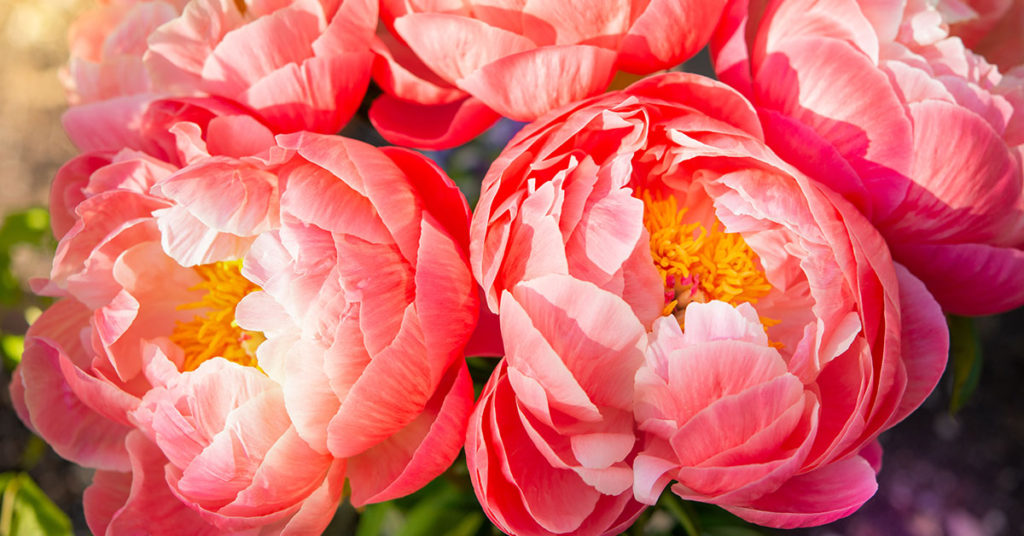
Peony’s lush, bowl‑shaped blooms and rich scent are a delight to all the senses. Native to Asia’s temperate woodlands, herbaceous peonies spread slowly by rhizomes and are not invasive. Their gentle fragrance, often described as rosy with subtle spice, has long featured in traditional medicines for easing tension and promoting restful sleep.
Each spring, bumblebees vibrate the blossoms in a process called buzz pollination, releasing copious pollen. Watching those earnest bees at work among the petals feels like nature’s gentle reminder that even slow‑growing beauty invites steady, mindful observation!
Freesia (Freesia spp.)
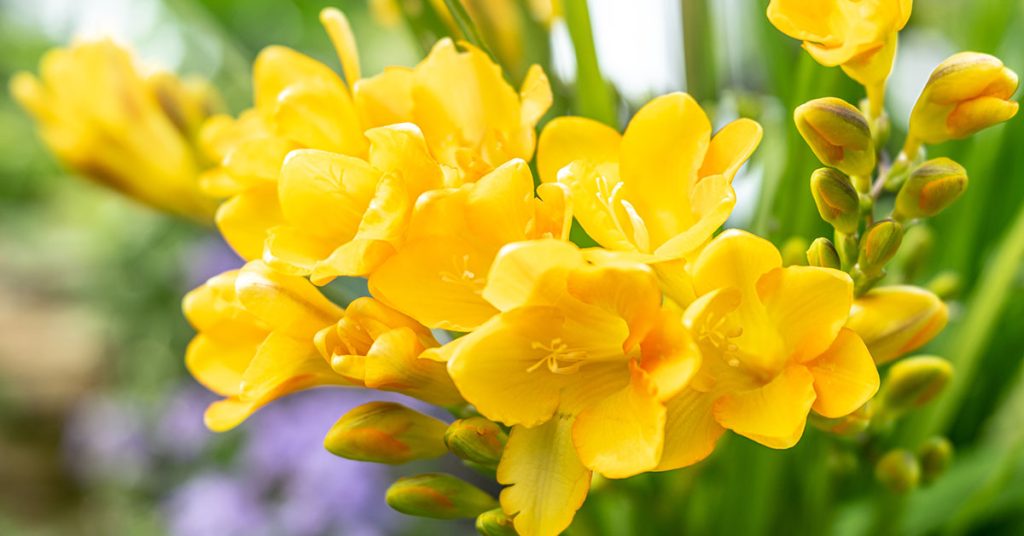
Freesia’s nodding trumpet flowers come in a spectrum of pastel hues and exude a fresh, citrusy‑floral scent that can brighten indoor spaces. Native to South Africa’s Cape region, these bulbs are not invasive in temperate gardens. Their vibrant colors and intoxicating perfume are celebrated in aromatherapy for reducing stress and lifting mood.
Tiny bees often dart into freesia blooms seeking nectar, and I delight in cutting stems for indoor vases—the fragrance lingers for days. Freesias remind me that small joys, like a splash of pastel on the table, can shift a heavy heart!
Cosmos (Cosmos bipinnatus)
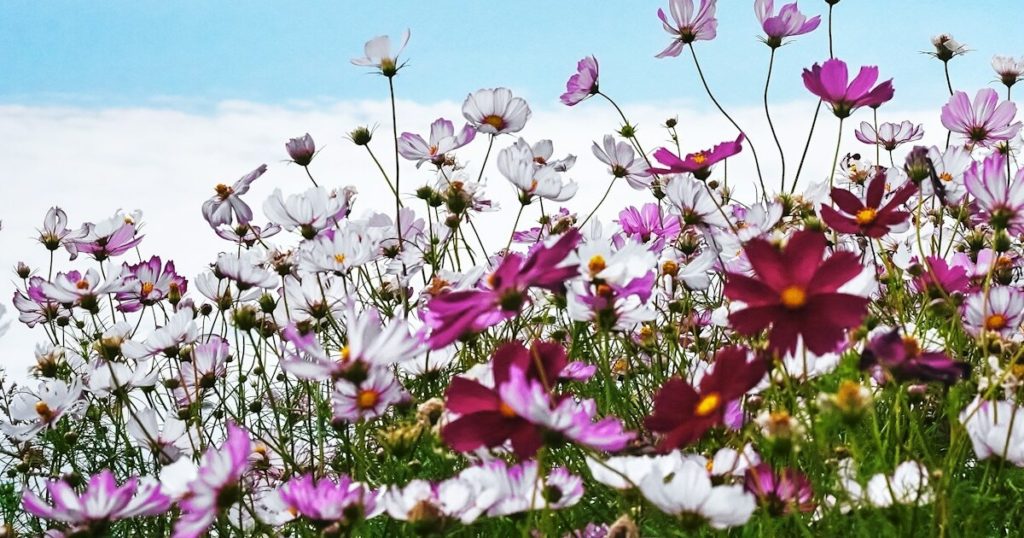
Cosmos’s airy foliage and daisy‑like blooms in pinks, whites, and magentas dance in the slightest breeze, evoking carefree summer days. Native to Mexico, common cosmos self‑sows readily but seldom becomes invasive in well‑managed beds. Their open flower structure makes nectar and pollen accessible to a wide range of pollinators, from solitary bees to butterflies.
Their looser form invites ladybugs and lacewings to nest among the feathery leaves, providing natural pest control alongside the cheerful display. Tending cosmos always reminds me to embrace lightness, both in the garden and in spirit!
Hibiscus (Hibiscus syriacus)

Rose of Sharon’s large, showy blooms in pinks, blues, and whites bring tropical flair to temperate gardens. Native to East Asia, this shrub can naturalize if left unchecked but is easily managed with pruning. Its bold flowers open fresh each morning, symbolizing new beginnings—just the positive affirmation we need on gloomy days!
I often spot bumblebees drilling into the center column and small birds perching on the sturdy branches. That daily spectacle of fresh blooms and busy wildlife never fails to lift my spirits!
Nasturtium (Tropaeolum majus)

Nasturtium’s bright orange, red, and yellow flowers add spicy, peppery notes to salads and teas. Native to the Andes, these annual vines spread vigorously but are rarely problematic and can be contained in raised beds. Their edible petals are rich in vitamins, and tasting that flush of peppery zest always sparks a smile!
Aphids often alight on nasturtium leaves, attracting ladybugs and hoverflies that later patrol surrounding plants. Watching that ecosystem in action reminds me that every plant has a role in creating balance—and joy—in the garden!