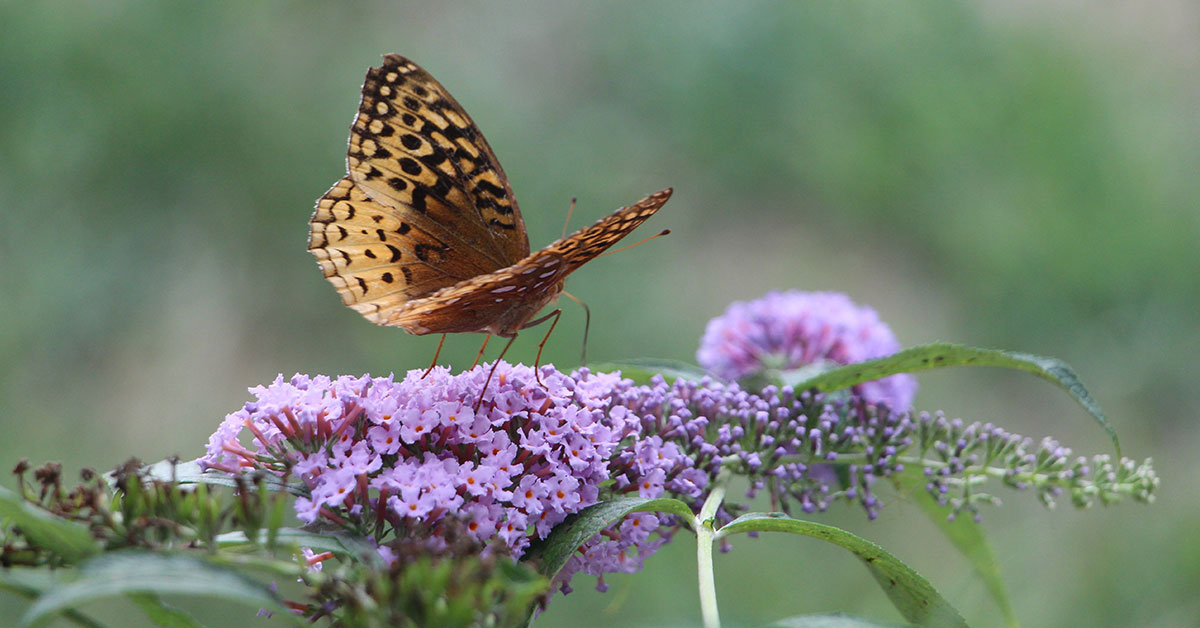

It’s such a thrill when vibrant wings flutter through your garden, turning a simple plot into a living kaleidoscope! Planning a butterfly-friendly haven isn’t just about tossing in pretty blossoms—it’s about choosing the right flowers that offer nectar, shelter, and even egg-laying sites. I remember the first time monarchs graced my milkweed patch; I nearly danced across the yard in excitement!
In this guide, we’ll explore fifteen stellar flowers—each with its own backstory and butterfly-attracting superpowers. From native perennials that support caterpillars to tropical beauties that beckon migrating species, you’ll learn where each plant hails from, whether it can behave invasively, and how it interacts with our fluttering friends. Let’s dive in and turn your garden into a butterfly paradise!
Joe-Pye Weed (Eutrochium purpureum)

Native to Eastern North America, Joe-Pye Weed is a tall, stately perennial that offers clusters of mauve-pink flowers from midsummer into fall. It’s not considered invasive, though it can self-seed in moist, fertile soils. I planted mine along the back border, and its height creates a stunning backdrop that also provides shelter from wind.
Butterflies such as swallowtails and fritillaries adore its nectar-rich blooms, often congregating by the dozen on a single stalk. While Joe-Pye Weed isn’t a host for caterpillars, its towering flower heads serve as excellent perches for mating and roosting at dusk—an important behavior I’ve observed on cool evenings as they settle for the night!
Zinnia (Zinnia elegans)
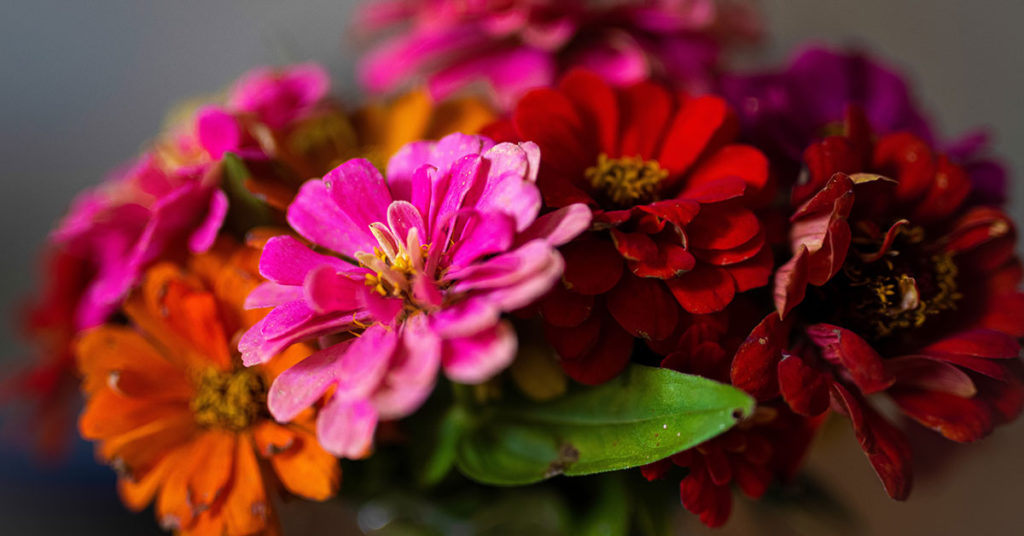
Originally from Mexico, Zinnias are annuals prized for their kaleidoscope of colors and ease of cultivation. They’re non-invasive and thrive in sunny, well-drained spots. One of my favorite summer blooms, they keep humming with activity as long as you deadhead spent flowers.
Painted ladies, monarchs, and sulphurs flock to zinnia heads, sipping deeply from the flat, daisy-like capitula. Their open structure makes it easy for butterflies to perch and feed, and because zinnias bloom prolifically, you’ll see butterflies returning day after day—a delightful behavior to witness as they flit between blossoms!
Common Milkweed (Asclepias syriaca)

Hailing from the Eastern and Central U.S., Common Milkweed is the classic monarch host plant. Though not generally invasive, it can spread via rhizomes in rich soils—so give it room! The globe-shaped umbels of pale pink flowers perfume the air in early summer.
Monarch butterflies deposit eggs on milkweed leaves, where emerging caterpillars feed exclusively on them—a critical behavior for their life cycle. I still marvel at finding tiny, striped larvae munching away! Plus, the nectar draws a wide range of butterflies and bees, making milkweed a multitasking marvel in any butterfly garden.
Salvia (Salvia nemorosa)
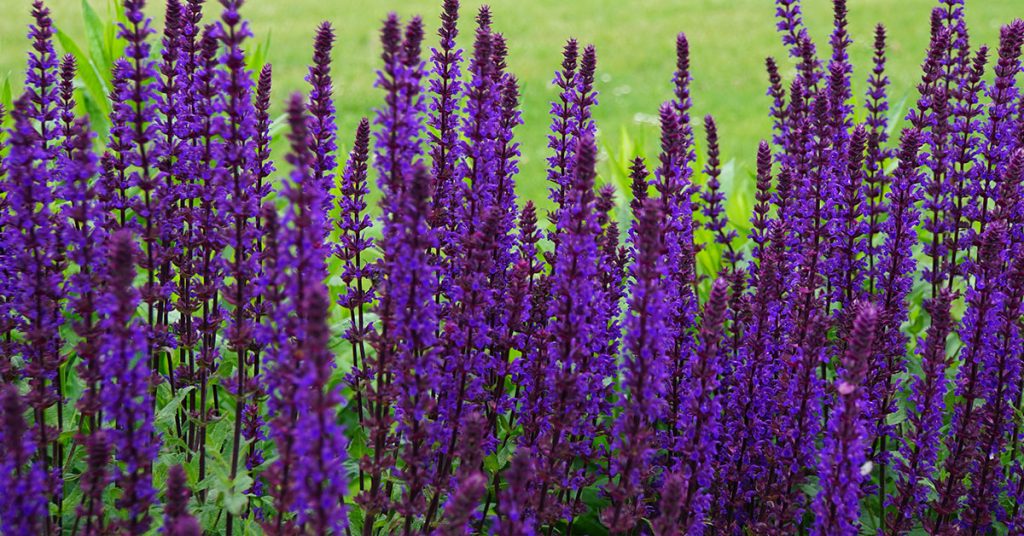
Native to Europe and Western Asia, this clumping perennial salvia forms mounds of violet-blue flower spikes. It’s non-invasive and remarkably drought-tolerant once established—perfect for sunny borders. I love how its aromatic foliage releases a pleasant scent when brushed.
Hummingbird moths and many butterfly species, including red admirals, sip from the tubular blooms. Their hovering feeding behavior is a joy to watch, and the long-lasting flowers mean you’ll have winged visitors all season long!
Butterfly Bush (Buddleja davidii)

Originally from China and Japan, butterfly bush earns its name honestly—flocks of butterflies can’t resist its fragrant panicles. However, in some regions it’s considered invasive, so look for sterile or non-invasive cultivars. Its arching canes bring height and drama to any perennial border.
On sunny afternoons, swallowtails and admirals settle onto the dense blooms, often feeding side by side in peaceful gatherings. Their aggregated feeding behavior is spectacular, and I’ve even spotted them resting overnight among the dense foliage!
Black-Eyed Susan (Rudbeckia hirta)

A North American native, Black-Eyed Susan is a hardy annual or short-lived perennial that produces bright yellow daisy-like flowers with dark centers. It’s non-invasive and self-sows in favorable spots, adding cheerful continuity from summer into fall.
Painted ladies and fritillaries flit between blooms, landing flat on the petals to draw nectar from the central disk. They often exhibit territorial behavior here—perching on one flower and chasing off competitors—making for lively butterfly theater in your garden!
Butterfly Pea (Clitoria ternatea)
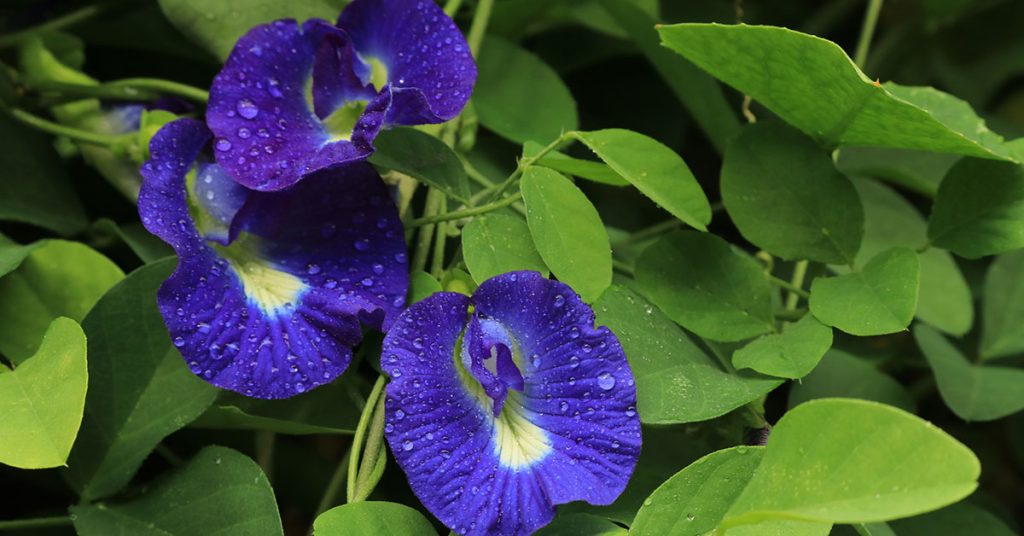
Native to tropical Asia, Butterfly Pea is a trailing vine with striking cobalt-blue flowers. It’s non-invasive in temperate zones but can climb vigorously in warm climates. I trained mine along a trellis, and the deep-blue blooms really pop against green foliage.
Butterflies love the broad landing pad of each bloom, particularly swallowtails and skippers, and you may even catch them laying eggs if you grow nearby host plants. Plus, this plant adds an exotic flair that elevates any butterfly garden paradise!
Goldenrod (Solidago canadensis)
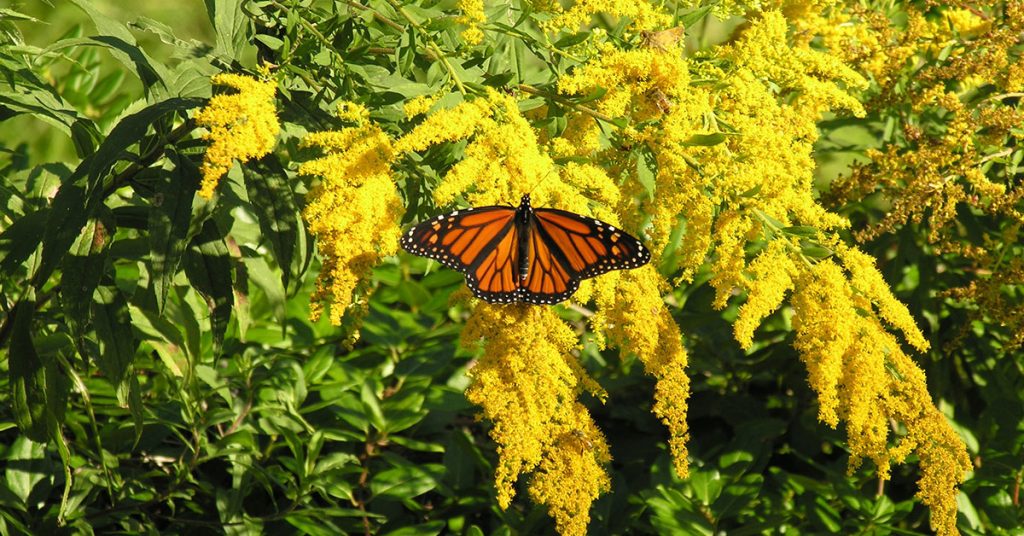
This North American native perennial fills late-season gaps with plumes of golden yellow flowers. While beneficial to pollinators, goldenrod can spread via rhizomes and seed prolifically, so contain it in a dedicated area. I’ve found dividing clumps every few years keeps it in check.
Goldenrod’s nectar attracts an astounding array of butterflies—milkweed butterflies, monarchs, and more—often gathering in feeding swarms. Watching them cluster and feed in unison is like hosting a butterfly banquet every fall!
Sweet Alyssum (Lobularia maritima)
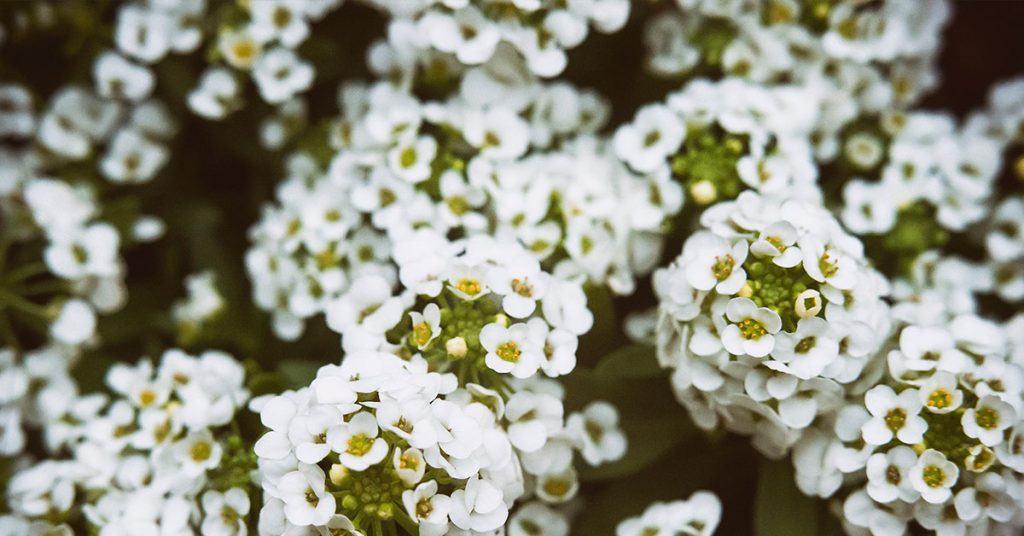
Hailing from the Mediterranean, Sweet Alyssum is a low-growing annual that forms mounds of tiny, honey-scented blooms in white, pink, or purple. It’s not invasive and makes a lovely groundcover or edging plant. I love planting it under taller perennials for a delicate carpet of color.
Its small flowers appeal to smaller butterflies like blues and hairstreaks, who exhibit “pawing” behavior—opening florets with their forelegs to access nectar. The constant bloom cycle encourages repeat visits and makes an enchanting low-level flutter show!
Verbena (Verbena bonariensis)
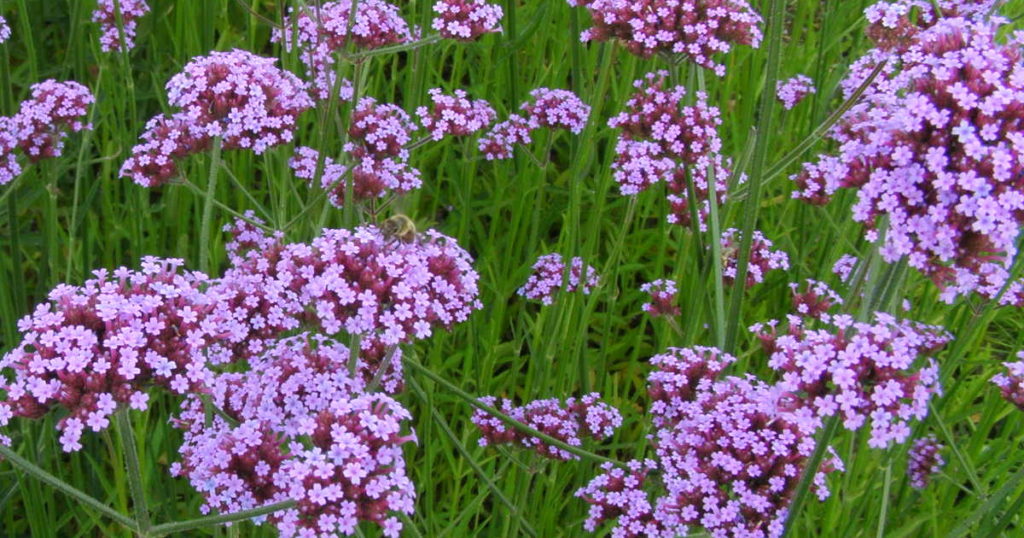
Native to South America, tall verbena produces airy clusters of purple flowers held aloft on wiry stems. It can self-seed in mild climates, so watch for volunteers if that’s a concern. I adore its ability to sway in the breeze, creating movement that butterflies find irresistible.
Swallowtails and skippers use verbena as both a feeding station and a meeting spot—often returning to the same flower cluster throughout the day. Their repeated feeding flights over the same umbels are a signature behavior of a butterfly-friendly haven!
Lantana (Lantana camara)

Originally from tropical America, lantana forms dense clusters of multicolored flowers. In warm regions it can become invasive, so choose sterile cultivars or grow in containers where it can’t escape. Its coarse leaves and textured blooms add a vivid tropical feel.
Butterflies including monarchs, buckeyes, and sulphurs dive into each flower head, probing for nectar while balancing on the cluster. I’ve spotted them “perching” mid-air as they feed—an acrobatic behavior that never fails to amaze!
Purple Coneflower (Echinacea purpurea)

Native to the central and southeastern U.S., coneflower is a beloved perennial with large, daisy-like blooms and prominent spiny centers. It’s non-invasive and attracts beneficial insects like bees and predatory flies. One of my go-to perennials, it brings both beauty and robustness to butterfly gardens.
Butterflies such as fritillaries and swallowtails land on the stiff petals and strip nectar from the cone. After blooming, goldfinches and other birds feed on the seed heads—another wildlife benefit that makes Echinacea a multitasking superstar!
Ironweed (Vernonia spp.)

Ironweed, native to North America, produces tall stalks of vibrant purple-magenta flowers in late summer. It spreads via rhizomes but is generally well-behaved in a cultivated border. I use it to attract late-season pollinators when other blooms are fading.
Swallowtails, admirals, and monarchs gather heavily on ironweed, often feeding in close clusters. Their gathering behavior on these flowers feels like attending a butterfly block party—crowded, colorful, and utterly delightful!
Phlox (Phlox paniculata)
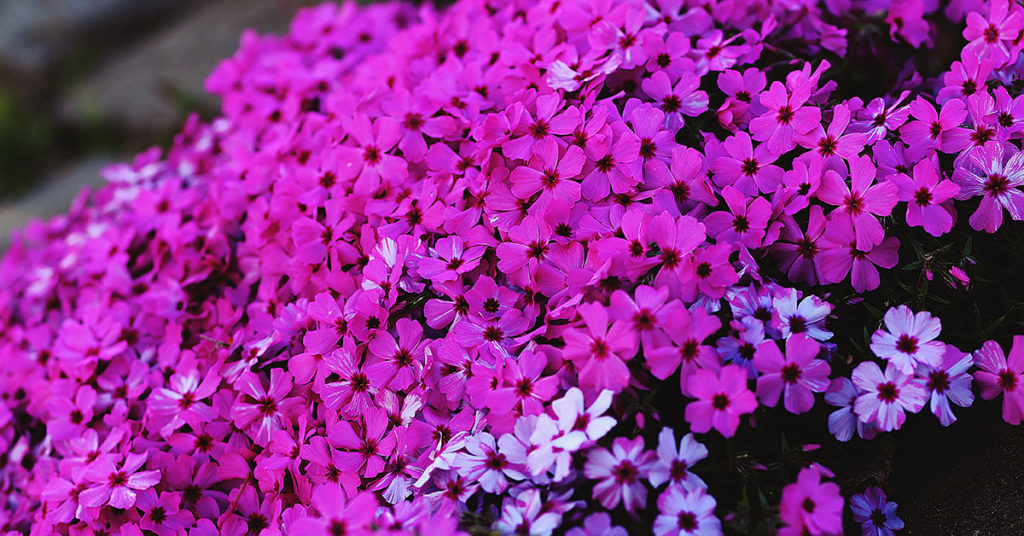
Eastern North American Phlox offers sweetly scented clusters of pink, white, or lavender blooms from midsummer onwards. It isn’t invasive and grows in both sunny and partially shaded spots. One of my first plantings as a newbie gardener, I cherish its heady fragrance drifting through the evening air.
Butterflies land gently atop the flat flower heads, sometimes displaying “puddling” behavior—seeking moisture and minerals from dew or damp soil nearby. This dual function of nectar feeding and mineral gathering makes phlox an invaluable addition to any butterfly garden!
Butterfly Weed (Asclepias tuberosa)
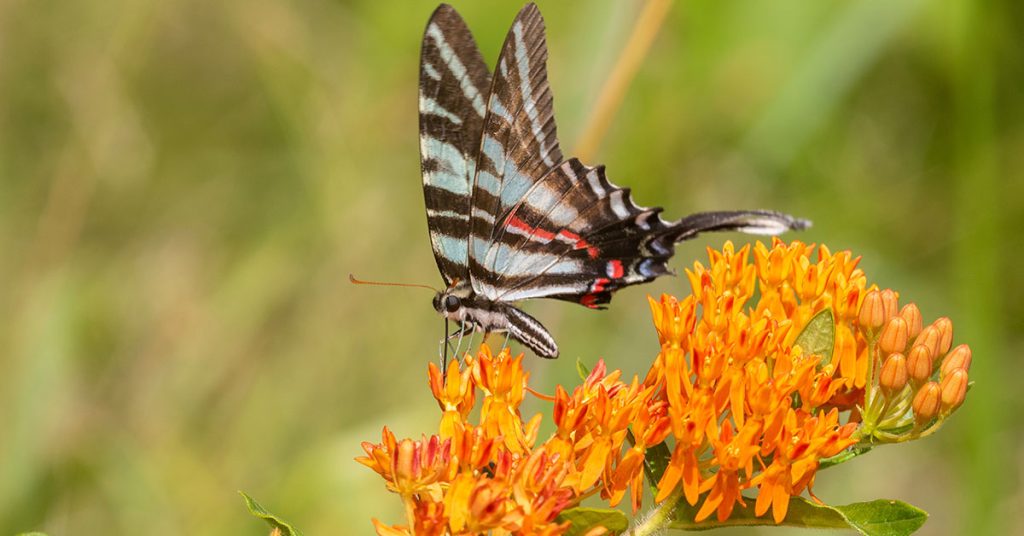
Also called Orange Milkweed, this plant is native to the Eastern U.S. and sports fiery orange-yellow umbels. Unlike common milkweed, it’s less aggressive, staying contained in clumps. It thrives in well-drained, sunny spots, drawing admiration for its blazing color.
Monarchs lay eggs on its leaves, and the caterpillars feed voraciously—an iconic behavior that thrills every gardener. Adult butterflies swoop in for nectar too, making butterfly weed a double-duty delight that supports every stage of the monarch lifecycle!