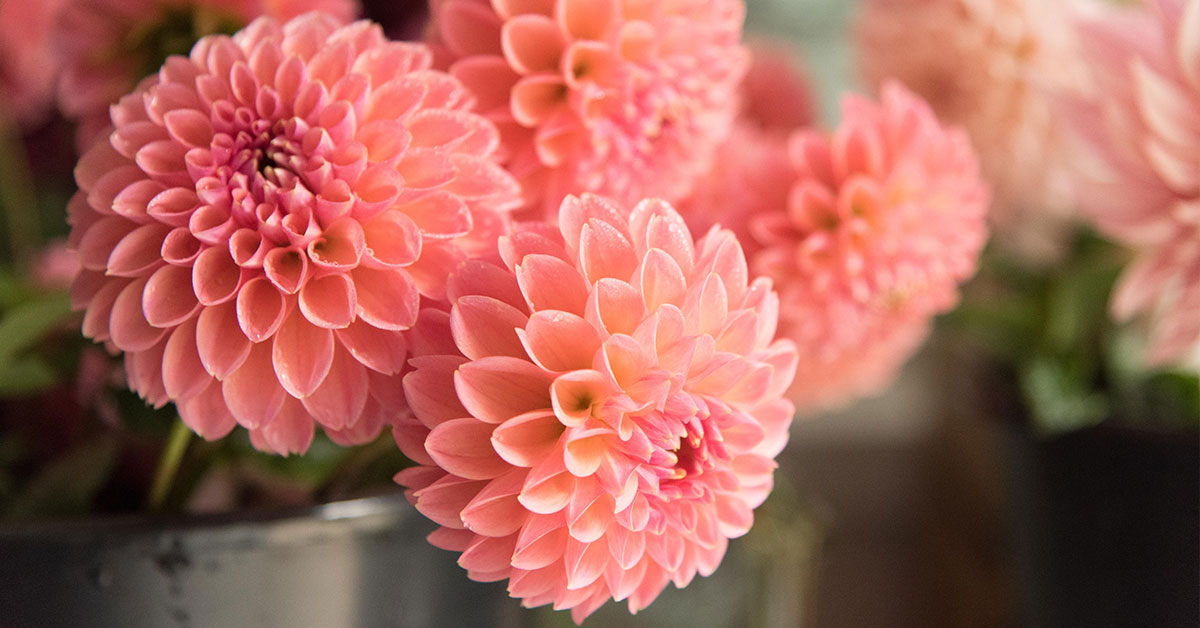

Gardening is full of delightful surprises—and sometimes head-scratching mysteries—especially when your flower beds become impromptu breeding grounds! Cross-pollination happens when pollen from one variety fertilizes the flowers of another, creating seeds that sprout offspring with mixed traits. Whether you’re saving seeds for next season’s displays or simply curious about what your garden bees are up to, knowing which flowers readily swap pollen can help you avoid unexpected hybrids—or embrace the thrill of creating your own! I remember the first time I gathered seeds from my zinnias only to find next year’s blooms sporting novel color blends—what a learning experience!
It’s such a bummer when you’ve planned for pure strains—those perfect scarlet phlox or crisp white hollyhocks—and end up with pastels and polka dots instead. But understanding which plants interbreed gives you the power to either isolate your favorites or to mix and match intentionally for exciting new varieties. Below are 15 common garden flowers that freely cross-pollinate when planted together. Use this guide to plan companion beds, seed-saving strategies, or experimental hybrid patches—and let’s celebrate those busy pollinators that make it all possible!
Phlox
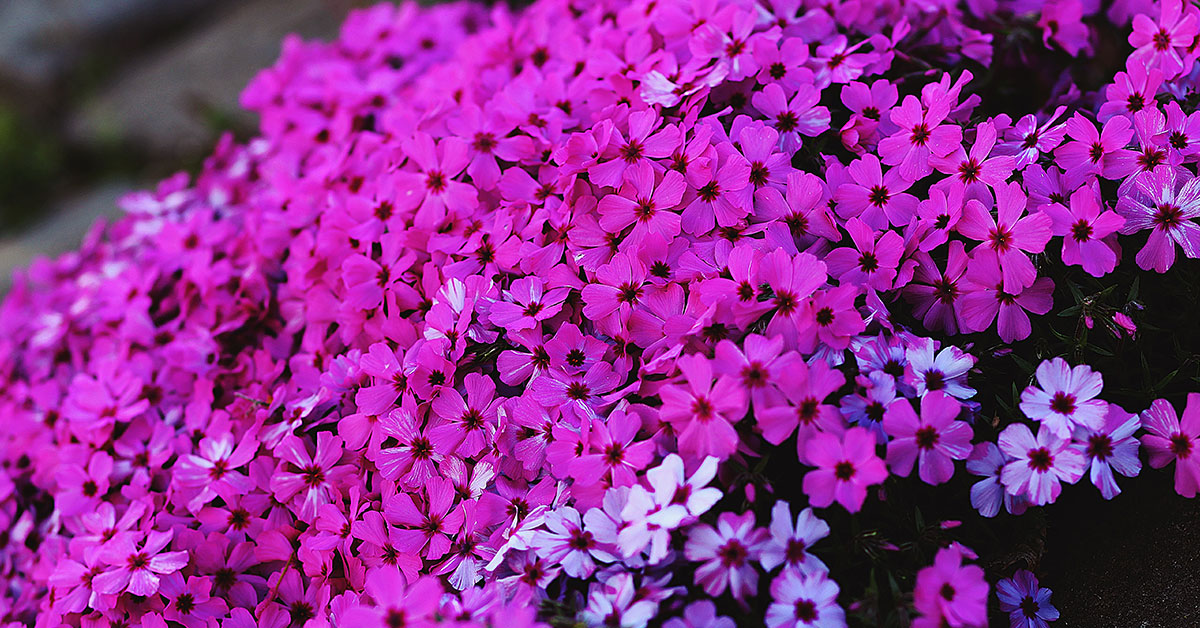
Garden phlox (Phlox paniculata) hails from the woodlands of eastern North America and delights with towering clusters of fragrant blossoms. When multiple phlox cultivars bloom at once, bees and butterflies ferried by the scent carry pollen indiscriminately between varieties, leading to seed heads that sprout blooms blending colors and petal shapes.
These fragrant blooms attract swallowtail butterflies, hummingbird moths, and bumblebees, many of which seek nesting sites in nearby mulch or hollow stems. I know how frustrating it is to save seeds from a crisp white cultivar only to see next season’s flowers tinted pink or lavender! To preserve a pure line, remove spent flower clusters before seeds set or isolate varieties by a good 50 feet—and be prepared for some enchanting surprises if you don’t.
Dahlias
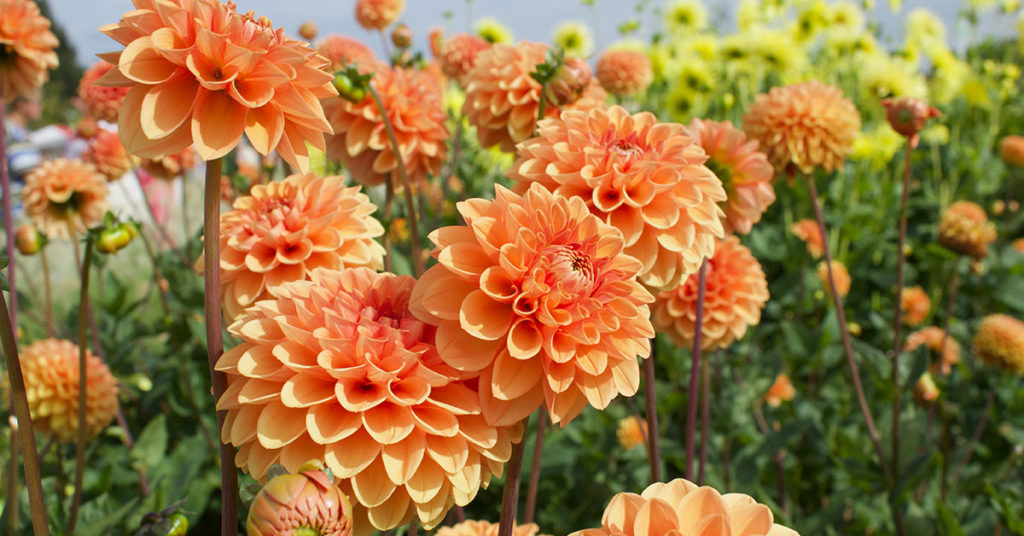
Dahlias (Dahlia × pinnata) are native to Mexico and Central America, prized for their showy, geometric blooms in every hue imaginable. Planted side by side, different dahlia varieties will readily cross, producing tuber-grown seeds that sprout blooms mixing petal forms—ball, cactus, and decorative types can all mingle their genes!
Our garden bees—honeybees, bumblebees, and solitary mason bees—are drawn to the nectar rich centers, often nesting in the margins of sunny beds. It’s such a bummer when your careful collection of ‘Dinnerplate’ dahlias yields medium-luxury hybrids instead of the spectacle you envisioned! For seed-saving, consider hand-pollinating single flower pairs under a mesh bag or dedicating one bed solely to each cultivar.
Lantana

Lantana camara originates from tropical America and has naturalized worldwide—some regions even consider it invasive for its vigorous spread! Its flat clusters of multi-colored florets cross easily with other lantana cultivars, giving you seedlings that range from pastel blends to neon surprises.
Butterflies flock to lantana’s nectar, and some ground-nesting bees tunnel among its roots for shelter. I vividly recall expecting sunny yellow blooms only to witness sprouts flaunting pink accents! If you’re aiming for specific color combos, snip off all but a few flower heads and hand-pollinate with a fine brush, or isolate your prized variety in a container.
Snapdragons
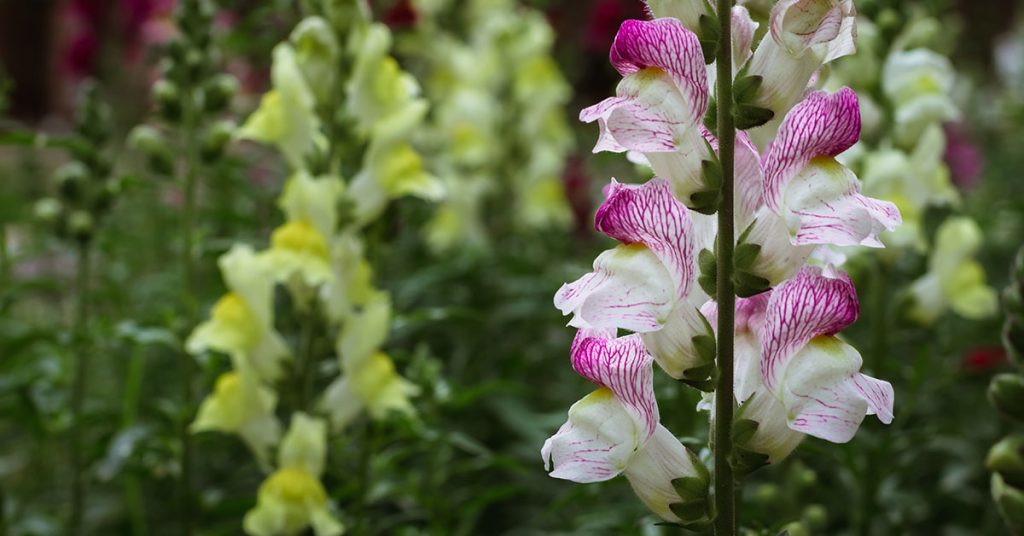
Snapdragons (Antirrhinum majus) trace back to Mediterranean cliffs, offering spires of blooms from ivory to deep maroon. When varieties intermingle in a bed, their pollen swaps freely on visiting bees and hoverflies, resulting in seeds that yield unexpected color streaks and novel flower shapes.
These tubular flowers attract bumblebees, which pluck them open like little monkey jaws, as well as solitary bees nesting in nearby crevices. I know how frustrating it is to harvest seeds from a bi-color selection only to find next year’s blooms sporting random blotches! To keep lines pure, hand-pollinate closed blossoms and bag them until seeds form, or give each variety its own bed.
Echinacea

Echinacea (coneflowers) are native to North America’s prairies, adored for their spiky centers and daisy-like petals. Different Echinacea species and cultivars planted together produce seed heads that blend petal length, color intensity, and cone size—a real treasure hunt for experimental gardeners!
Bees, beetles, and butterflies swarm the pollen-rich disk flowers, and some solitary bees hollow out the soft soil nearby for nesting. It’s such a bummer when your pure-pink ‘Magnus’ yields pale orange-tinted offspring! To maintain cultivar integrity, remove pollen-bearing disk florets from all but your chosen plants, or save seed from isolated containers.
Lilac
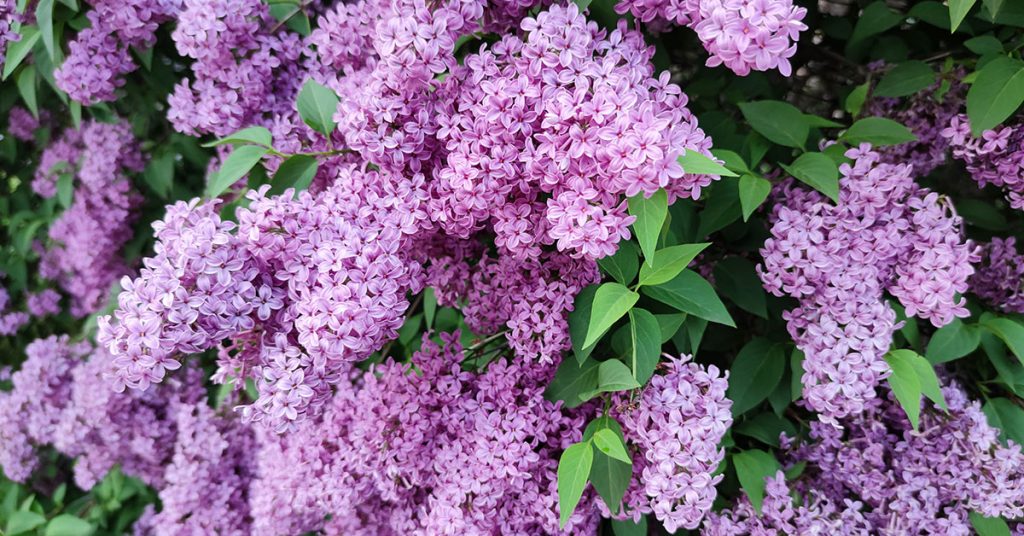
Lilacs (Syringa vulgaris) come from the Balkan Peninsula, enchanting us with clouds of lilac-scented blooms. When you plant multiple lilac varieties close together, wind and insect pollinators transfer pollen, creating seed pods that sprout seedlings featuring mixed fragrance profiles and blossom hues.
Swallowtail butterflies, bees, and sometimes hummingbird moths visit lilac clusters, while some leafcutter bees nest in cavities around the shrub base. I remember my surprise when a pure-white variety seedling sprouted pale lavender tips! For pure seed, isolate different lilac cultivars by at least 100 feet or bag the flower panicles before they open.
Aquilegia
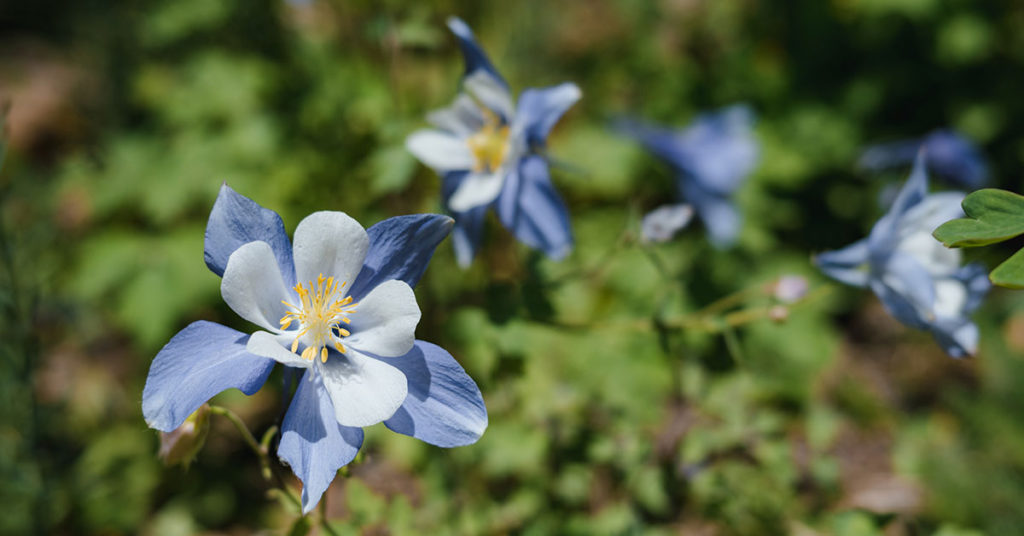
Columbines (Aquilegia spp.) are native to meadows across the Northern Hemisphere, celebrated for their nodding, spurred petals. Cross-pollination between Aquilegia species and hybrids is so common that your seed mix may yield flowers in unexpected shapes, spur lengths, and color patterns.
Hummingbirds, bees, and moths are drawn to columbines’ nectar-filled spurs, and bees often tunnel in the soft ground beneath. I empathize with the gardener who hopes for pure blue blossoms only to uncover a riot of pink and white–spurred surprises! To save true seedlings, hand-pollinate under a mesh bag or dedicate a solitary pot to each species.
Zinnias
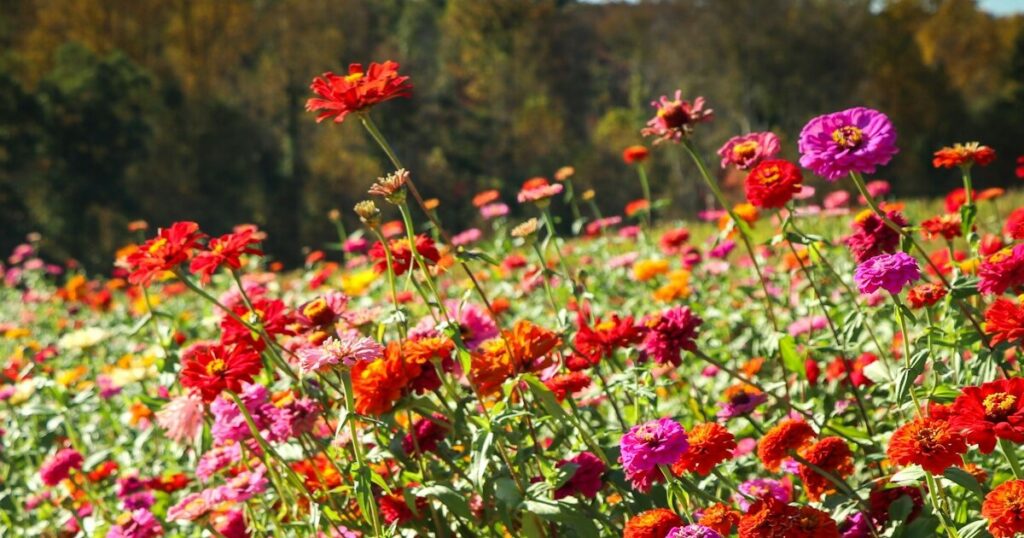
Zinnias (Zinnia elegans), native to Mexico, boast bright, long-lasting blooms in nearly every color of the rainbow. Mix several varieties in a border, and your seed heads will yield offspring melding petal counts, shapes, and color gradients in delightful, unpredictable ways!
Butterflies—especially swallowtails—and bees flock to these daisy-like heads, and you’ll often see sweat bees nesting in the dry soil nearby. I know how frustrating it is to harvest seeds from neon orange zinnias only to sprout rosy-cheeked blooms! To maintain a favorite strain, tag and hand-pollinate individual flowers before isolation or dedicate separate containers per variety.
Marigolds
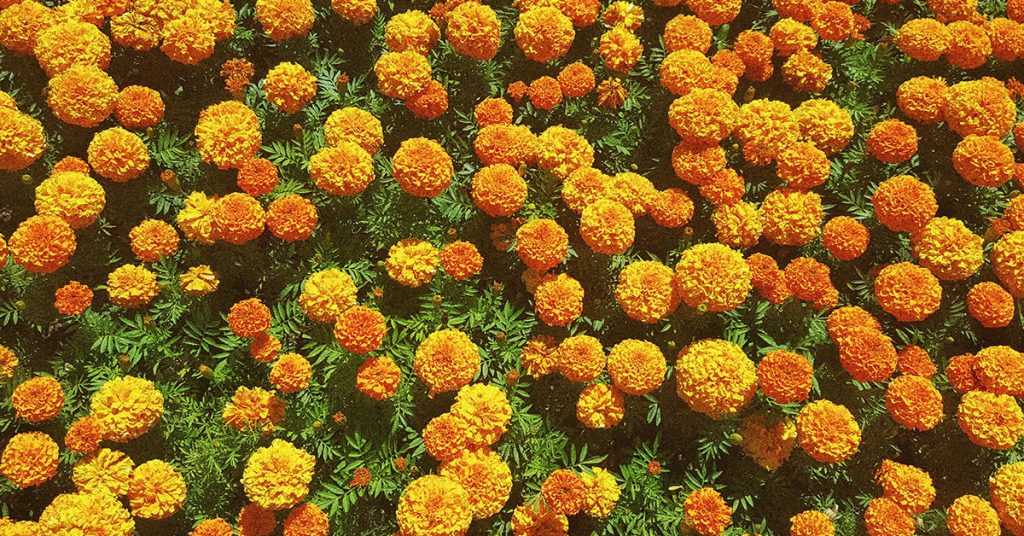
Marigolds (Tagetes spp.) hail from Mexico and Central America, with African and French types widely cultivated. Although some interspecific crosses are less fertile, varieties within each species will swap pollen, producing seeds that yield blooms with blended shades of gold, orange, and rust.
Hoverflies, hover bees, and occasionally tiny butterflies sip nectar from the frilly petals, while some solitary bees nest in soil cracks around the patch. I remember my chagrin when a pure yellow ‘Lemon Gem’ offspring turned into a burnt-sienna surprise! To save true seed, isolate beds by species or snip off extra flower buds so only one variety sets seed.
Delphinium
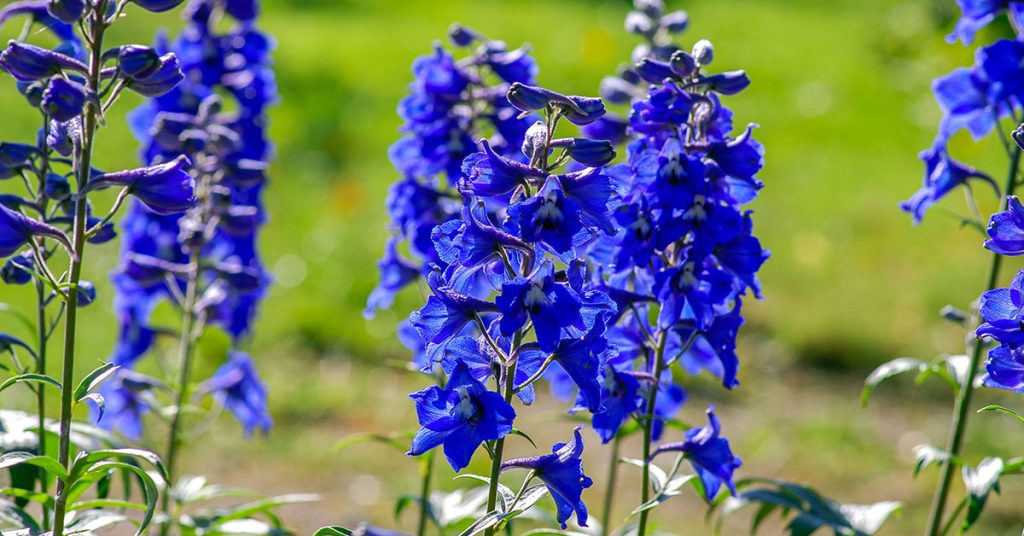
Delphiniums (Delphinium spp.) originated in the Northern Hemisphere’s mountains, prized for towering spikes of blue, purple, and white. Given their popularity in cottage gardens, different delphinium cultivars often bloom together and produce seed pods yielding mixed-color spikes next season.
Bees and hoverflies love the deep-spur flowers, and bumblebees sometimes excavate nesting chambers under rock mulch nearby. I feel your pain when that pristine royal-blue bed morphs into pastel lavender the next year! Hand-pollinating selected flowers with a fine brush and covering them with mesh until seeds mature can preserve true types.
Hollyhocks
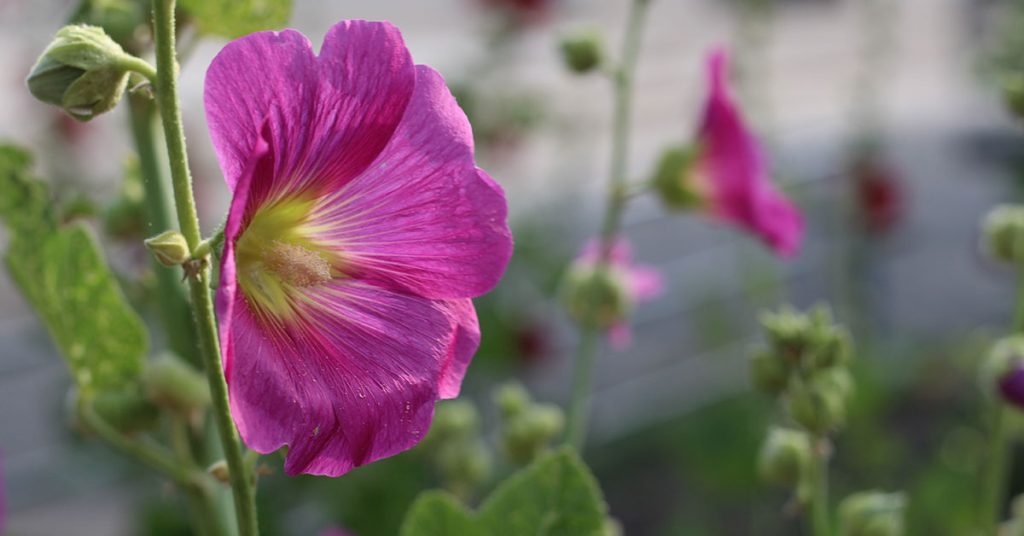
Hollyhocks (Alcea rosea) trace back to Asia and Europe, lighting up fences with giant, papery blossoms. All hollyhock varieties cross easily when their flowers overlap, resulting in seeds sprouting plants with a spectrum of colors, from ivory to deep crimson.
Their tall spires draw swallowtail butterflies, bees, and hummingbird moths, many of which find shelter in the hollow stems or loose soil at the base. It’s such a bummer when a desired pastel stands is invaded by unexpected fuchsias! Remove unwanted flower spikes before they bloom or dedicate separate trellises for each cultivar.
Cosmos
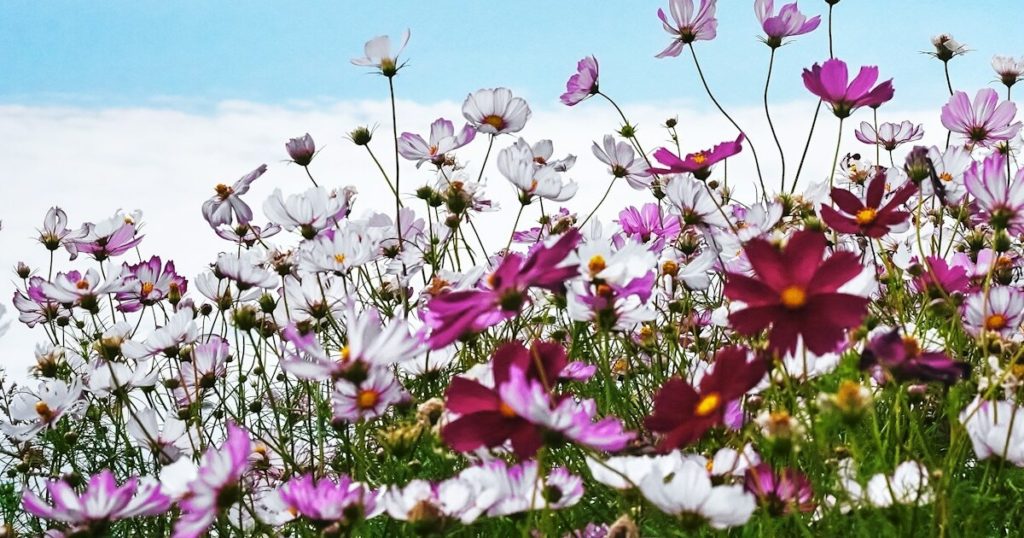
Cosmos (Cosmos bipinnatus and Cosmos sulphureus) are native to Mexico and the Americas, offering airy foliage and daisy-like flowers. When mixed in a single bed, cosmos varieties readily exchange pollen on visiting bees and butterflies, leading to seedlings with blended petal shapes and unexpected color blends.
These dainty blossoms attract long-tongued bees, syrphid flies, and even hummingbird moths, which often nest in the nearby grass or brush piles. I sympathize with the gardener who planned for pure white cosmos but ended up with soft pink-tinged shoots! Hand-pollinate and bag individual flowers or isolate rows by variety to keep your seed true.