

There’s nothing more gratifying than watching a flurry of ladybugs take up residence in your garden, diligently keeping those pesky aphids at bay. As a devoted gardener, I’ve learned that choosing the right companion flowers can create an inviting habitat for these natural pest controllers. I know how disheartening it is when your garden battles pest invasions or when beneficial insects seem scarce. That’s why I’ve compiled a list of 15 beautiful flowers that not only add color and charm but also attract ladybugs with their nectar, pollen, and inviting microhabitats!
Every plant on this list has a unique story, from its native origins to its role in fostering a balanced ecosystem. Whether you’re looking to brighten up a shady corner or add a splash of vibrancy to an open bed, these blooms—many of which are non-invasive and low-maintenance—offer a natural solution to garden pests. I’m excited to share my personal favorites and experiences with these stunning flowers that serve as both a visual treat and a haven for ladybugs and other beneficial critters!
Calendula

Calendula, often known as pot marigold, is native to Southern Europe and has been cherished for centuries for its bright, cheerful blooms. Its warm orange and yellow petals provide a stunning contrast in any garden bed while releasing a gentle, tangy aroma that entices ladybugs and other beneficial insects. I’ve found that calendula’s abundant nectar and pollen offer a delightful buffet for these tiny gardeners, encouraging them to linger and even nest among the blossoms!
Not only is calendula visually appealing, but it’s also non-invasive and easy to grow in a variety of soil conditions. In my garden, calendula has become a trusted ally—its blooms attract ladybugs that naturally keep aphid populations in check, reducing the need for chemical interventions. Its resilient nature and continuous flowering through the growing season make calendula an essential addition for anyone looking to harness nature’s pest control while enjoying vibrant, long-lasting color!
Rudbeckia (Black-eyed Susan)
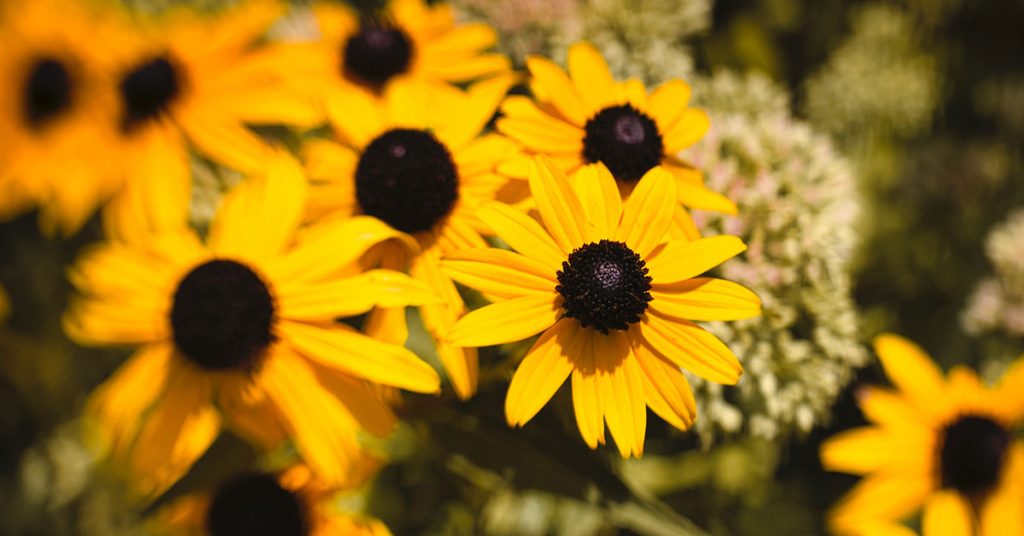
Rudbeckia, commonly known as Black-eyed Susan, is native to North America and is celebrated for its radiant yellow petals and dark central cone. These robust blooms serve as magnets for ladybugs, as well as other pollinators like bees and butterflies, which find the dense inflorescences perfect for foraging and sometimes even nesting. I’ve noticed that when rudbeckias are in full bloom, my garden becomes a bustling hub of beneficial insect activity, all working together to keep pests in check!
These perennial beauties are non-invasive when properly maintained and thrive in full sun and well-drained soil. Their hardy nature makes them an excellent choice for gardeners who want to add a splash of color while simultaneously promoting a healthy ecosystem. Every time I see a cluster of Black-eyed Susans swaying in the breeze, I’m reminded that nature often provides its own pest control solutions in the most delightful ways!
Marigold
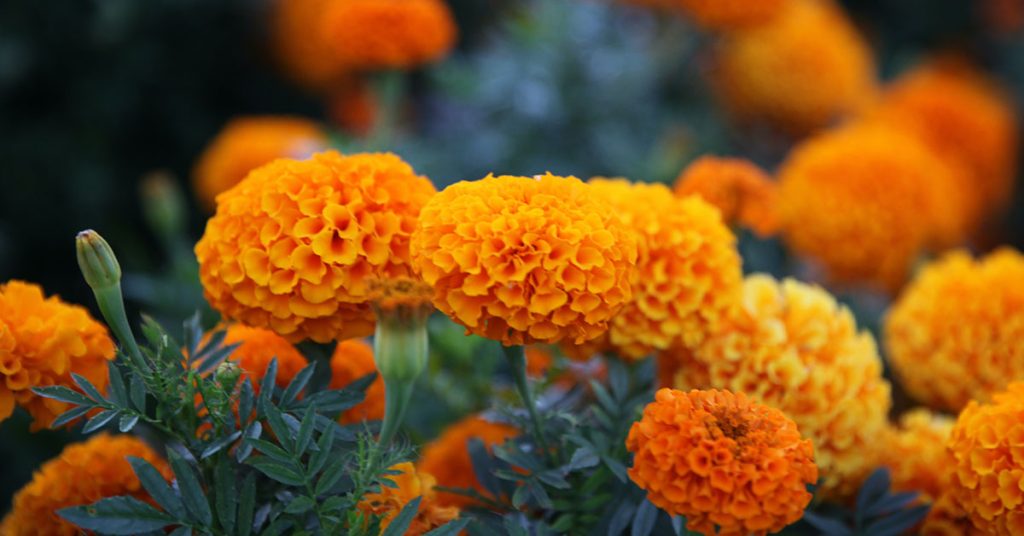
Marigolds, native to Mexico and Central America, bring vibrant splashes of red, orange, and yellow into the garden and are renowned for their pest-repellent properties. Their pungent scent and dense blooms create an environment that not only deters harmful insects but also attracts ladybugs, who love the pollen-rich flowers. I’ve observed that marigolds act like a natural beacon, inviting beneficial bugs to gather and help keep aphids and whiteflies under control!
Despite their vigorous growth, marigolds are generally non-invasive and thrive in warm, sunny conditions with well-drained soil. In my own experience, planting marigolds alongside vegetables and other flowers has resulted in a lively, pest-managed garden where ladybugs play a starring role. Their cheerful presence not only enhances the garden’s beauty but also offers a practical, eco-friendly method to maintain a balanced ecosystem!
Cosmos

Cosmos, native to Mexico, are airy annuals that delight with their daisy-like blooms in shades of pink, white, and orange. These elegant flowers exude a light, sweet fragrance that entices ladybugs and other beneficial insects to visit and feast on the abundant nectar. I’ve found that cosmos create a breezy, open habitat where ladybugs can easily roam and even seek shelter during brief periods of rest!
Their effortless charm and non-invasive nature make cosmos a favorite among gardeners looking to attract a diverse array of pollinators. With their slender stems and delicate petals, cosmos blend beautifully with taller plants, creating layers of color that invite nature’s little helpers. I love watching how these blossoms, fluttering in the summer breeze, contribute to an environment where ladybugs and other beneficial insects can thrive, making them a vital component of any sustainable garden design!
Nasturtium
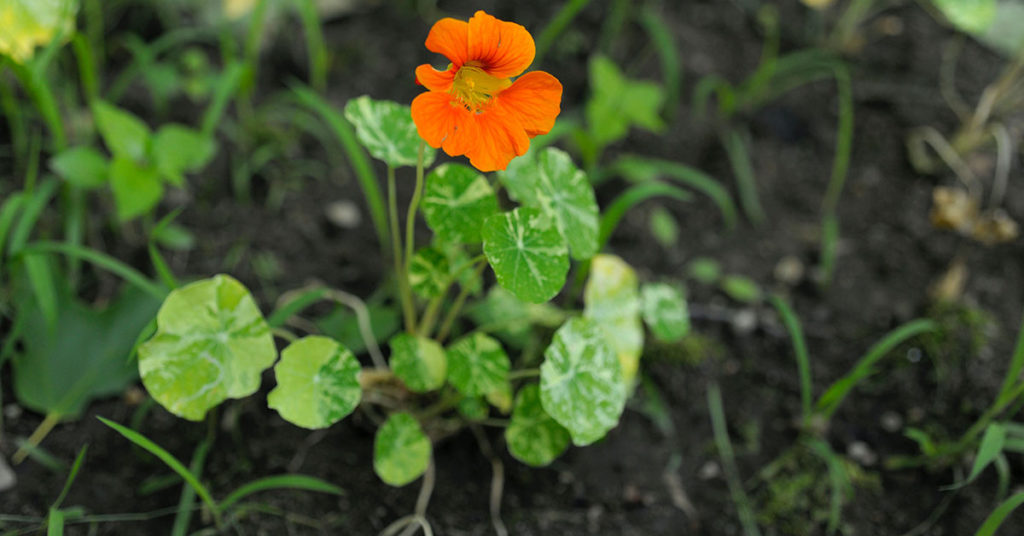
Nasturtium, native to South America, is not only admired for its vibrant, peppery blooms but also for its remarkable ability to lure ladybugs away from more vulnerable plants. Its cascading vines produce bright red, orange, or yellow flowers that provide a haven for ladybugs, who are attracted to the abundant pollen and occasional nectar. I’ve noticed that nasturtiums often act as a natural trap crop, drawing pests away from your vegetables while inviting beneficial insects to keep the garden balanced!
These hardy annuals are non-invasive when managed properly, making them perfect for borders or container gardens. Their fast-growing nature and cheerful appearance add a playful yet practical touch to any garden space. By interplanting nasturtium with other species, I’ve seen an impressive increase in ladybug activity, which in turn has helped maintain a healthier, more vibrant garden ecosystem—truly a win-win situation!
Sweet Alyssum
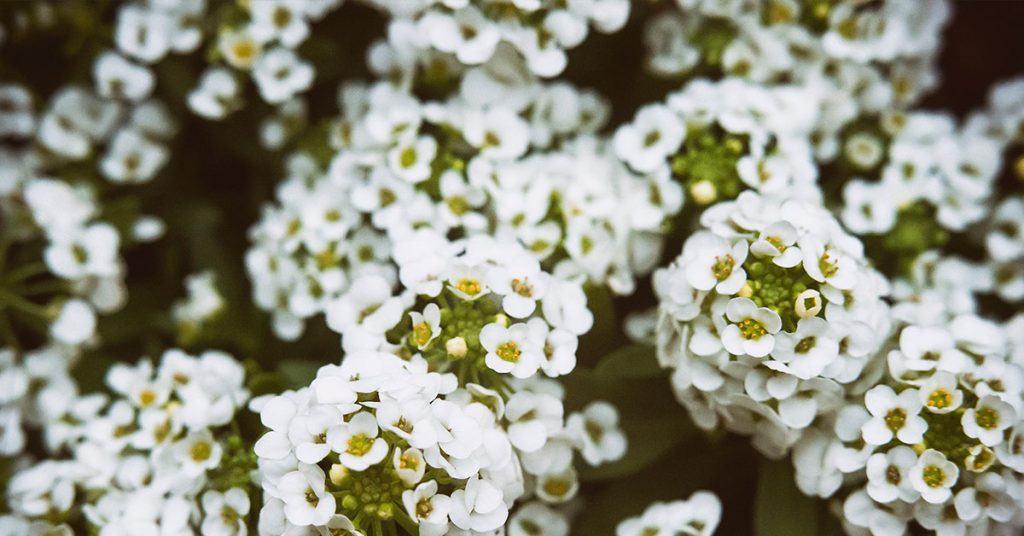
Sweet Alyssum, native to the Mediterranean region, is a low-growing annual that produces clusters of tiny, fragrant white or purple flowers. This delightful plant is a magnet for ladybugs, as well as other pollinators like bees, who are drawn to its sweet scent and abundant nectar. I always appreciate how sweet alyssum forms a lush, ground-covering carpet in my garden, providing both visual charm and a cozy refuge for beneficial insects to perch and even nest!
Its non-invasive growth habit and adaptability to various soil types make sweet alyssum an excellent choice for any garden, particularly in areas where natural pest control is desired. In my experience, incorporating this charming plant into borders and along pathways not only enhances the garden’s aesthetics but also creates a thriving microhabitat for ladybugs. The gentle fragrance and continuous flowering period of sweet alyssum remind me that sometimes, the smallest blooms can bring the greatest joys and benefits!
Sunflower

Sunflowers, native to North America, are celebrated for their bold, towering heads and unmistakable radiance. These magnificent blooms do more than brighten up a garden—they provide an open, inviting habitat for ladybugs and other beneficial insects. I’ve observed that sunflowers’ large, seed-filled centers and sturdy foliage create perfect spots for ladybugs to forage and sometimes even hide from predators, contributing to a natural pest control system in my garden!
Not only do sunflowers add a dramatic focal point, but they are also non-invasive and relatively easy to care for, thriving in full sun and well-drained soil. Their towering presence and cheerful appearance inspire optimism and create an ecosystem that attracts a variety of pollinators, making them a cornerstone of my organic gardening approach. With sunflowers standing tall among the other blooms, I’m always reminded of nature’s incredible ability to bring life, color, and a host of helpful insects to any outdoor space!
Coreopsis
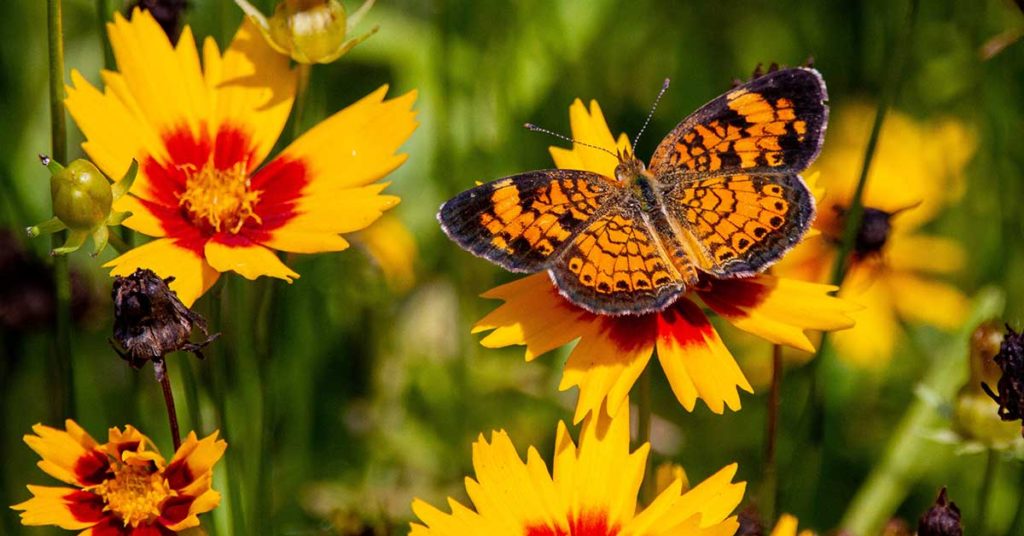
Coreopsis, also known as tickseed, is a native North American perennial that produces bright, daisy-like flowers in hues of yellow, orange, and red. These charming blooms attract ladybugs with their rich pollen and nectar, creating an inviting environment where beneficial insects can thrive. I’ve witnessed coreopsis in action—its delicate yet vibrant flowers seem to call out to ladybugs, drawing them in to help maintain a balanced ecosystem in my garden!
Coreopsis is non-invasive and adapts well to various soil conditions, making it a versatile addition to borders and mixed flower beds. Its continuous blooming period throughout the growing season ensures that your garden remains a lively hub for pollinators and natural pest controllers alike. I love how coreopsis not only adds a pop of color but also plays a crucial role in the garden’s health by attracting ladybugs and other allies that work together to keep pest populations under control!
Blanket Flower (Gaillardia)
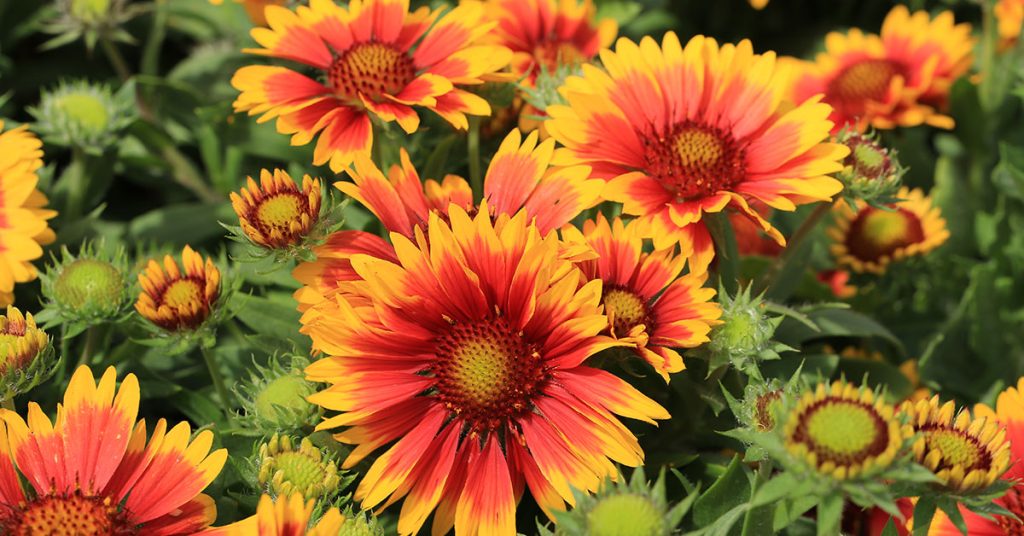
Blanket Flower, or Gaillardia, is a hardy perennial native to North America that dazzles with its vibrant red, orange, and yellow blooms. These robust flowers are a favorite of ladybugs, which are drawn to their abundant nectar and pollen. In my garden, I’ve noticed that blanket flowers create a warm, inviting atmosphere that seems to naturally attract ladybugs, who often settle on the rough, textured petals and surrounding foliage as a safe haven!
This cheerful plant is non-invasive and thrives in sunny, well-drained locations, making it an ideal addition to any organic garden. Its long blooming season ensures that beneficial insects like ladybugs have a steady food source and a comfortable environment to help control pests. The radiant beauty and resilience of blanket flowers are a constant reminder that nature’s most vivid colors can also bring balance and harmony to our outdoor spaces!
Zinnia
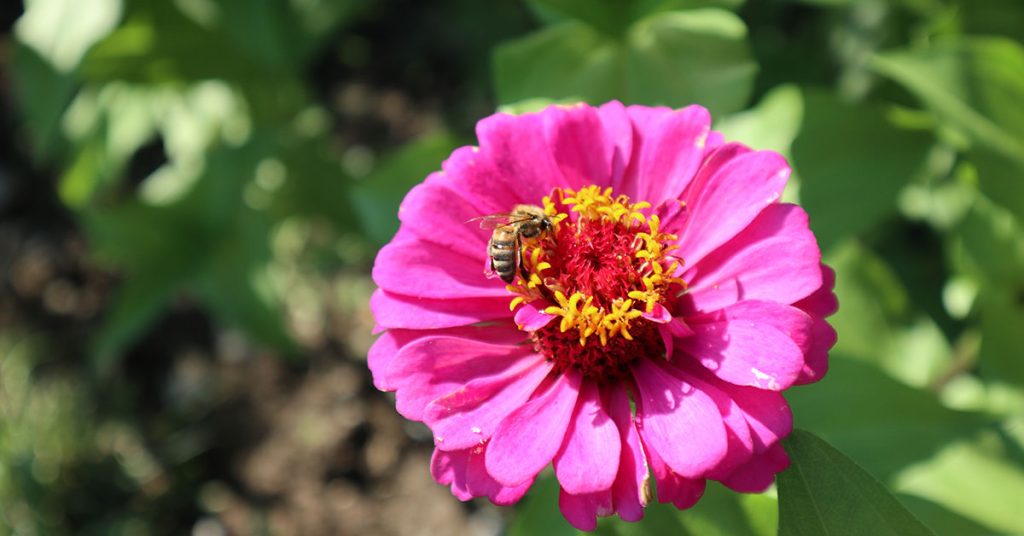
Zinnias, native to Mexico and Central America, are energetic annuals that burst into a kaleidoscope of colors—ranging from fiery reds to bright pinks and oranges. These eye-catching blooms are a magnet for ladybugs, as the dense, nectar-rich flowers provide an ideal foraging ground for these beneficial insects. I’ve always enjoyed watching zinnias attract ladybugs and other pollinators, as they flit from bloom to bloom, creating a dynamic, living tapestry in the garden!
Their low-maintenance nature and adaptability to various climates make zinnias a popular choice among gardeners seeking to enhance biodiversity. Zinnias are non-invasive and flourish in full sun with well-drained soil, making them perfect for adding a burst of color to vegetable gardens and flower beds alike. Their vibrant presence is a joyful reminder that every petal and every visit from a ladybug is a celebration of life and nature’s intricate, interconnected beauty!
Yarrow
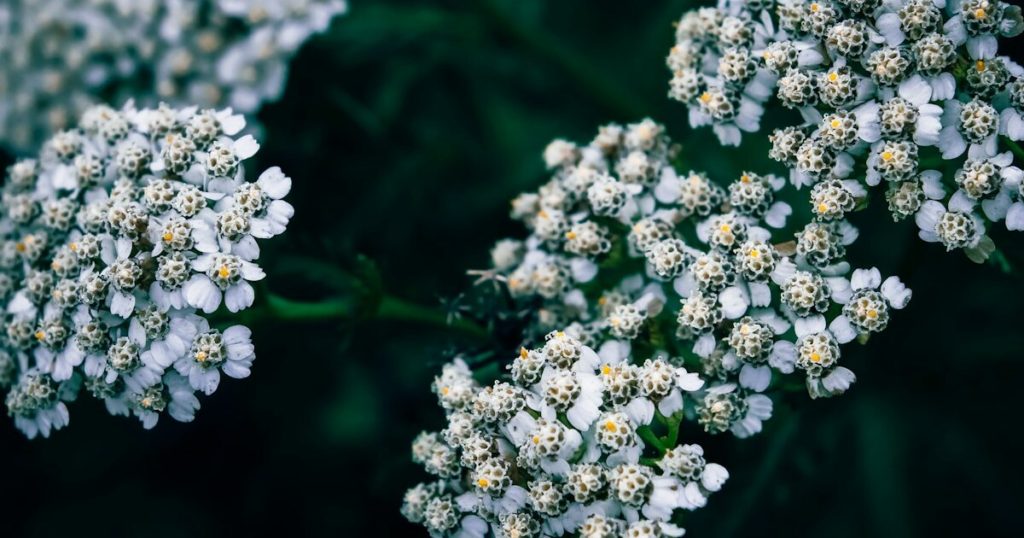
Yarrow, native to Europe and parts of Asia, is a perennial wildflower renowned for its clusters of small, delicate blooms in shades of white, yellow, or pink. This versatile plant attracts ladybugs with its copious pollen and nectar, while also providing shelter for other beneficial insects that contribute to a healthy garden ecosystem. I’ve often been amazed at how yarrow’s feathery foliage and clustered blossoms create natural microhabitats where ladybugs can thrive and even occasionally nest!
Not only is yarrow admired for its beauty, but it’s also non-invasive and drought-tolerant, making it an excellent choice for sustainable gardening. Its robust growth habit and continuous flowering season ensure that beneficial insects, including ladybugs, have a reliable food source throughout the summer months. In my garden, yarrow serves as a subtle yet powerful reminder that resilience and natural pest control go hand in hand, adding a touch of wild elegance to any landscape!
Coneflower (Echinacea)

Coneflower, or Echinacea, is a striking perennial native to North America that is celebrated for its vibrant, daisy-like blooms and therapeutic properties. These resilient flowers produce a generous amount of nectar and pollen, which not only attract bees and butterflies but also lure ladybugs to your garden. I’ve always found the bold, cone-shaped center of the Echinacea to be particularly enticing for ladybugs seeking a safe, resource-rich haven amidst the garden’s bustle!
Echinacea is non-invasive and thrives in well-drained soil under full sun, making it a versatile addition to flower beds and borders. Its long blooming period ensures that beneficial insects, including ladybugs, have a continuous source of nourishment to help keep pests at bay. In my experience, coneflowers are not just visually stunning but also serve as a natural line of defense, reinforcing the garden’s ecosystem and fostering an environment of growth and balance!
Sedum (Stonecrop)
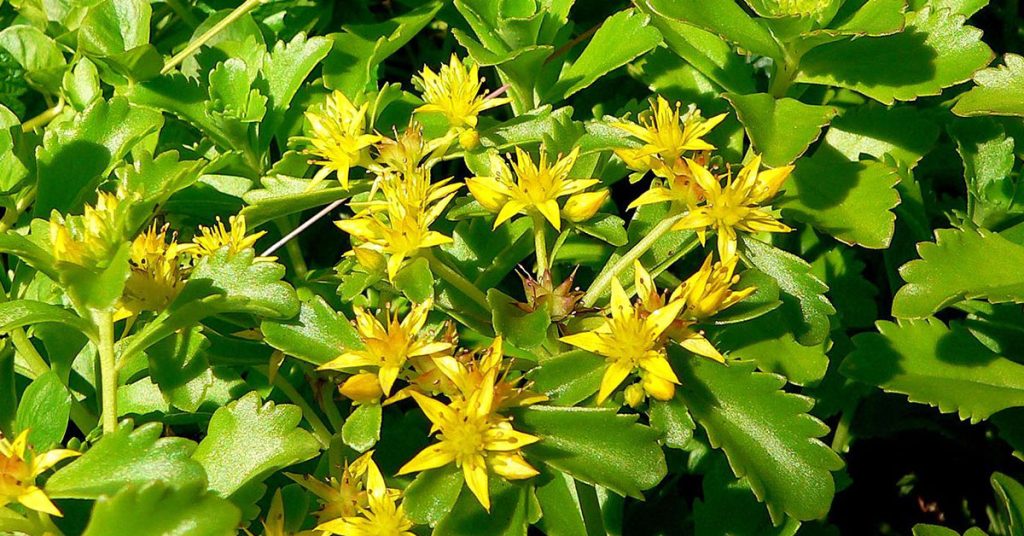
Sedum, commonly known as Stonecrop, is a hardy succulent native to Europe that offers clusters of star-shaped flowers in late summer and autumn. These water-wise plants produce nectar-rich blooms that attract a variety of beneficial insects, including ladybugs, which appreciate the dry, sun-drenched environment that sedum provides. I’ve found that sedum’s low, mat-forming habit creates perfect microhabitats where ladybugs can scurry about and sometimes even find sheltered spots for brief nesting!
Despite its vigorous growth, sedum is non-invasive and thrives in poor, well-drained soils, making it an ideal choice for rock gardens or as a ground cover in sunny areas. Its unique texture and prolonged blooming period add both visual interest and functional benefits to the garden. In my own outdoor space, sedum has become a favorite for attracting ladybugs, proving that even the most unassuming plants can play a vital role in maintaining a balanced and thriving ecosystem!
Snapdragon
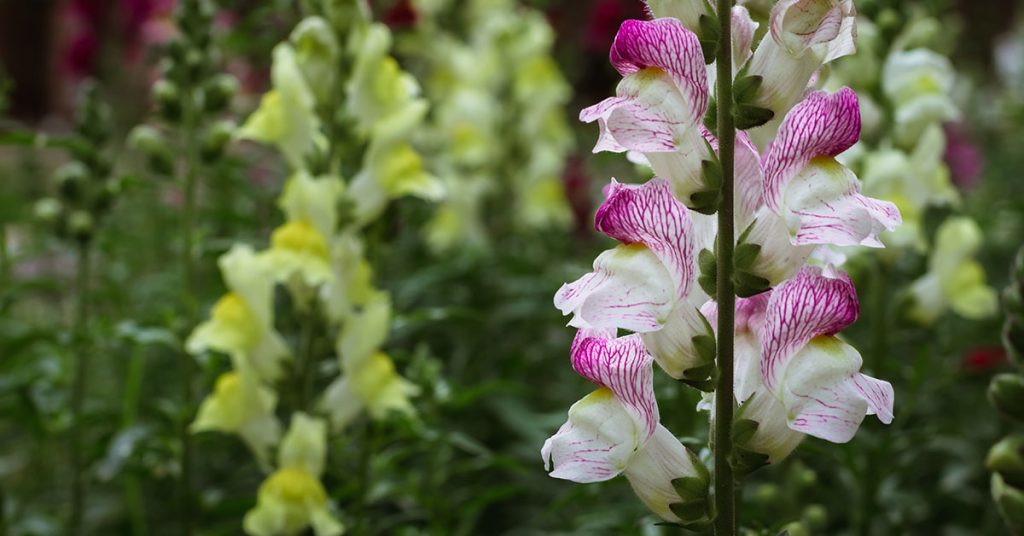
Snapdragon is a versatile annual native to the Mediterranean region that produces uniquely shaped blooms in a variety of colors. Although better known for its ornamental charm, snapdragon can also attract ladybugs by offering a complementary habitat and sporadic bursts of nectar, particularly when interplanted with other insect-friendly species. I enjoy the whimsical shape of snapdragon flowers, which not only adds visual intrigue to my garden but also seems to invite ladybugs and other beneficial insects to linger around its clustered blossoms!
These resilient blooms are non-invasive and flourish in well-drained soil with plenty of sunlight, making them a delightful addition to mixed borders and container gardens. Their striking appearance and diverse palette provide an attractive backdrop that enhances the overall garden ecosystem. In my experience, snapdragons help round out a diverse floral assemblage that supports natural pest control, proving that every unique flower can contribute to a healthier, more vibrant outdoor space!
Bluebonnet

Bluebonnet, the state flower of Texas and native to the prairies of North America, is renowned for its soft, pastel blue petals that evoke a sense of calm and natural beauty. These delicate blooms attract ladybugs and other beneficial insects with their gentle nectar and inviting structure, creating a natural refuge in the midst of a busy garden. I’ve always been enchanted by the way bluebonnets carpet open fields and garden borders alike, offering both visual splendor and a subtle call for nature’s little helpers!
While bluebonnets are typically non-invasive and thrive in well-drained, well-lit conditions, they require a bit of care to mimic their native prairie habitat. In my garden, they serve as a soothing counterpoint to more vibrant blooms, creating a balanced ecosystem where ladybugs and other insects can forage and occasionally take shelter among the clumps. Their ephemeral beauty and symbolic representation of hope and renewal make bluebonnets a treasured addition to any garden that values both aesthetics and natural pest control!