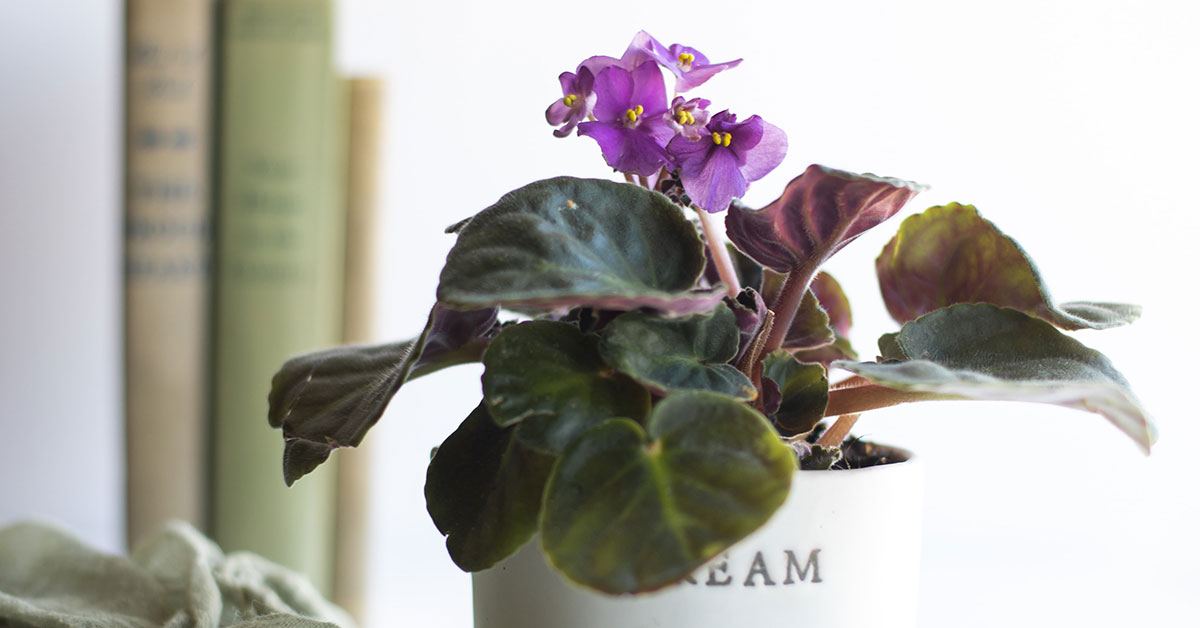

Bringing flowering plants into your office isn’t just a decorative choice—it’s a way to invite moments of calm, boost your mood, and even sharpen your focus! I know how dreary long spreadsheets or back‑to‑back Zoom calls can feel, so placing a vibrant bloom on your desk is like offering yourself a tiny sanctuary. Plus, many of these plants boast air‑purifying qualities, making your work zone healthier and more uplifting.
As an enthusiastic gardener, I’m always exploring blooms that thrive in lower‑light or fluorescent conditions, and I can’t wait to share favorites that range from tropical epiphytes to hardy Mediterranean natives. While none of these beauties are likely to escape your pots and become invasive, knowing their origins—from African cloud forests to South American canopies—adds a dash of botanical adventure to your daily grind. Let’s dive into 15 stellar flowers that will transform your office into a mini garden retreat!
African Violet (Saintpaulia ionantha)
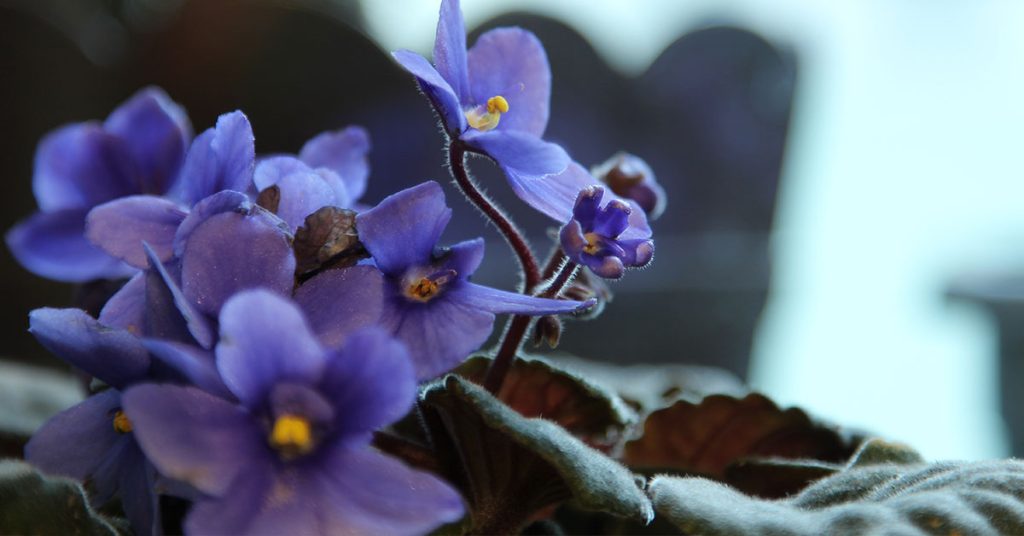
These delightful rosettes hail from the cloud forests of eastern Africa, where they grow under the canopy’s filtered light. African violets rarely naturalize beyond their native range, so you won’t have to worry about invasiveness. They flourish in bright, indirect light and appreciate evenly moist soil, making them perfect for a well‑lit desk corner or beneath a daylight lamp.
Although they won’t host nesting insects indoors, cracking a nearby window on warm days can tempt tiny hoverflies or solitary bees for a brief visit to their purple, pink, or white blooms. I find their continuous flowering habit particularly rewarding—there’s always a new cluster of petals to admire!
Cyclamen (Cyclamen persicum)
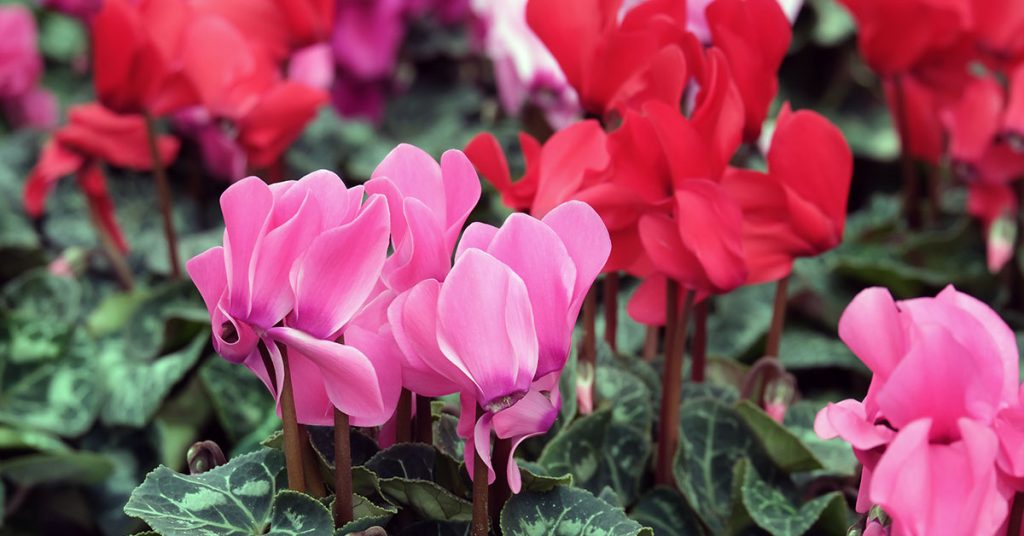
Native to Mediterranean woodlands, cyclamen bulbs thrive in cooler temperatures and dappled light—conditions easily mimicked in air‑conditioned offices. They’re well‑contained in pots and show no tendency to spread invasively. Their nodding petals in shades of rose, white, and magenta dance atop marbled foliage, adding movement and texture to any desktop.
While real bees won’t venture indoors, the whimsical shape of each bloom evokes a fairy‑tale garden. Keeping the soil lightly moist and allowing a seasonal rest after flowering means you might be pleasantly surprised by a rebloom when you return!
Guzmania Bromeliad (Guzmania spp.)

Guzmania bromeliads come from the shaded canopies of Central and South America, where their rosettes capture rainwater. They stay put in containers and aren’t known to naturalize beyond their native habitats. Place one in bright, indirect light on your windowsill, and it’ll reward you with a central “flower” bract in fiery red, orange, or yellow.
Watching the bromeliad form pup‑like offshoots after blooming is like observing a plant mid‑nesting cycle! Though you won’t host pollinators indoors, the life cycle itself feels so alive and dynamic, it’s hard not to smile every time you pass by.
Phalaenopsis Orchid (Phalaenopsis spp.)
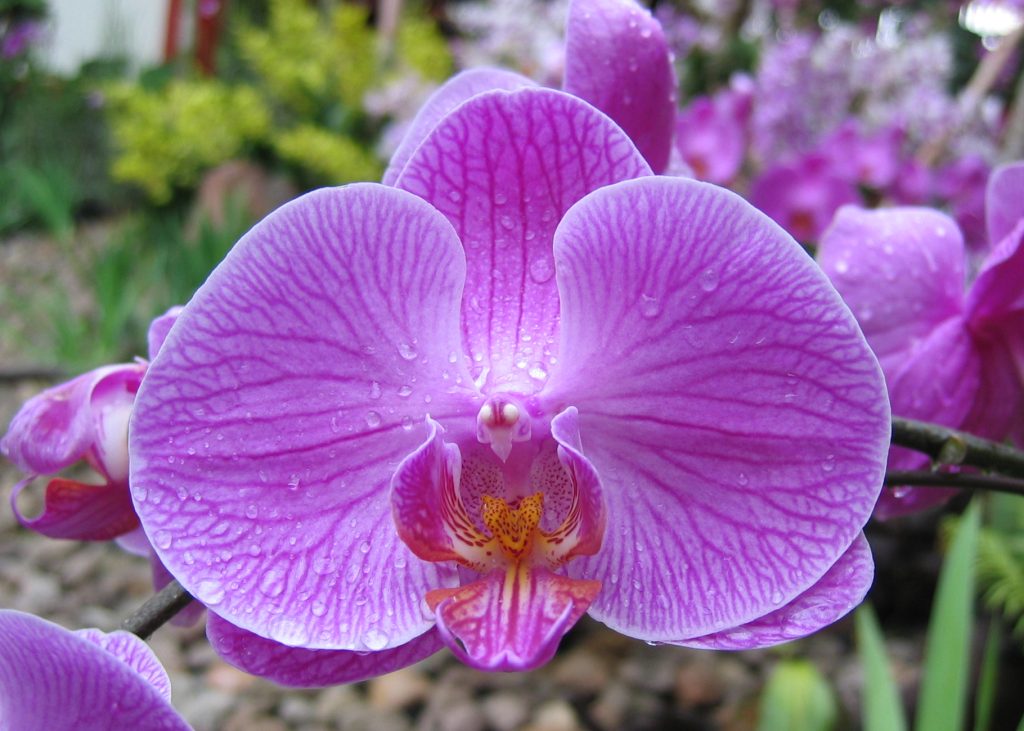
Phalaenopsis orchids drift through Southeast Asian rainforests as epiphytes, clinging to bark in dappled light. They’re not invasive outdoors—they need the warmth and humidity of their native zones to survive. Indoors, they prefer bright, indirect light and a watering routine that lets excess drain away fully.
Getting orchids to rebloom can be nerve‑wracking (“Did I underwater? Overwater?”), but once you nail it, you’ll enjoy long sprays of moth‑like blossoms for months! A gentle mist now and then conjures their cloud‑forest origins, and if your office has a small balcony, summer air might bring a curious bee visitor.
Lipstick Plant (Aeschynanthus radicans)

These trailing vines originate in Southeast Asia’s humid forests, where they drape from tree branches and offer nectar to sunbirds. In pots, they’re non‑invasive and simple to maintain with bright, indirect light and occasional misting. Their tubular red flowers resemble open tubes of lipstick—so playful!
Though hummingbirds won’t visit your cubicle, the unfolding buds bring that tropical flair indoors. It’s such a treat to see each flower pop open, and the glossy green foliage softens any sterile corner!
Anthurium (Anthurium andraeanum)
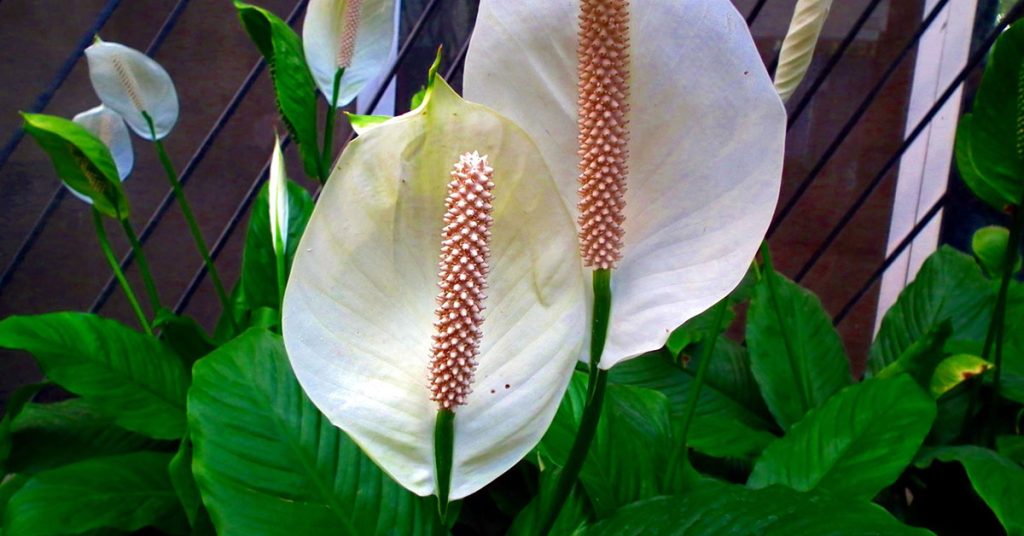
Anthuriums hail from the rainforests of Colombia and Ecuador, sporting waxy, heart‑shaped spathes in red, pink, or white. They don’t escape into the wild when potted, so invasiveness isn’t a concern. These tropical gems love humidity and bright, filtered light—ideal for a bathroom shelf adjacent to your desk!
While you won’t host hummingbirds indoors, the bold spathe shapes provide a stunning focal point. I get so excited each time a new bloom unfurls, like discovering a tropical lagoon on my own windowsill!
Hoya Wax Plant (Hoya carnosa)

One of my absolute favorites for a high shelf, the Hoya Wax Plant comes from Eastern Asia and Australia, where it grows epiphytically on tree trunks. It’s not invasive in container culture and produces clusters of star‑shaped, waxy flowers on corky spurs.
These Hoyas bloom slowly, but that makes each tiny star a special event! Occasionally, a pollinator—usually a small fly—might find its way indoors, giving you a peek at rainforest interactions. The trailing vines add movement and a sense of calm that’s perfect for brainstorming sessions.
Flaming Katy (Kalanchoe blossfeldiana)
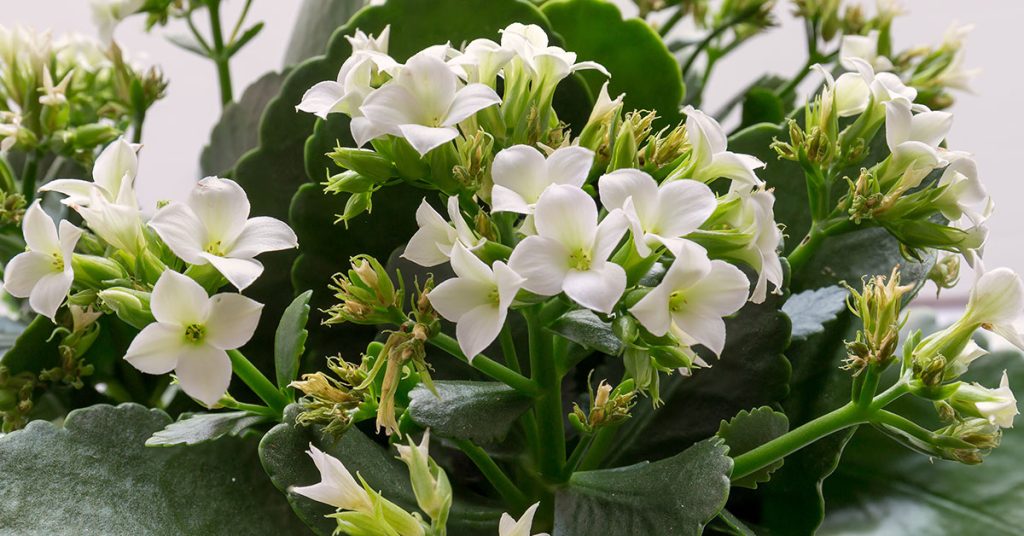
Originating from Madagascar’s rocky slopes, Flaming Katy forms dense clusters of small, long‑lasting flowers in reds, pinks, oranges, and yellows. It remains confined to pots and shows no invasive behavior. These succulents require bright light—an east‑ or south‑facing window is ideal—and minimal watering, making them practically foolproof.
Though they won’t attract nesting insects inside, their bright blooms can draw an occasional bee if placed near an open window. Watching the tight flower clusters unfurl feels like witnessing fireworks on your desk!
Christmas Cactus (Schlumbergera bridgessii)

This epiphytic cactus hails from the Brazilian rainforests, blooming indoors around the holidays with red, pink, or white tubular flowers. It isn’t invasive outdoors, since it needs high humidity and filtered shade to thrive.
Seeing buds swell and burst into bloom in midwinter is a delightful surprise when the weather outside is dreary! While pollinators won’t visit indoors, each flower’s unique shape feels like a tiny celebration, perfect for boosting holiday spirits at work.
Gloxinia (Sinningia speciosa)
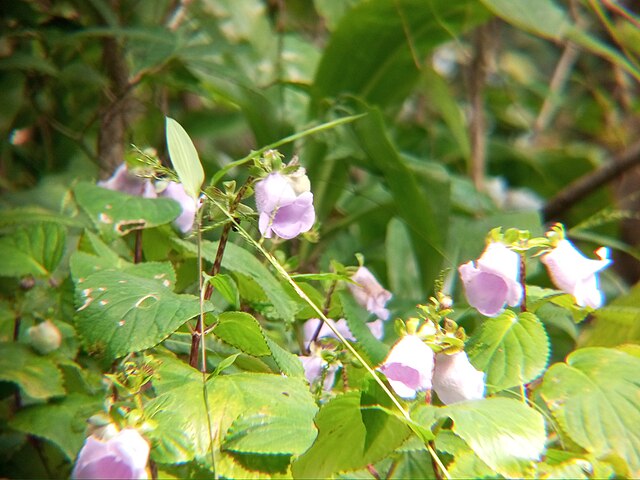
Gloxinia comes from Brazil’s shaded forest undergrowth and remains well‑behaved in pots, showing no invasive tendencies. Its velvety leaves and large, bell‑shaped flowers in purples, reds, and whites look like tiny lanterns suspended in midair.
I love peeking at the blossom’s interior for its stamen patterns—it’s like nature’s own artwork! While you won’t host hummingbirds inside, the dramatic blooms bring energy and a touch of mystery to your office nook.
Wax Begonia (Begonia × semperflorens‑cultorum)
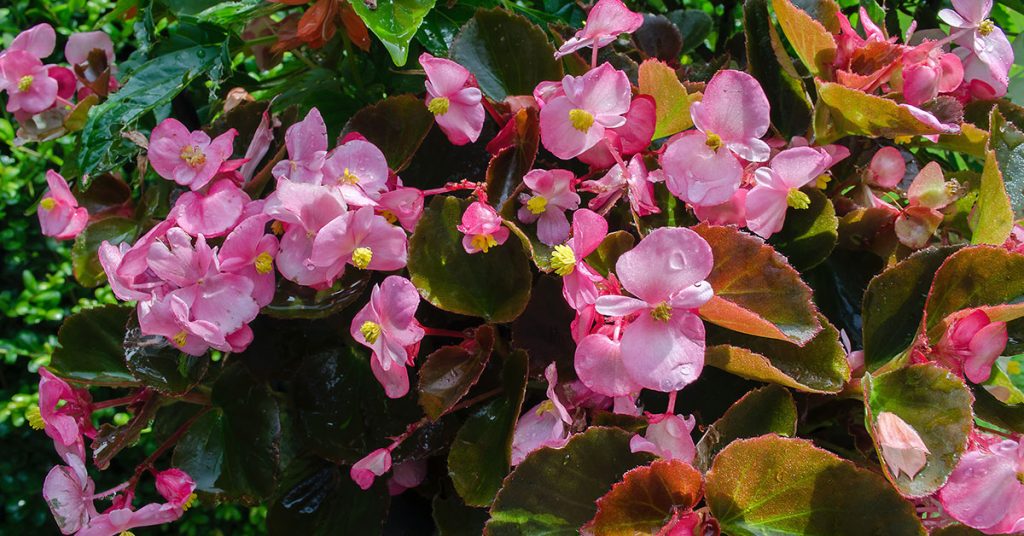
Hybrid wax begonias trace back to South America, and when potted they stay perfectly contained. Shiny foliage and clusters of pink, red, or white flowers tolerate lower light levels, making them superb for windowless cubicles under fluorescent bulbs.
Although they won’t draw bees indoors, the nonstop blooms and glossy leaves add cheer to any dull corner. I always find myself smiling when their tiny flowers seem to dance under my keyboard’s glow!
Miniature Rose (Rosa chinensis ‘Minima’)
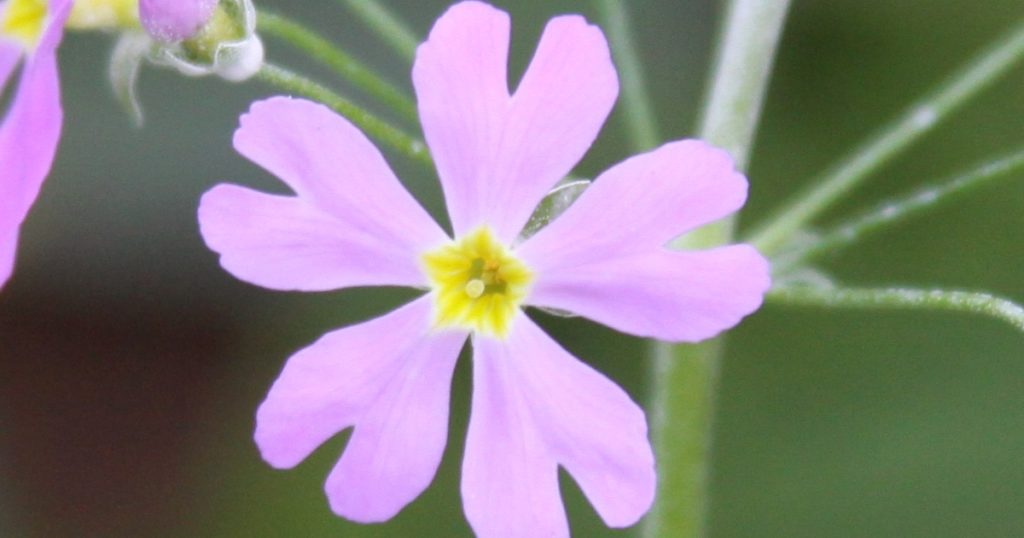
Tiny roses descended from wild Chinese species, these compact bushes produce fragrant mini‑blooms in classic rose shades. They remain in pots without spreading invasively and need at least a few hours of bright light—near a sunny window is perfect.
It’s such a thrill to pinch off spent blooms and encourage new buds! Placing them outside on weekends might tempt small pollinators, and their gentle fragrance wafting indoors feels like a secret garden right at your fingertips.
Peace Lily (Spathiphyllum wallisii)
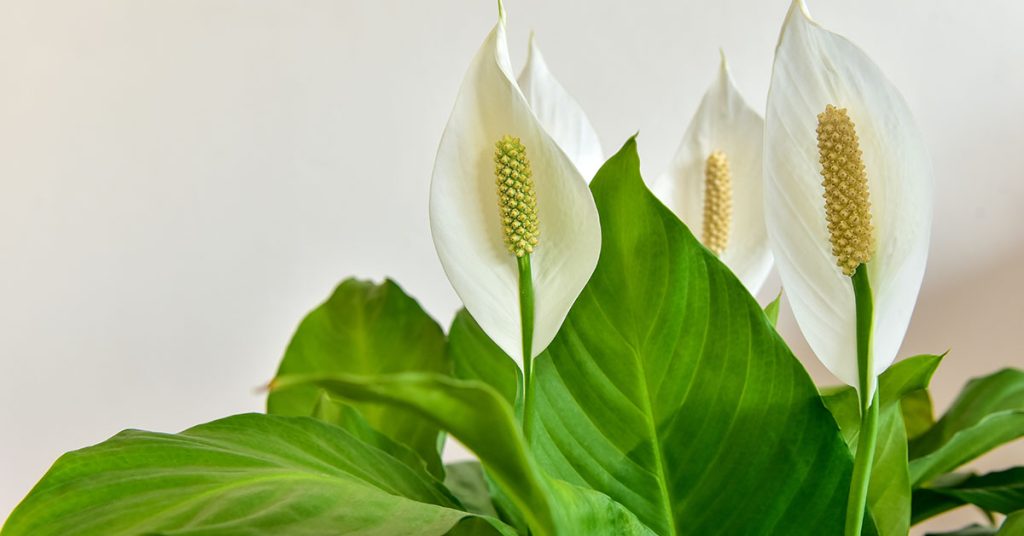
Native to Central and South American rainforests, peace lilies thrive in low to moderate light and are celebrated for cleaning indoor air. They’re non‑invasive in containers and reward you with white spathes that last for weeks.
While they won’t host nesting insects, the occasional ant or small fly might investigate a bloom if the window’s ajar. Watching drooping leaves perk up after a drink is like a mini victory lap every time!
Gerbera Daisy (Gerbera jamesonii)
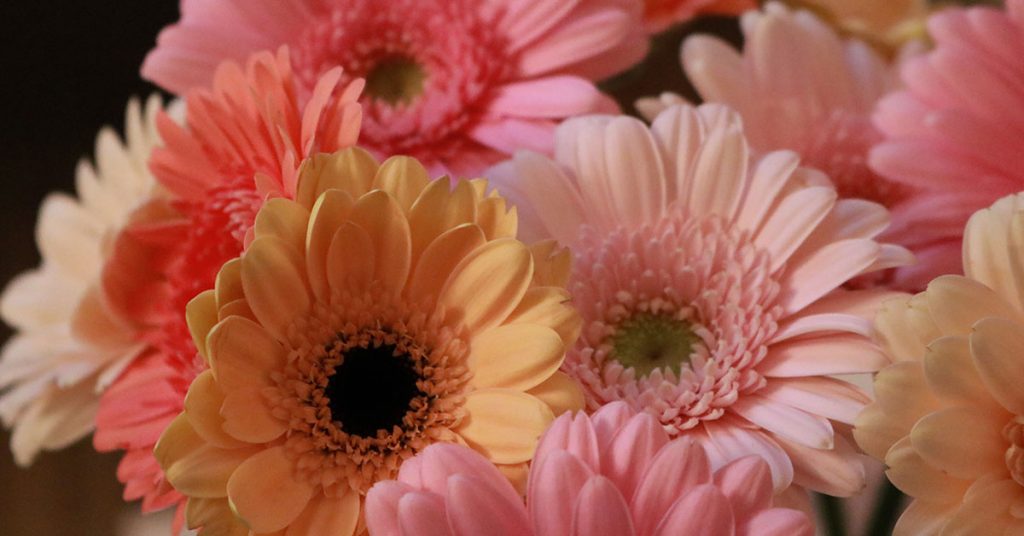
Gerberas come from South African grasslands and don’t naturalize when potted. They crave bright light—ideally near an east‑facing window—and even moisture. Large, vibrant flower heads in pink, yellow, orange, and red burst open like sunbursts on your desk.
Although indoor conditions keep bees at bay, the sheer joy of those oversized daisies makes every glance away from your screen feel like stepping into a wildflower meadow. Just deadhead spent blooms to keep the display fresh and vibrant!
Paperwhite Narcissus (Narcissus papyraceus)
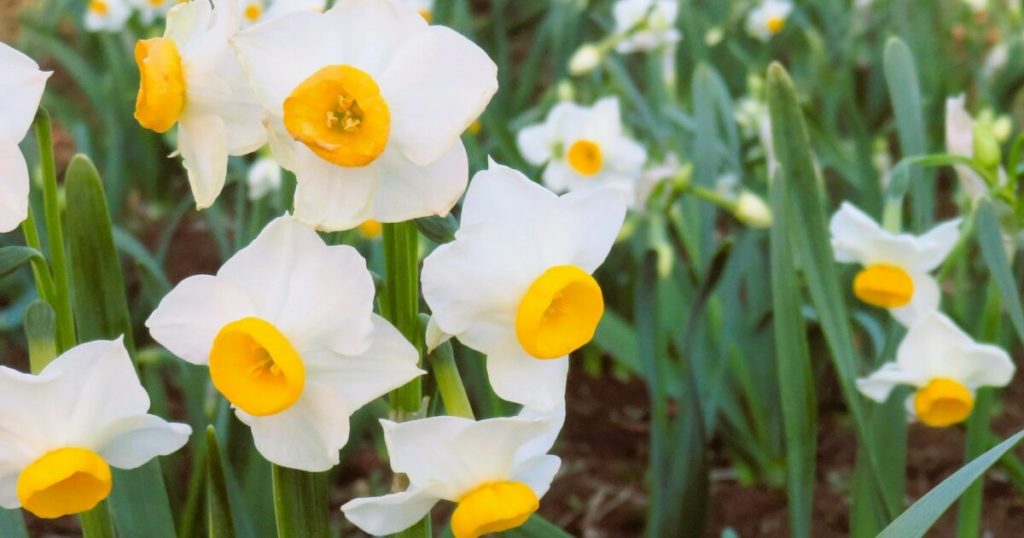
These Mediterranean bulbs aren’t invasive in most climates and are famous for their heady fragrance and clusters of star‑shaped white flowers. Forcing paperwhites in a shallow pot means you’ll see roots and shoots within days and full blooms within weeks.
The perfume alone lifts the heaviest workload, transporting you to a sunlit spring garden. Though you won’t host early pollinators indoors, watching those delicate blooms unfurl against your monitor is pure motivation in botanical form!