

Weddings are such an emotional celebration, and the flowers you choose help set the tone more than most people realize. Whether you’re crafting your own bouquets or just swooning over flower arrangements, choosing the right blooms can add meaning, fragrance, and unforgettable beauty to the big day. As a gardener, I can’t help but light up when someone asks me which flowers are best for weddings—I mean, who doesn’t love talking about peonies and jasmine at the same time?
But beyond just their appearance, I always think about the story each flower tells. Some attract butterflies or hummingbirds, others symbolize devotion or joy. Many of these flowers have rich cultural roots or natural behaviors that make them even more endearing. And while most of them aren’t invasive, I’ll be sure to note the few that might take over your garden beds if you’re not careful. So if you’re putting together a wedding that celebrates love and the garden, here are some floral stars you should absolutely consider.
Lily of the Valley
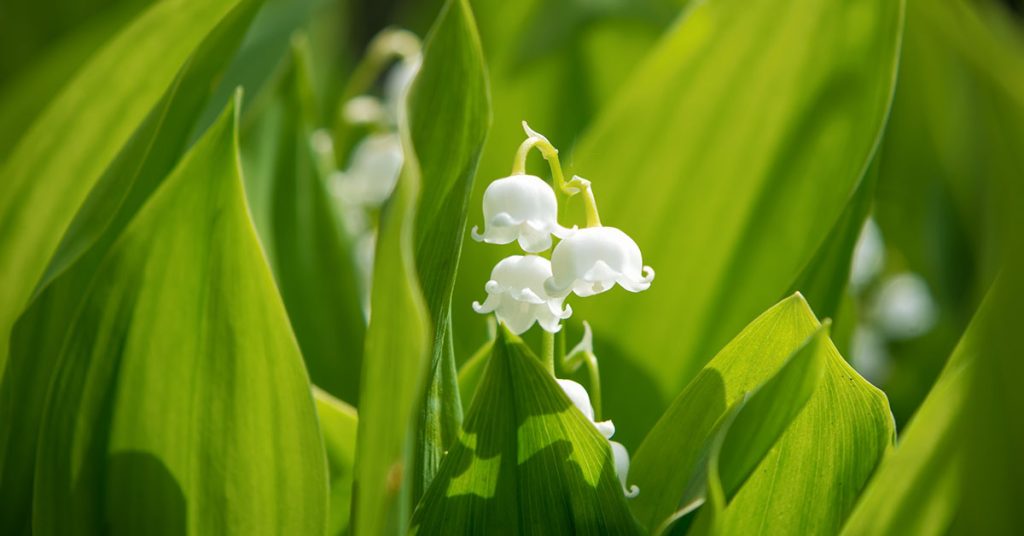
This flower looks delicate, but it makes a serious impression. With its tiny bell-shaped blooms and intoxicating scent, Lily of the Valley has long been a wedding favorite. It symbolizes purity, sweetness, and the return of happiness—how perfect is that? You’ll often find it tucked into bridal bouquets for a classic, almost fairytale vibe.
Native to Europe and parts of Asia, Lily of the Valley spreads by underground rhizomes and can become invasive in gardens if not kept in check. In the wild, it’s found in shaded forest edges, and it actually makes a charming ground cover—though in a wedding bouquet, it feels like a whispered blessing. Be cautious if you grow it near native woodland plants, as it can outcompete them.
Peonies
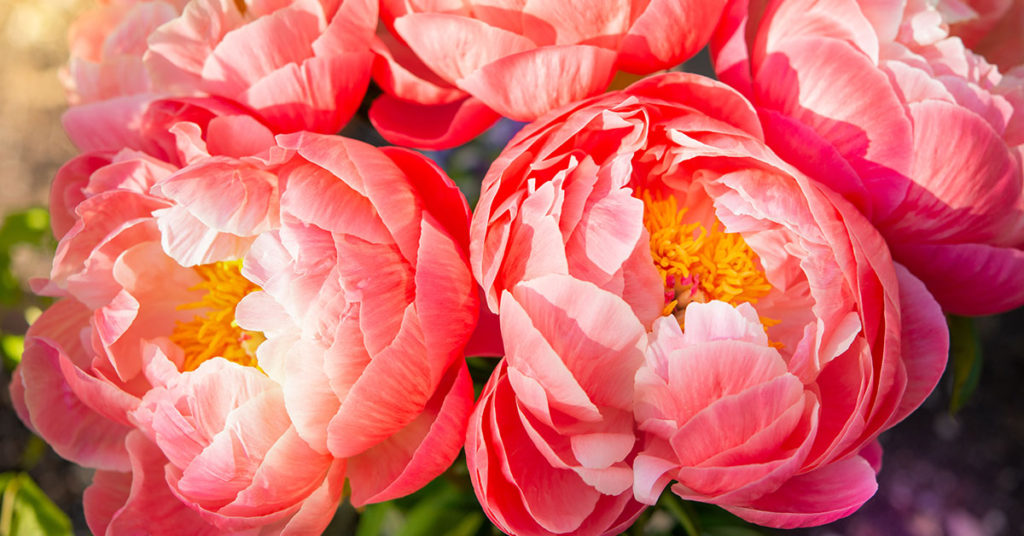
Peonies are basically the royalty of wedding flowers! Their enormous, fluffy blooms and layers of petals make them unforgettable in both bridal and table arrangements. I love how they burst open with drama—no shy flower here. They come in shades of blush, ivory, coral, and deeper pinks, all of which pair beautifully with soft wedding tones.
These flowers originate in Asia, Europe, and Western North America. Most garden varieties are herbaceous peonies, which die back in winter and return like magic each spring. They aren’t considered invasive, but they do demand patience—they take a few years to establish. Once they do, though, they’ll give you stunning blooms for decades!
Sweet Peas
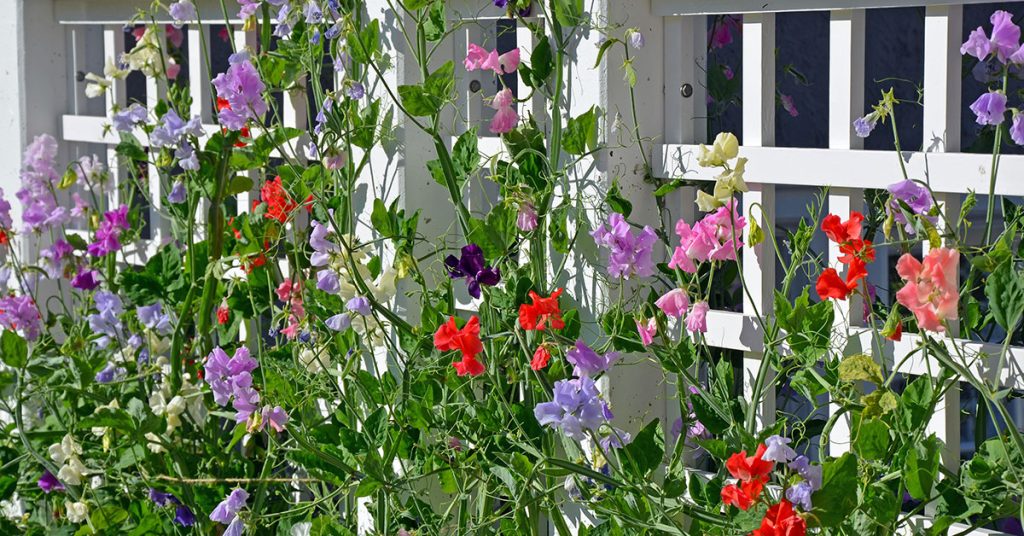
Oh, sweet peas! Their fragrance is so nostalgic and gentle, perfect for a romantic event. These climbing annuals come in dreamy shades of white, pink, lavender, and even soft blues. I find they’re ideal for adding vertical movement to floral arrangements, or trailing delicately out of a bouquet for a more natural look.
Native to Sicily and parts of the eastern Mediterranean, sweet peas aren’t invasive but will reseed in the right conditions. They’re one of those plants that just charms everyone—hummingbirds adore them, and they even attract some helpful parasitic wasps that deal with garden pests. If you grow your own for a wedding, sow them in early spring in cool soil.
Anemones
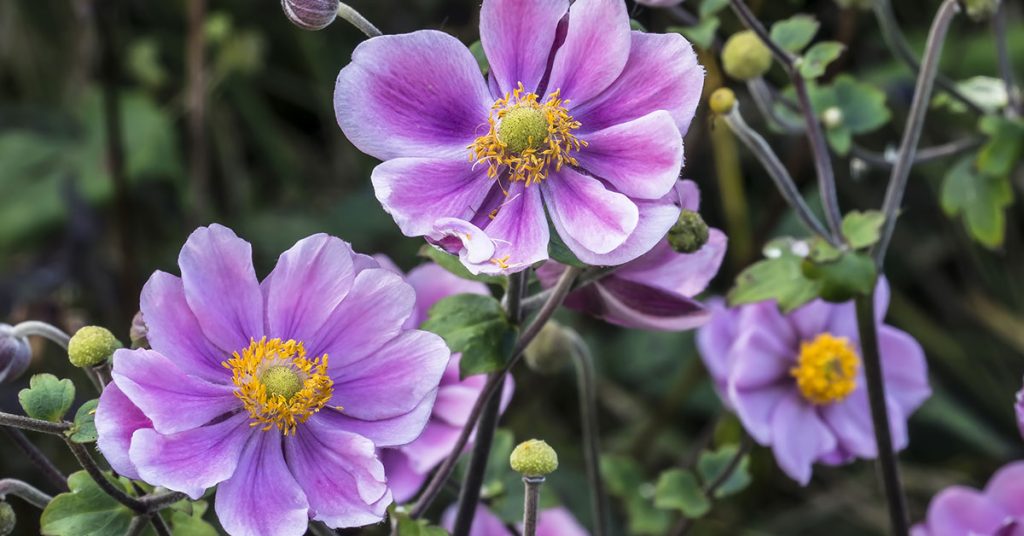
There’s something so striking about anemones. Their crisp white petals and dark black or blue centers give them a bold, graphic look that’s incredibly stylish in modern weddings. I especially love them paired with greenery and other pale florals to let their centers pop! They’re also wonderful because they bloom in early spring, when other flowers might still be sleeping.
Anemones are native to temperate zones in both hemispheres, including parts of Europe, North America, and Japan. Most wedding varieties come from the Anemone coronaria group, which aren’t invasive and can even be grown from tubers in your own garden. Bees visit them occasionally, though they’re not a major nectar source—but their visual impact more than makes up for that!
Ranunculus
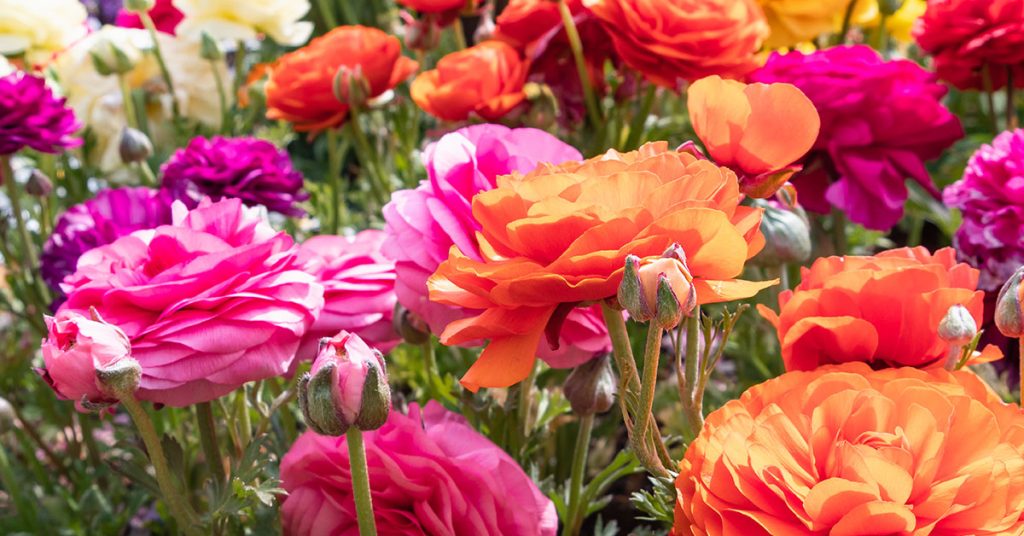
Ranunculus are so dainty and detailed—they look like they’ve been folded out of paper. Their tightly packed petals and incredible range of colors make them a must-have for bouquet lovers. I find they’re one of the best flowers to mix with others because their shape complements both roses and more airy blooms like lisianthus.
Native to the Mediterranean and southwest Asia, cultivated ranunculus varieties (especially Ranunculus asiaticus) are not considered invasive. They’re grown from tuberous roots and can sometimes be tricky to get just right in colder climates, but their reward is worth it. Butterflies may stop by them in the garden, though they’re mostly grown for show.
Jasmine

The scent of jasmine in a wedding bouquet? Pure magic. I often recommend jasmine vines for weddings, especially if the couple is going for a slightly wild, whimsical aesthetic. The little white star-shaped flowers have such a clean and sensual fragrance, and they trail so beautifully through arrangements.
There are many types of jasmine, but the one most commonly used in weddings is Jasminum polyanthum, native to China. This species can be invasive in some parts of Australia and the southern U.S., so if you’re growing your own, be sure to check your region. Still, it’s a favorite for indoor trellises and temporary floral displays. Bees absolutely adore jasmine’s scent!
Dahlias
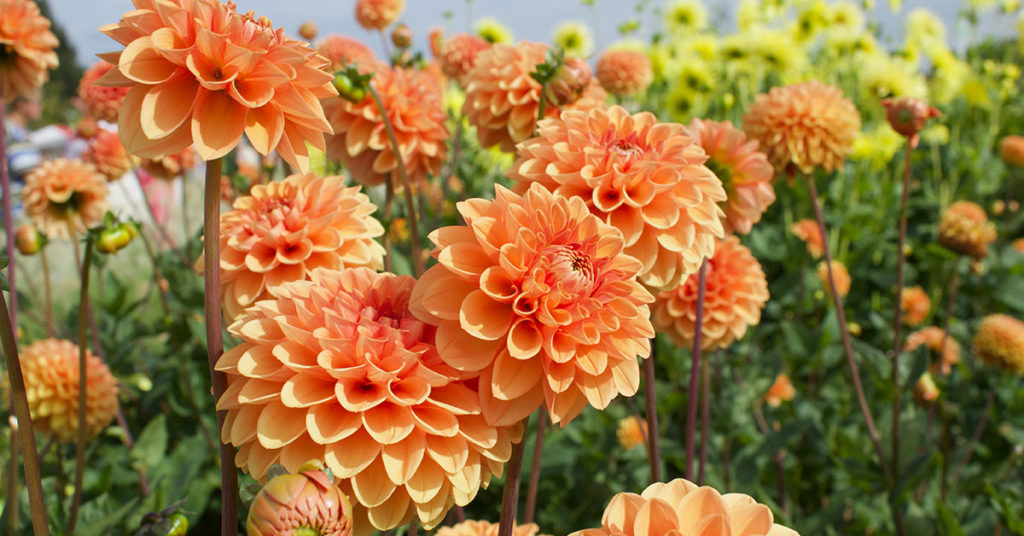
Talk about drama! Dahlias bring structure, color, and vibrancy to any bouquet. Some look like pompoms, while others have spiky or starburst petals that seem almost geometric. What makes dahlias wedding-perfect is how many varieties you can choose from to suit your theme—whether you’re going for boho, classic, or ultra-modern.
Native to Mexico and Central America, dahlias are not considered invasive, though they do grow from tubers and can get quite large in favorable climates. Pollinators such as bees and hoverflies are often drawn to open-centered varieties. And while they need some extra attention in cooler climates (you’ll want to dig up tubers in fall), they’ll reward you with months of bloom time.
Lisianthus
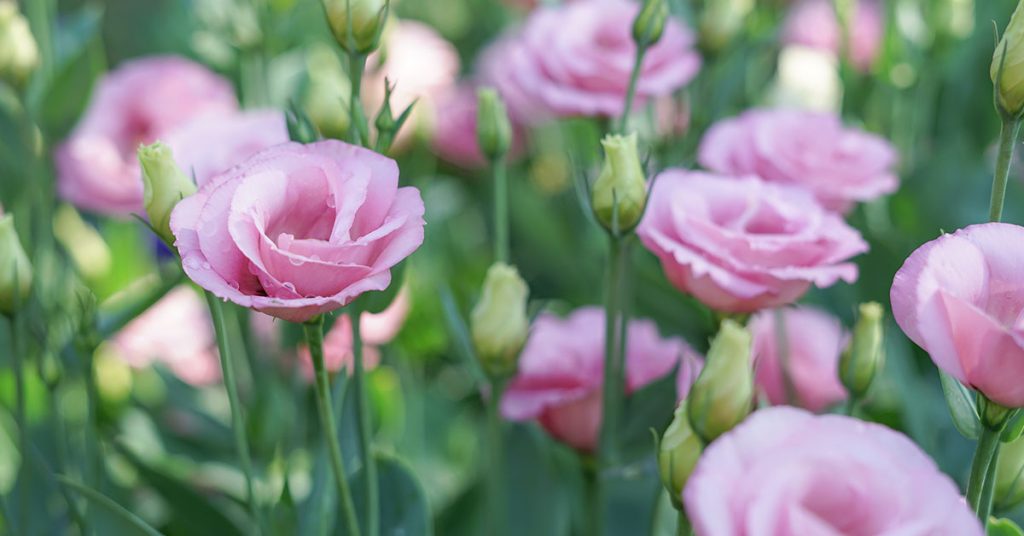
Lisianthus often gets mistaken for roses, and honestly, I don’t blame anyone—they’re that gorgeous! With their ruffled petals and soft colors, lisianthus brings elegance and softness to bouquets. I adore them for their versatility; they can play a lead role or complement other flowers like eucalyptus or ferns.
Native to the southern U.S. and Mexico, lisianthus (Eustoma grandiflorum) is not invasive. It’s actually a prairie plant that’s been selectively bred for color and form. These flowers aren’t known for attracting pollinators, but in a floral arrangement, they shine for their long vase life and romantic shape.
Cosmos
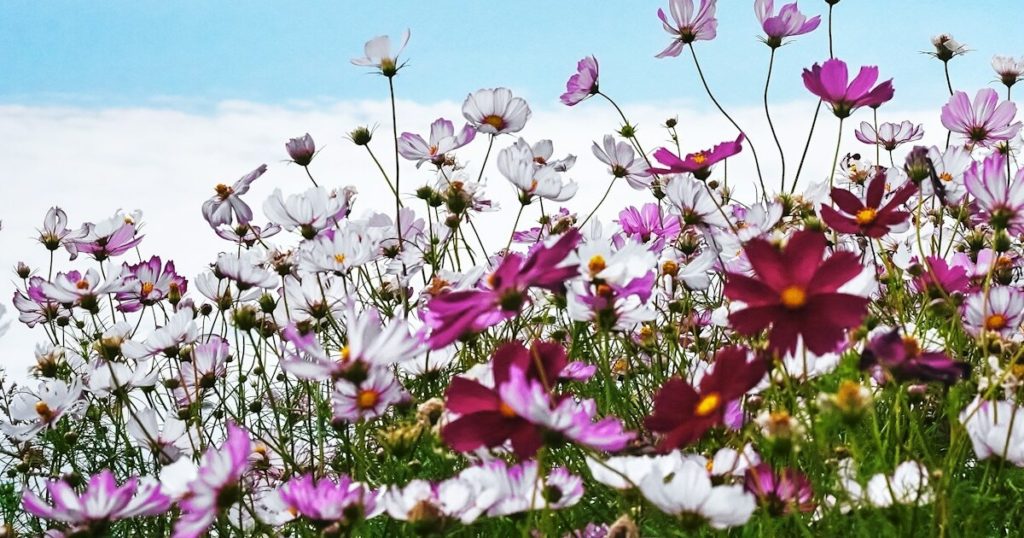
Cosmos are light and breezy, and that’s exactly the feeling they bring to a wedding bouquet. Their airy stems and daisy-like flowers make them perfect for more informal or garden-style weddings. I especially love the blush-pink and white varieties paired with herbs or native grasses.
Originally from Mexico and Central America, cosmos are not invasive but do reseed easily. They attract butterflies like crazy and are great companions in the garden. For weddings, they add that ethereal, just-picked look that’s become so popular with couples going for a more natural aesthetic.
Hydrangeas
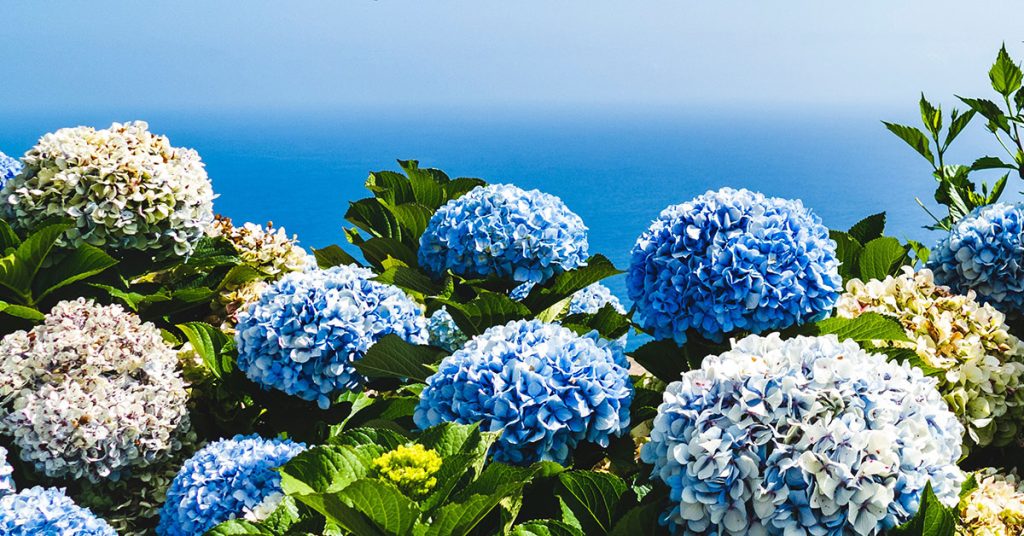
If you’re after fullness and drama, hydrangeas will not let you down. Their massive globe-shaped flower heads are breathtaking in big bouquets and installations. I’ve seen hydrangeas used to stunning effect in both formal cathedral weddings and backyard ceremonies—they’re that adaptable!
Native to Asia and the Americas, hydrangeas aren’t generally invasive but can spread vigorously depending on the species and soil. They’re not especially attractive to pollinators, but they offer incredible color range, including soft blue, creamy white, blushing pink, and even green-tinged varieties that look amazing in fall weddings.
Stephanotis
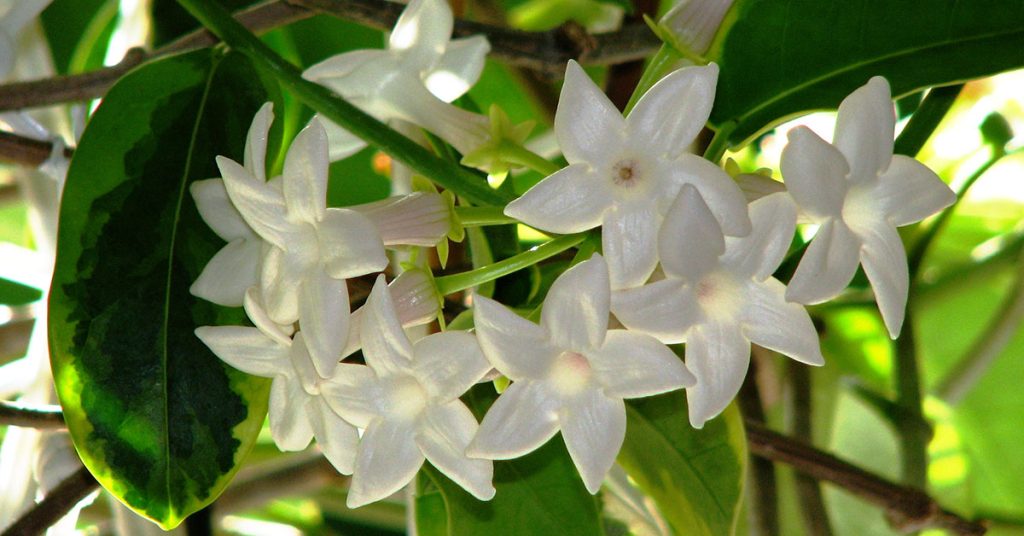
Stephanotis is sometimes called the “wedding flower,” and for good reason—it’s long been a traditional choice for bridal bouquets and corsages. The waxy, star-shaped white flowers symbolize marital happiness. Their tidy size and subtle scent make them ideal for intricate bouquet work.
Originally native to Madagascar, stephanotis is a tropical vine and not invasive, especially outside of warm climates. It’s grown more often as a greenhouse or indoor plant. It doesn’t do much for pollinators in most settings, but for weddings, it’s prized for its elegant simplicity and beautiful symbolism.
Delphinium
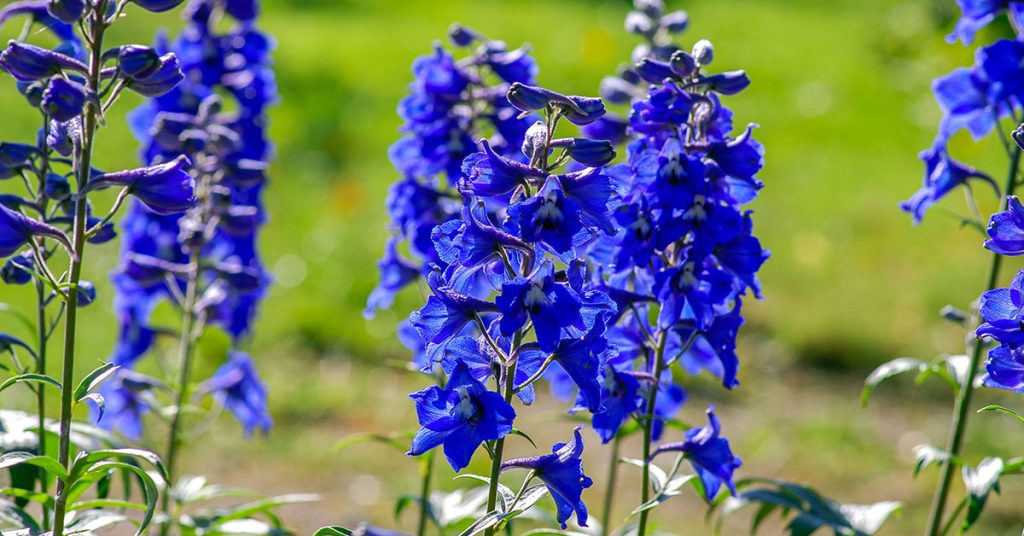
If you’re planning on using vertical floral arrangements or arches, delphiniums are a must. Their tall spires of blue, lavender, or white flowers make them perfect for drawing the eye upward. I think they’re one of the most majestic flowers for weddings—they carry a sense of calm and elevation.
Delphiniums are native to the Northern Hemisphere, especially North America and parts of Europe and Asia. They’re not invasive, though they do like cool climates and rich soil. Bees and bumblebees often enjoy delphiniums, especially the older varieties with open centers. Just be cautious—they’re toxic if ingested, so keep them away from pets and curious kids.
Scabiosa
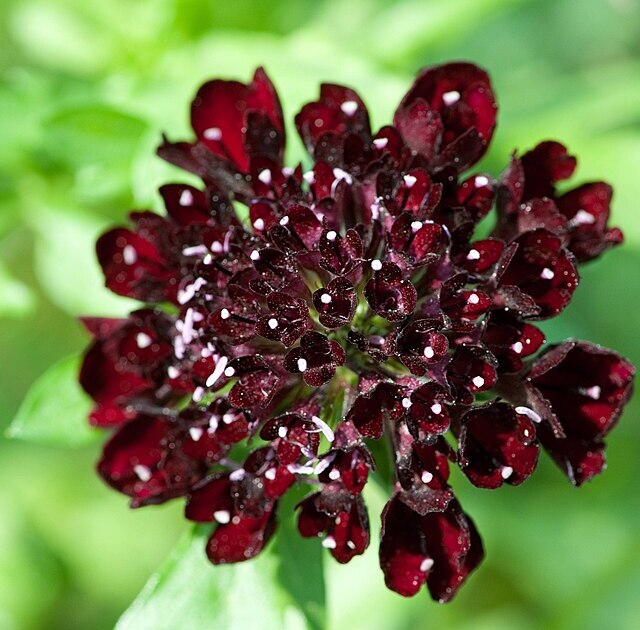
Also known as pincushion flowers, scabiosa are delicate yet quirky. They add texture and whimsy to bouquets and boutonnieres. I love them for their subtle movement—the way they nod and sway adds life to any arrangement. They’re often used in meadow-style or wildflower-themed weddings.
Native to Europe, Asia, and Africa, scabiosa are not invasive and are a favorite of butterflies and bees. Their round centers and ruffled petals give them that wildflower charm, and they mix beautifully with both soft florals and seedpods. You can grow them from seed easily if you’re planning ahead!
Tuberose

If you’ve never smelled tuberose, you’re missing out on one of the most luxurious floral fragrances! It’s rich, creamy, and unforgettable—perfect for a nighttime wedding or romantic setting. The blooms themselves are tall, white, and elegant, and often used in perfume for a reason.
Tuberose is native to Mexico and is not considered invasive. It’s a bulbous plant that loves warmth and sunlight, and while it’s not a huge magnet for pollinators, its scent alone creates an atmosphere. I always say if you want your bouquet to leave a lasting memory, tuck in a few sprigs of tuberose!
Calla Lilies
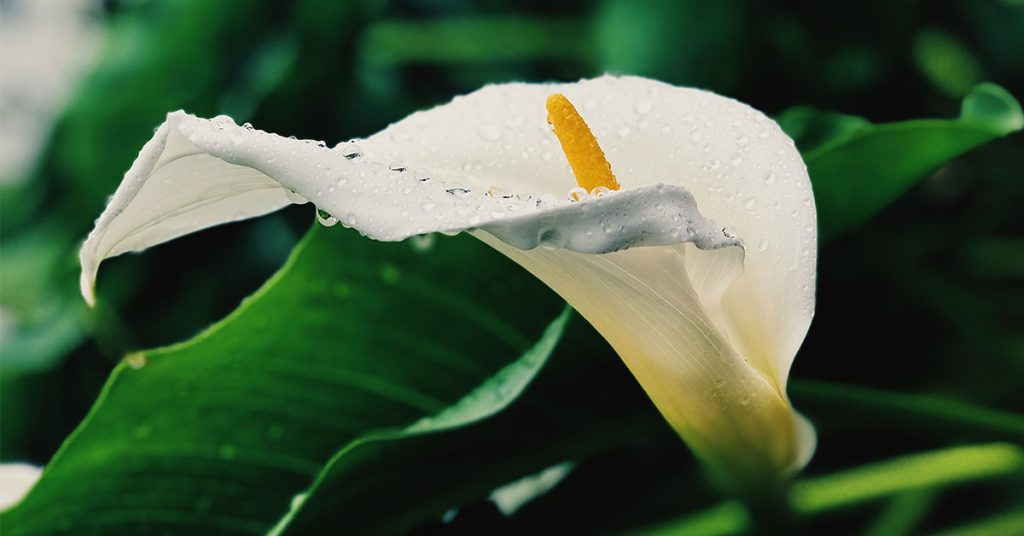
Calla lilies bring a sculptural grace to wedding florals. Their smooth, trumpet-shaped blooms look almost modern, and they come in a range of colors—pure white is the most iconic, but deep plum and soft peach are also stunning. I love them for boutonnieres, too, where their clean lines really shine.
Native to southern Africa, calla lilies (Zantedeschia spp.) are not invasive in most climates, though in wet areas like Florida they can spread aggressively if not managed. They’re not known for attracting pollinators, but they carry powerful symbolism—purity, rebirth, and elegance—which makes them a thoughtful choice for ceremonies.