
Cultivating a garden that nourishes both the soul and the senses is such a rewarding journey. As gardeners, we seek more than just beauty; we crave a living sanctuary where each bloom resonates with intention and meaning. Whether you’re meditating among dew‑tipped petals or crafting floral offerings, choosing flowers revered for their spiritual symbolism adds depth to your practice. From ancient temple gardens to modern mindfulness retreats, these fifteen flowers have long inspired introspection, healing, and connection to something greater than ourselves.
I know how uplifting it feels to wander through a fragrant pathway of blossoms that seem to glow with intention. Yet it can be daunting to sort through countless options. That’s why I’ve gathered a curated list—each plant chosen for its sacred associations, ease of growth, and ability to support local ecosystems. You’ll learn where these flowers hail from, whether they pose any invasive concerns, and how they invite beneficial insects and nesting pollinators into your garden. Let’s embark on this spiritual planting adventure together!
Peony
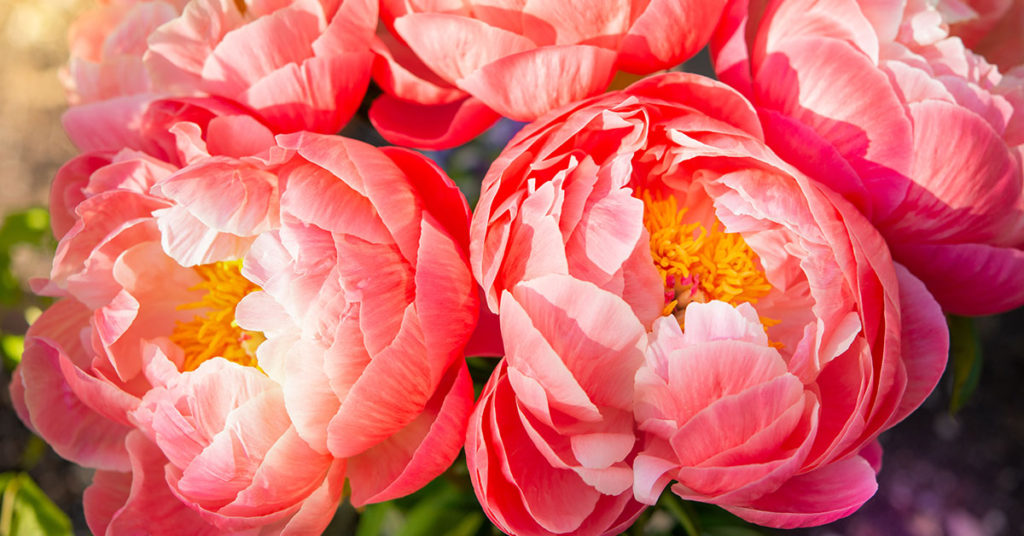
Peonies, native to China and parts of Europe, have symbolized prosperity, honor, and compassion for centuries. Their lush, layered blooms invite bees—and even garden bumblebees—to nest in surrounding ground cover, boosting pollination across your sacred space. While peonies remain non‑invasive in most regions, giving them well‑draining soil and full sun ensures vibrant spring displays that enrich meditation corners with their heady fragrance.
I love watching pollinators dance among peony petals at dawn! As the day warms, spider mites and aphids may appear, but encouraging ladybugs—by planting nearby yarrow or dill—helps keep these pests in check. Peonies’ sturdy stems also provide nesting materials for solitary bees, turning your spiritual haven into a thriving insect oasis!
Jasmine

With origins in the warm woodlands of South and Southeast Asia, jasmine’s star‑shaped white flowers represent purity and divine love. Their sweet night‑blooming scent attracts moths and nocturnal pollinators, creating an ethereal evening ritual in your garden. As a non‑invasive vine or shrub (depending on variety), jasmine adds height to spiritual pathways without overtaking other companions.
It’s such a delight when jasmine-sipping hawk moths hover among the blooms! To support these graceful visitors, include a shallow water source with pebbles nearby. The interplay of light, scent, and silent wings fosters a meditative atmosphere that deepens your connection to nature’s nighttime magic.
Moonflower
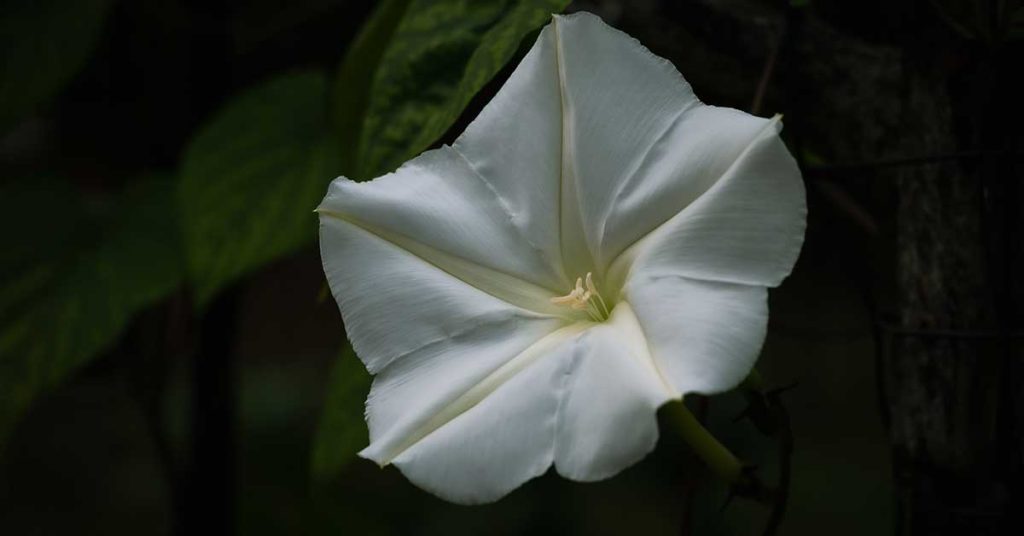
Native to tropical Americas, moonflowers unfurl their silky white corollas at dusk, embodying transformation and intuition. Their large, trumpet‑shaped blooms beckon night‑active insects like sphinx moths, which in turn bring an enchanting movement to moonlit gardens. Although vigorous, moonflower is not typically invasive in cooler zones, so it’s perfect for containers or trellised fences.
One of my favorite moments is unwinding with tea as moonflowers whisper open under starlight! To keep volunteer seedlings in check, pinch back stray shoots before they reseed excessively. This keeps your sacred space intentional, allowing each bloom to shine in harmony with your evening meditations.
Echinacea (Purple Coneflower)

Echinacea, indigenous to North America’s prairies, symbolizes strength, healing, and spiritual resilience. Its coneflower heads draw native bees and solitary wasps, which nest in bare patches of soil—so leave small “insect beaches” nearby to encourage these garden guardians. Non‑invasive and drought-tolerant, echinacea adds architectural interest and reliable late‑summer blooms to any contemplative garden.
I find it so energizing to see goldfinches perched on echinacea seedheads in autumn! The abundant seeds also feed birds through winter, extending your garden’s spiritual nourishment into colder months. This reciprocal relationship reminds us that healing extends beyond the growing season.
Calendula (Pot Marigold)

Calendula officinalis, native to the Mediterranean, has long been linked to the sun’s warmth, symbolizing protection and purification. Its bright orange and yellow petals attract hoverflies and lacewings—excellent predators of aphids—while ground‑nesting bees burrow in nearby tilled soil. As a non‑invasive annual, calendula is ideal for weaving bright accents throughout herb and meditation gardens.
It’s such a joy to harvest calendula petals for tea, then watch butterflies flit among the blooms! Planting calendula in clusters encourages pollinator hotspots, while gentle deadheading prolongs flowering. This continuous color and life provides a visual mantra for cycles of renewal.
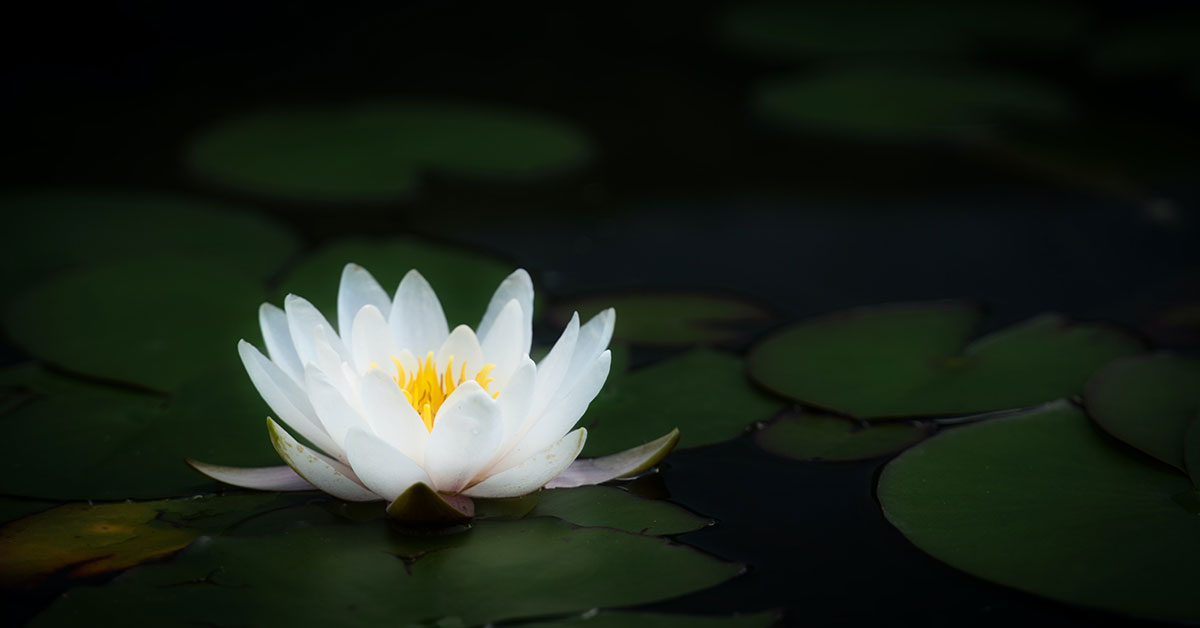
Lotus

The sacred lotus (Nelumbo nucifera), hailing from Asia’s wetlands, stands for purity emerging from murky depths. Ideal for water gardens or large containers, its floating leaves and luminous blossoms draw dragonflies and damselflies, whose larvae help manage mosquito populations. Lotus is not invasive in temperate climates, but check local guidelines before planting in natural water bodies.
One of my favorite morning rituals is drifting among lotus blooms in a canoe! Their dramatic presence infuses reflection ponds with a sense of sacred calm. Plus, the hovering pollinators and sun-loving bees buzzing around reinforce the interconnected web of life.
Sunflower
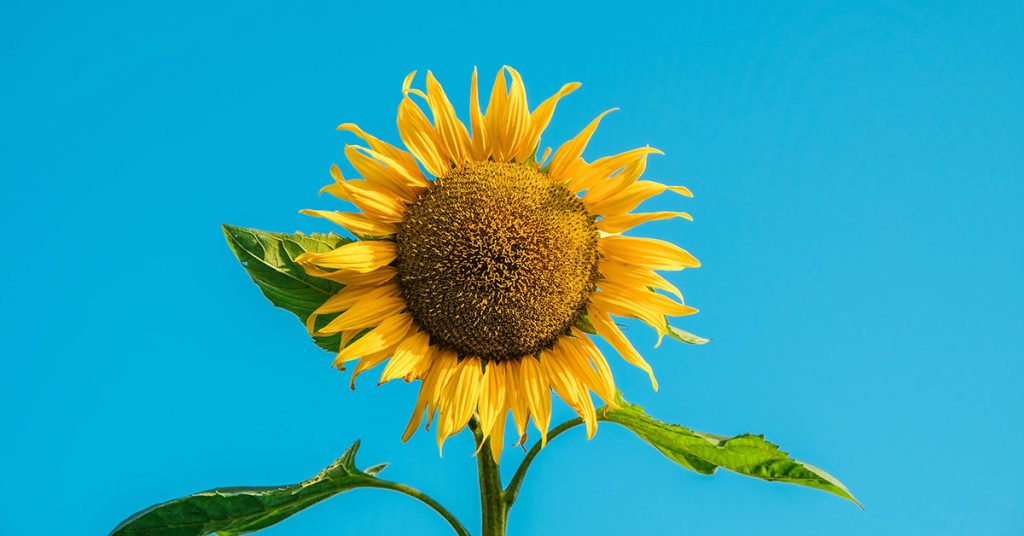
Originating in North America, sunflowers (Helianthus annuus) embody warmth, faith, and spiritual adoration. Their towering stalks and large flower heads provide perches for orioles and nesting spots for small birds, while native solitary bees tuck into the disk florets to collect pollen. Non-invasive when grown as an annual, sunflowers bring cheerful energy to meditation circles and ritual clearings.
Watching bumblebees burrow into sunflower blossoms feels like witnessing pure devotion! Sow seeds directly after frost, and stagger plantings to enjoy continuous golden faces throughout summer. Their radiant presence uplifts the spirit and invites joyful gatherings under open skies.
Gardenia
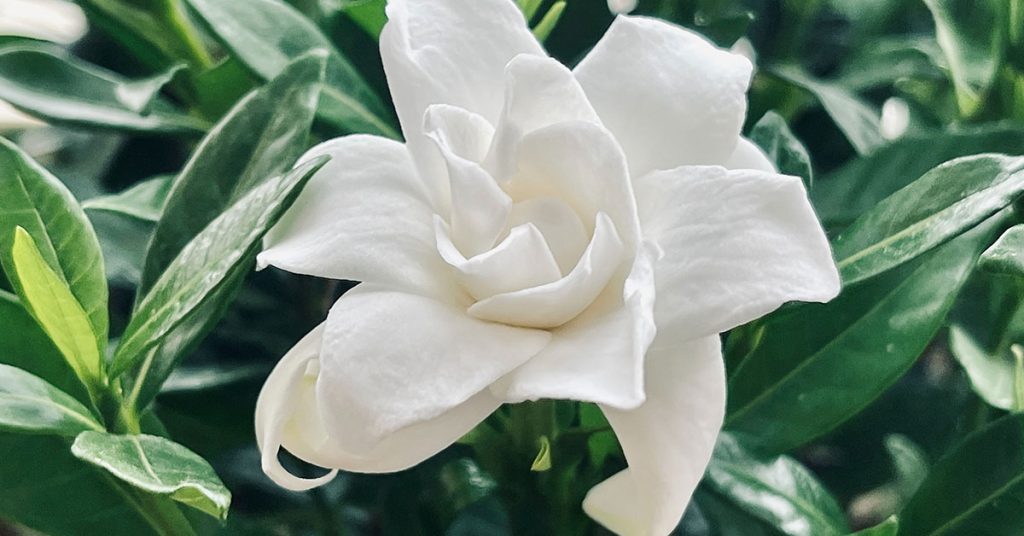
Gardenias, native to Asia and Africa, are prized for their intoxicating white blooms symbolizing peace and clarity. Though a bit finicky—preferring acidic, well‑draining soil and partial sun—their floral scent is a magnet for butterflies and moths. Gardenias are not generally invasive, provided you avoid planting them in frost-prone sites.
I can’t think of anything more meditative than inhaling gardenia’s rich perfume at dusk! To support pollinators, maintain a light mulch of leaf litter underneath, which harbors beneficial ground beetles and nesting bees. These small creatures help keep your garden’s energy balanced as blossoms unfurl.
Passionflower

Passionflower (Passiflora incarnata), native to the southeastern United States, carries deep symbolism of spiritual passion and transcendence. Its intricate, frilly corollas intrigue hummingbirds and carpenter bees, which probe for nectar and inadvertently pollinate. Although vigorous, most passionflower species aren’t invasive in cooler climates; containment in a trellis or arbor keeps growth harmonious.
One of my most memorable sights was a hummingbird hovering mid‑air beside passionflower tendrils—it felt like witnessing pure devotion! By planting in well‑drained soil and pruning lightly after flowering, you’ll encourage repeated blooms that fuel both pollinators and your spiritual practice.
Chamomile
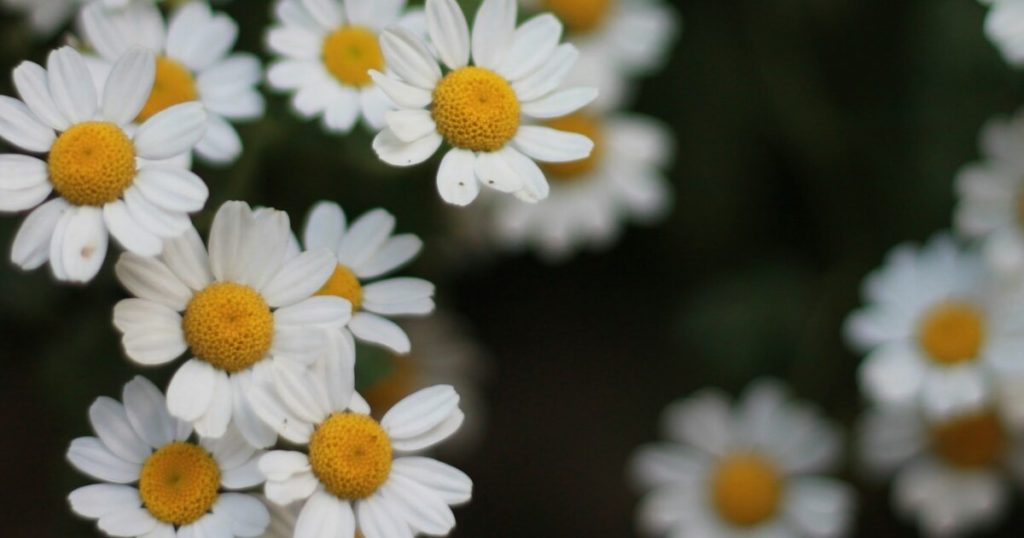
Chamomile, originating from Western Europe, represents relaxation, healing, and inner peace. Its daisy‑like blooms attract tiny hoverflies and predatory wasps, which nest in undisturbed soil—so resist over‑tidying to encourage their beneficial presence. As a gentle annual or perennial (depending on species), chamomile self-seeds modestly without becoming invasive in most gardens.
Few things soothe the soul like sipping chamomile tea made from your own garden’s blooms! Harvest flowers early in the morning when their essential oils peak, and scatter some seeds for next year’s harvest. Watching pollinators flit among the petite blossoms reinforces the gentle rhythms of rest and renewal.
Lily
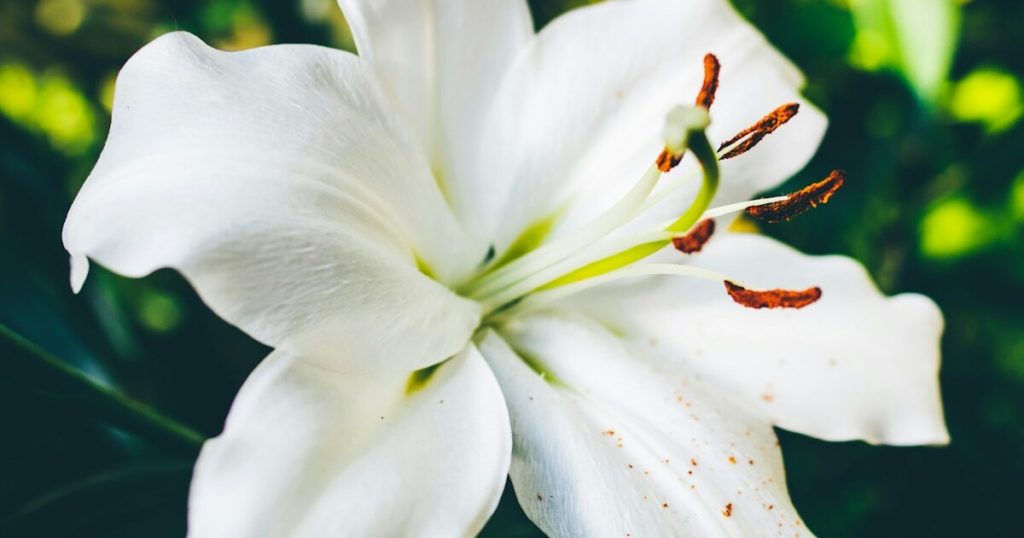
Lilies, from temperate regions across Asia and North America, symbolize purity and renewal. Their trumpet‑shaped blooms offer landing platforms for butterflies and bumblebees, which nest in nearby grasses and hollow stems. Most garden lilies aren’t invasive, though keep an eye on aggressive species like L. lancifolium, and divide clumps every few years to manage spread.
One of my favorite garden moments is spotting a swallowtail butterfly sipping at a lily at dawn! To support these majestic pollinators, provide flat stones nearby for sunbathing and shallow water dishes. The stately blooms create focal points for contemplation and ceremony.
Rose

Roses, with origins in Europe and Asia, stand for love, devotion, and spiritual transformation. Their scented petals lure bees, hoverflies, and even beneficial predatory beetles that lay eggs in the loose soil beneath. While some rose species can naturalize, modern cultivars are typically well-behaved when pruned and mulched properly.
I know how uplifting it feels to weave fresh rose petals into prayer garlands! Plant roses in sunny spots with lean, well-draining soil, and encourage nesting by leaving small patches of bare earth at their base. These flowering guardians embody compassion and grace in every petal.
Marigold
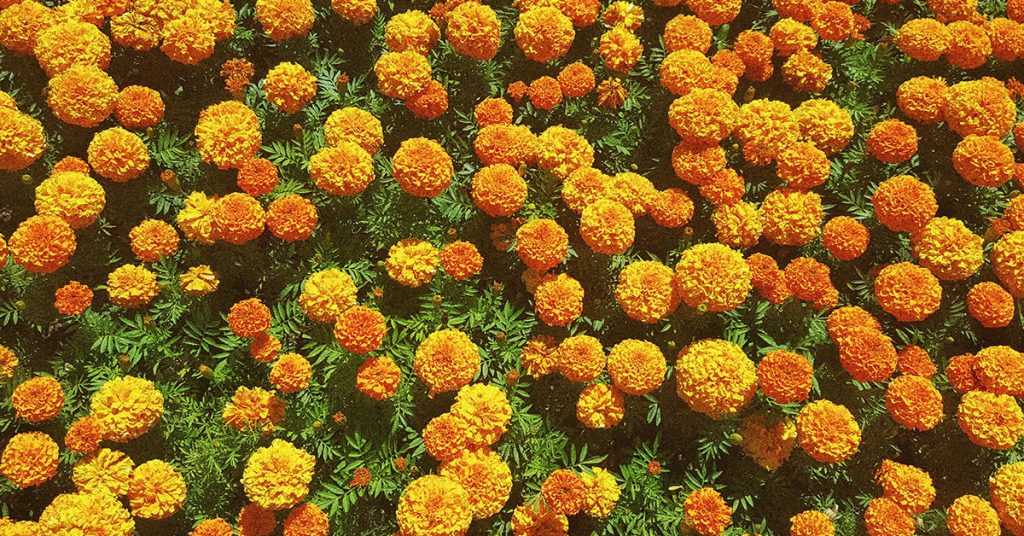
Calendula officinalis, native to the Mediterranean, has long been linked to the sun’s warmth, symbolizing protection and purification. Its bright orange and yellow petals attract hoverflies and lacewings—excellent predators of aphids—while ground‑nesting bees burrow in nearby tilled soil. As a non‑invasive annual, calendula is ideal for weaving bright accents throughout herb and meditation gardens.
It’s such a joy to harvest calendula petals for tea, then watch butterflies flit among the blooms! Planting calendula in clusters encourages pollinator hotspots, while gentle deadheading prolongs flowering. This continuous color and life provides a visual mantra for cycles of renewal.
Lily‑of‑the‑Valley
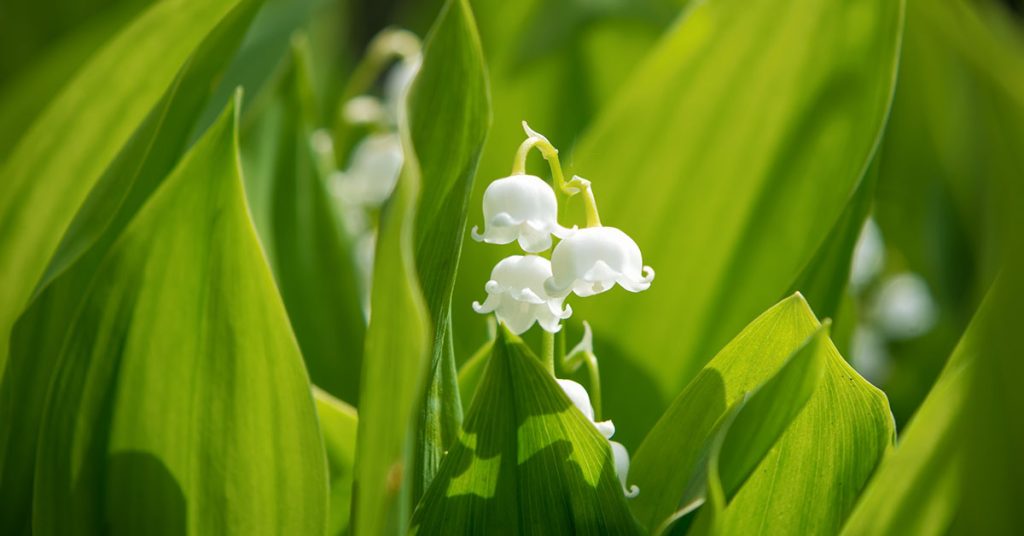
Lily‑of‑the‑Valley (Convallaria majalis), native to Europe and parts of Asia, symbolizes humility and the return of happiness. Its delicate, bell‑shaped flowers are beloved by small native bees, which nest in mossy shaded soils nearby. While vigorous, it can spread via rhizomes in ideal conditions—so plant in containers or controlled beds if you’re concerned about its expansion.
I love stepping into a woodland corner filled with that heavenly, honeyed scent! Regular division every few years keeps lily‑of‑the‑valley in balance and ensures fresh, fragrant blossoms. Their gentle charm and subtle pollinator visitors make them perfect for quiet reflection spaces.