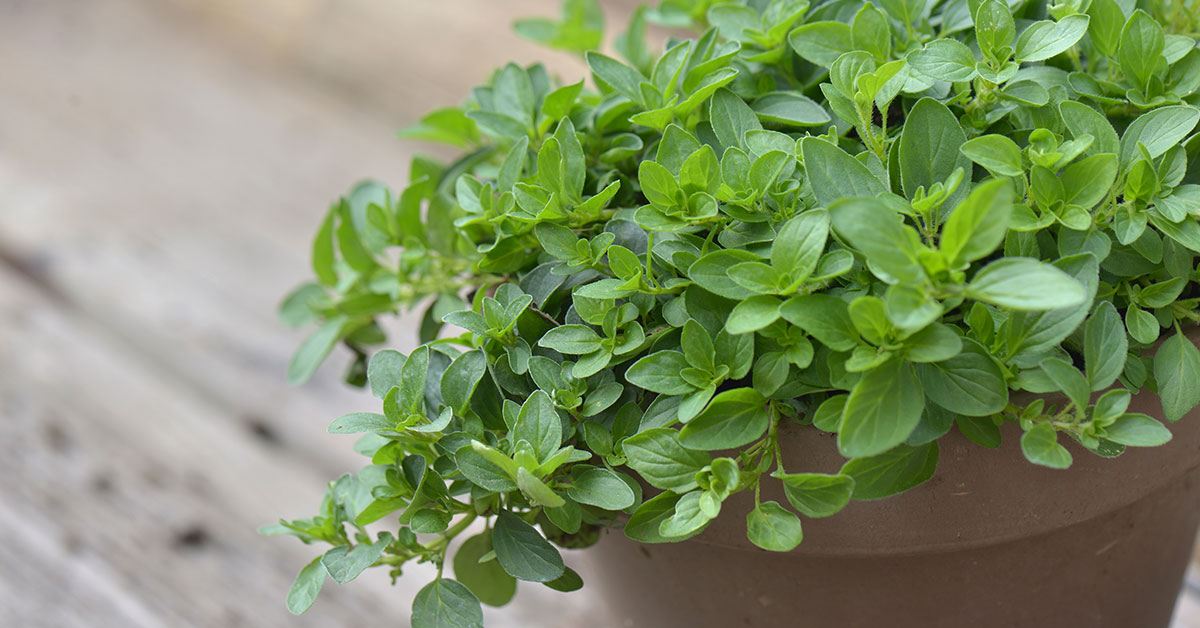

Windowsill gardening is a wonderful way to bring the bounty of nature right into your home, even if you’re limited on space! As an enthusiastic gardener who’s spent years experimenting with indoor plants, I know exactly how frustrating it is when pests invade or when you struggle to find herbs that are both low-maintenance and delicious. In this article, I’m excited to share 15 easy-to-harvest herbs that are perfect for your windowsill—each with its own native roots, unique behaviors, and even a few surprises like attracting beneficial insects or providing a cozy spot for nesting critters!
There’s nothing quite like snipping fresh herbs straight from your windowsill garden for that extra burst of flavor in your cooking. I’ve learned that these plants not only elevate your culinary creations but also add a splash of greenery and life to your indoor space. Whether you’re a seasoned gardener or just starting out, join me on this journey as we explore these delightful herbs, their origins, and the little ways they help create a vibrant, healthy ecosystem right at home!
Mint
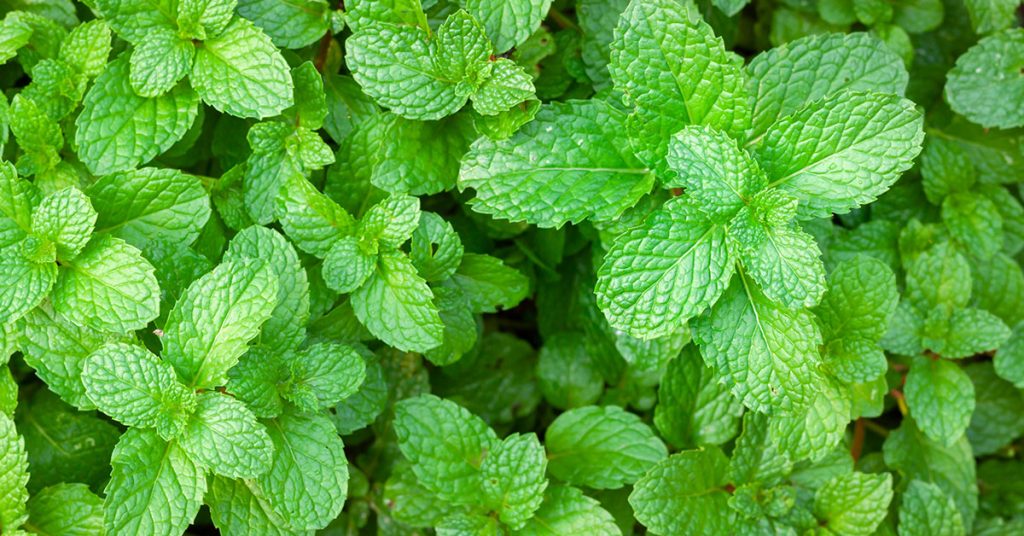
Mint is a refreshingly aromatic herb that thrives on a sunny windowsill and fills your home with a burst of cool, invigorating fragrance! Native to Europe and Asia, mint has made its way into gardens all over the world due to its ease of growth and rapid spread. While it can be invasive outdoors, when grown in a container it stays nicely contained and offers a controlled environment where beneficial insects sometimes even use its dense foliage as a safe haven for temporary nesting!
In my own kitchen garden, mint is a constant delight—it not only adds a zesty lift to teas and desserts but also attracts curious little bees and butterflies that flutter around its vibrant leaves. I appreciate how mint’s vigorous growth reminds me to occasionally trim it back, a task that yields plenty of fresh leaves for cooking and garnishing dishes. Its lively energy and hardy nature make it a staple for any indoor garden enthusiast looking for a low-maintenance yet rewarding herb!
Basil
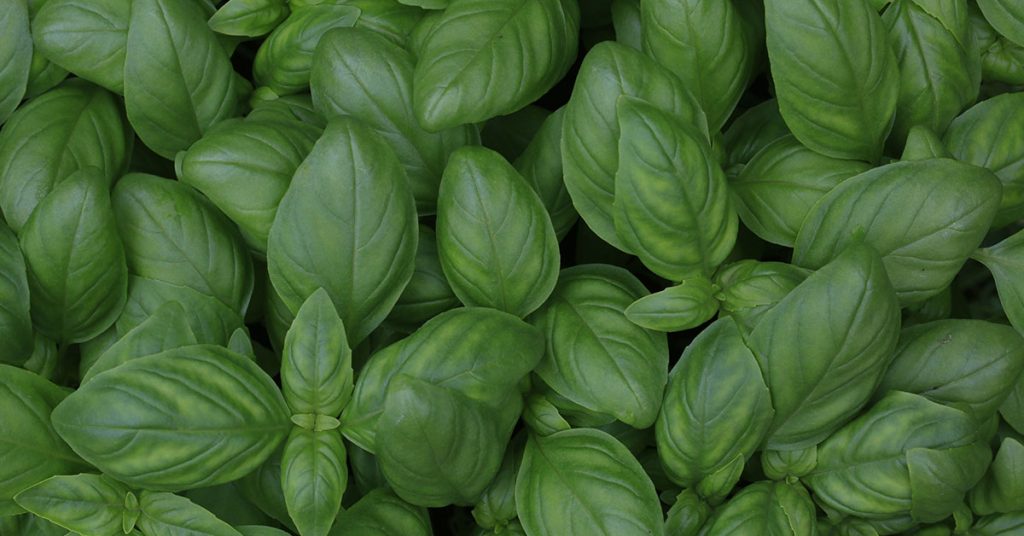
Basil is a classic favorite among herb gardeners, bringing a warm, spicy aroma and a touch of Italian magic to your windowsill! Originally native to tropical regions of central Africa and Southeast Asia, basil has become a beloved herb in kitchens worldwide. It isn’t considered invasive when grown in containers, which makes it an ideal choice for indoor gardening where you can keep its sprawling nature in check while still enjoying its lush, green leaves.
Every time I snip a fresh basil leaf, I’m reminded of the countless culinary adventures it inspires—whether it’s a burst of flavor in pasta sauces or a fragrant addition to salads! Basil’s blossoms are a treat for pollinators, and I’ve noticed tiny bees occasionally stopping by to sample its nectar, creating a little ecosystem of life right on my windowsill. The balance of bright leaves and delicate flowers makes basil not only a culinary gem but also a joy to watch and nurture!
Thyme
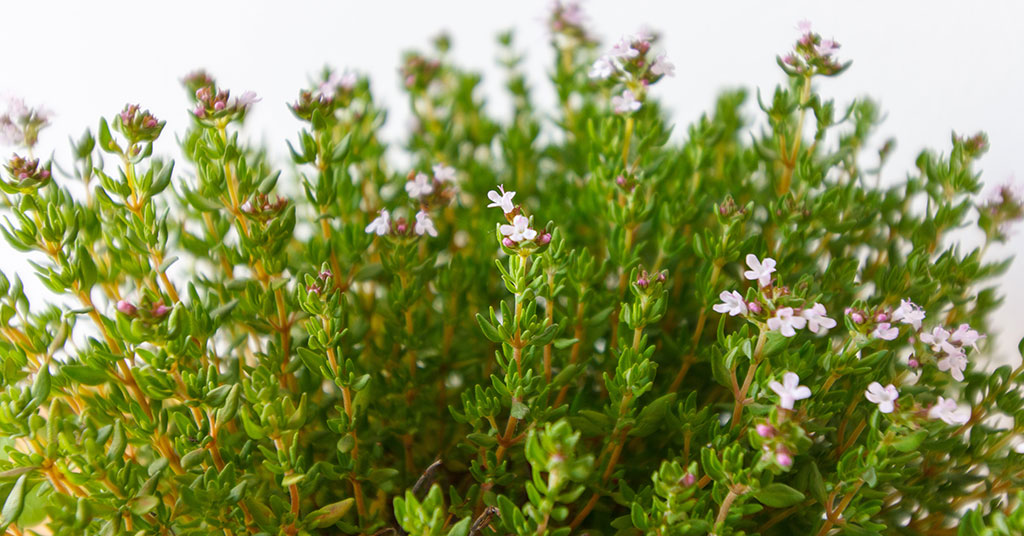
Thyme is a hardy, low-growing herb that packs a punch of earthy flavor and thrives even on the sunniest windowsills! Native to the Mediterranean region, thyme has long been cherished for its culinary versatility and resilience. While it’s not known for being invasive, thyme’s tendency to spread in optimal conditions means that growing it in a container keeps its growth manageable and perfect for indoor setups.
In my own garden, thyme serves as both a culinary delight and a natural attractor for small beneficial insects. I’ve seen tiny bees buzzing around its clusters of delicate flowers, and its low, creeping habit even offers a charming hiding spot for miniature critters seeking refuge. Its robust nature and subtle fragrance make thyme an essential herb that elevates both your cooking and your indoor garden’s charm!
Parsley
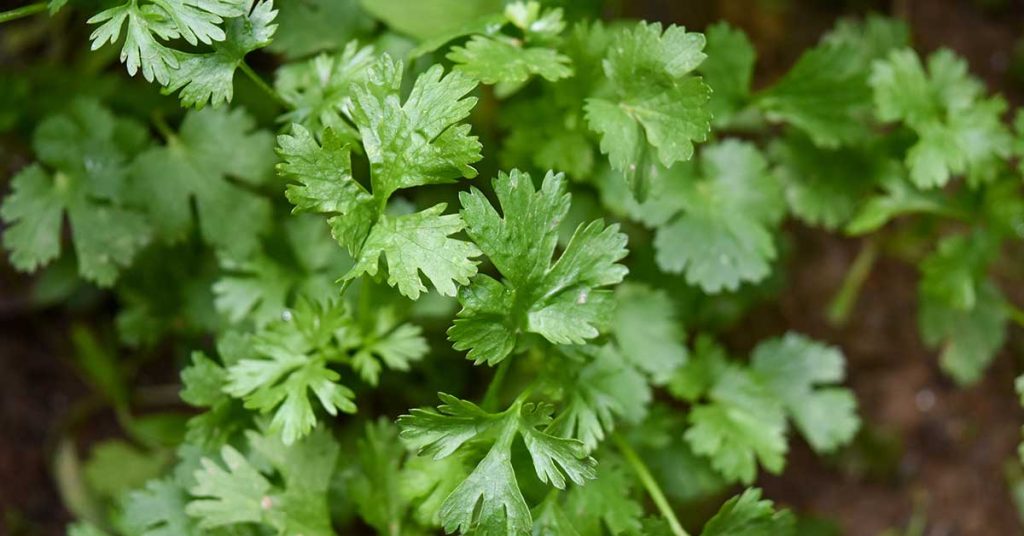
Parsley is a versatile herb that adds a burst of fresh flavor and a splash of vibrant green to your windowsill garden! Native to the Mediterranean region, parsley has been a favorite in kitchens for generations due to its ability to enhance a variety of dishes. Though it’s not considered invasive, parsley requires a bit of care to ensure its feathery leaves flourish, making it a delightful challenge for both novice and experienced gardeners.
In my experience, parsley not only enriches my culinary creations but also invites a host of beneficial insects to visit. I often spot tiny pollinators flitting among its frilly leaves, occasionally even using the dense foliage as a temporary nesting spot. Its lush appearance and refreshing taste remind me that every snip of parsley is a moment of triumph—a small yet significant step towards creating a thriving indoor garden!
Cilantro
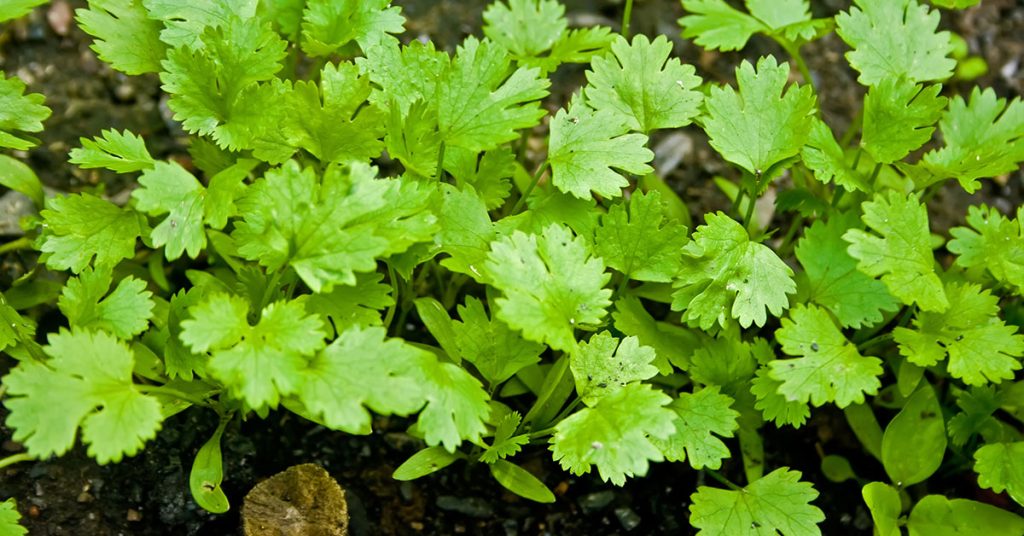
Cilantro is an herb that brings a burst of citrusy, bright flavor to your dishes and thrives remarkably well on a sunny windowsill! Native to regions spanning from Southern Europe to Southwestern Asia, cilantro is cherished worldwide for its dual role as both a fresh garnish and a key ingredient in countless recipes. It’s not invasive when grown in containers, making it a smart choice for indoor gardeners who appreciate its unique taste and easy growth habits.
I’ve found that cilantro is more than just a flavorful addition to my meals—it’s also a magnet for tiny beneficial insects that help maintain the balance of my indoor ecosystem. The gentle movement of its delicate leaves in the breeze seems to attract small bees and other pollinators, creating a lively microenvironment that makes every harvest feel like a celebration! Cultivating cilantro on a windowsill is both a culinary and ecological joy, offering a constant reminder of nature’s delightful surprises!
Chives
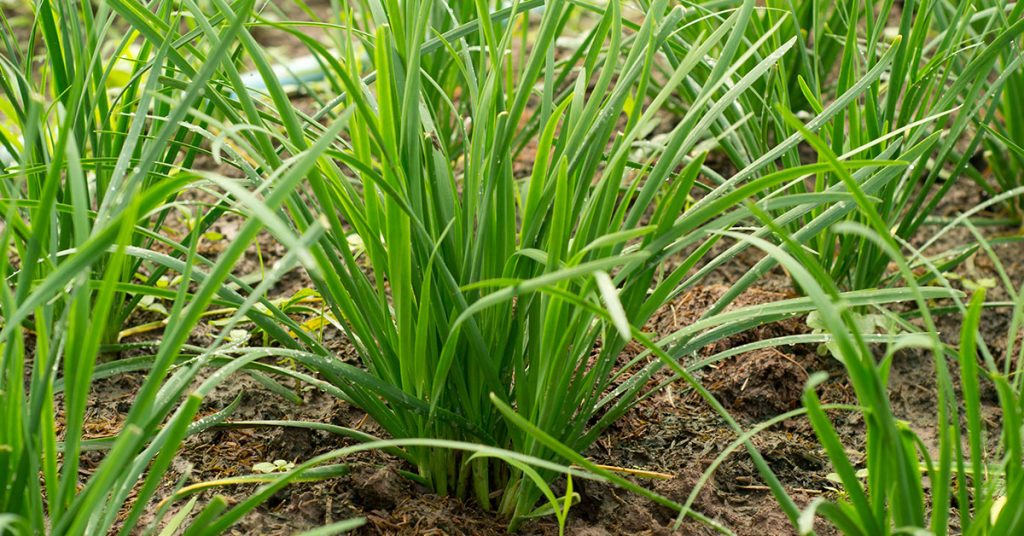
Chives are a must-have herb for any windowsill garden, prized for their mild onion flavor and striking, slender green stems! Native to temperate regions of Europe, Asia, and North America, chives are known for their hardy nature and ease of growth. They’re not invasive when confined to a pot, which makes them an excellent choice for indoor gardening, offering consistent harvests and minimal fuss.
In my garden, chives are more than just a garnish—they’re a living decoration that attracts tiny pollinators and beneficial insects. I often notice that the little blooms atop their thin stalks create a delicate canopy that serves as a cozy nesting spot for small insects. Their subtle yet refreshing flavor adds a culinary lift to countless dishes, and watching them flourish on my windowsill fills me with a sense of calm and satisfaction that only a true garden enthusiast can understand!
Rosemary
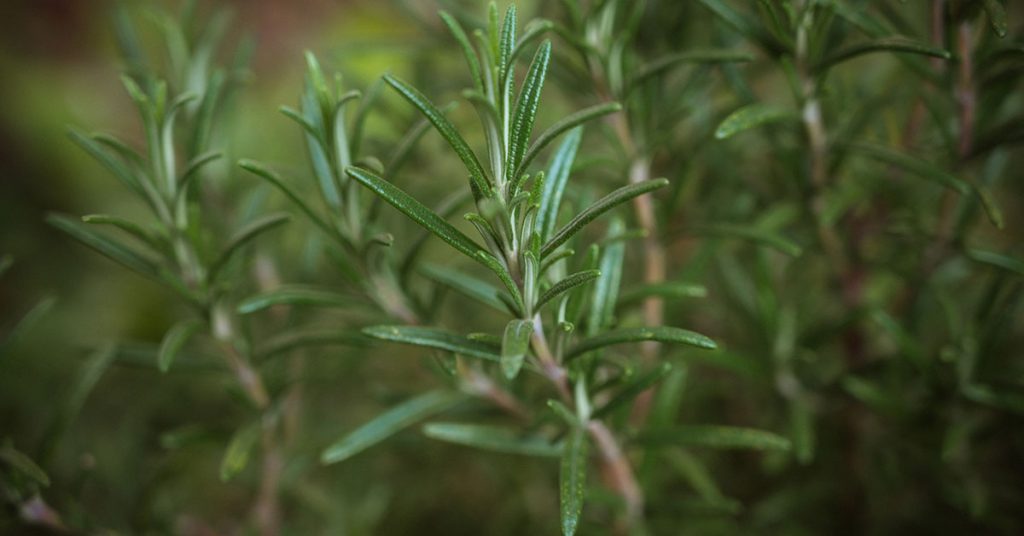
Rosemary is a fragrant, evergreen herb that not only elevates your culinary creations but also adds a touch of rustic charm to your windowsill garden! Native to the Mediterranean region, rosemary has been a trusted companion in both cooking and traditional medicine for centuries. While it’s non-invasive when grown in a container, its robust growth habit means that a little trimming here and there will keep it perfectly shaped for indoor displays.
I find it delightful to see how rosemary attracts a myriad of beneficial insects, including bees that are drawn to its aromatic blossoms. Its needle-like leaves and woody stems create a miniature landscape that feels both timeless and invigorating—a perfect blend of culinary and natural artistry! Rosemary’s hardy nature and enchanting aroma remind me that every snap of a branch is a testament to the enduring beauty of nature, even in the confined space of a sunny windowsill!
Oregano

Oregano is a flavor-packed herb that infuses a burst of Mediterranean spirit into any dish and thrives beautifully on a sunlit windowsill! Native to the Mediterranean region, oregano has long been a culinary staple known for its robust, earthy taste. It isn’t considered invasive when grown in a container, making it an ideal herb for indoor gardeners who want to enjoy its vibrant flavors without the worry of uncontrolled spreading.
In my kitchen garden, oregano not only spices up my recipes but also creates a hospitable microhabitat for beneficial insects. I’ve noticed that its small, clustered blooms attract a flurry of bees and butterflies, which sometimes even take shelter among its dense, aromatic leaves. Its rustic charm and versatility in the kitchen make oregano a delightful herb to nurture, ensuring that every meal is infused with a bit of sunshine and the natural goodness of homegrown produce!
Sage
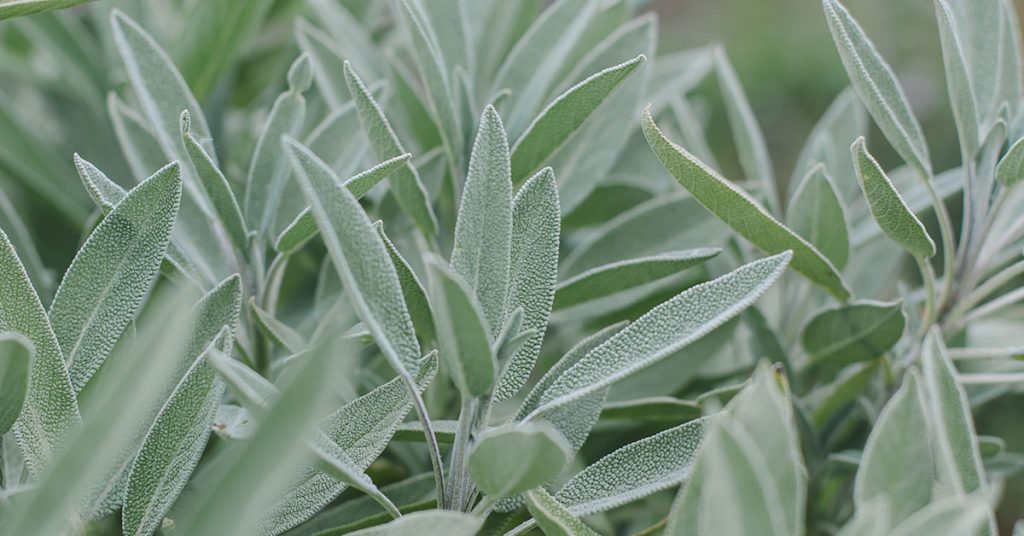
Sage is an herb steeped in history and flavor, known for its earthy, robust character and ability to stand up to a variety of dishes—perfect for your windowsill garden! Native to the Mediterranean region, sage has been used for centuries not only in cooking but also for its medicinal properties. It’s not invasive when grown in a pot, which makes it an excellent addition to any indoor herb collection, offering a fragrant and reliable harvest with minimal care.
In my experience, sage brings more than just culinary magic to the table—it also plays a subtle role in attracting beneficial insects. I’ve seen tiny bees and ladybugs visit the soft, velvety leaves, using them as a temporary refuge and even for nesting in quieter moments. Sage’s comforting aroma and enduring presence remind me that every pinch of this herb is a nod to nature’s wisdom, transforming even the simplest dish into a celebration of flavor and heritage!
Lemon Balm
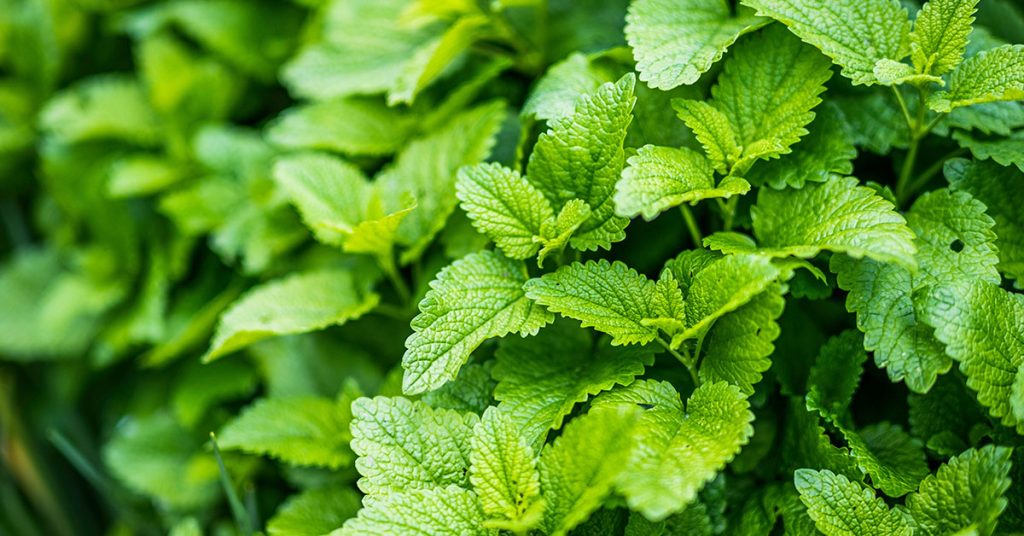
Lemon balm is a wonderfully uplifting herb that fills your space with a gentle, citrusy aroma while brightening up your windowsill garden! Native to Europe and Central Asia, lemon balm has been treasured for its soothing properties and refreshing zest. Although it can be invasive when grown outdoors, in a container it remains perfectly contained, making it a superb choice for indoor gardeners who crave a burst of lemony freshness without the risk of overgrowth.
In my garden, lemon balm not only enhances my teas and desserts but also serves as a delightful attractor for beneficial insects like bees and butterflies. I’ve often noticed these tiny visitors alighting on its tender leaves, as if seeking a moment of respite in its aromatic embrace. Its cheerful fragrance and resilient nature make lemon balm a true indoor gem—a herb that turns a simple windowsill into a vibrant, living sanctuary of flavor and vitality!
Lavender
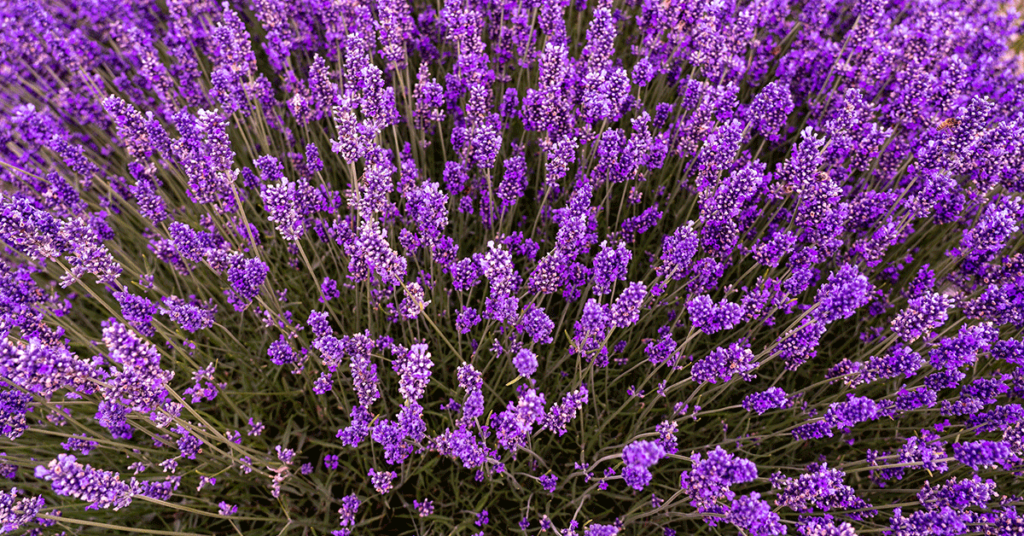
Lavender is an enchanting herb that effortlessly brings a touch of Provence to your windowsill, offering both a feast for the senses and practical benefits in the kitchen! Native to the Mediterranean, lavender has long been celebrated for its calming fragrance and striking purple blooms. While it isn’t considered invasive in a confined setting, its need for plenty of sunlight and well-drained soil means it’s best kept in a dedicated container on a sunny window ledge.
I’m always thrilled by the sight of lavender as it attracts a delightful array of bees and butterflies, each adding a flutter of life to my indoor garden. Its aromatic presence not only uplifts the spirit but also creates a small haven for beneficial insects, occasionally even serving as a nesting spot for tiny pollinators. The combination of beauty, scent, and practicality makes lavender one of my most cherished herbs—a true indoor treasure that fills every corner of my home with joy and tranquility!
Dill
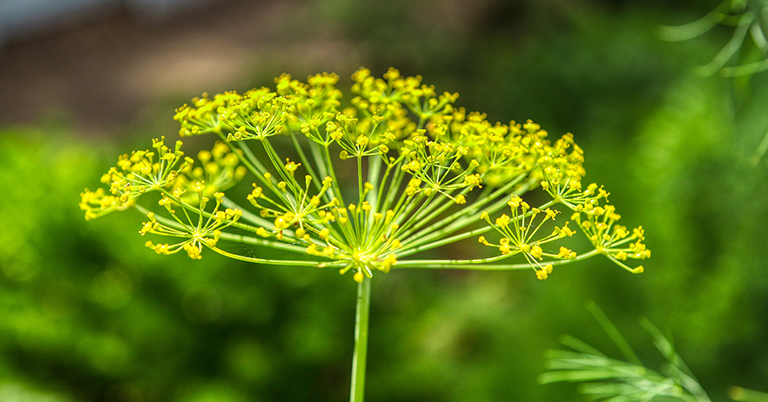
Dill is a charming herb with feathery foliage and a bright, tangy flavor that makes it a standout on any windowsill! Native to the Mediterranean and southwestern Asia, dill has long been appreciated for its culinary versatility and ease of cultivation. It’s not considered invasive when grown in a pot, which allows indoor gardeners to enjoy its delicate fronds without worrying about it overtaking other plants.
In my own little garden, dill not only spices up my pickles and salads but also attracts a host of beneficial insects, including tiny wasps and ladybugs that help keep the ecosystem in balance. I love how its wispy leaves seem to dance in the gentle indoor breeze, creating a miniature habitat that is both inviting and full of life. Dill’s effortless charm and robust flavor remind me that sometimes the simplest plants can make the biggest impact on both our plates and our hearts!
Tarragon
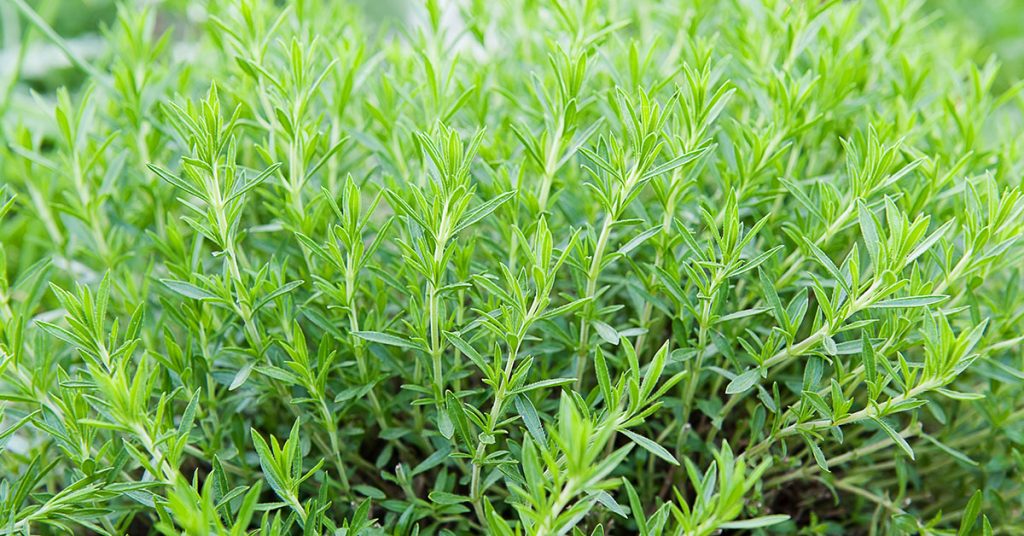
Tarragon is an herb with a sophisticated, slightly bittersweet flavor that adds a gourmet twist to your homegrown produce! Native to Eurasia, particularly from regions in Eastern Europe and Central Asia, tarragon has been a prized culinary herb for centuries due to its unique aroma and taste. When grown in a container, it remains well-behaved and is not known to be invasive, making it a perfect candidate for a windowsill garden.
In my garden, tarragon creates a refined atmosphere with its slender leaves and subtle charm, drawing in small pollinators like bees that help maintain a vibrant ecosystem. I relish the opportunity to harvest its leaves for use in sauces, dressings, and marinades, where its distinctive flavor truly shines. Watching tarragon flourish indoors fills me with excitement—each snip is a reminder of the sophisticated beauty and unexpected joys that come from nurturing your own culinary herbs!
Marjoram
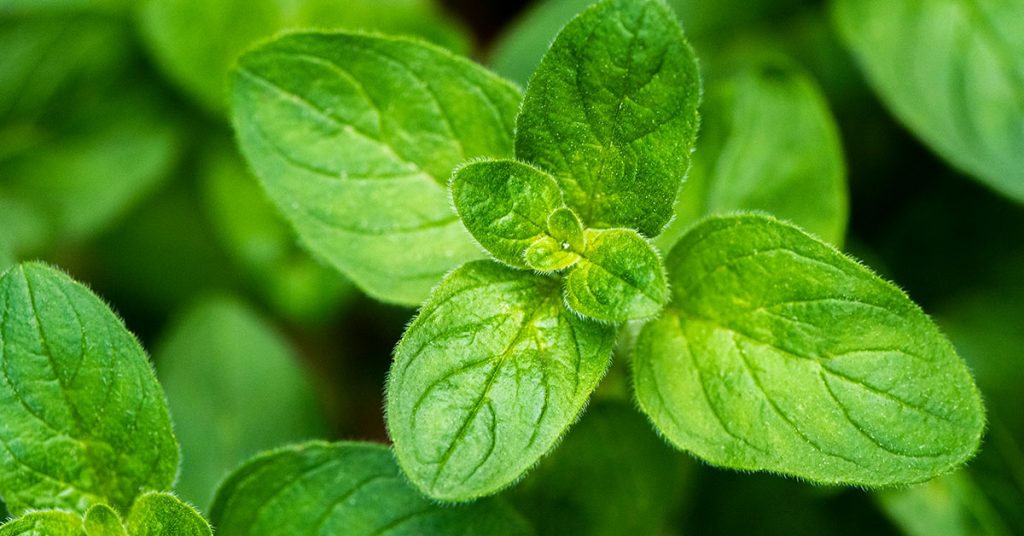
Marjoram is a delightful herb that exudes warmth and sweetness, making it an excellent addition to any windowsill garden for both its flavor and its aromatic charm! Native to the Mediterranean region, marjoram has long been used in cooking for its gentle, floral taste. It’s not considered invasive in a container setting, so it stays neatly confined while still producing abundant leaves that can elevate your favorite recipes.
In my kitchen garden, marjoram transforms ordinary dishes into something special with its subtle fragrance and vibrant leaves. I’ve noticed that its tiny blossoms attract a variety of beneficial insects, such as bees and small butterflies, which sometimes find refuge in the herb’s dense growth. Every time I harvest marjoram, I feel like I’m capturing a little bit of Mediterranean sunshine, infusing my cooking and home with a burst of natural, heartfelt flavor!
Bay Leaves

Bay leaves add an air of rustic sophistication to your cooking and are surprisingly easy to grow on a sunny windowsill! Native to the Mediterranean region, the bay laurel tree has been revered for centuries, and its leaves are a cornerstone in many traditional recipes. When cultivated in a container, bay leaves remain a compact, manageable herb, and they’re certainly not invasive, making them perfect for indoor gardening enthusiasts.
In my garden, bay leaves provide not only a fragrant addition to slow-cooked dishes but also an attractive evergreen presence that invites beneficial insects to visit. I’ve observed that small pollinators are drawn to the subtle blooms that sometimes appear, and the leaves themselves create a lovely, textured display on my windowsill. Their enduring, aromatic charm and culinary versatility never cease to amaze me—every bay leaf harvested feels like a little gift of flavor and heritage from nature!