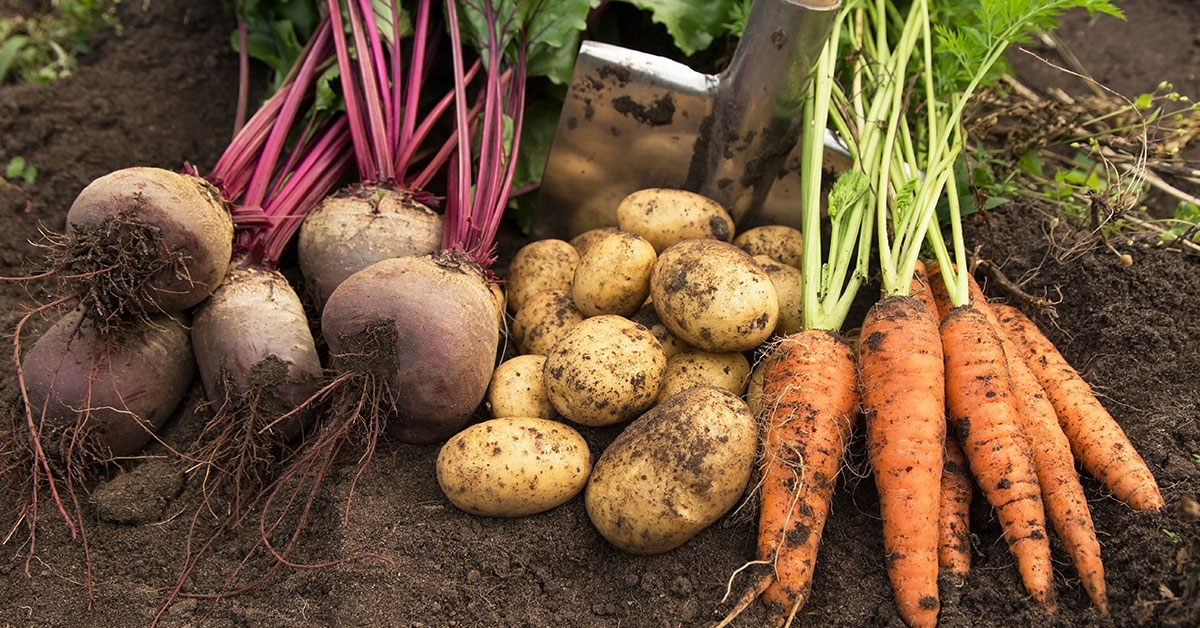

Gardening can be a fulfilling and rewarding hobby, especially when it comes to growing your own vegetables. For beginners, starting with vegetables that are easy to grow can make the experience more enjoyable and successful. Here are 15 vegetables that are perfect for novice gardeners, along with tips on how to cultivate them.
Lettuce
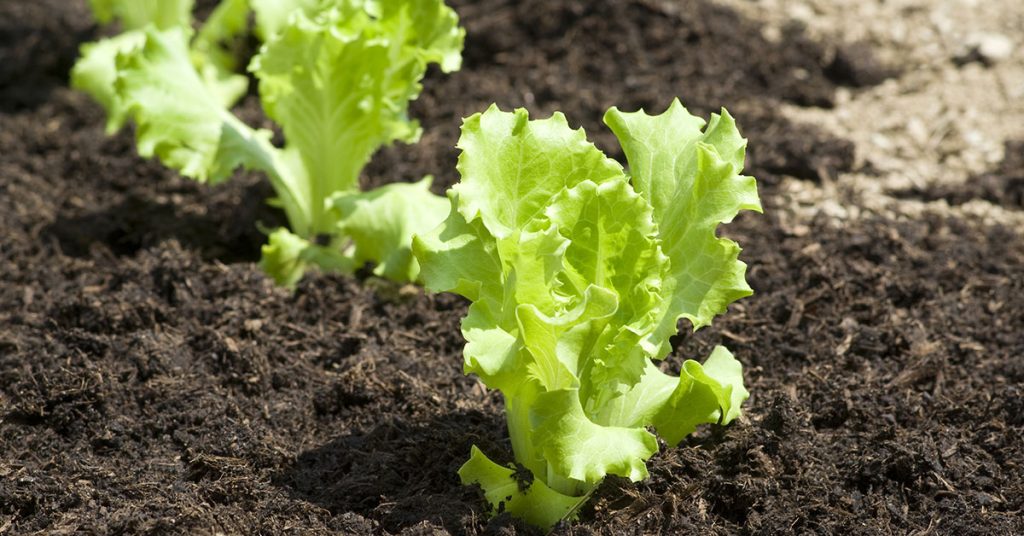
Lettuce is a cool-weather crop that grows quickly and can be harvested in just a few weeks. It comes in a variety of types, including romaine, butterhead, and leaf lettuce. Lettuce prefers well-draining, loamy soil with a pH between 6.0 and 7.0. It thrives in full sun but can also tolerate partial shade, making it versatile for different garden spaces.
To grow lettuce, sow the seeds directly into the soil, spacing them about 6 inches apart. Keep the soil consistently moist but not waterlogged, as lettuce needs regular watering to develop tender leaves. Thin the seedlings to ensure proper spacing, which helps prevent overcrowding and promotes healthy growth. Regularly harvesting the outer leaves can encourage continuous production throughout the growing season.
Radishes
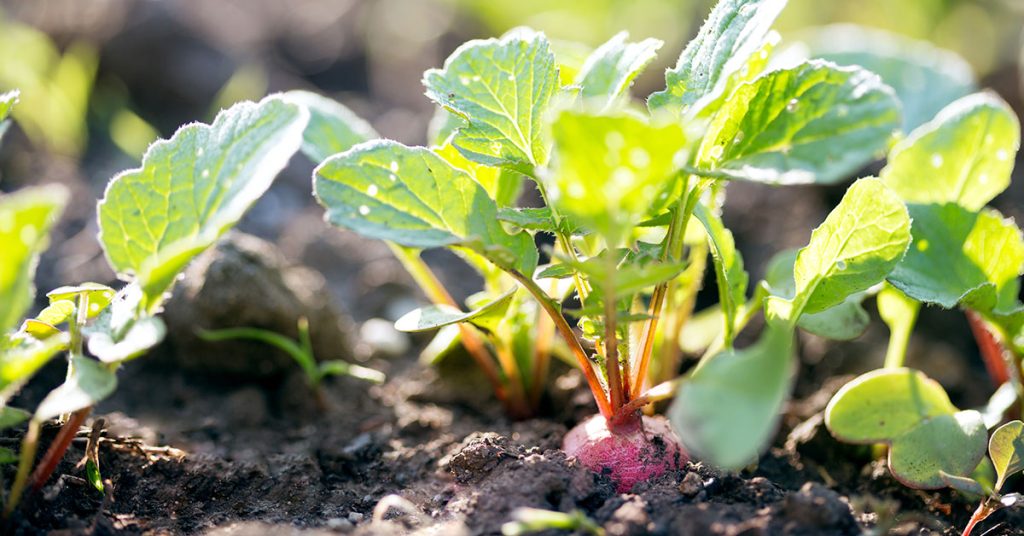
Radishes are one of the fastest-growing vegetables, often ready to harvest in just 3-4 weeks. They are root vegetables that come in various shapes, sizes, and colors, adding a delightful crunch and peppery flavor to salads. Radishes grow best in well-drained, sandy soil with a pH between 6.0 and 7.0. They need full sun but can tolerate partial shade.
To plant radishes, sow the seeds directly into the soil, spacing them about 1 inch apart in rows that are 12 inches apart. Water them regularly to keep the soil moist, but avoid overwatering to prevent the roots from splitting. Thin the seedlings to 2 inches apart once they have a few leaves to allow enough room for the roots to develop properly. Radishes are excellent for succession planting, meaning you can sow new seeds every few weeks for a continuous harvest.
Green Beans
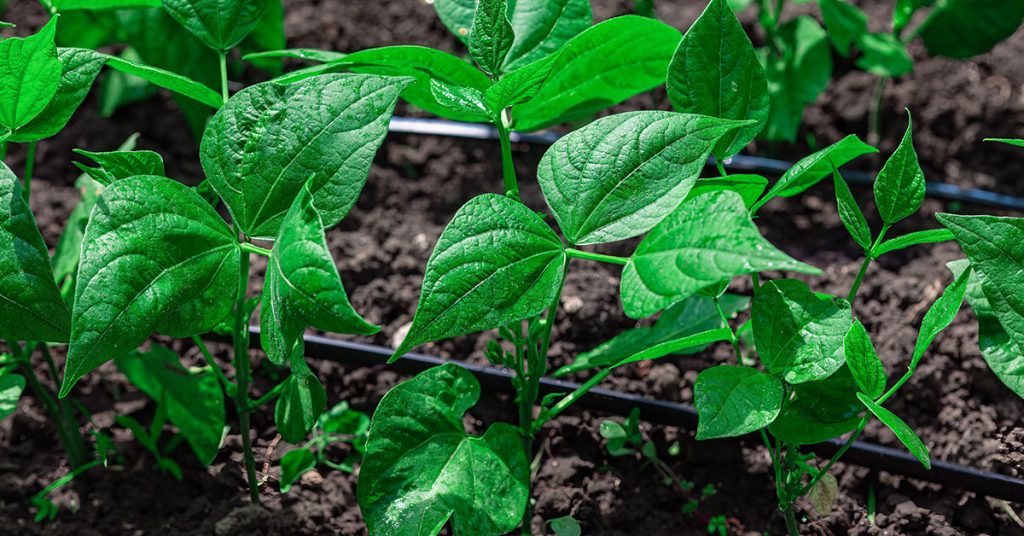
Green beans, also known as snap beans, are easy to grow and produce abundant yields. They come in bush and pole varieties, with bush beans being more compact and pole beans requiring support. Green beans prefer well-drained soil with a pH between 6.0 and 7.0 and thrive in full sun.
To grow green beans, sow the seeds directly into the soil after the danger of frost has passed. Space the seeds about 2 inches apart in rows that are 18 inches apart for bush beans and provide trellises or stakes for pole beans. Keep the soil consistently moist, especially during flowering and pod formation. Harvest the beans regularly to encourage continuous production and enjoy fresh, tender beans throughout the growing season.
Carrots
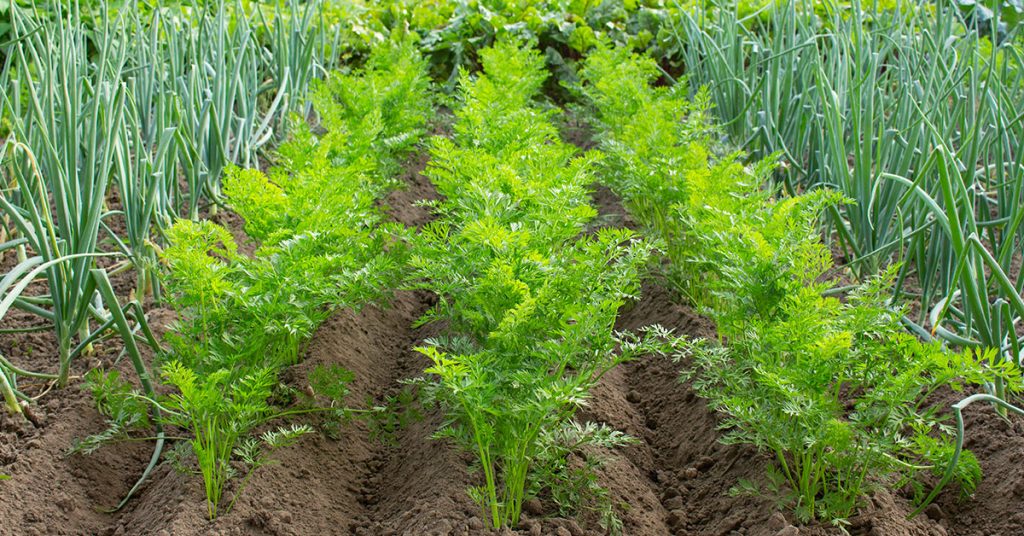
Carrots are root vegetables known for their sweet flavor and crunchy texture. They come in a variety of colors, including orange, purple, red, and yellow. Carrots grow best in loose, sandy soil with good drainage and a pH between 6.0 and 7.0. They require full sun to develop their characteristic sweetness.
To plant carrots, sow the seeds directly into the soil, spacing them about 2-3 inches apart in rows that are 12 inches apart. Keep the soil consistently moist, especially during germination, which can take up to three weeks. Thin the seedlings to 3 inches apart once they have a few leaves to allow the roots to grow properly. Carrots are slow to mature, typically taking 70-80 days to reach harvest, but the wait is well worth it for their delicious taste.
Cucumbers
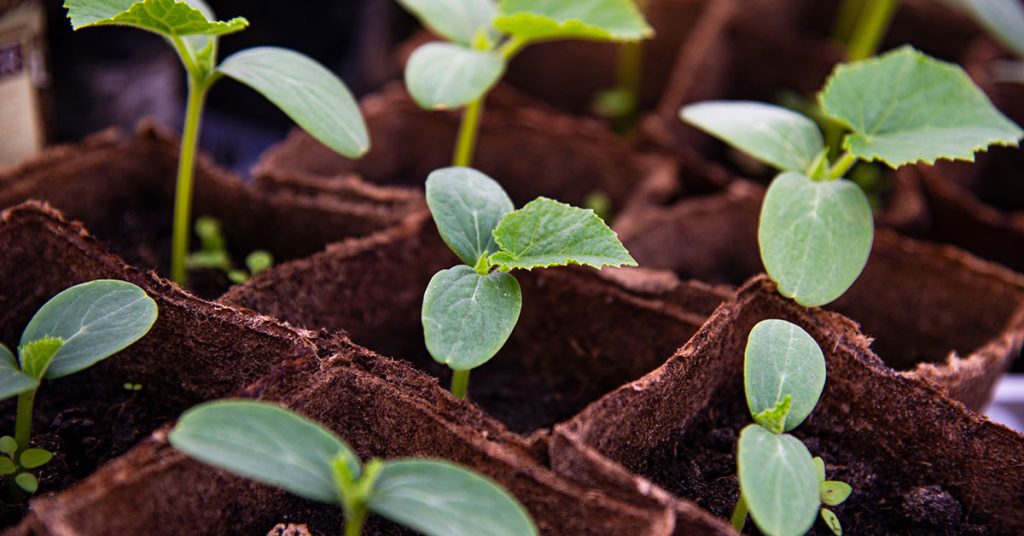
Cucumbers are warm-season vegetables that thrive in full sun and produce crisp, refreshing fruits. They come in slicing and pickling varieties, each with unique uses. Cucumbers prefer well-drained, fertile soil with a pH between 6.0 and 6.8.
To grow cucumbers, sow the seeds directly into the soil after the last frost, spacing them about 12 inches apart. If you’re growing vining cucumbers, provide trellises or supports to keep the fruits off the ground. Water them consistently, aiming for about 1 inch of water per week, and mulch around the plants to retain moisture and suppress weeds. Harvest cucumbers regularly to encourage continuous production and enjoy them fresh or pickled.
Zucchini
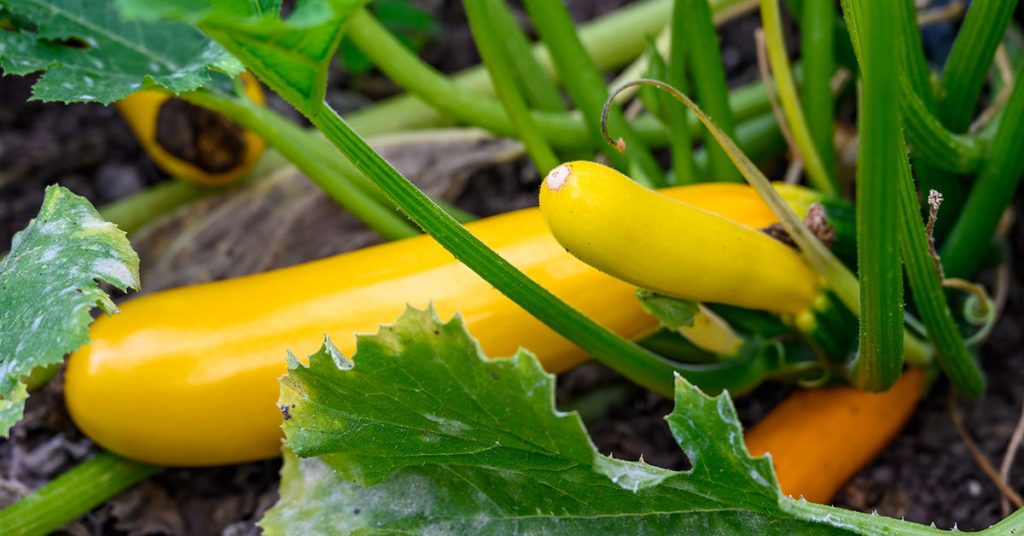
Zucchini, a type of summer squash, is known for its prolific production and versatility in the kitchen. It grows best in well-drained, fertile soil with a pH between 6.0 and 7.5 and requires full sun to thrive.
To grow zucchini, sow the seeds directly into the soil after the last frost, spacing them about 24 inches apart in rows that are 36 inches apart. Zucchini plants need consistent watering, especially during flowering and fruit development, to prevent the fruits from becoming bitter. Mulching around the plants helps retain moisture and reduce weed growth. Harvest zucchini when they are about 6-8 inches long for the best flavor and texture.
Spinach
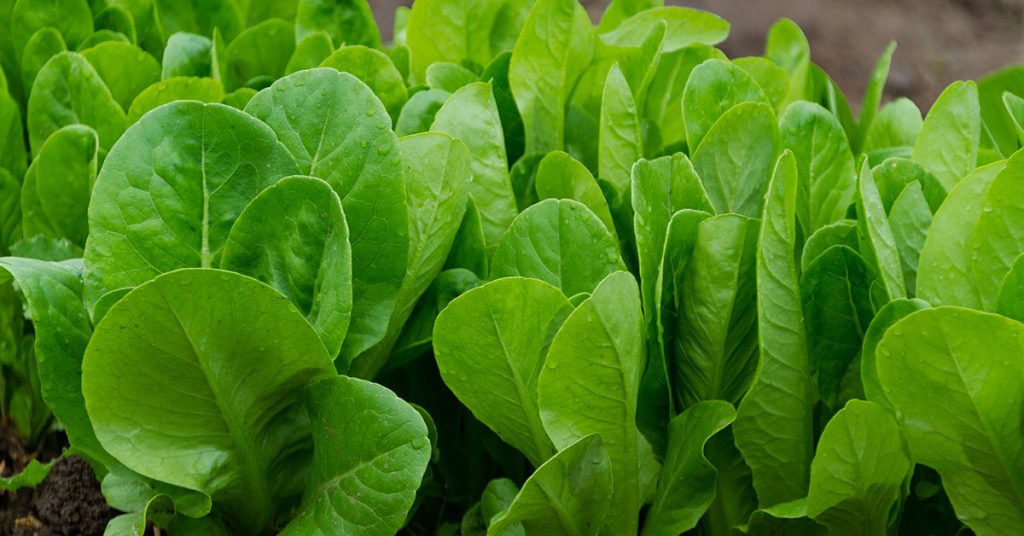
Spinach is a cool-weather leafy green that is packed with nutrients and easy to grow. It prefers well-drained, fertile soil with a pH between 6.5 and 7.5 and can tolerate partial shade.
To grow spinach, sow the seeds directly into the soil, spacing them about 2 inches apart in rows that are 12 inches apart. Keep the soil consistently moist, especially during germination and early growth. Spinach grows quickly and can be harvested in about 6-8 weeks. Harvest the outer leaves regularly to encourage new growth and enjoy fresh, tender spinach throughout the season.
Peas
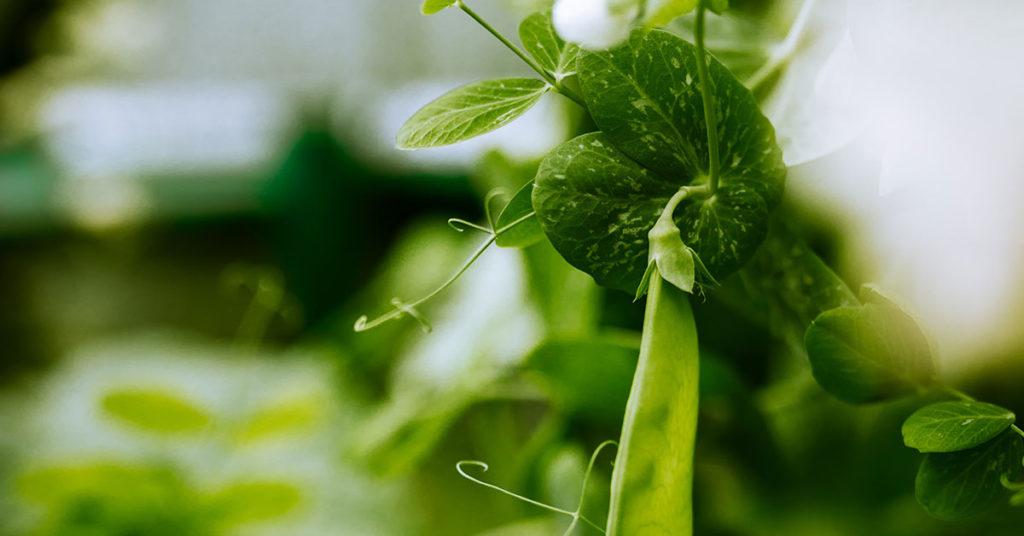
Peas are cool-weather legumes that are easy to grow and produce sweet, tender pods. They come in shelling, snow, and snap varieties, each with unique uses. Peas prefer well-drained, loamy soil with a pH between 6.0 and 7.5 and thrive in full sun.
To plant peas, sow the seeds directly into the soil as soon as the ground can be worked in the spring, spacing them about 2 inches apart in rows that are 18 inches apart. Provide support for vining varieties, such as trellises or stakes. Keep the soil consistently moist, especially during flowering and pod development. Harvest peas regularly to encourage continuous production and enjoy them fresh or cooked.
Kale
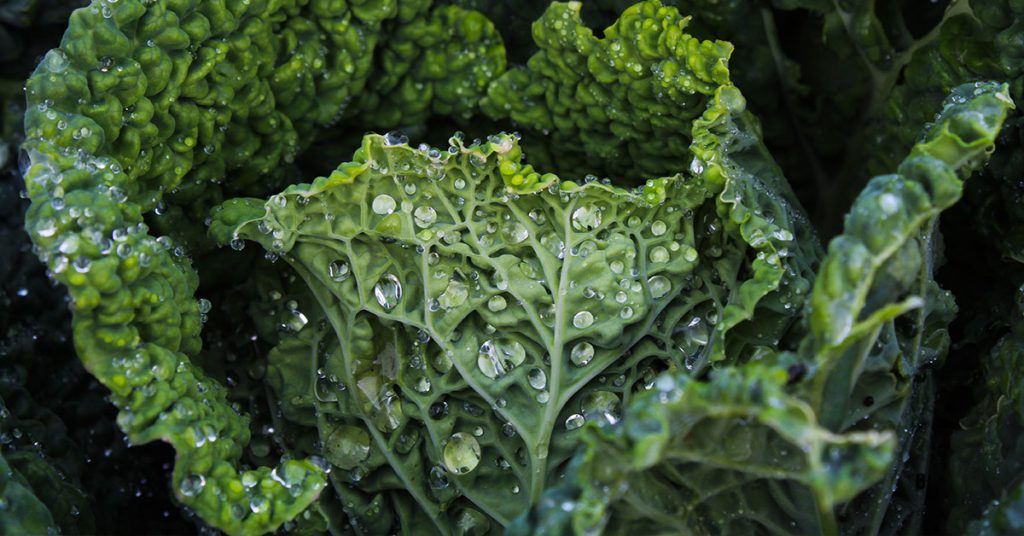
Kale is a nutrient-dense leafy green that is easy to grow and can tolerate a range of temperatures. It prefers well-drained, fertile soil with a pH between 6.0 and 7.5 and can grow in full sun or partial shade.
To grow kale, sow the seeds directly into the soil, spacing them about 12 inches apart in rows that are 18 inches apart. Keep the soil consistently moist, especially during germination and early growth. Kale is a hardy crop that can be harvested throughout the growing season. Harvest the outer leaves regularly to encourage new growth and enjoy fresh, tender kale in salads, smoothies, or cooked dishes.
Swiss Chard
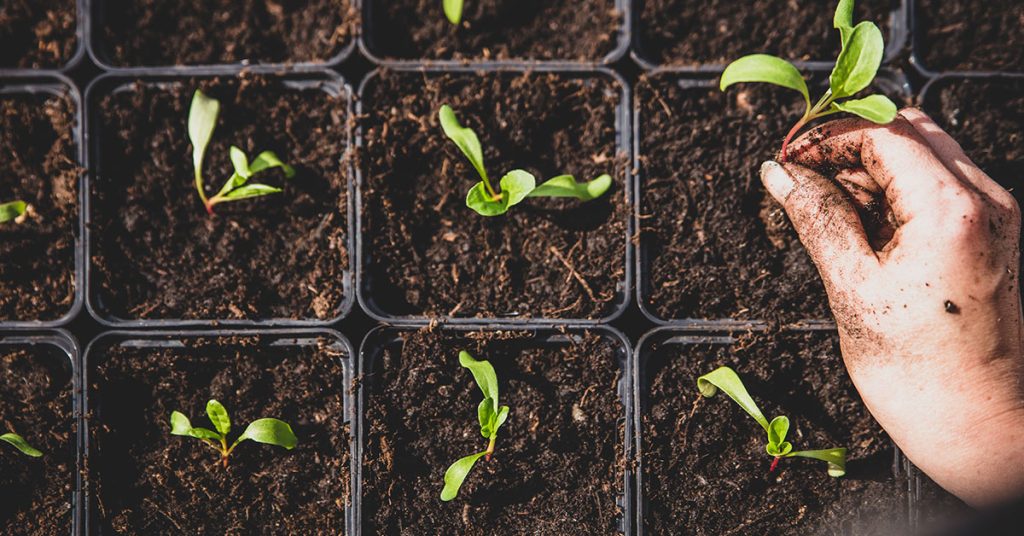
Swiss chard is a colorful leafy green that is easy to grow and can tolerate heat better than spinach. It prefers well-drained, fertile soil with a pH between 6.0 and 7.0 and can grow in full sun or partial shade.
To grow Swiss chard, sow the seeds directly into the soil, spacing them about 6 inches apart in rows that are 18 inches apart. Keep the soil consistently moist, especially during germination and early growth. Swiss chard is a hardy crop that can be harvested throughout the growing season. Harvest the outer leaves regularly to encourage new growth and enjoy fresh, tender chard in salads, sautés, or soups.
Beets
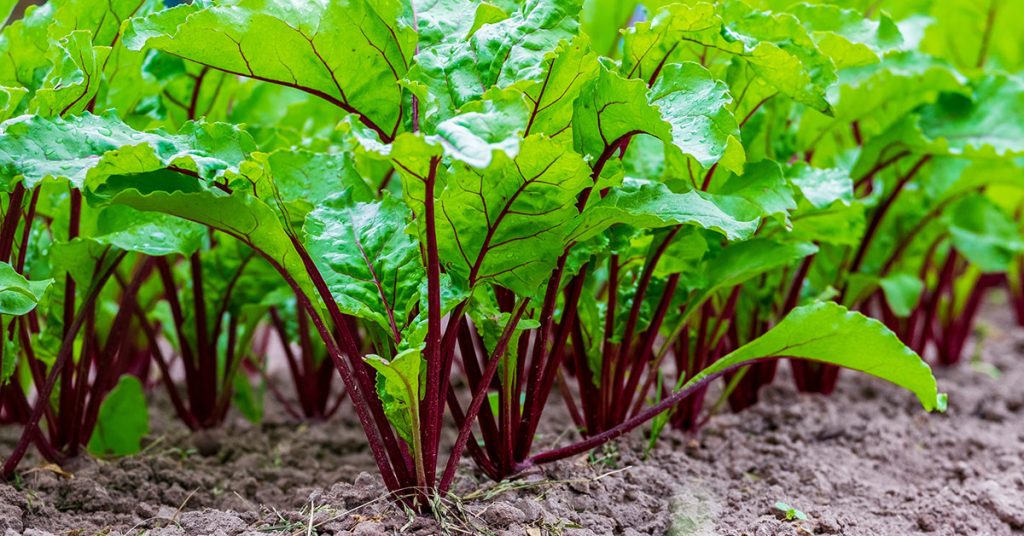
Beets are root vegetables that are easy to grow and come in a variety of colors, including red, yellow, and white. They prefer well-drained, loamy soil with a pH between 6.0 and 7.5 and thrive in full sun.
To grow beets, sow the seeds directly into the soil, spacing them about 2 inches apart in rows that are 12 inches apart. Keep the soil consistently moist, especially during germination and early growth. Beets grow quickly and can be harvested in about 50-70 days. Harvest the roots when they are about 2-3 inches in diameter for the best flavor and texture.
Turnips
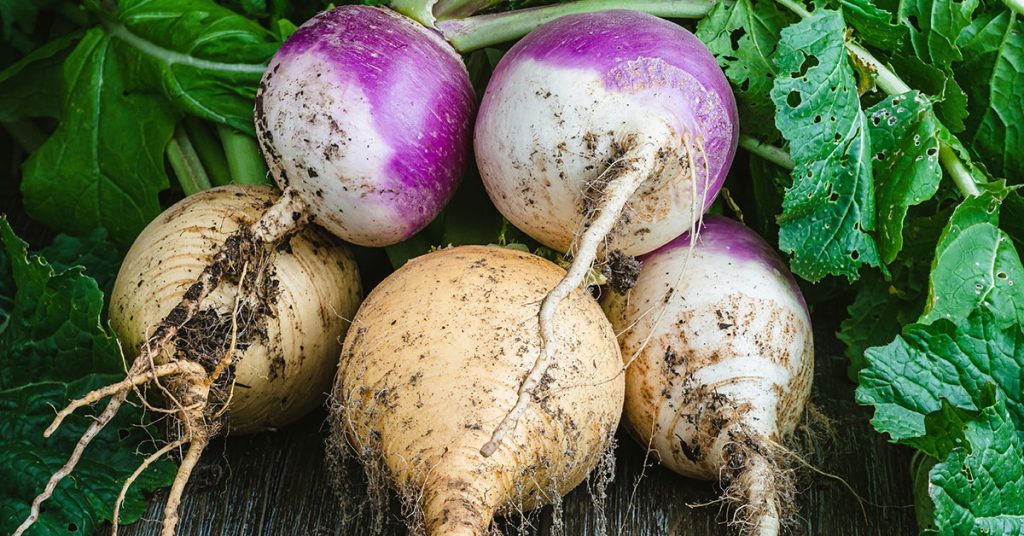
Turnips are root vegetables that are easy to grow and can be harvested for both their roots and greens. They prefer well-drained, loamy soil with a pH between 6.0 and 7.5 and thrive in full sun.
To grow turnips, sow the seeds directly into the soil, spacing them about 2 inches apart in rows that are 12 inches apart. Keep the soil consistently moist, especially during germination and early growth. Turnips grow quickly and can be harvested in about 30-60 days. Harvest the roots when they are about 2-3 inches in diameter for the best flavor and texture.
Garlic
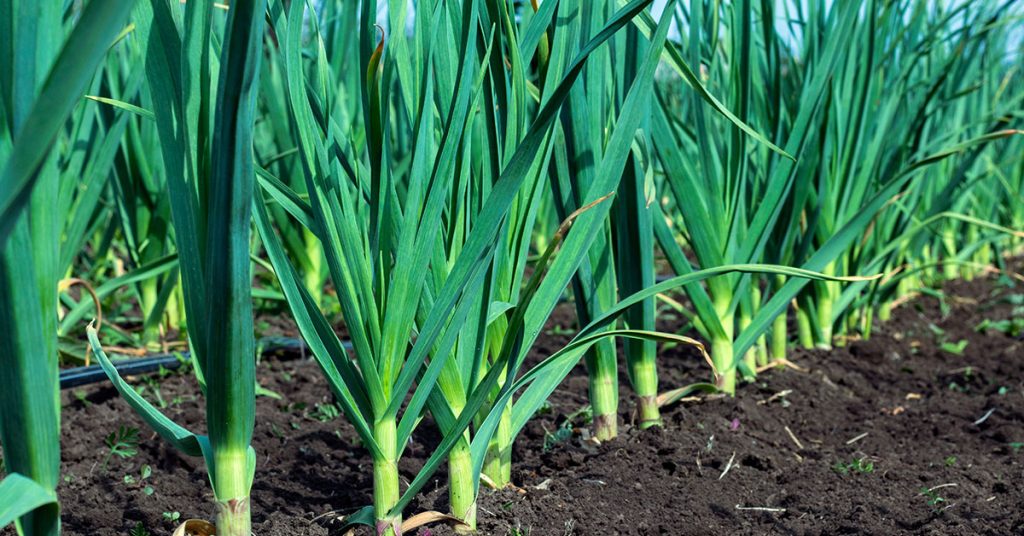
Garlic is a hardy bulb that is easy to grow and adds a delicious flavor to a variety of dishes. It prefers well-drained, fertile soil with a pH between 6.0 and 7.0 and thrives in full sun.
To grow garlic, plant the cloves directly into the soil in the fall, spacing them about 6 inches apart in rows that are 12 inches apart. Keep the soil consistently moist, especially during germination and early growth. Garlic is a slow-growing crop that takes about 9 months to mature. Harvest the bulbs when the leaves start to yellow and dry.
Onions
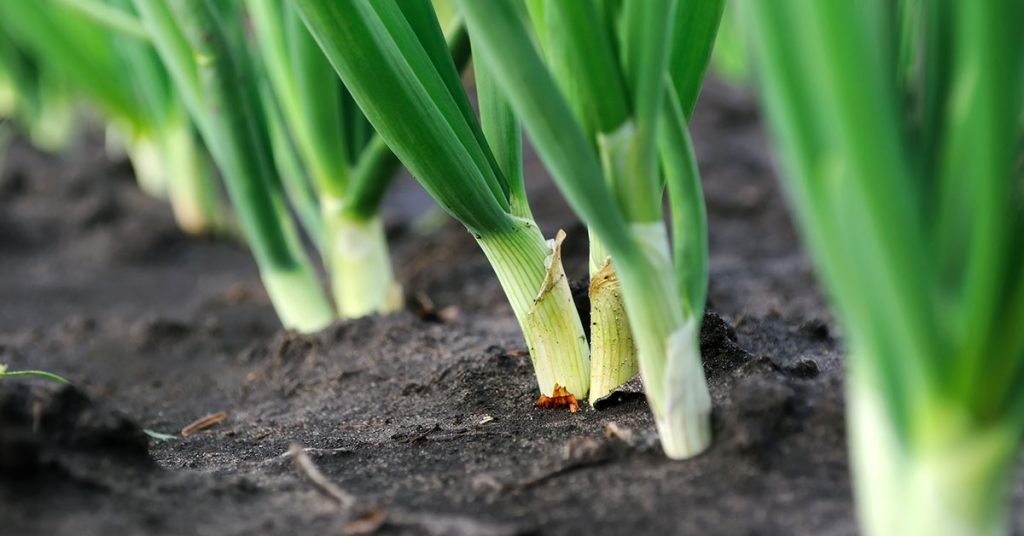
Onions are a staple in many kitchens and are easy to grow from sets or seeds. They prefer well-drained, fertile soil with a pH between 6.0 and 7.0 and thrive in full sun.
To grow onions, plant the sets or seeds directly into the soil, spacing them about 4 inches apart in rows that are 12 inches apart. Keep the soil consistently moist, especially during germination and early growth. Onions grow slowly and can take about 3-4 months to mature. Harvest the bulbs when the tops start to yellow and fall over.
Potatoes
Potatoes are a versatile and easy-to-grow crop that can be planted in the ground or in containers. They prefer well-drained, loamy soil with a pH between 5.0 and 6.0 and thrive in full sun.
To grow potatoes, plant seed potatoes directly into the soil or containers, spacing them about 12 inches apart in rows that are 24 inches apart. Keep the soil consistently moist, especially during germination and early growth. Potatoes grow quickly and can be harvested in about 70-90 days. Harvest the tubers when the plants start to yellow and die back.
Gardening is a journey, and starting with these easy-to-grow vegetables can set you up for success. Enjoy the process and the delicious rewards of your efforts!