
Gardening in dry climates or during periods of drought can be challenging, but with the right plant choices, your garden can thrive with minimal water. Drought-resistant plants not only survive but often flourish in tough conditions, providing beauty and resilience. These plants are typically native to arid regions, meaning they have evolved to conserve water and withstand high temperatures. Let’s explore some of the best drought-resistant plants you can add to your garden, ensuring it remains vibrant and healthy even when water is scarce.
Choosing drought-resistant plants is not just practical; it’s a step towards sustainable gardening. These plants reduce the need for frequent watering, helping to conserve precious water resources. Plus, they often require less maintenance overall, allowing you to enjoy a beautiful garden without the constant upkeep. Whether you’re an experienced gardener or a beginner looking to make eco-friendly choices, these 15 drought-resistant plants are excellent options for your garden.
Lavender
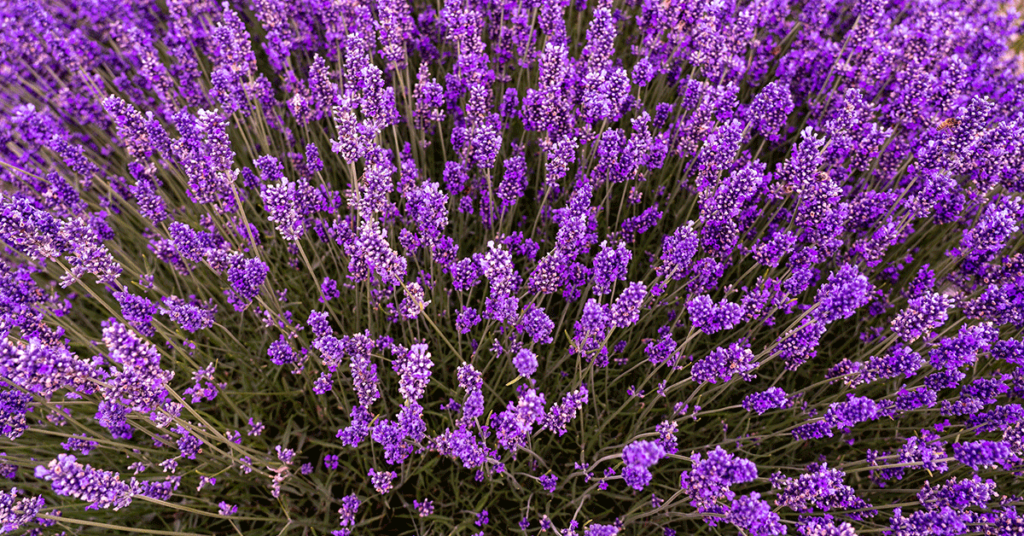
Lavender is a beloved plant known for its fragrant purple flowers and its hardiness in dry conditions. Native to the Mediterranean region, lavender thrives in well-drained soil and full sun, making it an excellent choice for drought-prone areas. Its silvery-green foliage and aromatic blooms attract pollinators like bees and butterflies, adding life to your garden.
Growing lavender is straightforward. Plant it in a spot that receives at least six hours of sunlight a day. Lavender prefers slightly alkaline soil, so if your soil is too acidic, consider adding some lime. Once established, lavender is incredibly drought-tolerant, needing only occasional watering. Pruning after the blooming season helps maintain its shape and encourages new growth.
Agave
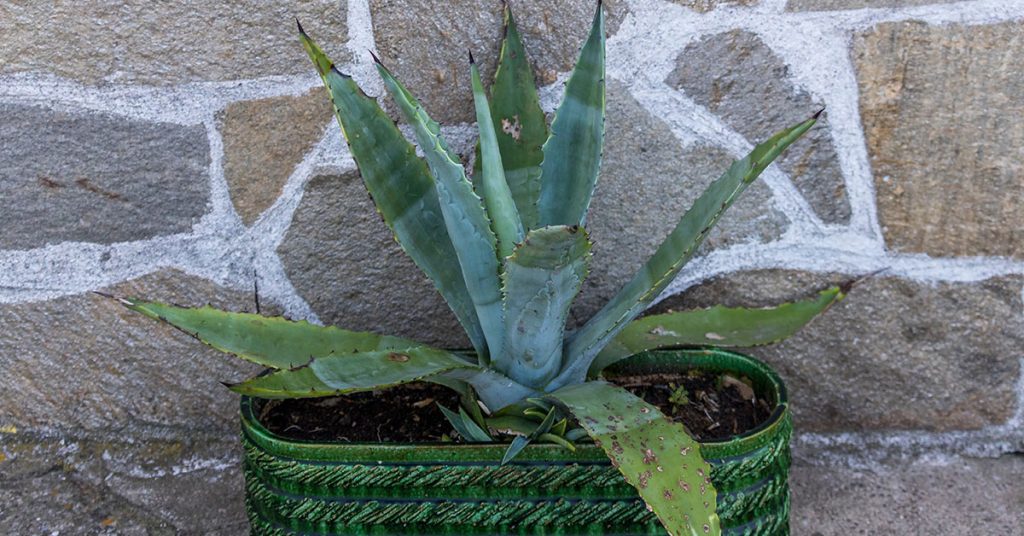
Agave plants are iconic succulents known for their rosette shapes and striking architectural form. Originating from the hot, arid regions of the Americas, agaves are built to survive with minimal water. These plants come in various sizes and colors, making them versatile for different garden styles.
To grow agave, choose a well-drained spot with plenty of sunlight. Agaves are low-maintenance, requiring little more than occasional watering. They are also frost-tolerant, though some varieties may need protection during severe cold spells. Agave plants are excellent for xeriscaping, providing a dramatic focal point in rock gardens or desert-themed landscapes.
Sage
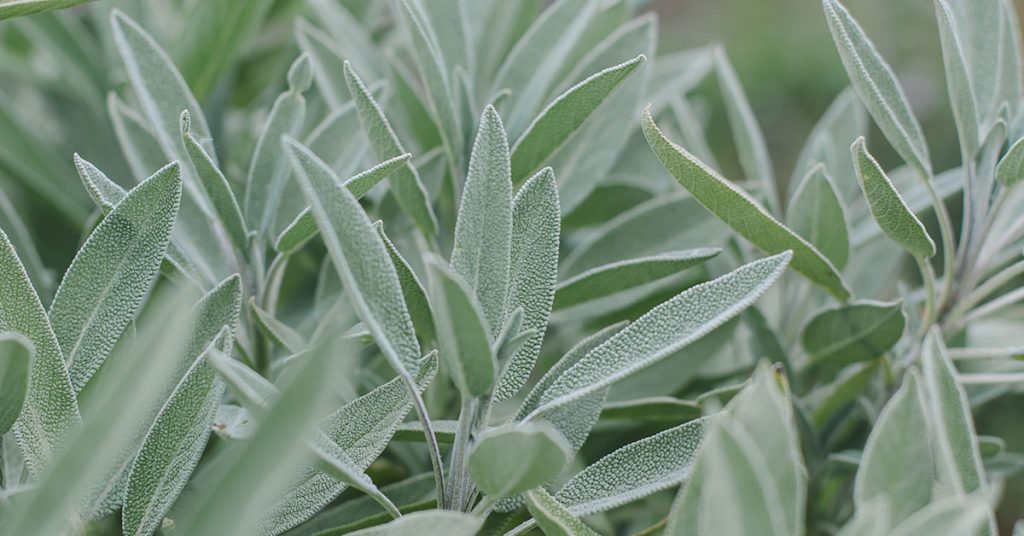
Sage is not only a culinary herb but also a fantastic drought-resistant plant for your garden. Native to the Mediterranean, sage boasts beautiful gray-green leaves and produces lovely purple or blue flowers. Its aromatic foliage is a favorite among gardeners and chefs alike.
Plant sage in well-drained soil and a sunny location. Once established, it is highly drought-tolerant, requiring minimal watering. Pruning sage regularly helps keep it bushy and encourages new growth. Sage is also beneficial for your garden ecosystem, attracting beneficial insects like bees and butterflies.
Yarrow
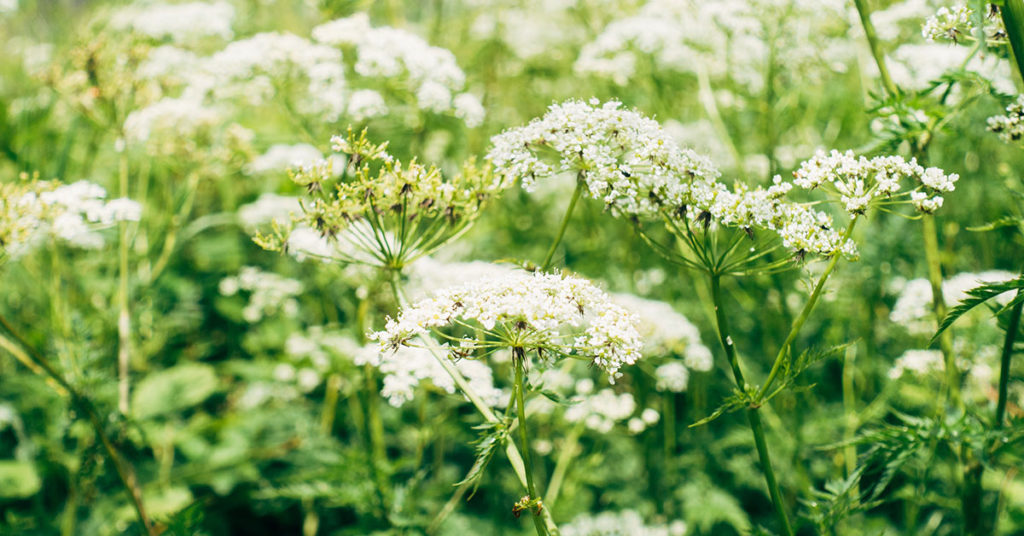
Yarrow is a hardy perennial known for its feathery foliage and clusters of tiny flowers. Native to temperate regions of the Northern Hemisphere, yarrow is exceptionally drought-tolerant once established. Its flowers come in a variety of colors, including white, yellow, pink, and red, adding vibrant hues to your garden.
To grow yarrow, plant it in a sunny spot with well-drained soil. Yarrow is low-maintenance and can thrive in poor soils, making it an excellent choice for challenging garden sites. It’s also deer-resistant and attracts beneficial insects, making it a valuable addition to any drought-resistant garden.
Russian Sage
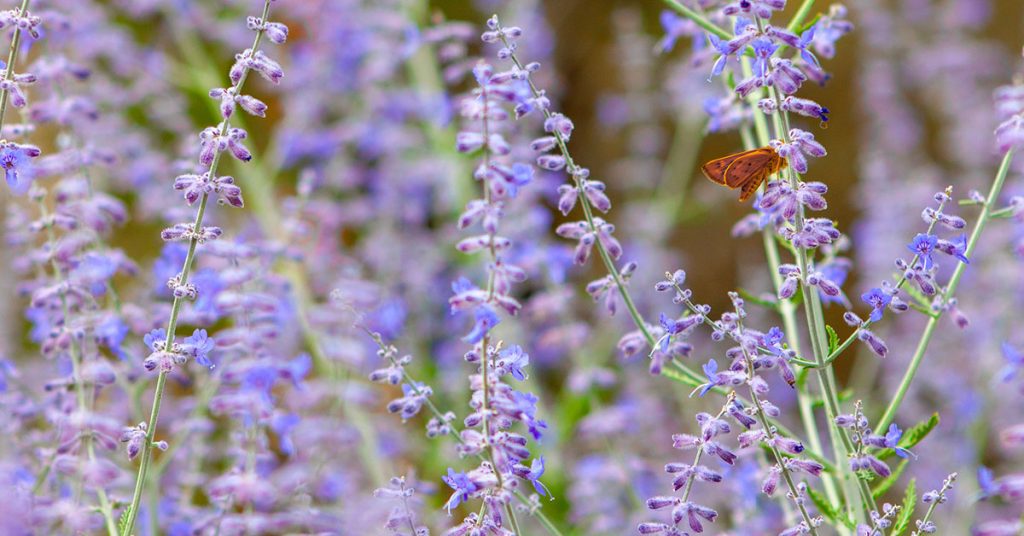
Russian sage is a striking plant with tall, airy spires of lavender-blue flowers and aromatic, gray-green foliage. Native to Central Asia, it thrives in hot, dry conditions and adds a touch of elegance to any garden. Russian sage blooms from mid-summer to fall, providing long-lasting color.
Plant Russian sage in full sun and well-drained soil. It’s very drought-tolerant once established and requires minimal watering. Pruning in early spring helps maintain its shape and encourages robust growth. Russian sage is also a magnet for pollinators, making it a beautiful and beneficial choice for your garden.
Coneflower
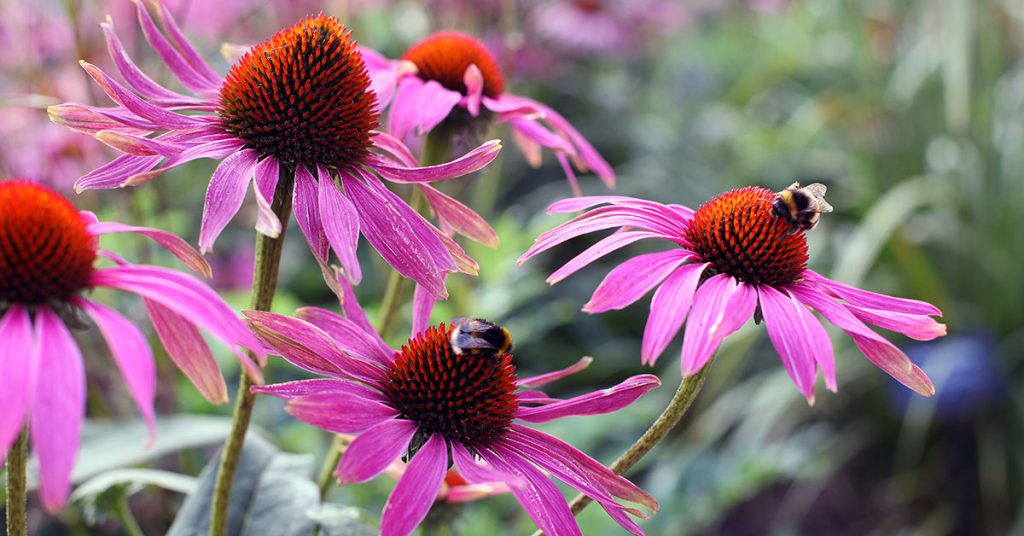
Coneflower, or Echinacea, is a popular perennial known for its daisy-like flowers and medicinal properties. Native to North America, coneflowers are tough and adaptable, thriving in various conditions, including drought. Their vibrant blooms, which range from purple to pink to white, attract butterflies and bees.
To grow coneflower, plant it in a sunny location with well-drained soil. Once established, coneflowers are quite drought-resistant, needing only occasional watering. Deadheading spent flowers encourages more blooms and extends the flowering season. Coneflowers are also deer-resistant and make excellent cut flowers.
Sedum
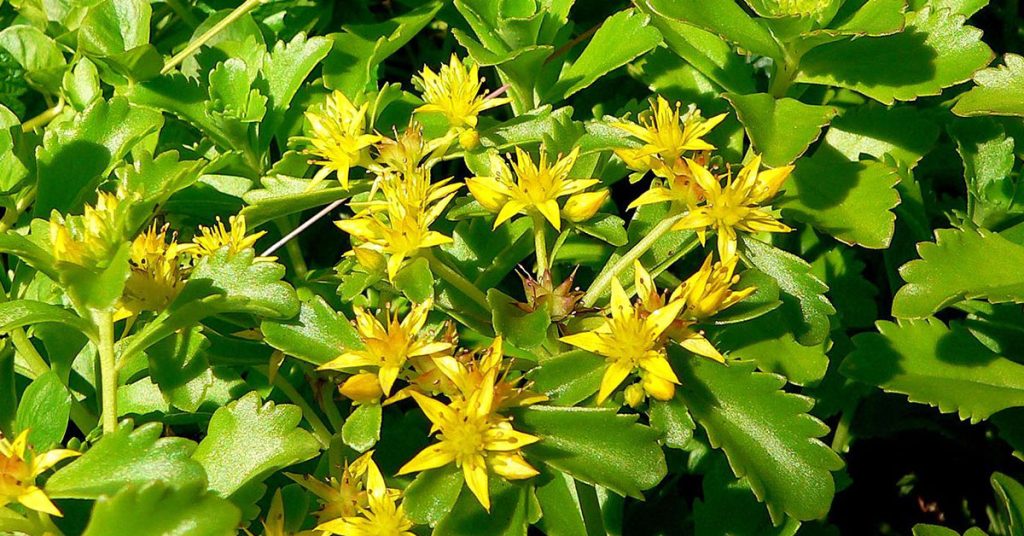
Sedum, also known as stonecrop, is a versatile succulent that comes in many shapes and sizes. Native to many parts of the world, including Europe and Asia, sedums are renowned for their drought tolerance and low maintenance. They produce clusters of star-shaped flowers in various colors, adding charm to your garden.
Grow sedum in well-drained soil and a sunny to partially shaded location. These plants are incredibly resilient and require minimal watering once established. Sedums are perfect for rock gardens, borders, and as ground cover. Their fleshy leaves store water, helping them thrive in dry conditions.
Blanket Flower
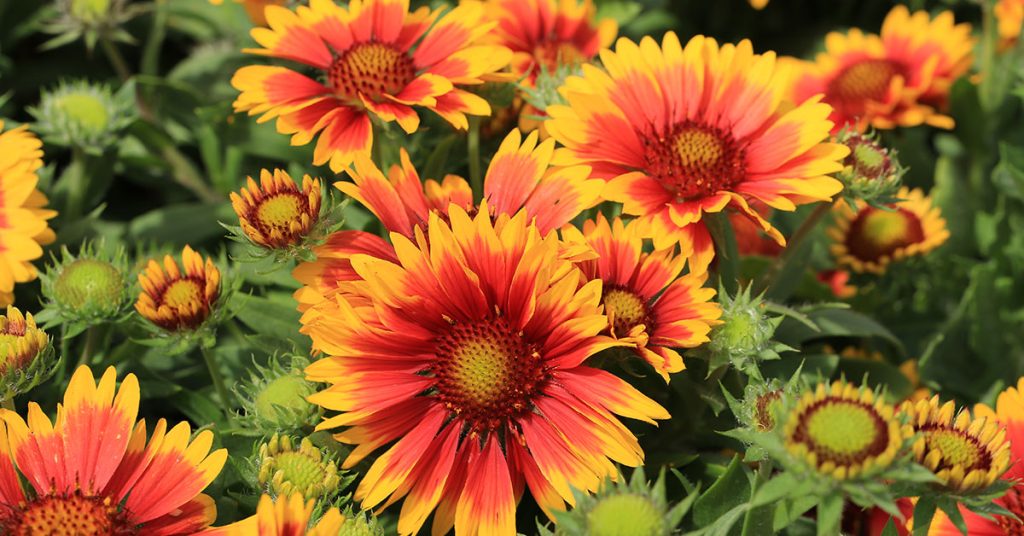
Blanket flower, or Gaillardia, is a vibrant perennial native to North and South America. Known for its bright red, orange, and yellow blooms, blanket flower is a standout in any garden. It’s exceptionally drought-tolerant and blooms profusely throughout the summer.
Plant blanket flower in full sun and well-drained soil. This plant thrives in poor soils and requires minimal care once established. Regular deadheading encourages continuous blooming. Blanket flowers are also excellent for attracting pollinators like butterflies and bees, adding more life to your garden.
Catmint
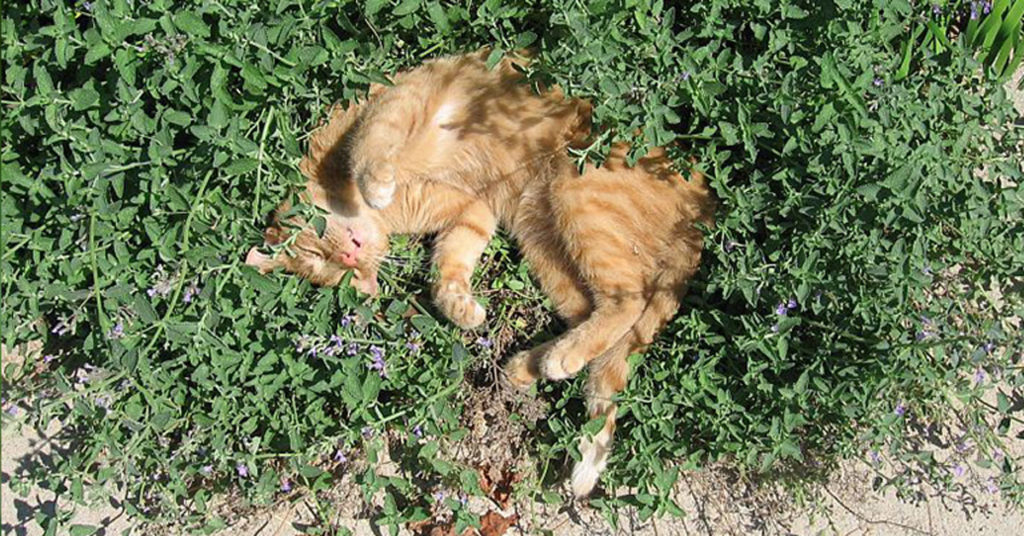
Catmint, or Nepeta, is a hardy perennial that produces spikes of blue or lavender flowers and aromatic gray-green foliage. Native to Europe and Asia, catmint is incredibly drought-tolerant and easy to grow. It’s a favorite among gardeners for its long blooming season and low maintenance.
Plant catmint in well-drained soil and a sunny location. Once established, it requires minimal watering and thrives in dry conditions. Pruning after the initial bloom encourages a second flush of flowers. Catmint is also resistant to deer and rabbits, making it a reliable choice for your garden.
Artemisia
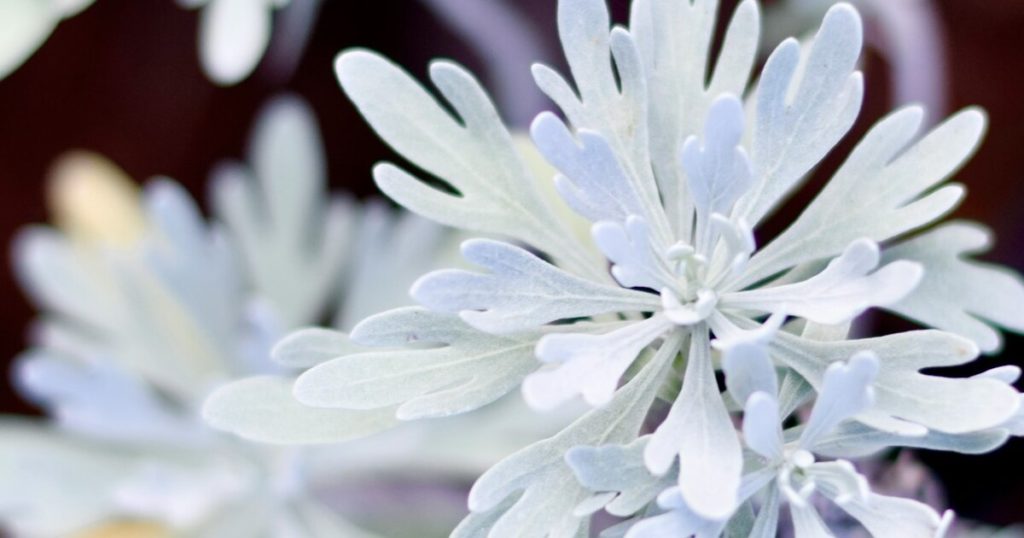
Artemisia, also known as wormwood, is a group of plants known for their silvery foliage and aromatic leaves. Native to Europe, Asia, and North America, these plants are highly drought-tolerant and add a unique texture to your garden. Artemisia species vary in size, making them suitable for different garden settings.
Grow artemisia in well-drained soil and full sun. These plants are exceptionally low-maintenance, requiring little more than occasional watering. Pruning helps maintain their shape and promotes healthy growth. Artemisia is also resistant to pests and diseases, making it a robust addition to your garden.
Red Hot Poker
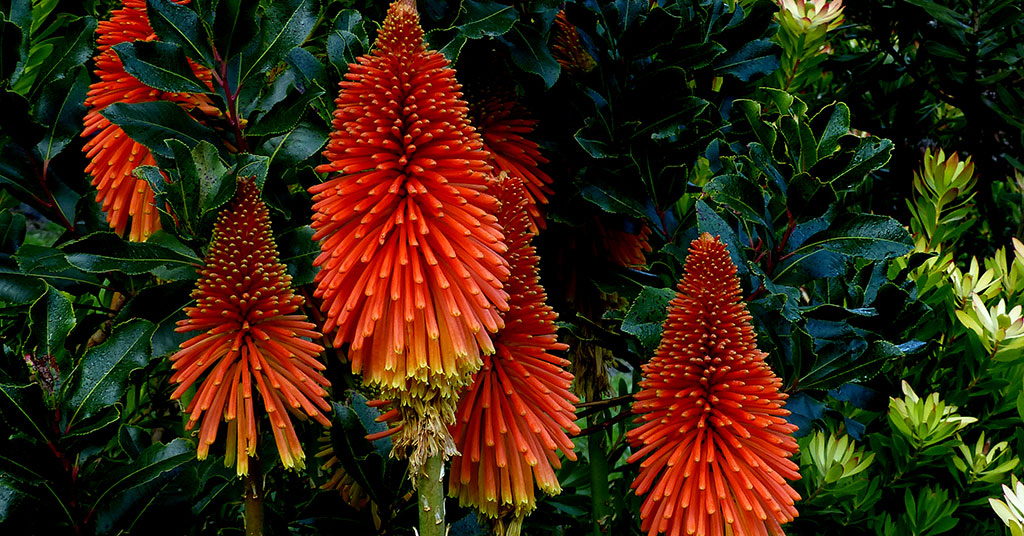
Red hot poker, or Kniphofia, is a striking perennial known for its tall spikes of tubular flowers in shades of red, orange, and yellow. Native to Africa, this plant is well-suited to dry conditions and adds a dramatic flair to any garden. Its vibrant blooms attract hummingbirds and other pollinators.
Plant red hot poker in well-drained soil and full sun. It’s highly drought-tolerant once established and requires minimal watering. Deadheading spent flowers encourages new blooms and keeps the plant looking tidy. Red hot poker is also deer-resistant, making it a resilient choice for your garden.
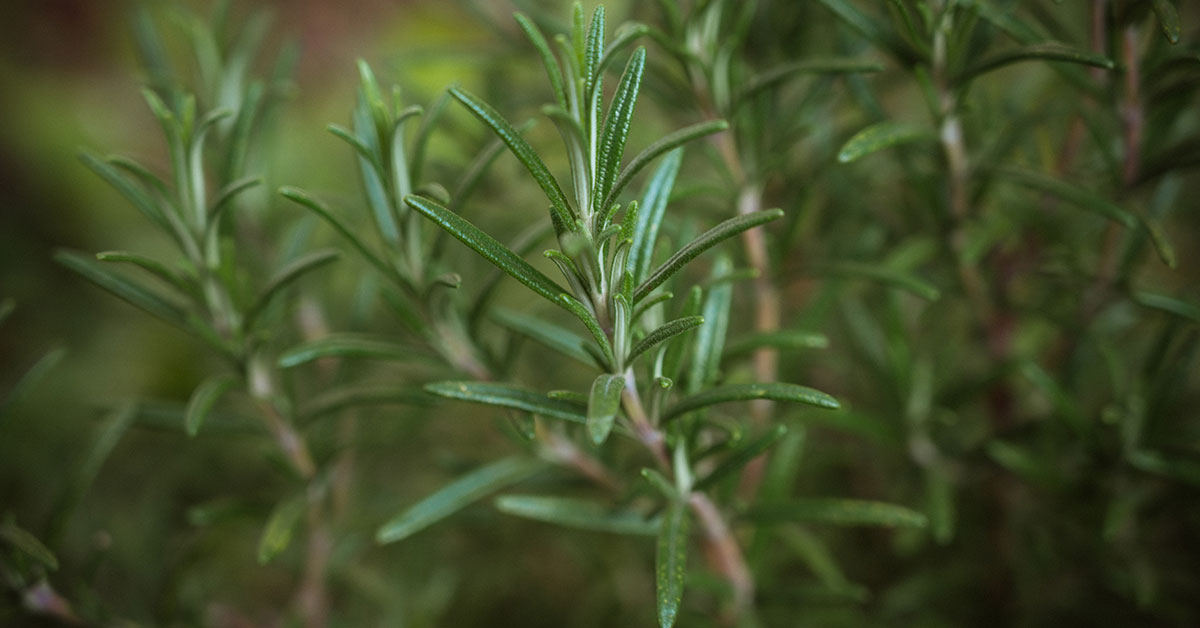
Rosemary
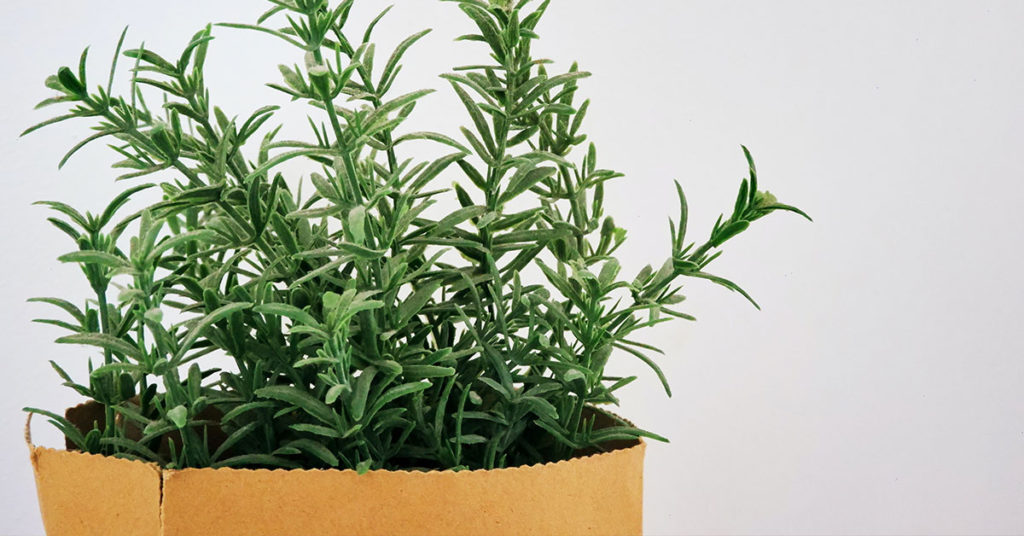
Rosemary is a versatile herb known for its aromatic foliage and beautiful blue flowers. Native to the Mediterranean, rosemary thrives in dry, sunny conditions and is a staple in herb gardens. Its needle-like leaves are fragrant and used in cooking, making it both a practical and decorative plant.
Plant rosemary in well-drained soil and a sunny location. Once established, it’s very drought-tolerant and requires minimal watering. Pruning helps maintain its shape and encourages bushier growth. Rosemary is also resistant to pests and diseases, making it a robust addition to your garden.
Bougainvillea
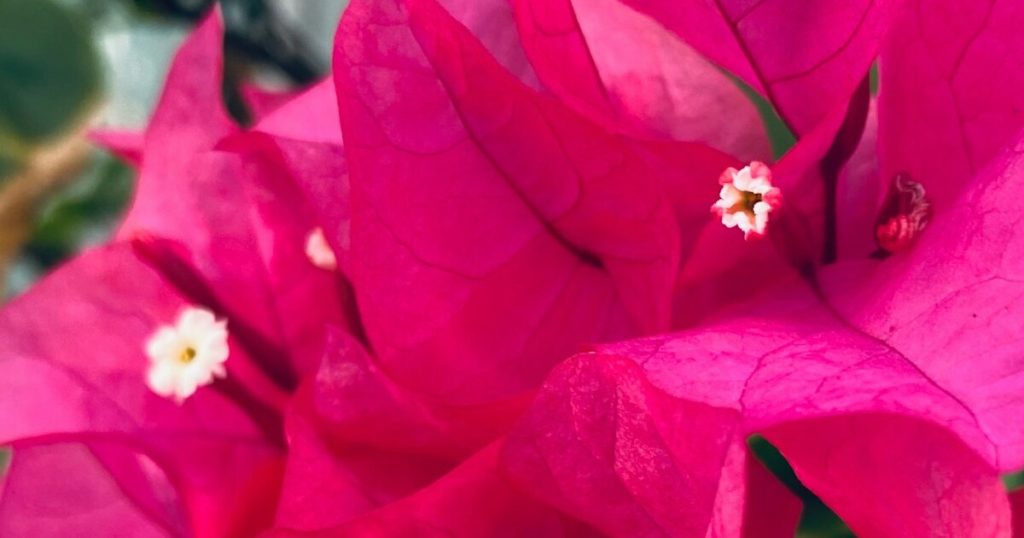
Bougainvillea is a vibrant climbing plant known for its colorful bracts that come in shades of pink, purple, red, and orange. Native to South America, bougainvillea thrives in hot, dry climates and is a favorite in tropical and subtropical gardens. Its long-lasting blooms add a splash of color to any landscape.
Plant bougainvillea in well-drained soil and full sun. It’s highly drought-tolerant once established, needing only occasional watering. Pruning helps control its growth and encourages more blooms. Bougainvillea is also resistant to pests, making it a low-maintenance choice for your garden.
Lantana
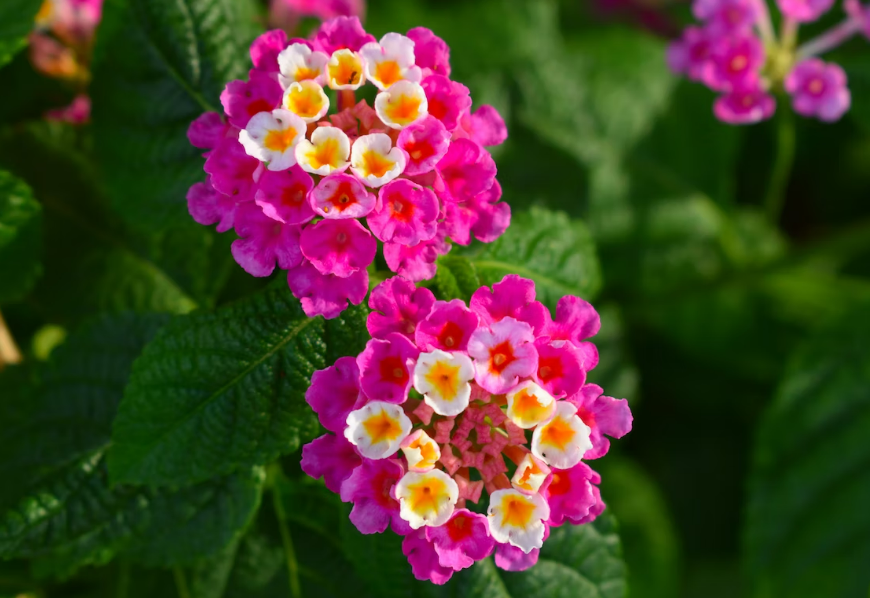
Lantana is a hardy shrub known for its clusters of bright, multicolored flowers that attract butterflies and hummingbirds. Native to tropical regions of the Americas and Africa, lantana is exceptionally drought-tolerant and thrives in hot, sunny conditions. Its vibrant blooms add a cheerful touch to any garden.
Plant lantana in well-drained soil and full sun. It requires minimal watering once established and is very low-maintenance. Pruning helps maintain its shape and encourages continuous blooming. Lantana is also resistant to pests and diseases, making it a resilient choice for your garden.
Oleander
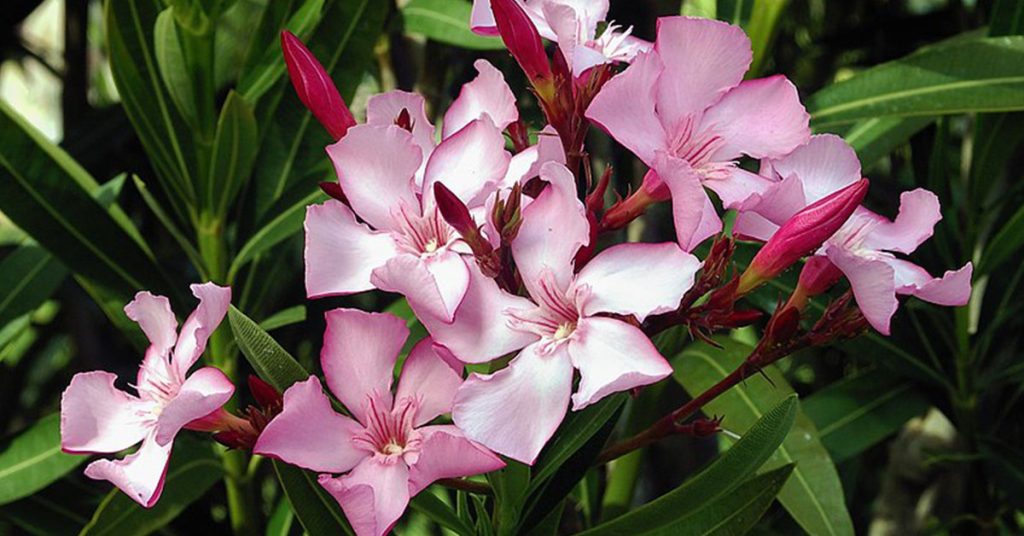
Oleander is a hardy shrub known for its beautiful, fragrant flowers that come in various colors, including white, pink, and red. Native to the Mediterranean and Asia, oleander thrives in hot, dry conditions and is a popular choice for landscaping in arid regions. Its lush foliage and prolific blooms make it a standout in any garden.
Plant oleander in well-drained soil and full sun. Once established, it’s very drought-tolerant and requires minimal watering. Pruning helps control its growth and promotes more blooms. Oleander is also resistant to pests and diseases, making it a robust and low-maintenance choice for your garden. However, it’s important to note that all parts of the plant are toxic if ingested, so it should be planted with caution in areas accessible to children and pets.