
Summer’s warmth invites us to reconnect with nature’s vibrant tapestry—and what better way than through blooms imbued with spiritual symbolism? Whether you’re seeking solace by a water feature, aiming to attract pollinators, or simply craving a deeper connection to the seasons, planting spiritually significant flowers can transform your garden into a sanctuary. In this article, we’ll explore fifteen summer-blooming plants whose meanings span love, protection, renewal, and enlightenment. I know how overwhelming it is to pick the right varieties for both beauty and purpose—especially when you want to support butterflies, bees, and nesting insects alongside your own spiritual journey!
Each of these plants brings its own story, native habitat, and ecological role, from the tropical origins of oleander to the humble meadow beginnings of cosmos. We’ll discuss where they flourish, whether they can naturalize aggressively, and how to encourage beneficial visitors like hummingbirds, solitary bees, or swallowtails. Ready to infuse your entrance, border, or pondside retreat with symbolic blooms? Let’s dive into these transformative plants—in a randomized order to spark fresh inspiration!
Dahlia: Emblem of Inner Strength
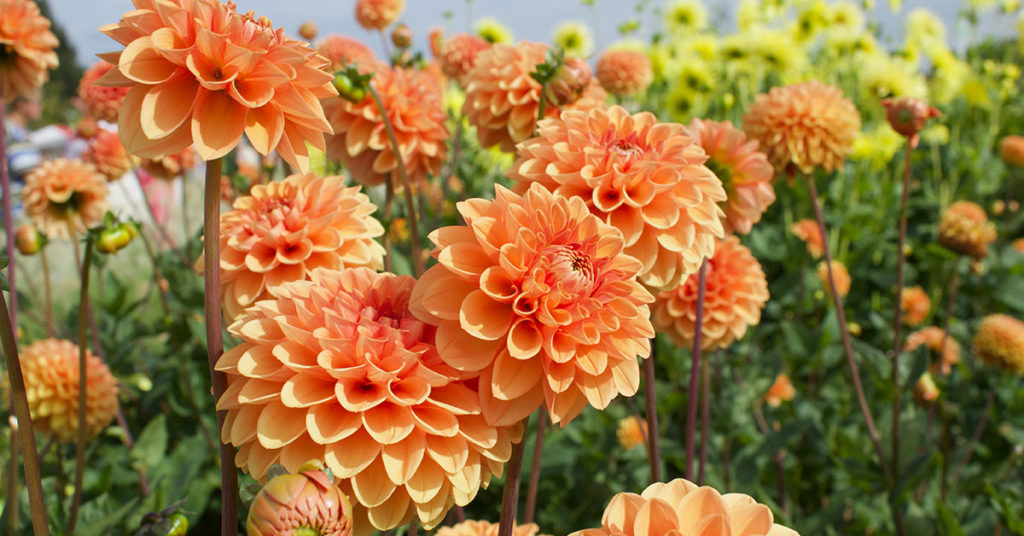
Native to Mexico and Central America, dahlias (Dahlia × pinnata) have long symbolized resilience and inner strength—perfect for summer’s intensity. Though they seldom escape cultivation in temperate gardens, their tuberous roots ensure they return year after year if you lift and store them in colder zones. Their layered petals, unfolding like a mandala, encourage contemplation and self-discovery.
The large, open heads attract a variety of pollinators—honeybees venture into the florets, and native carpenter bees sometimes nest in hollow stems of nearby supports. Leaving stakes or bamboo poles in place after staking provides prime nesting tunnels. Watching these gentle giants of the garden fill with insects is like witnessing nature’s affirmation of your own inner power!
Lotus: Path to Enlightenment

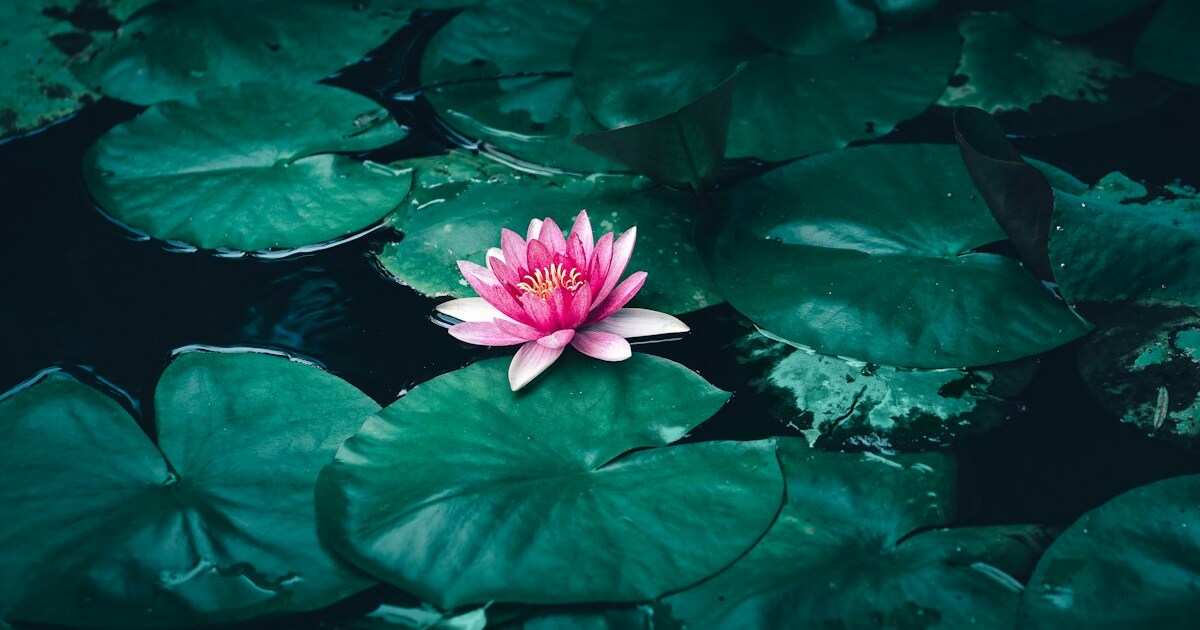
Nelumbo nucifera, the sacred lotus, originates in Asian waterways and is revered across Buddhist and Hindu traditions as a symbol of purity rising from muddy waters. While true lotus thrives in ponds rather than beds—and can naturalize in warm climates—it’s rarely invasive due to its aquatic specialization. Each sunrise bloom is a meditation on spiritual awakening.
Lotus blossoms attract pollinators like bees and hoverflies that skim the water’s surface, and frogs often lay eggs among the pads below. Creating a small pond or water feature at your entrance invites this delicate dance of life and spirituality. Every morning, when petals open, you’re reminded that beauty and clarity can emerge from even the murkiest challenges!
Marigold: Guardian of the Afterlife

Marigolds (Tagetes spp.), native to Mexico and Central America, are celebrated in Dia de los Muertos ceremonies as guides for ancestral spirits. Their bright gold and orange hues symbolize the sun’s warmth and protective energies. Although they can self-seed in warm regions, they rarely overrun a garden when spent blooms are removed.
Beyond their cultural significance, marigolds attract hoverflies and tachinid flies—natural predators of aphids. I leave a few faded flowers to shelter ladybugs overnight, ensuring those pest-fighters stay close. Planting marigolds by your doorway offers both spiritual guardianship and a lively community of beneficial insects!
Jasmine: Symbol of Divine Love

Jasminum sambac, known as Arabian jasmine, hails from South and Southeast Asia, where its intoxicating evening fragrance represents divine love and spiritual devotion. It isn’t typically invasive, thriving best in warm, sheltered spots or containers in cooler climates. Its white star-shaped blooms open at dusk, filling entryways with an ethereal perfume.
Night-flying moths, including sphinx moths, are drawn to jasmine’s nectar, and small native bees often nest in crevices of nearby old wood. By planting jasmine near an entry trellis, you invite these nocturnal visitors and create a ritual of evening worship through scent. Each breath becomes an act of love and gratitude!
Cosmos: Harmony and Order
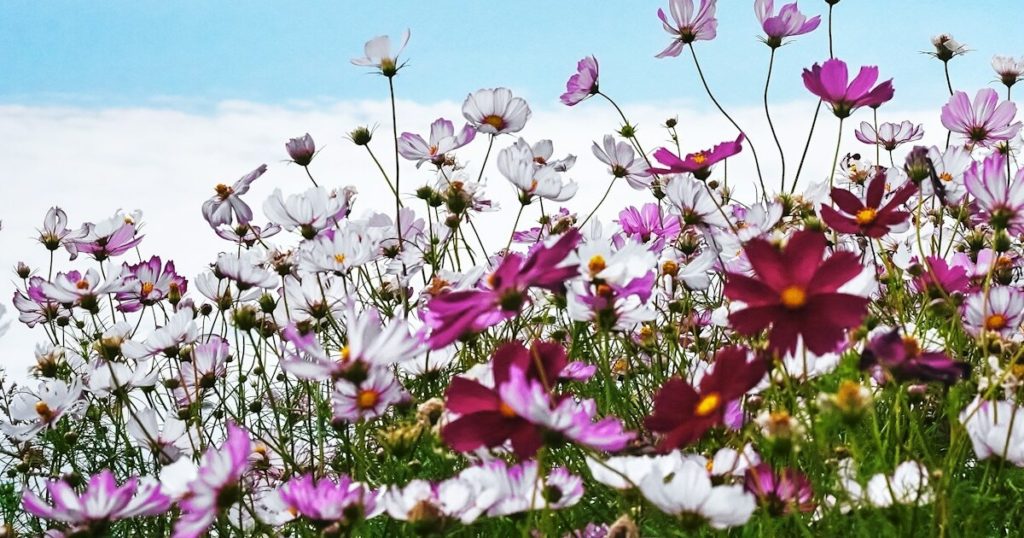
Native to Mexico, Cosmos bipinnatus embodies harmony, order, and balance—its perfectly spaced petals and tall, slender stems evoke a sense of cosmic alignment. While it self-seeds generously in fertile beds, its volunteers are easy to thin for succession blooms. Cosmos’s daisy-like flowers bring joyful structure to any summer plot.
These blooms are magnets for ladybugs and parasitic wasps that patrol for caterpillars and aphids, making cosmos a natural pest-management partner. I leave dead stems standing through winter as nesting sites for solitary bees in early spring. By cultivating cosmos, you foster both spiritual balance and a vibrant ecosystem!
Sunflower: Beacon of Adoration

Helianthus annuus, the common sunflower, traces back to North America’s grasslands, where it symbolized the sun’s life-giving power. Its towering stems and radiant faces evoke joy, loyalty, and unwavering faith. Though some heirloom varieties self-seed eagerly, most modern hybrids remain contained to their beds.
Sunflowers attract a parade of pollinators—bumblebees burrow into the disk florets, while goldfinches harvest the seeds for their young’s nests. Leaving a few dried heads in late season provides nesting materials and food through winter. Planting sunflowers at your threshold proclaims warmth and adherence to higher light!
Plumeria: Fragrant Devotion

Plumeria rubra, or frangipani, originates from Central America but has become iconic in Hawaiian and Buddhist symbolism for devotion and immortality. In cooler climates it’s grown in pots to prevent cold damage, so invasiveness is no concern. The five-petaled flowers exude a sweet, sticky scent at dawn and dusk.
Moths and small butterflies sip nectar from frangipani blossoms, and I often find tiny sweat bees nesting in the crevices of its succulent stems. Ensuring a small bare patch or a bee block nearby lures these helpers. A frangipani archway or potted specimen by your door fosters an atmosphere of enduring love and remembrance!
Daylily: Gatekeeper of Renewal
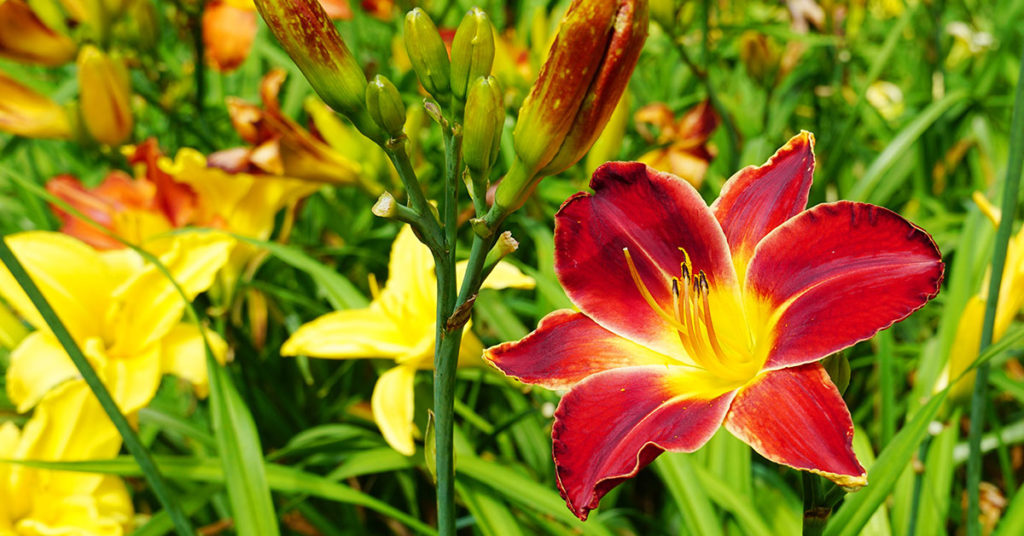
Hemerocallis fulva, the orange daylily, hails from Asia and symbolizes renewal—each flower blooms for a single day before giving way to the next. Daylilies can naturalize in moist soils and spread via rhizomes, so plant them where you can manage their clumps. Their bright blooms mark the continual cycle of life.
Hoverflies and small solitary bees visit daylily blooms, and the dense foliage offers shelter for ground-nesting bees at the plant’s base. By spacing clumps properly and leaving leaf litter intact in autumn, you support nesting spots. Each new daylily blossom is a lesson in letting go and embracing fresh beginnings!
Passionflower: Spiritual Suffering and Hope

Passiflora incarnata, the passionflower, is native to the southeastern United States and carries Christian symbolism of Christ’s passion—its intricate blooms represent thorny crowns and red filaments suggest wounds. While it can scramble through fences, it’s not generally invasive and responds well to pruning.
Bees adore passionflower’s nectary guides, and certain butterflies—including zebra longwings—use it as a larval host plant. I let a few vines trail near a bee hotel, and soon I’ll spot caterpillars tucked into leaf axils. Growing passionflower is an act of faith—honoring sacrifice while nurturing hope and transformation!
Zinnia: Celebration of the Living
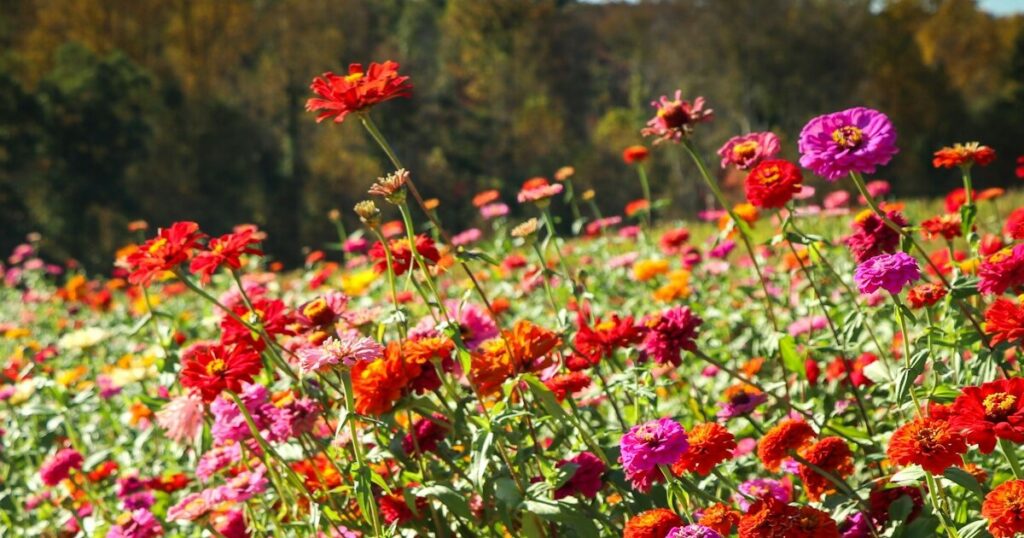
Zinnia elegans, native to Mexico, signifies celebration, endurance, and remembrance of the living. Its bold, layered blooms in every hue of the summer spectrum are non-invasive and easy to grow from seed. Deadheading spent flowers regularly encourages a nonstop festival of color!
Zinnias attract butterflies by the dozens—painted ladies and monarchs flock to their nectar. To support nesting, I leave small undisturbed patches of soil nearby and install a shallow water tray. By planting zinnias at your entrance, you invoke joy, vibrancy, and an open-hearted welcome to all who arrive!
Lavender: Serenity and Purification

Lavandula angustifolia, the English lavender, is native to the Mediterranean’s rocky slopes and embodies peace, purification, and calm. It’s well-behaved in most gardens, rarely invasive, and thrives in lean, well-draining soils. Its silvery foliage and purple flower spikes bring serenity to any border.
Bees, especially honeybees and solitary mason bees, gorge on lavender’s abundant nectar, and I’ve watched bumblebees nest in cavities under its woody base. Leaving old stems in place through winter provides sheltered tunnels. Planting lavender by your doorway offers both spiritual purification and a humming welcome committee!
Oleander: Protection and Warding Off Negativity
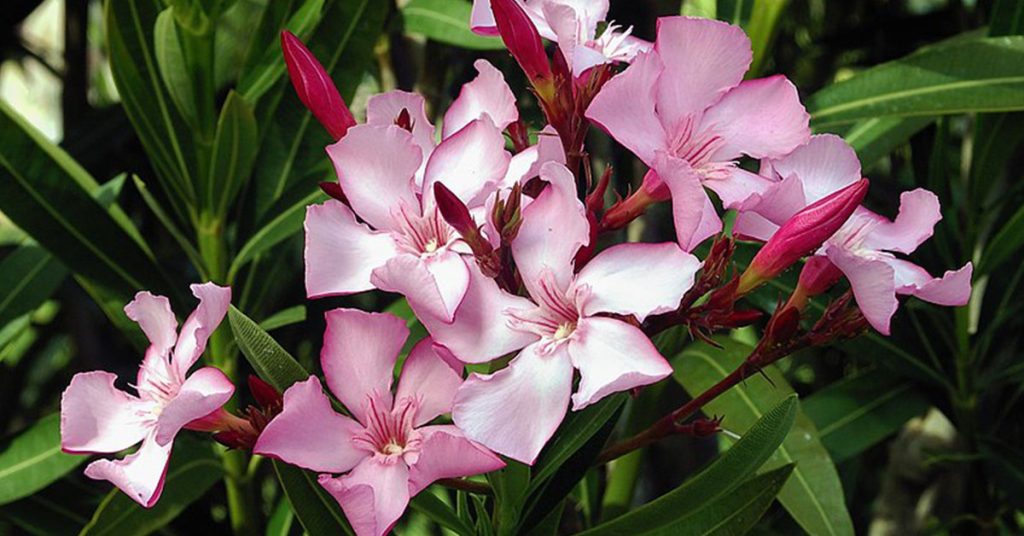
Nerium oleander, native to the Mediterranean, has long symbolized protection and the power to ward off evil—though it’s important to handle its sap carefully, as all parts are toxic. In warm climates it can naturalize along riparian zones, so container culture or regular pruning keeps it in check.
Oleander’s tubular blooms in pink, white, or red attract hummingbirds and large butterflies like swallowtails. I often see hummingbird moths fluttering around dusk! To support bee nesting, I leave a patch of bare, sandy ground at the plant’s edge. Oleander by your entrance serves as a protective sentinel, both spiritual and ecological!
Morning Glory: Renewal and Affection
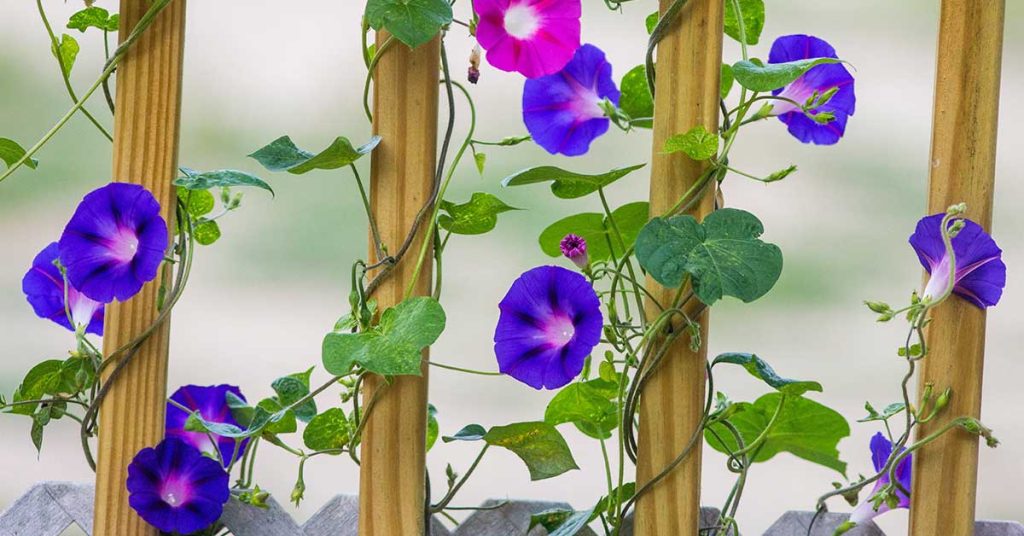
Ipomoea tricolor, the blue morning glory, originates in tropical America and symbolizes renewal because each flower opens anew with the dawn. It can self-seed vigorously, so I train it on a trellis and remove excessive volunteers. Its ephemeral blooms remind us that each day is a fresh gift.
Bees and hummingbird moths eagerly explore the funnel-shaped flowers, and I’ve spotted small carpenter bees nesting in the wooden trellis posts. Offering a bee block nearby further fosters these pollinators. Cultivating morning glory invites daily renewal and heartfelt affection into your garden’s first light!
Rose: Love and Sacrifice

Rosa spp., roses have been cultivated globally for millennia, symbolizing love, purity, and sometimes sacrifice when thorns are heeded. Native species vary from Asia to Europe, and while multiflora rose can become invasive, most modern garden roses remain contained when pruned. Their layered petals evoke devotion and the complexity of the heart.
Bees—especially bumblebees and honeybees—visit rose blooms, and I often find solitary nesting bees burrowing in the undisturbed mulch beneath. Leaving spent flowers to dry provides shelter, and planting companion herbs like thyme enhances beneficial insect diversity. Roses at your entrance weave together love’s beauty and its protective thorns!
Hibiscus: Transient Beauty and Glory

Hibiscus rosa-sinensis, native to tropical Asia, stands for fleeting beauty, glory, and the divine feminine. Each bloom lasts just a day, urging us to honor the present moment. In warm climates it can spread by suckers but is easily managed through selective pruning.
Hibiscus flowers attract hummingbirds and large bees that nest in nearby shrubs or hollow plant stakes. I leave aged bamboo supports in place after staking; carpenter bees often burrow in them for brood chambers. Planting hibiscus at your doorway invites a celebration of today’s beauty—vibrant, sacred, and ephemeral!