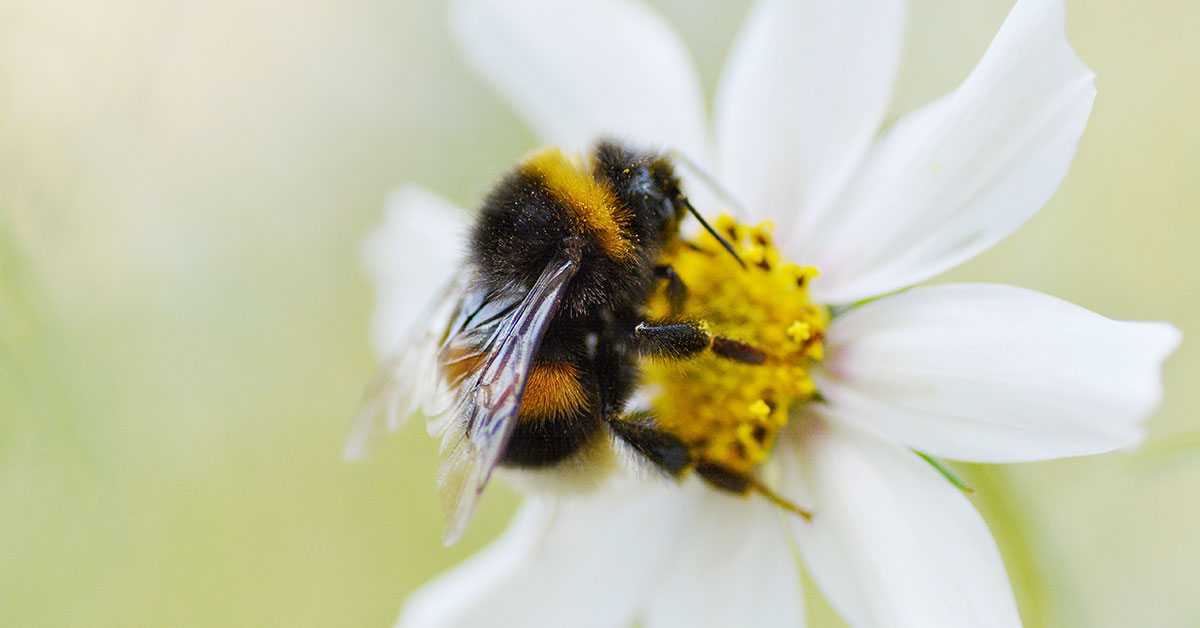

Creating a garden that attracts bees and other pollinators is not only beneficial for your plants but also essential for the environment. Bees, butterflies, and other pollinators play a crucial role in the reproduction of many plants, including those that produce fruits and vegetables. As a passionate gardener, I find great joy in watching my garden come alive with the buzz and flutter of these vital creatures. By choosing the right plants, you can create a vibrant, pollinator-friendly garden that supports biodiversity and enhances the beauty of your outdoor space.
Pollinators are attracted to flowers that provide nectar and pollen, their primary food sources. Different plants appeal to different pollinators, so incorporating a variety of plants can ensure a diverse and healthy ecosystem in your garden. Let’s explore some of the best plants for attracting bees and pollinators, and learn how to grow them to maximize their appeal.
Lavender
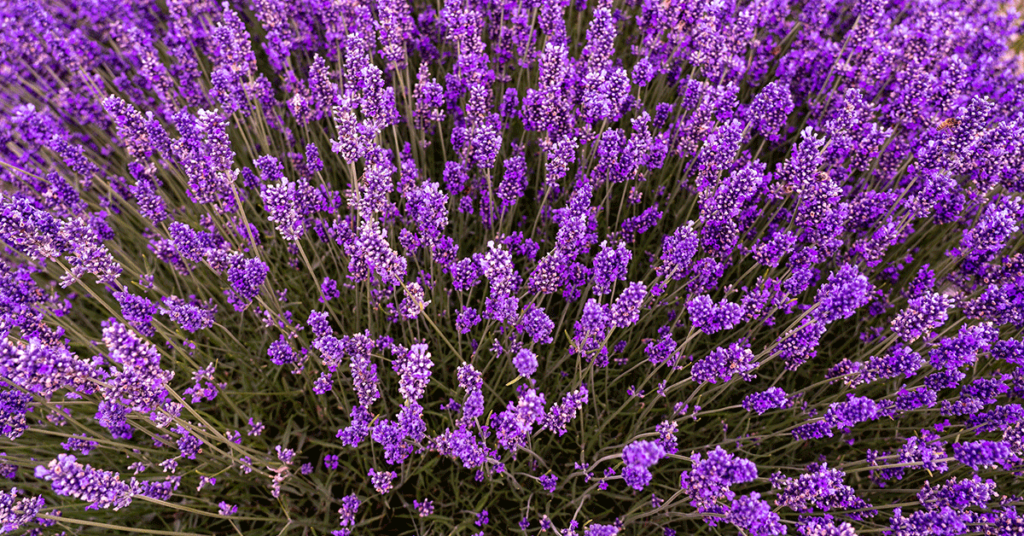
Lavender (Lavandula spp.) is a beloved plant among gardeners and pollinators alike. This aromatic herb thrives in full sun and well-drained soil, making it an excellent choice for sunny garden spots. Lavender is relatively drought-tolerant once established, requiring minimal watering. Prune the plants in early spring to encourage bushier growth and more flowers.
Lavender’s fragrant, purple blooms are a magnet for bees, butterflies, and even hummingbirds. The high nectar content of the flowers provides a rich food source for pollinators. Planting lavender in your garden not only attracts these beneficial insects but also adds a calming scent and beautiful color to your landscape.
Coneflower
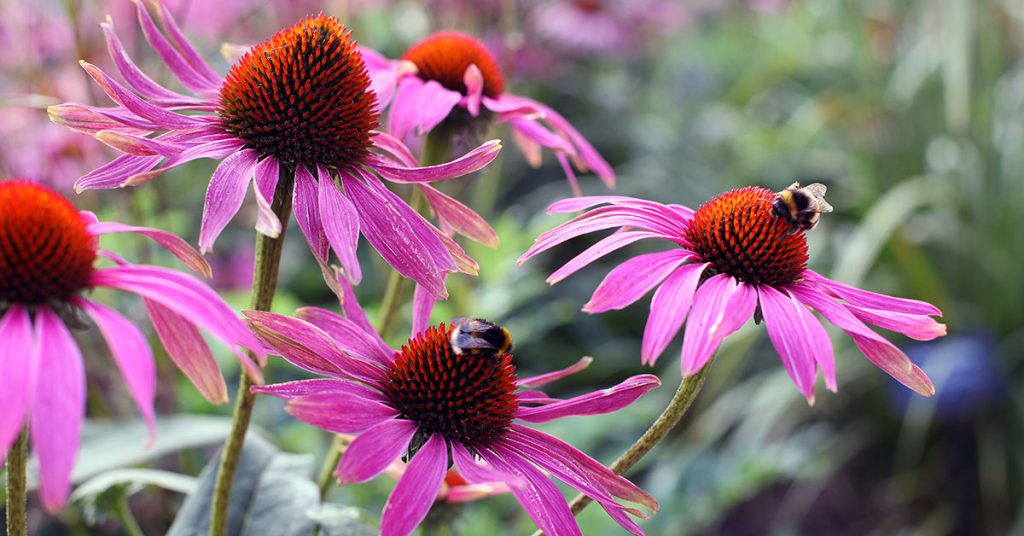
Coneflowers (Echinacea spp.) are hardy perennials that thrive in full sun and well-drained soil. They are drought-tolerant once established and require minimal maintenance. Plant coneflowers in the spring or fall, spacing them about 1 to 3 feet apart to allow for their expansive growth.
The large, daisy-like blooms of coneflowers are highly attractive to bees, butterflies, and other pollinators. The central cone of the flower provides a landing platform for insects, making it easy for them to access the nectar. In addition to their pollinator-friendly qualities, coneflowers add vibrant colors and striking shapes to any garden.
Bee Balm
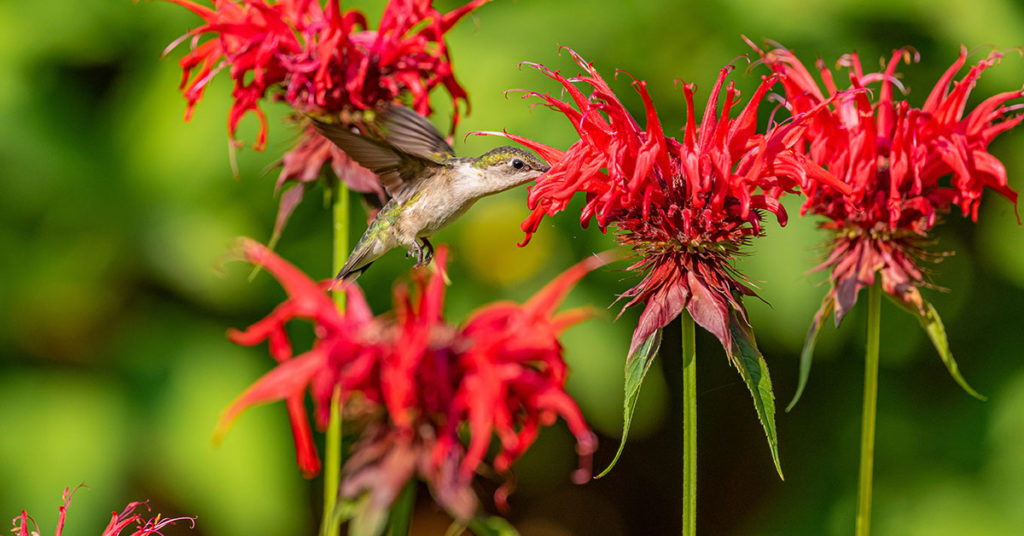
Bee balm (Monarda spp.) is a showy perennial known for its bright, tubular flowers and aromatic foliage. It thrives in full sun to partial shade and prefers moist, well-drained soil. Plant bee balm in the spring or fall, spacing the plants about 18 to 24 inches apart.
Bee balm’s red, pink, purple, or white flowers are particularly attractive to bees, butterflies, and hummingbirds. The nectar-rich blooms provide a valuable food source throughout the summer. Regular deadheading can encourage more blooms, and dividing the plants every few years helps maintain their vigor. Bee balm’s vibrant flowers and pleasant fragrance make it a delightful addition to pollinator gardens.
Salvia
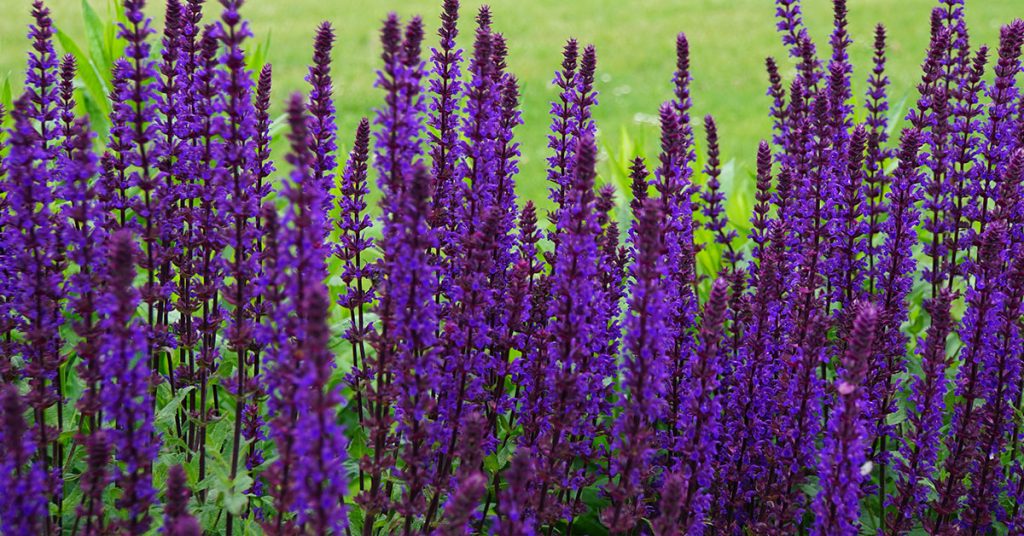
Salvia (Salvia spp.) is a versatile perennial that produces spikes of vibrant flowers, attracting a variety of pollinators. It thrives in full sun and well-drained soil. Plant salvia in the spring, spacing the plants about 1 to 2 feet apart to accommodate their growth.
Salvia’s tubular flowers come in a range of colors, including blue, purple, red, and pink, making them visually appealing and highly attractive to bees, butterflies, and hummingbirds. The long blooming period, from late spring to fall, ensures a continuous nectar supply. Salvia is also drought-tolerant once established, making it a low-maintenance choice for pollinator gardens.
Zinnia
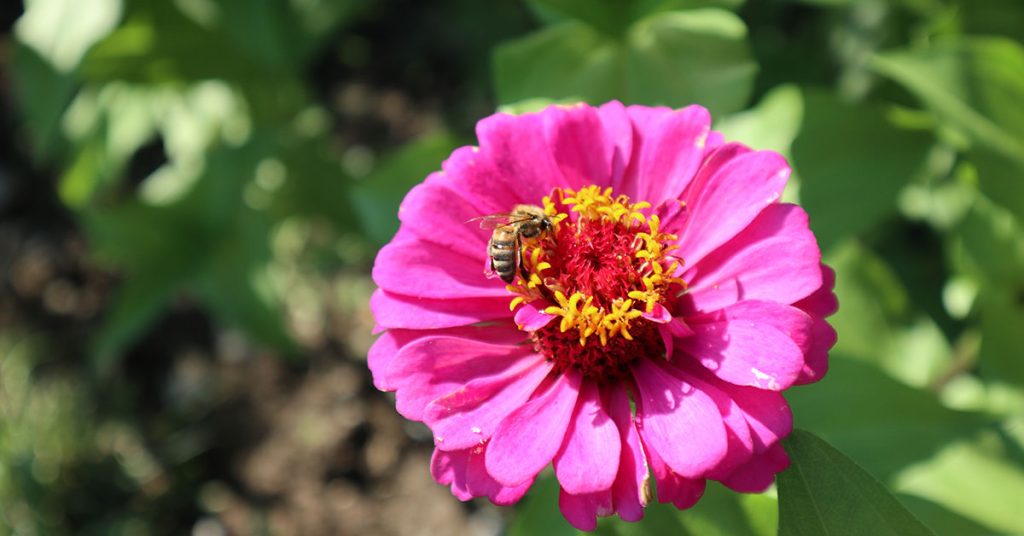
Zinnias (Zinnia spp.) are easy-to-grow annuals that thrive in full sun and well-drained soil. Plant zinnias after the last frost in spring, spacing the plants about 12 inches apart. These fast-growing flowers begin to bloom within a few weeks and continue until the first frost.
Zinnias’ bright, bold colors attract bees, butterflies, and other pollinators. Their open, daisy-like structure makes it easy for insects to access the nectar. Regular deadheading encourages continuous blooming and helps keep the plants looking tidy. Zinnias’ vibrant hues and long-lasting blooms make them a favorite for pollinator gardens.
Butterfly Bush
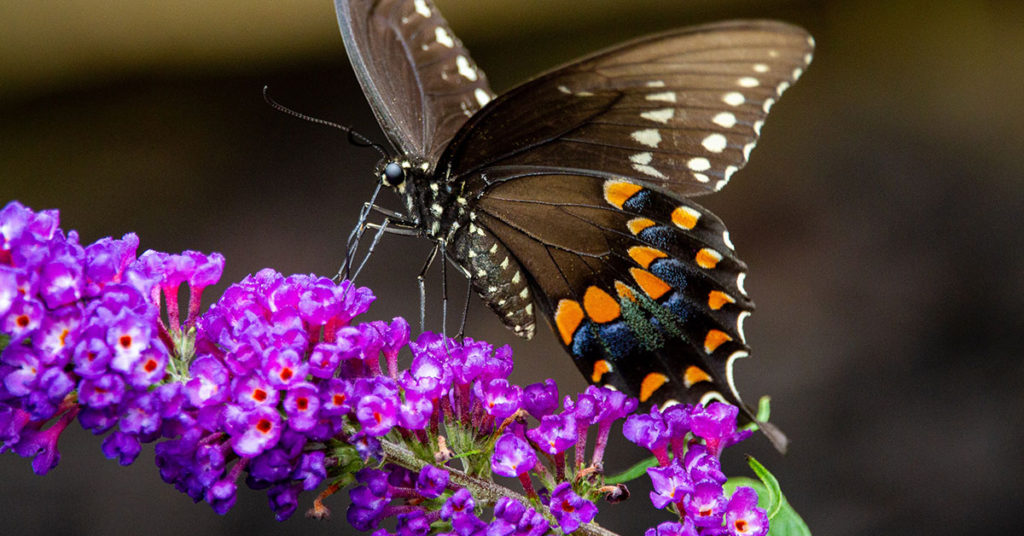
The butterfly bush (Buddleja davidii) is a hardy shrub that thrives in full sun and well-drained soil. Plant butterfly bushes in the spring or fall, spacing them about 5 to 10 feet apart to accommodate their large size. Regular pruning helps maintain their shape and encourages more blooms.
Butterfly bush produces large clusters of fragrant flowers that are irresistible to butterflies, bees, and hummingbirds. The flowers come in a variety of colors, including purple, pink, white, and yellow. The high nectar content of the blooms provides a valuable food source for pollinators throughout the summer and fall. Butterfly bush’s striking flowers and strong fragrance make it a standout in any garden.
Borage
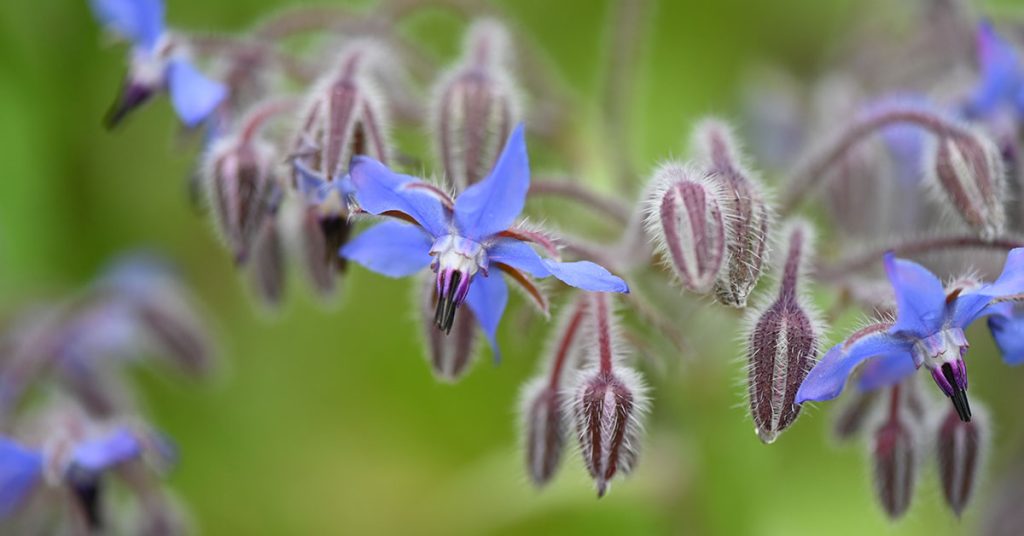
Borage (Borago officinalis) is an annual herb that thrives in full sun and well-drained soil. It is relatively easy to grow from seed and can be planted directly in the garden after the last frost. Borage grows quickly and can reach heights of up to 2 feet.
The star-shaped blue flowers of borage are highly attractive to bees, especially honeybees and bumblebees. The flowers produce a rich supply of nectar and bloom continuously throughout the growing season. Borage’s fuzzy leaves and unique flower shape add both visual and textural interest to the garden.
Sunflower

Sunflowers (Helianthus annuus) are iconic annuals that thrive in full sun and well-drained soil. Plant sunflower seeds directly in the garden after the last frost, spacing them about 12 inches apart. These fast-growing plants can reach heights of up to 10 feet or more, depending on the variety.
Sunflowers’ large, bright blooms attract a variety of pollinators, including bees, butterflies, and even birds. The flowers provide a rich source of nectar and pollen, while the seeds offer food for birds later in the season. Sunflowers’ towering height and cheerful appearance make them a striking addition to any pollinator garden.
Marigold
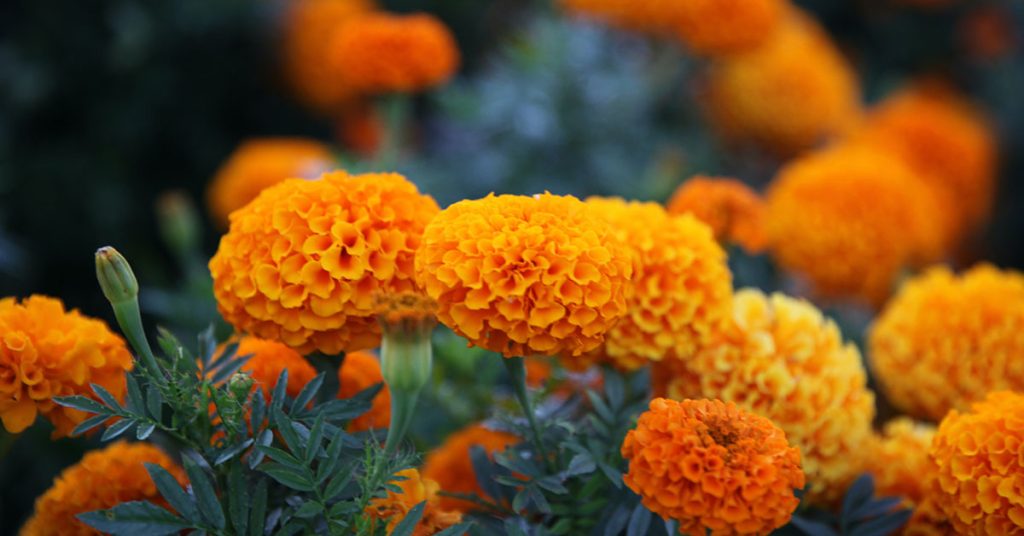
Marigolds (Tagetes spp.) are hardy annuals that thrive in full sun and well-drained soil. Plant marigold seeds or transplants after the last frost, spacing them about 6 to 12 inches apart. Marigolds are easy to grow and require minimal care once established.
The bright, cheerful flowers of marigolds attract bees, butterflies, and other beneficial insects. The flowers’ strong scent can also help repel certain pests, making marigolds a great companion plant. Regular deadheading encourages continuous blooming from spring to fall. Marigolds’ vibrant colors and pest-repellent properties make them a valuable addition to any garden.
Cosmos
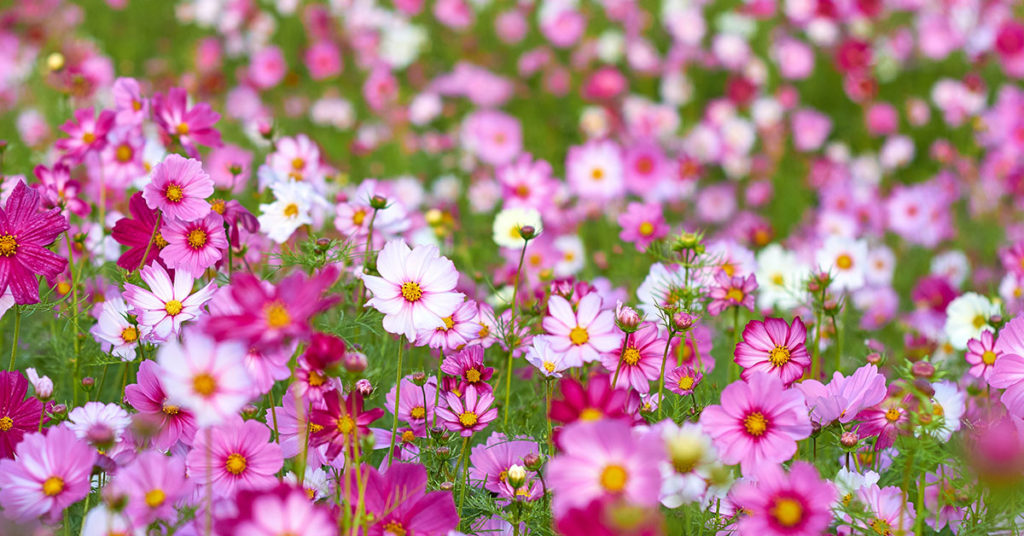
Cosmos (Cosmos spp.) are easy-to-grow annuals that thrive in full sun and well-drained soil. Plant cosmos seeds directly in the garden after the last frost, spacing them about 12 inches apart. These fast-growing flowers begin to bloom within a few weeks and continue until the first frost.
Cosmos’ delicate, daisy-like flowers attract bees, butterflies, and other pollinators. Their open structure makes it easy for insects to access the nectar. Regular deadheading encourages continuous blooming and helps keep the plants looking tidy. Cosmos’ airy foliage and vibrant colors add a whimsical touch to pollinator gardens.
Goldenrod
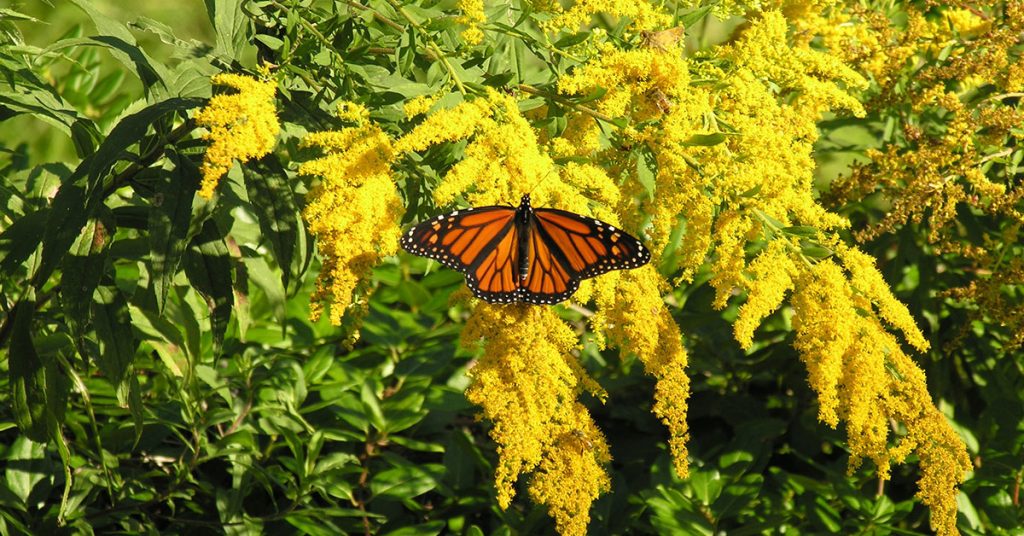
Goldenrod (Solidago spp.) is a hardy perennial that thrives in full sun and well-drained soil. Plant goldenrod in the spring or fall, spacing the plants about 1 to 2 feet apart. Goldenrod is relatively drought-tolerant and requires minimal care once established.
The bright yellow flowers of goldenrod are highly attractive to bees, butterflies, and other pollinators. The late-summer to fall blooming period provides a valuable nectar source when many other plants have finished flowering. Goldenrod’s tall, feathery blooms add a splash of color and vertical interest to the garden.
Catmint
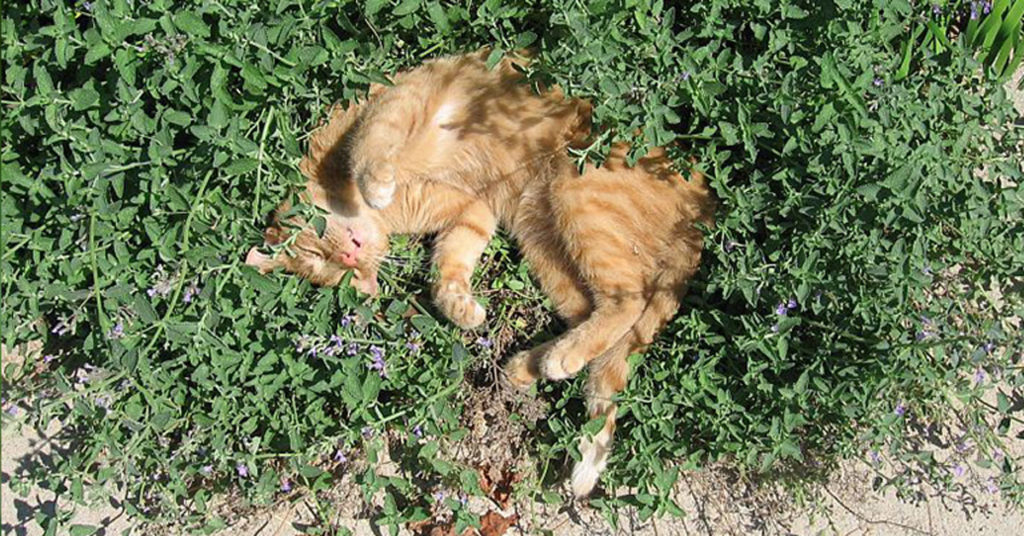
Catmint (Nepeta spp.) is a hardy perennial that thrives in full sun to partial shade and well-drained soil. Plant catmint in the spring or fall, spacing the plants about 1 to 2 feet apart. This drought-tolerant plant requires minimal care once established and is known for its aromatic foliage.
Catmint’s lavender-blue flowers attract bees, butterflies, and hummingbirds. The long blooming period, from late spring to early fall, ensures a continuous nectar supply. Regular pruning after the first flush of blooms can encourage a second flowering. Catmint’s fragrant foliage and prolific blooms make it a valuable addition to pollinator gardens.
Black-Eyed Susan
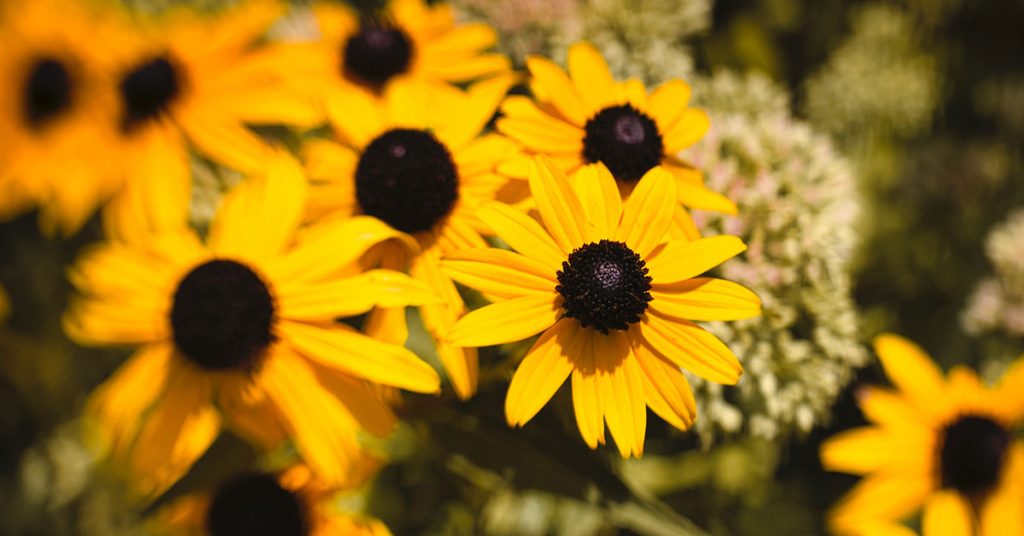
Black-eyed Susans (Rudbeckia hirta) are hardy perennials that thrive in full sun and well-drained soil. Plant black-eyed Susans in the spring or fall, spacing them about 12 to 18 inches apart. These drought-tolerant plants require minimal care once established.
The bright yellow flowers with dark centers attract bees, butterflies, and other pollinators. The open, daisy-like structure makes it easy for insects to access the nectar. Deadheading spent flowers encourages more blooms and extends the flowering period. Black-eyed Susans’ cheerful appearance and pollinator-friendly qualities make them a garden favorite.
Joe Pye Weed
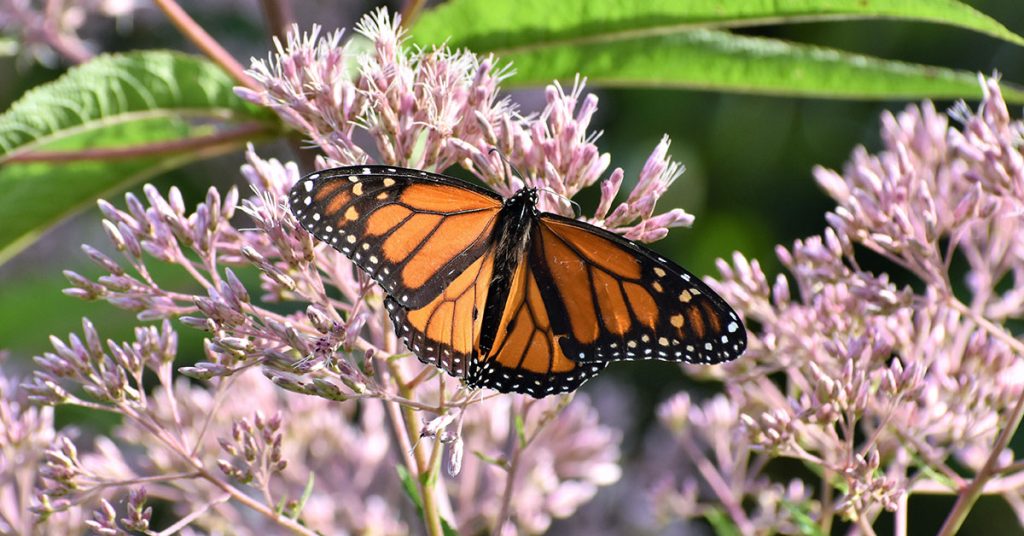
Joe Pye weed (Eutrochium spp.) is a native perennial that thrives in full sun to partial shade and prefers moist, well-drained soil. Plant Joe Pye weed in the spring or fall, spacing the plants about 2 to 4 feet apart. These tall plants can reach heights of up to 7 feet, making them excellent for the back of flower beds or naturalized areas.
The mauve-pink flowers of Joe Pye weed are particularly attractive to butterflies, bees, and other pollinators. The late-summer to early-fall blooming period provides a crucial nectar source for pollinators preparing for migration. Joe Pye weed’s striking height and flower clusters add a dramatic touch to pollinator gardens.
Aster
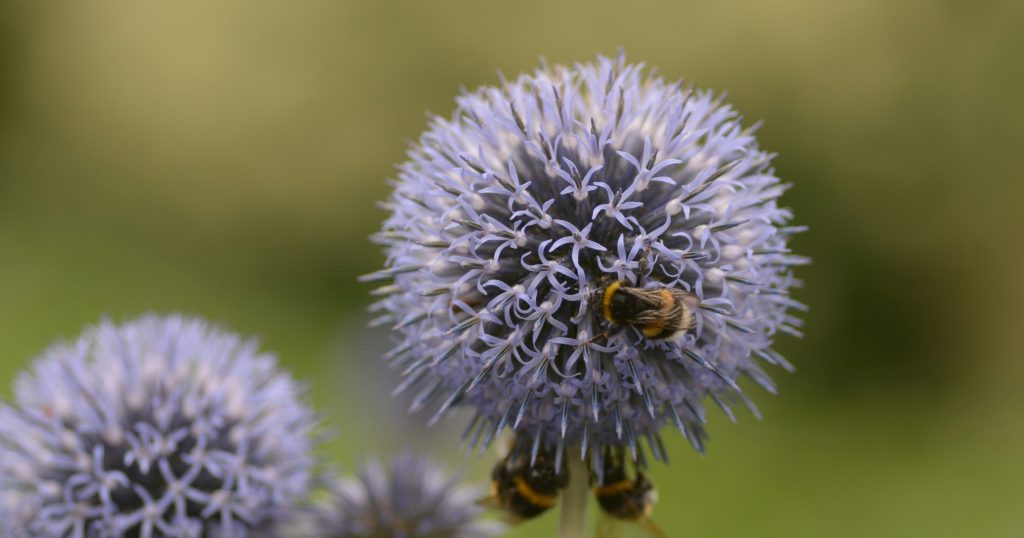
Asters (Aster spp.) are late-blooming perennials that thrive in full sun to partial shade and well-drained soil. Plant asters in the spring or fall, spacing the plants about 1 to 3 feet apart, depending on the variety. Pinching back the stems in early summer can encourage bushier growth and more flowers.
Asters’ star-shaped blooms come in a variety of colors, including purple, pink, blue, and white, and are highly attractive to bees, butterflies, and other pollinators. The late blooming period, from late summer to fall, ensures a continuous nectar supply when many other flowers are fading. Asters’ vibrant colors and pollinator-friendly qualities make them a must-have in any garden.