
Nothing beats the welcome of fresh herbs greeting you at the threshold—imagine snipping fragrant basil for dinner or brushing past mint leaves that release a cool, uplifting scent! Placing herbs by your front door not only offers kitchen convenience but also creates a sensory delight for visitors and passersby. Plus, many herbs are magnets for beneficial insects: bees nesting in the foliage, ladybugs hunting pests, and predatory wasps patrolling for caterpillars.
I know how frustrating it is to plant a lovely window box only to find it wilted or eaten by snails. That’s why choosing the right herbs—ones that thrive in containers or narrow beds and aren’t invasive troublemakers—is key. I’m excited to share 15 standout herbs that combine beauty, utility, and resilience, all ready to boost your curb appeal and flavor your meals!
Mint
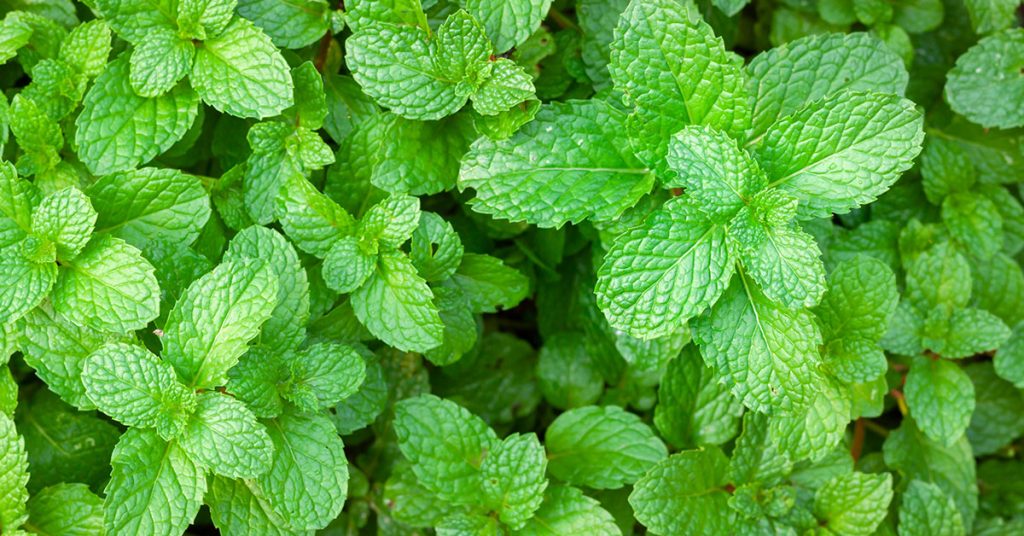
Native to Europe and Asia, mint (Mentha spp.) is famed for its vigorous growth—so much so that it can become invasive if left unchecked in the ground. Growing it in a container by your door tames its spread while letting you enjoy its cool, invigorating aroma with every breeze.
Mint’s tiny flowers attract hoverflies and bees, and its dense foliage provides nesting spots for small beneficial insects. One of my favorite tricks is to place a pot of chocolate mint near the entrance—visitors always comment on the delicious scent wafting in!
Tarragon
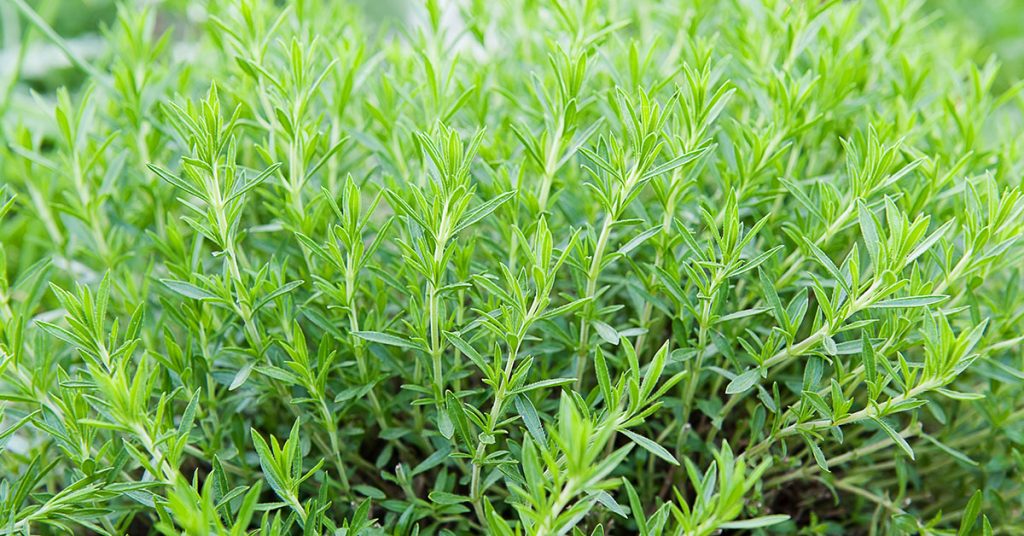
French tarragon (Artemisia dracunculus) hails from Siberia and Kazakhstan but found fame in French cuisine. It isn’t particularly invasive, making it ideal for confined planters. Its licorice-like aroma greets you warmly and offers a gourmet touch to sauces and salads.
When in bloom, tarragon’s inconspicuous flowers still draw tiny bees and syrphid flies, which appreciate the pollen. I’ve seen solitary bees tuck themselves into the feathery leaves—tarragon beds can become cozy insect retreats!
Parsley
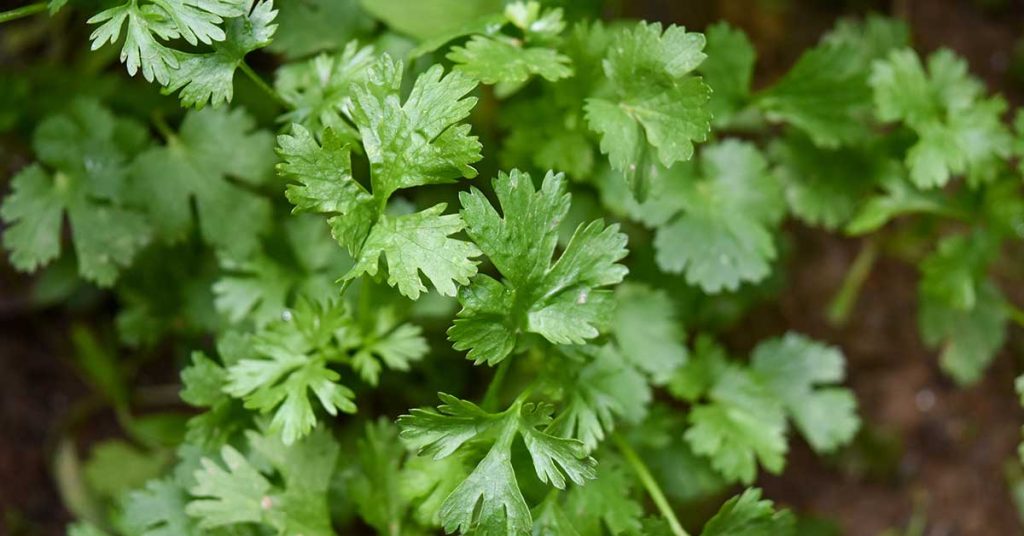
Parsley (Petroselinum crispum) has Mediterranean roots and isn’t invasive, though it reseeds if you let it flower. Its bright green fronds are both decorative and versatile in the kitchen, perfect for garnishes, salads, and soups.
Butterflies, especially swallowtails, are drawn to parsley blooms when you let them go to seed. I remember my first parsley patch—I couldn’t believe how many caterpillars set up home before metamorphosing into gorgeous swallowtails!
Chamomile

Roman chamomile (Chamaemelum nobile) originates from Western Europe and isn’t known to become invasive. Its delicate white flowers and apple-like fragrance make for an inviting entryway, and the blooms are perfect for homemade tea.
Bees adore chamomile blossoms for their open, daisy-like flowers. Last summer, I spotted a small mason bee using a chamomile pot as a nesting ground—it’s so rewarding to know your tea herb is also a pollinator haven!
Rosemary

Rosemary (Salvia rosmarinus) is native to the Mediterranean coast and generally stays well-behaved in pots. Its piney scent is invigorating, and snipping a sprig to toss on the grill adds depth to meats and vegetables.
When rosemary flowers, it becomes a beacon for bees and hummingbirds, who flit among its purple or white blossoms. Seeing that activity right by my front steps never fails to lift my spirits!
Thyme
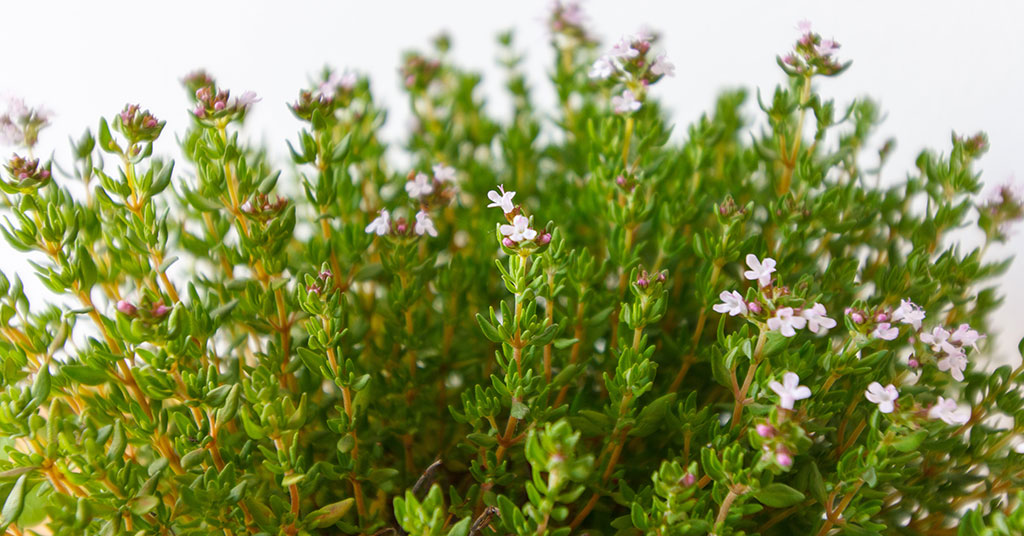
Thyme (Thymus vulgaris) also hails from Mediterranean regions and, unlike some creeping relatives, stays compact in containers. Its tiny leaves release a savory scent underfoot—perfect for herb lovers who appreciate a subtle fragrance.
Thyme’s profusion of pastel blooms attracts hoverflies and bees, and ground-nesting bees often burrow beneath its mat of stems. I’ve found entire nests tucked into the soil around my thyme pots!
Basil
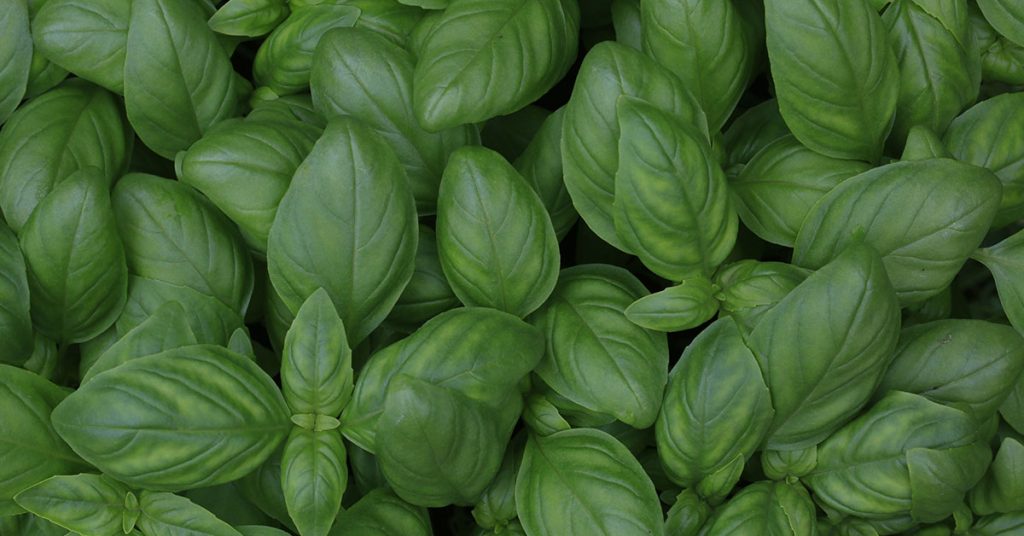
Sweet basil (Ocimum basilicum) comes from tropical Asia but adapts wonderfully to container life. It isn’t invasive, though it will self-seed if left to flower. Fresh basil leaves are unbeatable for pesto and Caprese salads!
When basil bolts and blooms, its lavender flowers become magnets for bees and butterflies. One of my favorite summer sights is a cluster of bumblebees savoring those blooms just inches from my front door.
Dill
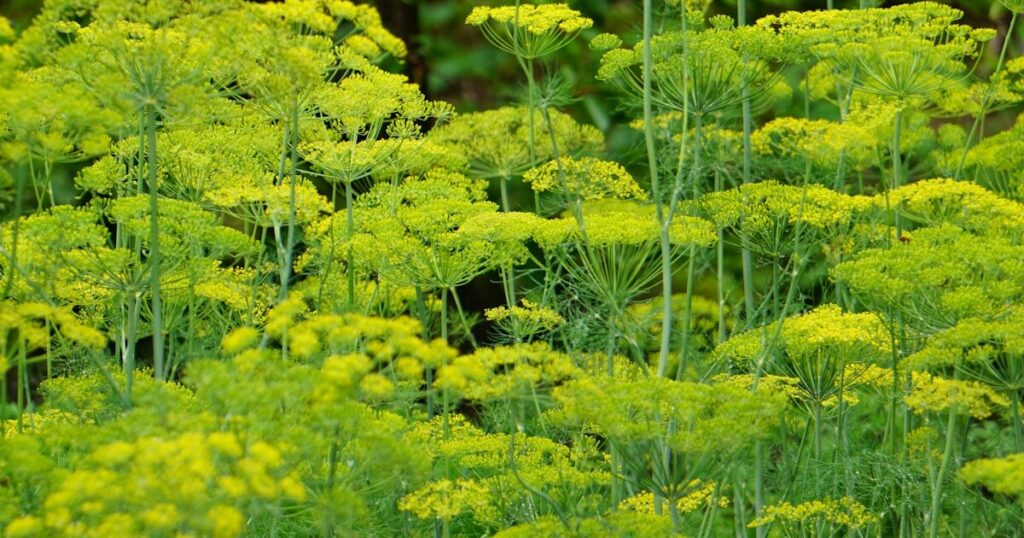
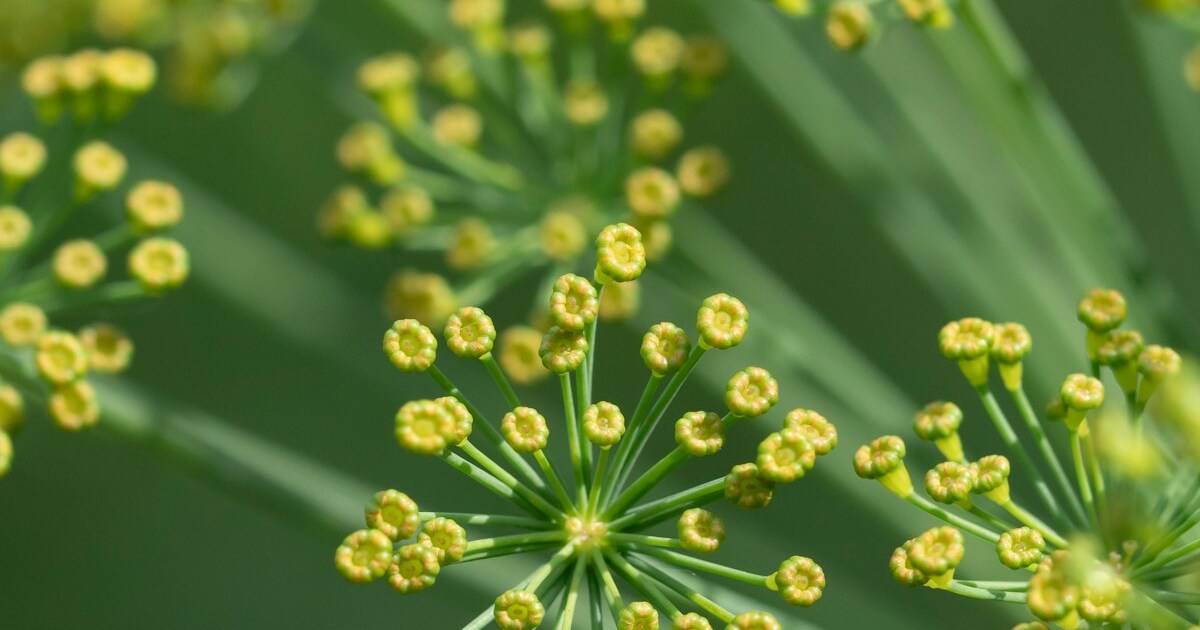
Dill (Anethum graveolens) is native to the Mediterranean and Southwest Asia and isn’t overly invasive, though it readily reseeds. Its feathery fronds add a lacy texture to a doorway planter, and its seeds are indispensable in pickling.
Dill umbels are irresistible to ladybugs, parasitic wasps, and syrphid flies—all excellent pest controllers. I once watched a lacewing tuck eggs into a dill leaf cluster, a real treat for any gardener to witness!
Chives
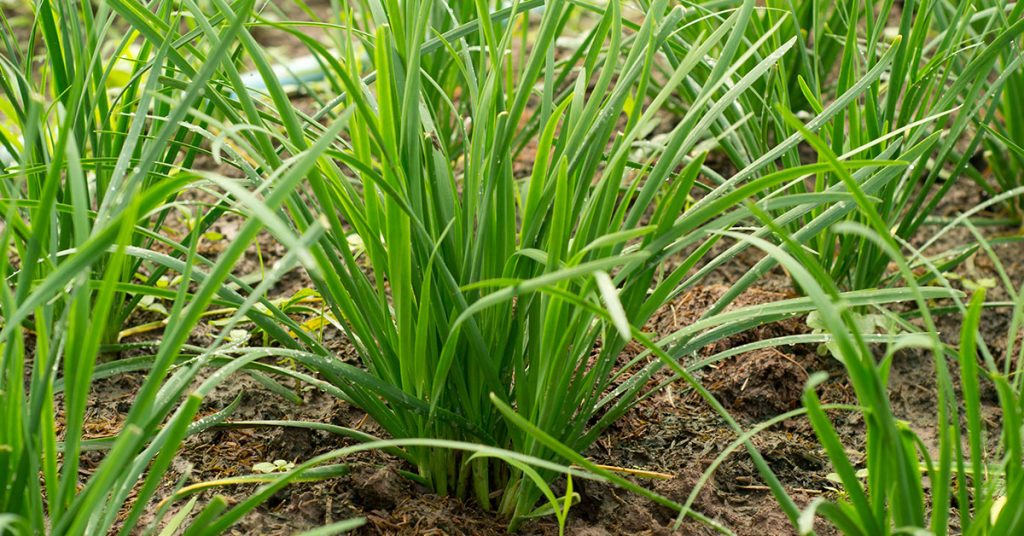
Chives (Allium schoenoprasum) originate from Europe and Asia and form neat clumps rather than spreading aggressively. Their oniony scent is subtle yet refreshing, and their tubular flowers are edible and decorative in salads.
Those purple pom-pom blooms draw bees in droves, and their dense grass-like foliage provides shelter for tiny ground insects. I love sneaking a taste of chive flowers before heading inside!
Sage
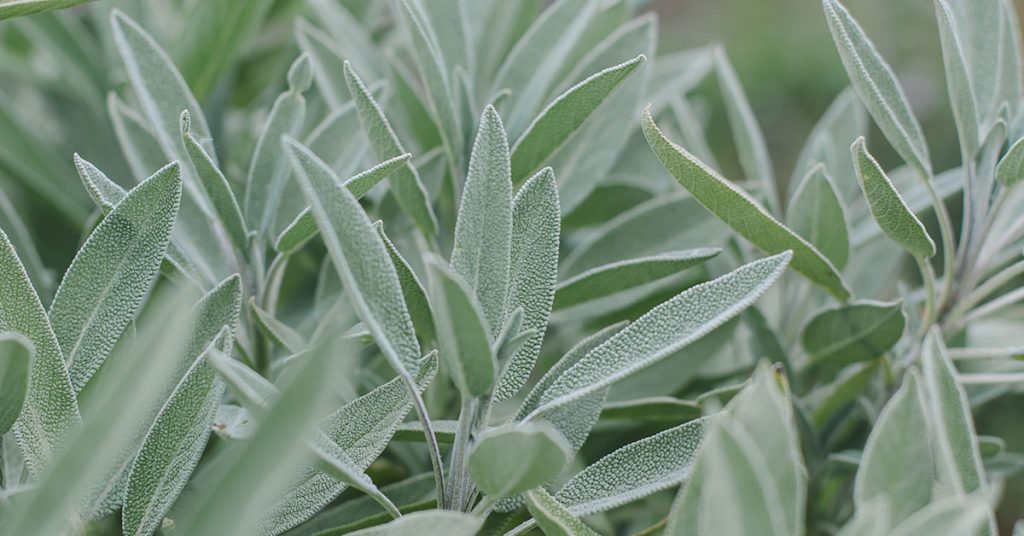
Common sage (Salvia officinalis) comes from the Mediterranean and, in a pot, stays a tidy, aromatic shrub. Its silvery leaves release an earthy fragrance that’s perfect for poultry seasoning and savory dishes.
In bloom, sage’s tubular flowers attract bumblebees, which love to tuck inside the blossoms. Last spring, I counted nearly a dozen bumblebees buzzing around my front-step sage plant!
Lavender

Lavender (Lavandula angustifolia) is native to the Alps and produces those unmistakable fragrant spikes, though it can naturalize in favorable climates. Container planting keeps it in check while offering that classic purple haze.
Lavender fields are renowned for attracting pollinators—and even by your door, you’ll see bees, butterflies, and hoverflies flocking to the blooms. It’s like having a mini wildflower meadow right outside!
Oregano
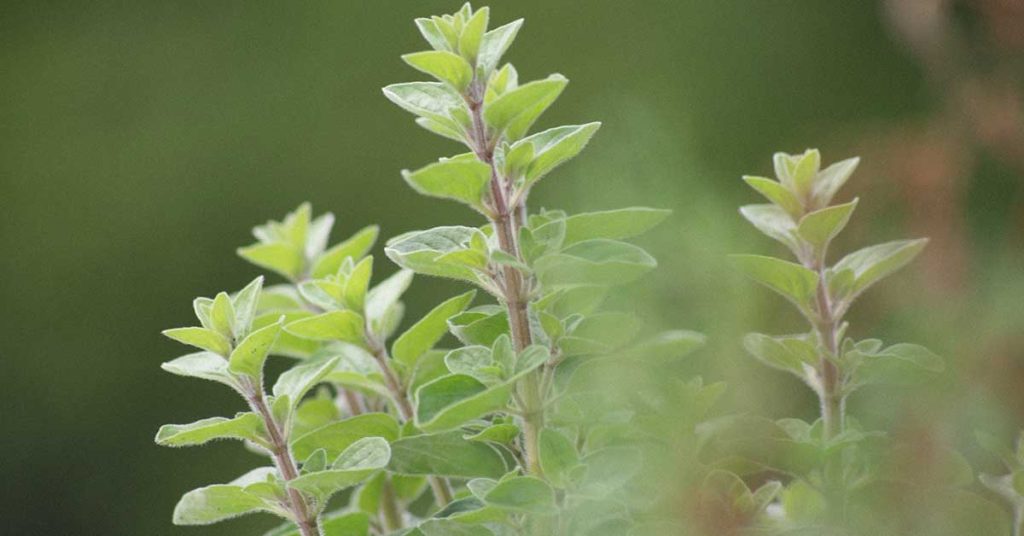
Oregano (Origanum vulgare) hails from the Mediterranean and is hardy but not particularly invasive in pots. Its robust flavor is a staple in pizzas, sauces, and marinades.
The clusters of pinkish flowers are a magnet for pollinators. I often spot hoverflies and solitary bees using oregano blooms as rest stops before darting off to other garden patches.
Fennel
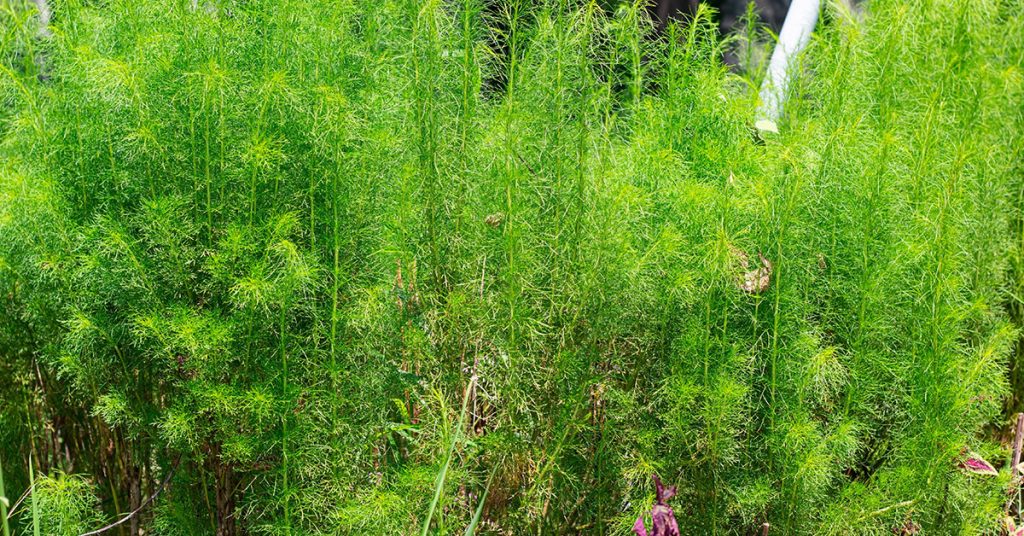
Sweet fennel (Foeniculum vulgare) comes from southern Europe and, if planted in the ground, can spread aggressively. In a container by your door, it’s perfectly contained and offers an anise-like scent.
Fennel’s umbels are butterfly magnets—particularly swallowtails—and also attract parasitic wasps that help keep aphids under control. Watching those graceful insects dance around the tall fronds is pure joy!
Lemon Balm
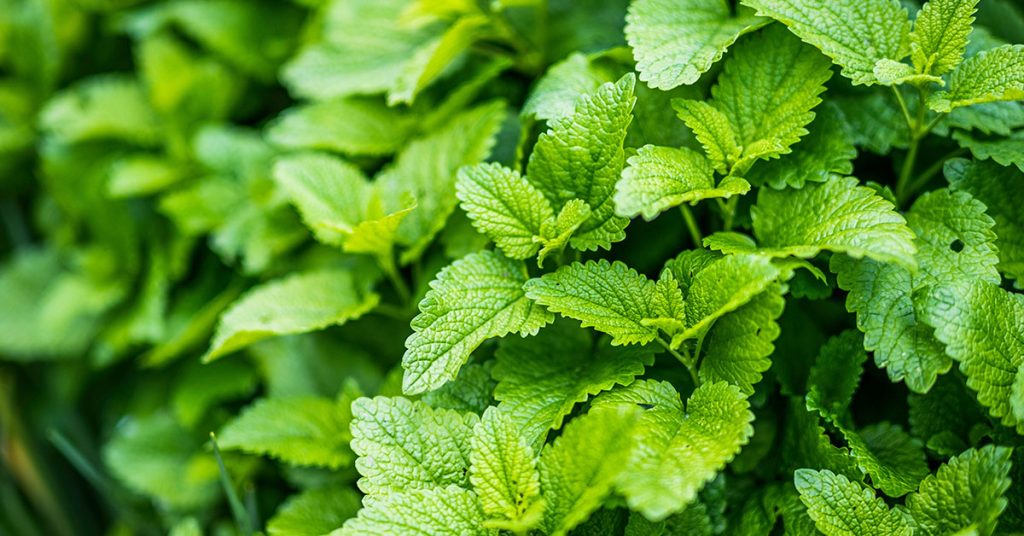
Lemon balm (Melissa officinalis) is native to southern Europe and southwestern Asia and can be vigorous, so a decorative pot is ideal. Its uplifting lemon scent is released with each brush of the leaves and is wonderful in teas or desserts.
Bees adore the small white flowers, and I’ve even seen leafcutter bees nesting between the rim of my pot and the saucer. It’s a lovely reminder that your herbs support more than just your cooking!
Cilantro
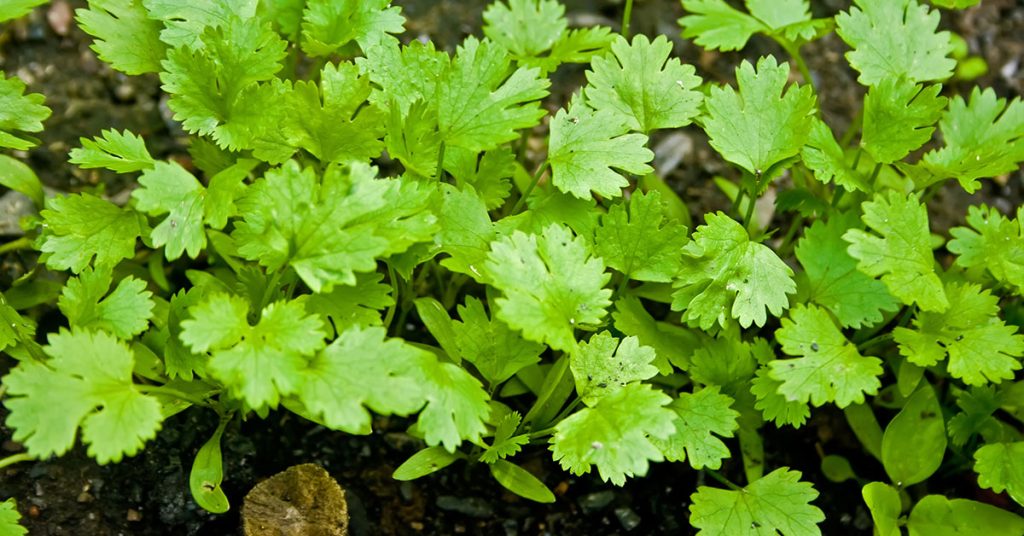
Cilantro (Coriandrum sativum) comes from regions spanning southern Europe to southwestern Asia. While it self-seeds readily, growing it in a shallow container keeps seedlings from popping up everywhere. The fresh leaves and seeds (coriander) are kitchen essentials!
Cilantro’s lacy umbels attract predatory wasps and hoverflies, making it a natural ally against pests. I cherish the moment when those delicate white flowers appear—they’re as pretty as they are useful.