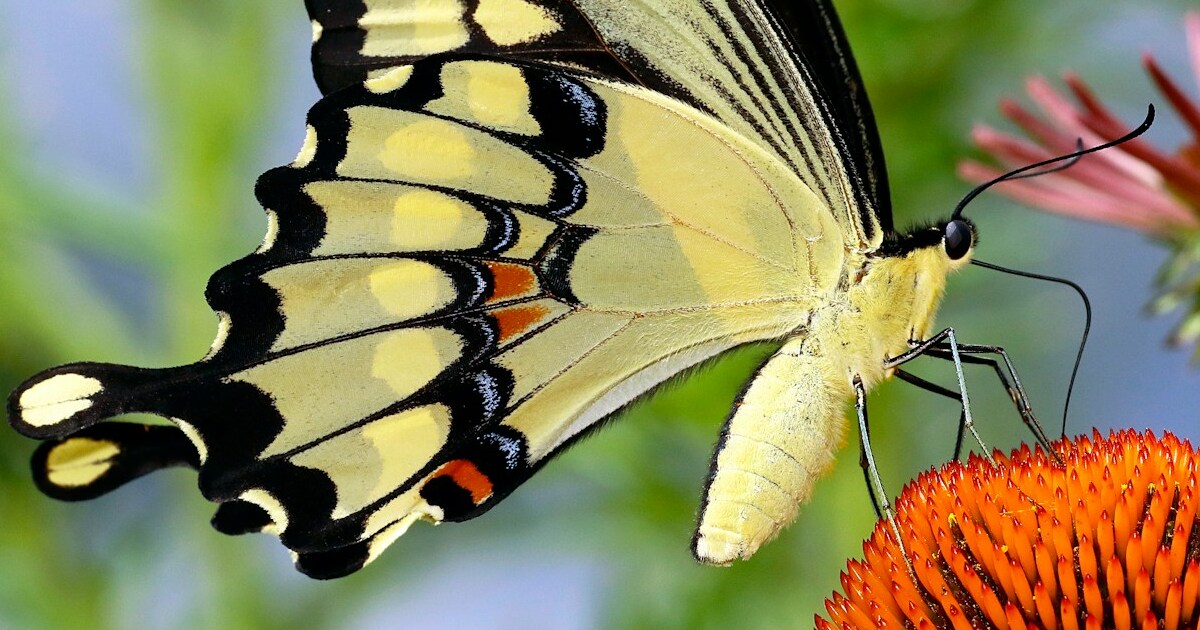

If you’ve ever seen a swallowtail butterfly glide into your garden, you know it’s like watching a tiny miracle unfold. These butterflies are absolutely dazzling, with their distinctive tails and bold wing patterns. But attracting them isn’t just about luck—it’s about planting the flowers they love! Whether you’re hoping to support pollinators, add beauty to your space, or just enjoy the thrill of seeing butterflies up close, choosing the right blooms can make all the difference.
Swallowtails are especially drawn to flowers that offer both nectar and a place to rest. Some are host plants for their caterpillars, while others serve as nectar stops on their long journeys. I’ve spent years experimenting with combinations of flowers to see which ones bring these winged wonders in droves—and let me tell you, it’s worth the effort! Here are 15 flowers that not only draw swallowtail butterflies but also add vibrant color and movement to your garden.
Joe-Pye Weed

Joe-Pye weed is an absolute magnet for swallowtails, and every time I see one land on its massive flower clusters, I get a little thrill! Native to North America, this tall, hardy perennial thrives in moist soil and full sun to partial shade. Its fluffy pink-lavender blooms appear in late summer, which makes it especially valuable when many other nectar sources are starting to fade.
What I adore about Joe-Pye weed is how much it seems to act like a butterfly rest stop. Swallowtails often linger here longer than they do on most plants, sometimes even overnight! Plus, it’s not considered invasive, and it supports a variety of other pollinators as well. If you have room for a back-of-the-border stunner, this is it.
Tithonia (Mexican Sunflower)
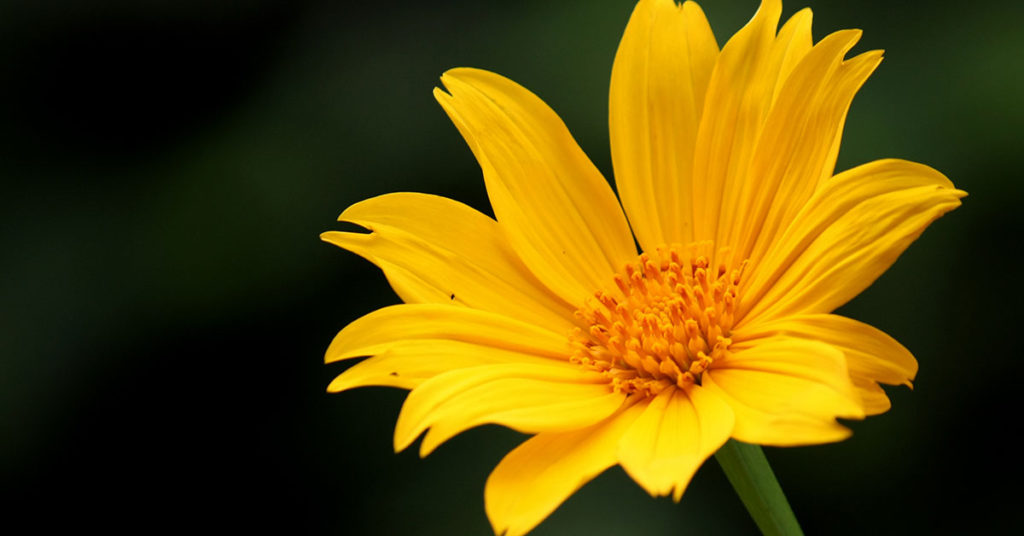
Tithonia is one of those plants I never knew I needed until it brought my garden to life with swallowtails, bees, and even hummingbirds. Native to Mexico and Central America, it thrives in full sun and dry soil, making it perfect for hot summer gardens. Its bright orange blooms are like butterfly beacons—especially for swallowtails.
Because it can reach six feet tall or more, Tithonia adds height and drama. Swallowtails seem to prefer these vibrant flowers over many traditional nectar plants, and they’re often among the first to land in the morning sun. It’s an annual in most zones, but so worth the replanting effort! Bonus: it’s not invasive and rarely suffers from pests.
Zinnias
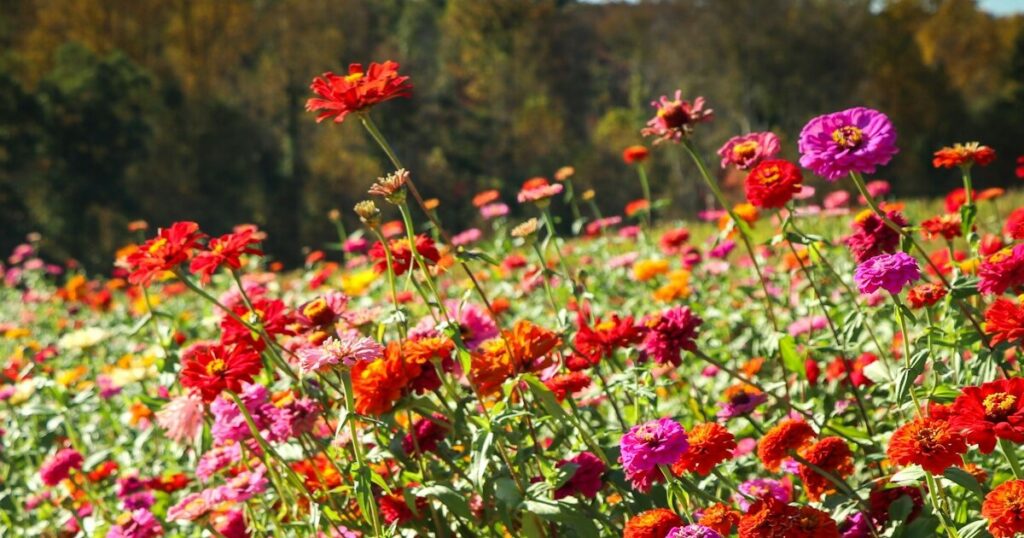
Zinnias are such dependable garden workhorses, and swallowtails are clearly in on the secret. Native to Mexico and the southwestern U.S., zinnias thrive in full sun and bloom continuously from early summer until frost. I’ve had great success with both the tall varieties and the more compact ‘Profusion’ series—both get regular butterfly visits.
Swallowtails especially love the wide, open blooms of zinnias, which provide easy access to nectar. I often plant them in clusters to create a bigger landing target, and it absolutely works. They’re non-invasive, super easy to grow from seed, and add a rainbow of colors to any butterfly garden!
Coneflowers (Echinacea)

Coneflowers are practically synonymous with butterfly gardening—and for good reason! These native North American perennials are tough, drought-tolerant, and bursting with nectar during midsummer. I’ve often spotted both Eastern tiger and black swallowtails hovering and perching on the large, daisy-like blooms.
The stiff, prominent centers of coneflowers provide an excellent perch for feeding butterflies, and their upright habit makes them easy to spot from a distance. While purple is the classic color, newer cultivars come in orange, pink, and white. They’re not invasive, they attract birds in the fall with their seeds, and they’re a joy to grow.
Parsley
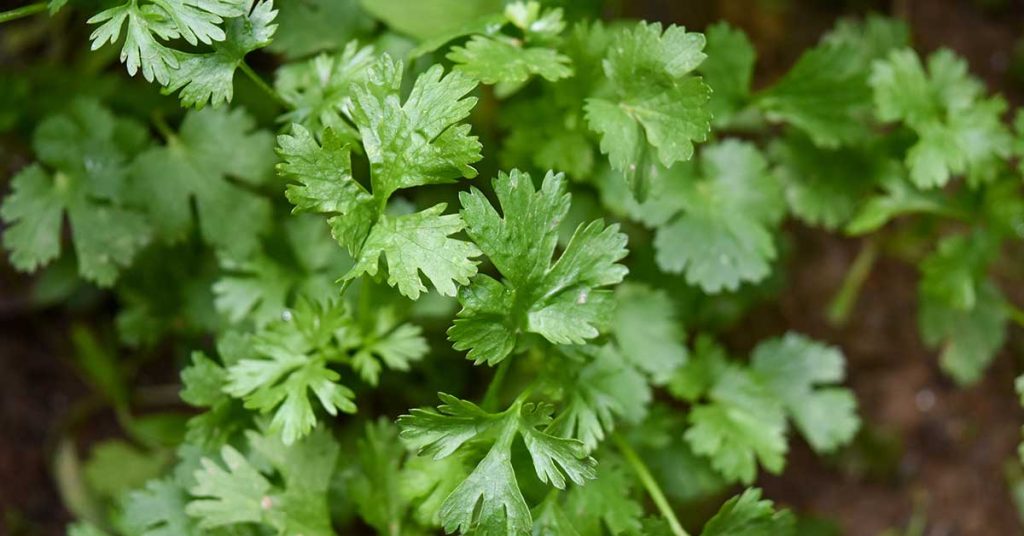
Yes—parsley! It’s not just a garnish; it’s also a vital host plant for swallowtail caterpillars, particularly the black swallowtail. I can’t count how many times I’ve gone out to snip a sprig and found a row of hungry caterpillars munching away! Parsley is native to southern Europe and western Asia and is not considered invasive.
While it might not seem showy, parsley earns its place in any butterfly garden by providing a nursery for the next generation. I usually plant a few extra just for the caterpillars—one for me, two for them! And don’t worry, it usually recovers well even after a big chew fest.
Phlox (Tall Garden Phlox)
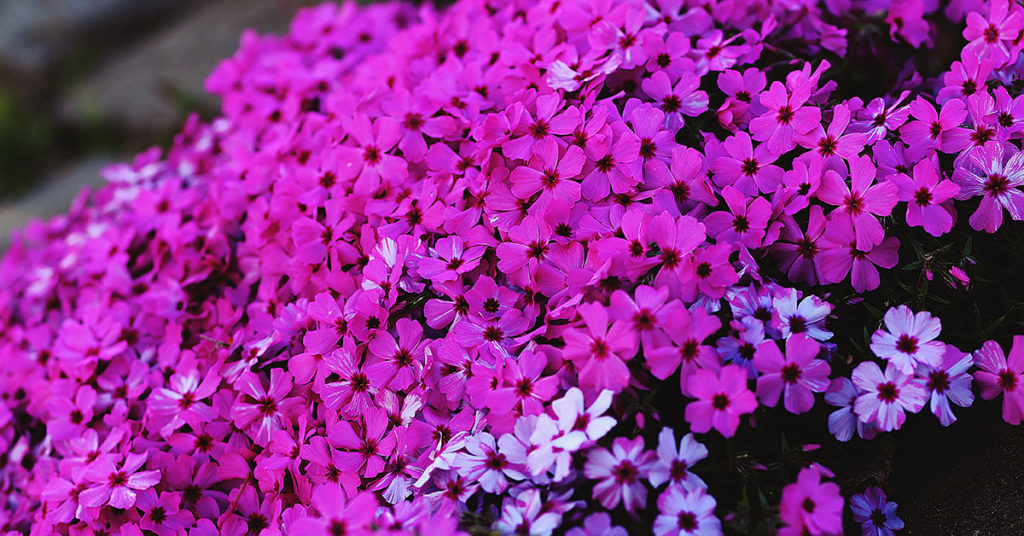
Tall garden phlox is like a lighthouse for swallowtails, glowing with fragrant blooms from midsummer into fall. These perennials are native to eastern North America and prefer sunny spots with rich, moist soil. The tall, upright stems make them especially easy for butterflies to find and land on.
The scent is intoxicating—especially on a warm summer evening—and it draws in butterflies from across the garden. Swallowtails will often move from flower to flower, sipping nectar leisurely. Phlox isn’t invasive, though it can self-seed modestly if you let the flowers go to seed.
Lantana

Lantana might just be the most butterfly-dense plant in my yard when it hits peak bloom. Native to tropical regions of the Americas and Africa, it’s a sun-loving, heat-tolerant plant that produces clusters of vibrant flowers in warm shades of orange, red, pink, and yellow. The blooms are long-lasting and incredibly rich in nectar.
Swallowtails flock to lantana almost like clockwork, especially in the afternoon. Be aware, though: some varieties of lantana are considered invasive in warm climates like parts of the southern U.S., so be sure to choose sterile or non-spreading cultivars if you’re in one of those areas.
Ironweed

Ironweed isn’t always the first plant that comes to mind in butterfly gardening, but it should be! This North American native blooms in late summer and early fall with rich purple flower clusters that absolutely buzz with life. Swallowtails love the nectar, and I’ve often found them fluttering around ironweed long after other plants have faded.
It thrives in moist soil and full sun, and its tall, upright habit makes it ideal for the back of the garden. Best of all, it’s not invasive and coexists beautifully with native grasses and other pollinator plants. If you want to extend your butterfly season into fall, plant some ironweed!
Bee Balm (Monarda)

Bee balm is one of those flowers I always recommend to gardeners who want color, pollinators, and easy care in one plant. Native to North America, it produces shaggy blooms in red, pink, or purple, and it’s beloved by swallowtails and hummingbirds alike. I especially love how it draws them in close—swallowtails often dance around bee balm blooms in the morning light.
Bee balm spreads by rhizomes but isn’t considered aggressively invasive—it’s more of a pleasant wanderer. If you have a bit of room, let it form a small colony. The more blooms you have, the more butterflies will come! Just give it good air circulation to prevent powdery mildew.
Milkweed (Asclepias)
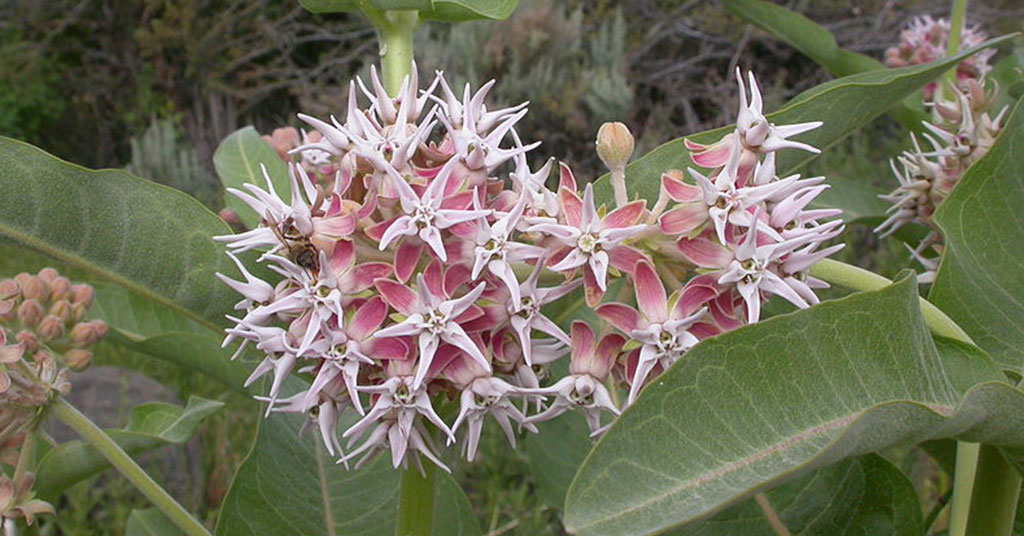
Most folks associate milkweed with monarchs, but guess what? Swallowtails love the nectar too! Especially the showy varieties like Asclepias tuberosa (butterfly weed), which sports bright orange blooms and thrives in full sun and well-draining soil. These plants are native to North America and are critical to native pollinator health.
I’ve watched swallowtails feed on milkweed just as eagerly as monarchs, especially when other nectar sources are low. Butterfly weed is not invasive and is a great companion to many native prairie plants. Plus, its long bloom time makes it a reliable attraction all summer long.
Blazing Star (Liatris)

Blazing star is a vertical fireworks display in flower form! Native to North American prairies, it features spiky flower stalks in purple or white that bloom from top to bottom. Swallowtails are particularly fond of the dense, nectar-rich blooms and will often return to the same plant repeatedly.
This plant is incredibly low-maintenance once established and does well in poor soils and dry spots. It’s not invasive and actually plays well with a wide variety of garden companions. The tall form makes it easy for butterflies to find, and its late summer blooms help bridge the nectar gap during seasonal transitions.
Butterfly Bush (Buddleia davidii)
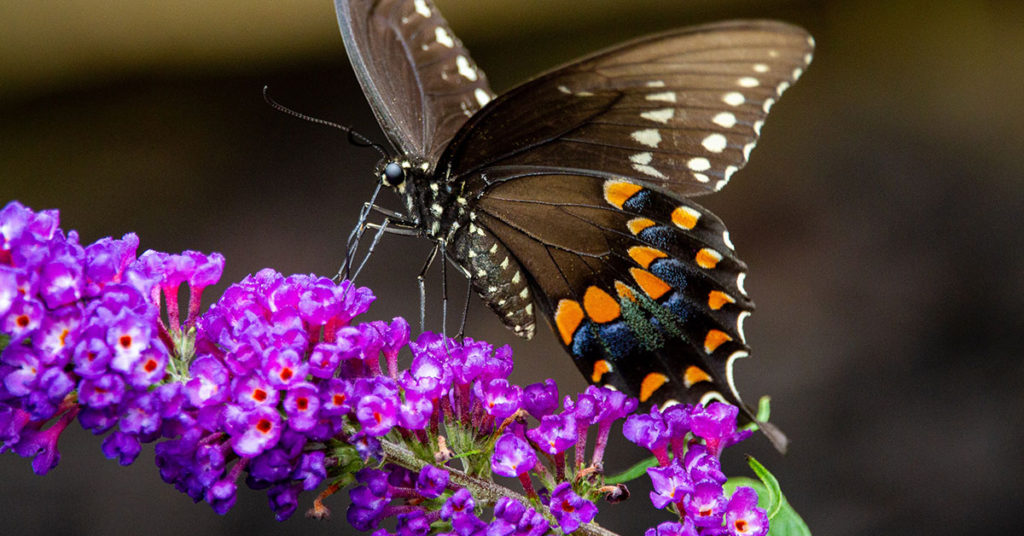
I’ve had mixed feelings about butterfly bush over the years—it’s gorgeous and undeniably attractive to swallowtails, but it’s also considered invasive in many regions. Native to China, it spreads easily by seed in some parts of North America, especially the Pacific Northwest. That said, sterile cultivars now exist and can be a safe choice in home gardens.
When you choose the right variety, butterfly bush offers tall spires of nectar-rich flowers that bloom all summer. Swallowtails adore them, and you’ll often find them fluttering and sipping in the heat of the day. Just make sure to deadhead the spent blooms to prevent self-seeding and opt for non-invasive hybrids when possible.
Alyssum
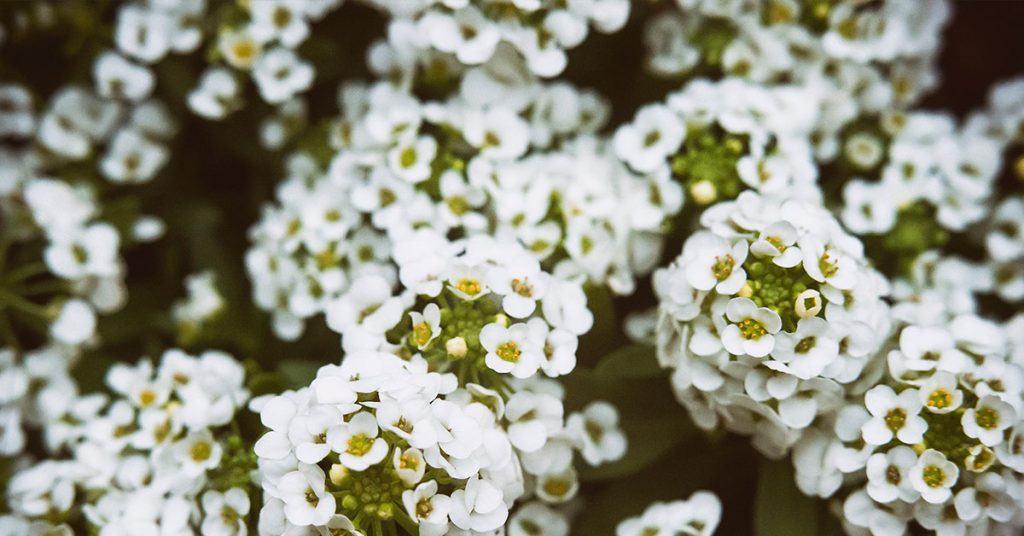
Alyssum might not be the first flower that comes to mind when you think of butterflies, but it’s a sleeper favorite! These low-growing annuals create soft carpets of tiny white or purple blooms that release a sweet fragrance—especially in the evening. Swallowtails tend to hover low when landing on alyssum, almost as if they’re tiptoeing.
Native to the Mediterranean region, alyssum isn’t invasive and plays beautifully with other bedding plants. It’s particularly useful for filling in gaps and edging garden beds where butterflies might land on their way to taller nectar sources. The gentle hum of life around alyssum is reason enough to tuck some in!
Coreopsis
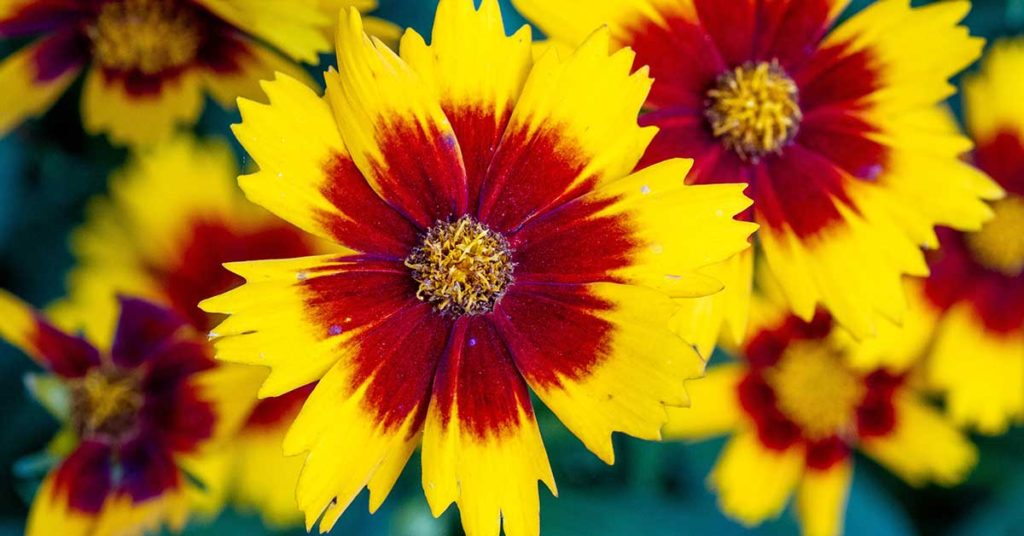
Coreopsis, or tickseed, is a cheerful, daisy-like flower that blooms its heart out all summer long. Native to North America, it’s incredibly adaptable, thriving in poor soil, full sun, and dry conditions. Swallowtails love the bright yellow blooms, and I often see them lingering on coreopsis long after zinnias and cosmos have faded.
This plant is not invasive and comes in a wide range of colors and sizes now, thanks to hybridization. If you’re looking to add long-lasting blooms that feed butterflies without demanding too much of your time, coreopsis is an excellent choice.
Verbena bonariensis
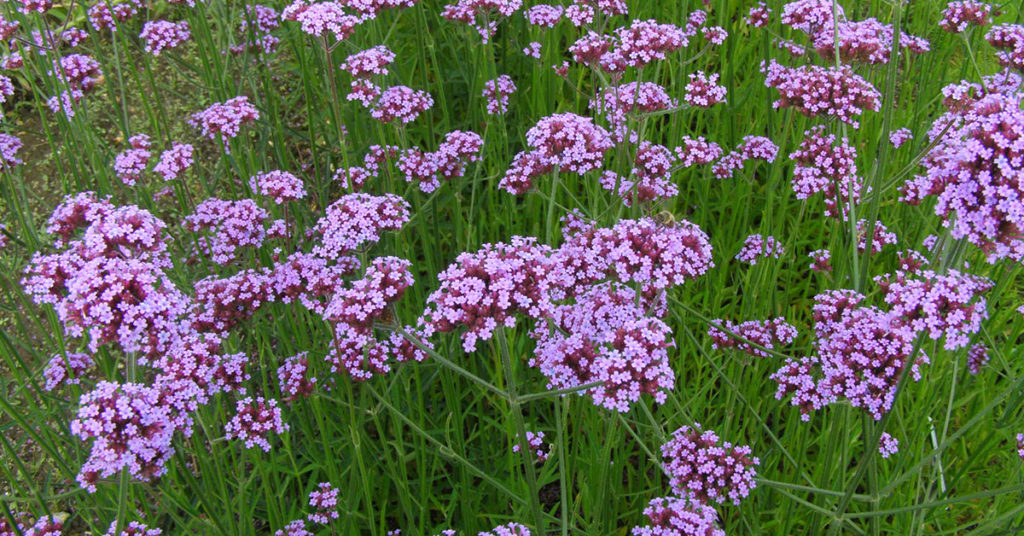
I like to think of verbena bonariensis as the skyscraper of my butterfly garden. With its tall, wiry stems and clusters of purple blooms, it creates a floating nectar buffet that swallowtails can’t resist. Native to South America, it reseeds freely but is not considered invasive in most areas—though you’ll want to check your local status.
This flower blooms from midsummer through fall and provides much-needed nectar during the transition into cooler months. Swallowtails frequently glide from bloom to bloom, sometimes sharing space with hummingbirds and bees. It adds an airy, whimsical feel to the garden while serving a real ecological purpose.