
Spring may be a time for renewal, but when it comes to invasive plants, some species bring more trouble than triumph! As an avid gardener who has experienced both the joys and frustrations of nurturing a garden, I’m here to share my insights on 14 of the worst invasive plants that can wreak havoc on your carefully cultivated landscape. I’ll walk you through each offender with a mix of cautionary tales and personal anecdotes, explaining where these plants are native, how they behave, and why they’re notorious for overtaking gardens faster than you can say “weed control”!
I truly understand how disheartening it can be to see your garden overtaken by unwanted invaders—especially when they disrupt the natural balance, block out native species, or even interfere with beneficial nesting opportunities for local wildlife. Whether you’re battling aggressive runners or dealing with plants that simply refuse to be tamed, this guide is designed to help you recognize and avoid these problematic species.
Japanese Knotweed

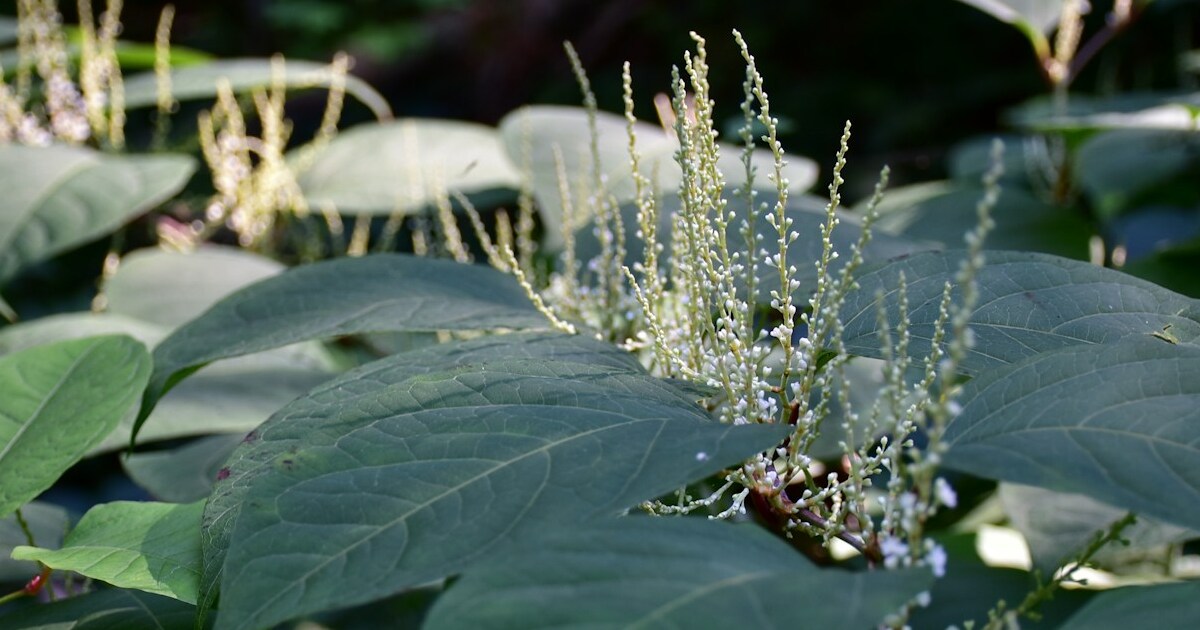
Japanese Knotweed is notorious for its rapid growth and ability to break through concrete, making it one of the most problematic invasive plants around! Native to East Asia, this robust perennial has made its way into gardens across Europe and North America, where it is highly aggressive. I’ve seen firsthand how its towering, bamboo-like stems can quickly dominate an area, leaving little room for native plants to flourish. Its deep, spreading rhizomes make it exceptionally difficult to eradicate once established.
While Japanese Knotweed may provide some cover for small creatures in a pinch, its overall behavior is detrimental to garden ecosystems. The plant’s rapid spread not only chokes out native species but also compromises the structural integrity of nearby constructions. As a gardener, it’s such a bummer to deal with the aftermath of an infestation—constant vigilance and proper management are essential to keep this unwelcome guest at bay!
Autumn Olive

Autumn Olive, though charming with its bright berries and lush green foliage, is a formidable invasive species that can quickly overrun native landscapes! Originally from Asia, this shrub was introduced as a soil stabilizer, but it has since proven its mettle by outcompeting local flora in many parts of North America. I’ve seen it spread like wildfire, with its hardy nature and persistent growth habits, leaving behind a monoculture that deprives native wildlife of diverse habitats.
Despite its appealing appearance and the occasional attraction of birds that nibble on its fruit, the aggressive behavior of Autumn Olive makes it a real headache for gardeners. Its dense thickets often deny space to other plants and can disrupt local ecosystems, making it difficult for beneficial insects to find suitable nesting spots. It’s a cautionary tale of how an introduced species, even one with some attractive qualities, can upset the delicate balance of nature!
English Ivy

English Ivy is a classic example of an attractive plant that turns into a garden menace if left unchecked! Originally native to Europe and parts of Asia, this evergreen climber has become infamous in North America for its ability to smother trees, walls, and even entire garden beds. I’ve witnessed how its persistent vines can cover structures so thoroughly that they block sunlight and diminish the vigor of surrounding vegetation. It’s a plant that may initially seem appealing, but its invasive nature quickly reveals itself.
Beyond its capacity to overrun structures, English Ivy creates conditions that are less than ideal for local wildlife. Its dense, impenetrable cover can inhibit nesting opportunities for native birds and provide shelter for unwanted pests. Even though some gardeners appreciate its low-maintenance allure, the ecological consequences are significant, reminding us that beauty can sometimes hide a troublesome side!
Giant Hogweed

Giant Hogweed is as intimidating as its name suggests, with its towering size and toxic sap that can cause severe skin burns! Native to the Caucasus region and parts of Central Asia, this invasive plant has established itself in various parts of North America and Europe, where it poses serious health risks. I’ve encountered its massive, umbrella-like flower clusters and been warned by fellow gardeners about its ability to dominate open spaces, leaving little room for native species to thrive.
Although its impressive appearance might catch your eye at first, Giant Hogweed is far from a welcome guest in any garden. The plant’s rapid spread and hazardous sap make it not only a nuisance but also a danger to both gardeners and local wildlife. It’s such a bummer when a plant that could have been an ornamental highlight turns into a liability that requires constant vigilance and protective measures!
Kudzu
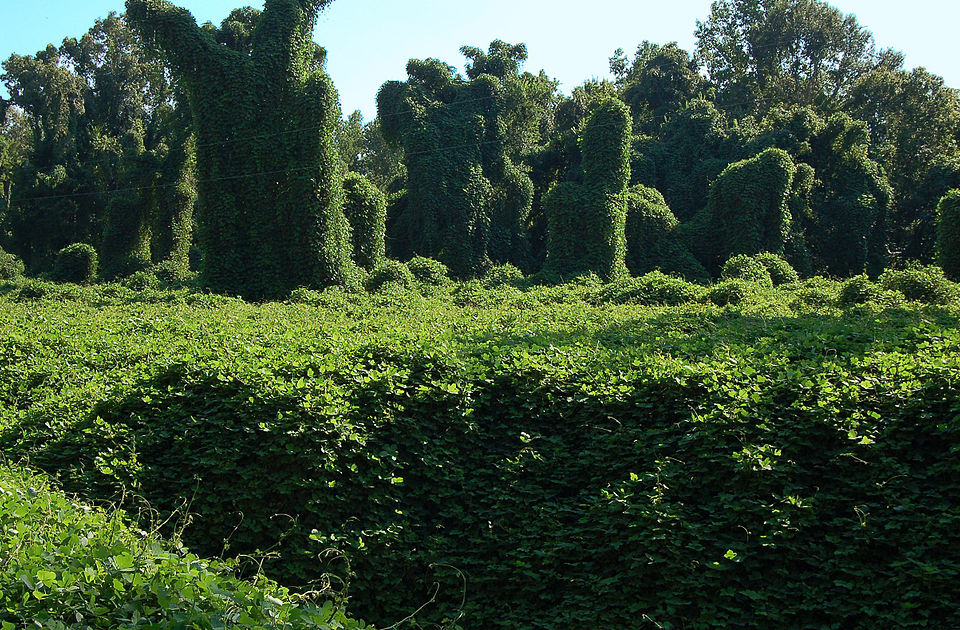
Kudzu is often dubbed “the vine that ate the South” for its astonishing ability to overrun entire landscapes in a remarkably short period! Native to East Asia, this plant was introduced to the United States for erosion control, but its aggressive growth quickly transformed it into a major invasive threat. I’ve seen kudzu’s sprawling vines cover trees, houses, and entire fields, leaving a trail of suffocated vegetation in its wake. Its behavior is both fascinating and frustrating, as it thrives on rapid growth and an almost unrelenting spread.
While kudzu might provide some fleeting shade and temporary shelter for small creatures, its overall impact on local ecosystems is overwhelmingly negative. The dense canopy it forms can prevent native plants from receiving adequate sunlight, ultimately disrupting the natural nesting and foraging habitats of birds and insects. Dealing with kudzu is a monumental task for any gardener—its invasive nature is a constant reminder of how quickly a well-intentioned introduction can spiral out of control!
Himalayan Blackberry

Himalayan Blackberry is a deceptively attractive plant that conceals a notoriously invasive nature beneath its thorny branches! Native to Europe, this robust shrub has been widely introduced to other continents, particularly North America, where it has spread aggressively. I’ve come across its tangled thickets in several gardens, and while the glossy, dark berries might tempt you at first, the plant’s rampant growth can easily choke out more desirable species. Its sprawling habit creates impenetrable barriers that are nearly impossible to remove once established.
Despite occasionally offering a source of food for wildlife like birds and small mammals, the Himalayan Blackberry’s behavior in the garden is far from beneficial. Its dense clusters can inhibit the natural movement of pollinators and even block the light necessary for other plants to flourish, not to mention its potential to harbor pests. It’s a bittersweet reminder that a plant’s enticing fruit doesn’t always compensate for its overwhelming ability to dominate the landscape!
Purple Loosestrife
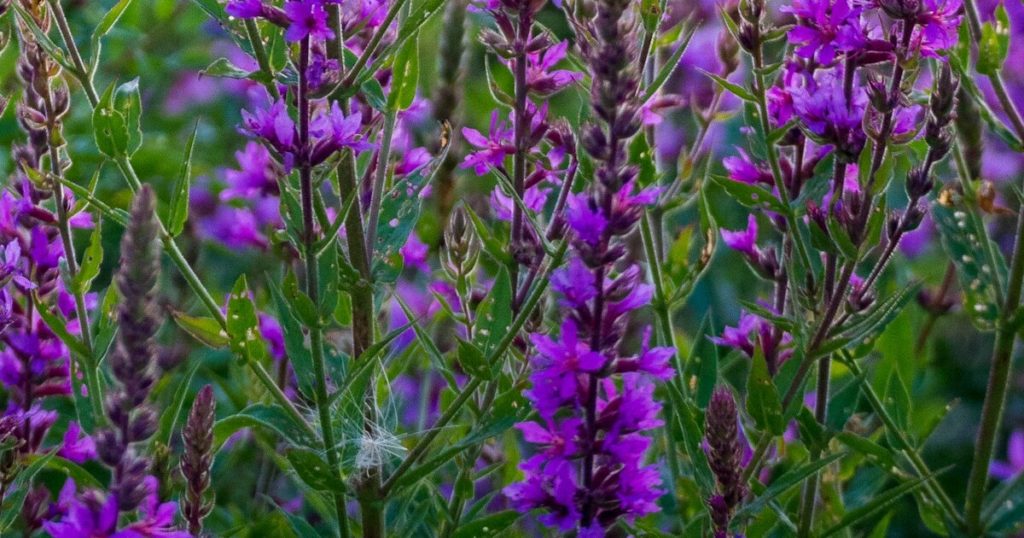
Purple Loosestrife is a plant that dazzles with its vibrant flower spikes yet causes serious ecological disruption wherever it takes root! Native to Europe and Asia, this species has become a pervasive invader in wetlands across North America, where it outcompetes native flora and alters delicate ecosystems. I’ve seen its brilliant purple blooms attract pollinators, but beneath that beauty lies a relentless drive to dominate waterlogged areas, leaving little room for indigenous species to establish themselves.
Its aggressive behavior isn’t limited to just outcompeting plants—the dense stands of Purple Loosestrife can also interfere with the nesting habits of local birds and the foraging activities of beneficial insects. The loss of native plant diversity is a real concern, as it directly impacts the overall health and resilience of wetland ecosystems. Although its showy display might catch the eye, the ecological costs make Purple Loosestrife one of the most problematic invasive plants to manage!
Water Hyacinth
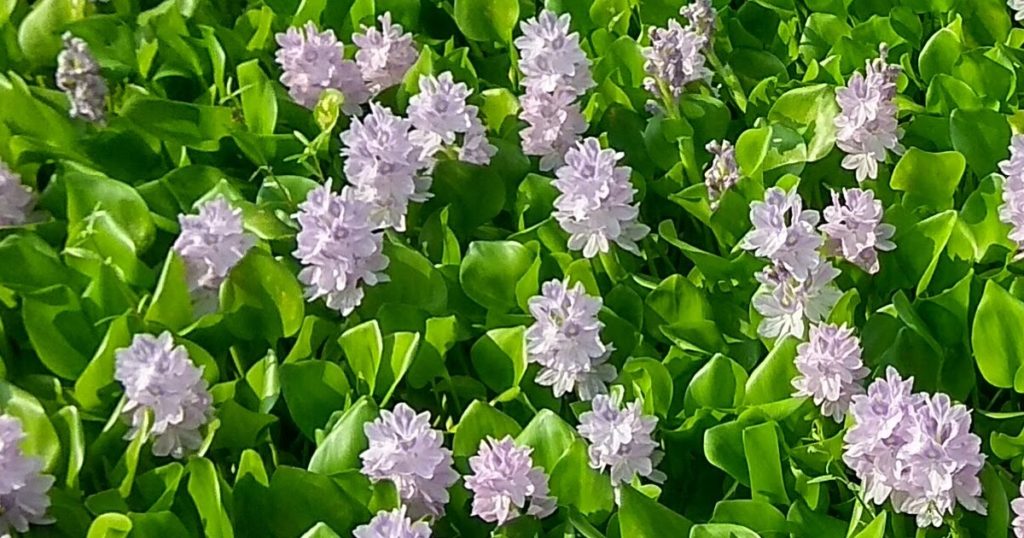
Water Hyacinth is a waterborne wonder that quickly transforms calm ponds and waterways into dense, tangled mats of invasive growth! Native to the Amazon Basin, this aquatic plant has found its way into water bodies worldwide, where it clogs waterways and deprives native species of light and oxygen. I’ve witnessed how its floating clusters, adorned with striking lavender flowers, can cover entire ponds, making it nearly impossible for native aquatic life to thrive. Its rapid reproduction and ability to form thick mats make it a serious nuisance for any water-loving gardener.
Beyond its visual appeal, Water Hyacinth disrupts the natural behavior of aquatic ecosystems. The dense vegetation can prevent fish and other water creatures from accessing open water for feeding or nesting, and it often serves as a haven for mosquito larvae—adding another layer of concern. Although its beauty is undeniable at a glance, the ecological impact of Water Hyacinth is profound, turning serene water features into battlegrounds for control and management!
Tree of Heaven
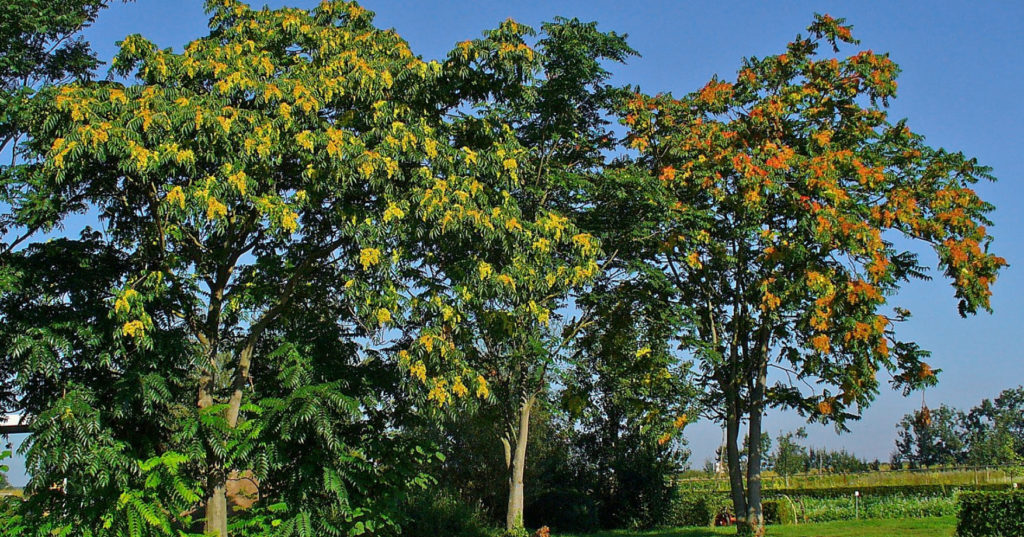
The Tree of Heaven is an aggressive invader that spreads its branches wide, often overshadowing more delicate native flora! Native to China, this hardy tree has been introduced to many parts of the world, particularly North America, where it has earned a reputation for rapid growth and an unyielding nature. I’ve observed how its fast-growing habit allows it to dominate landscapes, leaving little room for native plants to compete for resources. Its seeds are easily dispersed by the wind, ensuring that it can colonize new areas with alarming speed.
While the Tree of Heaven might offer brief refuge for certain birds or insects, its overall behavior is decidedly problematic. The dense canopy it forms can block sunlight and reduce undergrowth diversity, which in turn affects nesting and foraging opportunities for native species. Dealing with this tree is no small task—its invasive tendencies remind us that not every fast-growing plant is a welcome addition to our gardens!
Bamboo
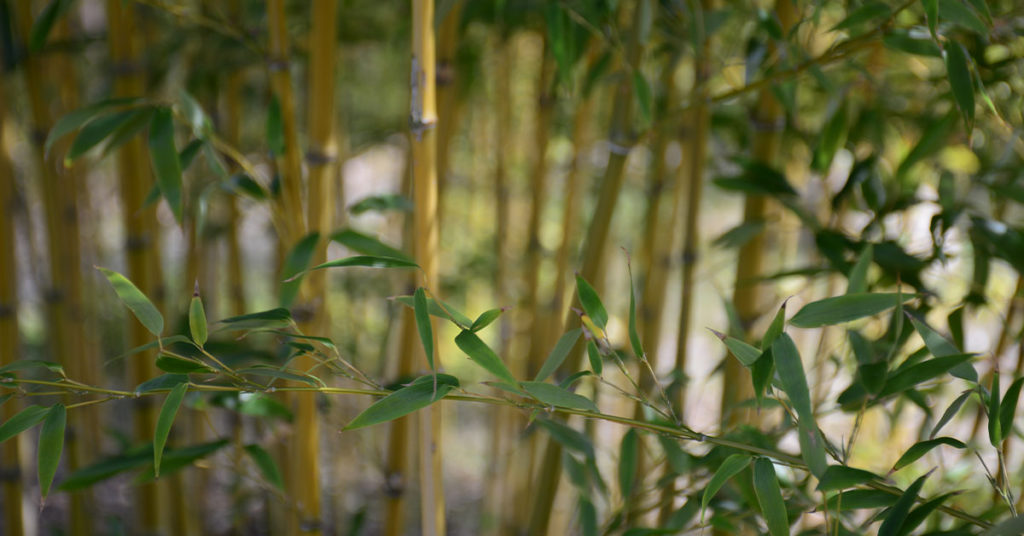
Bamboo, with its graceful, swaying canes and rapid growth, might seem like an attractive addition to your garden until you realize how invasive it can be! Although bamboo is native to various parts of Asia and some Pacific Islands, certain species have earned a notorious reputation for their ability to spread uncontrollably in non-native environments. I’ve seen bamboo groves expand with surprising speed, encroaching on neighboring areas and overwhelming other plants with its vigorous rhizome network.
The behavior of bamboo is a double-edged sword—while it provides excellent cover and can even attract nesting birds, its invasive nature can lead to a monoculture that diminishes garden diversity. Managing bamboo requires constant vigilance and, often, specialized barriers to prevent its roots from taking over. Its rapid spread can be both awe-inspiring and exasperating, reminding us that sometimes the most elegant plants can also be the most demanding to contain!
Brazilian Pepper Tree
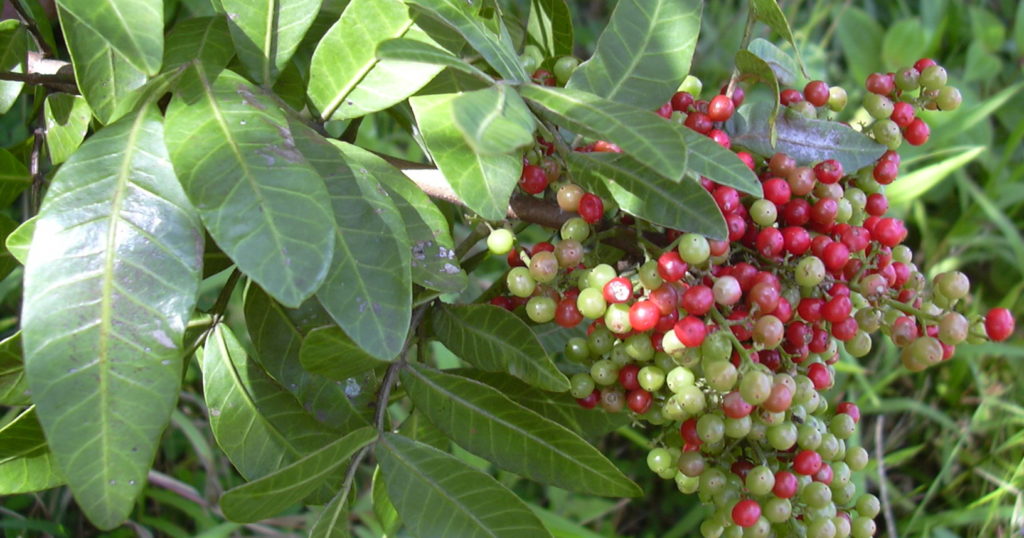
Brazilian Pepper Tree is a strikingly beautiful plant with glossy leaves and vibrant clusters of berries, yet its invasive tendencies make it a risky choice for any garden! Originally from South America, this tree has been introduced to many parts of the United States, where it quickly establishes itself at the expense of native species. I’ve encountered its impressive form in several gardens, and while its aesthetic appeal is undeniable, its ability to dominate landscapes has made it a subject of caution among responsible gardeners.
Despite occasionally offering cover and foraging opportunities for local wildlife, the Brazilian Pepper Tree is notorious for its aggressive spread and adaptability. Its dense canopy not only suppresses the growth of surrounding vegetation but also alters soil chemistry, making it difficult for native plants to regain a foothold. For anyone looking to maintain a balanced and diverse garden, this tree serves as a stark reminder that beauty should never come at the cost of ecological harmony!
Garlic Mustard

Garlic Mustard might start off as a charming little herb with its delicate white flowers, but it soon reveals its invasive nature by outcompeting native woodland species! Native to Europe, this plant was inadvertently introduced to North American forests, where it now spreads rapidly, forming thick carpets that stifle local undergrowth. I’ve watched Garlic Mustard dominate shady garden spots, leaving little room for native wildflowers and compromising the natural nesting habitats of beneficial insects.
The relentless spread of Garlic Mustard is particularly frustrating for gardeners who value native biodiversity. Its allelopathic properties—chemical signals that inhibit the growth of neighboring plants—make it a tough adversary in the battle for garden balance. While its mild scent and subtle blooms might seem harmless, the long-term consequences of its aggressive behavior serve as a cautionary tale. It’s a plant that clearly demonstrates the fine line between ornamental appeal and ecological disruption!
Multiflora Rose

Multiflora Rose is infamous for its rapid growth and dense thickets that can quickly turn a once-manageable garden into an unruly jungle! Originating from East Asia, this hardy shrub was once widely planted for erosion control, but its invasive behavior has since made it a major problem in many regions. I’ve seen how its sprawling branches and profuse blooms create an overwhelming mass that can outcompete native plants and choke out the natural flow of sunlight—often making it a magnet for nesting pests rather than a haven for beneficial critters.
Despite its nostalgic beauty and the occasional charm of its fragrant blooms, the Multiflora Rose is a relentless invader. Its thickets not only impede the growth of other species but also alter the landscape, making it difficult for native birds and insects to find suitable nesting and foraging areas. Every gardener should be wary of this plant’s deceptive allure—it may look like a romantic relic, but its aggressive nature can lead to a lifetime of maintenance woes!
Phragmites (Common Reed)

Phragmites, commonly known as Common Reed, is a tall, reed-like grass that forms dense stands in wetlands and along water bodies, often to the detriment of native species! Native to Eurasia, this plant has become a pervasive invasive species in North America, where its robust growth outcompetes indigenous marsh plants and disrupts natural water flow. I’ve encountered vast swathes of Phragmites in areas that once hosted diverse wetland communities, and it’s both fascinating and frustrating to see how quickly it can monopolize an ecosystem.
The impact of Phragmites extends far beyond just plant competition—it also affects the behavior of local wildlife. Its thick, impenetrable stands offer little in the way of proper nesting or foraging opportunities for native birds and aquatic creatures, ultimately leading to a decline in biodiversity. For any gardener or land steward, managing Phragmites is a significant challenge, and its invasive nature serves as a stark reminder of how quickly an introduced species can transform a thriving ecosystem into a monotonous, unyielding landscape!