
Erecting a raised garden bed is often hailed as the secret to an abundant harvest, yet not every vegetable thrives in this confined space. As an avid gardener, I’ve encountered my fair share of challenges when trying to grow certain crops in raised beds—sometimes the soil depth, moisture retention, or space simply isn’t ideal for every plant’s needs. It’s such a bummer when you put your heart into a raised bed project only to see some of your favorite veggies struggle to reach their full potential. I understand that frustration all too well, and I’m here to share my experiences with 14 vegetables that tend to have a harder time flourishing in raised garden beds.
Over the years, I’ve learned that every garden is a unique puzzle and that even the most well-intentioned raised bed design can sometimes work against certain crops. In this article, we’ll explore the challenges faced by vegetables that require extra depth, room to sprawl, or more stable moisture conditions—factors often compromised in raised beds. Whether it’s a matter of space, root depth, or microclimate issues, these plants remind us that gardening is always a learning process, and sometimes nature has its own plans!
Watermelon
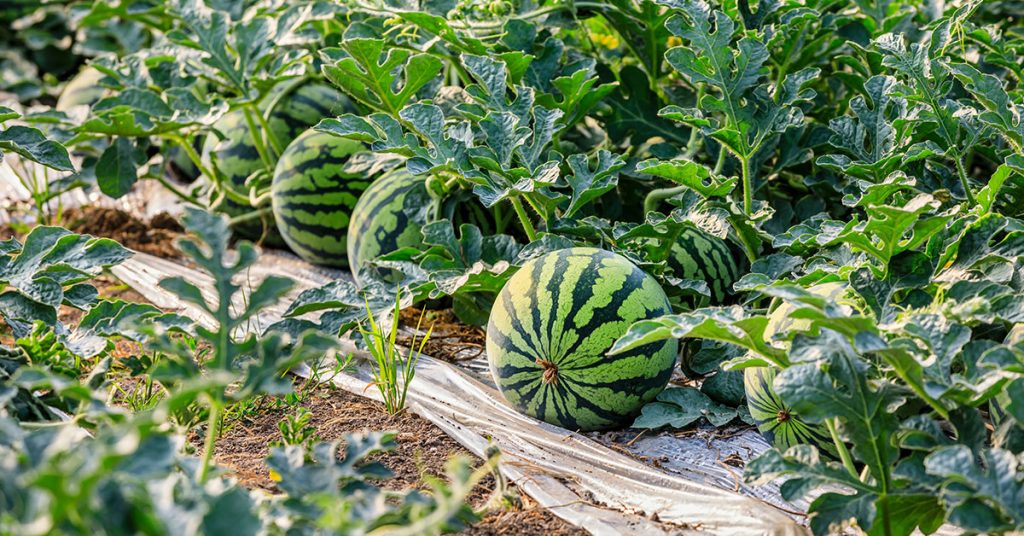
Watermelon, with its sprawling vines and deep-rooted nature, can be a real challenge in raised garden beds. Native to Africa, watermelons are accustomed to open, expansive fields where their long vines and bulky fruits have plenty of room to develop. In a raised bed, the limited soil depth and confined space can stunt their growth, resulting in smaller, less robust melons that often don’t reach their full potential.
In my garden, I’ve noticed that watermelons in raised beds sometimes fail to attract the full complement of pollinators, partly because the limited space reduces the plant’s overall vigor. While they still produce lovely foliage, the restricted environment means that even the occasional nesting of beneficial insects or solitary bee visits isn’t enough to support optimal fruit set. For watermelons, traditional in-ground planting often works far better, providing the room and deep, loose soil they so desperately need!
Carrots

Carrots are renowned for their long, crunchy roots, yet they can struggle in raised garden beds that lack the deep, loose soil required for proper development. Native to regions in Europe and Asia, carrots thrive in well-aerated, deep soils that allow their taproots to elongate without hindrance. Unfortunately, raised beds sometimes have compacted layers or insufficient depth, leading to misshapen or stunted carrots that never quite hit the mark.
In my own experience, carrots grown in raised beds may attract beneficial insects around their feathery greens, but the roots themselves are often a letdown when it comes to harvest size and flavor. I’ve seen tiny critters occasionally take refuge under the sparse leaves, yet the real treasure—the long, flavorful roots—remains elusive when the soil isn’t ideal. For those craving the perfect crunch, trying deeper, well-loosened beds might be the key to unlocking their full potential!
Potatoes

Potatoes, with their underground tubers and sprawling foliage, are another vegetable that often finds raised beds challenging. Native to the Andean regions of South America, potatoes naturally develop in loose, deep soils where they can form ample tubers. In the constrained environment of a raised bed, the limited soil depth and sometimes drier conditions can restrict tuber growth, leading to smaller yields and uneven crops.
In my garden, I’ve experimented with various raised bed configurations, only to discover that potatoes simply don’t have enough room to spread their roots as they would in a traditional field. Even though their leafy tops may attract bees and other beneficial insects, the underground portion—where the real harvest lies—tends to suffer. I’ve learned that for hearty potato crops, giving them the freedom of deeper, in-ground soil is often the more successful route!
Pumpkins

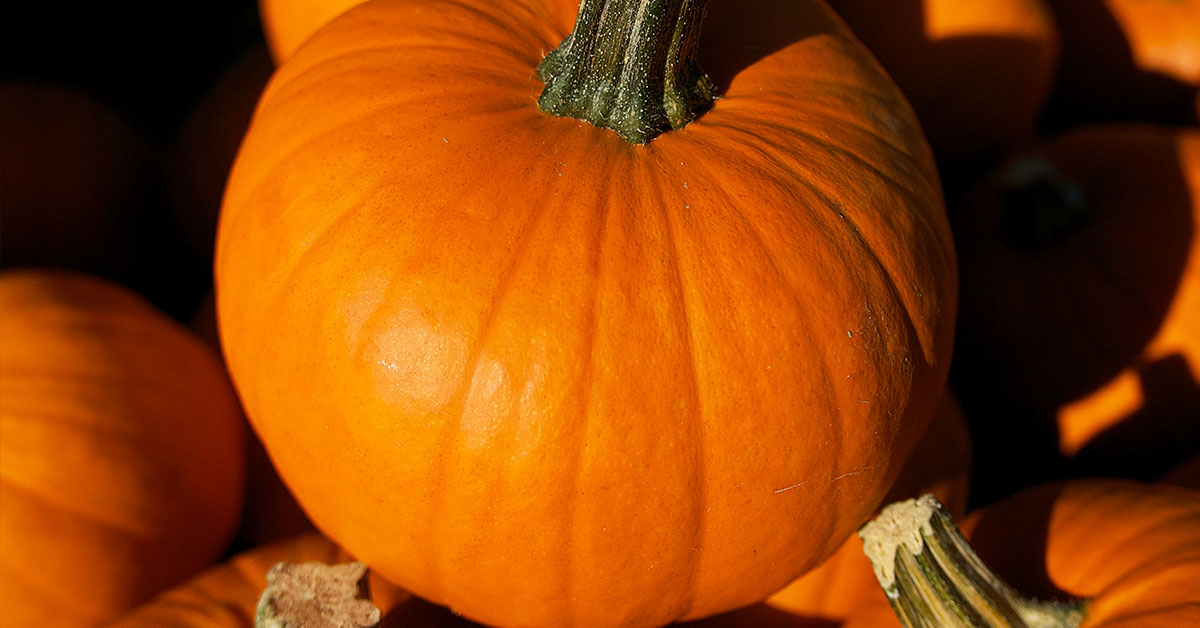
Pumpkins are famous for their sprawling vines and the need for generous space, making raised beds a challenging environment for their growth. Native to North America, pumpkins require not only deep, nutrient-rich soil but also plenty of room to spread out and develop those impressive, heavy fruits. In the limited confines of a raised bed, their vines can become stifled, resulting in smaller, less abundant pumpkins that don’t quite capture the expected bounty.
In my own garden, I’ve seen pumpkins struggle to thrive in raised beds, where the limited soil volume and space constrain their vigorous growth. Even when the foliage looks lush and green, the fruits often remain small and misshapen, and the limited area may discourage some pollinators from visiting as frequently as they would in a more expansive setting. For these sprawling gourds, traditional in-ground planting usually provides the space and soil depth needed for a robust harvest!
Celery
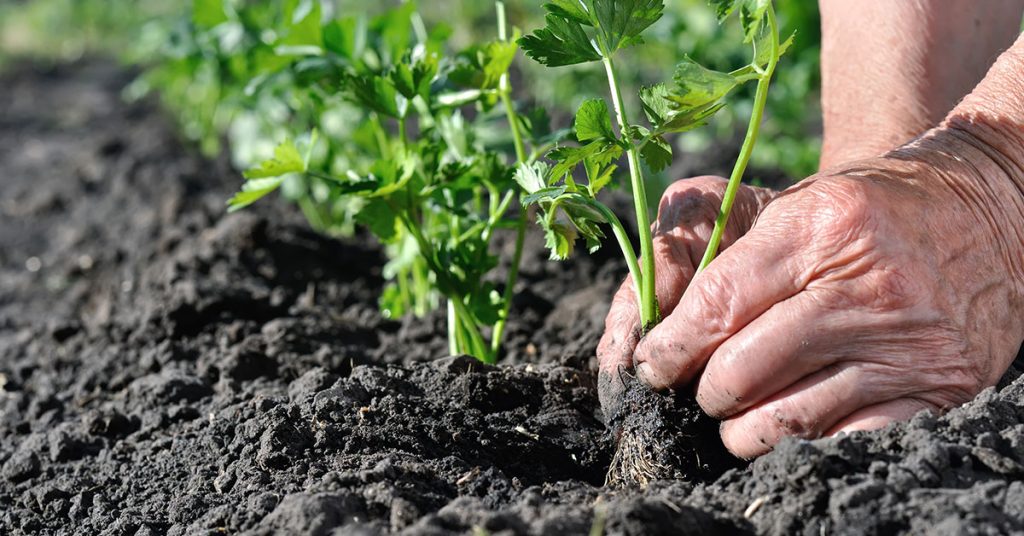
Celery is known for its long, fibrous stalks and high water content, yet it often faces difficulties in raised garden beds that tend to dry out too quickly. Native to the Mediterranean and parts of Asia, celery requires consistently moist, deep soil conditions to develop its crisp, flavorful stalks. Raised beds, which often warm up and lose moisture more rapidly, can lead to celery that is tough and less succulent than desired.
In my own gardening adventures, I’ve found that celery in raised beds may attract some beneficial insects on its broad leaves, but the moisture demands of the plant are hard to meet consistently. I’ve often had to water more frequently and use heavy mulching to keep the soil damp, and even then, the results aren’t as reliable as with in-ground plantings. For celery enthusiasts, ensuring a deep, well-irrigated soil is key to overcoming the challenges posed by raised beds!
Parsnips

Parsnips are another root vegetable that can struggle in raised garden beds due to their need for deep, loose soil. Native to Europe and Asia, parsnips require an undisturbed, well-aerated environment to develop their long, tapering roots. Unfortunately, raised beds can sometimes have layers of compacted soil that prevent these roots from growing straight and full, leading to twisted or stunted harvests.
In my experience, while parsnips in raised beds may still manage to attract the occasional beneficial insect around their feathery greens, the real disappointment is in the root yield. The parsnips end up shorter and less flavorful, missing the rich, earthy sweetness they’re known for. For gardeners aiming for a bountiful, straight parsnip harvest, deeper, well-prepared in-ground beds often prove to be the more reliable option!
Winter Squash

Winter squash, with its sprawling vines and substantial fruit, often finds the confined space of raised beds to be a major limitation. Native to Central and South America, these plants are used to wide, open fields where their vigorous growth and sprawling nature can thrive. In a raised bed, the limited space and sometimes shallower soil can restrict their ability to produce large, mature squash.
I’ve witnessed firsthand how winter squash in raised beds can struggle to reach its full potential—the fruits are often smaller and less robust, and the vines become cramped, leading to increased competition for water and nutrients. Despite attracting a few pollinators with their bright, cheerful blooms, the overall yield rarely meets expectations in these restricted environments. For a hearty harvest of winter squash, giving them the freedom of expansive, in-ground space is usually the best bet!
Corn
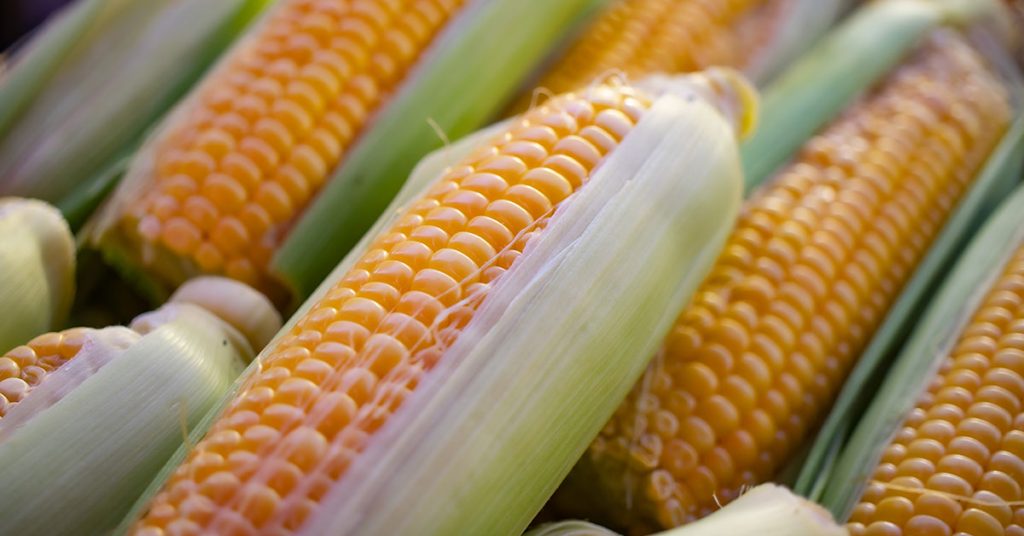
Corn is a tall, wind-dependent vegetable that often battles the limitations of raised garden beds. Native to Central America, corn requires not only deep, fertile soil for its extensive root system but also ample space for effective pollination. Raised beds, with their confined space and sometimes altered wind patterns, can hinder the natural pollination process, leading to poor ear development and reduced yields.
In my garden, I’ve found that corn planted in raised beds often struggles to reach its full height and produce the abundant ears we expect. Even though the tall, green stalks may attract a few bees along their tassels, the overall pollination process is less efficient in a small, enclosed space. The lesson I’ve learned is that for corn, traditional in-ground planting usually offers the best chance for those full, sweet ears that make summer so memorable!
Cucumbers
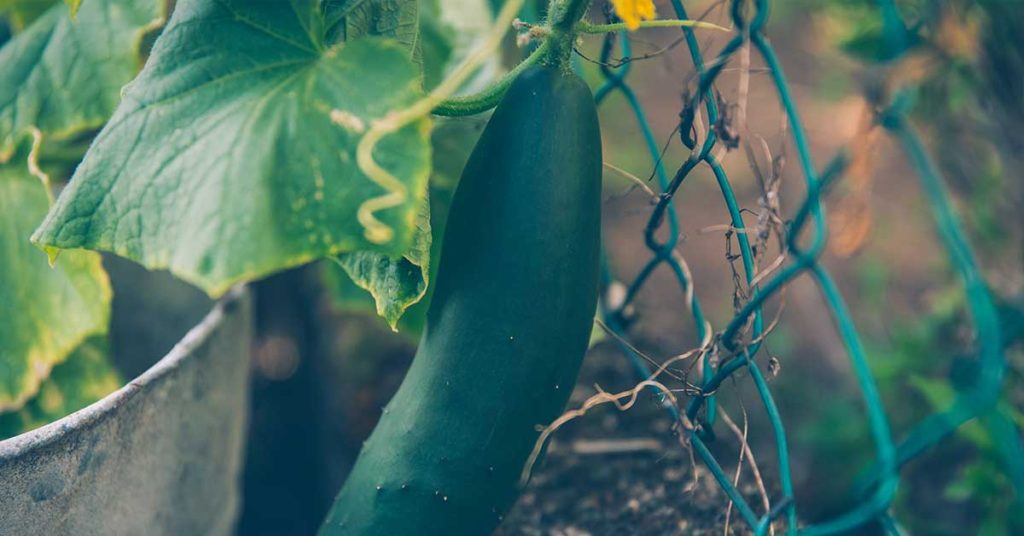
Cucumbers are beloved for their crisp, refreshing flavor, but their vigorous vining habit can make them a challenge in the restricted environment of raised beds. Native to South Asia, cucumbers typically require plenty of room to sprawl and climb, and the limited space in raised beds can stunt their growth and reduce fruit production. Without sufficient room, the vines can become overcrowded, leading to issues with airflow and an increased risk of disease.
In my own experience, cucumbers in raised beds sometimes attract beneficial insects like bees that are drawn to their delicate flowers, yet the plants themselves often end up struggling to bear a robust harvest. I’ve found that trellising them in larger, in-ground settings allows them to flourish more naturally. For gardeners who crave an abundant cucumber crop, providing ample space and support is key to overcoming the constraints of raised beds!
Sweet Potatoes
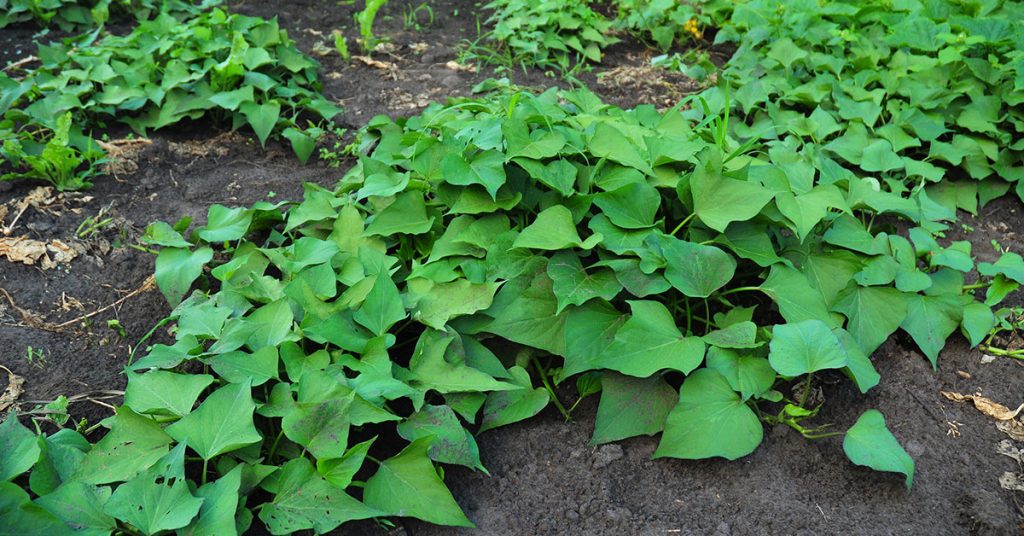
Sweet potatoes, with their sprawling vines and deep tubers, are notoriously difficult to manage in the confined space of raised garden beds. Native to Central and South America, sweet potatoes require deep, loose soil to allow their tubers to develop fully—a condition that many raised beds struggle to offer. The limited soil depth can lead to smaller, less flavorful tubers that don’t quite capture the expected sweetness.
In my garden, I’ve noticed that sweet potatoes planted in raised beds may still attract beneficial insects around their leafy vines, yet the underground harvest often falls short. The vigorous above-ground growth can also crowd out other plants, creating a competitive environment that further hinders tuber development. For those who adore sweet potatoes, providing them with a deep, well-prepared in-ground space is usually the secret to a satisfying yield!
Eggplants
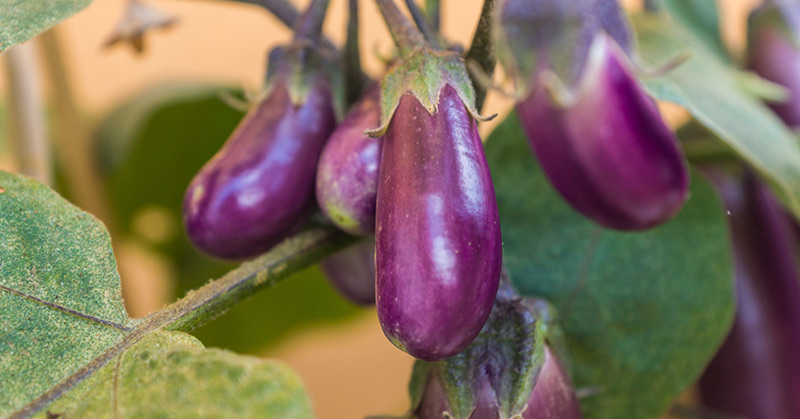
Eggplants, with their glossy, vibrant fruits, are a warm-weather favorite that sometimes struggle in the elevated conditions of raised garden beds. Native to South Asia, eggplants prefer deep, nutrient-rich soils that allow their extensive root systems to support large, healthy fruits. In raised beds, the restricted soil volume and sometimes higher temperatures can stress the plants, leading to reduced fruit size and occasional blossom drop.
In my own vegetable patch, I’ve found that eggplants in raised beds can attract a surprising number of pollinators, yet the overall vigor of the plant often suffers. While the glossy, purple fruits are a visual delight, they frequently turn out smaller and less abundant than expected. For eggplants to truly shine, many gardeners discover that traditional, in-ground planting provides the stable environment they need to produce a bountiful harvest!
Okra

Okra is a heat-loving vegetable native to Africa that tends to prefer the warm, steady conditions found in the ground rather than in raised beds. Although its attractive, hibiscus-like flowers can draw in beneficial insects such as bees and butterflies, okra’s long, fibrous roots often struggle to expand in the shallower soil of raised beds. This can result in stunted growth and reduced pod production, which is a real disappointment for those anticipating a summer harvest.
In my gardening adventures, I’ve seen okra plants in raised beds that simply can’t keep up with their full-potential cousins planted in more spacious in-ground settings. The restricted environment seems to limit their natural vigor, and while their blossoms are still a delight to behold, the overall yield often falls short. For okra enthusiasts, providing deeper, more expansive soil is key to enjoying this unique vegetable at its best!
Broccoli
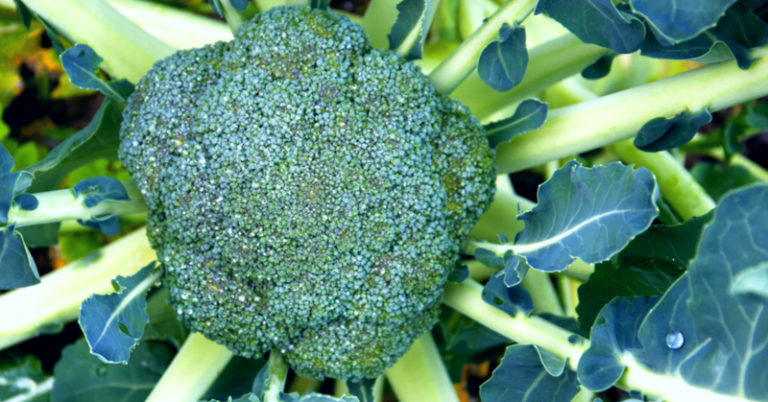
Broccoli is a nutrient-rich vegetable that, despite its hardiness, can sometimes struggle in raised garden beds due to insufficient soil volume and moisture retention. Native to the Mediterranean region, broccoli requires ample space for its robust head to form and for its roots to access consistent nutrients and water. In raised beds, where the soil may warm too quickly or dry out, broccoli often ends up with smaller, less dense heads that don’t quite meet expectations.
In my own garden, broccoli planted in raised beds may still attract a few bees to its florets, yet the overall growth is often compromised compared to in-ground plantings. I’ve learned that while the controlled conditions of a raised bed offer many benefits, they sometimes fail to replicate the deep, stable environment broccoli needs to flourish fully. For those aiming for a bountiful harvest of this cruciferous favorite, extra care with soil depth and moisture is essential!
Cauliflower
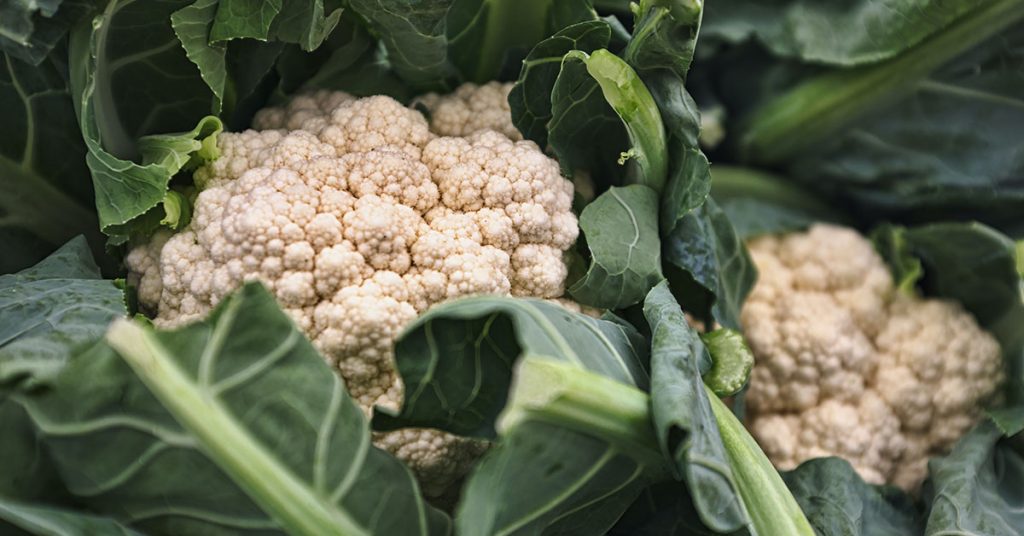
Cauliflower, like its cousin broccoli, demands a stable, deep soil environment to produce its impressive, compact head—and it can falter in the relatively shallow confines of raised beds. Native to the Mediterranean, cauliflower requires consistent moisture and a cool, even climate during its development, conditions that raised beds may struggle to maintain if not managed carefully. The result can be a loose, less developed head that lacks the tight, creamy texture that makes this vegetable so prized.
In my own attempts to grow cauliflower in raised beds, I’ve noticed that while the plants may still attract beneficial insects with their delicate green leaves, the main attraction—the cauliflower head—often ends up underwhelming. The microclimate in a raised bed can lead to temperature fluctuations and moisture loss that simply don’t suit cauliflower’s needs. For gardeners eager to harvest this versatile vegetable at its best, ensuring deep, well-irrigated soil is the key to success!