
Creating a warm, welcoming entrance sets the tone for everything that follows, and nothing brightens a doorway like a riot of summer blooms! I know how frustrating it can be to wander into garden centers, pick up dozens of tempting plants, and then end up with drooping containers or a patchy flower bed. Whether your entry gets blazing sun or pleasant shade, choosing the right flowers—and giving them a little extra care—means every guest will feel immediately at home.
From tropical showstoppers to classic annuals, these fourteen picks span a variety of colors, heights, and textures. Each section dives into where these plants hail from, notes any invasive tendencies (so you can plant responsibly!), and shares tips on how to lure in pollinators and beneficial insects for a healthy, buzzing border. Ready to transform your entrance into a summer celebration? Let’s dive in—sections presented in no particular order to keep your planning spontaneous and fun!
Coleus

Coleus (Plectranthus scutellarioides) hails from tropical Asia and Africa, prized for its kaleidoscope of foliage colors rather than its blooms. Though it produces small blue flowers, most gardeners pinch them off to focus the plant’s energy on vibrant leaves. In its native habitats, it thrives as an understory plant, so while it won’t run rampant, it does appreciate moist, well-draining soil in your containers or beds.
One of my favorite tricks is to mix coleus with flowering annuals—its dramatic leaves provide a perfect backdrop. Though not known for nectar, coleus foliage shelters tiny bees and beneficial predatory insects like lacewings, which often nest in the leaf litter beneath the plant. By maintaining a thin layer of mulch and avoiding overzealous trimming, you’ll create little hideouts that keep pests in check!
Salvia
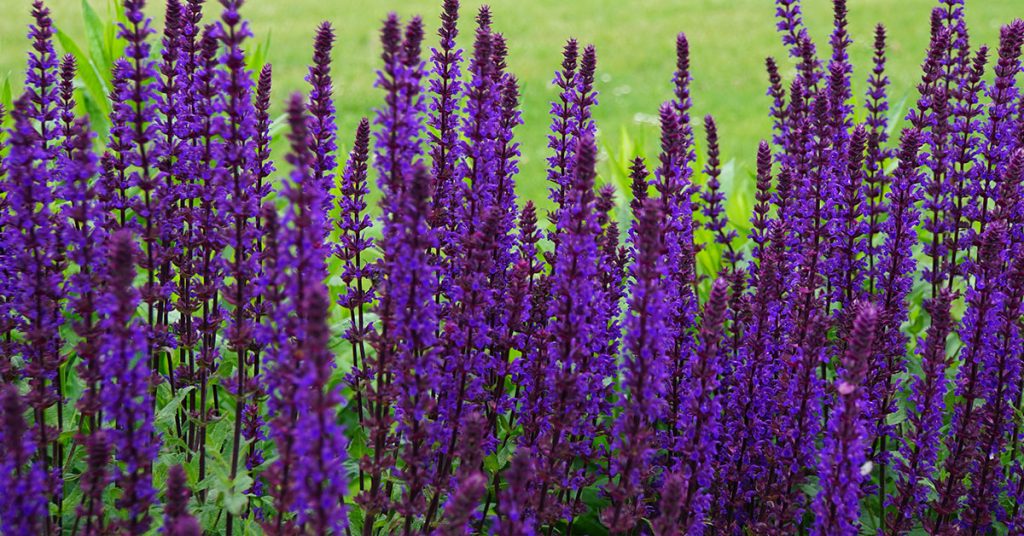
Salvia splendens (scarlet sage) is native to Brazil’s tropical regions, boasting tall spires of red, purple, or white blooms. It’s not considered invasive in most climates, as it requires warm, humid conditions similar to its homeland. In my garden, I love how quickly salvias fill in gaps and stand upright even in heavy rainfall!
The tubular flowers are magnets for hummingbirds and long-tongued bees, and I’ve spotted tiny Mason bees nesting in the narrow cavities of dead stems. To encourage nesting, I leave some seedheads intact through early fall and provide a nearby sandy patch for ground-nesting species. Those hummingbird tails flicking at your entrance? Pure garden magic!
Petunias
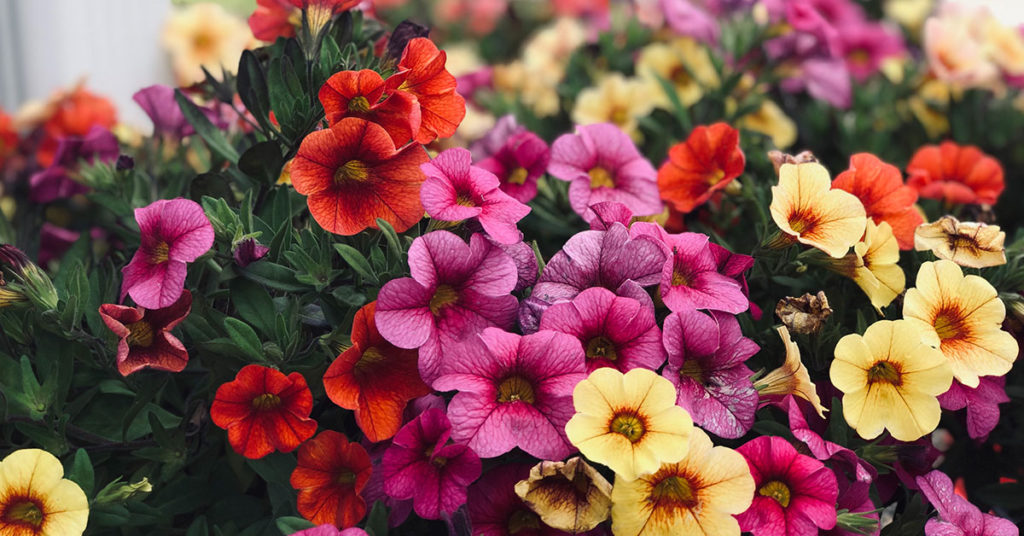
Originally from South America, petunias (Petunia × atkinsiana) have become summer mainstays worldwide. Their trumpet-shaped blooms flood containers with color—everything from deep purples to soft pastels. While they self-seed sparingly in warm climates, they rarely become invasive, making them a gardener’s dream for easy display!
Morning and evening visits from hawk moths and hummingbird hawk-moths are a delight, as those elegant proboscises sip the nectar. To support these pollinators, pick a mix of single and double blooms—singles offer easier access—and leave a few spent flowers to dry for nesting materials. Nothing says “welcome” like a fluttering moth under the porch light!
Lantana

Lantana camara, native to the tropical Americas, is beloved for its clusters of multicolored blooms that shift hues as they age. In warm regions it can naturalize aggressively, so contain it in pots or trim seedheads to prevent unwanted spread. Its heat tolerance makes it perfect for blazing entranceways!
These flowers are a bee and butterfly carnival. I’ve watched swallowtails and monarchs flock to lantana blossoms by the dozen! To encourage nesting, keep a small bare-soil patch or a bee hotel close by. Those chattering wings and colorful flits will greet everyone who steps up to your door!
Begonias
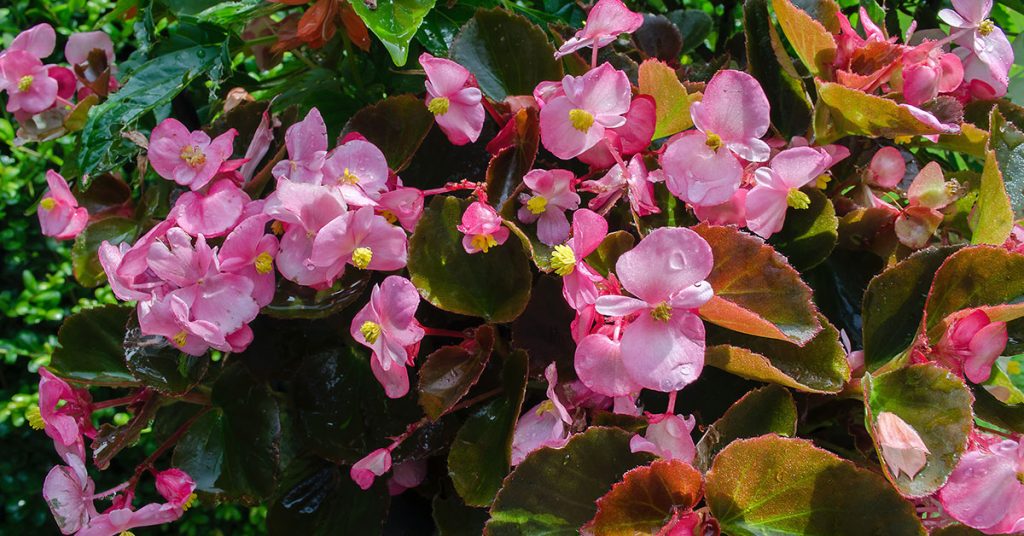
Wax begonias (Begonia × semperflorens-cultorum), native to South and Central America, shine in shady entrances where many other annuals struggle. The glossy foliage and clusters of pink, white, or red flowers provide continuous color. They’re not invasive but appreciate consistent moisture and well-draining soil.
Their shallow flowers attract tiny sweat bees and predatory wasps that nest in potted plant rims or in nearby wood cavities. Avoid disturbing the soil too much when watering—those little tunnels are prime nurseries for beneficials. With begonias framing your doorway, you’ll get both beauty and natural pest patrol!
Hibiscus

Tropical hibiscus (Hibiscus rosa-sinensis) hails from Asia’s warm regions and offers large, dramatic blooms in fiery reds, pinks, and oranges. While hibiscus can spread by suckers in ideal conditions, they’re generally easy to manage with pruning. In containers, they remain compact, centering attention on your entrance with their bold flowers.
Hibiscus nectar draws hummingbirds and bumblebees, and I often spot hummingbird moths darting in at dusk! Leaving a few spent blooms on the plant gives these night-fliers places to explore, and the thick stems can host overwintering native bees. With hibiscus by your door, expect a steady hum of winged guests!
Marigolds
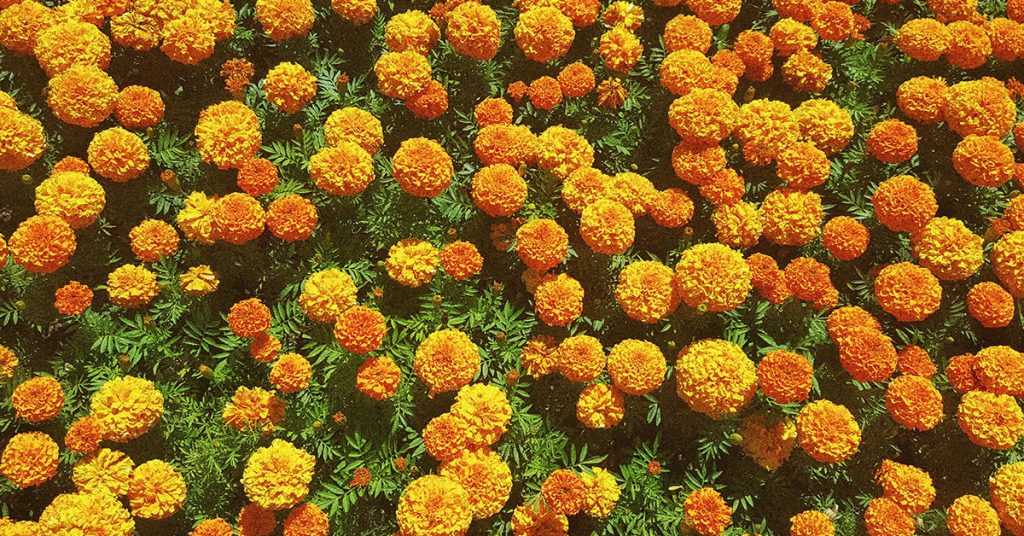
Marigolds (Tagetes spp.), native to Mexico and Central America, are famed for their bright orange and yellow pom-poms. They’re generally non-invasive but self-seed if you let seedheads dry on the stem. Their scent can deter certain pests, making them popular companion plants for vegetables and entrance beds alike!
Beyond beauty, marigold florets lure hoverflies and tachinid flies—both voracious aphid predators. I leave a few spent blooms in place to provide shelter for ladybugs and lacewings. Those tiny hoverflies darting between flowers keep pests at bay, so you’ll spend less time spraying and more time enjoying your doorway!
Pentas
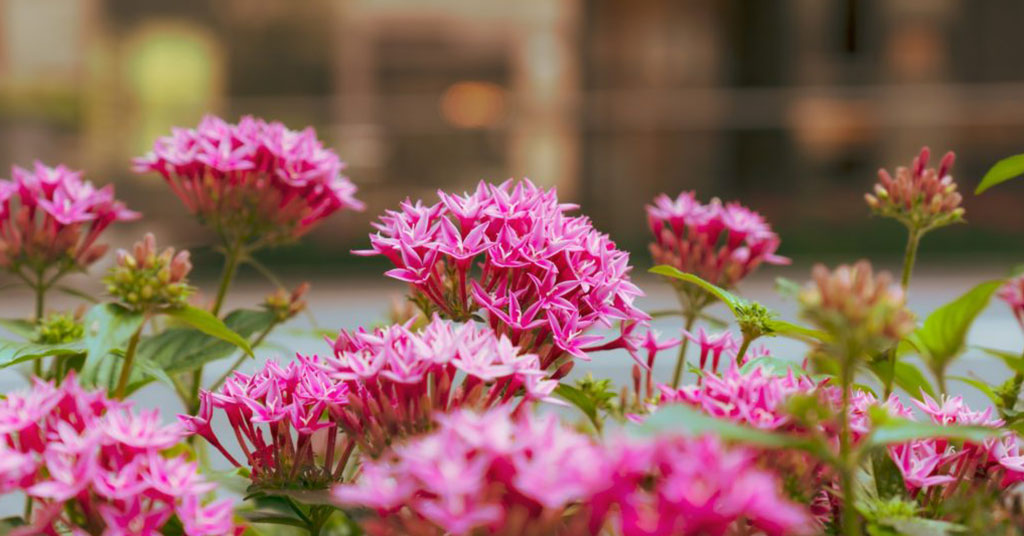
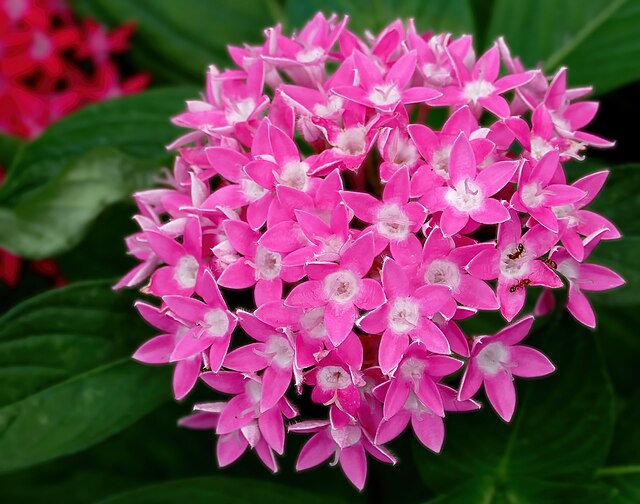
Pentas lanceolata, from tropical Africa and Arabia, features star-shaped clusters in shades of pink, red, white, and lavender. It won’t take over your garden but thrives in warm, humid spots. Its upright habit makes it ideal for flanking steps or lining pathways to your entrance.
Bees buzz around those pentas blossoms non-stop—the tubular flowers are a buffet for native bees and butterflies! I’ve seen leafcutter bees nest in nooks of wooden planters beside my pentas. To support them, leave untreated wood surfaces or install a small bee block nearby. The constant pollinator traffic will feel like a mini garden festival right at your door!
Impatiens
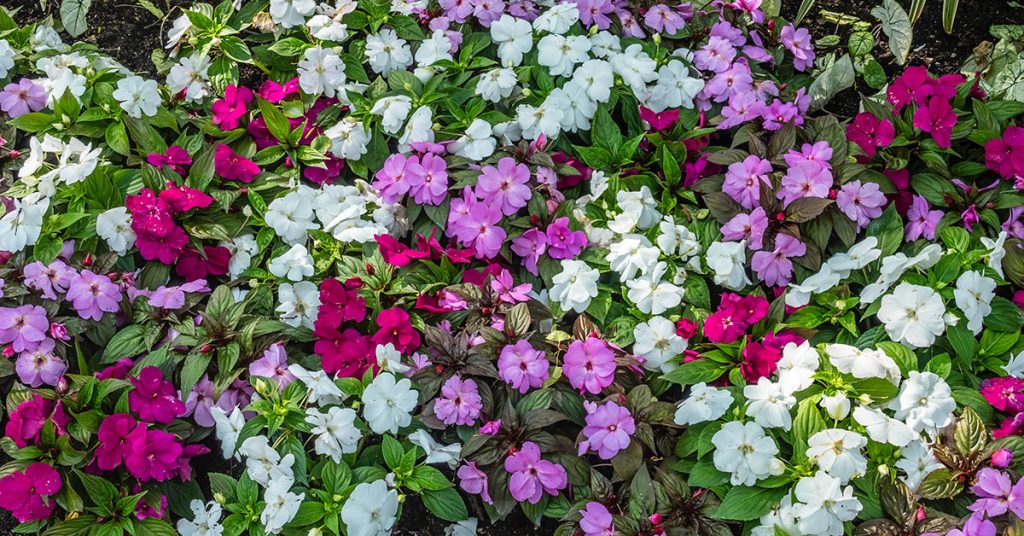
New Guinea impatiens (Impatiens hawkeri) come from Papua New Guinea’s moist forests, offering bold blooms that stand up to morning sun and afternoon shade. Unlike their shade-loving cousins, they can handle a bit of sun without wilting. They’re not prone to invasiveness and add lush color to containers and beds.
Their semi-double blossoms are perfect landing pads for small bees and syrphid flies, which often nest in the moist, well-mulched soil around the plants. I mulch heavily around my impatiens and avoid synthetic mulch that could trap moisture too tightly—balancing damp but breathable conditions for both flowers and insects!
Nicotiana
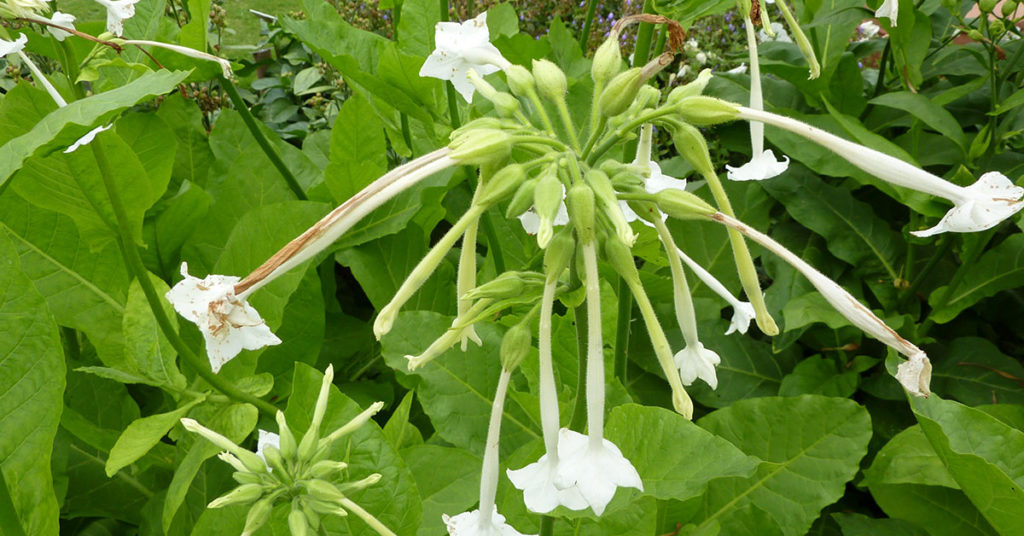
Ornamental tobacco (Nicotiana alata), native to South America, perfumes summer evenings with tubular white, pink, or greenish-white flowers. It self-seeds modestly in warm climates, so deadhead to control volunteers. It’s a wonderful backdrop for other annuals, and the scent drifting across your porch at dusk is pure magic!
Night-flying hawk moths adore nicotiana nectar, and I’ve watched them spiral in as the sun dips below the horizon. Leaving a few stems untidy provides perches for these moths and nocturnal wasps that nest in ground burrows. With nicotiana, your entrance becomes a sweetly scented theater each evening!
Calibrachoa
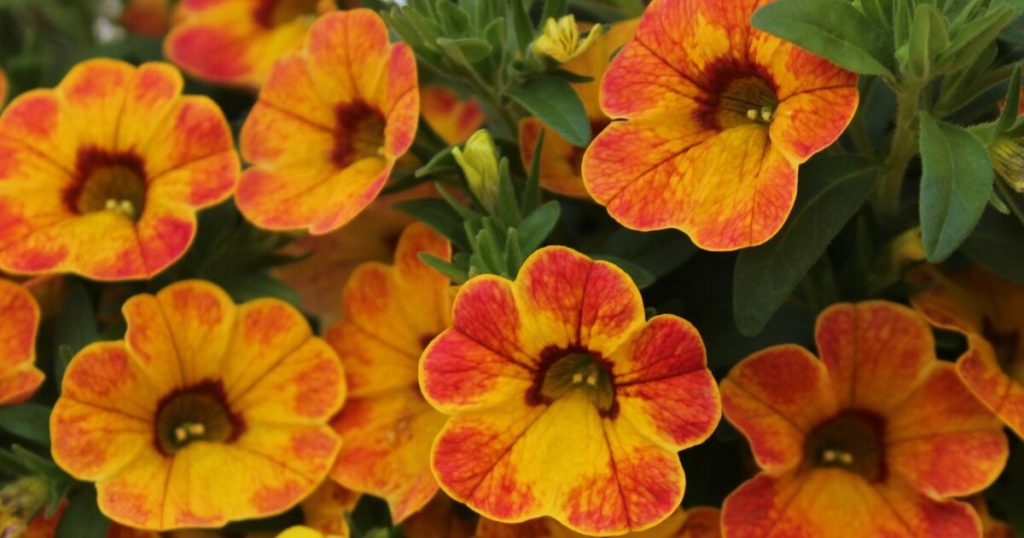
Calibrachoa (Million Bells), native to South America, looks like a miniature petunia with masses of 1–2-inch blooms in countless colors. These trailing beauties spill over hanging baskets and window boxes by the entrance. They rarely self-seed and focus all their energy into showy flowers!
Tiny solitary bees and minute sweat bees delight in calibrachoa’s open faces. I hang my baskets low enough for easy nectar access and sprinkle native wildflower seed at the base to encourage ground nesting. Watching those little bees busily collect pollen adds a charming sense of life to any doorstep!
Fuchsia

Fuchsia magellanica, native to South America’s temperate rainforests, dazzles with pendulous, two-toned blooms in pinks, purples, and reds. Hummingbirds can’t resist them, making fuchsia a top pick if you’re aiming for an avian welcome committee. They’re not invasive but prefer cool, moist spots.
To support nesting hummingbirds, I hang fuchsia in clusters and provide perches like thin branches or stakes. The dangling blossoms become natural nectar bars, and the birds often nest nearby in sheltered shrubs. If you hear that high-pitched trill at your door, thank your fuchsia for the invitation!
Dahlias
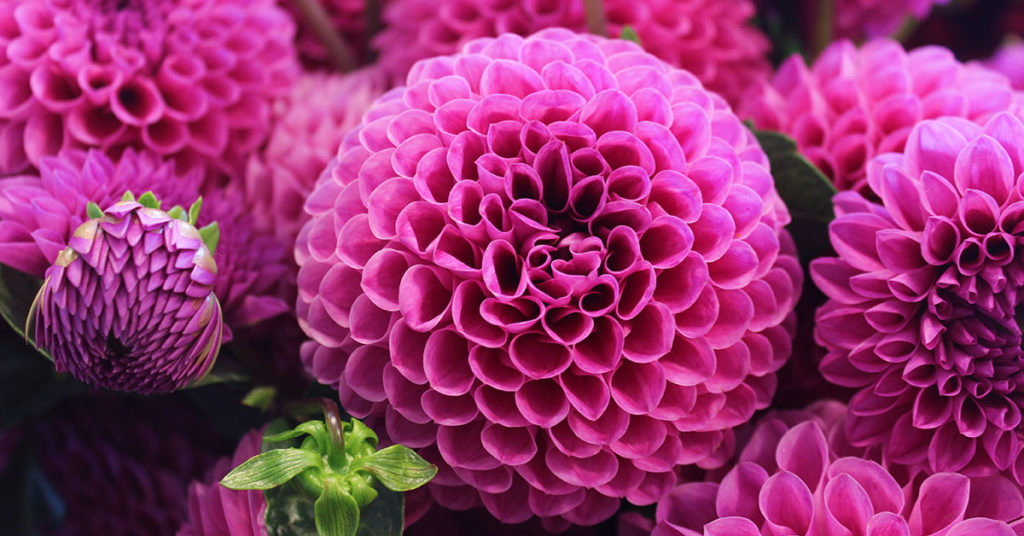
Though originally from Mexico and Central America, dahlias (Dahlia × pinnata) come in a dazzling array of forms—pompons, cactus, dinner plates—and colors from cream to deepest maroon. They won’t self-seed in most gardens, so you control where tubers go. In containers by your entry, dahlias make a bold statement!
Their large, open blooms attract honeybees and carpenter bees, which sometimes nest in hollow stems or wooden planter edges. I leave aged bamboo stakes in place after staking dahlias; carpenter bees burrow in them to lay eggs. The gentle drone of these bees adds a joyful hum to your entrance!