
Rock walls can transform any outdoor space into a dramatic, textured landscape, and as a dedicated gardener, nothing excites me more than finding flowers that perfectly complement this rugged beauty! I know how disheartening it can be when your carefully chosen plants fail to thrive in challenging conditions, so I’ve scoured the botanical world to bring you 14 showy flowers that not only add vibrant color but also flourish on rock walls. In this article, I’ll dive into the unique characteristics of each flower, sharing details about their native origins, any invasive tendencies, and the delightful ways they attract beneficial insects and even provide nesting opportunities for tiny critters.
Over the years, my garden has become a living tapestry where every stone and crevice tells a story. I’ve discovered that rock wall gardens offer a special charm, merging hardscape with the softness of nature in a way that’s both dramatic and serene! Whether you’re battling rocky conditions or simply looking to add an extra edge of style to your garden, these flowers promise to enhance your outdoor space with beauty, resilience, and a touch of wild elegance!
Dianthus
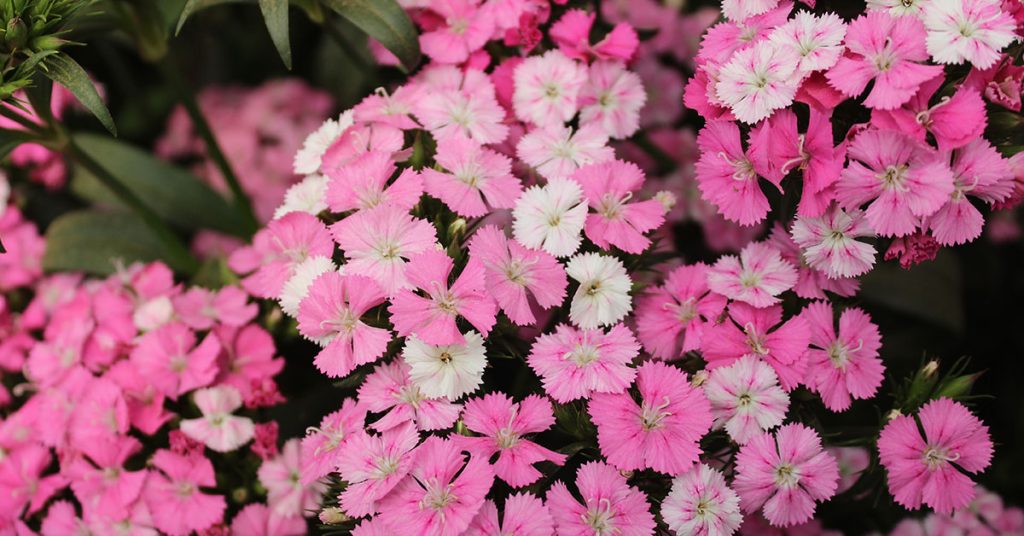
Dianthus, known for its fringed petals and spicy fragrance, adds an air of delicate elegance to rock walls that is simply irresistible! Native to Europe and parts of Asia, these perennial favorites have been cultivated for centuries and offer a burst of color that stands out against rugged stone. While they are not typically considered invasive, Dianthus thrives best in well-drained soil—a perfect match for the porous environment of rock walls, where they attract pollinators like bees and butterflies that may even use the sheltered crevices for brief respite.
In my rock garden, Dianthus serves as a living accent that softens the hard edges of stone and creates a delightful interplay of textures. I relish the sight of its vibrant blooms dancing in the breeze, and it never ceases to amaze me how its delicate fragrance can fill the air with an old-world charm! Their ability to attract beneficial insects and contribute to a balanced ecosystem makes Dianthus a must-have for any rock wall enthusiast seeking both beauty and practicality.
Blanket Flower (Gaillardia)
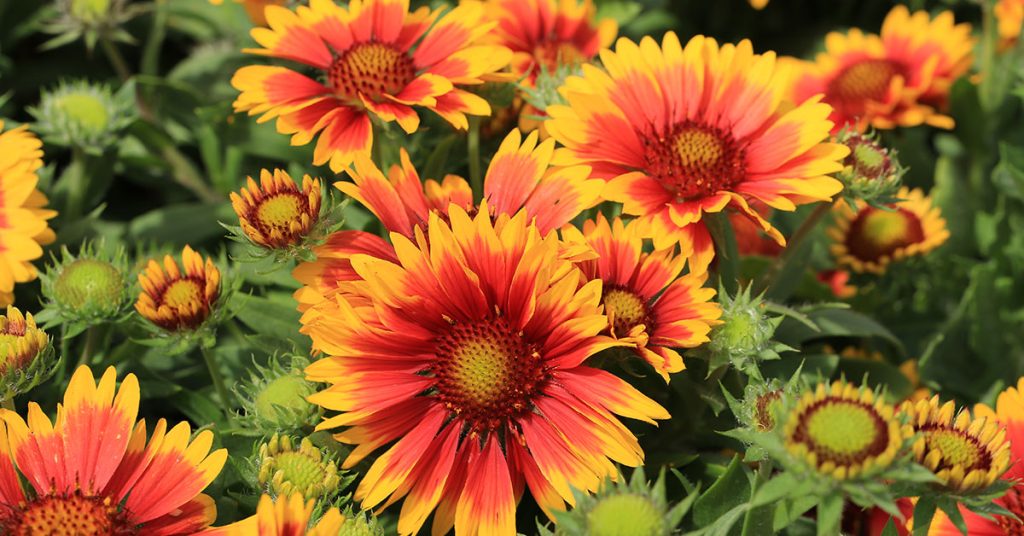
Blanket Flower, or Gaillardia, is a true showstopper that transforms a drab rock wall into a canvas of fiery hues! Native to North America, these daisy-like blooms are celebrated for their striking red and orange patterns, which mimic the warm glow of a sunset. Not invasive at all, Gaillardia thrives in poor, rocky soils and dry conditions, making it ideal for rock gardens where it not only adds color but also attracts a host of pollinators like bees and butterflies.
I’ve always been impressed by how Blanket Flower manages to bring a sense of warmth and energy to my rocky outcrops. Its vibrant, sun-kissed petals seem to celebrate every ray of light, and it even provides small insects with cozy niches to nest in amongst its dense foliage! The resilience and vivacity of Gaillardia truly remind me that nature’s beauty often thrives in the most challenging conditions.
Salvia
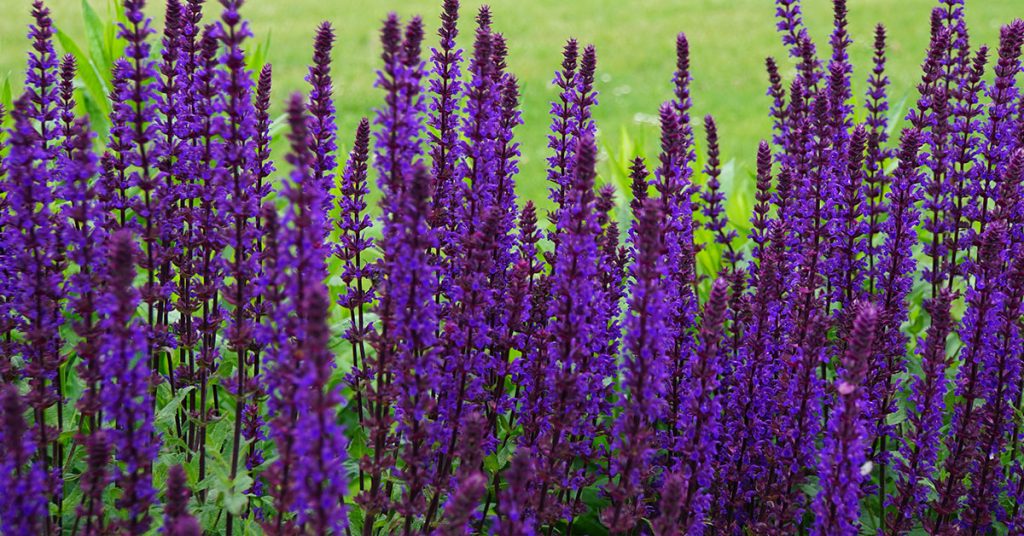
Salvia is a dynamic and versatile flower that adds a bold splash of color to rock walls while inviting an array of pollinators to your garden! Native to various regions, including Central and South America as well as parts of Asia, many species of Salvia have been embraced worldwide for their showy spikes and aromatic foliage. Generally non-invasive in container or rock garden settings, they flourish in the well-drained, sun-soaked crevices that rock walls naturally provide, drawing in bees, hummingbirds, and even butterflies.
In my garden, Salvia stands out as a beacon of energy and life, its bright flower spikes contrasting beautifully with the muted tones of stone. I often marvel at how these plants not only enhance the visual appeal of my rock walls but also create a mini-ecosystem where beneficial insects come to feed and sometimes nest in the protective cluster of blooms! The joyful buzz around Salvia always fills me with the thrill of a garden well-loved by nature.
Coneflower (Echinacea)

Echinacea, commonly known as Coneflower, brings a sense of rustic charm and bold elegance to rock walls with its iconic spiky centers and vibrant petals! Native to North America, these robust perennials are renowned for their ability to thrive in challenging environments and are far from invasive. They flourish in rocky, well-drained soils and are excellent at attracting a wide variety of pollinators, including bees and butterflies that rely on its nectar and may even find safe spots among its sturdy, layered petals.
In my own rock garden, Coneflower is a perennial favorite, offering not just visual splendor but also medicinal benefits that have been celebrated for centuries. Its impressive stature and resilient nature make it a perfect candidate for gracing the crevices of a rock wall, while its vibrant blooms draw in beneficial insects and add a dynamic focal point to the overall design! Every time I see Coneflower standing tall against a backdrop of rugged stone, I’m reminded of nature’s tenacity and the incredible beauty that emerges when resilience meets creativity.
Sedum
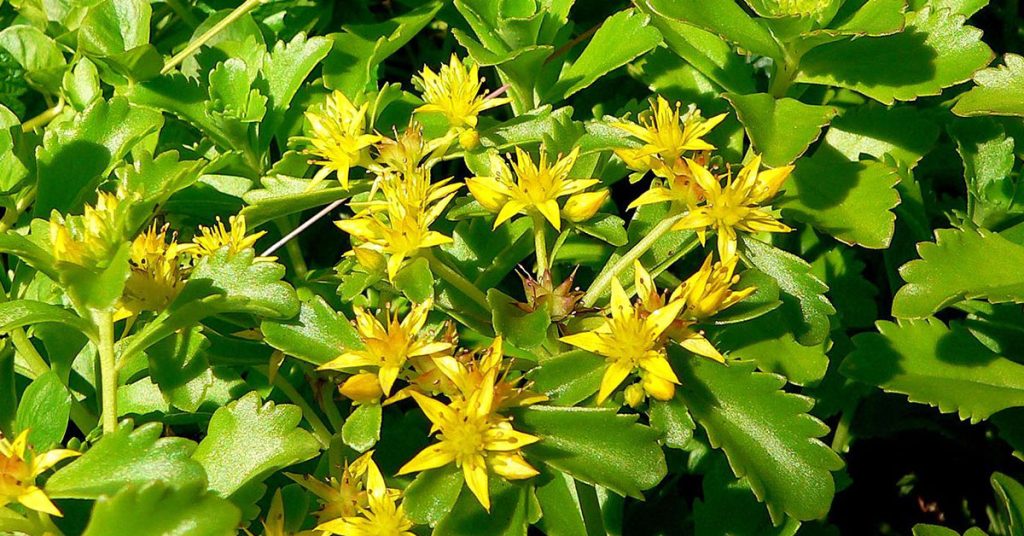
Sedum, often called Stonecrop, is a succulent wonder that perfectly complements the textures of a rock wall with its low-growing, fleshy leaves and clusters of star-shaped flowers! Native to Europe and Asia, these drought-tolerant plants are celebrated for their ability to thrive in poor, rocky soils without becoming invasive. Sedum’s blooms, which range from soft pastels to vivid pinks and oranges, create a striking contrast against hard stone, drawing in bees and butterflies that appreciate the plant’s abundant nectar and sometimes find a quiet nook for nesting.
In my rock garden, Sedum is a versatile star that effortlessly ties the ruggedness of stone with the delicate beauty of flowering plants. I love how its succulent leaves store precious moisture, making it an ideal companion for rock walls where water can be scarce. The natural charm of Sedum, with its unassuming yet vibrant presence, always brings a sense of harmony and balance to my garden, reminding me that beauty can be found even in the simplest of forms!
Penstemon (Beardtongue)
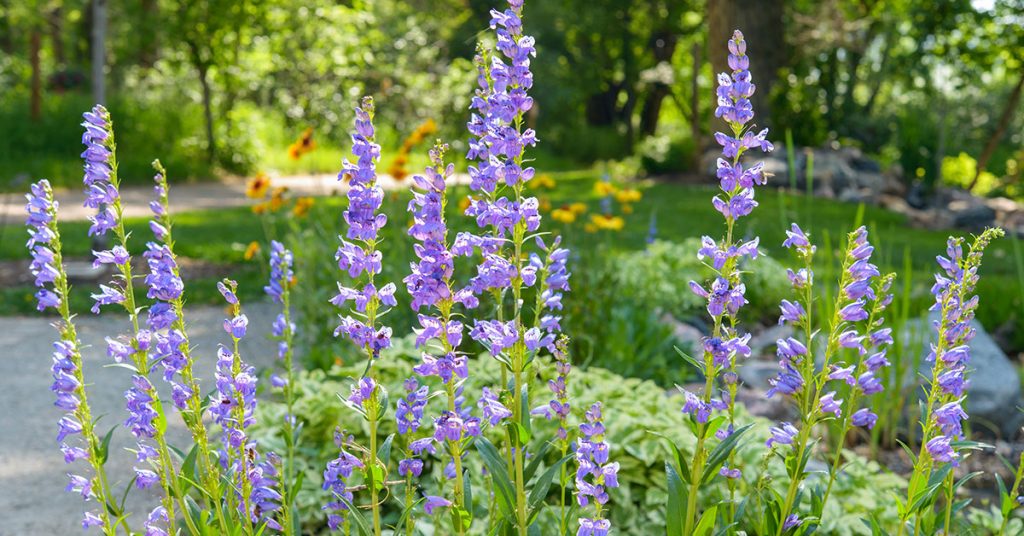
Penstemon, commonly known as Beardtongue, is a vibrant addition to any rock wall, boasting tubular blooms that add a burst of color and texture to your garden! Native to North America, Penstemon has a rich history of cultivation for its striking appearance and resilience. It is non-invasive when grown in confined spaces like rock gardens, and its unique flower shape is a magnet for hummingbirds and bees, who sometimes use the dense clusters as impromptu nesting sites or temporary shelter during cooler evenings.
In my own outdoor haven, Penstemon is a true conversation starter, its brilliant hues and distinctive form creating a lively contrast against the rough texture of rock. I’m continually amazed by the way its delicate blooms seem to dance in the breeze, inviting beneficial insects and adding a dynamic flair to the garden. Its ability to thrive in rocky, well-drained soils makes it an ideal choice for gardeners looking to combine visual impact with ecological function!
Coreopsis (Tickseed)
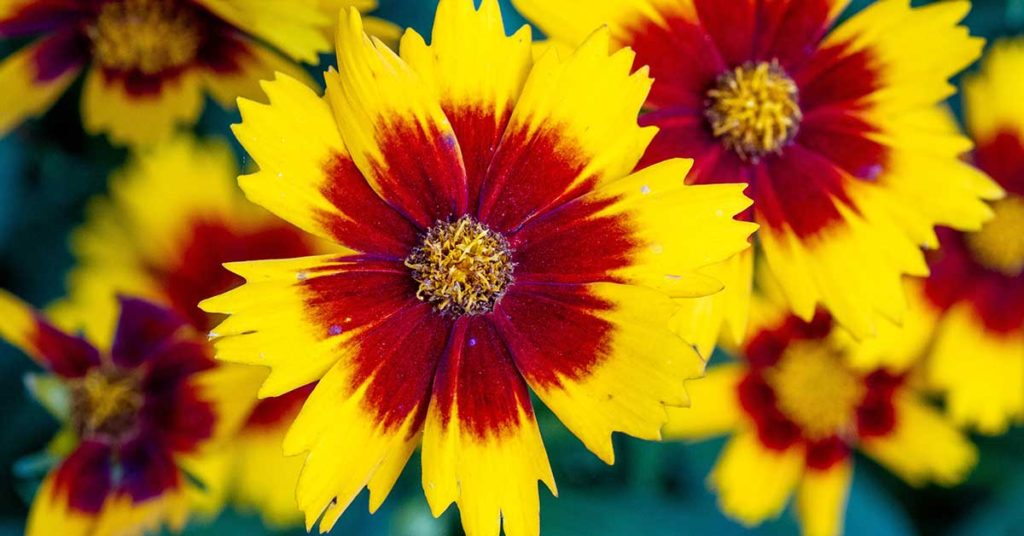
Coreopsis, also known as Tickseed, is a delightful wildflower that lends a playful charm to rock walls with its bright, daisy-like blooms! Native to North America, Coreopsis thrives in rocky, well-drained conditions and is cherished for its ability to attract butterflies and bees, which are drawn to its vibrant petals and generous supply of nectar. It’s not considered invasive, making it a reliable, low-maintenance choice for rock gardens where it can flourish alongside other rugged plant species.
In my garden, Coreopsis always brings a sense of cheerful spontaneity, its sunny blossoms adding a burst of joy to even the stoniest of settings. I enjoy watching the little pollinators dance from flower to flower, sometimes even settling briefly in the safety of the flower heads. The enduring vibrancy and simplicity of Coreopsis remind me that sometimes the most charming elements of a garden are those that thrive naturally in the harshest conditions!
Agastache (Hummingbird Mint)
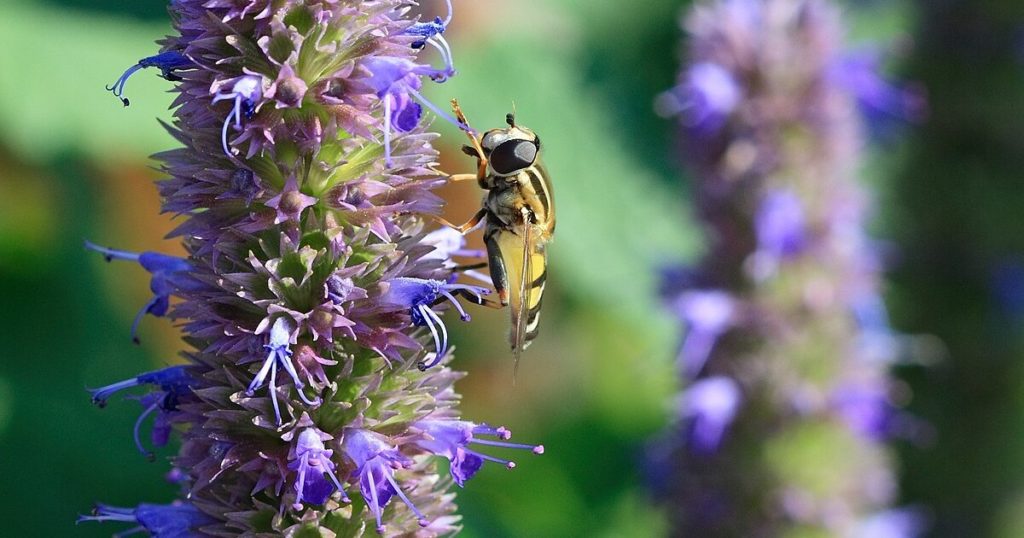
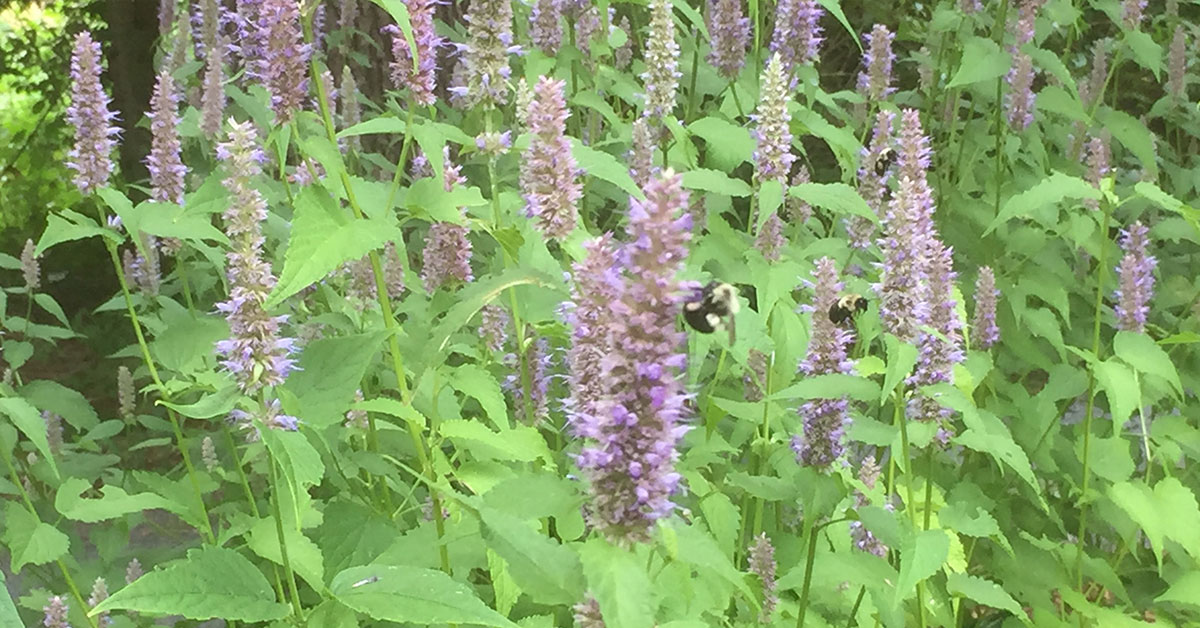
Agastache, commonly referred to as Hummingbird Mint, is an aromatic herbaceous perennial that pairs beautifully with rock walls through its showy spikes and inviting scent! Native to North America, this plant is celebrated for its ability to thrive in sunny, well-drained areas without becoming invasive. Agastache’s clusters of tubular flowers are a magnet for hummingbirds, bees, and butterflies, which often find the blossoms a perfect spot for feeding and even nesting on a small scale in the protective nooks of the plant.
In my rock garden, Agastache adds a burst of color and fragrance that elevates the entire landscape. I always get excited when I spot hummingbirds flitting around its vivid blooms, their presence a delightful reminder of nature’s interconnected wonders! Its resilience and low-maintenance nature make Agastache a standout choice for gardeners seeking both beauty and ecological function on their rock walls.
Verbena
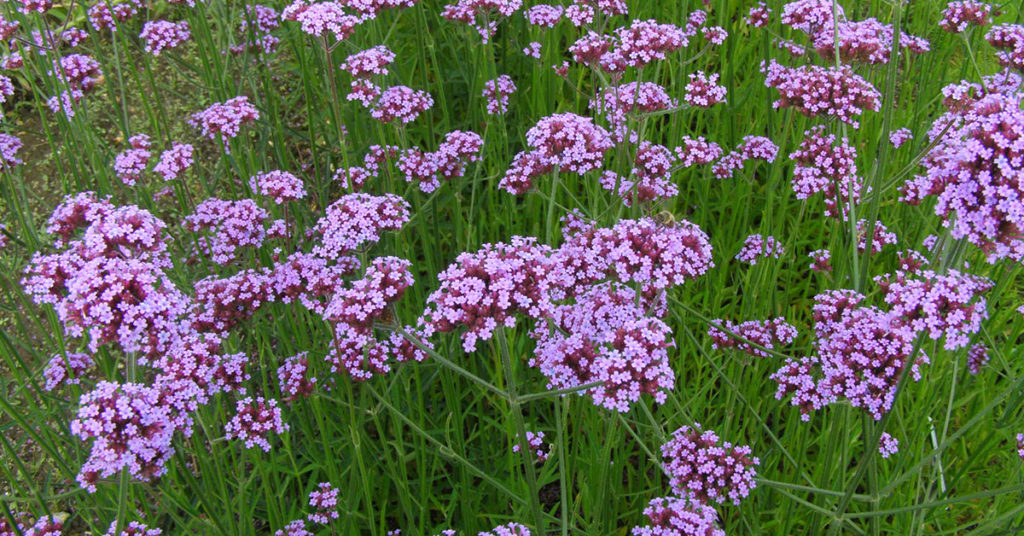
Verbena is a striking, low-growing flowering plant that adds a splash of vibrant color to rock walls with its clusters of tiny, delicate blooms! Native to regions in South America and the Caribbean, Verbena thrives in well-drained, sunny spots, making it an excellent candidate for rocky environments. It is not considered invasive when cultivated in containers or confined spaces, and its profuse flowering habit attracts a variety of pollinators, including butterflies and bees that appreciate the bright colors and abundant nectar.
In my own rock garden, Verbena creates a dynamic display that softens the hard edges of stone while drawing beneficial insects to its vibrant blossoms. I often marvel at how its gentle cascade of flowers seems to create a natural carpet of color, inviting tiny creatures to explore and sometimes even take refuge amidst the blooms! The cheerful appearance and hardiness of Verbena make it a favorite among gardeners who want to infuse their rock walls with life, color, and a touch of natural elegance!
Ageratum
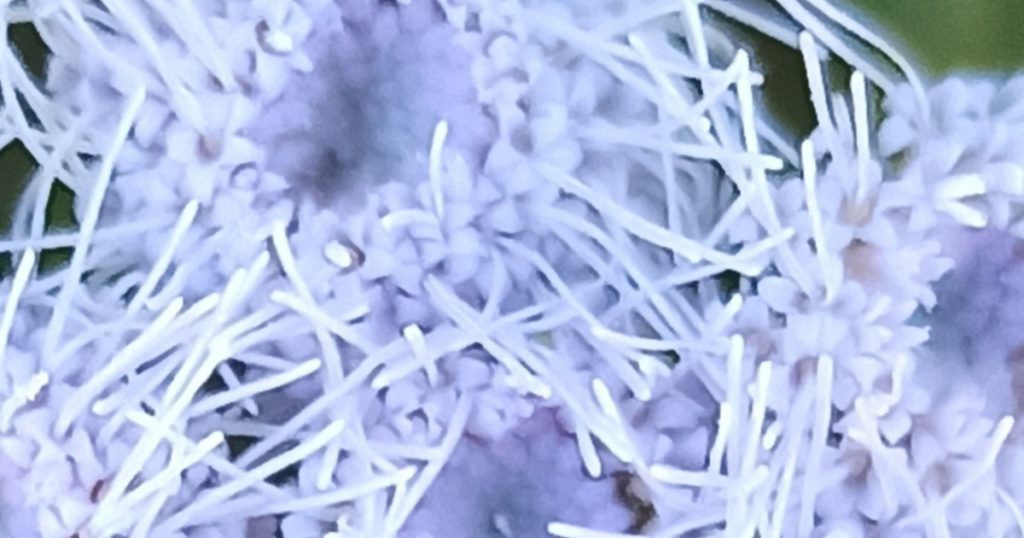
Ageratum, with its charming, fluffy clusters of small flowers, offers a soft, almost cotton-like texture to rock walls that contrasts beautifully with rugged stone! Native to Central and South America, this perennial is admired for its delicate appearance and its ability to thrive in sunny, well-drained conditions. Although Ageratum is not invasive when grown in a container or confined space, its profuse blooming habit attracts a host of pollinators—tiny bees and butterflies are often seen gathering around its airy, vibrant blossoms.
In my rock garden, Ageratum adds a layer of whimsical softness that complements the harsh lines of stone perfectly. I find it delightful to see these delicate clusters sway gently in the breeze, creating a soothing, almost ethereal visual effect. Their capacity to attract beneficial insects, which sometimes use the soft flower clusters for temporary shelter, adds an extra layer of ecological balance to the garden, making every glance at Ageratum a joyful, inspiring experience!
Russian Sage
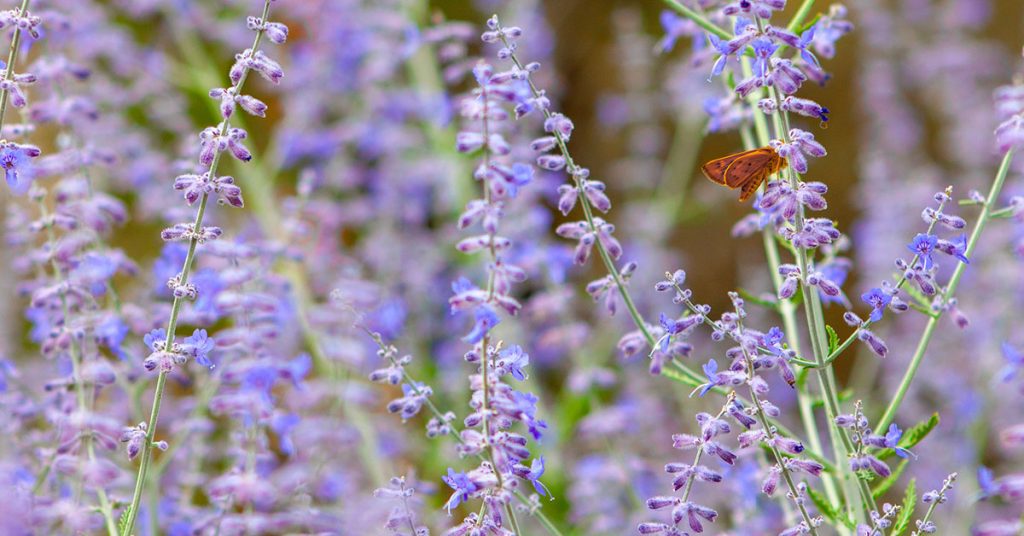
Russian Sage is a stunning, aromatic perennial that lends an air of timeless elegance to rock walls with its silvery foliage and cascades of pale blue flowers! Native to the steppes of Russia and Asia, this plant thrives in dry, well-drained conditions, which are perfectly suited to the environment of rock walls. It is not considered invasive, and its long-lasting blooms attract a wide array of beneficial insects, including bees and butterflies, which are drawn to its subtle yet captivating fragrance.
I’ve always been captivated by the ethereal beauty of Russian Sage, its wispy, airy blossoms and soft, silver-green leaves creating a mesmerizing contrast against rough stone. Watching it flourish on my rock wall is like witnessing a delicate dance of nature, where every breeze seems to carry a hint of ancient charm! Its ability to attract pollinators and contribute to a serene, balanced ecosystem makes Russian Sage a prized addition to any rock garden, evoking a sense of calm and timeless beauty.
Lupine
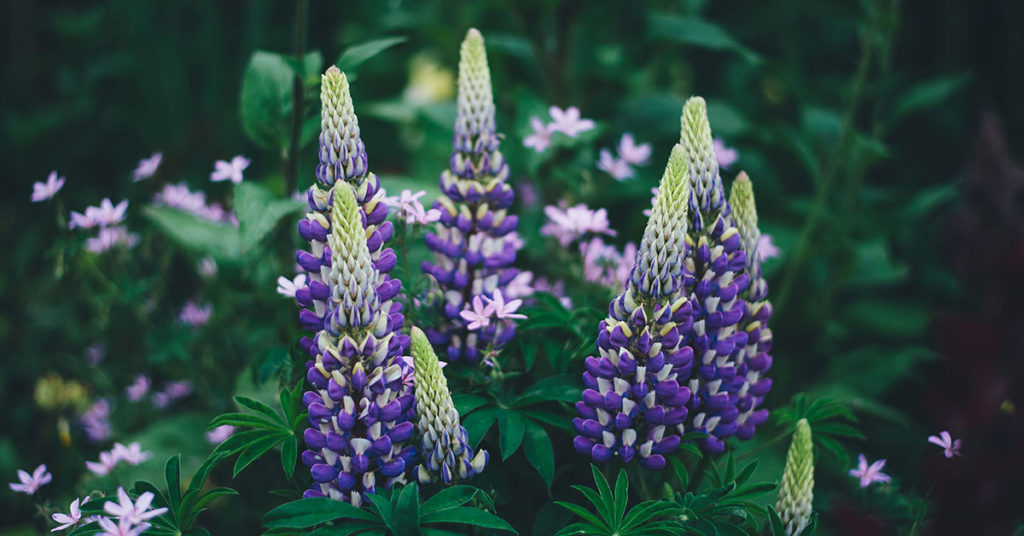
Lupine is a striking, spiky perennial that offers a burst of vivid color to rock walls, making them come alive with its tall, spire-like flower clusters! Native to North America and the Mediterranean region, lupine thrives in well-drained, rocky soils and is celebrated for its ability to fix nitrogen, enriching the surrounding soil for other plants. It is not invasive in a rock garden setting, and its dramatic blooms attract a variety of pollinators, from bees to butterflies, which are drawn to its rich, multifaceted colors and structure.
In my rock garden, lupine adds a dynamic vertical element that beautifully contrasts with the horizontal lines of stone. I love watching as the tall, colorful spikes sway in the wind, occasionally serving as a perch or nesting spot for small insects. Lupine’s exuberant display of blossoms not only elevates the aesthetic of the garden but also plays an important role in fostering a lively, interconnected ecosystem that is as resilient as it is breathtaking!
Yarrow (Achillea millefolium)
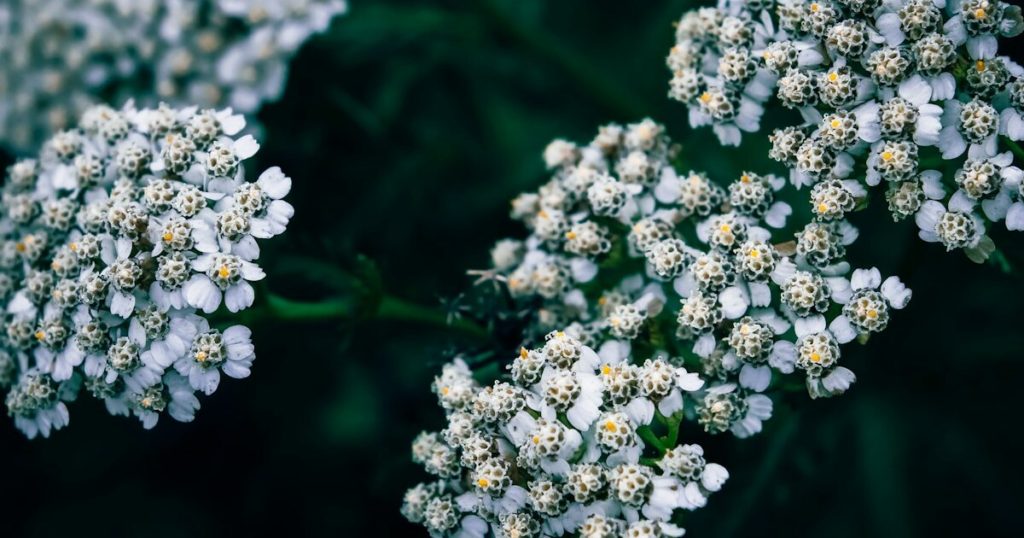
Yarrow is a robust, showy perennial that brings a burst of color and intricate texture to rock walls with its flat-topped clusters of small, daisy-like flowers! Native to temperate regions of the Northern Hemisphere, including Europe and Asia, yarrow is renowned for its hardiness and ability to thrive in challenging, rocky soils without being invasive. Its aromatic foliage and abundant blooms attract a host of beneficial insects, including ladybugs, bees, and butterflies, which sometimes use the dense growth as a spot for shelter and even nesting.
In my own rock garden, yarrow serves as both a splash of vibrant color and a functional contributor to the ecosystem. I’m always delighted by the sight of its multi-colored blossoms creating a natural mosaic against the rough stone, and the way it seems to invite nature’s tiny helpers to a lively banquet of nectar! Yarrow’s resilience and its role in nurturing a balanced garden ecosystem make it one of my cherished selections for enhancing the beauty and vitality of rock walls.