

Stepping into a prairie wildflower garden is like entering a vibrant, living canvas where nature’s colors burst forth in every direction. As an enthusiastic gardener with a passion for native blooms, I’ve found that these prairie flowers not only transform your outdoor space into a picturesque retreat but also support local wildlife by attracting pollinators and providing shelter for nesting insects and birds. I understand the struggle of finding plants that balance beauty with ecological benefits—after all, it’s such a bummer when your garden is overtaken by less beneficial species!
I’ve spent countless hours exploring and tending to prairie landscapes, and I’m excited to share my top 14 picks with you! Each section below delves into two detailed paragraphs about a prairie flower, including its native origins, growth behaviors, and its role in attracting beneficial creatures. Whether you’re a seasoned gardener or just starting out, these insights will help you create a stunning wildflower meadow that not only delights the eyes but also nurtures a thriving ecosystem!
Indian Blanket
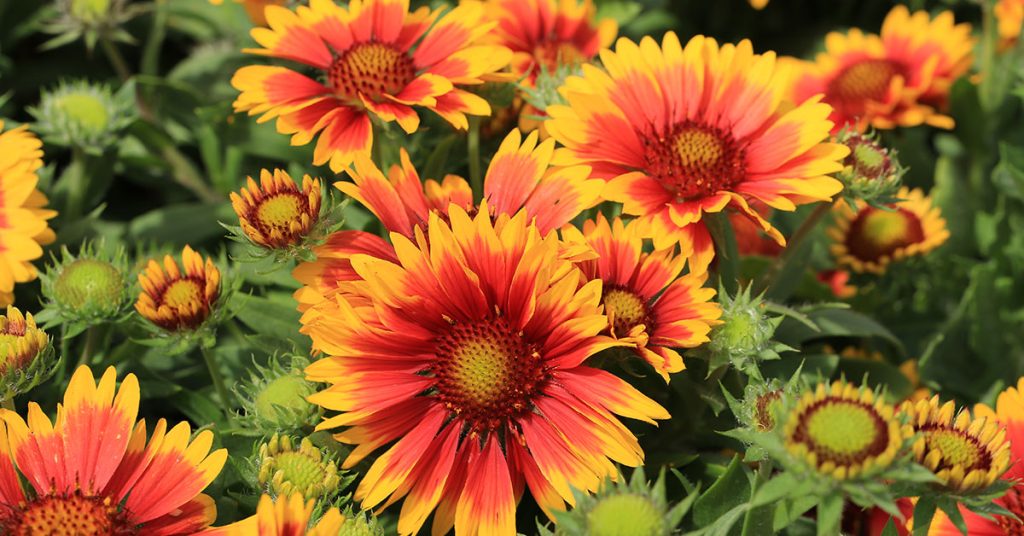
Indian Blanket (Gaillardia pulchella) is a dazzling annual native to the North American prairies, celebrated for its vivid red and yellow blossoms that evoke warmth and energy in any garden. These cheerful flowers thrive in full sun and well-drained soils, making them a perfect choice for a wildflower meadow. I’ve seen them create a natural mosaic that not only brightens your garden but also attracts butterflies and bees, turning your outdoor space into a buzzing haven of activity!
In addition to their visual appeal, Indian Blankets are remarkably resilient and non-invasive, ensuring that they coexist harmoniously with other native species. Their open structure often serves as a resting spot for small beneficial insects and even offers a gentle refuge for birds seeking a quiet perch. With every bloom, these flowers remind us of the dynamic beauty of the prairie, adding an energetic flair to your wildflower garden!
Coneflower

Coneflower (Echinacea purpurea) is a striking perennial native to the open prairies of North America, known for its iconic, daisy-like petals and robust central cone. This hardy flower not only lends a touch of rustic charm to your garden but also attracts a diverse array of pollinators, from bees and butterflies to hummingbirds, which rely on its nectar-rich blooms. I’ve often marveled at how these resilient plants transform a simple meadow into a lively sanctuary for nature’s busiest workers!
Beyond its captivating beauty, Coneflower is celebrated for its medicinal properties and its ability to boost local biodiversity without being invasive. Its deep roots help stabilize the soil and encourage beneficial microorganisms, creating a balanced ecosystem. Every time I tend to my Coneflowers, I’m reminded of the timeless connection between traditional herbal wisdom and modern ecological gardening—an absolute win-win for any nature lover!
Prairie Smoke
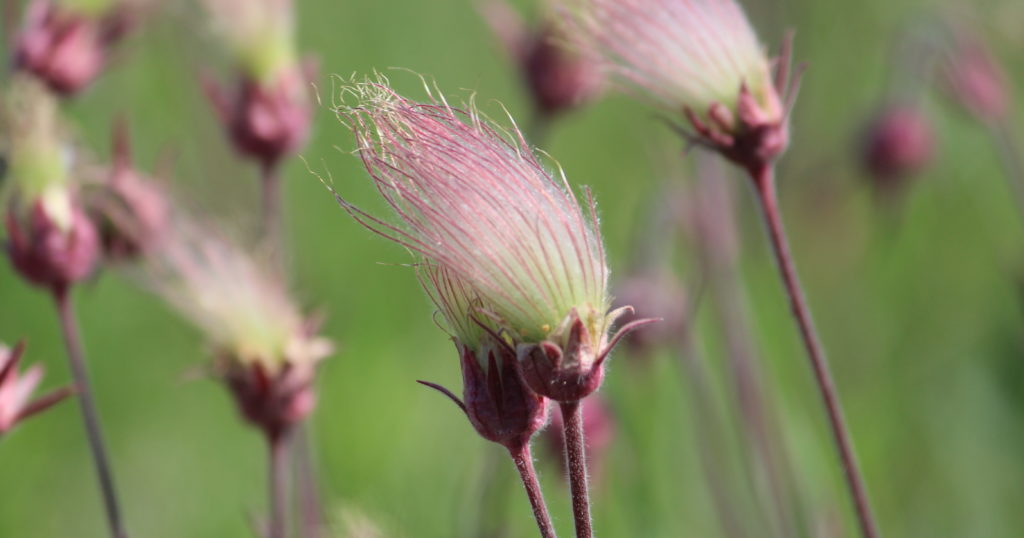
Prairie Smoke (Geum triflorum) is a delicate perennial native to the prairies and open woodlands, famed for its wispy, smoke-like seed heads that add a mystical quality to any garden. With its subtle, nodding blossoms that transition into airy, feathery plumes, Prairie Smoke brings a unique textural element that contrasts beautifully with bolder prairie blooms. I find it fascinating how its ethereal appearance draws in a variety of beneficial insects, contributing to a balanced garden ecosystem where even the smallest critters have a place to nest!
This charming plant is non-invasive and thrives in well-drained soils with ample sunlight, making it an ideal candidate for wildflower meadows. Its ability to gracefully coexist with other native species ensures that it enhances rather than competes with its surroundings. Every time I see the delicate plume of Prairie Smoke swaying in the breeze, I’m reminded that nature’s subtle artistry often holds the greatest charm!
Wild Indigo
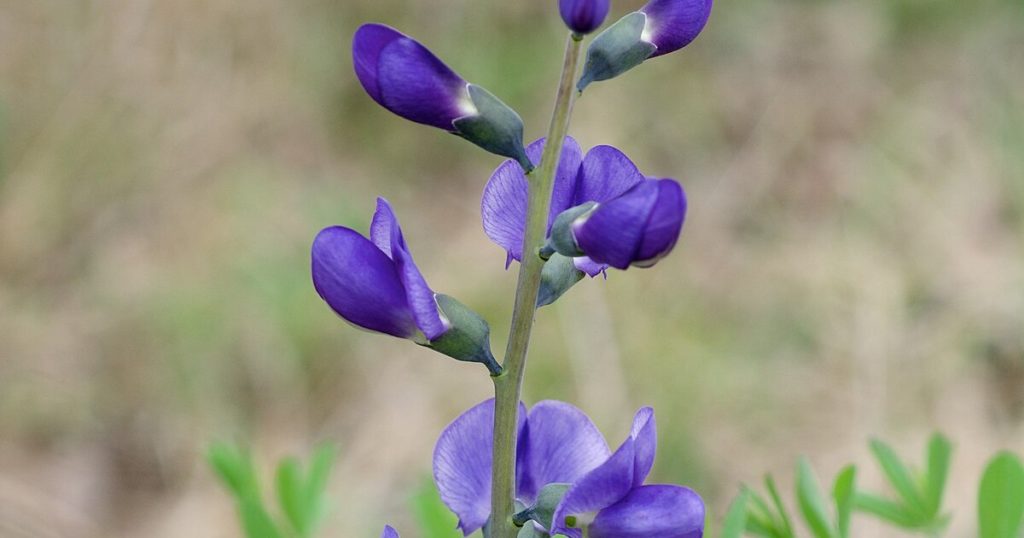
Wild Indigo (Baptisia tinctoria) is a robust perennial native to North American prairies, celebrated for its striking blue-purple flowers and deep, rich foliage. This plant exudes a stately elegance and is well-known for attracting beneficial insects, including bees that are drawn to its vibrant blooms for pollination. I’ve always admired how Wild Indigo adds both color and structure to a wildflower meadow, offering a sense of stability and natural artistry that enhances any garden layout!
In addition to its ornamental appeal, Wild Indigo plays a vital role in supporting soil health by improving nutrient availability, and it remains non-invasive in its native range. Its fibrous roots create microhabitats that many small creatures find ideal for nesting or seeking refuge. Cultivating Wild Indigo has taught me that sometimes the most understated blooms can have the most profound impact on the overall vitality of a prairie garden!
Butterfly Milkweed
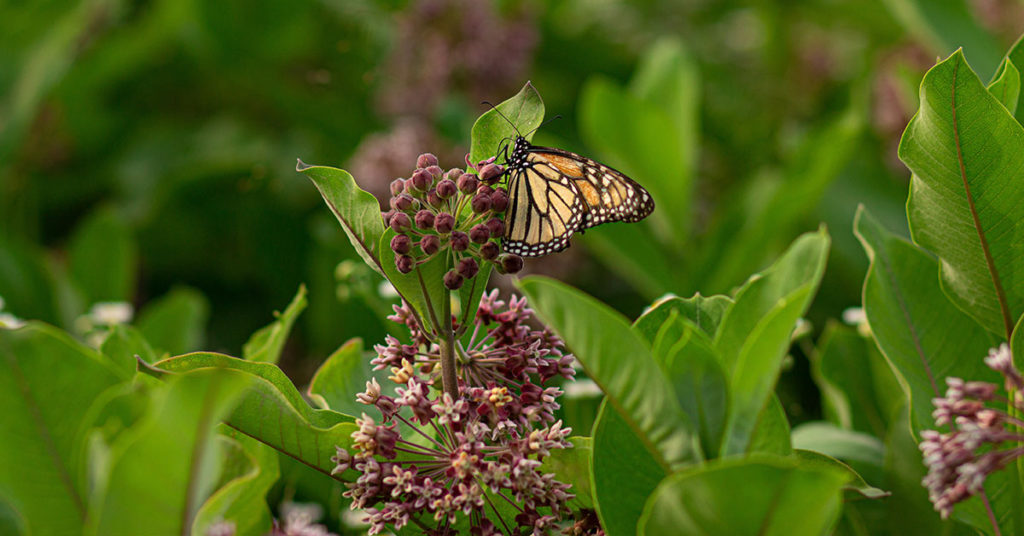
Butterfly Milkweed (Asclepias tuberosa) is a vibrant perennial native to the prairies of North America, prized for its bright orange clusters of flowers that serve as a magnet for butterflies and other pollinators. This dynamic plant not only enhances the visual appeal of a wildflower meadow but also provides critical habitat for monarch butterflies, which rely on milkweed species for their lifecycle. I’m continually delighted by the sight of fluttering wings and buzzing bees that find sanctuary among its colorful blooms!
Beyond its role in supporting pollinators, Butterfly Milkweed is low-maintenance and non-invasive, thriving in well-drained soils and sunny conditions. Its dense, upright growth habit offers a perfect perch for beneficial insects and even small birds seeking a brief respite during their foraging flights. Every bloom of Butterfly Milkweed is a reminder of the intricate and rewarding relationships within a prairie ecosystem—nature truly works in miraculous harmony!
Black-Eyed Susan
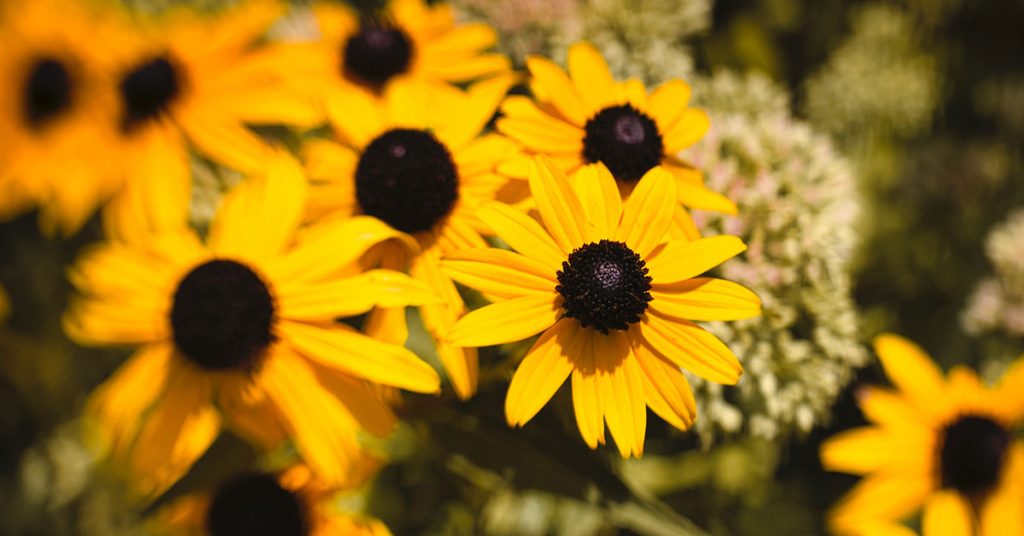
Black-Eyed Susan (Rudbeckia hirta) is a classic prairie wildflower native to the open fields of North America, recognized for its cheerful yellow petals and contrasting dark centers. These hardy perennials are a favorite among gardeners for their ability to thrive in various soil types and their knack for attracting a wide range of pollinators, from buzzing bees to vibrant butterflies. I’ve seen them transform even the simplest garden patch into a sunlit sea of golden radiance that uplifts the spirit!
What’s truly remarkable about Black-Eyed Susan is its resilience and low-maintenance nature—they are non-invasive and self-seed modestly, ensuring a natural spread without overwhelming your garden. Their sturdy stems and prolific blooming habit provide not only aesthetic charm but also a nurturing environment for beneficial insects and even small ground-nesting birds. Caring for these vibrant flowers has taught me that nature’s simplicity often holds the key to a flourishing and balanced garden!
Wild Lupine
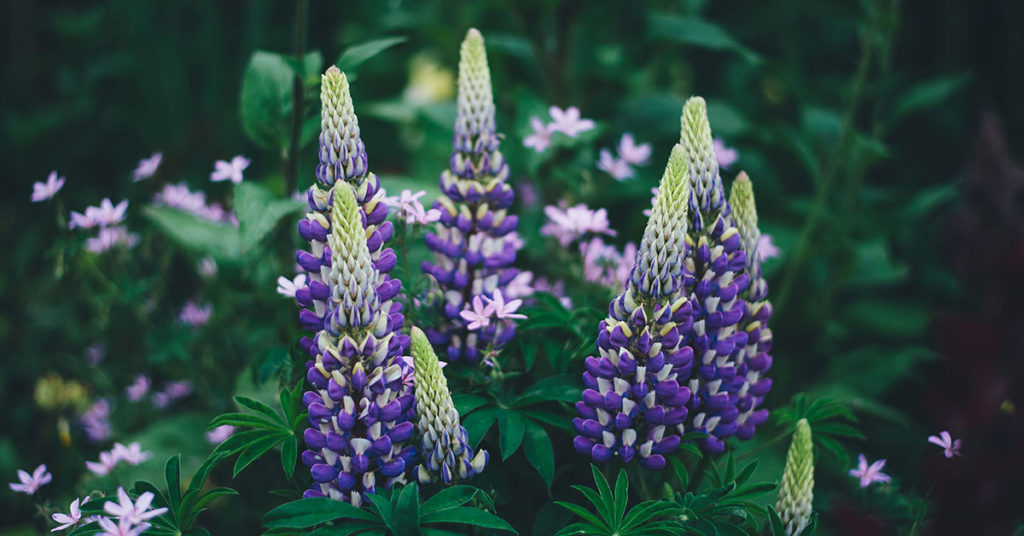
Wild Lupine (Lupinus perennis) is an enchanting perennial native to the prairies and open woodlands of North America, renowned for its spiky clusters of vibrant blue flowers. This captivating plant is a crucial component of native ecosystems, offering a reliable nectar source for bees and a host of other beneficial insects. I’m always thrilled by its dramatic presence, as Wild Lupine adds a touch of wild sophistication to any wildflower meadow and contributes to a balanced habitat where even the smallest pollinators can thrive!
Wild Lupine is non-invasive and thrives in well-drained, sandy soils, making it a natural choice for prairie gardens. Its distinctive flower spikes not only attract butterflies and bees but also provide structural interest that supports a diversity of life forms. Whether you’re cultivating a large meadow or a smaller, intimate garden space, Wild Lupine is a timeless reminder of the beauty and resilience of native flora that enrich our outdoor spaces with natural charm!
Prairie Blazing Star

Prairie Blazing Star (Liatris pycnostachya) is a stunning perennial native to the prairies of North America, celebrated for its tall, slender spikes of purple flowers that seem to ignite the landscape with their fiery hues. This dynamic plant not only offers dramatic vertical accents to your wildflower garden but also plays a vital role in attracting a host of pollinators, including bees, butterflies, and even hummingbirds, all of which appreciate its abundant nectar. I’m constantly amazed by how Prairie Blazing Star transforms a garden into a vibrant tapestry of color and movement!
In addition to its eye-catching beauty, Prairie Blazing Star is non-invasive and well-suited to a range of soil types, provided it receives plenty of sunlight. Its natural growth habit encourages a diverse microhabitat, where beneficial insects find refuge and local birds enjoy the occasional nesting opportunity. Every time I see these tall, blazing spikes against a clear blue sky, I’m reminded of the raw, untamed beauty of prairie ecosystems—and the simple joy they bring to our lives!
Wild Bergamot

Wild Bergamot (Monarda fistulosa) is a fragrant perennial native to the North American prairies, distinguished by its soft, lavender-pink blooms that exude a gentle, herbal aroma. This charming plant is a magnet for pollinators, especially bees and butterflies, which are drawn to its nectar-rich flowers and use its dense foliage as a protective refuge. I’ve always found Wild Bergamot to be a delightful addition to any wildflower meadow, infusing the garden with both beauty and a soothing, natural fragrance that lifts the spirits!
Its non-invasive nature and adaptability to a variety of soil conditions make Wild Bergamot a practical and rewarding choice for prairie gardens. The plant’s robust growth habit supports local insect populations and even offers a cozy perch for small birds, contributing to a well-balanced ecosystem. Cultivating Wild Bergamot has taught me that nature’s subtler hues and delicate fragrances are just as powerful in creating a thriving, inviting garden space as bold, bright colors!
Prairie Coreopsis
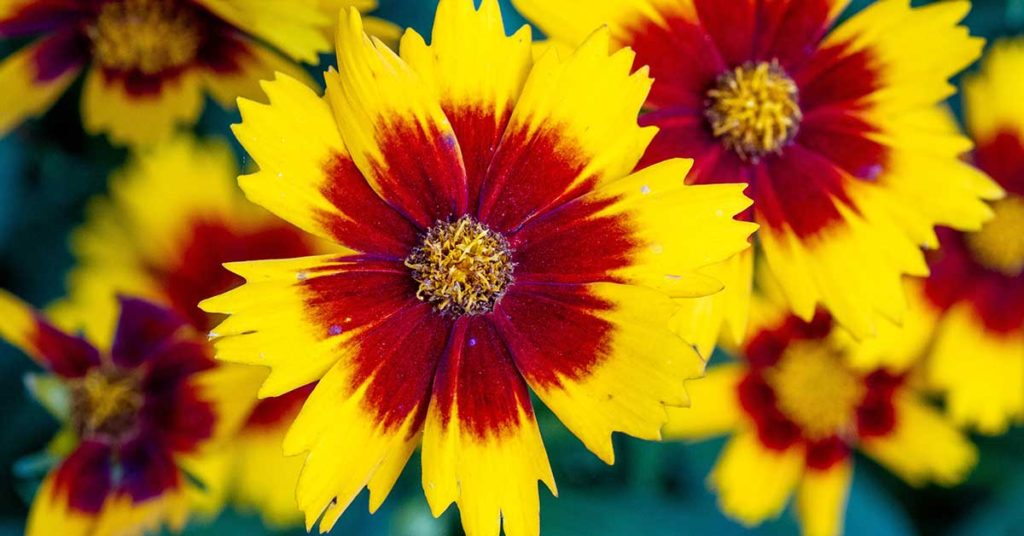
Prairie Coreopsis (Coreopsis lanceolata) is a radiant perennial native to the prairies of North America, admired for its bright yellow, daisy-like blooms that instantly lift the mood of any garden. This cheerful flower not only brings a burst of color to wildflower meadows but also attracts a host of pollinators, including bees and butterflies, that depend on its plentiful nectar. I’ve seen Prairie Coreopsis enliven even the most modest garden beds, creating a sunny landscape that feels both welcoming and full of life!
Prairie Coreopsis is non-invasive and thrives in well-drained soils, making it an excellent choice for sustainable gardening practices. Its open, airy growth habit offers an ideal environment for beneficial insects to flit in and out, and it even provides a gentle, natural habitat for ground-dwelling critters. Every time I walk through a patch of Prairie Coreopsis, I’m reminded of the simple yet profound joy that comes from nurturing native plants that naturally harmonize with the ecosystem!
Pasque Flower
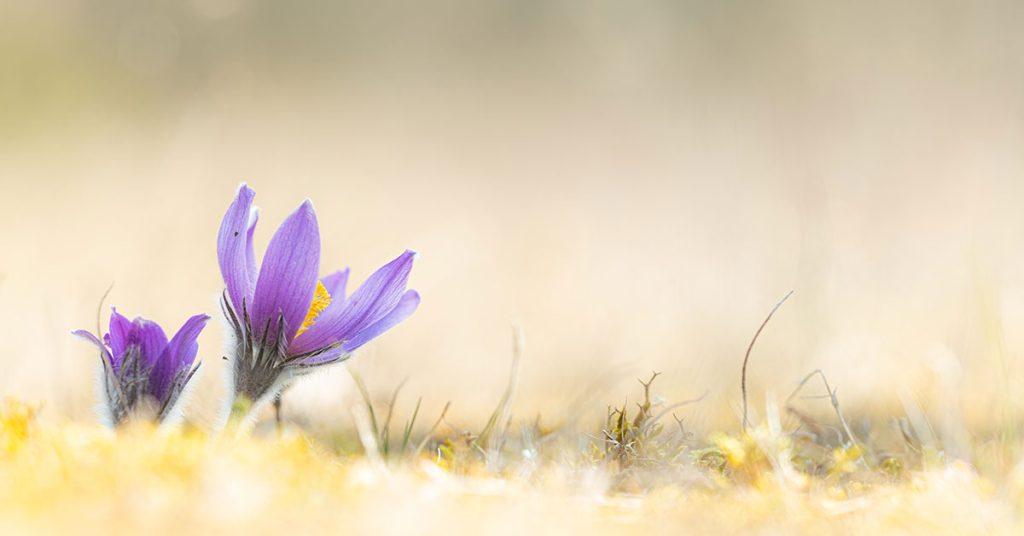
Pasque Flower (Pulsatilla nuttalliana) is a delicate, early-blooming perennial native to the prairie landscapes of North America, recognized for its soft, pastel hues and silky, drooping petals. This enchanting flower heralds the arrival of spring, offering a subtle yet captivating beauty that attracts early pollinators such as bees and solitary butterflies. I’m always fascinated by how Pasque Flower manages to create an atmosphere of quiet elegance and anticipation in a wildflower meadow, even in the chill of early seasons!
Its non-invasive nature and adaptability to well-drained, rocky soils make Pasque Flower an excellent addition to a prairie garden. The plant’s soft, fuzzy seed heads add a unique textural element that benefits local wildlife, serving as a transient nesting site for tiny insects and providing shelter from the brisk early spring winds. Caring for Pasque Flower has taught me that sometimes the most understated blooms hold the power to evoke a profound sense of renewal and natural wonder in our outdoor spaces!
Prairie Aster

Prairie Aster (Symphyotrichum ericoides) is a charming perennial native to the North American prairies, celebrated for its dainty, star-shaped white or lavender blooms that bring a touch of ethereal beauty to wildflower gardens. This modest yet striking flower attracts an array of pollinators, from bees and butterflies to small moths that use its delicate petals as a landing pad. I find Prairie Aster to be a true gem in any garden, as its understated elegance enhances the overall mosaic of prairie wildflowers with grace and simplicity!
In addition to its beauty, Prairie Aster is non-invasive and thrives in a variety of soil conditions, particularly those with a natural, well-drained texture. Its sprawling habit creates a low, natural carpet that encourages beneficial insects and even offers a safe spot for ground-nesting birds. Every time I see a cluster of Prairie Asters swaying gently in the breeze, I’m reminded of nature’s effortless ability to create beauty from simplicity—an inspiration for any gardener aiming to cultivate a harmonious wildflower meadow!
Purple Prairie Clover
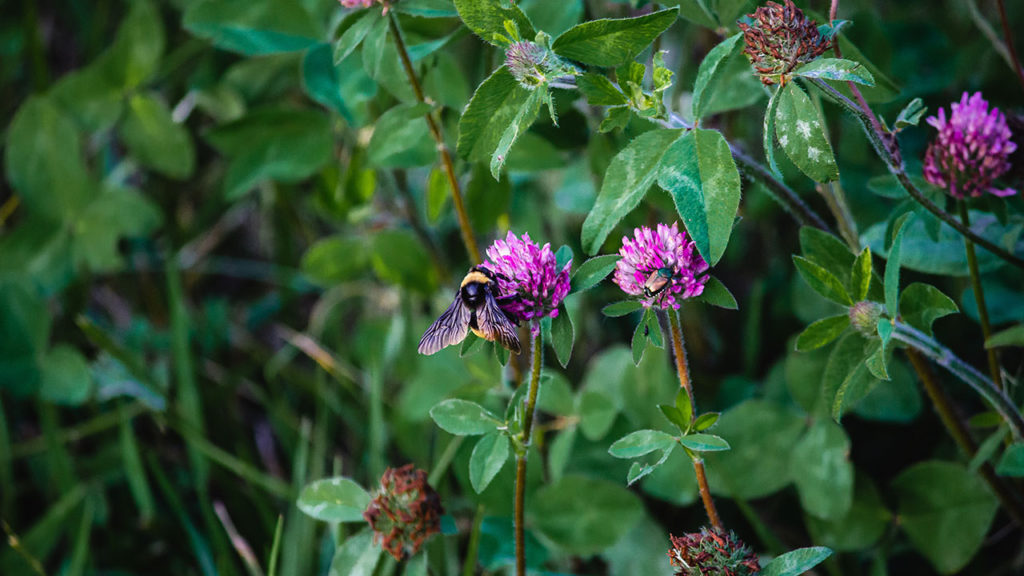
Purple Prairie Clover (Dalea purpurea) is a striking perennial native to the prairies of North America, noted for its unique, clustered purple flowers that add an unexpected pop of color to a wildflower garden. Its compact, bushy growth habit attracts a variety of beneficial insects, including bees that relish its nectar and small butterflies that often use the foliage as a brief nesting site. I’ve been continuously amazed by how Purple Prairie Clover infuses a garden with both a burst of vibrant color and a subtle textural contrast against the greens of other native plants!
This delightful plant is non-invasive and thrives in well-drained soils, making it a reliable addition to sustainable prairie gardens. Its tendency to form attractive, low mounds not only enhances the visual appeal of a wildflower meadow but also creates microhabitats that support local biodiversity. Cultivating Purple Prairie Clover has reinforced my belief that every unique bloom plays a crucial role in the tapestry of a thriving ecosystem—an idea that inspires me to nurture every corner of my garden with care and creativity!
Prairie Phlox

Prairie Phlox (Phlox pilosa) is a vibrant perennial native to the prairies of North America, cherished for its clusters of soft pink or lavender blossoms that exude a gentle, inviting fragrance. This enchanting flower draws in a variety of pollinators, from buzzing bees to delicate butterflies, which find both sustenance and a temporary haven within its abundant blooms. I’ve often found that Prairie Phlox adds a romantic, almost dreamlike quality to a wildflower meadow, evoking memories of carefree summer days in nature!
Prairie Phlox is non-invasive and adapts well to well-drained soils, thriving in the sunny, open conditions typical of prairie environments. Its sprawling habit not only beautifies the garden but also contributes to the ecological balance by providing shelter for beneficial insects and even small ground creatures seeking a quiet refuge. Every time I nurture my Prairie Phlox, I’m reminded of the sheer joy that comes from cultivating native blooms that harmonize perfectly with the rhythms of nature—truly a gardener’s delight!