

Hello, fellow gardeners! Spring is here, and there’s nothing more exciting than getting your hands dirty propagating new plants to welcome the season. I know how frustrating it can be when your garden seems to stagnate after a long winter—trust me, I’ve been there! Today, I’m thrilled to share 14 incredible plants that you can propagate right now for a vibrant spring display. From fragrant herbs to colorful annuals, each plant brings its own unique charm, attracts helpful pollinators, and even offers little nesting spots for beneficial insects!
In my own garden, propagating plants has always been a source of joy and creativity. I love how each new cutting or division signals a fresh start and a burst of life that brightens even the gloomiest days. In this article, I’ll dive into where these plants are native, whether they have any invasive tendencies, and the little quirks that make them so special. So grab your gardening tools, and let’s get propagating to create a spring garden that’s as safe, thriving, and beautiful as nature intended!
Hosta
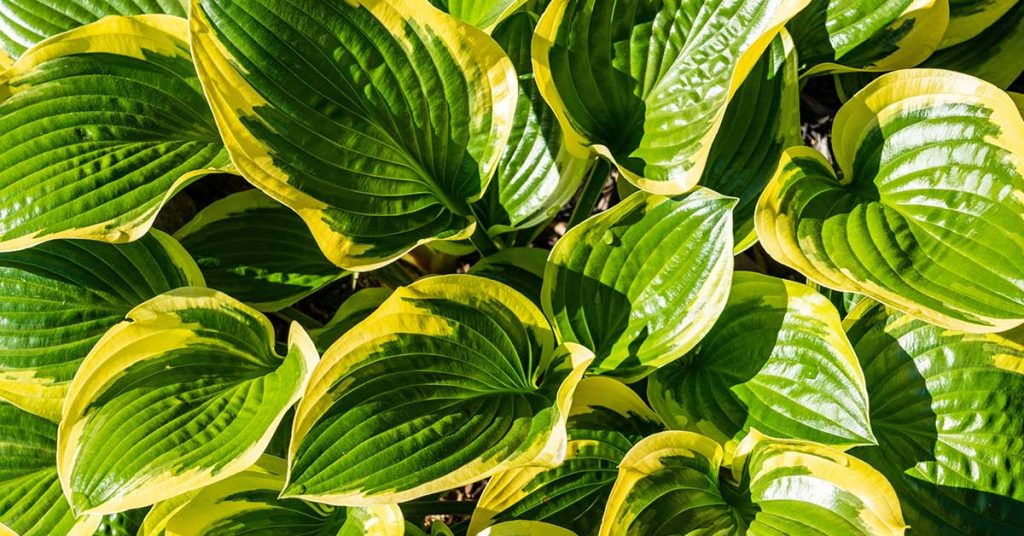
Hostas are a delightful addition to any shady garden, prized for their lush, textured foliage and graceful form. Native to East Asia, these perennial beauties thrive in cool, moist environments and are often propagated through division in early spring. I find it incredibly rewarding to divide hostas, as each new clump not only grows into a striking display of foliage but also creates cozy microhabitats where small insects can find shelter and even establish tiny nesting sites!
While hostas are generally non-invasive, their spreading habit can become exuberant if left unchecked, so regular maintenance is key. I’ve seen them transform a dull, shaded corner into a veritable oasis of green, attracting curious pollinators and adding depth to the landscape. For those frustrated by lackluster shade gardens, propagating hostas is a surefire way to breathe life and texture into your outdoor space!
Mint

Mint is an herb that practically takes over your garden with its vigorous growth and refreshing aroma. Native to Europe and Asia, mint thrives in a variety of conditions, though it’s notorious for being invasive if not contained. Propagating mint is both fun and practical—taking cuttings and planting them in a container or designated bed can prevent unwanted spreading while filling your garden with an invigorating scent and a magnet for bees and butterflies!
I enjoy the playful energy mint brings to my garden, especially when I see it attracting an array of beneficial insects that contribute to a balanced ecosystem. Its rapid propagation means that a little care can yield a flourishing patch of greenery in no time, perfect for adding a fresh twist to teas, salads, and other culinary delights. Just be prepared to manage its exuberance, as mint’s ability to self-seed is as impressive as it is sometimes challenging!
Zinnia
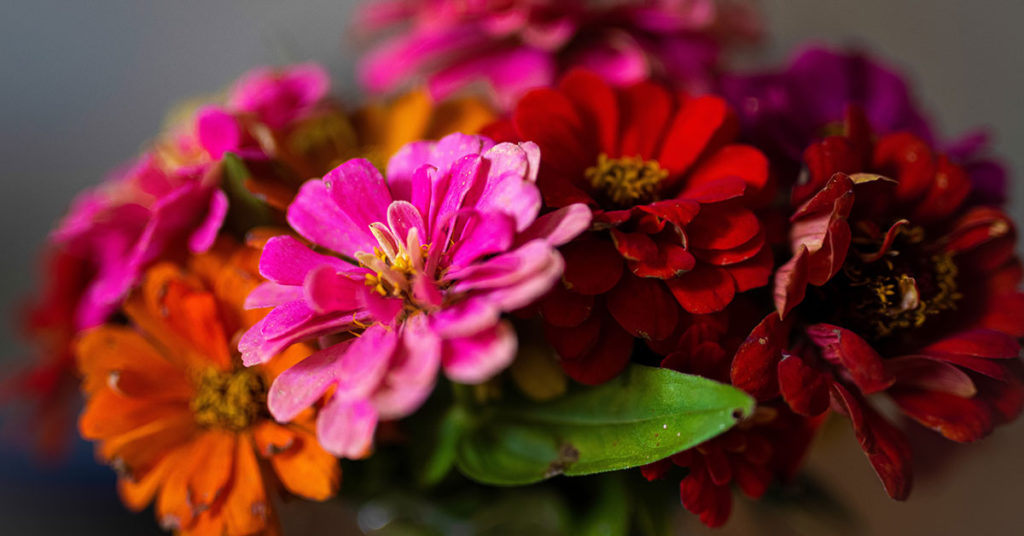
Zinnias are a burst of sunshine in the garden, renowned for their dazzling array of colors and daisy-like blossoms. Native to Mexico, these annuals are best propagated from seed, and the process is a true celebration of new beginnings each spring! When you sow zinnia seeds, you’re not just creating a flower bed—you’re inviting butterflies and bees to dance among the blooms and even providing modest nesting spots for beneficial insects looking for a vibrant retreat.
One of the aspects I find most thrilling about propagating zinnias is watching them rapidly transform from tiny seedlings to a lively, colorful display that uplifts the entire garden. They’re non-invasive and easy to grow, making them an ideal choice for gardeners of all skill levels. Their cheerful blooms are a constant reminder that even a small seed can create a big splash of joy and life in your garden!
Lavender
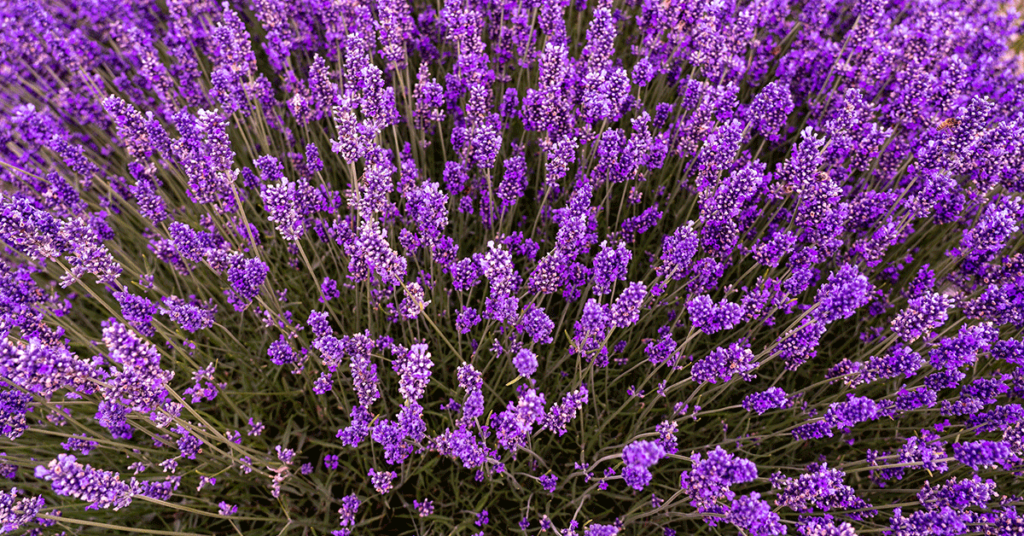
Lavender is a timeless favorite that fills the air with its soothing fragrance and vibrant purple hues. Native to the Mediterranean, this herb is not only a treat for the senses but also a breeze to propagate from cuttings in early spring. I relish the process of snipping off healthy lavender stems, knowing that each cutting carries the promise of fresh, aromatic blooms that attract bees, butterflies, and even offer a cozy nook for tiny critters seeking a spot to nest!
Although lavender is generally well-behaved and non-invasive, its Mediterranean origins mean it prefers well-drained soil and plenty of sun. In my garden, it has always been a symbol of resilience and natural beauty, transforming any space into a fragrant sanctuary. Propagating lavender is a rewarding endeavor that not only enriches your garden’s aesthetic but also enhances its ecological balance—a true win-win for every gardener!
Impatiens
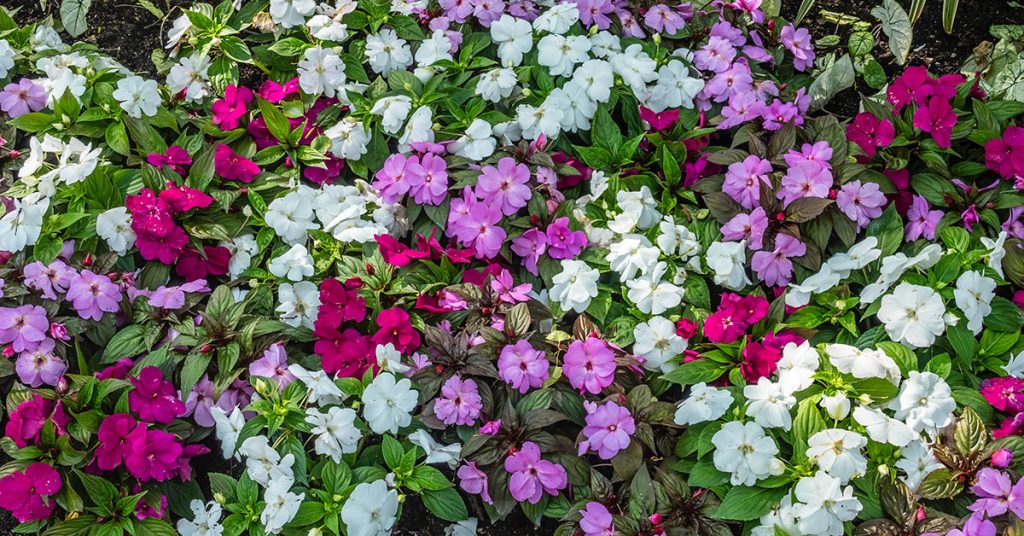
Impatiens are vibrant annuals that bring a splash of color to the shadier corners of your garden, making them a must-propagate for a lively spring display. Native to Asia and Africa, impatiens are known for their prolific blooming and ease of propagation from seed or cuttings. Their delicate, colorful flowers attract an array of pollinators, including bees and butterflies, which sometimes even find refuge in the gentle clusters of blossoms!
One of the things I find so endearing about impatiens is their ability to transform a dull, shaded area into a radiant mosaic of color. They’re non-invasive under controlled conditions, meaning that with a little care, they’ll brighten up your garden without overwhelming your other plants. Propagating impatiens is an excellent way to inject life and vibrancy into your garden, especially if you’re looking for a quick burst of springtime cheer!
Echinacea

Echinacea, or Coneflower, is a robust native of North America known for its striking, daisy-like appearance and medicinal properties. Propagating echinacea through division or from seed is a gratifying process that rewards you with a burst of vibrant, pollinator-friendly blooms. I’ve always appreciated how these sturdy perennials create an inviting habitat for bees and butterflies, occasionally even offering a secret nook for small insects to nest!
Echinacea is non-invasive and adapts well to various garden conditions, making it an ideal candidate for gardeners who want to add both beauty and health benefits to their landscape. Its colorful, cone-shaped flowers not only serve as a visual treat but also bolster your garden’s biodiversity by drawing in an array of beneficial insects. In my experience, propagating echinacea has been a game-changer for creating a natural, thriving garden ecosystem!
Basil

Basil is an aromatic herb that is a kitchen staple and a delightful addition to any garden. Native to tropical regions of Asia and Africa, basil is best propagated from cuttings, allowing you to rapidly multiply its lush, green leaves in time for spring cooking. I enjoy watching basil’s vigorous growth—it’s as if each cutting carries the promise of fresh, flavorful leaves that not only enhance your meals but also attract pollinators like bees to your garden!
Its energetic nature means that basil can sometimes be a bit invasive if not properly managed, so I always plant it in a controlled space or container. The process of propagating basil is straightforward and immensely rewarding, especially when you see its delicate blossoms and aromatic foliage take off. Whether you’re a seasoned chef or simply a lover of fresh herbs, basil propagation is a must-try for a spring garden bursting with flavor and life!
Coleus

Coleus is a stunning foliage plant celebrated for its vibrant, variegated leaves that instantly brighten any garden space. Native to tropical regions of Asia, coleus is easily propagated from cuttings, making it a fantastic project for spring gardeners eager to add a splash of color to their landscapes. I find that propagating coleus is like unleashing a palette of nature’s finest hues—each cutting promises to develop into a plant that attracts butterflies and even small insects that occasionally nest in its lush foliage!
Despite its exuberant growth, coleus is generally non-invasive and can be carefully managed to suit your garden design. Its eye-catching leaves not only provide visual interest but also contribute to the garden’s microhabitat by offering shelter and foraging sites for beneficial insects. For anyone looking to create a dynamic and colorful garden environment, coleus is an absolute delight to propagate and watch flourish throughout spring!
Fuchsia

Fuchsia is a show-stopping plant known for its delicate, pendulous flowers that create a striking visual display in any garden. Native to Central and South America, fuchsia thrives in mild climates and can be readily propagated from cuttings during the spring. Its unique blossoms attract hummingbirds and butterflies, which are drawn to its sweet nectar and sometimes even take advantage of its cascading branches as mini nesting spots—a sight that always fills me with wonder!
In my experience, fuchsia is non-invasive and offers a wonderful way to introduce an element of elegance and movement to your garden. Its vibrant colors and graceful form make it a favorite for adding a touch of sophistication to both container gardens and mixed borders. Propagating fuchsia is a rewarding endeavor that not only enhances your garden’s aesthetic appeal but also creates a lively habitat for a variety of pollinators!
Sedum
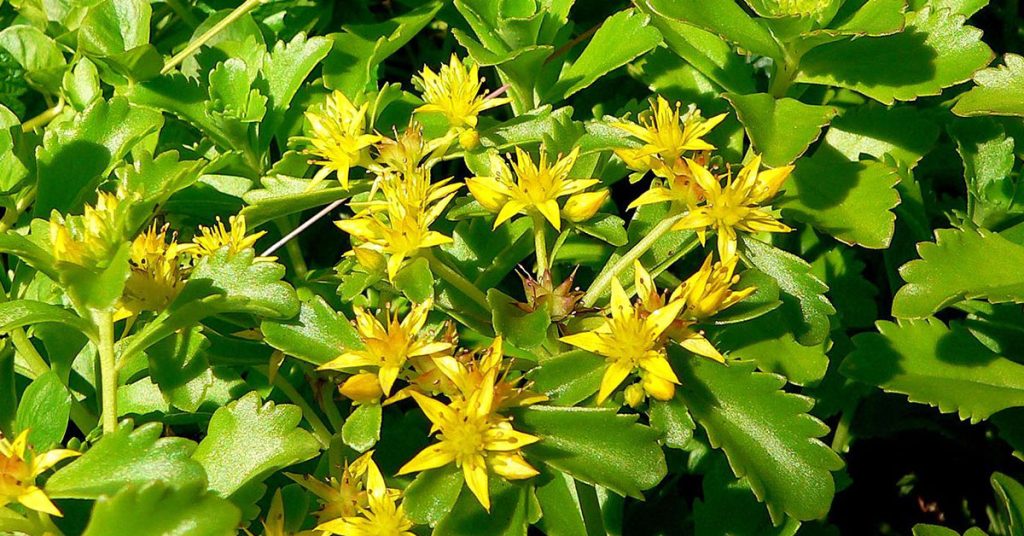
Sedum, commonly known as Stonecrop, is a hardy succulent that effortlessly brings texture and interest to rock gardens and sunny borders. Native to Europe and Asia, sedum is remarkably easy to propagate from cuttings, division, or even from leaves in the spring. Its fleshy leaves and clusters of star-shaped flowers attract bees, butterflies, and other beneficial insects that sometimes nest in the plant’s dense rosettes—adding an extra layer of life to your garden!
One of the things I appreciate most about sedum is its low-maintenance nature and non-invasive growth habit, making it an excellent choice for gardeners looking to enhance their landscape without the hassle of constant pruning. Its unique charm lies in its adaptability and resilience, thriving in poor soils and sun-drenched areas where few other plants dare to grow. Propagating sedum is a sure way to add both visual interest and ecological balance to your spring garden!
Rosemary

Rosemary is a fragrant, woody herb that is a must-have in any herb garden and a breeze to propagate from cuttings. Native to the Mediterranean, rosemary thrives in sunny, well-drained conditions and rewards gardeners with its aromatic needles and subtle blue blooms. I love the process of taking a rosemary cutting in spring—it’s like capturing a piece of the Mediterranean sun that, once rooted, will attract bees and other pollinators to your garden while providing natural nesting spots for tiny critters!
This versatile herb is non-invasive when properly maintained and has a rich culinary history, making it a dual-purpose plant that adds both beauty and flavor to your space. Propagating rosemary is not only satisfying but also a smart way to ensure your garden is stocked with fresh, home-grown herbs all season long. Every time I trim and root a rosemary cutting, I’m reminded of how nature offers us such abundant, fragrant gifts that enhance our lives in countless ways!
Geranium
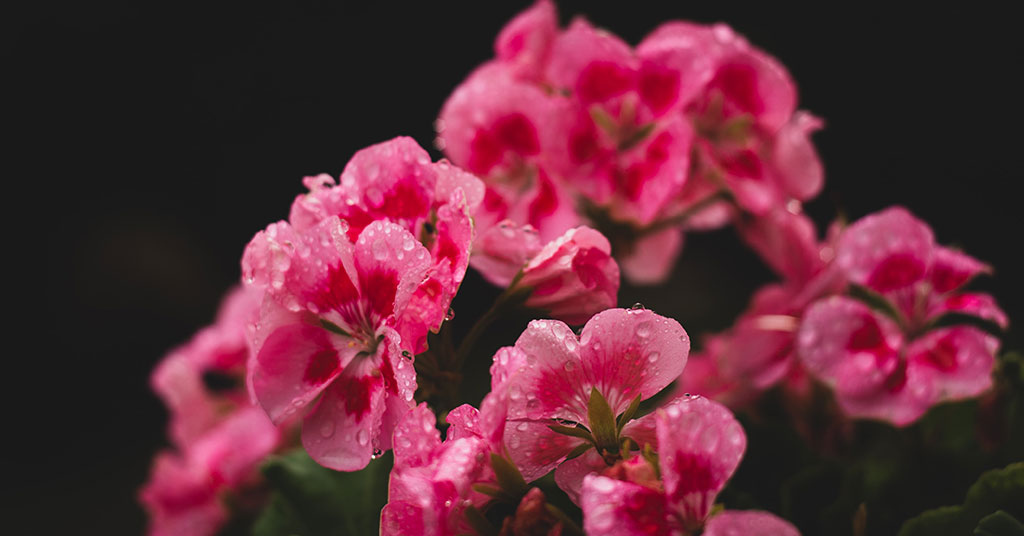
Geranium, particularly the hardy varieties known as cranesbill, is a charming perennial that offers a burst of color and texture to your garden. Native to Europe and parts of Asia, these geraniums are easily propagated by division, a process that brings new life to established clumps while attracting bees and butterflies with their vivid blooms. I enjoy watching these plants transform through propagation—they’re like little ambassadors of garden cheer, each new division promising more beauty and a bit of natural habitat for small insects!
Geraniums are generally non-invasive and are known for their resilience and long blooming season. Their ability to thrive in a range of garden conditions makes them a reliable choice for gardeners looking to create a lively, well-balanced landscape. Propagating geranium is a delightful project that not only multiplies your floral display but also contributes to a thriving ecosystem right in your backyard!
Pansies
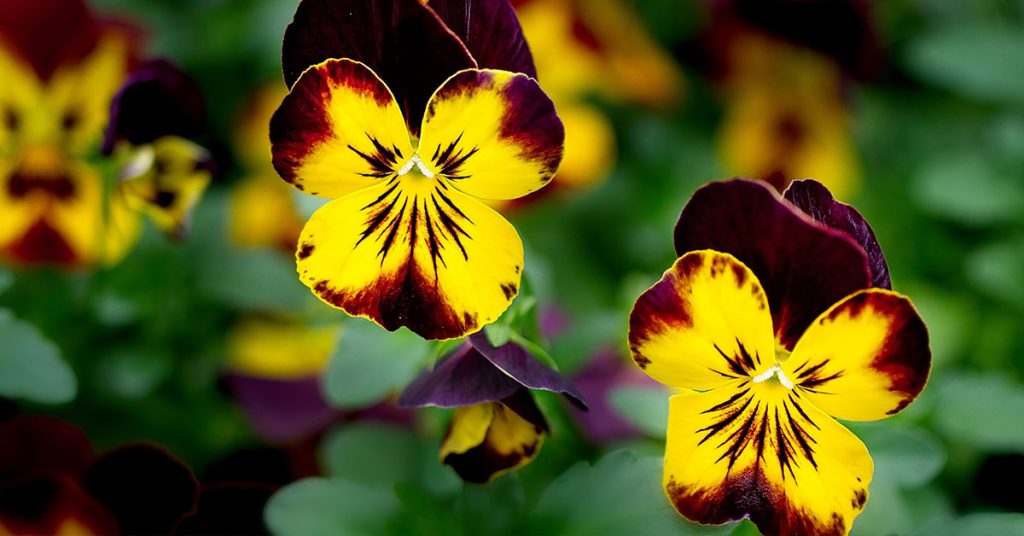
Pansies are a beloved staple of early spring gardens, known for their charming faces and a kaleidoscope of colors. Native to Europe, these cool-weather annuals are easily propagated from seed, and their early bloom signals the end of winter with a burst of optimism! I find that growing pansies from seed is an incredibly rewarding project—they attract a variety of small pollinators and even provide subtle shelter for tiny insects during the crisp spring mornings.
Despite their delicate appearance, pansies are hardy and non-invasive, thriving in well-prepared soil and cooler temperatures. Their cheerful blossoms create a warm, inviting atmosphere that makes your garden feel like a haven of hope and renewal. Propagating pansies is a fantastic way to add both beauty and a touch of whimsy to your spring garden, turning even the smallest patch into a vibrant display of nature’s resilience!
Salvia
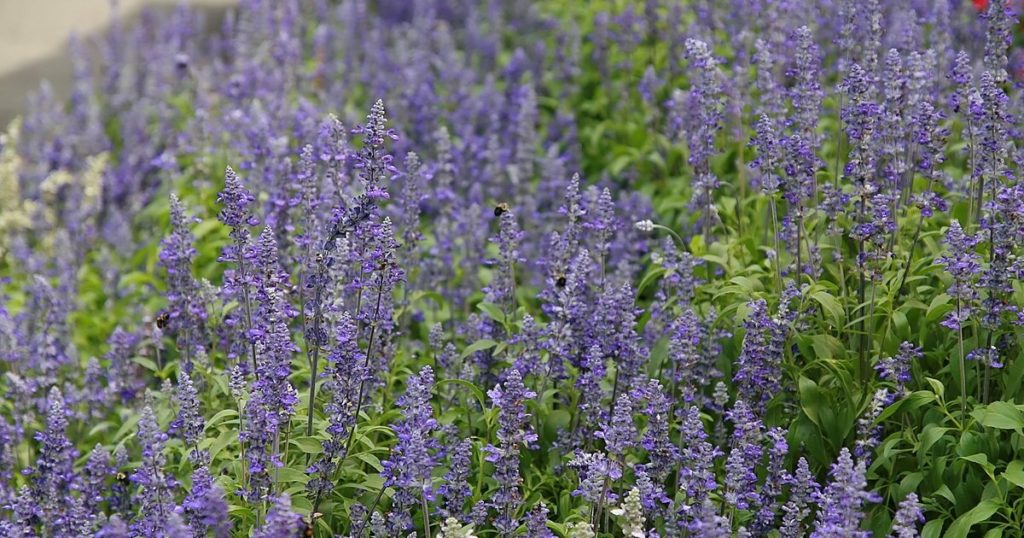
Salvia is a striking, versatile plant that brings bursts of color and a dash of spice to your garden, perfect for propagation in the spring. Many varieties of salvia are native to regions as diverse as Central and South America, as well as the Mediterranean, and they are renowned for attracting hummingbirds, bees, and butterflies with their tubular blossoms. I love taking salvia cuttings in early spring—each one carries the promise of a lively, buzzing display that not only adds beauty but also offers tiny sheltering spots for beneficial insects in its dense, leafy clumps!
Salvia is generally non-invasive when properly cared for, making it a dependable choice for both ornamental gardens and naturalized landscapes. Its robust growth and vibrant flowers are a testament to nature’s resilience and ability to thrive in a variety of conditions. For any gardener looking to inject energy and color into their spring garden, propagating salvia is a surefire way to welcome a cascade of life, beauty, and pollinator-friendly charm!